


A third-generation specialist in Nishiki Market, Okuniya Mambei holds a Michelin Plate for a menu of singular focus: large kabayaki eel grilled with fat intact, served over rice cooked in earthenware. The room pairs bold calligraphy with rustic ceramics, and the meal closes in true Kyoto fashion with eel tsukudani and hojicha poured over the remaining rice.
Pearl is the En Primeur Club membership app — saves, bookings, and concierge access live there. Same editors, same standards.
- Address
- Japan, 〒604-8127 Kyoto, Nakagyo Ward, Kikuyacho, 錦小路上ル
- Phone
- +81 75-255-2590
- Website
- manbei.bubu-unagi.com
- Directions
- Get directions
 Saves & bookings on Pearl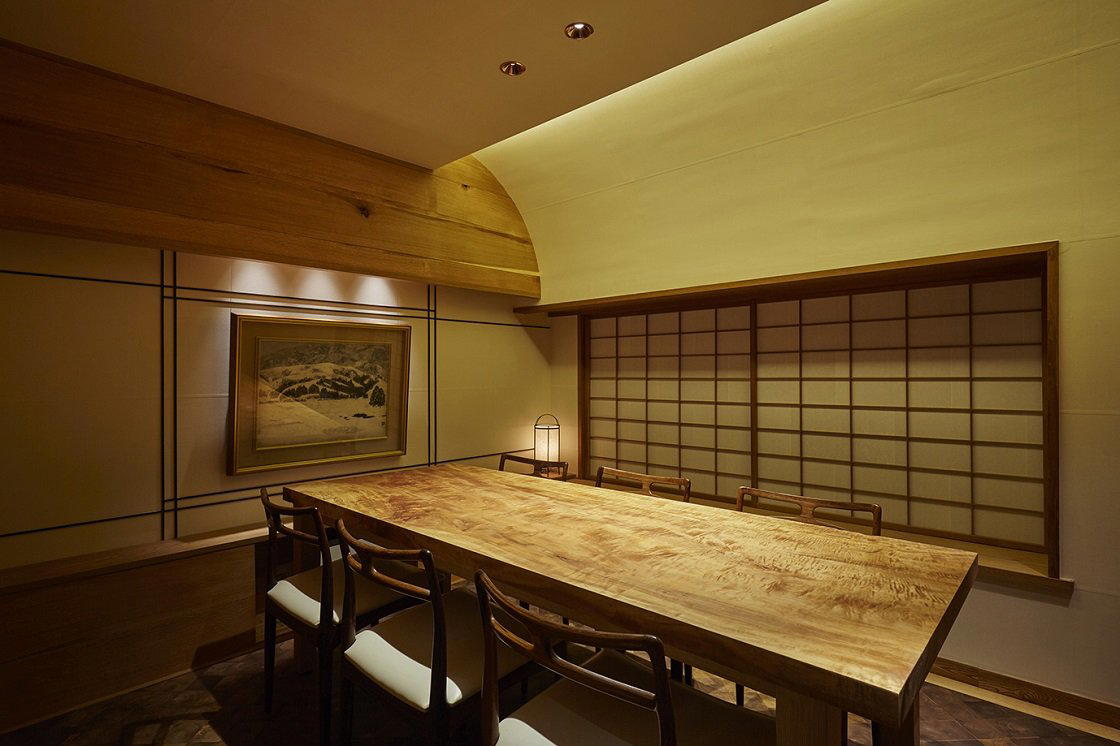
Where Nishiki Market Slows Down
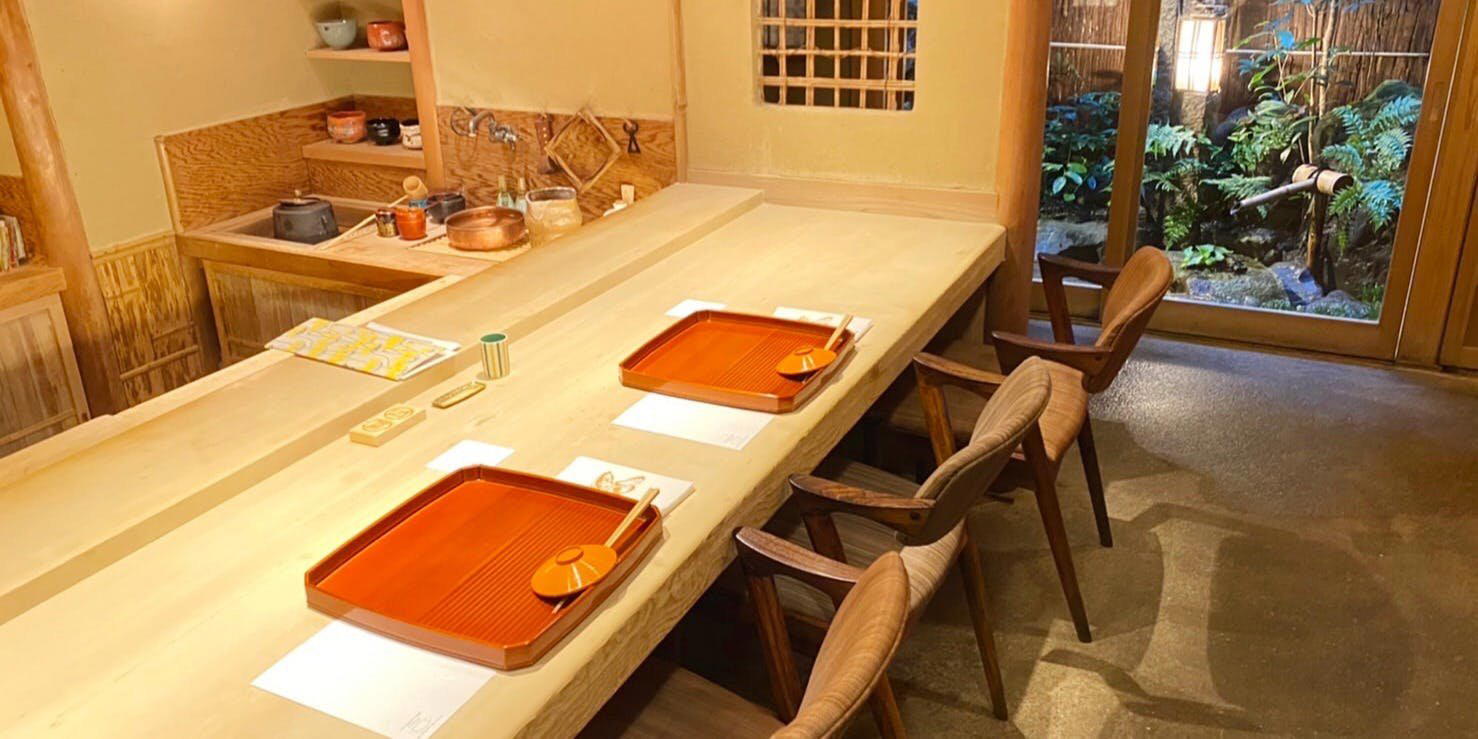
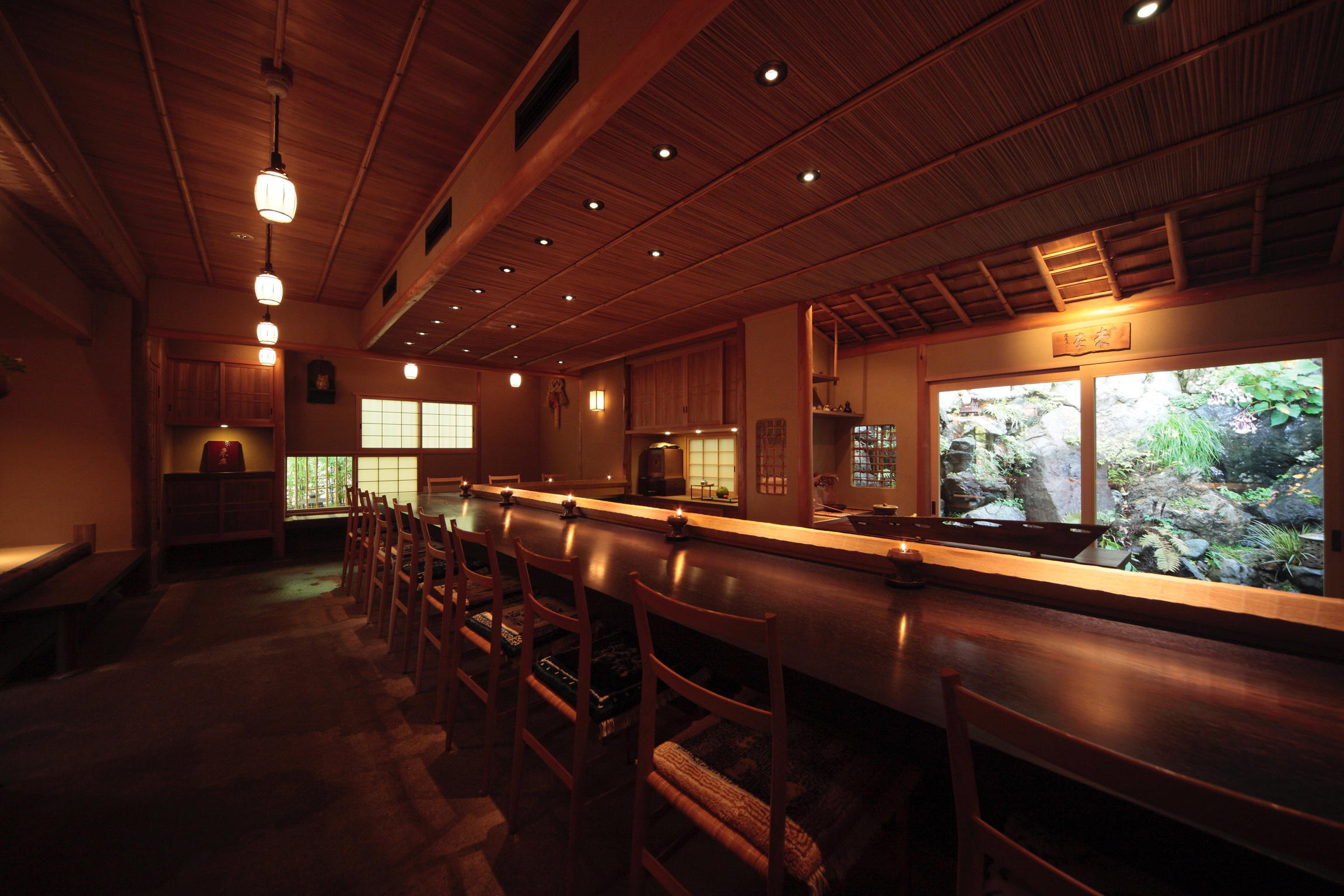
Nishiki Market runs through central Kyoto, a corridor of pickled vegetables, tofu skin, and street-food vendors. At the Kikuyacho end, where the street thins and the crowd lightens, Okuniya Mambei operates at a different tempo. Bold calligraphy fills the walls, and earthenware pots sit on the counter, while the materials throughout read as deliberate craft. Architects, calligraphers, and potters contributed to the space, and the result is a room that frames one specific meal with considered care.
That meal is unagi kabayaki over rice. Nothing else appears on the menu. In a city where kaiseki houses like Gion Sasaki and Hyotei build entire evenings around sequential courses and seasonal transitions, Okuniya Mambei occupies the opposite position: radical reduction to a single preparation, executed across generations.
The Logic of a Single-Dish Format
Japan has a long tradition of specialist restaurants that narrow their focus to one preparation and spend decades refining it. Unagi houses belong to that tradition, and within Kyoto, the category sits somewhat apart from the dominant kaiseki identity. Nishiki Market has long housed river-fish specialists, the market's historical connection to freshwater ingredients predates its current tourist-facing character, and a third-generation operation like Okuniya Mambei carries that lineage forward in a legible way.
The preparation here follows the Kyoto approach: eel grilled with the fat intact, placed over rice cooked to order in an earthenware pot. The fat-retention decision matters more than it might appear. The competing Kanto style, dominant in Tokyo at houses like Nodaiwa Azabu Iikura Honten and Ginza Yondaime TAKAHASHIYA, typically steams the eel before grilling, producing a softer, less fatty result. The Kyoto method skips the steam entirely, which means the eel arrives with more texture and a pronounced richness that the earthenware-cooked rice absorbs rather than fights against.
The meal concludes with leftover rice in the pot topped with eel tsukudani and finished with hojicha poured over it. Once the main portion is finished, the leftover rice in the pot is topped with eel tsukudani, a preserve made with sweetened soy sauce that concentrates the flavour and extends the eel across a second register. Hojicha, the roasted green tea that Kyoto kitchens reach for when they want warmth without bitterness, is poured over the rice to finish. The sequence is not ornamental. It is a practical, considered way to use every element of the meal, and it is the kind of detail that regulars return for specifically.
What Keeps the Regulars Coming Back
Clientele at a single-dish specialist develops a relationship with precision rather than variety. There is no seasonal tasting menu to revisit for new courses, no evolving wine list, no dish rotation that rewards repeat visits through novelty. What changes is subtler: the cook's control of the fire, the fat content of the eel through different seasons, the exact texture of the rice on a given day.
Compared to Kyoto's other Nishiki-area specialists, the restaurant sits at the accessible end of the price range. At ¥¥¥, it occupies a different bracket from the ¥¥¥¥ kaiseki houses that anchor the city's premium dining identity. That price positioning brings its own regulars: locals who treat the place as a weekly lunch rather than an occasion, and visitors who have done enough reading to know that a Michelin Plate in this category, held across both 2024 and 2025, is a meaningful signal in a format where the distinction between a competent and a genuinely skilled execution is not always obvious from the outside.
The restaurant's Michelin recognition places it in a peer conversation with other Kyoto specialists taking a focused approach to a single tradition. For river-fish specifically, Kanesho and Kyogoku Kaneyo represent alternative points on the same map. Each makes different decisions about preparation, setting, and price. At the restaurant, the decisions cohere around the earthenware pot, the intact fat, and the tsukudani close, a sequence that has been refined across three generations of the same family in the same market.
Kyoto Dining Context
Kyoto's restaurant culture rewards patience with format. The city's premium tier leans heavily toward kaiseki, where multi-course structure and seasonal ingredient sourcing define the experience at houses like Isshisoden Nakamura. But alongside that kaiseki identity, a parallel set of specialists operates with equal seriousness in narrower formats. Unagi sits within that parallel category, and Nishiki Market provides a physical context for it: a covered market with deep roots in Kyoto's food supply that functions now as both a working food street and a point of entry for visitors trying to read the city through its ingredients.
For those moving between Kyoto and other Japanese cities, the unagi tradition looks different in each context. In Osaka, the dining identity shifts toward broader formats at places like HAJIME. In Nara, smaller restaurants such as akordu work in different registers entirely.
Planning Your Visit
The restaurant is located in Nakagyo Ward on Nishiki Market's upper end, near Kikuyacho. The ¥¥ price range makes it accessible relative to Kyoto's kaiseki tier, and the fixed-format menu means there are no ordering decisions to navigate.
Quick reference: the restaurant, Nishiki Market (Kikuyacho), Nakagyo Ward, Kyoto. Cuisine: Unagi kabayaki. Price range: ¥¥. Michelin Plate 2024 and 2025.5 (200 reviews).
Awards and Standing
Comparable venues nearby, for context on price, style, and recognition.
| Venue | Cuisine | Price | Awards | Notes |
|---|---|---|---|---|
| Okuniya MambeiThis venue — the venue you are viewing | Traditional Kyoto Unagi Kabayaki | $$$ | Michelin Plate | Not listed |
| Fuyacho 103 | Traditional Oden with Dashi Mastery | $$$ | Bib Gourmand | Nakagyō |
| Ajiro | Shojin Ryori Temple Cuisine | $$$ | Michelin Plate | Ukyō |
| Hiiragitei | Kyoto Yakitori & Obanzai | $$$ | Bib Gourmand | Higashiyama |
| Kyogoku Kaneyo | Traditional Kyoto Unagi | $$$ | Bib Gourmand | Nakagyō |
| Takocho | Traditional Kyoto Oden | $$$ | Michelin Plate | Higashiyama |
Recognition history
Dated appearances from independent guides and award organizations, with the underlying list record or original source where available.
Michelin Plate
Michelin
Opinionated About Dining Casual in Japan Ranked #97
Opinionated About Dining
Michelin Plate
Michelin
Opinionated About Dining Casual in Japan
Opinionated About Dining
Michelin Plate
Michelin
Tabelog 100 #30 · No. 30
Tabelog · Tabelog 100 - Unagi - 2024
Continue exploring
More in Kyoto
More from Chef Various
Browse all →
Restaurants in Kyoto
Browse all →

Bars in Kyoto
Browse all →



Hotels in Kyoto
Browse all →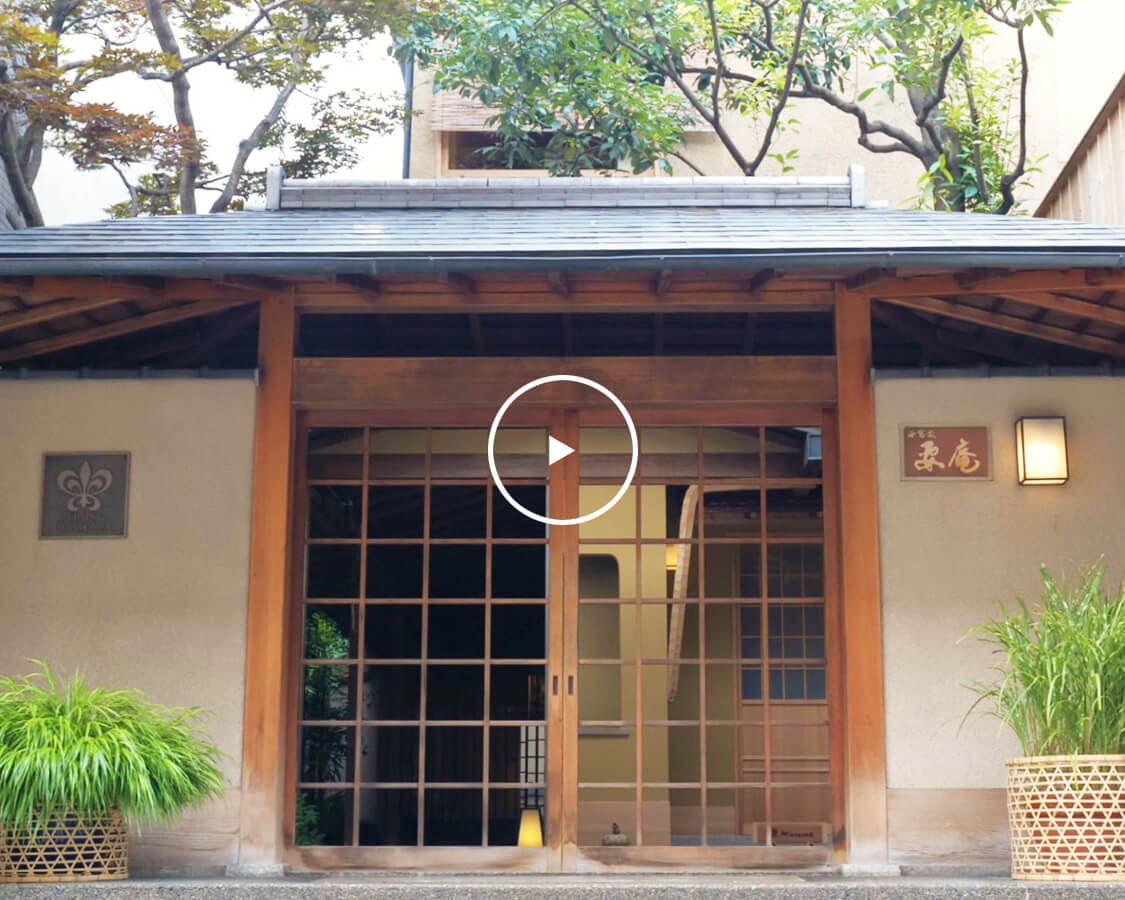

Wineries in Kyoto
Browse all →
At a Glance
- Rustic
- Cozy
- Intimate
- Classic
- Date Night
- Solo
- Special Occasion
- Sake Program
Current opening hours
- Monday
- 11 AM–2 PM
- Tuesday
- 11 AM–2 PM
- Wednesday
- Closed
- Thursday
- 11 AM–2 PM
- Friday
- 11 AM–2 PM
- Saturday
- 11 AM–2 PM
- Sunday
- 11 AM–2 PM
Hours can change for holidays and private events. Last verified .
Rustic simplicity with bold calligraphy and tricolour earthenware pots creating a serene, elemental atmosphere.