
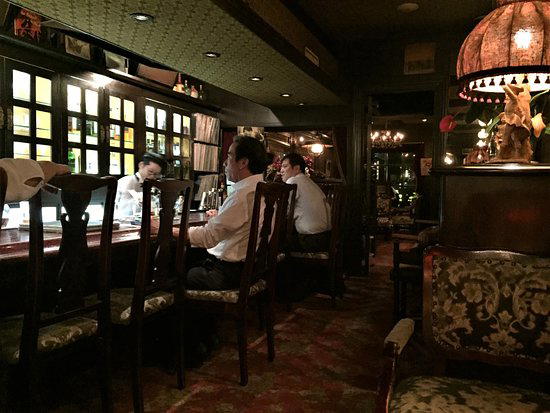
Yoshoku no Mise Mishina places Kyoto’s Western-influenced comfort cooking in a disciplined counter format rather than a casual café register. Its Tabelog 100 Yoshoku WEST 2025 selection, 10-seat room, and Higashiyama location make the planning question as important as the meal: this is a small-room Kyoto experience, not a drop-in fallback between temple visits.
Pearl is the En Primeur Club membership app — saves, bookings, and concierge access live there. Same editors, same standards.
- Address
- 357 Masuyacho, Higashiyama Ward, Kyoto, 605-0826, Japan
- Phone
- +81 75-551-5561
- Website
- aquadina.com
 Saves & bookings on Pearl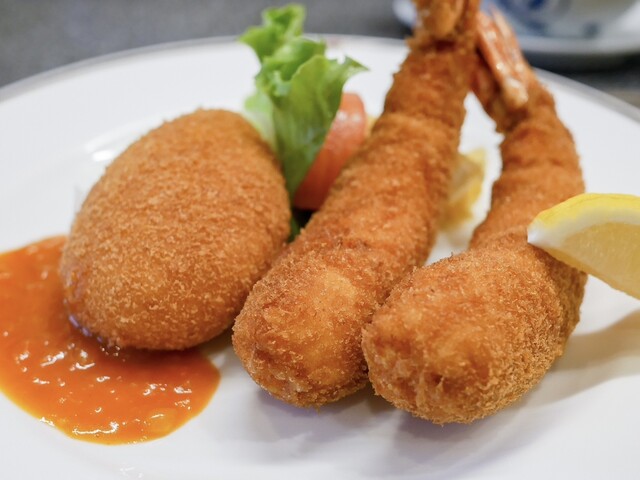
Higashiyama changes register quickly: stone lanes, temple traffic, camera straps, then the quiet concentration of a small counter where yoshoku feels less like nostalgia than a Kyoto subculture with rules. Yoshoku no Mise Mishina is the kind of restaurant where the room shapes the meal before a plate arrives. The scale is tight, the genre specific, and the audience tends to understand that Japanese-style Western food is not a novelty act but a post-Meiji dining language with its own canon, from croquettes to demi-glace traditions, adapted over decades into something neither French nor purely Japanese.
That matters in Kyoto, a city visitors often flatten into kaiseki, tea sweets, and ramen queues. Yoshoku occupies another lane: everyday food treated with craft, modest in vocabulary but not execution. Mishina’s place in Tabelog’s 100 Yoshoku WEST 2025 list is a clear trust signal within that lane, especially because the category rewards consistency in a style that can look simple from outside. A Tabelog score of 3.76 sits where local repeat attention matters more than international spectacle.
Kyoto yoshoku, compressed into a counter-scale meal
The point is not maximal ceremony. Kyoto has enough rooms built around procession, private space, and seasonal choreography. Yoshoku works differently: pleasure lies in recognisable forms handled carefully, and in the tension between Western technique and Japanese portioning, texture, and rice-centered habits. In Higashiyama, the counter-scale format also moves the meal away from the area’s larger hospitality machines. Compared with nearby high-spend dining rooms such as Kodaiji Jugyuan, Hiramatsu Kodaiji, THE SODOH HIGASHIYAMA KYOTO, and KYOTO BISTRO, this is narrower: fewer seats, a tighter category, and a clearer reason to plan around the room rather than the view.
Yoshoku is easy to underestimate because its menu grammar is familiar. Croquette, cutlet, omelette rice, hamburg steak, and curry-rice traditions can read as casual shorthand, but serious restaurants in the genre are judged on frying control, sauce depth, texture, timing, and the balance between richness and restraint. Mishina is listed in the Yoshoku and Croquette categories, placing it inside that technical conversation rather than a broad “Western food” category. For travellers, the distinction is useful: this is not French dining in Kyoto, nor a café version of Western comfort food. It is a Japanese category with Western ancestry.
For a city itinerary, the sharper comparison is with Kyoto’s small specialist rooms. Kasagiya represents another narrow Kyoto tradition, built around sweets rather than savoury yoshoku; the appeal is fidelity to a limited form, not breadth. Mishina fits the same Kyoto instinct. The city rewards places that do one thing with control, and penalises travellers who treat them as casual add-ons.
The booking is part of the experience, not a footnote
Small Kyoto restaurants often demand a different rhythm from large-city dining: fewer seats, shorter service windows, and little tolerance for loose timing. That is especially true where tourist movement is heavy but restaurant capacity remains domestic in scale. A 10-seat counter changes the stakes. It turns a meal into a planned appointment and makes solo dining or a two-person booking more natural than a group dinner. This is Mishina’s place in the Kyoto equation: not expensive by luxury-dining standards, but constrained by format.
Treat the meal as a fixed anchor rather than a flexible stop between Kiyomizu-dera, Gion, and the southern Higashiyama lanes. The area encourages wandering, but this kind of restaurant does not reward improvisation. Counter seating also sets the social tempo. It suits diners comfortable with a compact room, close timing, and a meal focused on the kitchen’s rhythm rather than lingering over multiple bottles. Sake and wine are part of the drink frame, apt for yoshoku’s hybrid identity: rice, sauce, frying, and Western-adapted richness can move either way.
There is also a family-dining caveat. In Kyoto, small rooms can be unforgiving, and the restaurant’s child policy is cautious about noisy small children. That signals a room calibrated for quiet concentration rather than family sprawl. It is not formal in the hotel-dining sense; it is compact and rule-bound, like many serious neighbourhood restaurants in Japan.
How to place it in a Kyoto food itinerary
Mishina is strongest for travellers who have already made room for Kyoto’s better-known genres and want a meal that explains another strand of the city. Kaiseki shows Kyoto’s seasonal grammar; tea shops and wagashi rooms show its sweet and ceremonial register; yoshoku shows how imported Western forms became domestic Japanese comfort food without losing technical seriousness. Mishina is not a substitute for a grand Japanese dinner. It is a counterpoint.
Use the surrounding area intelligently. Higashiyama can be punishing at peak sightseeing hours, and small-capacity restaurants make less sense bolted onto an overfilled day. Build a contained east-side plan and leave margin around the meal. For broader planning, start with Our full Kyoto restaurants guide, then cross-check stays through Our full Kyoto hotels guide, drinking rooms through Our full Kyoto bars guide, regional wine context through Our full Kyoto wineries guide, and cultural scheduling through Our full Kyoto experiences guide.
For readers mapping Kyoto by category rather than neighbourhood, contrast helps. Aburi Mochi Honke Nemoto Kazariya sits in the older sweets-and-shrine orbit; 551蓬莱 speaks to Kansai’s mass-appeal comfort register; Abbesses, [ki:], and 3TOKU6MI Shijo karasuma ten show how varied Kyoto’s non-kaiseki dining has become. Beyond Kyoto, useful Japan and diaspora comparisons include -Grilled beef Sukiyaki- KAMAKURA TANUKIAN 鎌倉 たぬき庵 in Kamakura. 鮪と炭火焼き うお炭 秋葉原店 in Tokyo.cafe in Osaka.know in Kumamoto, (Shoku) Vietnam in Kawasaki, [Curry Senmon Ten] Maruyama Kyoju. in Sapporo, Jōdo Saké Bar in Los Angeles, and Onigiri Time in Pasadena.
The editorial case is clear: Kyoto’s dining depth is not only in its formal Japanese rooms. A yoshoku counter in Higashiyama can tell a sharper story about the city’s appetite for specialised craft, if the traveller treats access, timing, and room size as part of the meal rather than afterthoughts.
Cuisine and Awards Snapshot
Comparable venues in the metro at similar price points.
| Venue | Cuisine | Price | Notes |
|---|---|---|---|
| Yoshoku no Mise MishinaThis venue — the venue you are viewing | Classic Yoshoku (Japanese-style Western) | $$$ | Not listed |
| Matsumoto | Japanese Soba and Sake Bar | $$$ | Nakagyō |
| Kuchibashi Modern | Modern Yakitori Omakase | $$$ | Shimogyō |
| Sakaba Ikura Mokuzai | Japanese stand-up izakaya bar | $$$ | Kamigyō |
| Yakiniku Yazawa Kyoto | Premium Wagyu Yakiniku | $$$ | Shimogyō |
| GYUKATSU Kyoto Katsugyu Teramachi Kyogoku | Gyukatsu (Breaded Beef Cutlet) | $$$ | Nakagyō |
Recognition history
Dated appearances from independent guides and award organizations, with the underlying list record or original source where available.
Tabelog 100 #39 · No. 39
Tabelog · Tabelog 100 - Yoshoku - WEST - 2025
Continue exploring
More in Kyoto
Restaurants in Kyoto
Browse all →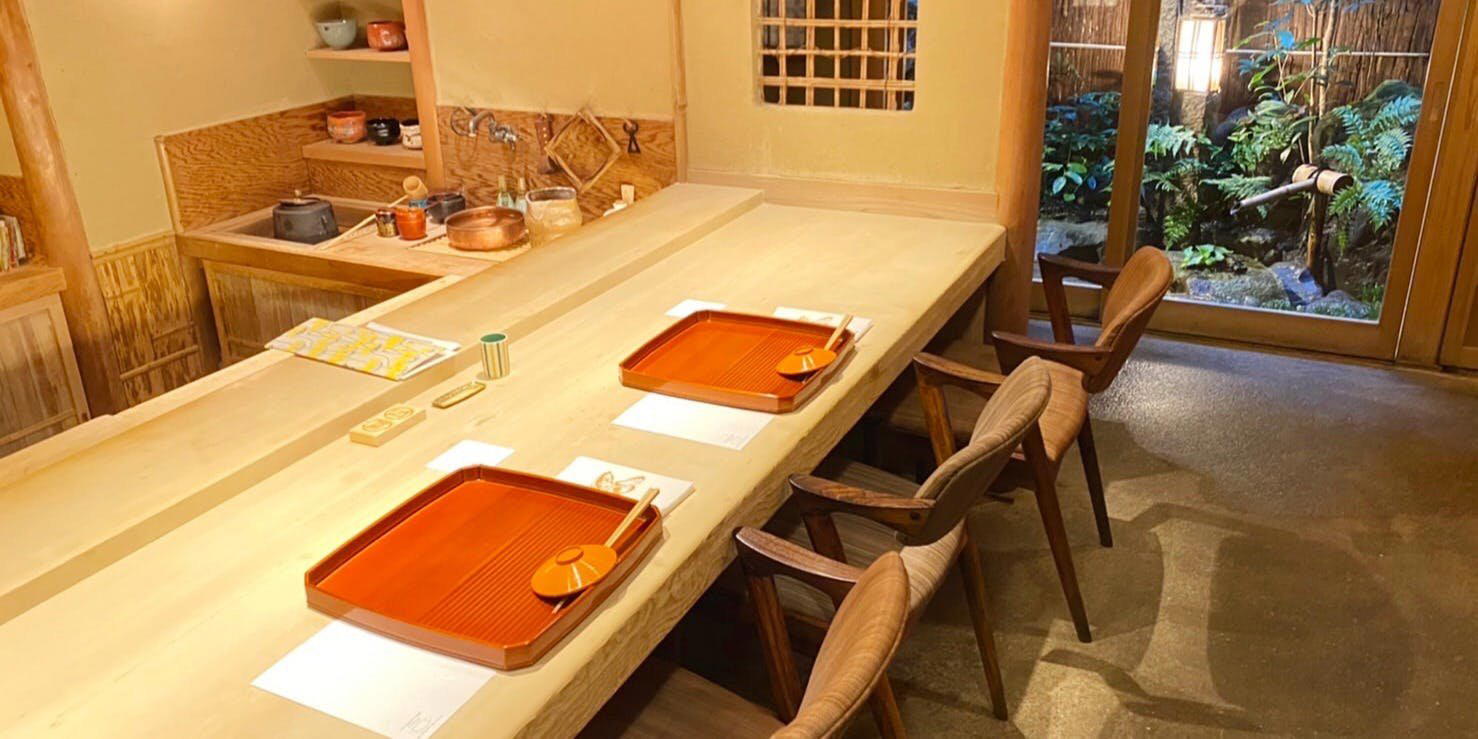
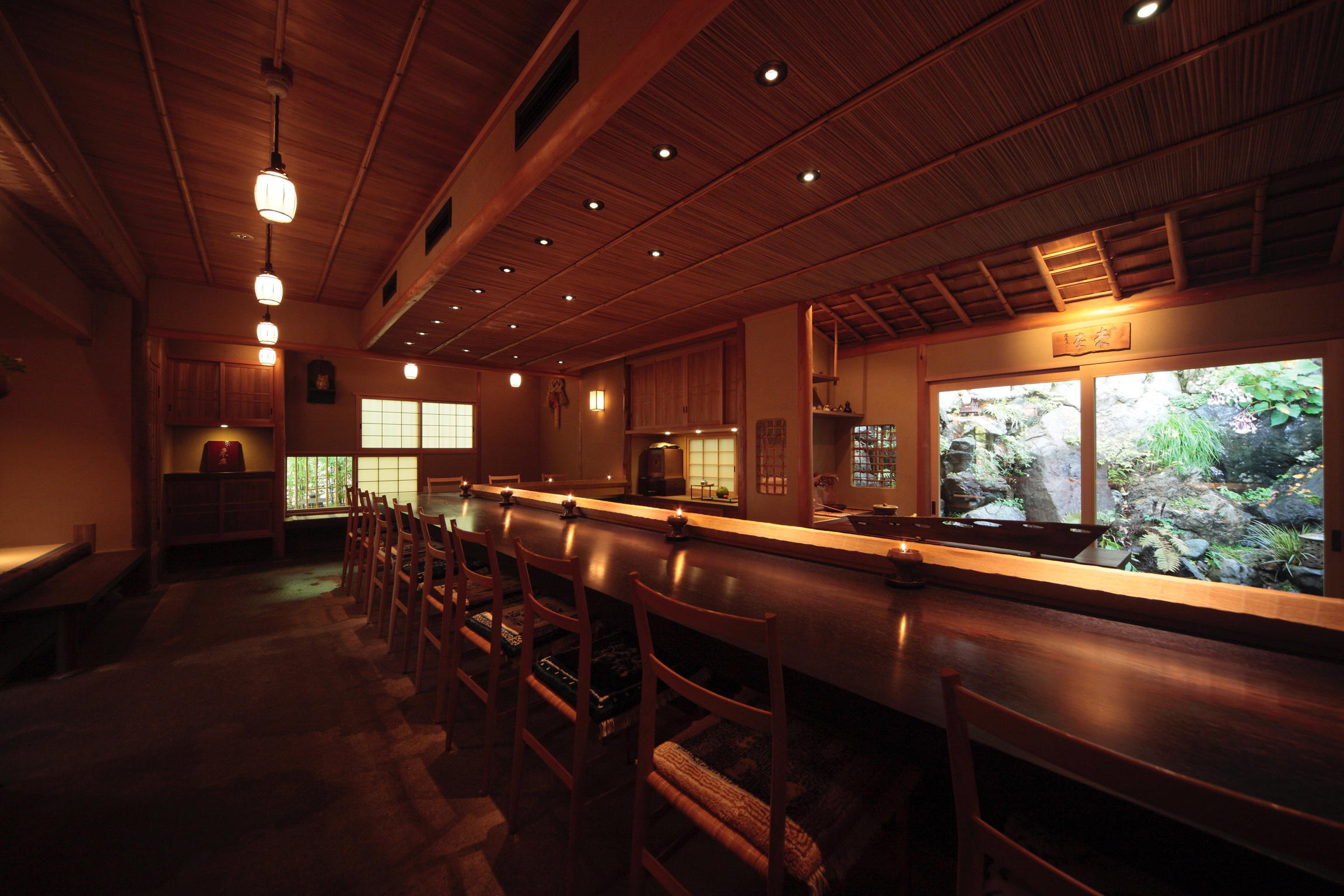
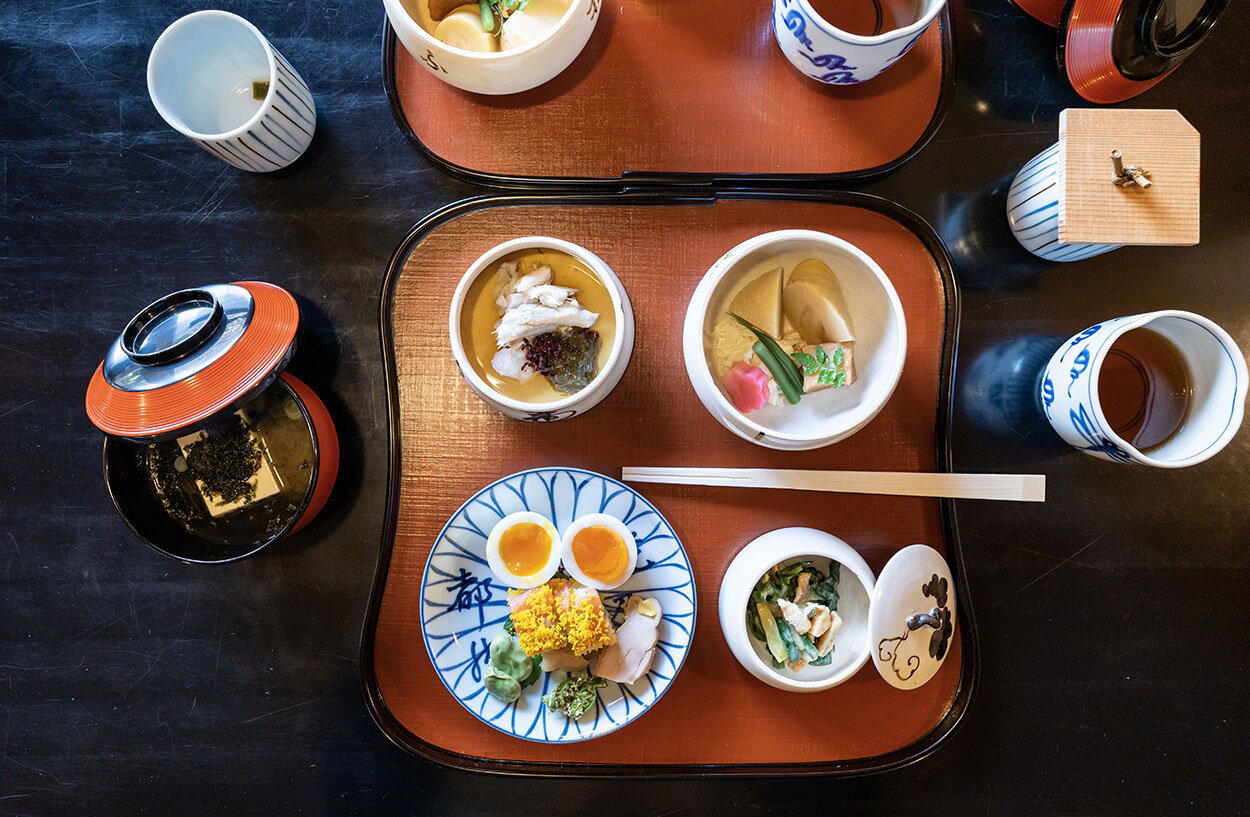
Bars in Kyoto
Browse all →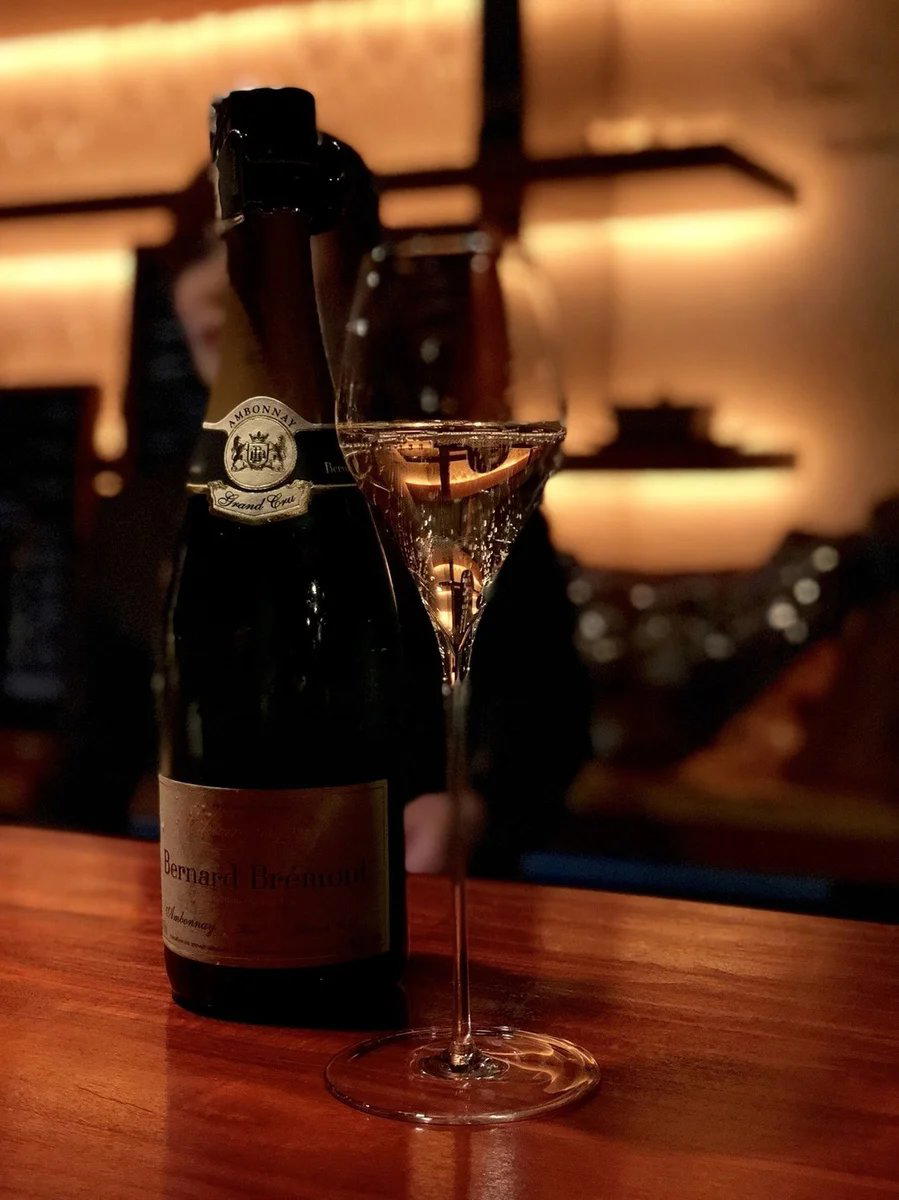
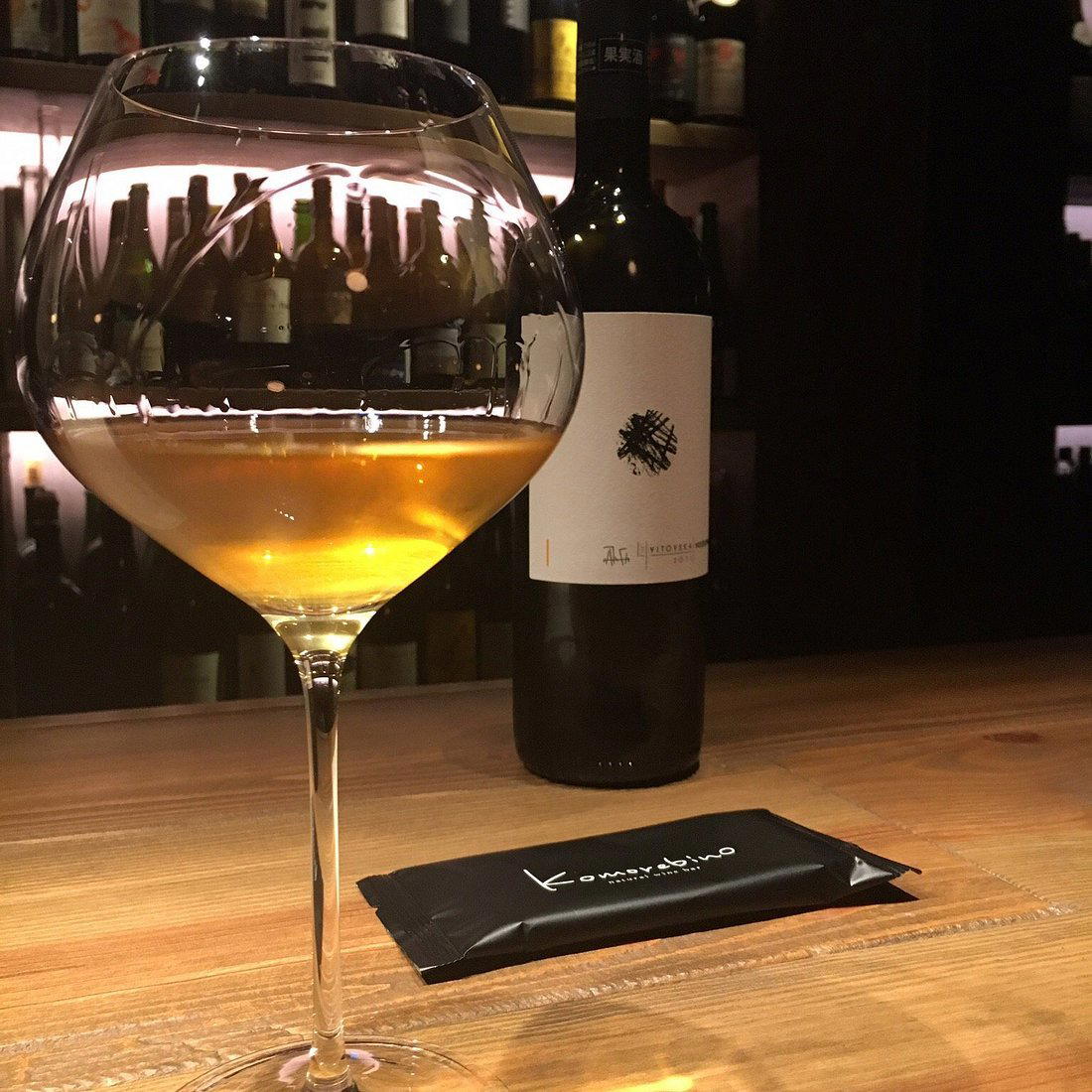
Hotels in Kyoto
Browse all →
Wineries in Kyoto
Browse all →
At a Glance
- Cozy
- Classic
- Intimate
- Date Night
- Solo
- Casual Hangout
- Special Occasion
- Chefs Counter
- Standalone
Current opening hours
- Monday
- 12–2:30 PM, 5–7:30 PM
- Tuesday
- 12–2:30 PM, 5–7:30 PM
- Wednesday
- Closed
- Thursday
- Closed
- Friday
- 12–2:30 PM, 5–7:30 PM
- Saturday
- 12–2:30 PM, 5–7:30 PM
- Sunday
- 12–2:30 PM, 5–7:30 PM
Hours can change for holidays and private events. Last verified .
Warm and understated with a classic neighborhood feel; the small counter-focused space and meticulous, reservation-only service create an intimate, quietly conversational atmosphere centered on carefully crafted yoshoku dishes.