Menya Hanabi's Shinjuku location sits inside the Okubo neighbourhood's dense ramen corridor, where Nagoya-origin abura soba and mazesoba formats compete for attention. The branch brings a technique-driven, sauce-forward bowl tradition to one of Tokyo's highest-footfall districts, positioning it firmly in the mid-range ramen tier that draws daily queues rather than advance bookings.
Pearl is the En Primeur Club membership app — saves, bookings, and concierge access live there. Same editors, same standards.
- Address
- 大久保2-8-16 (コスモスビル 1F), 新宿区, 東京都, 169-0072
 Saves & bookings on Pearl
Where Nagoya Technique Meets Tokyo's Ramen Circuit
Shinjuku's Okubo district operates as one of Tokyo's most compressed dining corridors: convenience stores, Korean barbecue joints, and ramen shops stack against each other along streets that stay busy from noon until well past midnight. Within that grid, the ramen category has fractured over the past decade into increasingly specific sub-formats. Tonkotsu and shoyu counters still anchor the category, but the rise of abura soba and mazesoba, soupless, sauce-heavy bowls eaten by mixing rather than sipping, has created a distinct niche with its own loyalists and regional champions. Menya Hanabi (麺屋はなび 新宿店), located at 大久保2-8-16 (コスモスビル 1F), 新宿区, 東京都, 169-0072, is a casual Taiwan Mazesoba counter that is walk-in friendly.
The Menya Hanabi brand originates in Nagoya, a city with a pronounced identity for regional food culture, miso katsu, hitsumabushi, and a general preference for deeper, richer flavour profiles than what Tokyo's more restrained palate has traditionally favoured. That Nagoya lineage is directly relevant to what the bowl represents: the abura soba format, in the hands of a house with Nagoya origins, tends to involve more aggressive seasoning, more intentional sauce construction, and a texture focus that differs from the broth-centred craft that dominates the city's premium ramen conversation.
The Abura Soba Format in Context
Understanding what Menya Hanabi does requires a brief detour into the abura soba category itself, which remains less documented internationally than tsukemen or tonkotsu despite a dedicated following across Japan. The bowl arrives without broth: noodles sit over a layered base of tare, aromatic oil, and often a touch of vinegar or citrus, with toppings arranged on leading. The diner mixes everything before eating, which means the sauce coats every strand and the flavour is immediate and direct rather than built through sipping. It is a format that rewards precision in sauce calibration far more than it rewards stock-making technique.
This is where the intersection of regional method and local product becomes relevant. Tokyo's water supply is notably soft, which affects noodle texture differently than the harder water in parts of western Japan. Operators who have developed their noodle recipes in Nagoya and then open in Tokyo are working with a different baseline, and the adjustments required are more technical than they might appear. For the abura soba category specifically, noodle springiness and bite are the primary textural event in the absence of broth, so those adjustments carry more weight than they might in a soup-based format. This technical consideration places Menya Hanabi within a broader story about how regional Japanese ramen styles adapt, or choose not to adapt, when they cross into Tokyo's market.
For comparative context, Tokyo's premium end of the ramen and noodle category sits in a separate price tier entirely: the Michelin-starred tasting counters at venues like Harutaka, the kaiseki rigour of RyuGin, or the French-influenced precision of L'Effervescence and Sézanne operate in a fundamentally different register. Menya Hanabi's relevance is in a different tier: the mid-range specialist counter that competes on bowl quality and format knowledge rather than on tasting menus or sommelier programs. Within that tier, it draws a consistent following.
Okubo as a Dining District
The Shinjuku ward location, specifically the Okubo area, matters as context. Okubo has developed a distinct identity over the past two decades as Tokyo's most concentrated node of Korean food culture, and that has created a neighbourhood dynamic where bold, high-impact flavours are the norm rather than the exception. Korean fried chicken, tteokbokki stalls, and bingsu shops draw younger crowds and high weekend foot traffic. A ramen operation with Nagoya-style intensity fits into that flavour register more naturally here than it might in, say, the quieter residential streets of Yanaka or the expense-account corridors of Ginza.
The broader Shinjuku dining scene spans every price tier imaginable, from standing sushi bars to multi-star kaiseki. For visitors oriented toward the higher end of that spectrum, Crony represents the innovative French direction the city has developed in recent years. But Shinjuku's real density is in the mid-range and quick-service categories, and Menya Hanabi operates comfortably in that mass-market specialist position.
Japan's ramen culture is well-documented nationally and internationally, but its regional dimensions are often flattened in the retelling. Visitors who have explored the wider Japanese dining circuit, through HAJIME in Osaka, Gion Sasaki in Kyoto, or akordu in Nara, will have some frame of reference for how regional character persists even in a nationally standardised category like ramen. The Nagoya-to-Tokyo translation that Menya Hanabi represents is a small but legible example of that broader dynamic. Similarly, the ramen and noodle traditions at work here carry a different logic than the fine-dining discipline you encounter at Goh in Fukuoka or the regional ryotei format explored at venues like 一本木 名川製 in Nanao or 古代山乃 in Sapporo, but they share an underlying commitment to place-specific flavour logic.
For those building a broader picture of Japan's food culture across formats and price tiers, the contrast between a specialist ramen house in Okubo and kaiseki-adjacent venues such as 琵琶庵 in Takashima or 庭羽屋 in Nishikawa Machi is itself instructive. Japan's food culture is not monolithic; it operates across registers simultaneously, and understanding where each venue sits within that range is part of reading the country's dining character accurately. The same applies internationally: the sauce-discipline required in an abura soba bowl has more in common structurally with the technique rigor at Le Bernardin in New York City or the layered Korean-American precision at Atomix than the category distance might suggest.
For a fuller orientation to the city's dining range, our full Tokyo restaurants guide maps venues across categories and price tiers. Additional regional comparisons are available through entries for Birdland in Sakai and Bistro Ange in Toyohashi, both of which illustrate the depth of Japan's non-Tokyo food culture.
Planning Your Visit
Address: Cosmos Building 1F, Okubo 2-8-16, Shinjuku-ku, Tokyo 169-0072. Reservations: Walk-in format is standard for this category; queue times vary by day and hour, with midday weekends running longest. Budget: Mid-range ramen pricing applies; abura soba in Tokyo's specialist shops typically falls in the ¥900–¥1,400 range per bowl, though specific pricing for this location is not confirmed. Getting there: The Okubo address places the venue within walking distance of both JR Okubo Station and Higashi-Shinjuku Station. Timing: Off-peak visits on weekday afternoons offer shorter waits and a clearer read on the bowl without the distraction of a crowded room.
Budget Reality Check
Comparable venues nearby, for context on price, style, and recognition.
| Venue | Cuisine | Price | Notes |
|---|---|---|---|
| Menya Hanabi (麺屋はなび 新宿店)This venue — the venue you are viewing | Minami Shinjuku, Taiwan Mazesoba | $$ | Not listed |
| Tonkatsu Gensuiton | Not listed | $$ | Setagaya, Artisanal Tonkatsu (Pork Cutlet) |
| Saryo Tsujiri Daimaru tokyo ten | Not listed | $$ | Chiyoda, Traditional Japanese matcha café & parfaits |
| Restaurant Kamiya | Taitō, Japanese-Western Yoshoku | $$ | Not listed |
| Kirakutei | Minato, Yakiniku | $$ | Not listed |
| 炭火和牛焼き肉にくまるホルモン館 | Not listed | $$ | Katsushika, 炭火和牛焼き肉・ホルモン |







At a Glance
- Lively
- Energetic
- Well Known
- Solo
- Casual Hangout
- Open Kitchen
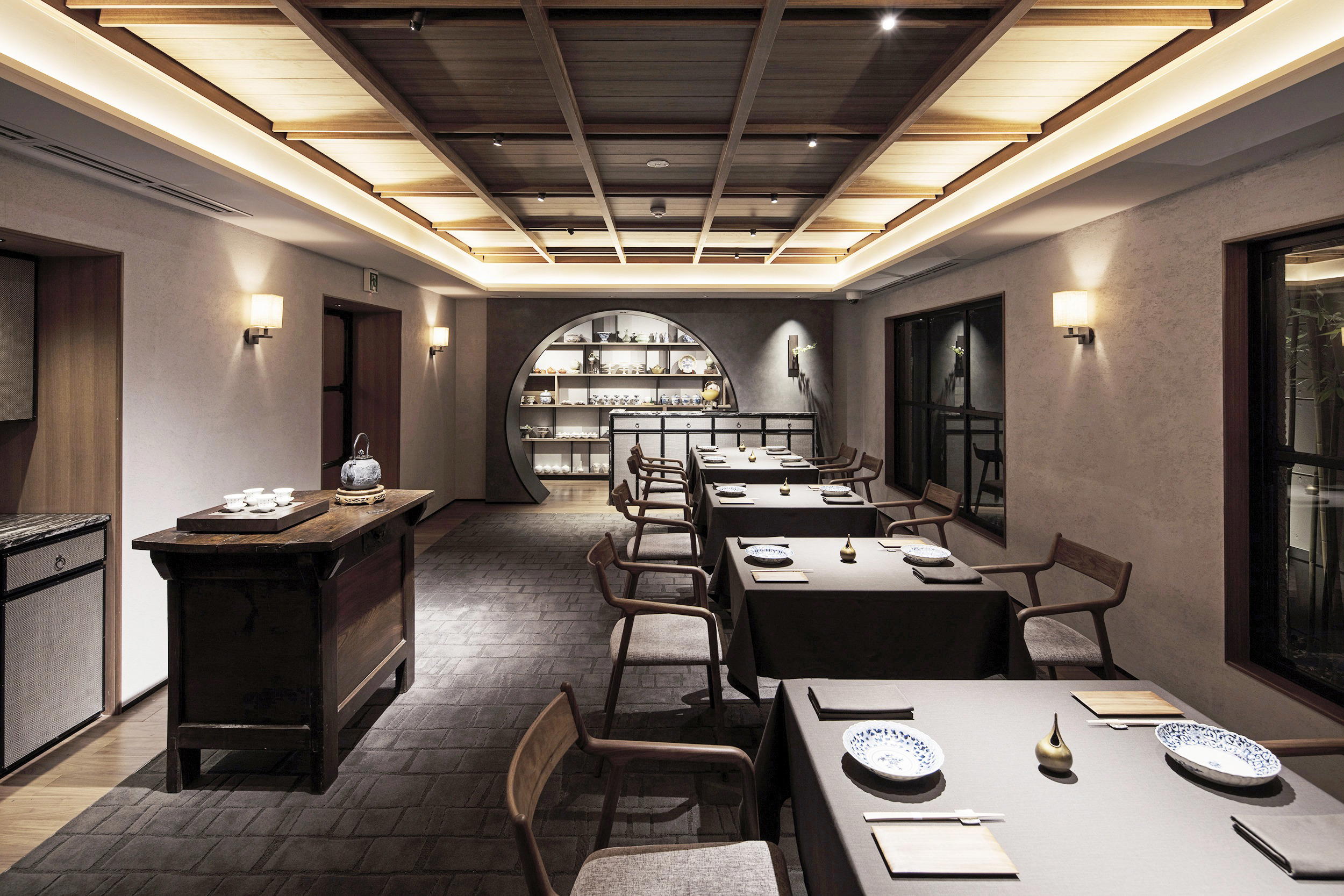
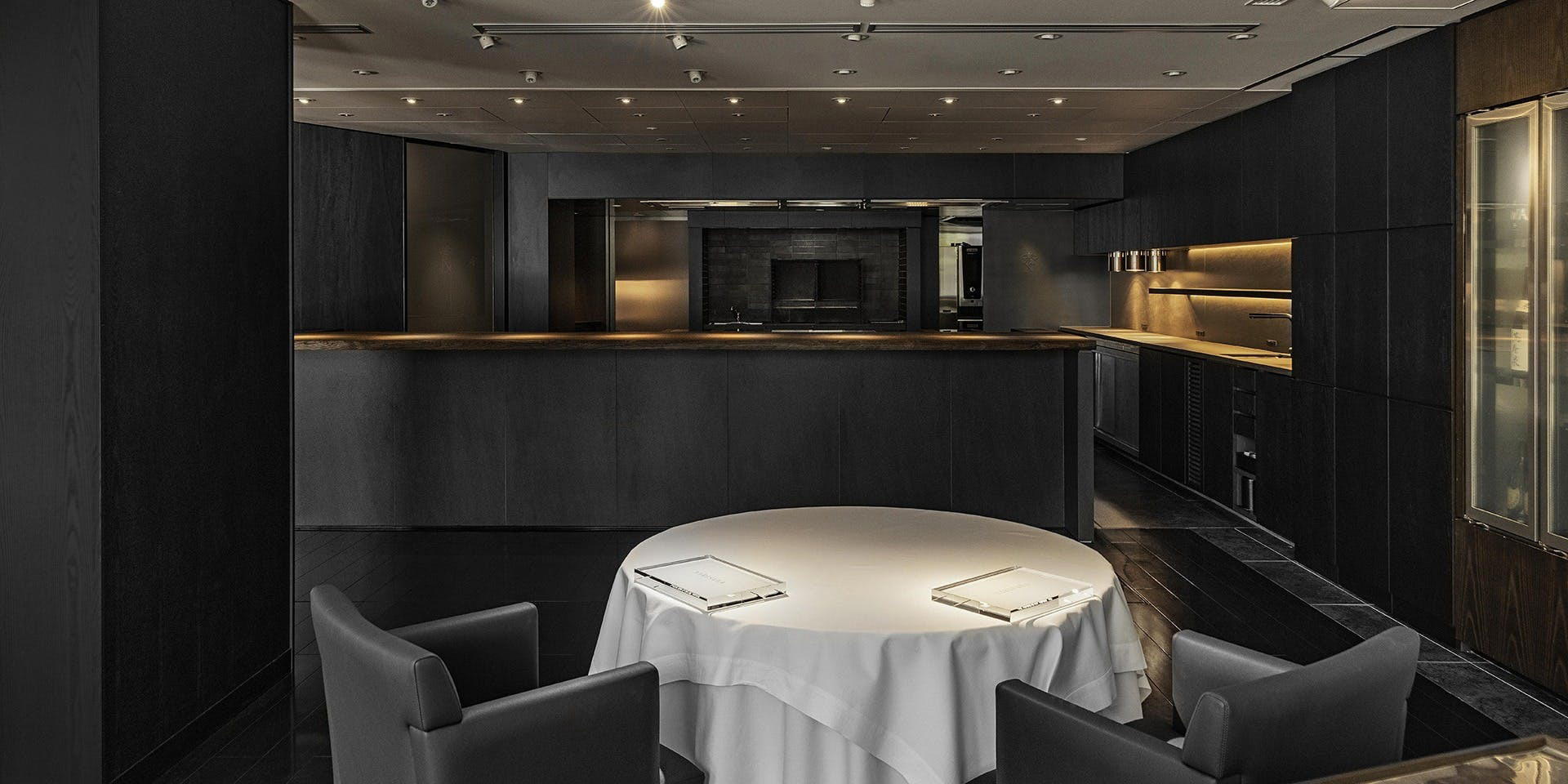
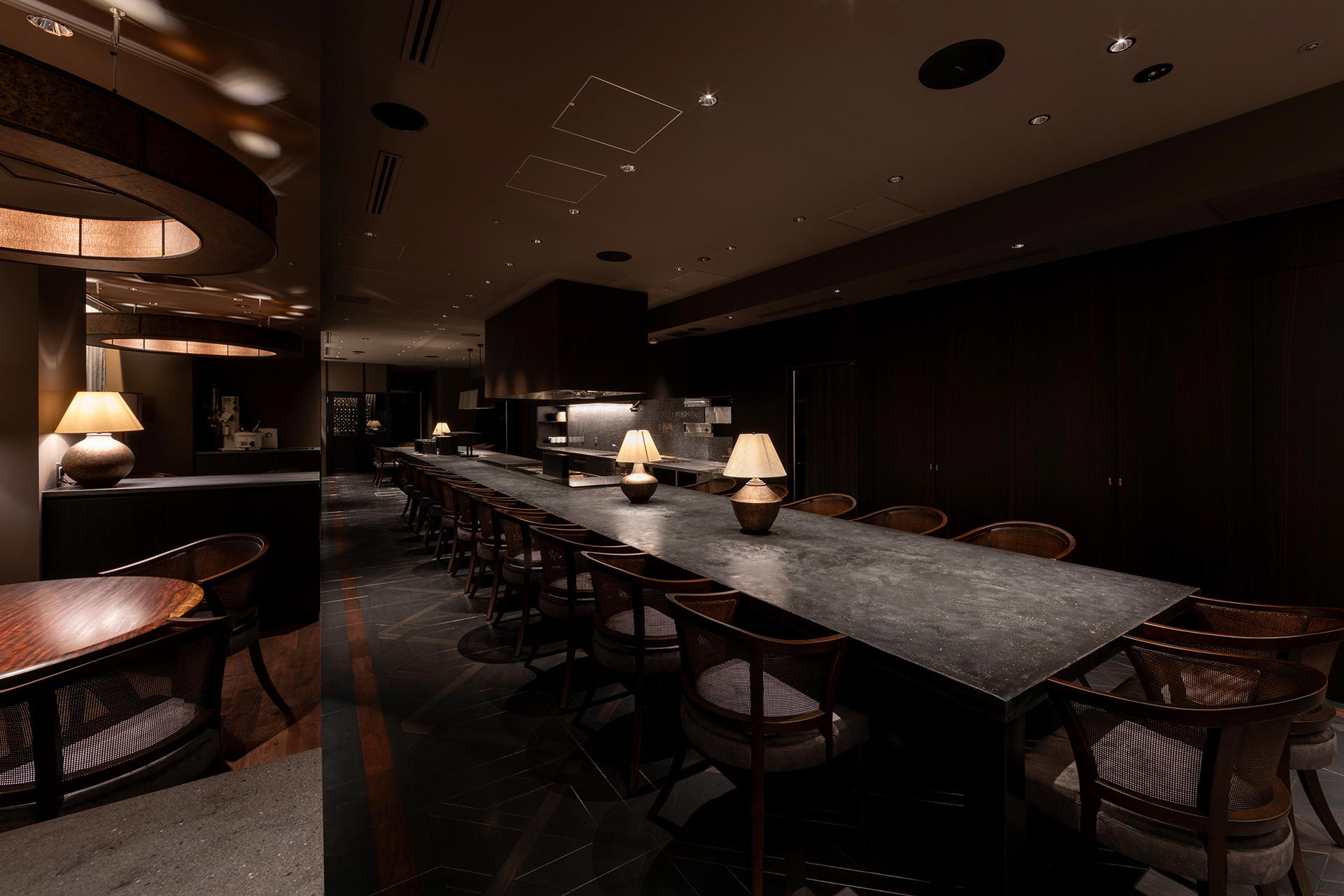
Brightly-lit L-shaped counter with open kitchen view; casual, energetic lunch atmosphere with efficient counter service and minimal decor.