
An 11-seat counter in Sangenjaya puts tonkatsu into a small-format, occasion-worthy register without moving into luxury pricing. Tonkatsu Gensuiton is selected for Tabelog 100 Tonkatsu 2026, with a pork-cutlet, cafeteria and organic category mix that places it inside Tokyo’s serious everyday dining culture rather than the city’s formal tasting-menu circuit.
Pearl is the En Primeur Club membership app — saves, bookings, and concierge access live there. Same editors, same standards.
- Address
- 東京都世田谷区三軒茶屋1-40-14 太子堂ハイム 102
- Website
- tabelog.com
 Saves & bookings on Pearl
Approaching a small counter restaurant in Sangenjaya changes the emotional pitch of a celebration. The neighbourhood does not perform ceremony in the Ginza sense; it works through side streets, station traffic, compact rooms and meals that feel chosen, not staged. In Tokyo, tonkatsu can carry that occasion better than grander formats. The pleasure is direct: cutlet, rice, cabbage, sauce, heat, timing. With only 11 counter seats, the meal becomes less spectacle than focus.
Tonkatsu Gensuiton belongs to the Tokyo dining category where a milestone does not need linen, stemware or a long menu to feel deliberate. Its 2026 selection in Tabelog’s Tonkatsu 100 places it among the city’s serious pork-cutlet addresses, where technical consistency matters more than theatrical reinvention. The format keeps the bill in everyday Tokyo territory, with lunch and dinner both listed at JPY 1,000 to JPY 1,999. Award recognition plus low-friction pricing explains why tonkatsu remains one of the city’s democratic celebration foods.
Counter tonkatsu makes a small occasion feel intentional
Tokyo’s formal dining culture often pushes special meals toward omakase counters, French tasting menus and hotel restaurants. Tonkatsu sits elsewhere: structured, familiar and quietly exacting. A breaded pork cutlet has little room to hide errors in frying, resting or seasoning, and the craft is legible even to diners who do not speak haute cuisine. That makes it useful for birthdays, family meals and low-key milestones where comfort matters as much as status.
The Sangenjaya setting sharpens the point. This is not a destination district built around expense-account polish, but a lived-in west-side pocket of cafés, casual restaurants and station-adjacent eating, with a different tempo from central Tokyo’s trophy tables. In the local comparison set, Pancake Mama Cafe VoiVoi, CAFE Mame-Hico Sangenjaya honten and Mikazuki Do occupy similarly accessible price territory, while Trattoria e Pizzeria L'ARTE pushes higher at dinner. Tonkatsu here reads as a neighbourhood meal with enough recognition to justify crossing town.
That matters for occasion dining. A celebration in Tokyo can become over-designed: too many courses, too much ceremony, too much dependence on the reservation calendar. A counter-only tonkatsu meal keeps the ritual tight; the shared focus is the cutlet rather than the room. For travellers building a broader Tokyo food itinerary, it pairs naturally with casual-specialist stops such as 3 Chome no Curry Ya San, 124. KAGURAZAKA (Yakitori) or 12/10 Shinjuku ten, each mapping a different Tokyo habit of turning narrow formats into serious meals.
The pork-cutlet tradition, stripped of luxury theatre
Tonkatsu sits at an interesting junction in Japanese dining: Western-influenced in origin, fully absorbed into local routine, and judged by discipline both domestic and professional. Organic appears as a listed category alongside tonkatsu and cafeteria, pointing to a contemporary version of the tradition, where sourcing can add appeal without turning the meal into a lecture.
The named house idea is Maboroshi Buta, translated as Phantom Water Pork, with the restaurant’s description emphasizing rare cuts and lean meat, plus pork raised without additives, pesticides, antibiotics or growth hormones. Those claims matter because tonkatsu culture increasingly divides between generic set-meal convenience and specialist pork programs. The serious end asks diners to notice not only crispness but breed, fat, texture and restraint. The point is not novelty; it is whether a familiar cutlet carries enough character to justify a dedicated trip.
Tabelog’s 2026 Tonkatsu 100 selection supplies the clearest external signal. It is not a Michelin-style global hierarchy, but in Japanese category dining it carries weight because it narrows attention within a specific dish tradition. The restaurant’s listed score is 3.62, a useful marker on a platform where incremental differences can matter, especially in single-dish genres under heavy local scrutiny. The award’s category specificity is the point: recognition within tonkatsu, not general restaurant glamour.
For readers comparing Tokyo dining types, this is closer to a specialist counter than to a broad izakaya or multi-course chef’s menu. The sake listing supports the meal’s Japanese-casual register, while delivery availability shows how porous the line can be between everyday use and destination interest. That duality is common in Tokyo: the same format can serve a family dinner, a solo counter meal and a quietly marked occasion without changing costume.
Where it fits in a Tokyo itinerary
The planning question is not whether this replaces a high-formality dinner. It does not. Its value is different: a grounded, food-literate Tokyo occasion meal at a local scale. The 11-seat counter, no private rooms, non-smoking setting and children-welcome policy make the room intimate without making it exclusionary. Reservations are unavailable, so the experience belongs to the city’s queue-and-eat tradition rather than the concierge-managed market.
That makes it strong for travellers who want one serious tonkatsu meal without giving an entire evening to ceremony. Sangenjaya also fits a west-side dining day: coffee, small shops, a counter dinner, then a bar elsewhere. For wider planning, Our full Tokyo restaurants guide, Our full Tokyo bars guide, Our full Tokyo hotels guide, Our full Tokyo experiences guide and Our full Tokyo wineries guide place it within a broader city circuit rather than a single-meal chase.
The appeal extends beyond Tokyo. Japan’s casual-specialist culture stretches across regions and formats, from -Grilled beef Sukiyaki- KAMAKURA TANUKIAN 鎌倉 たぬき庵 in Kamakura to [ki:] in Kyoto.cafe in Osaka.know in Kumamoto, (Shoku) Vietnam in Kawasaki and [Curry Senmon Ten] Maruyama Kyoju. in Sapporo. Even outside Japan, the same appetite for precise, compact formats appears in places such as Jōdo Saké Bar in Los Angeles and Onigiri Time in Pasadena. In Tokyo itself, a day could move from 2D Cafe to. 鮪と炭火焼き うお炭 秋葉原店, then end with tonkatsu that treats a familiar dish as the main event.
A Credentials Check
Comparable venues for orientation by cuisine and category.
| Venue | Cuisine | Price | Notes |
|---|---|---|---|
| Tonkatsu GensuitonThis venue — the venue you are viewing | Artisanal Tonkatsu (Pork Cutlet) | $$ | Not listed |
| Kinozen | Traditional Japanese Sweets | $$ | Kagurazaka |
| Hikiniku to Kome Shibuya | Hamburger steak set menu (Japanese-style) | $$ | Shibuya |
| Udon Yamacho | Sanuki Udon & Japanese Comfort Dishes | $$ | Shibuya |
| En Dashi Ochazuke Lumine Shinjuku | Dashi Ochazuke | $$ | Shinjuku |
| Negishi | Japanese Beef Tongue Grill | $$ | Shinjuku |
Recognition history
Dated appearances from independent guides and award organizations, with the underlying list record or original source where available.
Tabelog 100 #18 · No. 18
Tabelog · Tabelog 100 - Tonkatsu - 2026














At a Glance
- Cozy
- Trendy
- Solo
- Family
- Casual Hangout
- After Work
- Chefs Counter
- Standalone
- Sake Program
- Farm To Table
- Organic
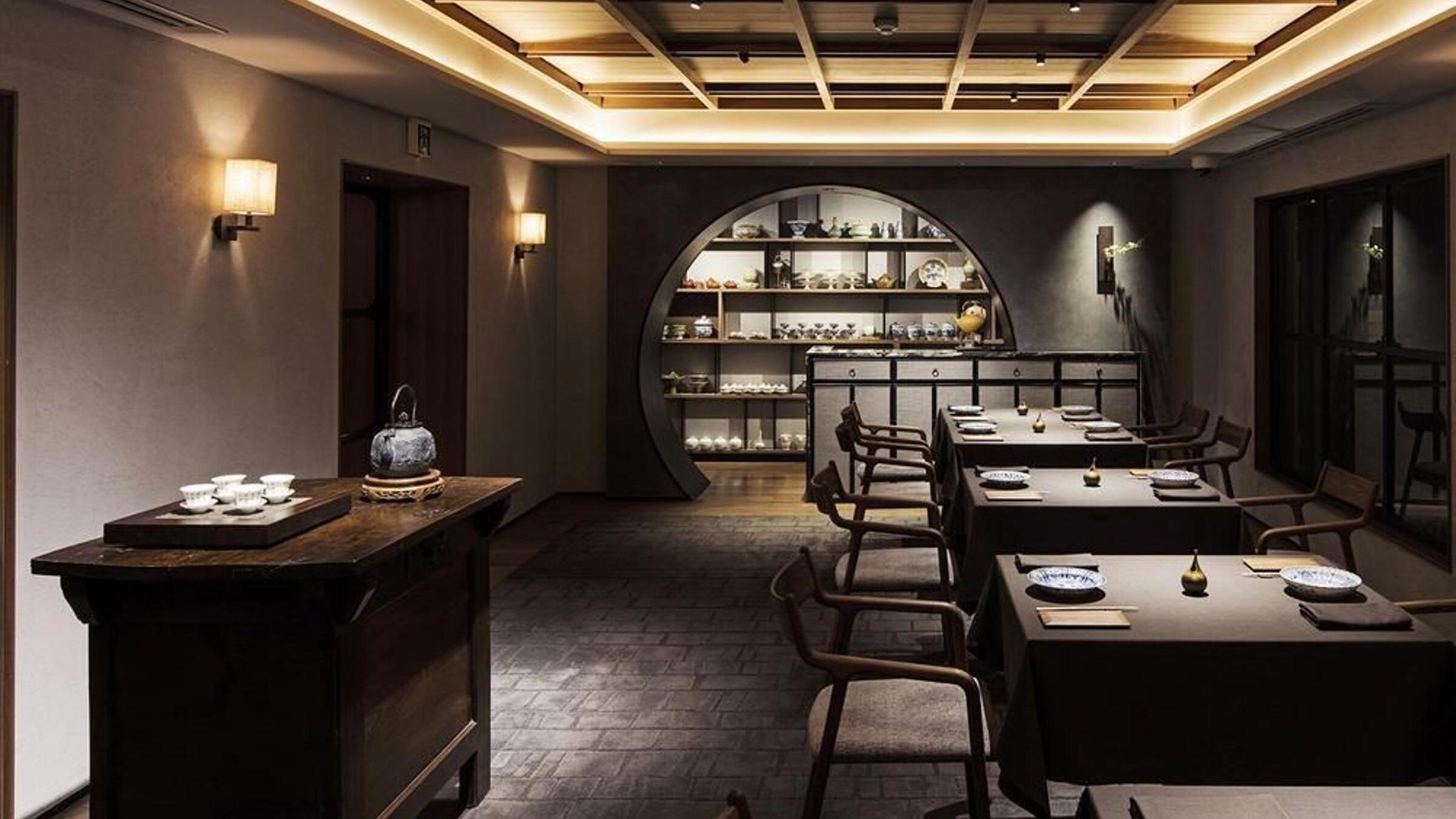
A tiny, counter‑only Sangenjaya back‑alley shop with a warm, contemporary feel where the focus is on carefully fried premium pork rather than décor, creating an intimate but relaxed atmosphere suited to solo diners and casual visits.