In Katsushika's working-class Horikiri district, 炭火和牛焼き肉にくまるホルモン館 represents the yakiniku-horumonyaki tradition at its most direct: charcoal-grilled wagyu alongside offal cuts that most premium-tier Tokyo restaurants quietly sidestep. The menu architecture tells you immediately whose table this is, neighbourhood regulars who know how to order, not tourists following a tasting script.
Pearl is the En Primeur Club membership app — saves, bookings, and concierge access live there. Same editors, same standards.
- Address
- 3 Chome-6-5 Horikiri, Katsushika City, Tokyo 124-0006, Japan
- Phone
- +81359386957
- Website
- yakiniku-nikumaru.com
- Directions
- Get directions
 Saves & bookings on Pearl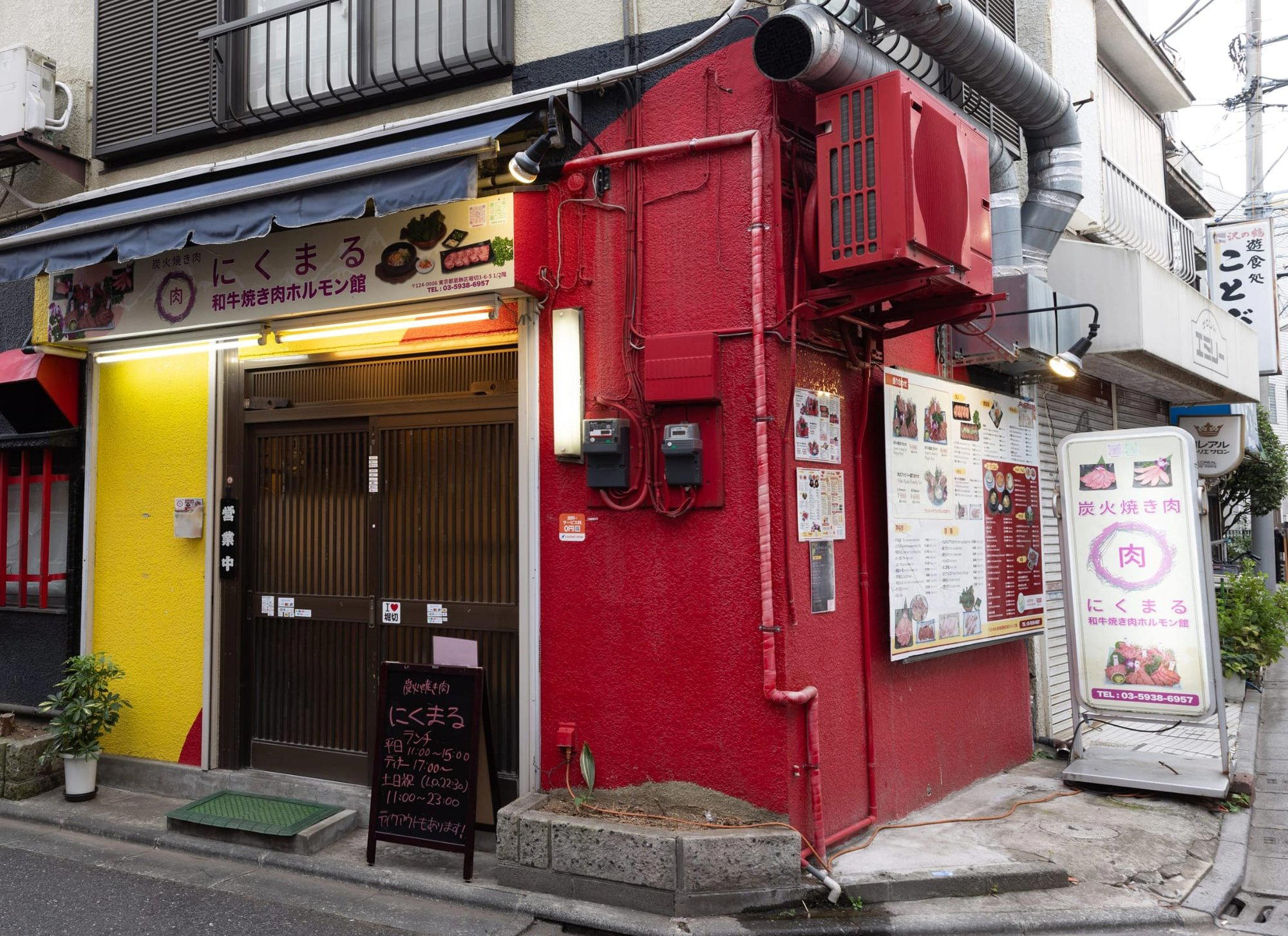
Horikiri and the Yakiniku Tradition It Carries
炭火和牛焼き肉にくまるホルモン館 is a charcoal-grilled wagyu and horumon restaurant in Horikiri, Katsushika City, Tokyo, with a price point around $30 per person. On one side sit the Ginza and Nishi-Azabu rooms where wagyu grades and private booths command the kind of spending associated with high-end kaiseki at RyuGin or French tasting menus at L'Effervescence. On the other side, geographically and culturally, sit the neighbourhood yakiniku-horumonyaki rooms in the city's eastern wards, where charcoal grills run hot from early evening, the menu includes every cut of the animal, and the clientele has been coming for years because the cooking is honest and the value holds. 炭火和牛焼き肉にくまるホルモン館 in Horikiri, Katsushika City, belongs firmly to the second tradition.
Katsushika sits in the shitamachi belt, the older, lower-lying eastern districts that predate Tokyo's westward luxury drift. These neighbourhoods, Horikiri among them, retain a dining culture built around directness: grills over charcoal, cuts that require knowledge to order well, and rooms where the skill of the kitchen is expressed through sourcing and heat management rather than plating theatrics. That cultural context matters when reading the menu at any restaurant in this register.
What the Menu Architecture Reveals
The name itself encodes the menu's logic. 炭火 (charcoal fire) establishes the cooking method. 和牛 (wagyu) signals the beef category. 焼き肉 (yakiniku, grilled meat) names the format. And ホルモン館, literally the "hormone hall", signals that offal cuts occupy genuine menu real estate, not a token sidebar. In many Tokyo yakiniku rooms pitched at tourists or mid-tier expense accounts, horumon (offal) appears as a formality. Here, the name announces it as a core proposition.
This matters because the horumon side of yakiniku cooking represents a distinct technical tradition. Different offal cuts require different preparation, different grill temperatures, and different sequencing. Diners who know this tradition arrive with an ordering strategy: lighter cuts early, richer offal pieces later, wagyu muscle cuts as anchors across the meal. The menu architecture at a serious horumon-focused room is designed to reward that knowledge. Contrast this with the omakase format at a counter like Harutaka, where the chef controls sequencing entirely, at a yakiniku-horumon room, the sequencing intelligence sits with the diner.
Charcoal grilling over binchōtan or similar hardwood charcoal is the standard that separates serious yakiniku from gas-grill operations. Charcoal burns hotter and more evenly, imparts minimal smoke flavour of its own, and creates a Maillard reaction on beef surfaces that gas cannot replicate at the same efficiency. For wagyu, with its high intramuscular fat content, this matters: the fat renders at the right rate, and the exterior develops texture while the interior stays yielding. A room that names its cooking method in its signage is signalling that this distinction is non-negotiable.
Horikiri as a Dining Address
The Horikiri district sits in eastern Katsushika, accessible via the Keisei Oshiage Line and Tobu Isesaki Line networks that connect Tokyo's eastern residential zones. This is not a neighbourhood that appears in luxury travel itineraries built around Roppongi or Marunouchi. The restaurants here price against local incomes, which means the value proposition at the yakiniku level operates differently from the ¥¥¥¥ rooms reviewed elsewhere in EP Club's Tokyo coverage, including Sézanne and Crony.
Eastern Tokyo yakiniku addresses occupy a specific niche in the city's food culture: neighbourhood institutions where regulars establish relationships with the kitchen and where ordering well signals local knowledge. Visitors who arrive without that knowledge can orient themselves by watching what tables around them receive. This is a different form of curation from the guided omakase experience, the menu is the guide, and the reader's literacy determines the outcome.
For broader context on Tokyo's dining spread across price points and formats, the EP Club Tokyo restaurants guide maps the territory. Japan's regional scene offers further reference points: HAJIME in Osaka, Gion Sasaki in Kyoto, akordu in Nara, and Goh in Fukuoka each represent distinct regional traditions at the higher-formality end of Japanese dining. On the neighbourhood dining side, rooms like 一本木 in Nanao, 古往今来 in Sapporo, 湖畔荘 in Takashima, and 羽根屋 in Nishikawa Machi illustrate how Japan's mid-tier and local dining culture runs deep outside the major city spotlights. Additional grilled-food reference points include Birdland in Sakai, and for international comparison on how prix-fixe and à la carte formats operate at opposite ends of the formality spectrum, Le Bernardin in New York City and Atomix in New York City provide useful contrast. A further regional reference: Bistro Ange in Toyohashi shows how provincial Japanese cities support their own serious dining rooms outside the metropolitan spotlight.
Planning a Visit
Horikiri is an eastern residential district, not a dining destination with multiple fallback options in the same block. Visiting specifically for this restaurant makes sense as part of a wider exploration of Tokyo's shitamachi east, the Katsushika and Edogawa wards reward an afternoon of neighbourhood walking before an early dinner. Autumn and winter are the seasons when yakiniku and horumon dining land with most force: the warmth of the grill and the richness of fat-heavy offal cuts align naturally with cold weather, making October through February one rewarding window. Summer visits work but the register of the food is heavier than the season.
Address: 3 Chome-6-5 Horikiri, Katsushika City, Tokyo 124-0006.
Peers in This Market
Comparable venues nearby, for context on price, style, and recognition.
| Venue | Cuisine | Price | Notes |
|---|---|---|---|
| 炭火和牛焼き肉にくまるホルモン館This venue — the venue you are viewing | 炭火和牛焼き肉・ホルモン | $$ | Not listed |
| Tenfusa (天房) | Tempura & Tendon | $$ | Toyosu |
| Menya Hanabi (麺屋はなび 新宿店) | Taiwan Mazesoba | $$ | Minami Shinjuku |
| Hirugao (ひるがお) | Shio Ramen Specialist | $$ | Marunouchi |
| Ginza Kagari (銀座 篝) | Chicken Paitan Ramen | $$ | Ginza |
| Coffee Tengoku | Retro Japanese Pancake Cafe | $$ | Asakusa |









At a Glance
- Cozy
- Group Dining
- Casual Hangout
- Open Kitchen
- Sake Program
Current opening hours
- Monday
- 11 AM–3 PM, 5–11 PM
- Tuesday
- 11 AM–3 PM, 5–11 PM
- Wednesday
- 11 AM–3 PM, 5–11 PM
- Thursday
- 11 AM–3 PM, 5–11 PM
- Friday
- 11 AM–3 PM, 5–11 PM
- Saturday
- 11 AM–11 PM
- Sunday
- 11 AM–11 PM
Hours can change for holidays and private events. Last verified .
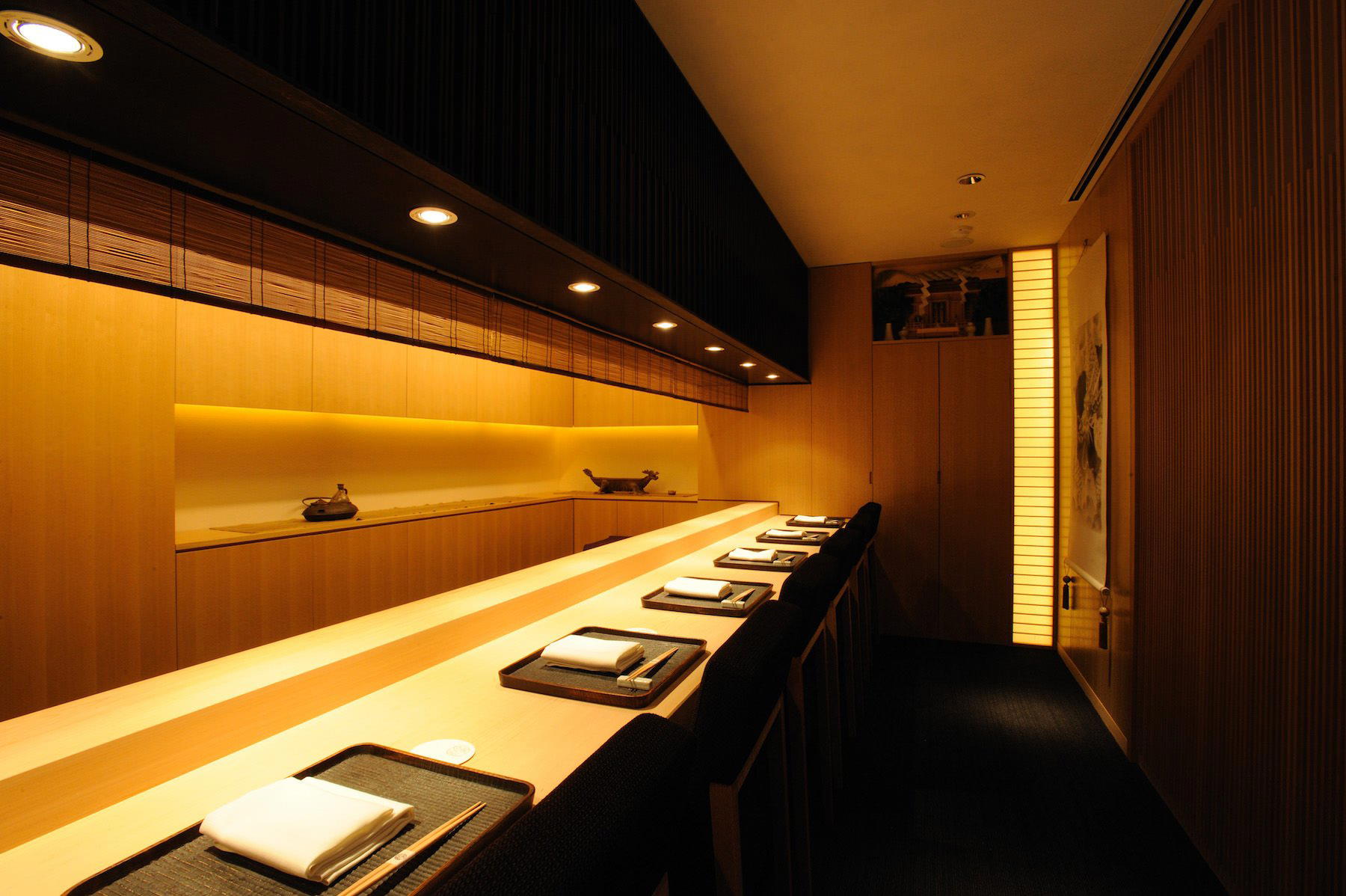
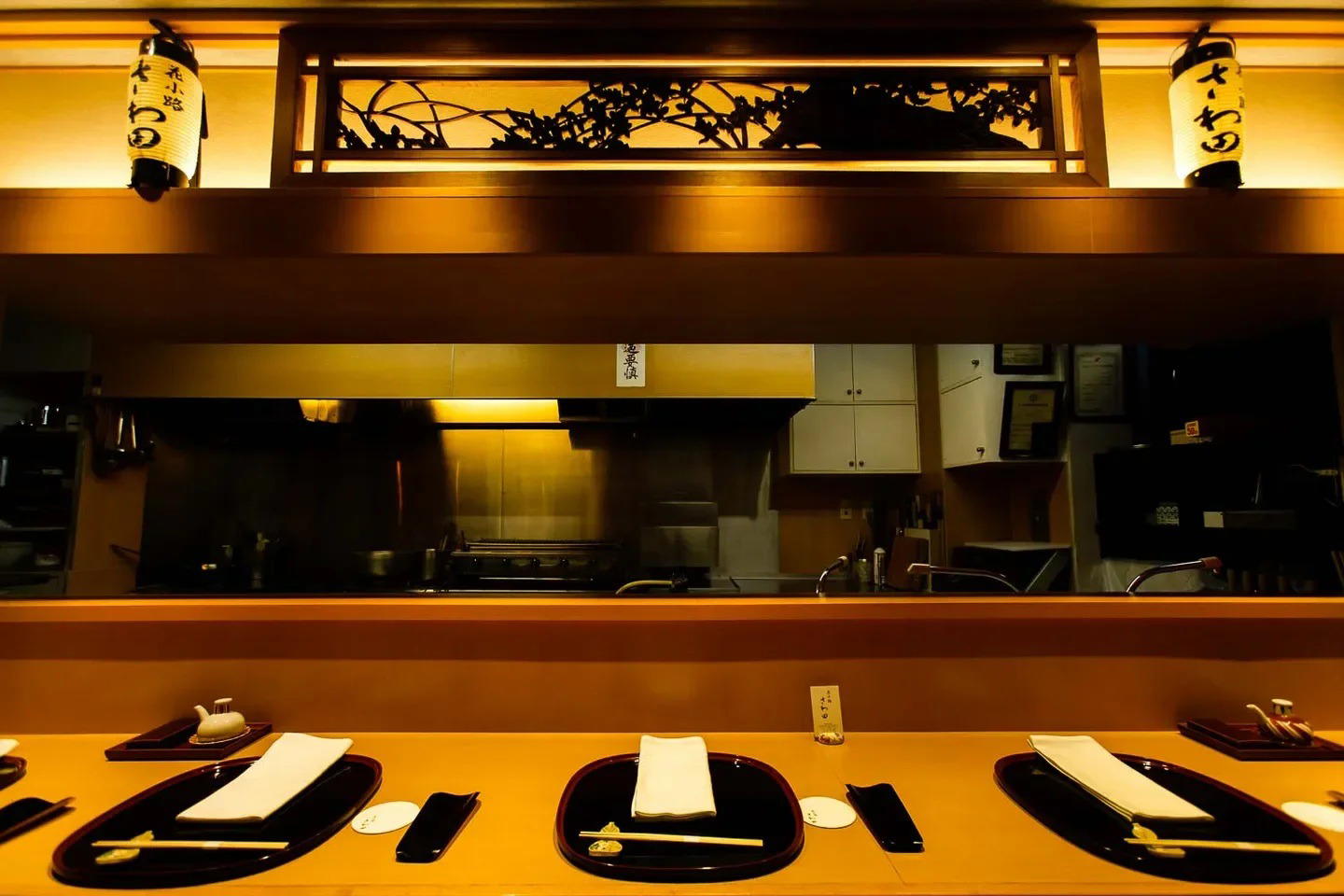
気軽に立ち寄れるアットホームな空間。