
Michelin Bib Gourmand
Our verdict
A Michelin Bib Gourmand Italian restaurant in Kyoto's Sakyo Ward, Lapintaika, whose name translates as 'coming back', earns its regulars through a broad menu that surveys regional Italian cooking traditions. Shared plates, an extensive spaghetti list, and a Saturday and Sunday lunch format that draws repeat visitors place it firmly in the mid-range tier, where value and range outpace ceremony.

Pearl is the En Primeur Club membership app, where members save venues, book tables and use the concierge.
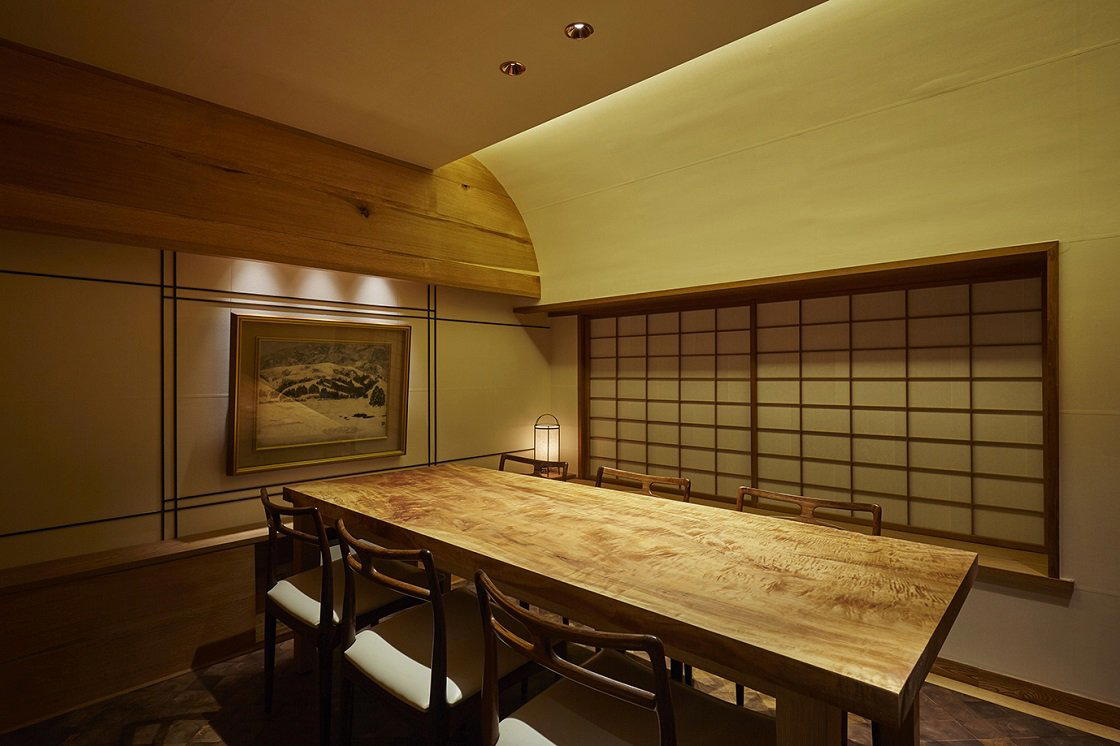
Where Kyoto's Quiet Streets Meet Southern European Cooking
Sakyo Ward sits at the northeastern edge of Kyoto's inner city, where the density of temples and the particular hush of older residential lanes shapes a neighbourhood character distinct from the tourist corridors around Gion. It is in this context, understated, unhurried, that Italian restaurants in Kyoto tend to find their most convincing foothold. The city's dining culture rewards patience and repetition over novelty, and Italian cooking, particularly the trattoria tradition built on familiarity and return visits, translates with unusual ease into that framework.
Lapintaika sits at 499 Kitamonzencho in Sakyo Ward, occupying the mid-range price tier in a city where Italian ranges from the kaiseki-influenced tasting menus at cenci (¥¥¥) through to more accessible neighbourhood formats. At ¥¥, Lapintaika is positioned as the kind of place the Italian regions themselves produce in quantity: not austere, not theatrical, but sustained by the quality of what arrives on the table and the reliability of the kitchen across many visits.
The Logic of Shared Tables and Regional Range
Italian regional cooking is, at its core, a generational project. The width of a menu that covers the peninsula's dialects, the pasta forms of Emilia-Romagna, the seafood preparations of Liguria, the meat traditions of Tuscany and Lazio, represents accumulated knowledge rather than a single chef's expression. Lapintaika's menu is explicitly constructed on this breadth. Chef Sebastiano Lombardi has studied local Italian cooking styles across regions, and the menu reflects that span rather than collapsing it into a signature identity.
That approach has direct consequences for the table: plates are sized to serve two, so the format is inherently communal. The assorted appetiser, described as generous in both portion and variety, and noted as a recurring favourite among repeat diners, functions as a sampler of that regional range. The spaghetti list alone runs extensive, which in Italian terms signals a kitchen that takes pasta seriously as a category rather than as a supporting act. For context, spaghetti format across Italian regions carries distinct identity: alla chitarra in Abruzzo, al pomodoro in Campania, aglio e olio in Rome. A long list implies deliberate differentiation between preparations rather than variations on a single template.
This is the kind of menu logic that comes from transmission, not invention. When cooking knowledge is passed down across kitchens and regions, whether through formal apprenticeship, stage rotations, or the slower process of eating widely and returning often, the result is usually a menu that knows what it is. Lapintaika's name, which translates from Finnish as 'coming back,' makes the point directly. The restaurant is named for the behaviour it wants to produce, and Michelin's Bib Gourmand recognition in both 2024 and 2025 suggests it succeeds on that metric: the award specifically identifies cooking worth returning to at an accessible price point.
Lapintaika in Kyoto's Italian Tier
Kyoto's Italian restaurants now occupy a clear spectrum. At the higher end, the kaiseki-inflected precision of cenci sits at ¥¥¥, where Italian technique meets Japanese ingredient sourcing at a level of refinement that positions the restaurant against international fine dining rather than neighbourhood trattorie. Bini and Vena represent further nodes in that tier, while BOCCA del VINO fills the wine-led Italian space. Lapintaika occupies a different register: the Bib Gourmand designation signals that Michelin's inspectors have identified value as well as quality, which means the kitchen is measured against a different set of expectations from a starred establishment.
That distinction matters practically. A Bib Gourmand Italian at ¥¥ in Kyoto competes with the city's resident Italian population's own expectations rather than with kaiseki-level ceremony.
For a broader view of the Italian-outside-Italy tradition in Japan, the category has produced some of the country's most interesting transplants. Abroad, 8 1/2 Otto e Mezzo Bombana in Hong Kong represents the three-Michelin-star end of Italian cooking in Asia, while Frasca Food and Wine in Boulder demonstrates how regional Italian specificity (in that case, Friuli) travels and sustains a following far from its source material. Lapintaika operates at a different scale and price point, but the logic of committing to regional breadth over generic Italian is recognisable across all three contexts.
The Weekend Lunch as Social Institution
In Italian domestic culture, Sunday lunch is structurally different from weekday eating: longer, more plates, more noise, built for a group that plans to stay. That tradition translates directly into Lapintaika's reported pattern of drawing a consistent weekend lunch crowd. The shared-plate format reinforces it, when dishes arrive sized for two, the meal naturally organises itself around conversation and collective choice rather than individual ordering.
In a city like Kyoto, where dining tends toward the contemplative and the formal, a lunch room built around shared Italian plates represents a genuine counterpoint. The regulars who return for weekend lunch are responding to a specific social format as much as to any single dish. This is how the Italian trattoria tradition survives its transplantation: not by replicating Italian ingredients exactly, but by preserving the rhythm and structure of the Italian table.
Context: Japanese Cities and Italian Cooking
Italy-in-Japan is not a niche transplant phenomenon. Japan has been absorbing Italian technique since the 1980s, and the country now produces Italian-trained chefs who have staged through the peninsula's regional kitchens and returned with accumulated knowledge. The generational transmission that defines Italian cooking in Italy, where regional recipes pass through families and kitchen hierarchies over decades, has found a parallel path in Japanese culinary culture, which has its own deep tradition of apprenticeship and inherited technique.
The Italian restaurants in Kyoto's peer group reflect this range: some, like cenci, have pushed into formal recognition at the level of the Japanese fine-dining tier; others have remained closer to the source material's original social function. Lapintaika belongs to the second group. The decision to maintain a broad regional menu, serve shared plates, and price at ¥¥ reflects a specific choice about what the kitchen is for. Across Japan's restaurant circuit, that kind of mid-range commitment to Italian breadth is less common at the quality level the Bib Gourmand identifies; the ¥¥¥ and above tier tends to absorb the serious talent, which makes the ¥¥ Bib designation relatively rare and specific.
For reference, other notable Italian-adjacent and European-influenced cooking in Japan's other cities: HAJIME in Osaka and akordu in Nara represent further examples of European technique finding serious expression in the Kansai region.
Planning Your Visit
The shared-plate format means the table works well with two or more. The weekend lunch is the format that draws repeat visitors most consistently, and arriving with a group allows fuller coverage of the menu's regional range. The spaghetti list rewards careful reading rather than default ordering.
| Venue | Cuisine | Price Tier | Recognition | Format |
|---|---|---|---|---|
| Lapintaika | Italian (regional range) | ¥¥ | Michelin Bib Gourmand 2024, 2025 | Shared plates, lunch draw |
| cenci | Italian | ¥¥¥ | Michelin recognition | Tasting menu format |
| BOCCA del VINO | Italian / wine-led | Not specified | EP Club listed | Wine-forward Italian |
| Bini | Italian | Not specified | EP Club listed | Italian, Kyoto |
Address: 499 Kitamonzencho, Sakyo Ward, Kyoto, 606-8352. For further Kyoto planning, see our full Kyoto restaurants guide, our full Kyoto hotels guide, our full Kyoto bars guide, our full Kyoto wineries guide, and our full Kyoto experiences guide. For Italian cooking in Japan's broader restaurant circuit, see also Harutaka in Tokyo, Goh in Fukuoka, 1000 in Yokohama, 6 in Okinawa, and TAKAYAMA for a Kyoto perspective on the European-influenced dining tier.
Frequently asked questions
Who is the chef or culinary lead at Lapintaika?
The chef associated with Lapintaika is Sebastiano Lombardi.
What's the must-try dish at Lapintaika?
The assorted appetiser is the established starting point, consistently noted by returning visitors for its breadth and portion size. From there, the pasta list is extensive, with spaghetti options alone covering considerable regional ground. Because each plate is sized for two, the format rewards ordering across multiple courses rather than anchoring on a single dish. Lapintaika holds the Michelin Bib Gourmand for both 2024 and 2025, which reflects the reliability of the kitchen's output across the menu.
What should I budget for a meal at Lapintaika?
Pricing at Lapintaika is listed as ¥¥.
Reputation First
| Venue | Cuisine | Price | Awards | Notes |
|---|---|---|---|---|
| LapintaikaThis venue (the venue you are viewing) | Regional Italian | Not listed | Michelin Bib Gourmand | Not listed |
| Gion Sasaki | Modern Kaiseki | $300–500 | 3 Michelin Stars · La Liste Top Restaurants | Kaiseki, Japanese |
| cenci | Innovative Italian-Japanese Fusion | $100–150 | 1 Michelin Star · World's 50 Best #76 | Italian |
| Ifuki | Sumibi Kappo Kaiseki | $200–300 | 2 Michelin Stars · La Liste Top Restaurants | Kaiseki |
| Kyokaiseki Kichisen | Kyoto Kaiseki | $200–300 | 2 Michelin Stars · La Liste Top Restaurants | Japanese |
| Kyo Seika | Modern Chinese Fine Dining | $150–200 | 1 Michelin Star · Tabelog Bronze #216 | Chinese |
Recognition history
Dated appearances from independent guides and award organizations, with the underlying list record or original source where available.
Michelin Bib Gourmand
Michelin
Full recognition history (3 entries)
Michelin Bib Gourmand
Michelin
Michelin Bib Gourmand
Michelin
Continue exploring
More in Kyoto
Restaurants in Kyoto
All restaurants in Kyoto →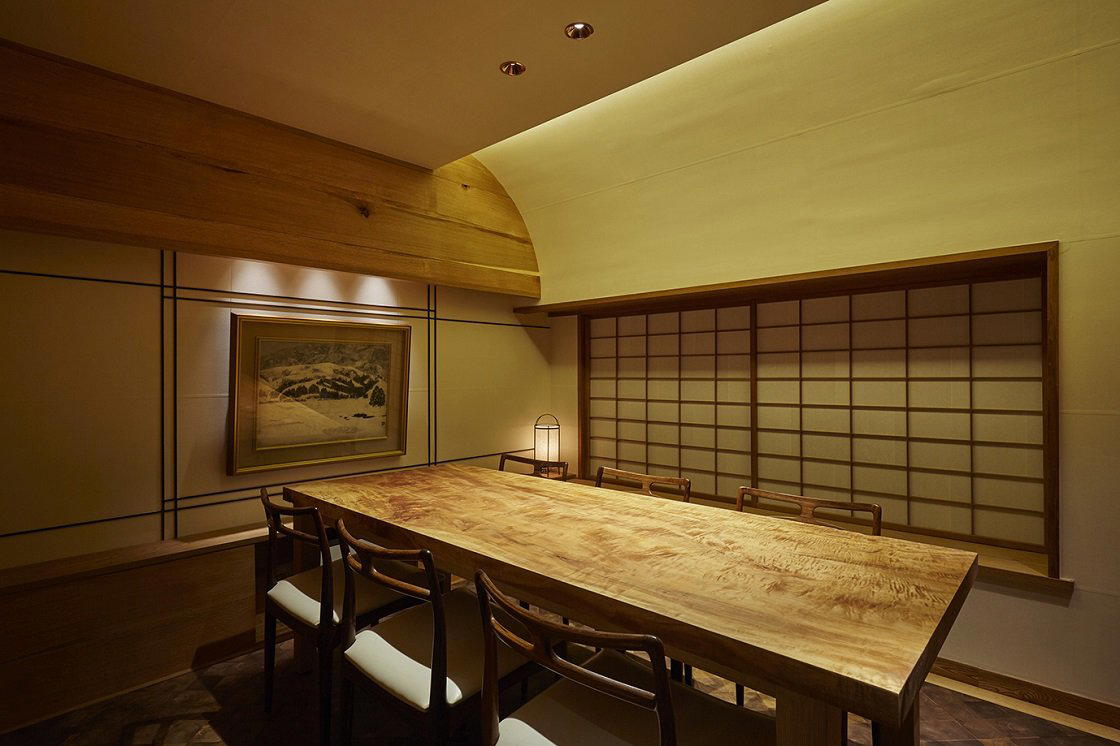
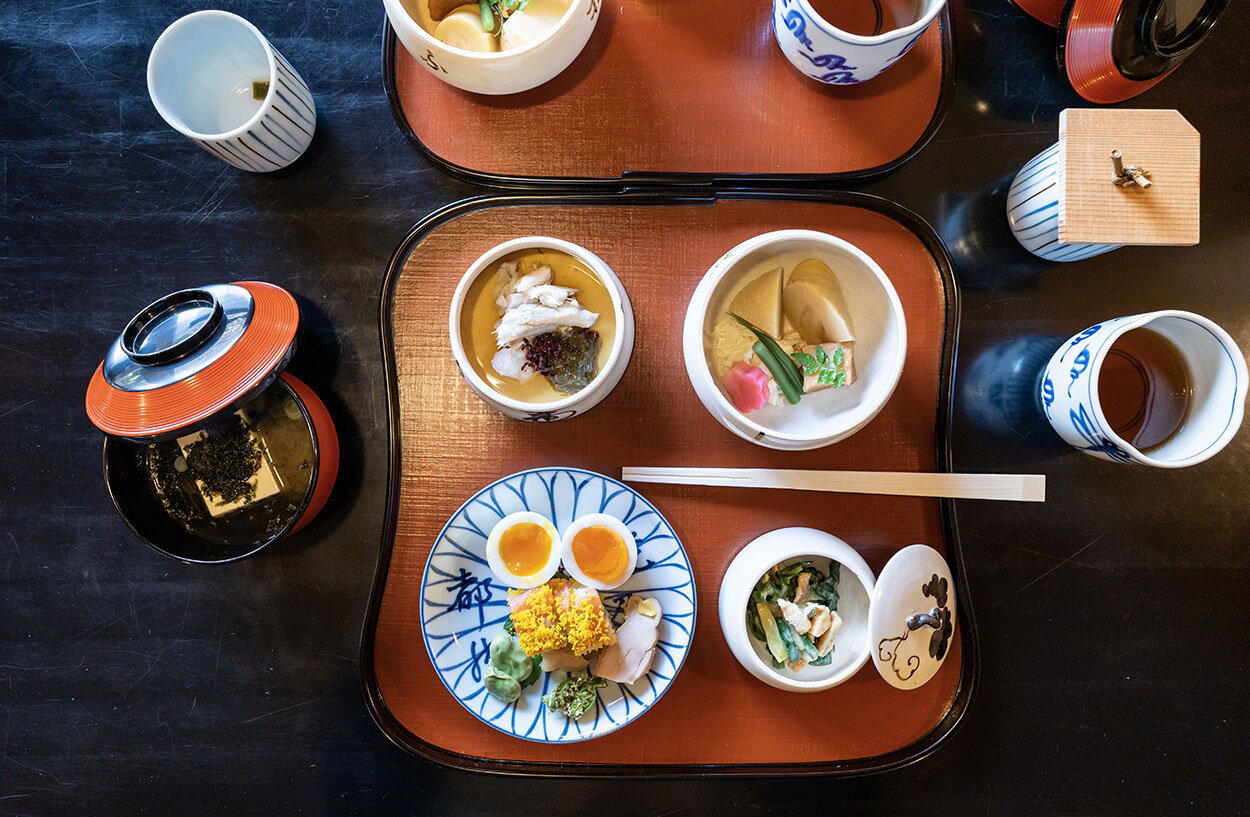
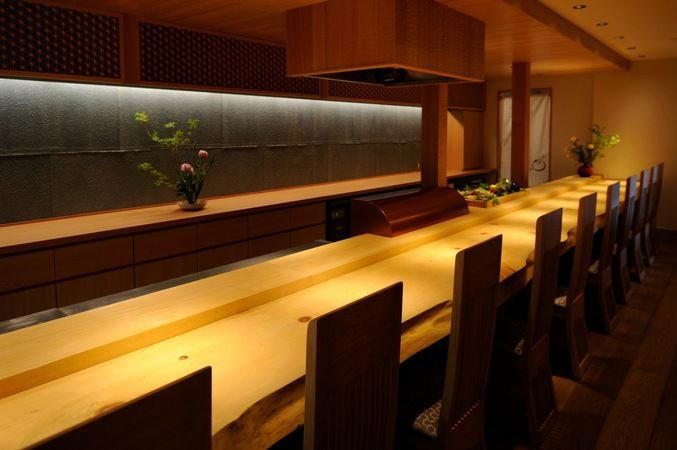
Bars in Kyoto
All bars in Kyoto →
Hotels in Kyoto
All hotels in Kyoto →
Wineries in Kyoto
Browse all →
Details
- Intimate
- Cozy
- Elegant
- Date Night
- Special Occasion
- Natural Wine
- Local Sourcing
- A La Carte
- Small Plates
- Vegetarian Friendly
- Vegan Options
- Gluten Free Options
Current opening hours
- Monday
- Closed
- Tuesday
- 6–10 PM
- Wednesday
- 6–10 PM
- Thursday
- 6–10 PM
- Friday
- 6–10 PM
- Saturday
- 12:30–2:30 PM, 6–10 PM
- Sunday
- 12:30–2:30 PM, 6–10 PM
Hours can change for holidays and private events. Hours as of .
Lovely intimate atmosphere with traditional Japanese aesthetics creating a serene environment.