

Michelin Plate
Our verdict
A kappo counter in the heart of Gion-Minami, Aji Fukushima operates within one of Kyoto's most historically charged neighbourhoods, serving the kelp-forward dashi and seasonal compositions that define Kyo-ryori. Recognized by the Michelin Guide with a Plate and ranked in Opinionated About Dining's Japan list since 2023, it represents the quieter, tradition-bound end of Gion dining.

Pearl is the En Primeur Club membership app, where members save venues, book tables and use the concierge.
Where the Geisha Quarter Comes to Table
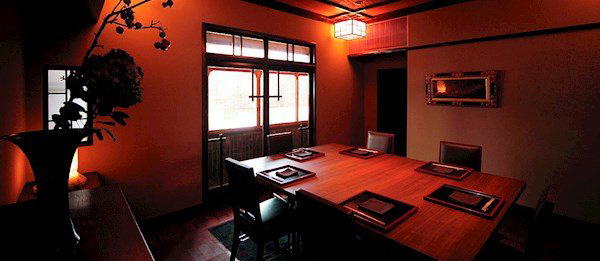
The stretch of Gionmachi Minamigawa that runs south of Shijo-dori has changed less than almost anywhere else in central Kyoto. The machiya frontages are intact, the stone-paved lanes still carry the sound of wooden sandals after dark, and the ochaya that have operated here for generations continue to gate their clientele behind introductions. It is in this quarter that Aji Fukushima operates, not as a curiosity positioned against the neighbourhood's theatre but as a working part of it. The tatami-mat room with its counter format is a physical statement about where the restaurant sits in Kyoto's dining hierarchy: close to the source, oriented toward the regular rather than the tourist.
Kappo, Not Kaiseki: Understanding the Format
Much of Kyoto's international reputation rests on kaiseki, the multi-course ritual format that venues like Isshisoden Nakamura and Kikunoi Roan have made globally legible. Kappo is something different. The word combines the characters for cutting and cooking, and the format is defined by the chef working in open view of the counter, producing dishes in sequence without the full ceremonial apparatus of kaiseki. The pacing is more fluid, the interaction between kitchen and guest more direct. At Gion Sasaki, which holds three Michelin stars and operates at the ¥¥¥¥ tier, the kappo format is applied with a rigour that matches the leading kaiseki rooms. Aji Fukushima at the ¥¥¥ price point occupies a different register: more accessible in cost, but no less serious about the ingredients and techniques that define Kyo-ryori.
The Kelp Question: Kansai Dashi Against Kanto Convention
One of the clearest lines separating Kansai and Kanto cooking runs through the dashi pot. Tokyo's dominant tradition leans toward katsuobushi-forward broths with a pronounced, assertive savouriness. Kyoto's kitchen, operating within the constraints of Buddhist influence and a landlocked geography that historically relied on preserved and ferried ingredients, built its flavour foundation around kombu. The distinction matters at Aji Fukushima. The restaurant draws its soup dashi from Rishiri kombu, the variety harvested from the cold waters off Hokkaido's northwest coast and prized specifically for its aromatic quality rather than its intensity. Where Rishiri produces clarity and fragrance in broths, makombu, the other variety in use here, brings a deeper, more assertive sweetness to simmered preparations. Using two distinct kelp varieties for two distinct cooking applications is not accidental: it reflects an understanding of ingredient function that sits at the core of Kyoto culinary tradition. For context, venues like Harutaka in Tokyo operate within a framework where the protein and its provenance often lead; in Kyoto's kappo rooms, the dashi frequently carries more weight than anything that floats in it.
Lunch, Evening, and the Logic of Two Services
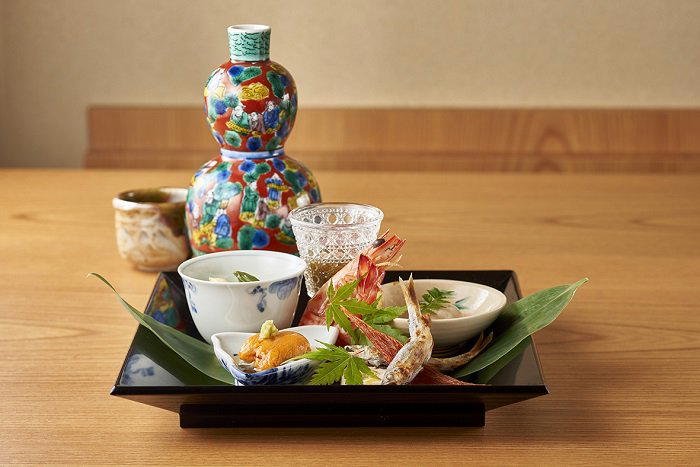
The difference between lunch and dinner at Aji Fukushima is not simply one of scale or price. The two services reflect different relationships to the meal. At lunch, the kitchen offers an assortment of ingredients arranged to accompany rice, a format rooted in the teishoku tradition that prioritises variety and balance over sequential revelation. The evening service operates on a different register: attention is paid to decorations that reference the traditional calendar, and the appetisers are composed to complement drinks rather than precede a main course. This is a meaningful distinction. Kyoto's formal dining culture has long tracked the lunar calendar and its seasonal festivals, and restaurants in Gion that serve a clientele connected to the quarter's ochaya culture are expected to reflect that awareness in how they present the room and the table. The hostess, who pours tea for arriving guests, is part of this same logic: the service role here carries cultural weight that extends beyond hospitality mechanics.
Recognition and Peer Context
Aji Fukushima holds a Michelin Plate for 2025, a designation that sits below star level but indicates the Guide's endorsement of quality cooking. On Opinionated About Dining's ranked list of Japan restaurants, the restaurant has moved from a general recommendation in 2023 to a ranked position of #451 in 2024 and #524 in 2025. The ranking movement is worth reading carefully: OAD's methodology aggregates the assessments of frequent, experienced diners, and a ranked position in any year reflects sustained performance rather than a single impressive visit. Within Gion specifically, the restaurant competes for attention against higher-tier kaiseki rooms including Gion Matayoshi and Kenninji Gion Maruyama, as well as kappo and kaiseki venues at the ¥¥¥¥ level such as Ifuki, which holds two Michelin stars. At the ¥¥¥ tier, Aji Fukushima offers entry to serious Gion-quarter cooking without the full financial commitment of the neighbourhood's top-tier rooms. Further afield, comparisons can be drawn with Kodaiji Jugyuan within Kyoto and, across the region, with restaurants like HAJIME in Osaka, which represents the Kansai fine dining tradition at a very different price and ambition level. For those exploring the broader Japanese fine dining circuit, the contrast with Tokyo's kappo rooms, such as Myojaku and Azabu Kadowaki, illustrates how geography shapes both ingredient sourcing and service philosophy. Beyond the Japanese mainland, akordu in Nara, Goh in Fukuoka, 1000 in Yokohama, and 6 in Okinawa each represent distinct regional expressions of Japanese fine dining that reward comparison with what Kyoto's kappo tradition offers.
Planning a Visit
Aji Fukushima is located at 570 Gionmachi Minamigawa in Higashiyama Ward, placing it within walking distance of the main Gion pedestrian routes and close to the Shijo-Kawaramachi axis. Given the size and format of the counter, reservations are necessary, and the restaurant's position in the Gion quarter means demand is consistent across the year. Kyoto's dining calendar intensifies around cherry blossom season in late March and early April and again during the autumn foliage period in November, when the city's capacity across every category is under pressure. Visiting in the shoulder months, particularly May or early October, offers more flexibility for booking and a quieter neighbourhood context. For broader orientation across Kyoto's dining and travel options, our full Kyoto restaurants guide covers the city's range across price and format. Additional planning resources include our full Kyoto hotels guide, our full Kyoto bars guide, our full Kyoto wineries guide, and our full Kyoto experiences guide.
Frequently asked questions
What should I order at Aji Fukushima?
Aji Fukushima operates as a kappo counter rather than a kaiseki room, which means the kitchen sets the direction rather than the diner selecting from a menu. The composition is built around Kyoto's dashi tradition, with soups drawing on Rishiri kombu for fragrance and simmered preparations using makombu for depth. At lunch, rice-centred arrangements of seasonal ingredients are the format; in the evening, the kitchen pivots to appetisers calibrated around drinks, with seasonal decorative references that track Kyoto's traditional calendar. The most direct guidance from the Michelin recognition and OAD ranking is to follow the kitchen's lead, trust the sequence, and pay attention to the dashi-based preparations, which are where Kyo-ryori technique is most clearly expressed.
Cuisine-First Comparison
| Venue | Cuisine | Price | Awards | Notes |
|---|---|---|---|---|
| Aji FukushimaThis venue (the venue you are viewing) | Traditional Kyoto Kaiseki | $50–100 | Michelin Plate | Not listed |
| Gion Sasaki | Modern Kaiseki | $300–500 | 3 Michelin Stars · La Liste Top Restaurants | Kaiseki, Japanese |
| cenci | Innovative Italian-Japanese Fusion | $100–150 | 1 Michelin Star · World's 50 Best #76 | Italian |
| Ifuki | Sumibi Kappo Kaiseki | $200–300 | 2 Michelin Stars · La Liste Top Restaurants | Kaiseki |
| Kyokaiseki Kichisen | Kyoto Kaiseki | $200–300 | 2 Michelin Stars · La Liste Top Restaurants | Japanese |
| Kyo Seika | Modern Chinese Fine Dining | $150–200 | 1 Michelin Star · Tabelog Bronze #216 | Chinese |
Recognition history
Dated appearances from independent guides and award organizations, with the underlying list record or original source where available.
Michelin Plate
Michelin
Opinionated About Dining Top Restaurants in Japan Ranked #524
Opinionated About Dining
Full recognition history (5 entries)
Michelin Plate
Michelin
Opinionated About Dining Top Restaurants in Japan Ranked #451
Opinionated About Dining
Opinionated About Dining Top Restaurants in Japan Recommended
Opinionated About Dining
Continue exploring
More in Kyoto
Restaurants in Kyoto
All restaurants in Kyoto →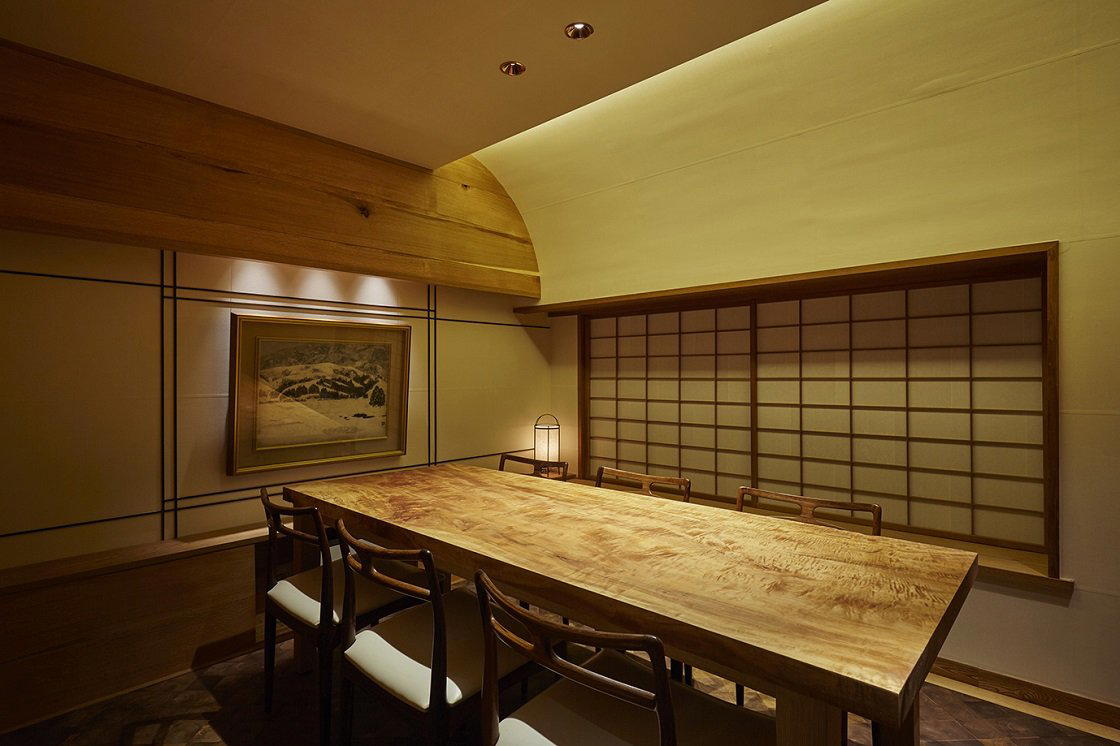
Bars in Kyoto
All bars in Kyoto →
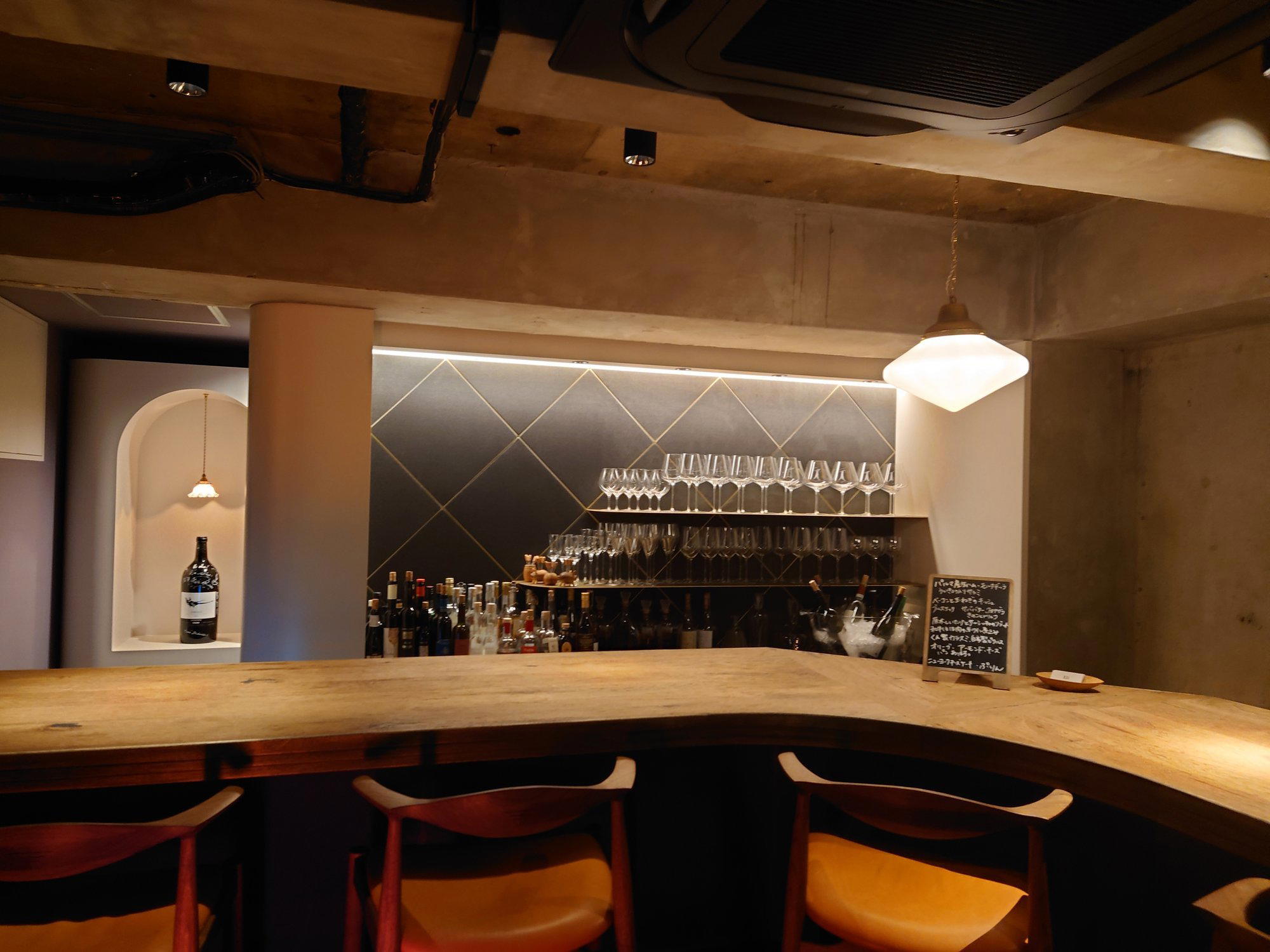
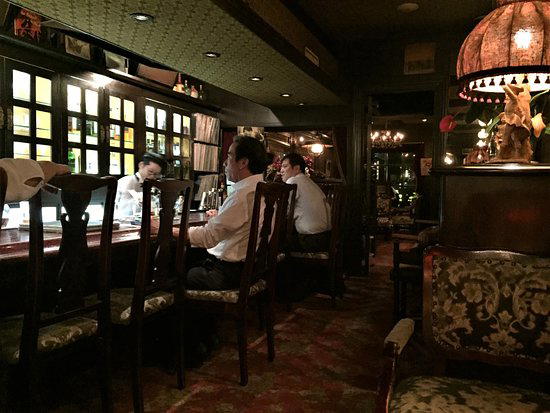
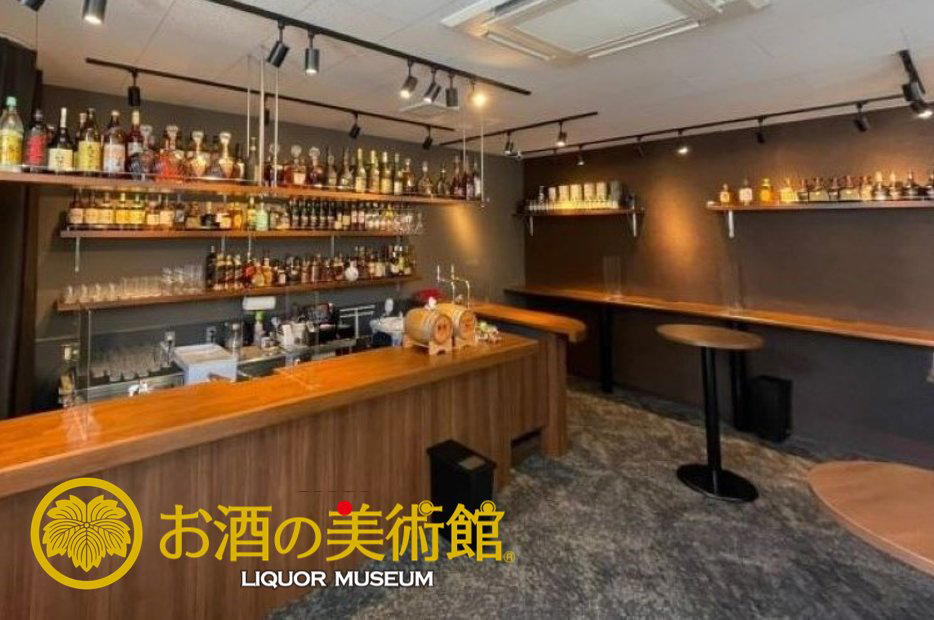
Hotels in Kyoto
All hotels in Kyoto →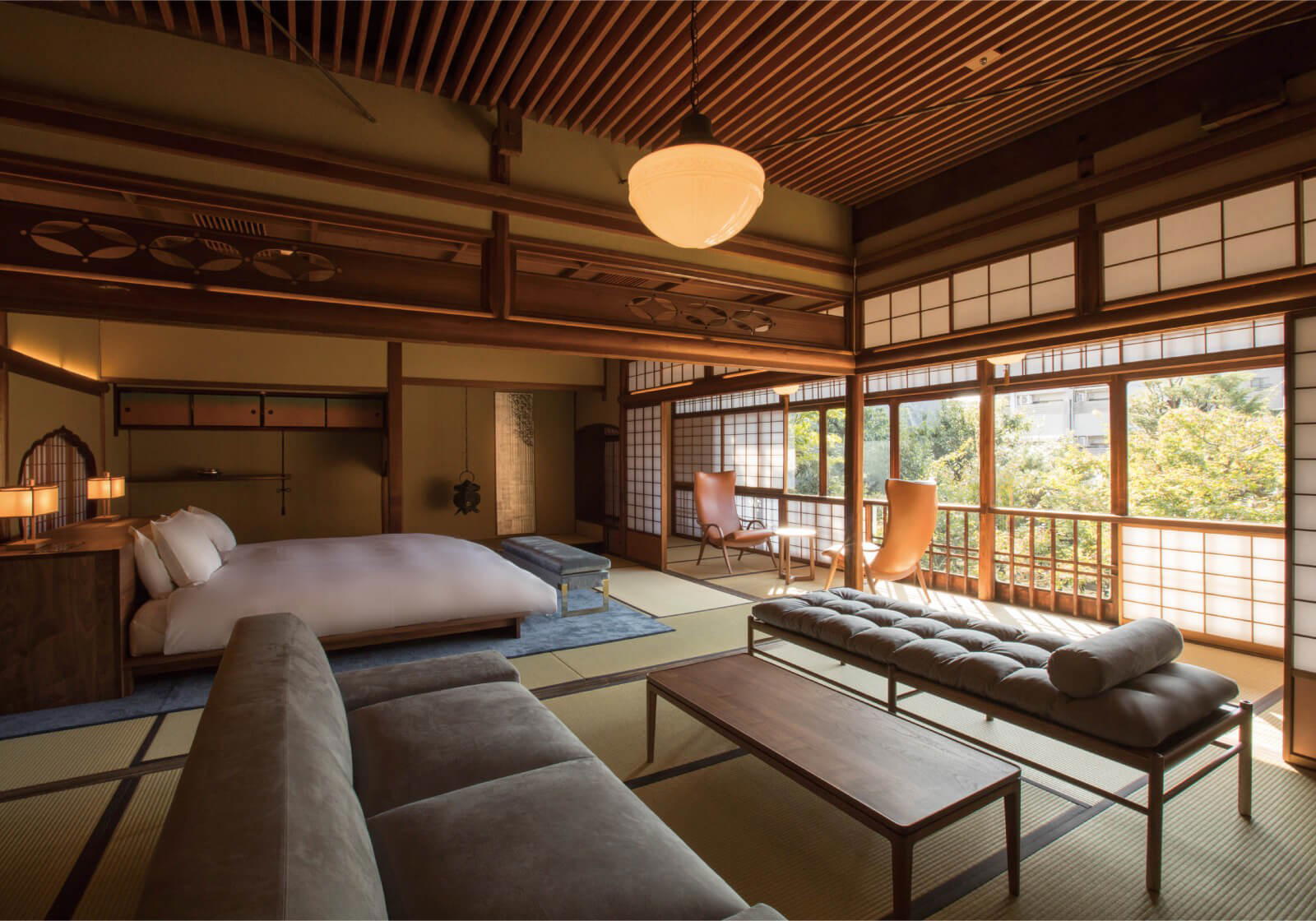
Wineries in Kyoto
Browse all →
Details
- Intimate
- Elegant
- Cozy
- Classic
- Special Occasion
- Date Night
- Sake Program
- Local Sourcing
- Omakase
- Tasting Menu
- Sake
Current opening hours
- Monday
- 5–8 PM
- Tuesday
- 11:30 AM–1 PM, 5–8 PM
- Wednesday
- 11:30 AM–1 PM, 5–8 PM
- Thursday
- 11:30 AM–1 PM, 5–8 PM
- Friday
- 11:30 AM–1 PM, 5–8 PM
- Saturday
- 11:30 AM–1 PM, 5–8 PM
- Sunday
- Closed
Hours can change for holidays and private events. Hours as of .
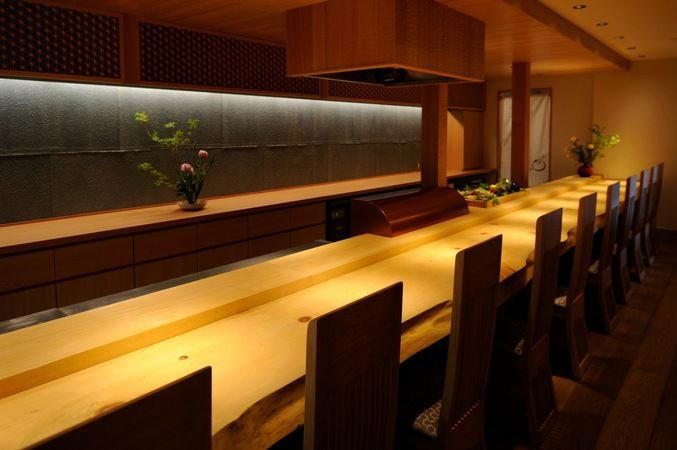
Serene and calm atmosphere with bright brown wood counters, pillars, and beams, complemented by tatami-mat rooms evoking geisha quarter culture.