Kuriya Otona Kurogi sits within Tokyo's rarefied tier of reservation-only Japanese dining, where the structure of the meal does as much work as any single dish. The kitchen operates in the tradition of formal multi-course Japanese cuisine, positioning it alongside the city's most disciplined tasting-format houses. Advance planning is essential; this is not a walk-in proposition.

Pearl is the En Primeur Club membership app — saves, bookings, and concierge access live there. Same editors, same standards.
The Architecture of a Meal in Tokyo's Upper Tier
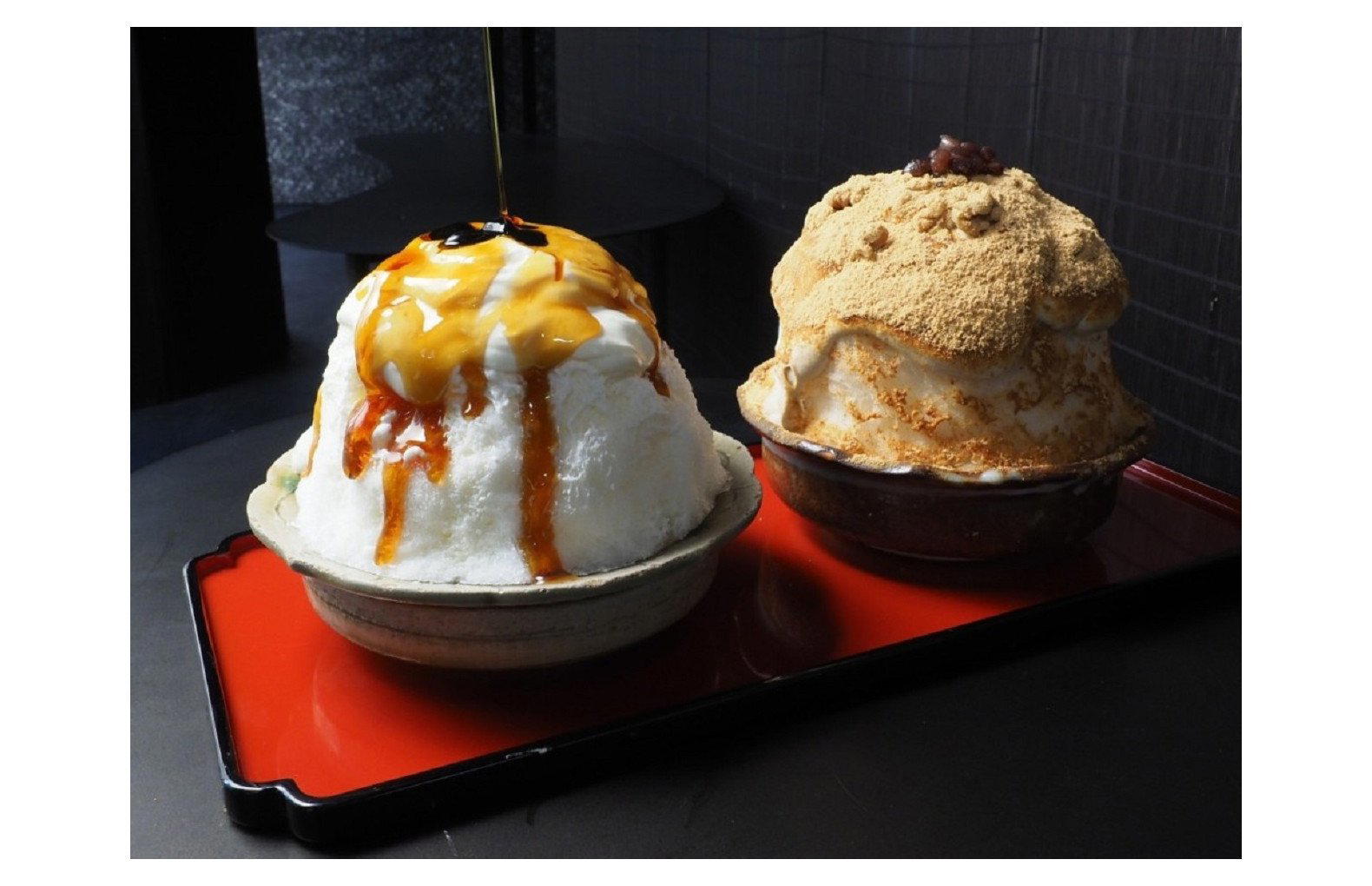
Kuriya Otona Kurogi is a Japanese Sweets and Shaved Ice Cafe in Tokyo, with appointments only and a price around $25 per person. Tokyo's most serious tasting-format restaurants share a common grammar: the meal arrives in a sequence that builds and releases tension, each course calibrated against what came before and what follows. Kuriya Otona Kurogi operates inside this tradition. The name itself signals something deliberate, otona translates roughly as 'adult' or 'grown-up,' a framing that separates this counter from casual or populist dining and aligns it with the city's more considered, formal Japanese houses.
In the broader context of Tokyo dining, that positioning matters. The city has developed one of the world's most stratified restaurant markets, where the distance between a neighbourhood izakaya and a reservation-only multi-course counter is not merely one of price but of dining philosophy. Places like RyuGin and the French-influenced L'Effervescence have established that a Tokyo tasting menu can carry the weight of a complete argument, a beginning, a middle, and a conclusion, rather than functioning as a series of unrelated set pieces. Kuriya Otona Kurogi inhabits the same expectation.
Reading the Sequence
Multi-course Japanese dining at this level is rarely improvised. The progression is engineered: light, precise preparations in the early courses orient the palate; richer, more complex dishes arrive at mid-meal when appetite and concentration are sharpest; the closing courses move toward restraint and resolution. This is the structure that separates a carefully constructed kaiseki-influenced progression from a menu that simply lists ten things in no particular order.
Across Tokyo's upper-tier tasting houses, the differences emerge in how kitchens modulate that arc. Some lean on seasonal produce as the primary logic, what is available now determines what is served. Others use technique as the organising principle, moving the diner from raw to cured to cooked to aged across the sequence. At venues like Harutaka, where the progression is built entirely around the precision of neta over shari, the sequence is almost meditative in its discipline. The comparison is useful because it illustrates how differently two Japanese tasting-format houses can approach the same underlying logic.
The restaurant's name connection to the broader Kurogi dining identity in Tokyo, associated with high-end Japanese cuisine, places it within a lineage that takes this sequencing seriously. The 'otona' distinction suggests a separate, more formal register from the original, rather than a spinoff or casual sibling.
Tokyo's Tasting-Format Tier: Where This Sits
Tokyo currently supports a dense cluster of restaurants operating in the ¥¥¥¥ range and appointment-only service. That cluster includes French-influenced houses such as Sézanne and Crony, as well as purely Japanese-tradition counters. The competition for this tier of diner is significant, which means the venues that sustain recognition over time do so through consistency of sequence, ingredient sourcing, and service calibration, not through novelty alone.
Japan's regional capitals offer useful comparisons. HAJIME in Osaka and Gion Sasaki in Kyoto both operate tasting formats with strong local identities, but neither carries the same volume of international reservation pressure that Tokyo's top tier absorbs. That pressure shapes how Tokyo's tasting-format houses manage the booking process and how they structure the evening, pacing is not just culinary, it is logistical.
akordu in Nara and Goh in Fukuoka, where the tasting format adapts to smaller markets and different seasonal rhythms. The diversity of that broader Japanese dining scene reinforces why Tokyo's top tier carries the weight it does: it concentrates the country's most demanding dining expectations into a single, competitive urban grid.
Planning Your Visit
Reservation-only dining in Tokyo's upper tiers runs on lead times that reward organised travellers. For particularly sought-after counters in the city, windows of four to eight weeks are common; some book further in advance for peak travel periods in spring (cherry blossom season, late March to early April) and autumn (foliage season, mid-November). Those planning visits around these periods should begin the booking process well ahead of the travel date.
Visitors relying on walk-in availability at formal tasting-format houses will generally find the proposition difficult to impossible at this price tier.
For context on how Japanese fine dining performs at the international level, Atomix in New York City and Le Bernardin represent the benchmark for how tasting-format discipline translates across markets. The comparison underscores that the sequencing intelligence developed in Tokyo's upper-tier houses travels well.
一本木 名川製 in Nanao, 夕仙山乃 in Sapporo, 湖畔荘 in Takashima, 羽根屋 in Nishikawa Machi, Birdland in Sakai, and Bistro Ange in Toyohashi.
Know Before You Go
- Format: Reservation-only, fixed tasting menu
- Price tier: ¥¥¥¥ (premium tasting format; confirm current pricing at time of booking)
- Booking: Advance reservation required; walk-in not available at this tier
- Language: Non-Japanese speakers should arrange concierge or agency-assisted booking
- Timing: Allow additional lead time for visits during cherry blossom (late March to early April) or autumn foliage (mid-November) seasons
- Dress code: Smart dress is standard at formal Japanese tasting counters
Cost Snapshot
Comparable venues nearby, for context on price, style, and recognition.
| Venue | Cuisine | Price | Notes |
|---|---|---|---|
| Kuriya Otona KurogiThis venue — the venue you are viewing | Not listed | $$$ | Not listed |
| sumiyaki kadota or yourisu zuki | Not listed | $$$ | Shibuya, Charcoal-grilled Japanese diner & motsunabe |
| Kuzushi Teppan AVAGURA Kanda ten | Chiyoda, Modern Teppanyaki | $$$ | Not listed |
| Arakawa (Kyoto) | Not listed | $$$ | Nakagyo Ward / Kawaramachi, Traditional Kyoto yakiniku (Japanese BBQ) |
| Yakiniku Itadaki | Chūō, Kobe Beef Charcoal Yakiniku | $$$ | Not listed |
| Yakitori Uu. | Meguro, Yakitori | $$$ | Not listed |








At a Glance
- Elegant
- Quiet
- Sophisticated
- Cozy
- Intimate
- Modern
- Date Night
- Solo
- Standalone
- Sake Program
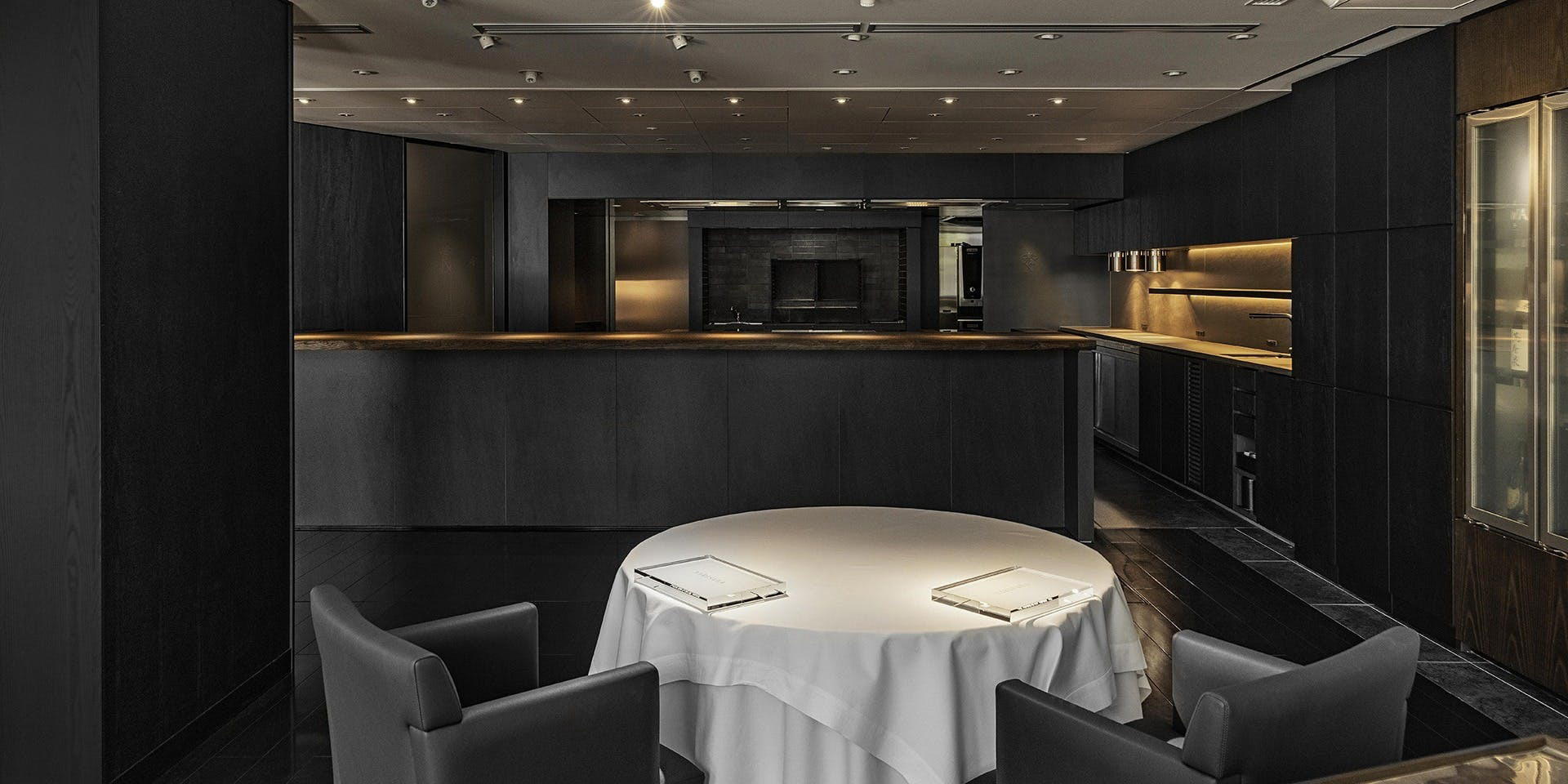
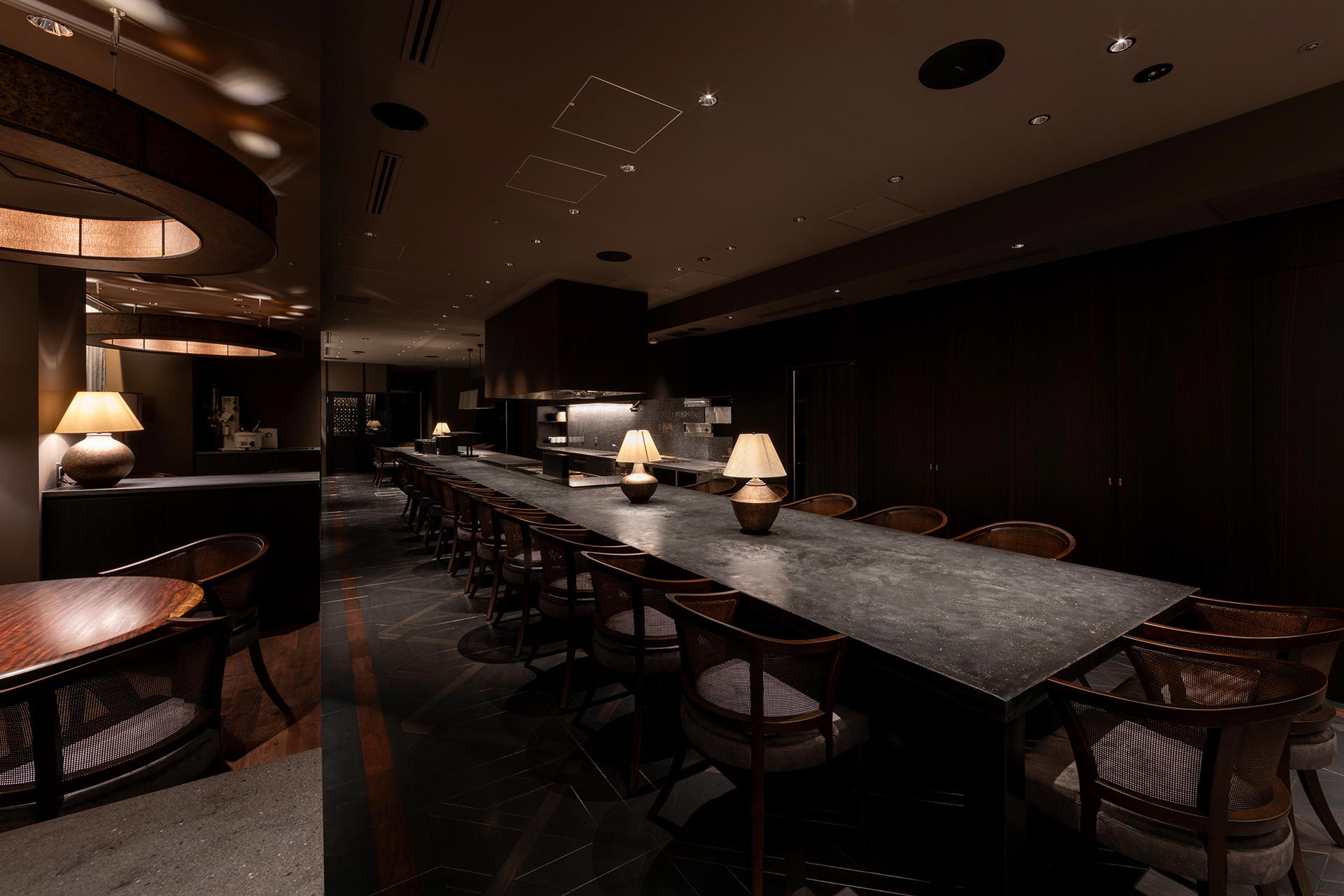
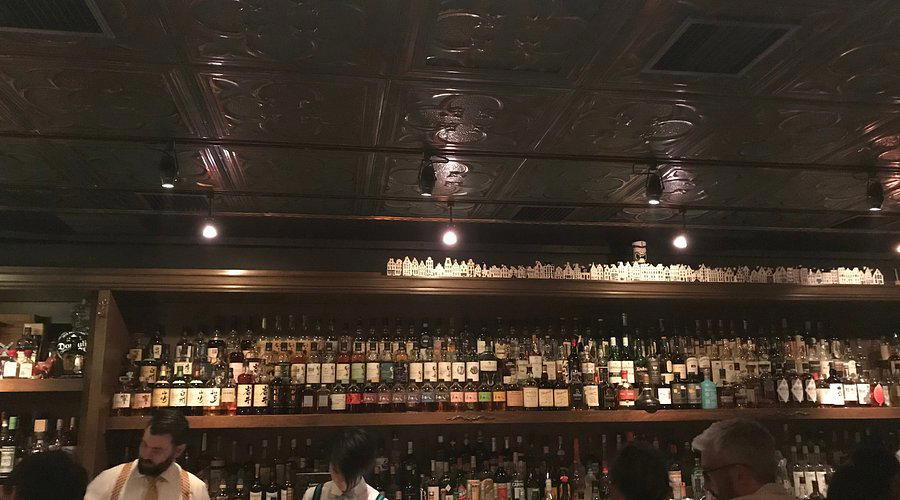
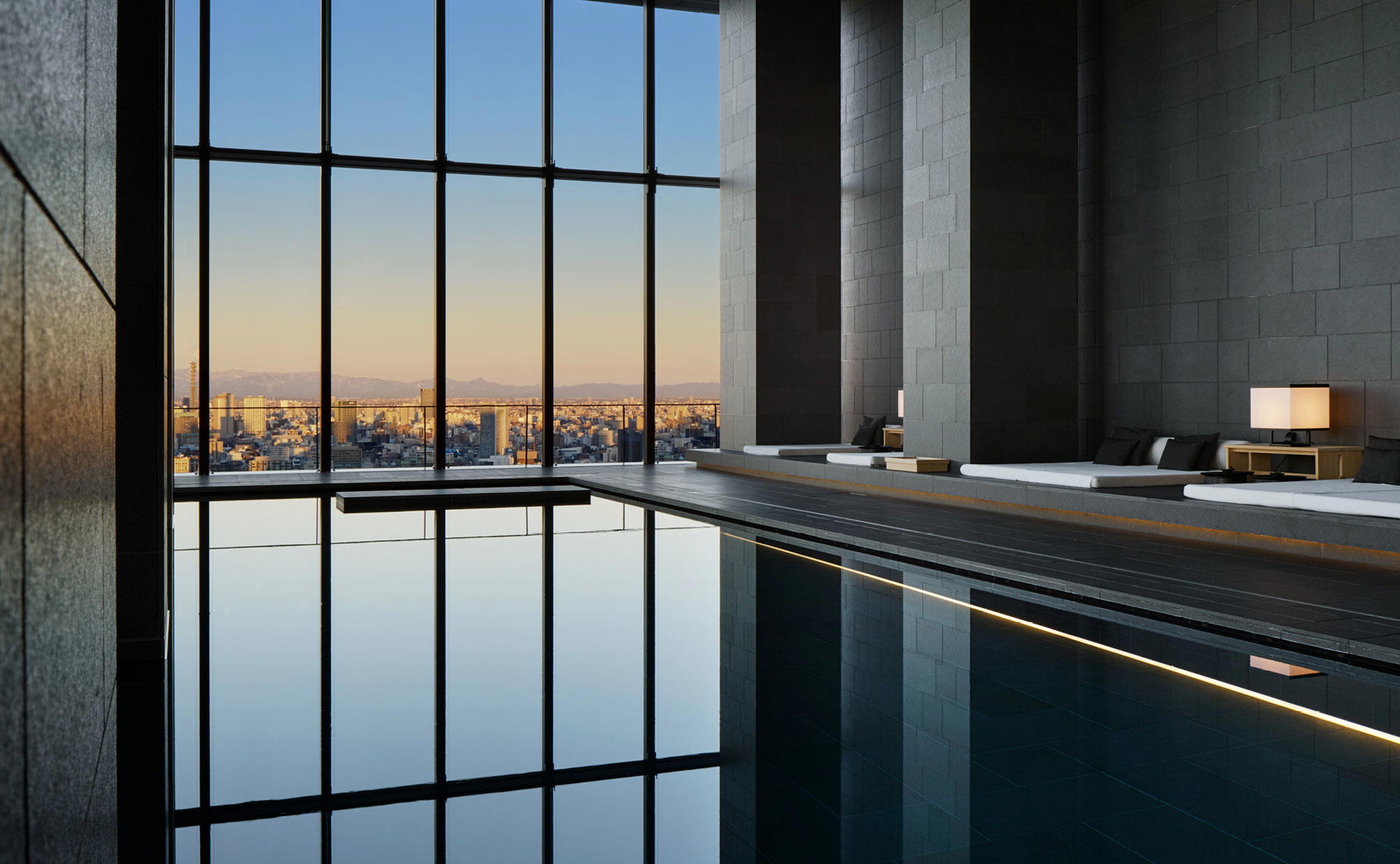
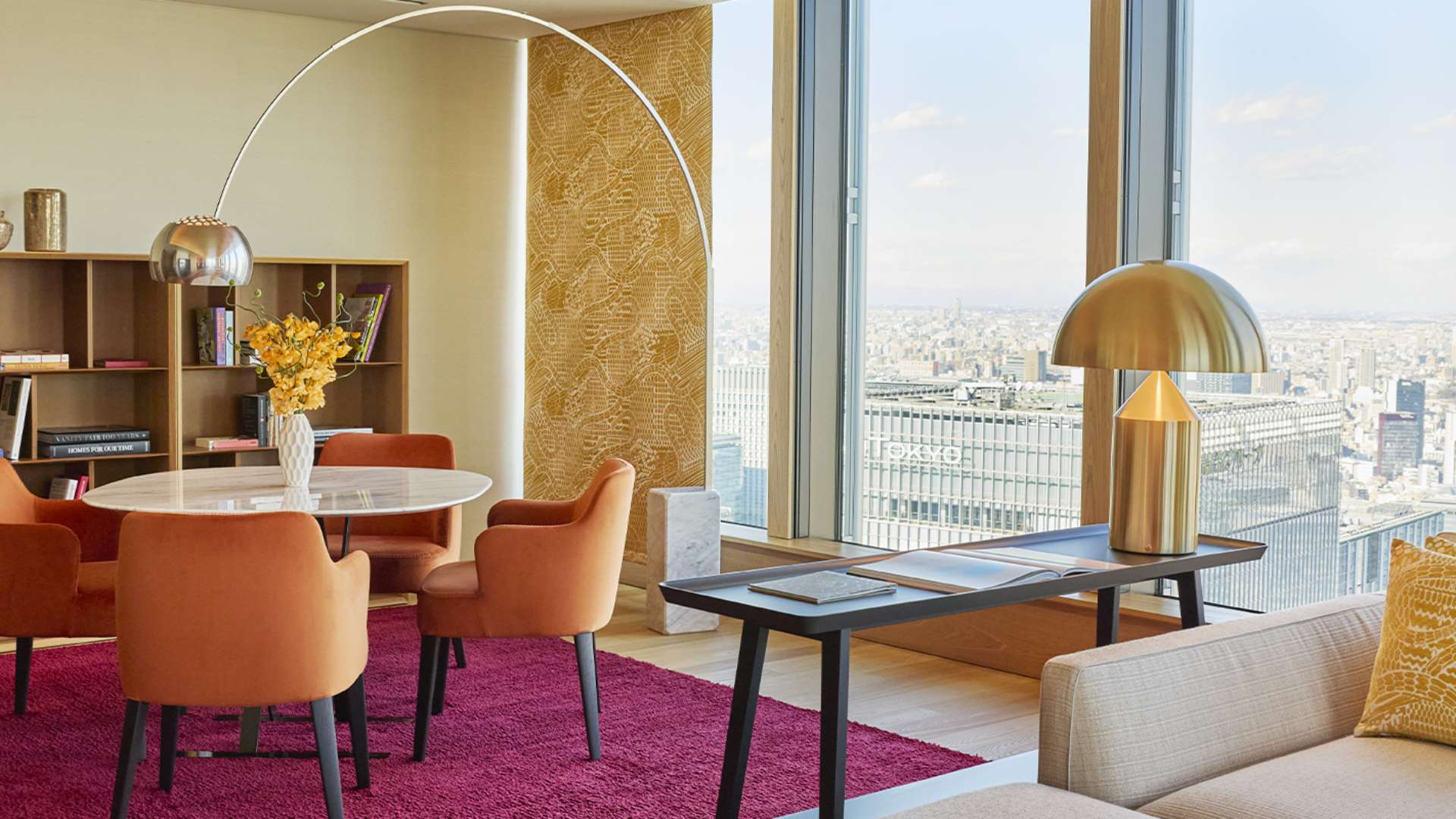
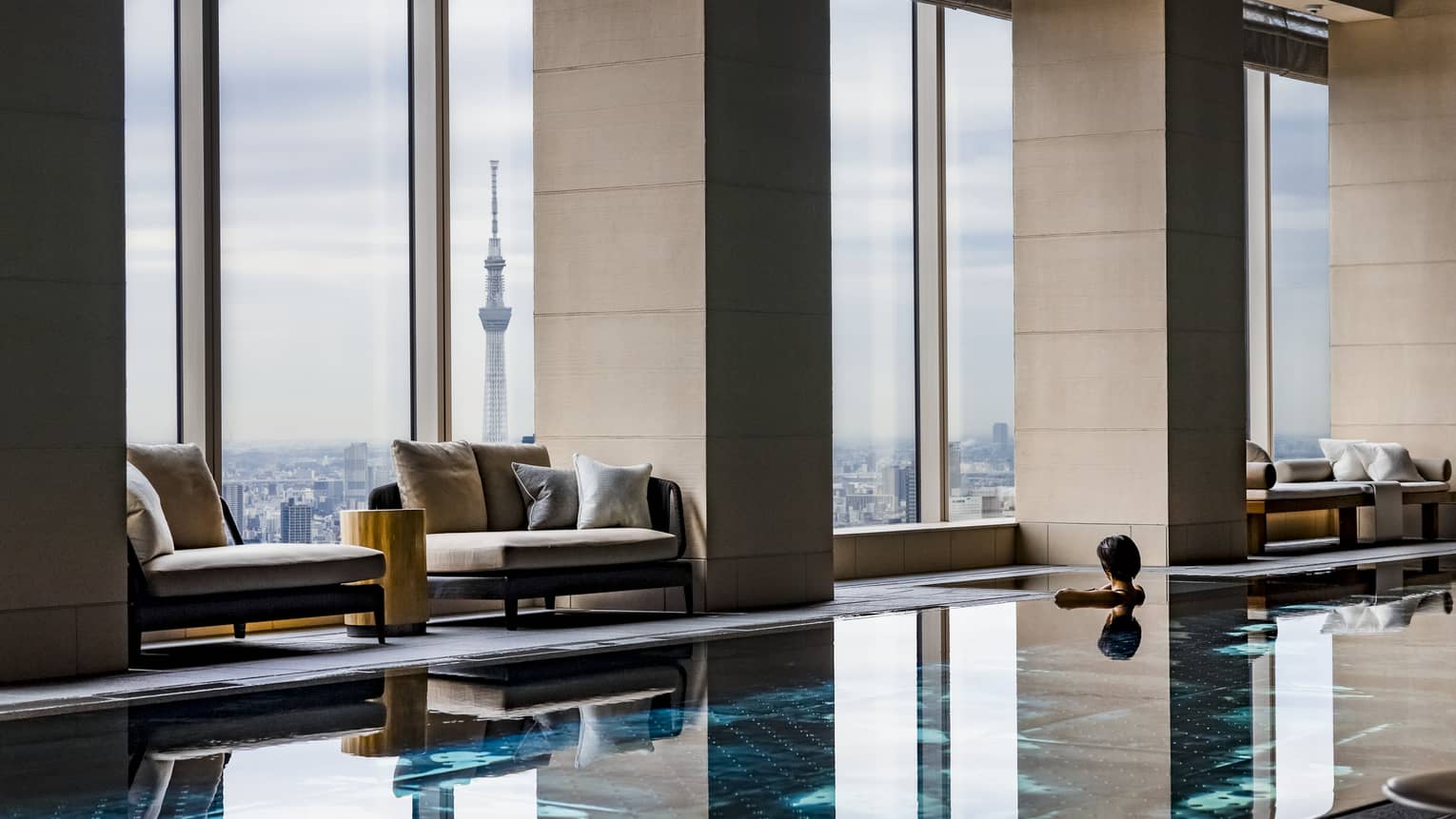
Calm adult space with refined Japanese-modern interiors that evoke elegance and tranquility, making patrons forget the bustle of everyday life.