Yakiniku Itadaki operates in Nihonbashi, one of Tokyo's oldest commercial districts, where the yakiniku format sits at the intersection of Japanese grilling tradition and the neighbourhood's long-standing appetite for precise, ingredient-led dining. With sparse public data and no walk-in culture to speak of, the restaurant rewards those who seek it out through Tokyo's quieter reservation channels.
Pearl is the En Primeur Club membership app — saves, bookings, and concierge access live there. Same editors, same standards.
- Address
- Japan, 〒103-0006 Tokyo, Chuo City, Nihonbashitomizawacho, 10−15 勢州屋本店ビル 2F
- Phone
- +81336393577
- Website
- tabelog.com
- Directions
- Get directions
 Saves & bookings on Pearl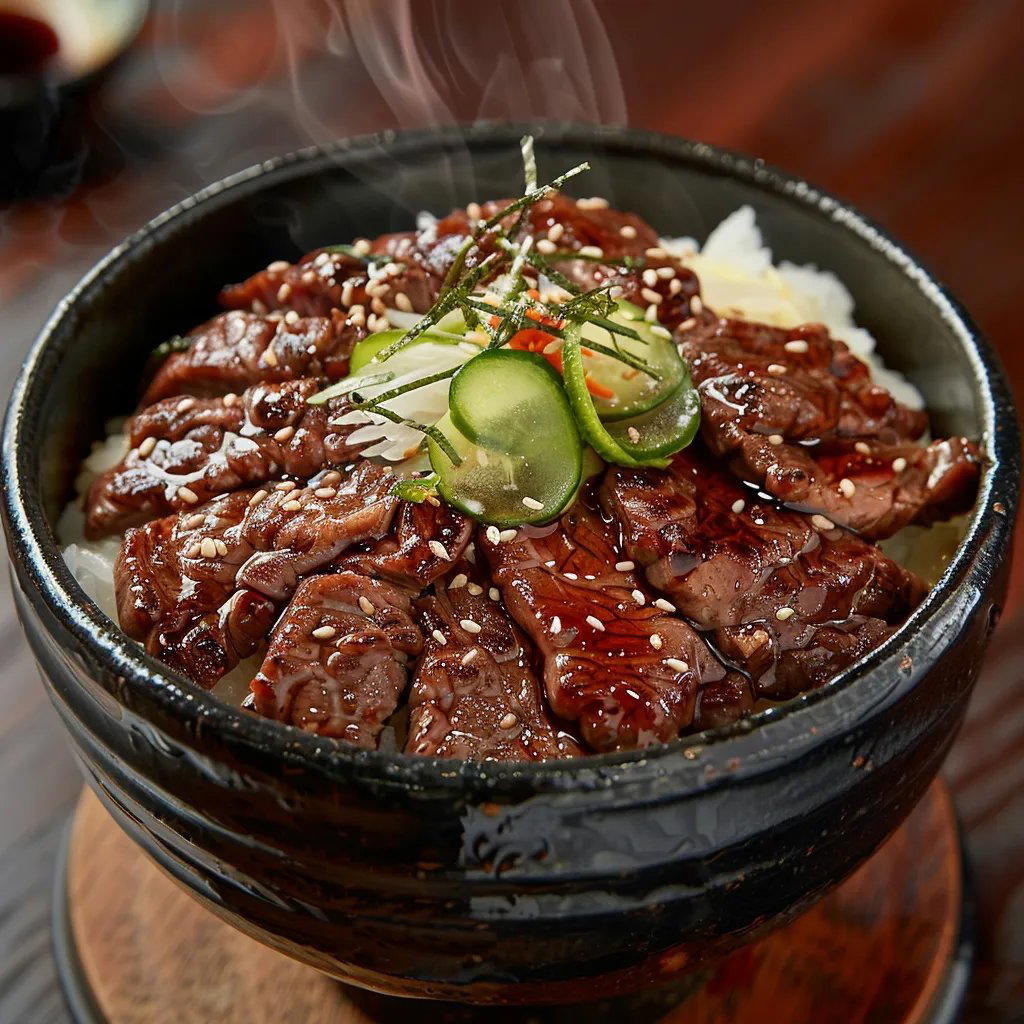
Nihonbashi and the Yakiniku Tradition
Nihonbashi has been Tokyo's commercial and culinary centre since the Edo period, when the district functioned as the measured starting point for all roads in Japan. That history of precision, of things measured and weighed carefully, runs through the neighbourhood's modern dining rooms, where restraint and quality tend to count for more than spectacle. Yakiniku Itadaki sits on that same block, in a district where grilling traditions have long coexisted with kaiseki sensibility and high-end sushi counters.
Yakiniku as a format occupies a specific position in Tokyo's premium dining hierarchy. It shares a category with omakase-style counters in the sense that the ingredient, in this case, the beef, is the argument. The grill is the technique, not the point. The leading yakiniku rooms in the city present cuts sequentially, with attention to fat distribution, temperature management, and the brief window between raw and the optimal doneness that no timer can reliably catch. In that sense, a skilled yakiniku sequence is not unlike the pacing of a kaiseki meal, where each course creates a context for the next. Venues like RyuGin in Roppongi demonstrate that kaiseki rhythm at a Michelin three-star level; yakiniku at its most considered borrows from the same logic of sequenced revelation.
The Atmosphere of the Grill Room
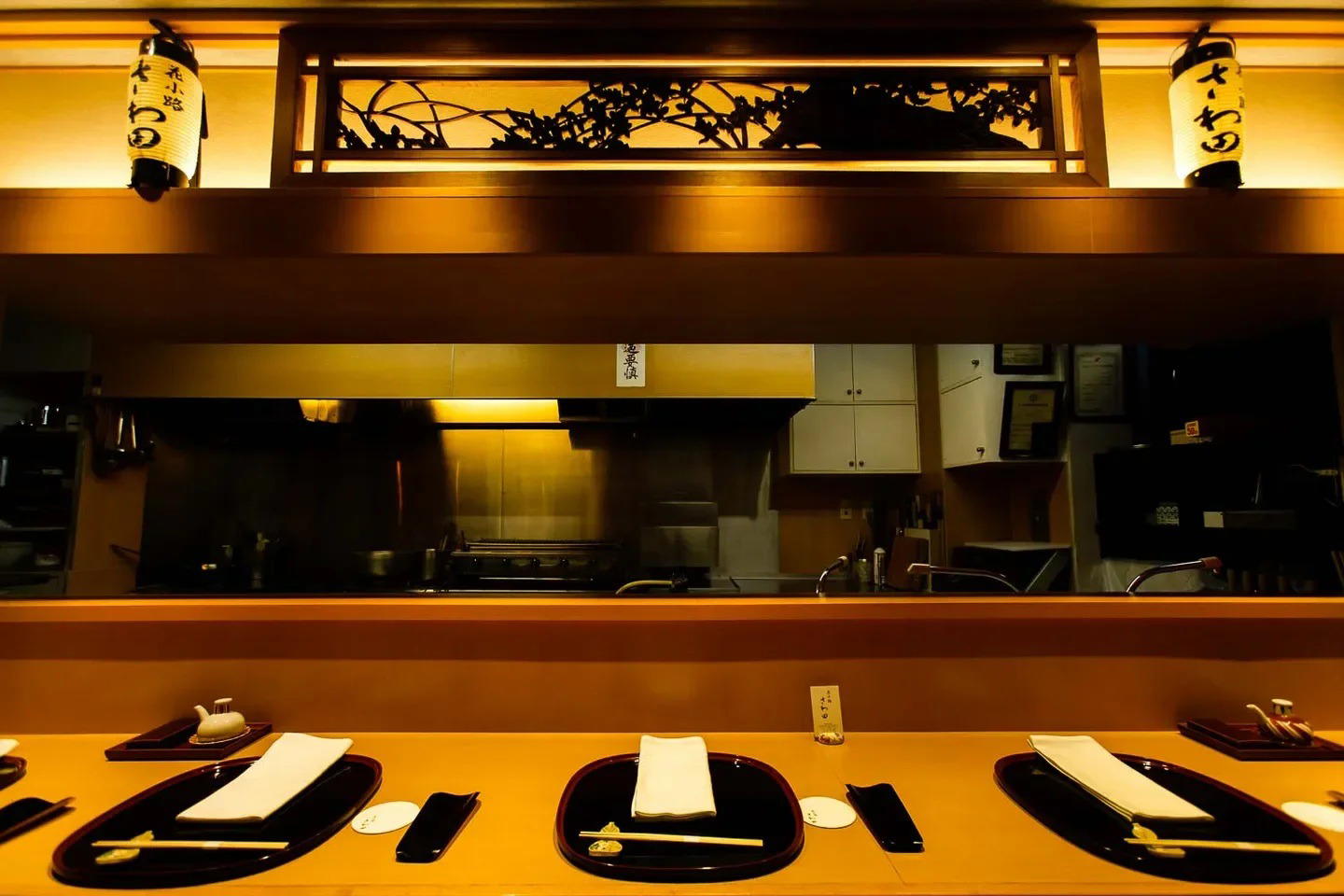
The sensory character of a serious yakiniku counter is difficult to replicate in any other dining format. The smell of binchōtan, Japanese white charcoal, derived from oak and burned almost smokeless, is the first signal that the cooking is happening at a particular standard. Binchōtan burns at high, consistent temperatures without the chemical interference of lower-grade fuels, which means what you smell is the fat and the meat, not the fire. The sound of the grill follows: a low, continuous sear that rises slightly as marbled cuts contact heat. These are not ambient details. They are information about what is happening on the grate, and experienced diners read them as such.
Lighting in high-end yakiniku rooms tends toward the warm and minimal, partly for atmosphere and partly because the grill provides its own source of shifting light. The visual logic is almost theatrical: small cuts of beef, arranged on ceramic or slate, presented before the cook. The colour of well-marbled wagyu before heat is applied, the white of intramuscular fat against deep red, is part of what is being shown. Some rooms will clarify the provenance of the cut verbally; others let the grade and marbling speak. Either approach signals that the room is operating at a tier where the product is the credential.
This kind of atmosphere has parallels elsewhere in Japan's premium dining culture. Gion Sasaki in Kyoto creates a similarly focused sensory environment through kaiseki, where quiet technique and ingredient quality do the communicating. In both formats, the absence of distraction is part of the experience.
Where Yakiniku Sits in Tokyo's Premium Tier
Tokyo's premium restaurant market has become increasingly segmented since the mid-2010s, when the city's Michelin coverage expanded and international attention intensified. Sushi omakase counters now cluster in a recognisable tier, venues like Harutaka set a benchmark for what commitment to a single ingredient category looks like at the highest level. French-influenced rooms, from L'Effervescence to Sézanne, have built their own distinct peer group. Yakiniku operates in a parallel tier that doesn't always intersect with Michelin recognition, partly because the format's premium signals, wagyu grade, charcoal type, sourcing relationships, are harder to standardise into the guide's evaluative language.
That said, the category has attracted serious attention. Crony in Tokyo shows how innovative cooking can draw from multiple traditions simultaneously; the leading yakiniku rooms do something similar, using the grill as a frame for ingredient-curation decisions that are as deliberate as anything happening in the city's kaiseki or French rooms. Internationally, the appetite for precision grilling formats with curated beef programs is well-established, Atomix in New York and Le Bernardin demonstrate how ingredient-focused formats can achieve critical standing in any market when the sourcing logic is rigorous and consistently executed.
Japan's broader regional dining scene reinforces the point that this kind of ingredient specificity is a national priority, not just a Tokyo phenomenon. HAJIME in Osaka, Goh in Fukuoka, and akordu in Nara each represent the depth of culinary seriousness available across the country's regions.
Planning Your Visit
Yakiniku Itadaki is located in Nihonbashi Tomizawacho, Chuo City, within central Tokyo's historic commercial core. The neighbourhood is accessible from multiple subway lines, with Ningyocho Station on the Hibiya and Asakusa lines providing one direct approach. As with most smaller specialist rooms in central Tokyo, reservations are strongly advisable and the venue is unlikely to accommodate walk-ins without prior arrangement.
Pricing, Compared
Comparable venues nearby, for context on price, style, and recognition.
| Venue | Cuisine | Price | Notes |
|---|---|---|---|
| Yakiniku ItadakiThis venue — the venue you are viewing | Chūō, Kobe Beef Charcoal Yakiniku | $$$ | Not listed |
| Ningyocho Imahan Nihombashi Takashimaya S.C. Restaurant | Not listed | $$$ | Chūō, Traditional Japanese Wagyu Sukiyaki & Shabu-Shabu |
| Tori Tsune Shizen Do | Not listed | $$$ | Chiyoda, Traditional Japanese chicken & oyakodon specialist |
| Namaiki | Not listed | $$$ | Chiyoda, Premium Wagyu Yakiniku & Raw Beef |
| 寿司 健 | Chūō, Michelin Three-Star Omakase Sushi | $$$ | Not listed |
| YAKINIKU A FIVE 徳 銀座八丁目店 | Chiyoda, Premium Japanese Yakiniku | $$$ | Not listed |








At a Glance
- Cozy
- Sophisticated
- Date Night
- Business Dinner
- Special Occasion
- Open Kitchen
- Sake Program
Current opening hours
- Monday
- Closed
- Tuesday
- 5–11 PM
- Wednesday
- 5–11 PM
- Thursday
- 5–11 PM
- Friday
- 5–11 PM
- Saturday
- 5–11 PM
- Sunday
- 5–11 PM
Hours can change for holidays and private events. Last verified .
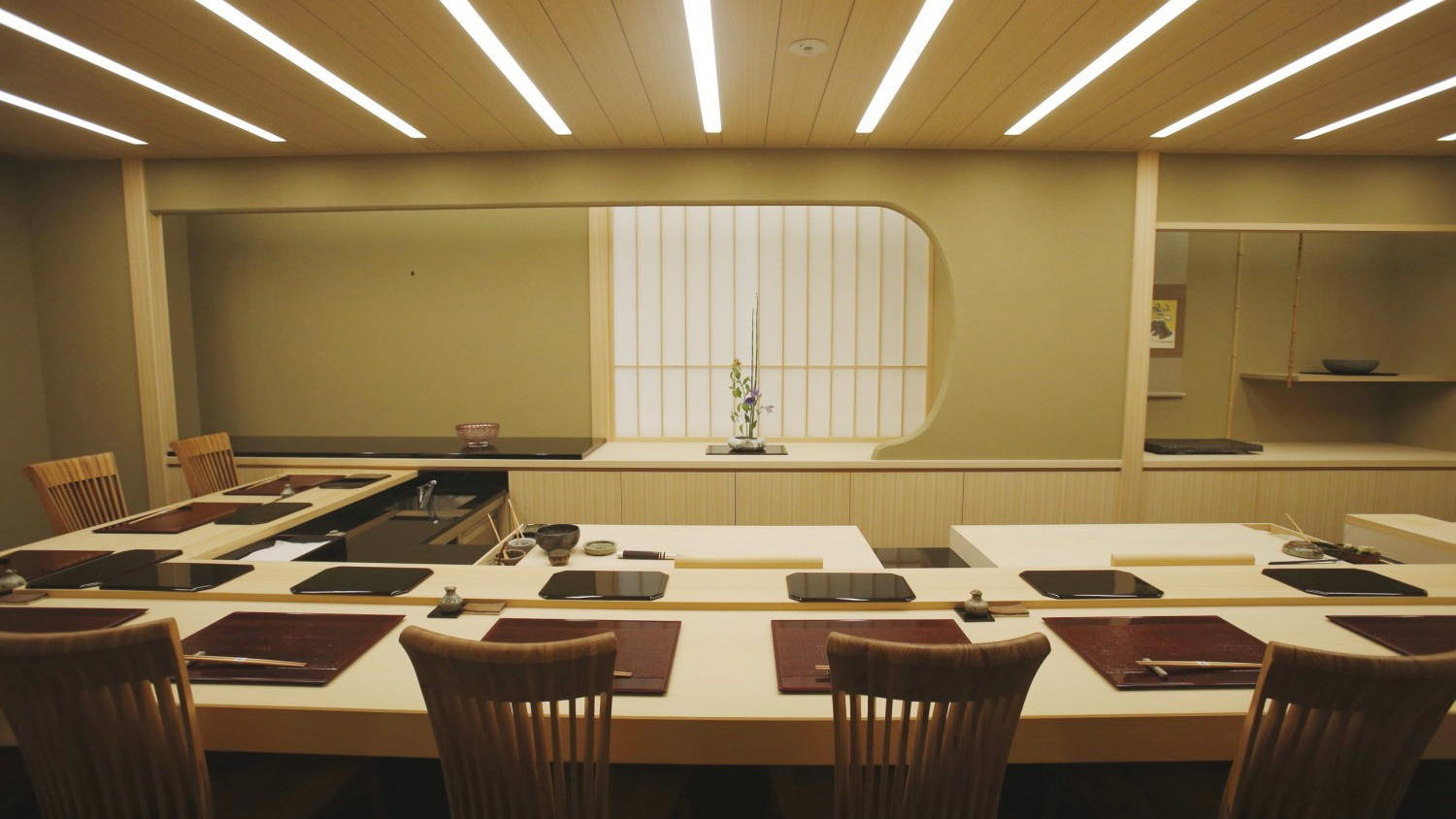
Cozy second-floor space with charcoal grill aromas and attentive service focused on premium beef.