
Ebisu’s small-format Japanese dining scene rewards places that treat fish, charcoal, sake and late-evening comfort as serious craft rather than ceremony. sumiyaki kadota or yourisu zuki sits in that lane, with Tabelog 100 Diner recognition in 2026, a fish-led daytime identity and a dinner register that moves toward motsu-nabe, beef and drinks built around nihonshu, shochu and wine.
Pearl is the En Primeur Club membership app — saves, bookings, and concierge access live there. Same editors, same standards.
- Address
- 東京都渋谷区恵比寿西1-1-2 しんみつビル B1F
- Phone
- +81364550819
- Website
- tabelog.com
 Saves & bookings on Pearl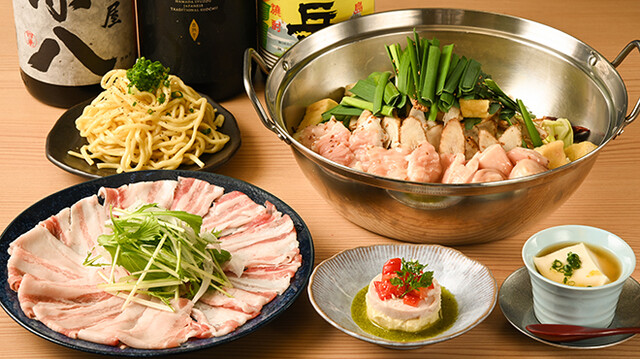
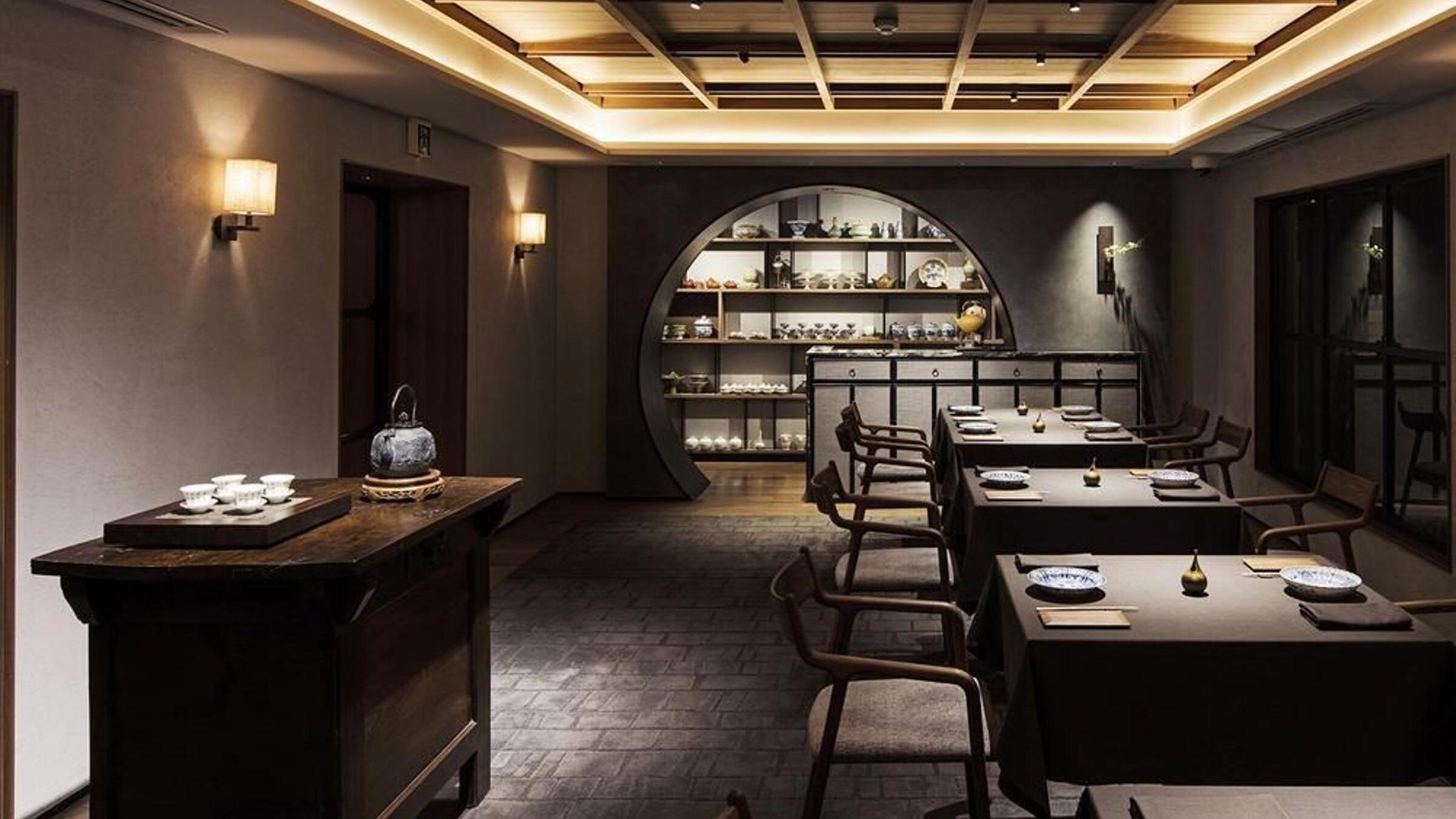
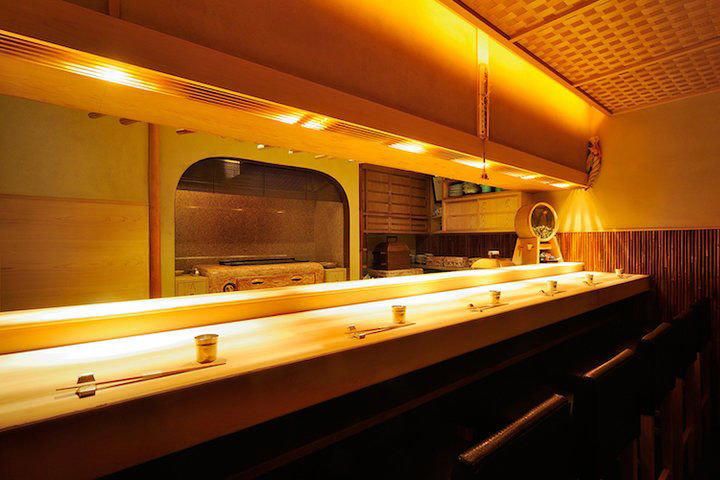
Below street level in Ebisu, the mood shifts from station-side movement to a tighter, quieter register: counter seats, table seating, and the kind of compact room where Japanese dining feels closer to a neighbourhood habit than a staged occasion. This is the part of Tokyo where a meal can begin with grilled fish at lunch and move, by night, into a different vocabulary of charcoal, hot pot and drinks. The interest is not spectacle. It is the discipline of sourcing, heat and timing, applied to ingredients that Tokyo diners understand well enough to judge closely.
Ebisu has long been useful for this middle tier of serious eating: less formal than Ginza, less trend-chasing than parts of Shibuya, and dense with restaurants that suit repeat diners rather than once-a-trip trophy hunting. sumiyaki kadota or yourisu zuki belongs to that practical Tokyo category where the cooking has to earn loyalty across multiple services. Its recognition on Tabelog’s 100 Diner list for 2026, with earlier selections in 2024 and Japanese cuisine Tokyo recognition in 2021, places it in a field where consistency matters as much as novelty.
Fish first, then charcoal and nabe after dark
Tokyo’s better everyday Japanese restaurants often reveal their priorities through procurement before technique. Here, the stated emphasis on fish gives the daytime offering its centre of gravity, while dinner expands into a richer grammar that includes motsu-nabe and Naniwa Black Beef. That lunch-to-dinner split matters. It signals a kitchen not built around a single tasting-menu idea, but around different uses of the same compact room: a direct midday meal, then a fuller evening format where charcoal, broth, fat and alcohol carry more weight.
The category label, cafeteria and motsu-nabe, undersells the range in English. In Japan, shokudo can be plainspoken without being careless; the term often implies a place where the food is legible, seasonal enough to respond to supply, and priced for people who may return. Tabelog’s Diner list is especially useful for this stratum because it catches restaurants that do not always translate neatly into Western fine-dining language. The award is not a Michelin-style luxury signal. It is a domestic dining signal, and for visitors it can be more revealing.
The sourcing angle is strongest in the way fish sits beside beef and offal hot pot rather than being replaced by them. Tokyo has many restaurants that specialize so tightly they become difficult to use casually. This address works differently: the fish-led identity anchors the restaurant in the city’s market-driven washoku tradition, while the evening menu points to the Kansai-inflected comfort of beef and motsu-nabe. The result is a useful reminder that ingredient seriousness in Tokyo does not always arrive as omakase. Sometimes it arrives as grilled fish, sake and a room small enough for the counter to remain part of the meal.
Ebisu's useful alternative to ceremony
Compared with Tokyo’s high-ritual counters, Ebisu’s appeal lies in restaurants that compress quality into less formal formats. The room here is small, with counter and table seating, which puts it closer to a local dining room than a destination-only salon. That scale affects the meal: charcoal cooking, fish handling and nabe service all read better when the kitchen is close to the room, and when the beverage list is built for the same food rather than for show.
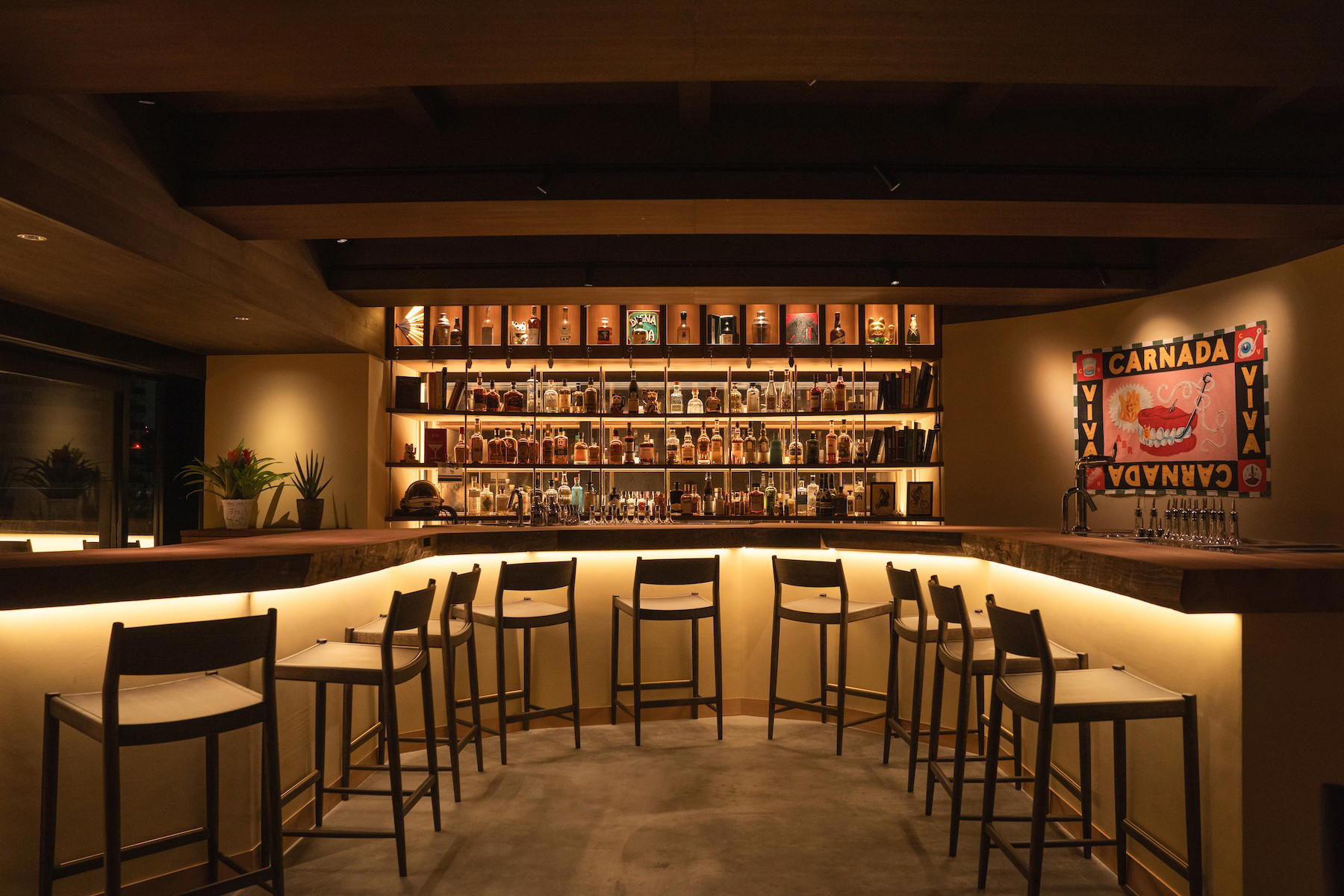
The drinks tell part of the story. Nihonshu, shochu and wine make sense for a restaurant that crosses fish, charcoal and hot pot. Sake supports grilled and simmered Japanese cooking without forcing a pairing narrative; shochu suits stronger flavours and longer evenings; wine gives the beef side of the menu more room. This is where Tokyo’s contemporary casual-serious restaurants have become more interesting than many formal rooms: they are less bound to one beverage orthodoxy and more responsive to how people actually eat.
Within the supplied Tokyo comparison set, Bar ODIN and BAR Go sit in a drinks-first price band, Cafe Tram occupies a lighter café register, and Nawa Noren operates at a lower dinner spend. Kirin shares the same dinner bracket, which makes the comparison useful: at this level, the decision is less about luxury and more about appetite. Choose this Ebisu address for Japanese cooking organised around fish, charcoal and nabe rather than for a bar-led evening or a café stop.
For broader planning, the restaurant fits naturally into an Ebisu-Shibuya dining day rather than a single-venue pilgrimage. For other Tokyo food styles, compare the charcoal thread at. 鮪と炭火焼き うお炭 秋葉原店, the Shinjuku address 12/10 Shinjuku ten, yakitori at 124. KAGURAZAKA (Yakitori), graphic café culture at 2D Cafe and curry at 3 Chome no Curry Ya San.
Know Before You Go
- Dining style: Compact Japanese restaurant with counter seating, tables and a fish-led identity that shifts toward richer dinner cooking.
- Recognition: Selected for Tabelog 100 Diner in 2026 and 2024, with Japanese cuisine Tokyo recognition in 2021.
- Menu rhythm: Lunch and dinner are not the same experience; the restaurant notes that the menu differs between services.
- Group use: The room is small, but private use is listed for parties up to 20 people.
- Payment: Major credit cards, transport IC cards, QUICPay and several QR payment systems are accepted.
- Smoking: Non-smoking.
- Access pattern: This is an Ebisu Station meal, better planned around rail access than driving; parking is not provided.
For readers extending the itinerary outside Tokyo, the same casual-serious Japanese dining thread appears in different forms at -Grilled beef Sukiyaki- KAMAKURA TANUKIAN 鎌倉 たぬき庵 in Kamakura.cafe in Osaka.know in Kumamoto, (Shoku) Vietnam in Kawasaki, [Curry Senmon Ten] Maruyama Kyoju. in Sapporo and [ki:] in Kyoto. The Japanese-drinks conversation stretches overseas as well, from Jōdo Saké Bar in Los Angeles to Onigiri Time in Pasadena.
Compact Comparison
Comparable venues for cuisine and category context.
| Venue | Cuisine | Price | Notes |
|---|---|---|---|
| sumiyaki kadota or yourisu zukiThis venue — the venue you are viewing | Not listed | $$$ | Not listed |
| Chikuyotei (竹葉亭) | Not listed | $$$ | Ginza, Traditional Edomae Unagi and Kaiseki |
| Teppanyaki Hana | Shibuya, Teppanyaki Japanese Fine Dining | $$$ | Not listed |
| Kourai Tei | Not listed | $$$ | Shibuya, Korean-style Yakiniku (Japanese BBQ) |
| Kuroda | Not listed | $$$ | Shibuya, Yakiniku (Japanese BBQ) |
| Sushi Rizaki Shibuya | Not listed | $$$ | Shibuya, Traditional Edomae Sushi Omakase |
Recognition history
Dated appearances from independent guides and award organizations, with the underlying list record or original source where available.
Tabelog 100 #25 · No. 25
Tabelog · Tabelog 100 - Diner - 2026











At a Glance
- Cozy
- Classic
- Intimate
- Trendy
- After Work
- Casual Hangout
- Date Night
- Group Dining
- Solo
- Late Night
- Standalone
- Sake Program
- Beer Program
- Local Sourcing
A compact basement hideaway with counter and small tables, relaxed lighting and the aroma of charcoal from the grill; casual but polished enough for dates or after-work gatherings rather than a noisy izakaya.