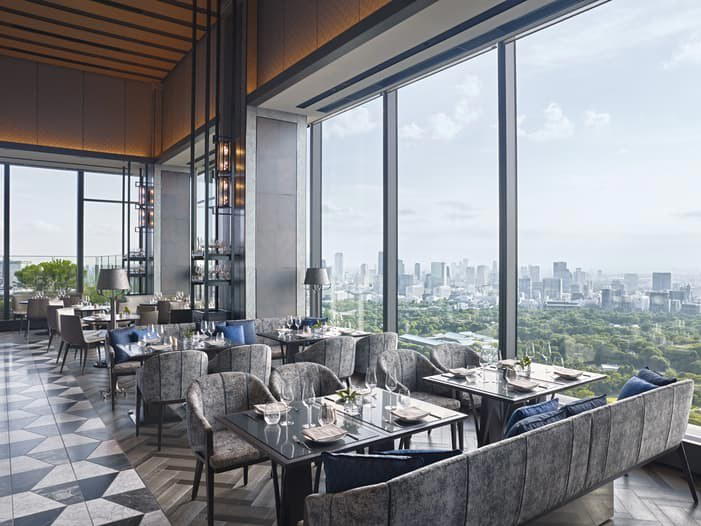
Our verdict
Kuriya Kashi Kurogi occupies a deliberate position in Tokyo's high-end wagashi and kaiseki tradition, where the boundary between confectionery artistry and formal dining becomes a single experience. For milestone meals and celebrations where the occasion demands more than a good dinner, the address carries weight among those who track Tokyo's most considered tables.
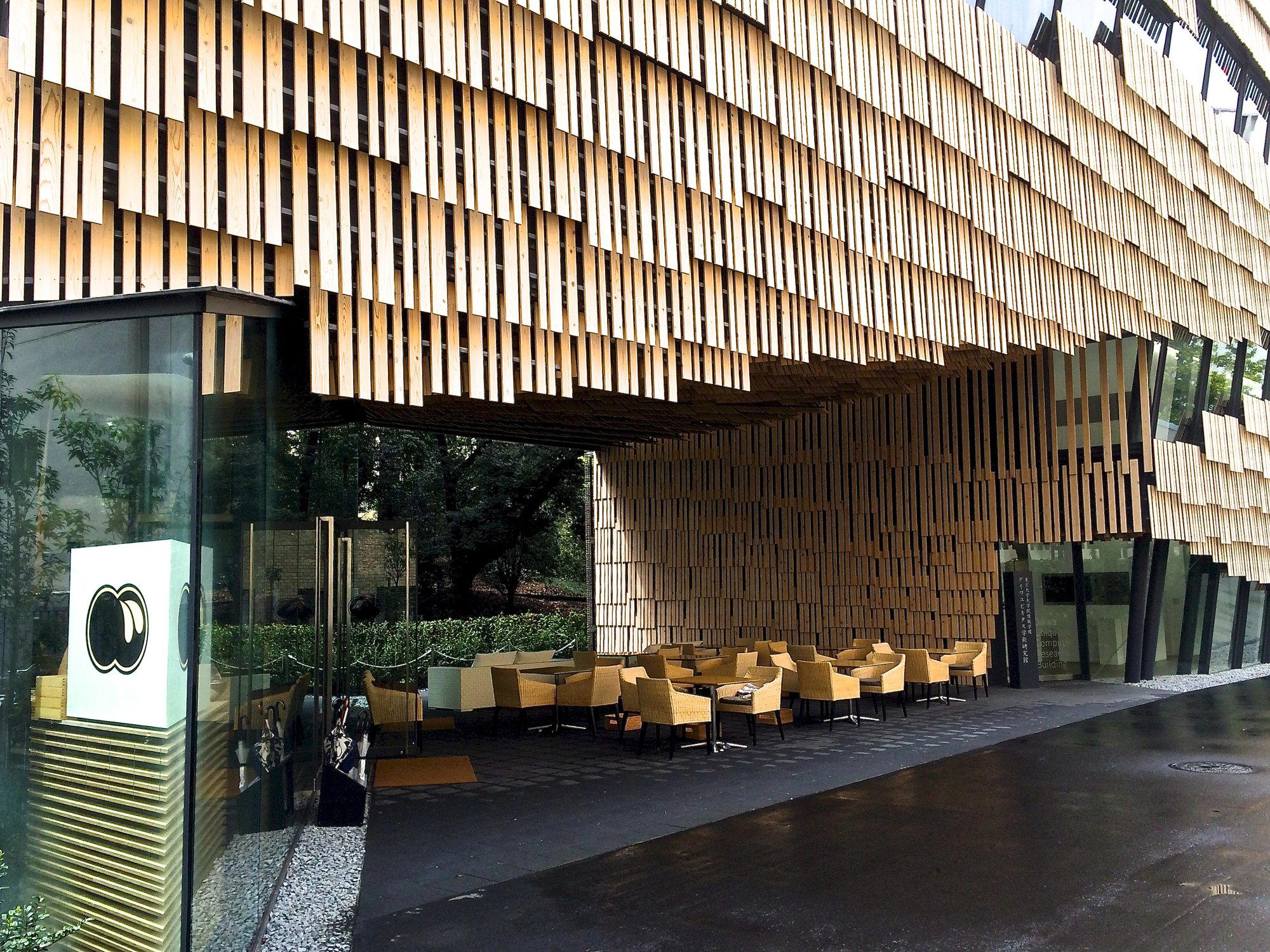
The menu
What to order
- Kuromitsu kinako kakigori
- Warabi-mochi
- Edamame milk kakigori
Where Wagashi Meets the Occasion
Tokyo's premium dining culture has long distinguished between two registers of formal meal: the kaiseki counter where the kitchen sets the pace, and the rarified overlap where Japanese confectionery tradition enters a dining context with the same seriousness that a three-star kitchen brings to savory courses. Kuriya Kashi Kurogi sits in that second register, a place where wagashi, the centuries-old craft of Japanese sweets, is treated not as a coda to the meal but as a structural element of it. That positioning places it in a small peer group of Tokyo addresses where the occasion is assumed to be significant before the guest even sits down.
In a city where the bar for celebration dining is set by counters like Harutaka in sushi, RyuGin in kaiseki, and L'Effervescence in the French-Japanese mode, Kuriya Kashi Kurogi occupies a more particular niche. The dining experience here draws on Kurogi's established reputation in Tokyo's wagashi world, a lineage with enough cultural weight to make this more than a restaurant that happens to serve sweets. It is a formal dining concept built around that heritage, which is a different proposition entirely.
The Architecture of a Milestone Meal
Certain cities train their diners to understand that a truly formal meal is not simply an expensive one. Tokyo is probably the most advanced in this regard. The experience at the highest tier of Japanese dining, kaiseki, omakase, and the confectionery-led formats that sit adjacent to both, is choreographed in a way that makes the occasion legible. Each course arrives with the understanding that time, craft, and seasonal specificity are doing work that price alone cannot accomplish.
At Kuriya Kashi Kurogi, that choreography draws from wagashi's relationship to the Japanese calendar. Traditional Japanese sweets have always been seasonal in a specific, non-approximate way: particular preparations appear at particular points in the year, tied to both agricultural cycles and the aesthetic vocabulary of each season. When that logic is applied to a dining format rather than a tea ceremony context, the result is a meal that carries temporal meaning. For a birthday, an anniversary, or a significant professional moment, a meal structured around seasonal wagashi tradition communicates something about the occasion that a generic tasting menu cannot.
This places Kuriya Kashi Kurogi in conversation with the broader shift in how Tokyo's premium dining operates for celebration purposes. Venues like Sézanne and Crony approach the occasion meal from a European tasting-menu frame with Japanese ingredient discipline. Kuriya Kashi Kurogi approaches it from the opposite direction: a Japanese craft tradition extended into a dining format with Western structural influences. Both approaches serve a guest who wants the meal itself to mark the occasion, not just accompany it.
Situating Kurogi in the Wagashi Tradition
Wagashi in its traditional form is one of Japan's most codified craft disciplines. The vocabulary includes namagashi (fresh sweets with high moisture content, tied tightly to the season), higashi (dry sweets), and nerikiri (molded sweets made from white bean paste shaped to represent natural imagery). At the highest level, producing these requires years of specialization, and the Kurogi name has been associated with that upper tier of the craft. When a confectionery house of that standing extends into a dining context, the expectation is that the same disciplinary rigor applies.
For guests planning around Japan more broadly, the wagashi-forward approach here connects to a wider appreciation of craft-led dining across the country. Gion Sasaki in Kyoto and HAJIME in Osaka represent the peaks of their respective traditions in the Kansai region. Further afield, akordu in Nara and Goh in Fukuoka demonstrate how far the conversation about serious Japanese dining now extends beyond the major cities. Kuriya Kashi Kurogi fits within this national conversation as Tokyo's most deliberate example of wagashi tradition applied to a formal dining context.
Regional Japan offers further examples of how craft disciplines translate into destination dining. 一本杉 川嶋制 in Nanao, 夕仙山乃 in Sapporo, 湖隣庵 in Takashima, and 鳥羽屋 in Nishikawa Machi each represent how tradition-led dining operates outside the metropolitan frame. The pattern is consistent: craft seriousness and seasonal specificity matter more to the experience than location prestige.
Planning Around Kuriya Kashi Kurogi
For international visitors structuring a Tokyo itinerary around significant meals, Kuriya Kashi Kurogi belongs in the planning conversation alongside Tokyo's most committed fine dining addresses. The venue draws on an established Tokyo name with a following that means reservations require advance attention. The general pattern for venues in this tier in Tokyo is that booking windows open weeks to months ahead, and milestone-occasion requests benefit from early, direct contact. Seasonal menus at this level change with the wagashi calendar rather than a chef's arbitrary rotation, so the timing of a visit affects what the meal communicates as much as the meal itself.
Guests who appreciate the Japanese approach to formal dining may also want to consider pairing this reservation with experiences at Birdland in Sakai or Bistro Ange in Toyohashi if their itinerary extends beyond Tokyo. For those whose frame of reference for celebration dining runs through New York, the discipline and formality here is comparable in intention to what Le Bernardin or Atomix deliver in their respective registers, though the aesthetic vocabulary is entirely different. Our full Tokyo restaurants guide maps the broader range of the city's serious dining addresses for further planning context.
What Makes This Address Carry Weight
The clearest reason to choose Kuriya Kashi Kurogi for a milestone meal is that the occasion is built into the format rather than imposed on it. Many restaurants can accommodate a celebration with a private room or a special menu, but relatively few are structured so that the meal's progression inherently marks time and season in a way that matches the significance of the moment being celebrated. The wagashi tradition, applied at the level the Kurogi name implies, does exactly that.
Kuriya Kashi Kurogi's bet is that a guest who understands wagashi tradition will find in that format a depth of occasion-marking that a purely savory menu, however accomplished, cannot replicate. That is a specific and defensible position in one of the world's most competitive dining cities.
Frequently asked questions
Is Kuriya Kashi Kurogi suitable for guests unfamiliar with wagashi tradition?
The formal dining structure at a venue like Kuriya Kashi Kurogi in Tokyo is designed to be legible regardless of prior exposure to wagashi, the sequence carries its own logic, and the craft is communicated through the meal itself rather than assumed knowledge. Guests encountering namagashi or seasonal confectionery forms for the first time will find the context provided by the format. No specialist background is required to follow or appreciate the progression.
What's the signature dish at Kuriya Kashi Kurogi?
Kuriya Kashi Kurogi's identity is built around wagashi, Japan's codified confectionery tradition, applied within a formal dining context rather than a standalone tea ceremony or souvenir shop setting. The format brings namagashi and related craft forms into a structured meal sequence, which is the defining distinction from conventional Tokyo kaiseki counters. Specific course compositions are set by the kitchen and vary by season.
How far ahead should I plan for Kuriya Kashi Kurogi?
For a Tokyo venue operating in the premium dining tier with a wagashi-centred format this specific, planning four to eight weeks ahead is a reasonable minimum for most dates. International visitors building a Tokyo itinerary around significant meals should treat this reservation as a first-priority booking alongside their kaiseki and sushi counter confirmations. Peak periods around seasonal wagashi transitions, spring and autumn in particular, compress availability further.
What's the standout thing about Kuriya Kashi Kurogi?
The clearest point of distinction is that wagashi craft sits at the structural centre of the meal rather than arriving as a closing flourish. In Tokyo's premium dining circuit, that positions Kuriya Kashi Kurogi in a category apart from both conventional kaiseki restaurants and traditional wagashi shops. The occasion is built into the format, not added on top of it.
A Quick Peer Check
These nearby comparables provide quick context.
| Venue | Cuisine | Price | Awards | Notes |
|---|---|---|---|---|
| Kuriya Kashi KurogiThis venue (the venue you are viewing) | Artisanal Japanese Wagashi & Kakigori | Not listed | Not listed | Not listed |
| Harutaka | Edo-Style Omakase Sushi | $200–300 | 3 Michelin Stars · World's 50 Best #76 | Sushi |
| L'Effervescence | Modern French with Japanese Influences | $200–300 | 3 Michelin Stars · World's 50 Best #69 | French |
| RyuGin | Modern Kaiseki | $500+ | 3 Michelin Stars · World's 50 Best #41 | Kaiseki, Japanese |
| Crony | Modern French with Japanese Influences | $150–200 | 2 Michelin Stars · World's 50 Best #34 | Innovative, French |
| Florilège | Modern French-Japanese Plant-Based Fine Dining | $50–100 | 2 Michelin Stars · World's 50 Best #31 | French |