
Tatsumi Soba Shimahei sits in Tokyo’s serious soba tier: a small counter-led Shinjuku address selected for Tabelog 100 Soba EAST 2025, with a format that treats buckwheat noodles as part of a wider evening of Japanese cooking and drink. Its appeal is less about spectacle than about the old Tokyo rhythm of soba, sake, shochu, and disciplined pacing.
Pearl is the En Primeur Club membership app — saves, bookings, and concierge access live there. Same editors, same standards.
- Address
- 東京都新宿区納戸町33 ガーデンヒルズ市ヶ谷 1F
- Phone
- +81352618381
- Website
- tabelog.com
 Saves & bookings on Pearl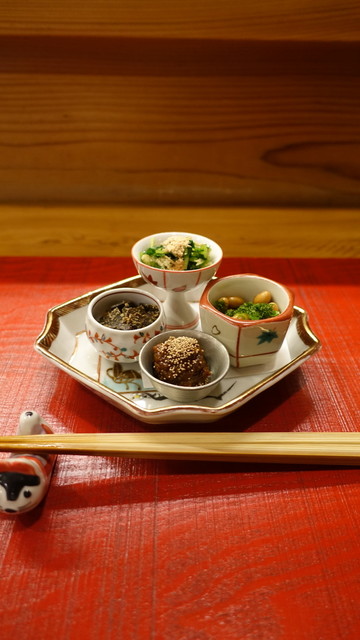
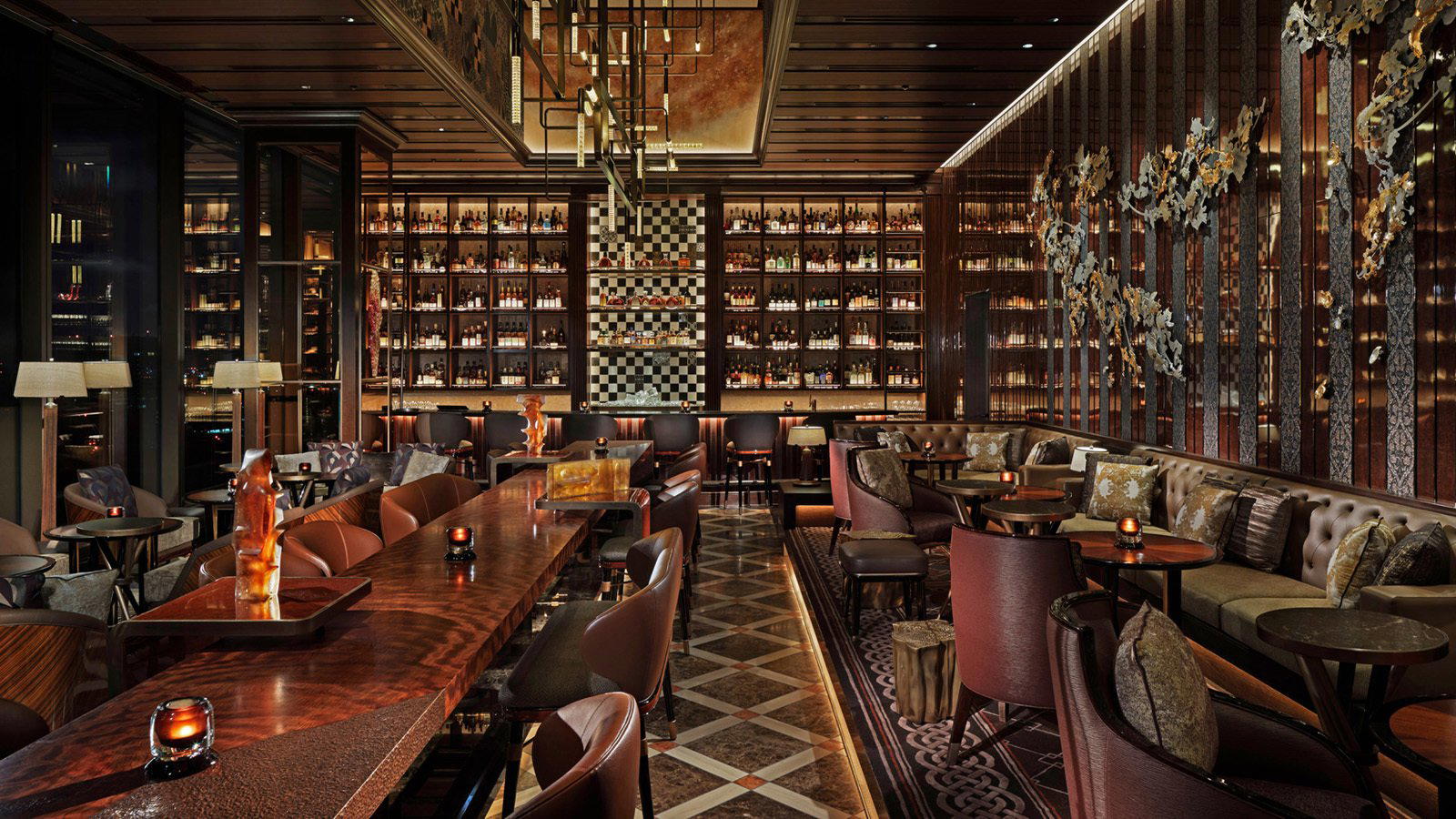
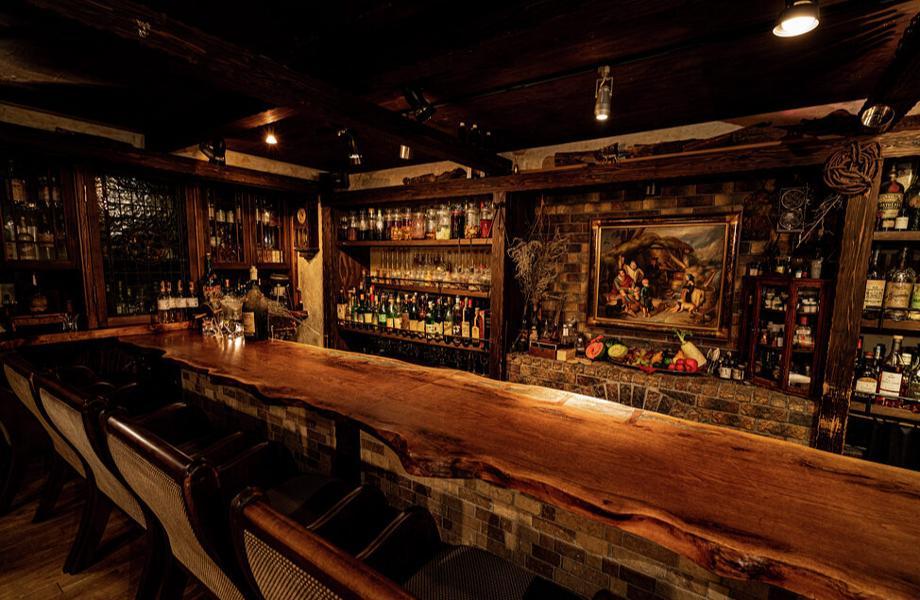
Approaching a Tokyo soba counter in the back streets around Ushigome Kagurazaka asks for a slower tempo than the city’s sushi and kaiseki circuits. The room is small, the sound level drops, and the meal is built around restraint: noodles, Japanese cooking, and drinks in the same register. Tatsumi Soba Shimahei belongs to this quieter category, where craft is signalled not by luxury cues but by the seriousness given to buckwheat.
Tokyo’s high-end soba culture has always occupied a narrower lane than sushi, tempura, or French fine dining. It is both everyday food and specialist craft, which is why serious shops can feel modest while attracting diners who know exactly what they are booking. A Tabelog score of 3.72 and selection for Tabelog 100 Soba EAST 2025 place this address inside the city’s competitive soba conversation, not the casual lunch-shop bracket. The format is intimate, counter-focused, and better understood as an evening built around soba than as a noodle stop added to a wider itinerary.
Soba as a complete evening, not a quick noodle course
The deeper pleasure of Tokyo soba dining lies in how the meal stretches before the noodles arrive. In traditional soba-ya culture, drinking comes first: sake or shochu, small Japanese dishes, then soba as the final anchor. That structure changes expectations. The noodle course is not a carbohydrate afterthought; it is the point toward which the meal has been moving.
Tatsumi Soba Shimahei works within that lineage. The listed categories are soba and Japanese cuisine, and the drinks focus on sake and shochu rather than the broader cocktail or wine language of contemporary Tokyo dining rooms. Experienced diners will read the signal: compact, specific, and built around Japanese pairings rather than global fine-dining choreography.
Compared with Tokyo counters where the performance is in front of a grill or knife, soba asks for attention to quieter variables: buckwheat aroma, noodle cut, water, dipping sauce, and timing. These are not mystical details but technical choices, and serious soba shops are judged by how coherently they land across the meal. The restaurant’s repeated Tabelog 100 Soba selections, including 2017, 2018, 2019, 2021, 2022, 2024, and 2025, are the clearest public signal of sustained category recognition.
Where Kagurazaka's old dining habits meet a Shinjuku address
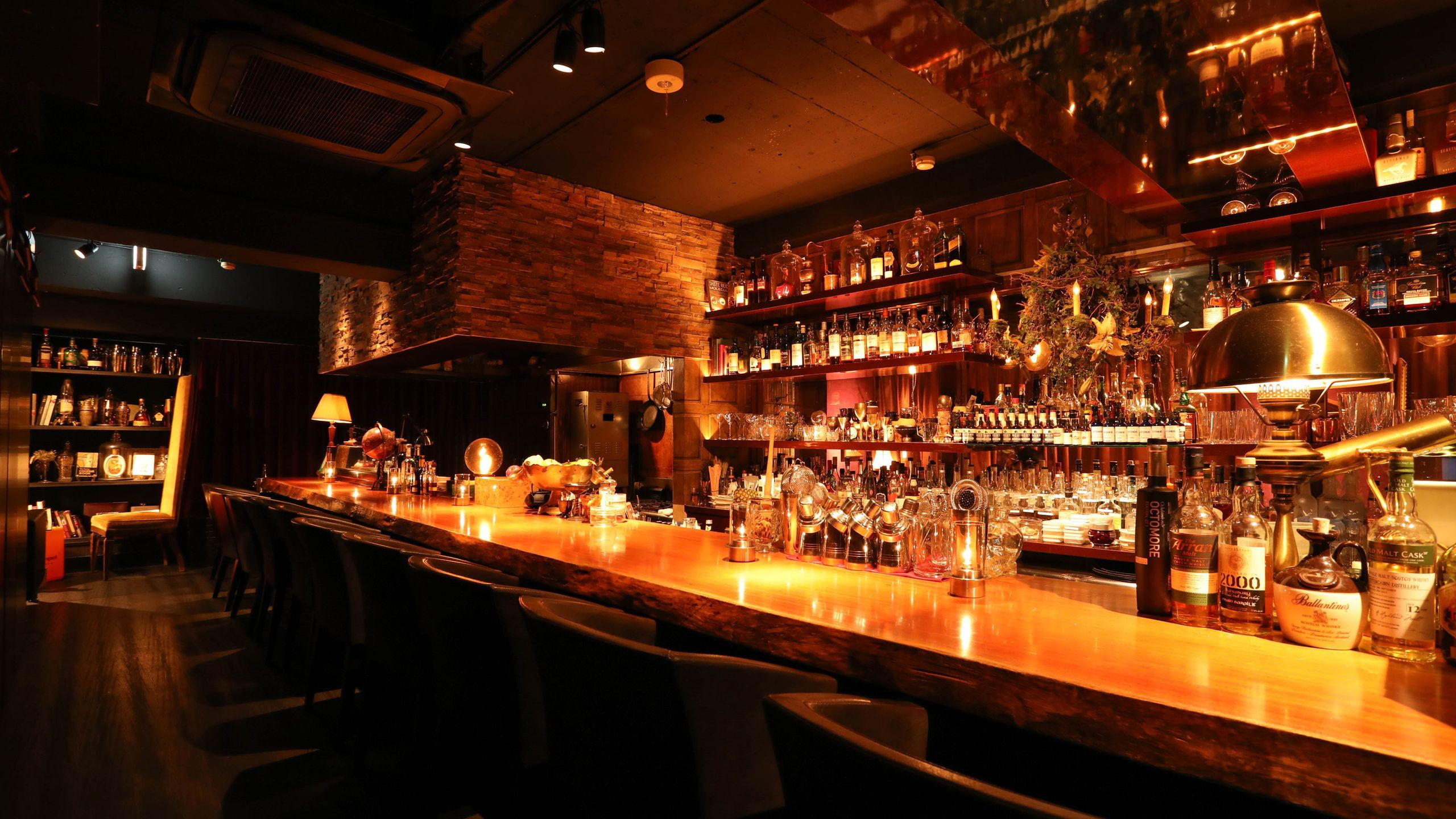
Ushigome Kagurazaka sits just off the obvious Tokyo restaurant routes, part of its appeal for soba. The area has long supported small Japanese dining rooms, counter formats, and places where the evening can run on sake, conversation, and narrow specialization. It is not the Tokyo of hotel lobbies and skyline tasting menus, but of side streets, regulars, and rooms whose scale forces discipline.
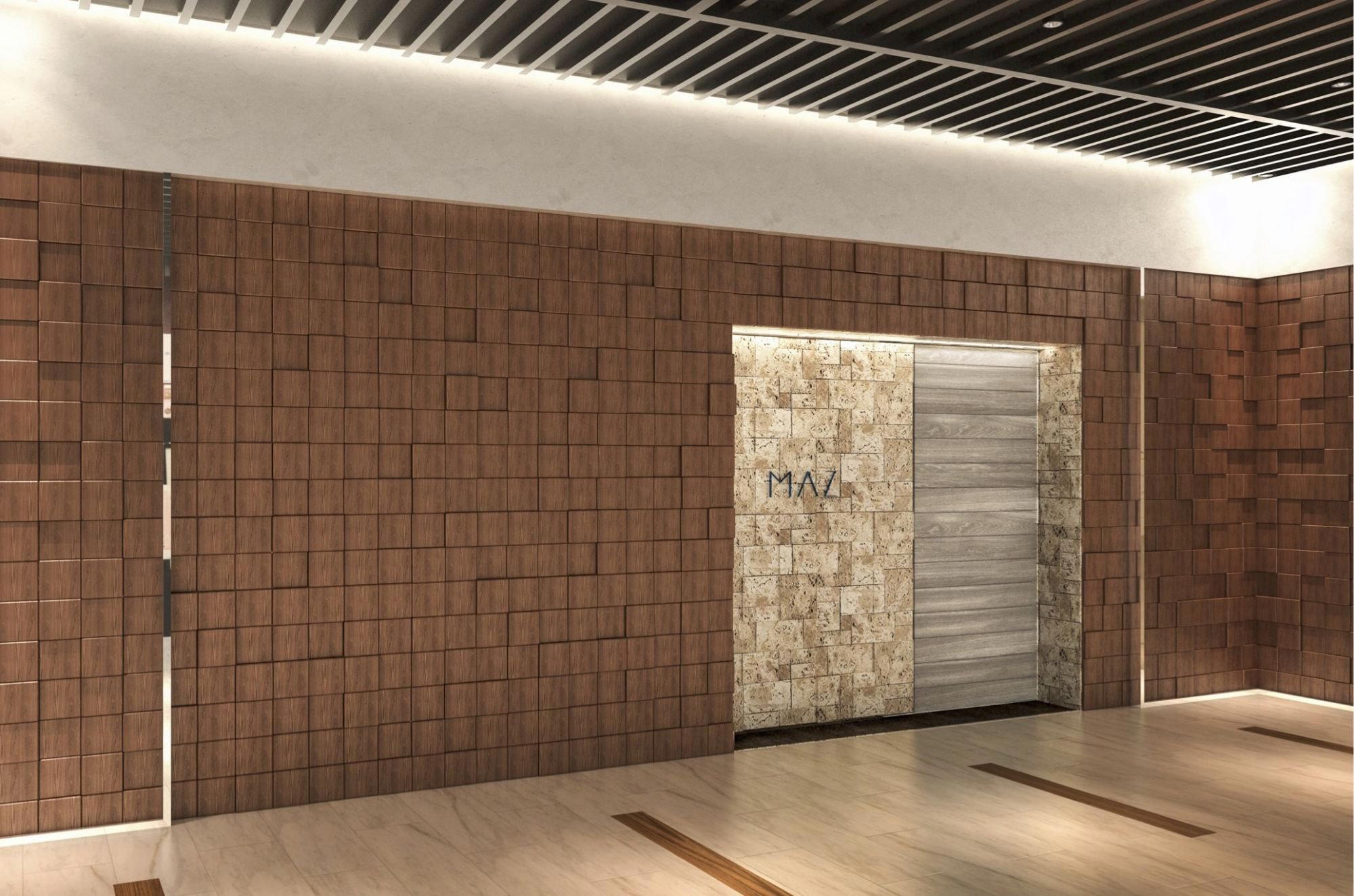
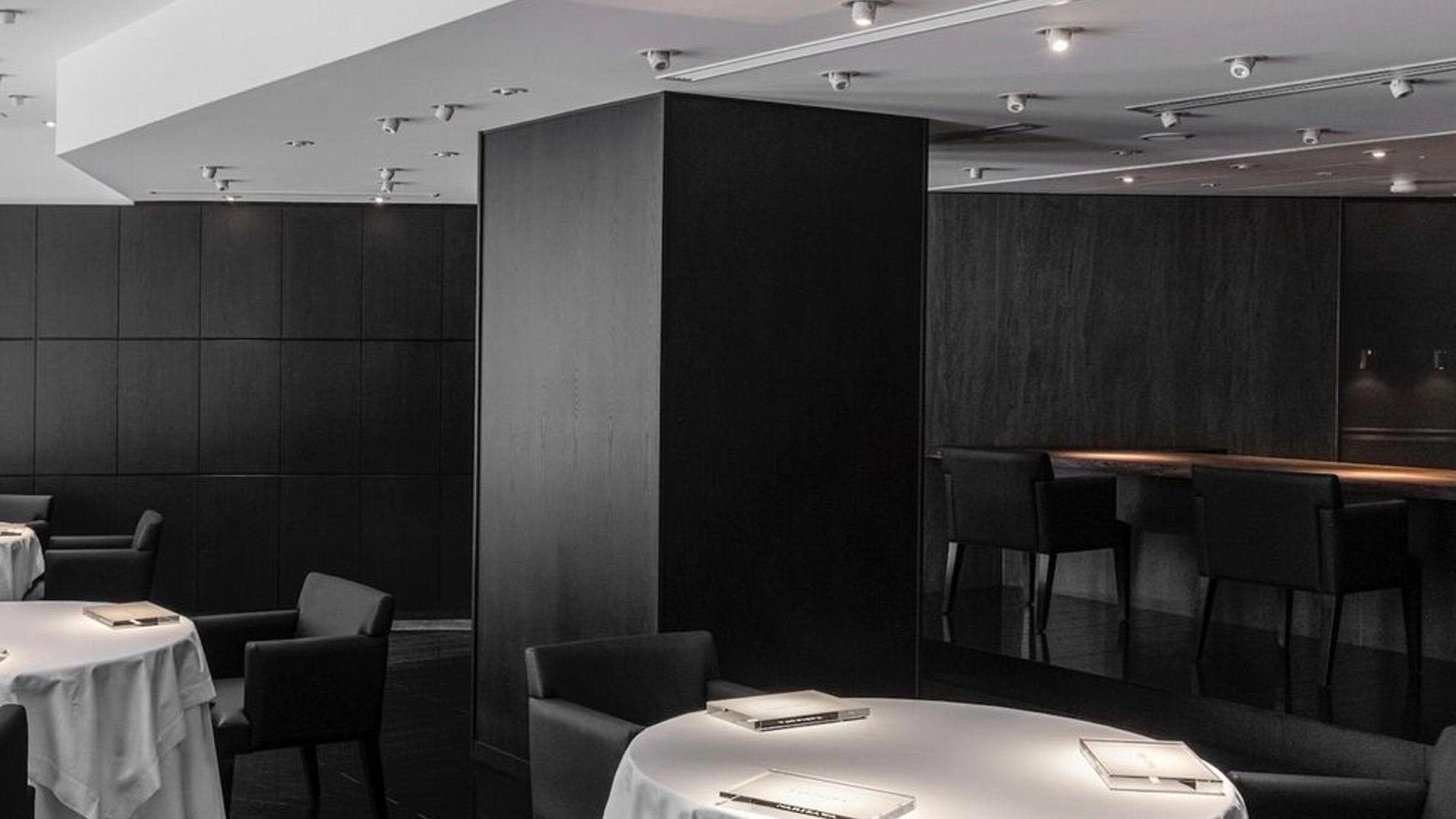
That scale is central here. Seating is listed as 10 counter seats, with table seating reserved for private reservations or larger groups. A room of that size gives the counter priority, limits arrivals, and keeps the experience closer to a specialist soba-ya than a general Japanese restaurant with noodles on the menu.
The origin note adds context: the restaurant opened in Kawaguchi City, Saitama Prefecture, in 1983. For Tokyo diners, that matters less as biography than as continuity. Soba culture rewards repetition and incremental refinement; a shop with decades behind it sits apart from new openings built around concept design. The point is not nostalgia, but credibility earned through craft repeated over time, not reinvention for its own sake.
Within a broader Tokyo itinerary, the comparison helps. A French dining room such as Le Mange-Tout speaks to the city’s long Francophile fine-dining tradition, while Yakitori Toge occupies the charcoal-and-counter lane at a higher listed dinner spend. Tatsumi Soba Shimahei is not competing on those terms. Its value is the specific grammar of soba dining: narrow craft, a small room, and a meal that makes sense as its own destination rather than a prelude.
How to place it in a Tokyo food trip
This is a strong choice for travellers who understand that Tokyo’s dining depth is not measured only by omakase counters and Michelin-starred tasting menus. Soba offers another lens on the city: seasonal grain culture, Edo-period drinking habits, and the Japanese preference for serious specialization. The restaurant is also solo-dining friendly, suiting the counter format and making it workable for a focused evening rather than a group occasion built around breadth.
The practical read is simple: treat this as a planned dinner, not a spontaneous add-on. Reservations are available, the room is small, and payment is listed as cash-only, with credit cards, electronic money, and QR payments not accepted. The venue is non-smoking, with a designated outdoor smoking area noted separately. These details are not decorative; in Tokyo, they decide whether an otherwise polished evening runs smoothly.
For readers mapping a wider route through the city, use this as the soba anchor and build around category contrast. Nearby Japanese counter culture can be explored through 124. KAGURAZAKA (Yakitori), while a broader city scan belongs in Our full Tokyo restaurants guide. For other Tokyo food styles, see 12/10 Shinjuku ten, 3 Chome no Curry Ya San, 2D Cafe, and. 鮪と炭火焼き うお炭 秋葉原店. Planning beyond restaurants can extend through Our full Tokyo hotels guide, Our full Tokyo bars guide, Our full Tokyo wineries guide, and Our full Tokyo experiences guide.
Across Japan and beyond, useful contrasts include -Grilled beef Sukiyaki- KAMAKURA TANUKIAN 鎌倉 たぬき庵 in Kamakura.cafe in Osaka.know in Kumamoto, (Shoku) Vietnam in Kawasaki, [Curry Senmon Ten] Maruyama Kyoju. in Sapporo, [ki:] in Kyoto, Jōdo Saké Bar in Los Angeles, and Onigiri Time in Pasadena. The common thread is specialization: the narrower the format, the more the details matter.
- multi-course 100% buckwheat soba
- seiro soba
- soba sushi
- sobagaki
- soba zosui
- soba mochi
The Quick Read
Comparable venues for context, by category and price tier.
| Venue | Cuisine | Price | Notes |
|---|---|---|---|
| Tatsumi Soba ShimaheiThis venue — the venue you are viewing | Not listed | $$$ | Not listed |
| Edogawa Ishibashi | Not listed | $$$ | Bunkyō, Traditional Unagi (Eel) |
| Zakuro TBS ten | Not listed | $$$ | Minato, Traditional Japanese Shabu-shabu & Sukiyaki |
| Shinjuku Takano Fruits Parlor | Shinjuku, Japanese Fruit Parlor | $$$ | Not listed |
| Morita Ya Toukyou marunouchi ten | Not listed | $$$ | Chiyoda, Traditional Kyoto-style sukiyaki & shabu-shabu |
| Nanban Ginen Tei | Not listed | $$$ | Chūō, Ginza yoshoku (Japanese-style Western) restaurant |
Recognition history
Dated appearances from independent guides and award organizations, with the underlying list record or original source where available.
Tabelog 100 #14 · No. 14
Tabelog · Tabelog 100 - Soba - EAST - 2025






At a Glance
- Intimate
- Cozy
- Classic
- Solo
- Casual Hangout
- Group Dining
- Special Occasion
- Chefs Counter
- Standalone
- Sake Program
An intimate, reservation-only counter with just 10 seats, relaxed and quietly focused on soba, with a discreet hideout feel off Kagurazaka.