Our verdict
On the third floor of a low-rise building in Kobe's Kitanagasadori district, Mikinao operates within one of Japan's most closely defined ingredient traditions: certified Kobe beef, prepared on a teppan iron plate using techniques that owe as much to French brigade culture as to Japanese precision. The restaurant sits at the intersection where a globally recognised raw material meets a cooking method shaped by decades of Western culinary influence on this particular port city.

Pearl is the En Primeur Club membership app, where members save venues, book tables and use the concierge.
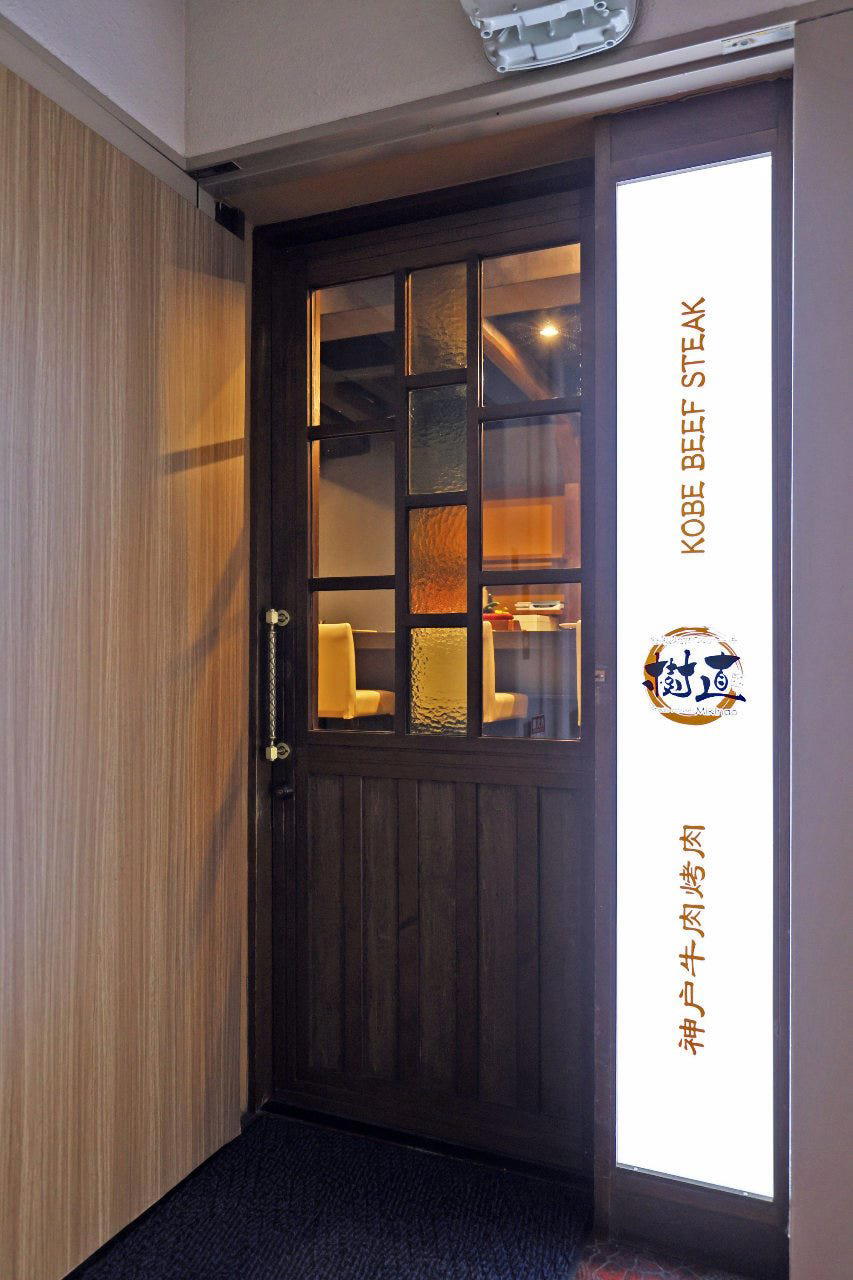
Where Kobe's Port History Arrives on the Iron Plate
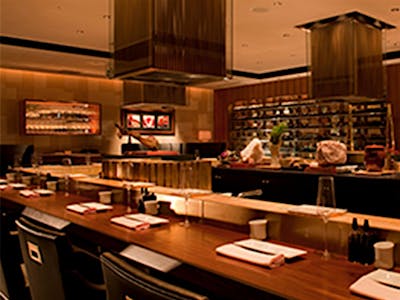
Kobe's relationship with Western cooking methods runs deeper than most Japanese cities care to acknowledge. When foreign traders established the Kitano settlement in the late nineteenth century, they brought with them not just different food preferences but different preparation techniques, and the city's kitchens absorbed those methods over generations. Teppanyaki itself, the practice of cooking on a flat iron griddle in full view of diners, took root in Kobe in the mid-twentieth century before spreading globally through hotel dining rooms and tourist circuits. At Mikinao, located on the third floor of a building in Kitanagasadori within Kobe's Chuo Ward, that lineage feels less like a selling point and more like a structural fact: the format and the city grew up together.
The editorialpoint worth making about Kobe teppanyaki as a category is that it sits between two forms of discipline. The ingredient, certified Kobe beef drawn from Tajima-strain Wagyu cattle raised within Hyogo Prefecture under a tightly regulated certification system, represents one of the most documented and geographically constrained luxury proteins in the world. The cooking method places that protein in front of the diner on a heat-controlled surface, with no hiding behind sauces or long braises. The chef's decisions, temperature management, timing, the angle and pressure of each cut, happen in real time and in full view. That transparency is the format's defining pressure, and it distinguishes teppanyaki from other high-end beef preparations where the kitchen remains separate from the table.
Kobe Beef as a Category, Not Just an Ingredient
Certified Kobe beef occupies a specific regulatory position that most other regional beef designations do not. To qualify, cattle must be Tajima-strain Wagyu born, raised, and slaughtered in Hyogo Prefecture, with a Beef Marbling Standard score of six or above, a meat quality grade of four or higher, and a dressed carcass weight below 470 kilograms. Fewer than five thousand head pass certification annually, making the supply genuinely constrained rather than commercially managed scarcity. This is the context in which Mikinao operates: not as one of many venues serving premium Wagyu, but as a restaurant working within a specific, verifiable system with defined production limits.
The comparison set in Kobe for beef-focused restaurants is not large but it is varied. Aragawa, which holds a position as one of Japan's most documented high-end beef restaurants with a history stretching back decades, takes a charcoal-grill approach that emphasises a different set of flavour compounds than teppan cooking. Venues like Fushin and fuxing extend the city's dining range into Chinese-influenced formats. The kaiseki tradition, represented by venues such as Uemura in Kobe, places beef as one element within a seasonal multi-course structure rather than the sole focus. Teppanyaki at Mikinao's level sits in a different tier: the protein is the architecture of the meal, and the cooking surface is the stage.
The Technique Behind the Theatre
The editorial angle that matters most for Kobe teppanyaki is the intersection of imported method and indigenous product. The flat iron griddle came to Japan via Western hotel cooking, evolved through American steakhouse culture and the mid-century Japanese interpretation of both. What the format encountered in Kobe was an ingredient whose fat distribution, the characteristic fine marbling that comes from specific genetics and feeding regimes, behaves differently on high heat than commodity beef does. Managing Wagyu's lower melting-point fat on a teppan surface requires a different approach to temperature and timing than cooking European or American beef grades. The chef at a Kobe teppanyaki counter is, in effect, solving a problem that the format's originators did not design for.
This intersection of global technique and local raw material is visible in the broader pattern of Japanese fine dining. HAJIME in Osaka applies French culinary structure to Japanese seasonal ingredients with documented precision. Harutaka in Tokyo works within the sushi format while pushing ingredient sourcing and counter dialogue toward a more contemporary register. Gion Sasaki in Kyoto uses kaiseki's seasonal structure as a frame for modern Japanese cooking. In each case, the tension between a discipline shaped by external influence and ingredients defined by Japanese geography produces the most interesting cooking. Kobe teppanyaki lives inside that same tension.
For a broader map of how this pattern plays out across Japan's premium dining circuit, akordu in Nara applies a European approach to local Yamato ingredients, while Goh in Fukuoka draws on Kyushu's coastal produce within a contemporary Japanese framework. Outside Japan's main dining cities, venues like 一本木 能川制 in Nanao and 羽根屋 in Nishikawa Machi demonstrate that the local-ingredient, global-discipline dynamic operates well beyond the major urban centres. For contrast further afield, Le Bernardin in New York City and Atomix in New York City each, in different ways, show how technique-led cooking disciplines interact with sourcing specificity in a Western fine dining context.
Placing Mikinao in Kobe's Dining Pattern
Kobe's restaurant scene has a compressed geography. Kitanagasadori and the surrounding Kitano district house a concentration of Western-influenced and European restaurants that reflects the neighbourhood's historical function as a foreign residential area. The Spanish restaurant Ca Sento operates nearby, as does Ash Restaurant. Within that cluster, Mikinao occupies a specific position: a teppanyaki format built around Kobe's most geographically defined agricultural product, on the third floor of a building that sits within the neighbourhood that arguably did most to introduce Western culinary ideas to this city in the first place.
Seasonality affects the teppanyaki meal less dramatically than it does kaiseki, but it is not absent. Tajima cattle availability and marbling quality do shift across the year, and accompaniments to a Kobe beef teppanyaki menu, vegetables, sauces, garnishes, will follow what is available from Hyogo and surrounding prefectures at any given time. Autumn and winter, when fat content and marbling scores in Wagyu tend to peak, are the seasons most often referenced by beef specialists as the optimal period for this category of cooking.
Planning Your Visit
Mikinao is located at 1-chome-20-12 Kitanagasadori, Chuo Ward, Kobe, Hyogo, on the third floor. Contact details and current hours are best confirmed directly through general search or a Japanese reservation platform such as Tabelog or Gurunavi, as the venue's own digital presence is limited in English-language directories. Teppanyaki at the certified Kobe beef tier typically requires advance reservation, and courses at this category level in Kobe generally run from the mid-afternoon through evening seatings. Dress expectations at this tier of Kobe restaurant lean toward smart casual at minimum. For a wider picture of where Mikinao sits within the city's premium dining circuit, the EP Club full Kobe restaurants guide maps the broader scene by cuisine type and price tier.
For additional reference points in Japan's regional teppanyaki and beef dining landscape, 夕屋山乃 in Sapporo and 湖畔荘 in Takashima offer points of comparison for how Japan's regional fine dining addresses the local-ingredient question in different climatic and agricultural contexts. Birdland in Sakai provides a reference for how a single-protein focus, in that case yakitori, operates as a structuring principle for a high-end Japanese meal.
Frequently asked questions
What's the address for Kobe Beef Teppanyaki Restaurant Mikinao?
Kobe Beef Teppanyaki Restaurant Mikinao is located at Japan, 〒650-0012 Hyogo, Kobe, Chuo Ward, Kitanagasadori, 1 Chome−20−12 地蔵ビル 3F, Kobe.
Is Kobe Beef Teppanyaki Restaurant Mikinao a good option for visitors staying in central Kobe?
Mikinao is located at 1-chome-20-12 Kitanagasadori in Chuo Ward, the central ward that covers much of Kobe's main hotel and business district. The Kitano area sits on the hillside above Sannomiya, putting the restaurant within practical reach of most centrally-located accommodation. For visitors specifically seeking certified Kobe beef prepared in the teppanyaki tradition, the Kitano district is the concentration point for that category of dining in the city.
What's the signature dish at Kobe Beef Teppanyaki Restaurant Mikinao?
The focus is certified Kobe beef, prepared on a flat iron teppan griddle. To qualify as Kobe beef, the cattle must be Tajima-strain Wagyu raised in Hyogo Prefecture under strict grading criteria, which places the product in a narrow regulatory category distinct from general wagyu. The teppanyaki format means the cooking happens at or near your table, making the preparation itself part of the meal. Specific cuts and menu compositions are best confirmed directly with the restaurant.
Do I need a reservation for Kobe Beef Teppanyaki Restaurant Mikinao?
Teppanyaki counters in Kobe's Kitano district typically operate with limited seating given the format, and walk-in availability at Mikinao cannot be assumed. The restaurant is located on the third floor at 1-chome-20-12 Kitanagasadori, Chuo Ward, Kobe. Current booking procedures and contact details are best confirmed via a local concierge or a current Japanese-language reservation platform such as Tabelog or Gurunavi.
What do critics highlight about Kobe Beef Teppanyaki Restaurant Mikinao?
What the venue's position in Kitanagasadori does speak to is context: the Kitano district has historically concentrated Kobe's Western-influenced dining in a compact geography, and teppanyaki's appeal there derives from the pairing of an imported cooking method with a strictly regulated local product. For the most current editorial coverage, searches via Japanese food media or Tabelog reviewer notes are advisable.
What if I have allergies at Kobe Beef Teppanyaki Restaurant Mikinao?
Teppanyaki preparation involves shared cooking surfaces and high-heat techniques that may not suit all dietary restrictions. Given that Mikinao's menu details and contact information are not publicly listed at this time, communicating allergy requirements in advance is strongly advisable. Reaching the venue through a hotel concierge or via a Japanese-language reservation platform will give you the most reliable channel for confirming what the kitchen can accommodate.
City Peers
Comparable venues nearby, for context on price, style, and recognition.
| Venue | Cuisine | Price | Awards | Notes |
|---|---|---|---|---|
| Kobe Beef Teppanyaki Restaurant MikinaoThis venue (the venue you are viewing) | Kobe Beef Teppanyaki | $50–100 | Not listed | Not listed |
| Kanetatsu | Traditional Yakitori | $50–100 | Tabelog 100 #99 | Chūō |
| 鶏一途 | Traditional Japanese Kaiseki | $50–100 | Tabelog 100 #18 | Higashinada |
| Yakitori Trip Sannomiya | Charcoal-Grilled Yakitori | $30–50 | Not listed | Chūō |
| Sumiyaki Shio Horumon 『A』 Kobe Sakaba | Charcoal-grilled Tajima beef & offal yakiniku | $50–100 | Tabelog 100 #10 | Chūō |
| Tonkatsu to Wine Nichigetsu | Tonkatsu and Wine | $50–100 | Tabelog 100 #9 | Chūō |
Continue exploring
More in Kobe
Restaurants in Kobe
All restaurants in Kobe →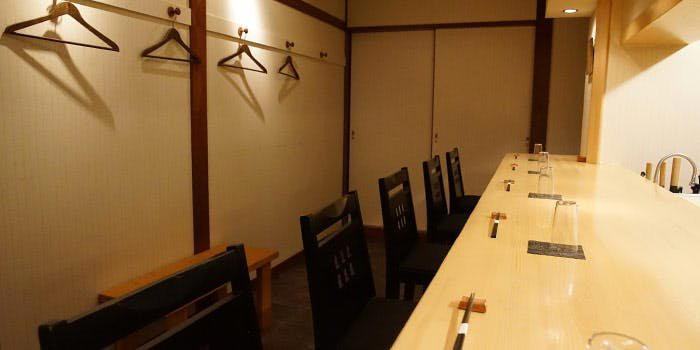

Bars in Kobe
Browse all →


Details
- Elegant
- Relaxed
- Intimate
- Date Night
- Special Occasion
- Chefs Counter
- Open Kitchen
- Sake Program
- A La Carte
- Counter Dining
Current opening hours
- Monday
- 11 AM–3 PM, 5–10 PM
- Tuesday
- 11 AM–3 PM, 5–10 PM
- Wednesday
- 11 AM–3 PM, 5–10 PM
- Thursday
- 11 AM–3 PM, 5–10 PM
- Friday
- 11 AM–3 PM, 5–10 PM
- Saturday
- 11 AM–3 PM, 5–10 PM
- Sunday
- 11 AM–3 PM, 5–10 PM
Hours can change for holidays and private events. Hours as of .
Calm, relaxed, and comfortable atmosphere with friendly service.