
Tabelog 100 #9
Our verdict
A six-seat counter in Sannomiya puts tonkatsu into a higher-spend, wine-aware frame, with Tabelog 100 Tonkatsu 2026 recognition and a sommelier on hand. Tonkatsu to Wine Nichigetsu is priced closer to Kobe’s specialist counters than to everyday cutlet shops, making the value question less about portion size than format, pacing, and the seriousness of the drink program.

Pearl is the En Primeur Club membership app, where members save venues, book tables and use the concierge.
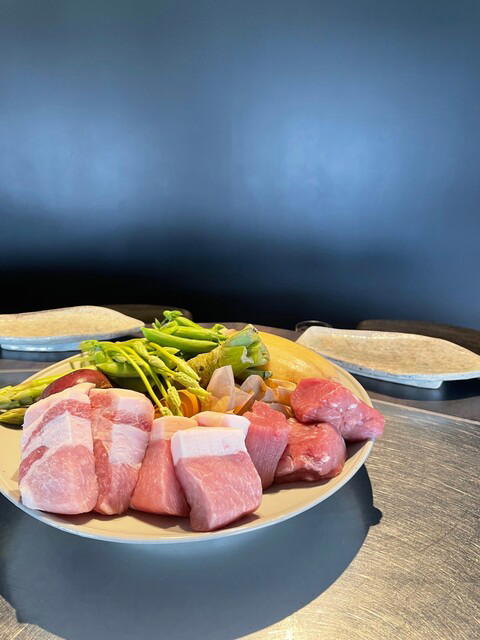
In Kobe, the move from everyday eating to reservation-minded specialist dining can happen quickly: the city’s appetite for beef, coffee, yoshoku, and focused Japanese formats often sits close together. Tonkatsu to Wine Nichigetsu belongs to that specialist category, presenting pork cutlet as more than a quick lunch default and framing it through the restaurant’s tonkatsu-and-wine identity.
That positioning matters because tonkatsu in Japan spans a wide price range. At one end are high-turnover counters built on speed, rice refills, and office-lunch regularity. At the other are restaurants that ask diners to consider frying, fat, texture, and the overall meal with the same attention they might bring to sushi rice or tempura oil. Tonkatsu to Wine Nichigetsu sits in the latter camp, with Tabelog 100 Tonkatsu 2026 selection and a 3.94 Tabelog score, closer in spirit to Kobe’s specialist dining than casual cutlet shops.
Why Kobe's higher-spend tonkatsu tier makes sense here
Kobe is often read through beef, but that shorthand misses how the city handles premium comfort food. The better comparison is not tonkatsu versus steak, but different ways Kobe monetizes technique in focused formats. Aburi Niku Kobo Wakkoqu Kitano Sakamoto Ten channels the city’s beef identity into a grilled-meat format, while Tonkatsu to Wine Nichigetsu applies comparable seriousness to pork cutlet: a narrower category, specialist attention, and a wine-facing name rather than beer as the assumed default.
The value proposition is specific. This is not where to measure a meal by how cheaply a cutlet can be bought in Kobe. The premium is tied to the restaurant’s specialist category, its recognition, and the fact that tonkatsu is being treated as a destination meal. In a city where dinner runs from casual local rooms to higher-priced contemporary cooking, the spend sits in a middle-high band: dinner is listed at JPY 10,000 - JPY 14,999, while lunch is listed at JPY 6,000 - JPY 7,999.
That gap helps travelers. Kobe has many meals that perform luxury through beef; fewer make pork cutlet a dinner anchor. The format also changes the rhythm. Tonkatsu depends on timing, because breading, oil, rest, and cut interact within minutes. A focused restaurant makes that timing part of the appeal without needing to turn the meal into theatre. The craft stays in service of a familiar dish, which is why the format works.
Wine with tonkatsu is not a gimmick when fat is the point
Pairing wine with fried pork can sound conceptual until the logic is separated from novelty. Tonkatsu brings fat, pork sweetness, grain from the coating, and the clean bitterness or acidity of cabbage and condiments. Wine can address that equation through freshness, structure, and contrast. The restaurant’s name makes the pairing argument explicit without asking diners to abandon tonkatsu grammar.
Kobe’s broader dining culture helps. The city has long been comfortable with Western-Japanese crossings: beef restaurants, old-school coffee rooms, bakeries, and yoshoku traditions sit easily beside formal Japanese dining. Other Kobe dining rooms show the city’s food map is broader than Kobe beef alone. Tonkatsu to Wine Nichigetsu fits that pluralism: Japanese comfort technique, wine-facing framing, and a polished urban sensibility rather than grand dining posture.
The Tabelog 100 Tonkatsu 2026 selection is the clearest external signal. Tabelog’s genre-specific Hyakumeiten lists reward depth within categories rather than cross-category glamour, so selection places the restaurant among recognized tonkatsu specialists for 2026. For diners comparing formats, that matters more than vague prestige: it is being judged inside the tonkatsu conversation, not merely as a fashionable Kobe option.
How to place it within a Kobe food itinerary
The strongest use case is a traveler who already has one beef meal planned and wants another Kobe dinner with equal local relevance without repeating the luxury script. Pair this with a separate beef booking for more range: wagyu technique on one night, pork cutlet and wine on another. For a broader scan, Our full Kobe restaurants guide is the better planning base; for overnight positioning, Our full Kobe hotels guide helps decide where in the city to stay.
Visitors building a fuller trip can round the meal with bar and cultural planning rather than stacking restaurant reservations alone. Our full Kobe bars guide, Our full Kobe wineries guide, and Our full Kobe experiences guide map the city beyond dinner. The point is not to treat tonkatsu as novelty, but to see it as part of Kobe’s talent for adapting imported and domestic food traditions into compact, polished formats.
For readers comparing Japanese comfort-food specialization across cities, the same editorial question recurs: where does a familiar dish justify a premium through ingredient control, category discipline, or drink pairing? That can link this Kobe restaurant to other dining rooms in Japan and beyond. Different cuisines, same test: a narrow format has to earn attention through clarity, not decoration.
The verdict is practical. Tonkatsu to Wine Nichigetsu is for diners who value a focused tonkatsu meal, a recognized 2026 selection, and a price point that treats pork cutlet as a destination. Travelers seeking a quick, inexpensive cutlet will find easier answers across Japan. Travelers who want Kobe to show something beyond beef should take it seriously.
Frequently asked questions
Where do I go for Tonkatsu to Wine Nichigetsu?
Kobe.
Is Tonkatsu to Wine Nichigetsu open every day?
Check current opening days and hours directly with Tonkatsu to Wine Nichigetsu before visiting.
What does dinner at Tonkatsu to Wine Nichigetsu typically cost?
Dinner at Tonkatsu to Wine Nichigetsu is listed at JPY 10,000 - JPY 14,999; lunch is listed at JPY 6,000 - JPY 7,999.
What is Tonkatsu to Wine Nichigetsu known for?
Tonkatsu to Wine Nichigetsu is known for tonkatsu in Kobe, with Tabelog 100 Tonkatsu 2026 recognition and a 3.94 Tabelog score.
Standing Among Peers
Comparable venues by cuisine and price in the same metro.
| Venue | Cuisine | Price | Awards | Notes |
|---|---|---|---|---|
| Tonkatsu to Wine NichigetsuThis venue (the venue you are viewing) | Tonkatsu and Wine | $50–100 | Tabelog 100 #9 | Not listed |
| Kiraku | Traditional Kobe Yakiniku | $50–100 | Tabelog 100 #35 | Chūō |
| Kobe Beef Teppanyaki Restaurant Mikinao | Kobe Beef Teppanyaki | $50–100 | Not listed | Chūō |
| 鶏一途 | Traditional Japanese Kaiseki | $50–100 | Tabelog 100 #18 | Higashinada |
| Yuzaburo | Japanese Yakiniku & Wagyu Steak | $150–200 | Tabelog 100 #20 | Chūō |
| Kobe Beef Steak Sakura | Premium Kobe Beef Teppanyaki | $100–150 | Not listed | Chūō |
Recognition history
Dated appearances from independent guides and award organizations, with the underlying list record or original source where available.
Tabelog 100 #9 · No. 9
Tabelog · Tabelog 100 - Tonkatsu - 2026
Continue exploring
More in Kobe
Restaurants in Kobe
All restaurants in Kobe →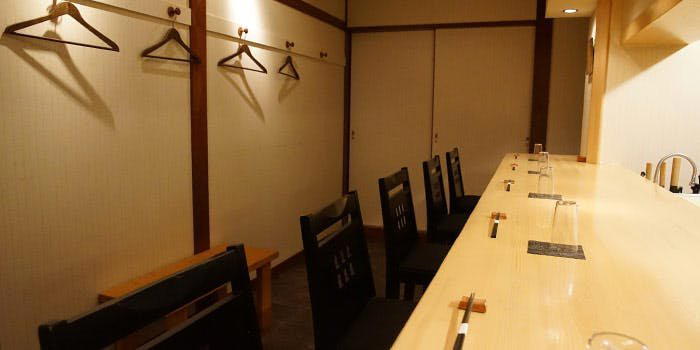

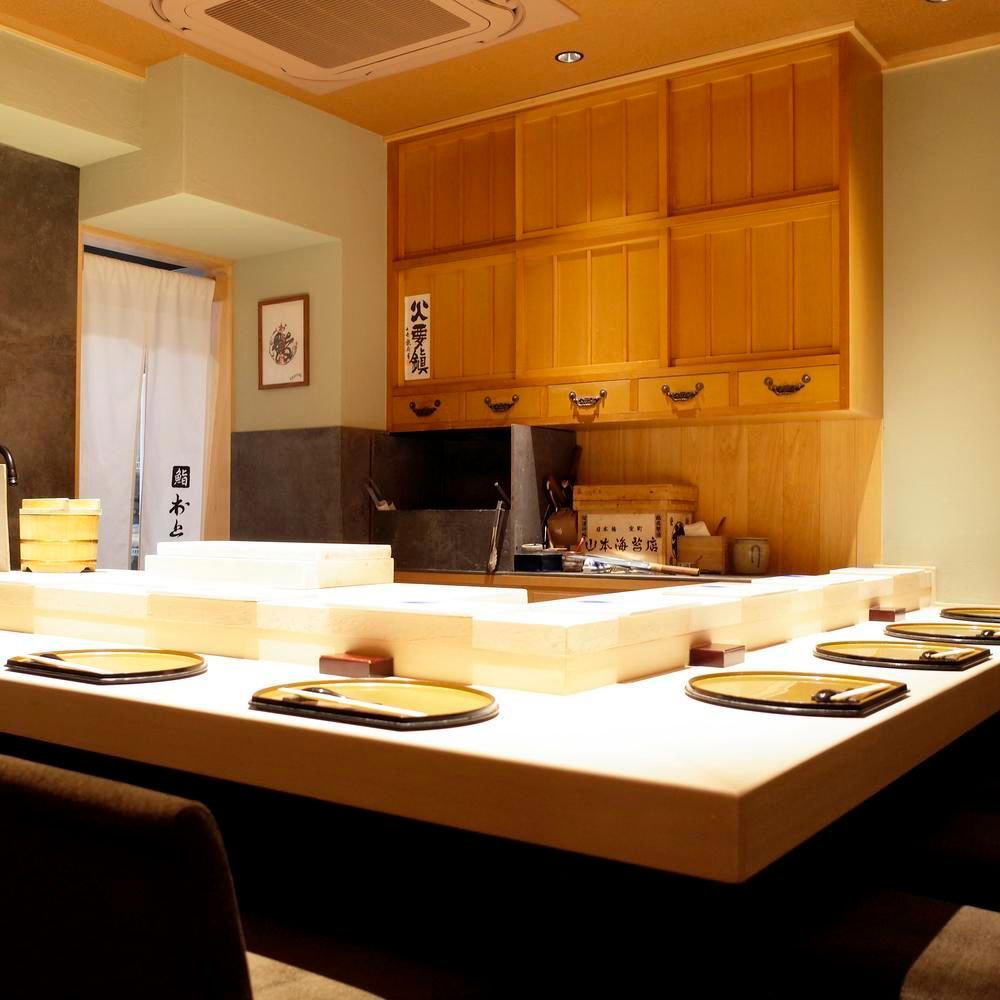
Bars in Kobe
Browse all →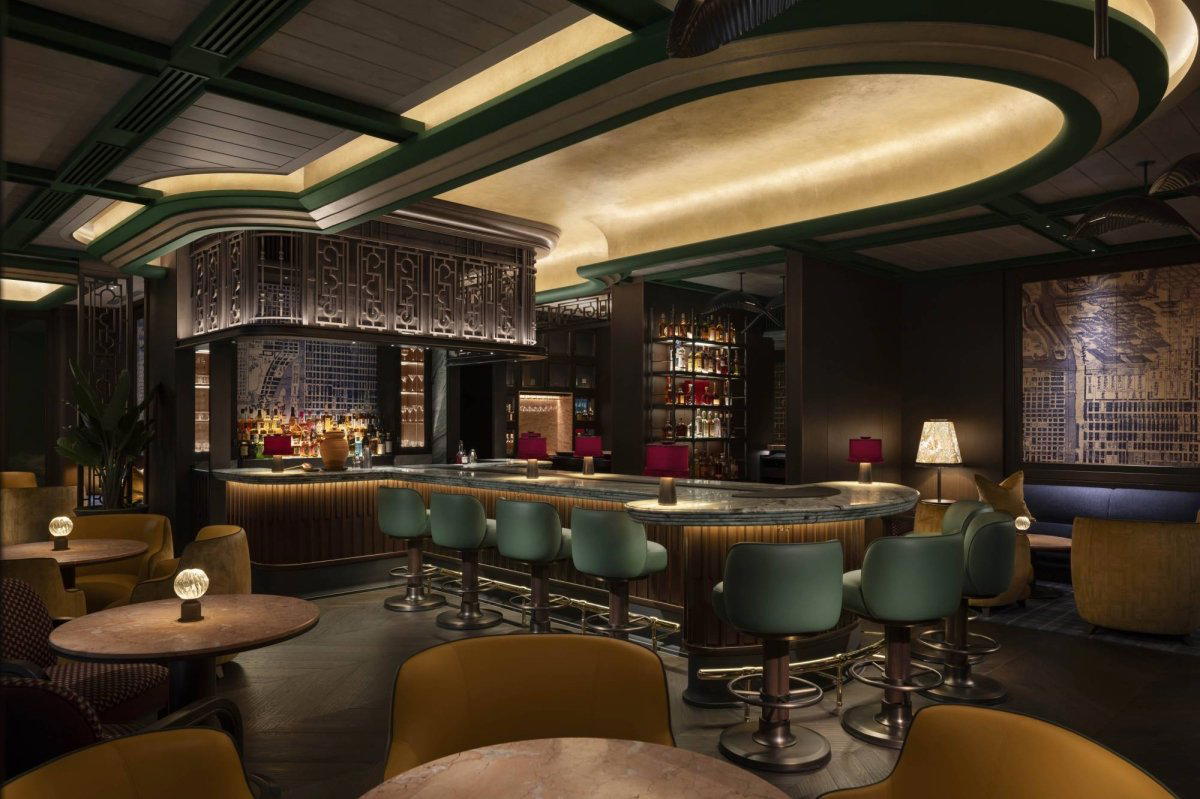





Details
- Intimate
- Date Night
- Solo
- After Work
- Special Occasion
- Standalone
- Extensive Wine List
- A La Carte
- Wine
Current opening hours
- Monday
- 11:30 AM–8:30 PM
- Tuesday
- Closed
- Wednesday
- Closed
- Thursday
- 11:30 AM–8:30 PM
- Friday
- 11:30 AM–8:30 PM
- Saturday
- 11:30 AM–8:30 PM
- Sunday
- 11 AM–3:30 PM
Hours can change for holidays and private events. Hours as of .
Based on Tabelog reviews and description, the restaurant offers a quiet, intimate atmosphere focused on carefully prepared tonkatsu and wine, more like a small destination dining room than a casual fry shop.