
Tabelog 100 #18
Our verdict
鶏一途 serves traditional Japanese kaiseki in Kobe, with formal, leisurely dinner service and a sommelier-led sake program. Tabelog ranked it No. 18 in 2025 with 3.9 points.

Pearl is the En Primeur Club membership app, where members save venues, book tables and use the concierge.
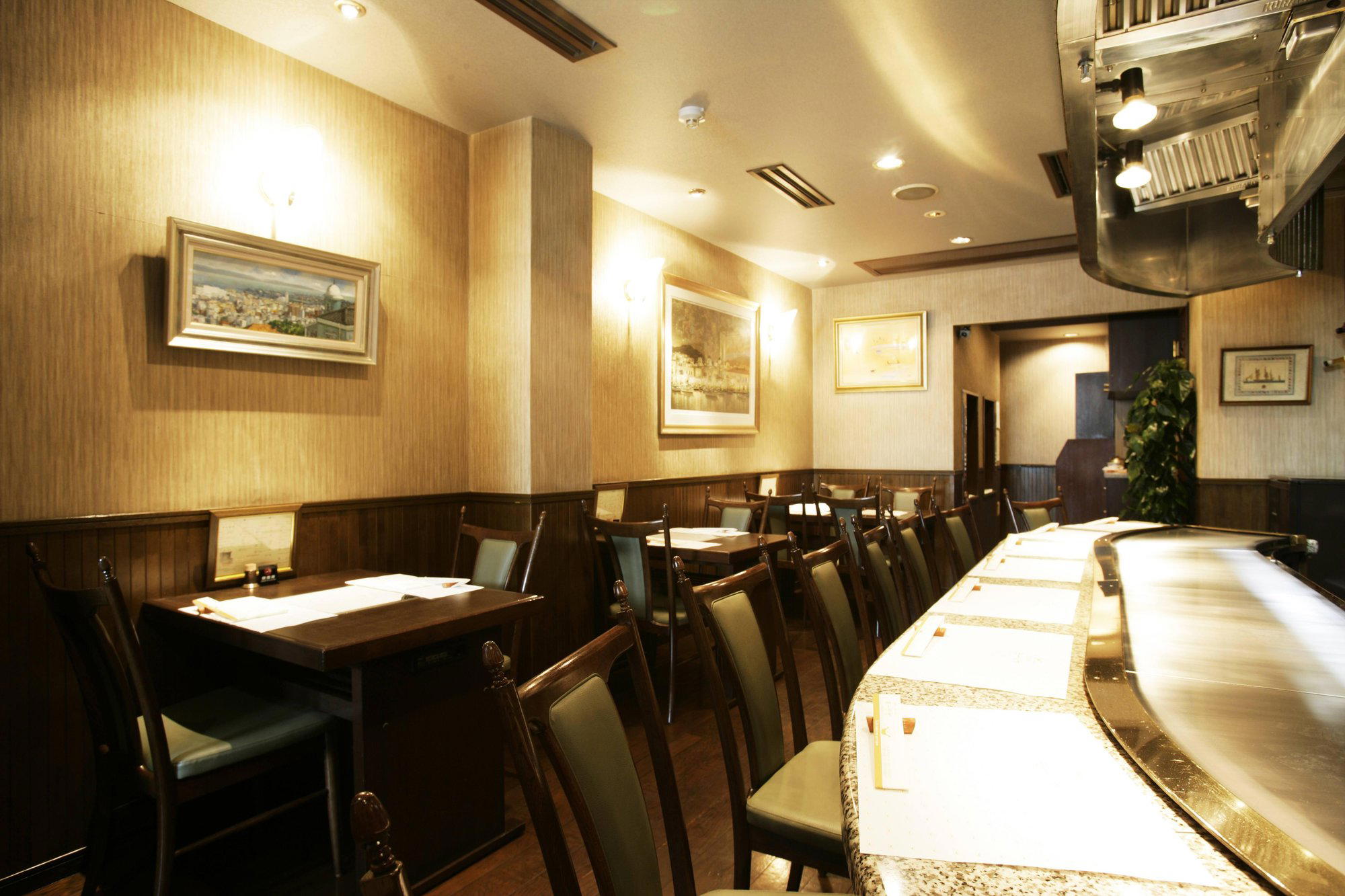
Where Higashinada Slows Down: Dining in Kobe's Eastern Ward
Higashinada Ward sits east of Kobe's commercial centre, past the Hankyu and Hanshin rail lines that shuttle commuters between Osaka and the port city. The neighbourhood carries a residential density that central Kobe lacks, and the dining culture here reflects that: less tourist-facing, more rooted in the rhythms of a local clientele that returns week after week. It is into this context that 鶴亭 (Tsurugawa) fits, a Sumiyoshihonmachi address on a block that does not announce itself as a dining destination, which is precisely why the room fills with guests who already know exactly where they are going.
Japanese dining at this tier of specificity operates on a logic of ritualised repetition. The meal does not present itself as an event to be consumed once; it is a format to be learned over multiple visits, each course arriving with a pacing calibrated to the season's available produce and the kitchen's current reading of what that produce demands. Kobe's proximity to Osaka's wholesale markets, the Seto Inland Sea's seafood, and Hyogo Prefecture's agricultural output gives kitchens in this part of Japan access to an unusually wide material palette, and the question any serious establishment must answer is how to impose discipline on that abundance.
The Grammar of the Meal
In Japanese dining traditions where the meal follows a set sequence, whether kaiseki, omakase sushi, or shabu-shabu, the ritual is not incidental to the experience but constitutive of it. Arrival time, the temperature of the oshibori, the order in which courses surface, the silence or conversation that accompanies each: these are not decorative choices but structural ones. They are how a kitchen signals what it believes about eating.
At the level Kobe's more serious dining rooms operate, this translates to a meal where the guest's role is participatory rather than passive. You are expected to receive each course with attention, to note what the kitchen has chosen to do with, say, a piece of fish from Akashi or a vegetable from the Tamba highlands, and to read that choice as a statement. Peer kitchens in the Kansai region, HAJIME in Osaka and Gion Sasaki in Kyoto each operate within this tradition of coursed discipline, though their specific formats and price tiers differ considerably. Kobe's own dining scene has historically sat slightly in the shadow of both Osaka and Kyoto, which means its leading rooms earn their reputations through consistent performance rather than inherited prestige.
What Kobe Brings to the Table
The city's dining identity is shaped by three converging forces that distinguish it from its Kansai neighbours. First, its history as a port open to foreign trade since the mid-nineteenth century created a cosmopolitan ingredient culture earlier than most Japanese cities, Western techniques and proteins, particularly beef, entered the local kitchen vocabulary generations ago. Second, Hyogo Prefecture's agricultural and marine produce is among the most celebrated in Japan: Akashi-katsuo, Awaji onions, and of course Kobe beef, which remains one of the most tightly regulated premium proteins in the country. Third, the city's size and demographic profile have generated a dining scene with genuine range across price points, from the long-standing prestige of Aragawa at the absolute best of the beef-focused tier, to more approachable rooms operating with serious technical intent.
The Spanish influence, traceable through establishments like Ca Sento, reflects that cosmopolitan inheritance. Meanwhile, Ash Restaurant, Fushin, and fuxing each occupy distinct positions within the city's contemporary dining map. For a broader orientation, our full Kobe restaurants guide maps these tiers in detail.
Ritual and Restraint: What to Expect
Japanese dining rooms operating at the level of careful, coursed meals in a residential neighbourhood context tend to share certain structural features regardless of cuisine category. The room will be quiet. The pacing will be deliberate, a two-hour meal in this format is a minimum, not a compressed option. The kitchen's choices will be seasonal to a degree that makes a menu from three months ago essentially irrelevant as a reference point. And the service will be formal without being stiff, guided by the principle that the guest's attention should remain on the food rather than on the theatre of being served.
This is the tradition within which 鶴亭 sits. The Sumiyoshihonmachi address places it in a part of Higashinada that functions as a neighbourhood rather than a dining precinct, which shapes both who comes and how they come. Repeat guests in this format develop a relationship with the kitchen's seasonal arc over the course of a year, understanding how the kitchen's approach shifts between the lighter preparations of early spring and the more strong preserved and fermented elements that appear in colder months.
For comparison across the broader Kansai and national dining map, Harutaka in Tokyo and akordu in Nara illustrate how coursed-format discipline operates across different cities and cuisine frameworks. Regionally, Goh in Fukuoka and Abon in Ashiya, the latter just a short distance along the Hanshin line from Higashinada, show how Kansai's dining culture extends into smaller cities and suburbs without losing its foundational seriousness. Further afield, rooms like affetto akita in Akita, Aji Arai in Oita, Ajidocoro in Yubari District, and Akakichi in Imabari demonstrate how the format travels across Japan's regions, each inflected by local produce and local pace.
Internationally, the coursed-meal ritual finds its clearest Western parallels in format-driven rooms like Le Bernardin in New York City and Lazy Bear in San Francisco, where the structure of the meal is as much a part of the offering as the food itself, though the cultural grammar underlying each is distinct.
Planning a Visit
Higashinada is accessible from central Kobe via the Hanshin or Hankyu lines, with Sumiyoshihonmachi reachable within a short walk of either Sumiyoshi or Uozaki stations. The neighbourhood runs on local rhythm rather than tourist infrastructure, so arriving with an awareness of the area's residential character, and a degree of patience for surroundings that do not announce themselves, serves the experience. As with most serious Japanese dining rooms operating outside major tourist circuits, contacting the venue in advance to confirm current hours, reservation requirements, and seasonal format is the appropriate first step.
Frequently asked questions
What's é¶ä¸é's location?
é¶ä¸é is located at ï¼F, 1 Chome-3-13 Sumiyoshihonmachi, Higashinada Ward, Kobe, Hyogo 658-0051, Japan, Kobe.
What should I eat at 鶴亭?
鶴亭 sits in Higashinada Ward, a part of Kobe shaped by proximity to Hyogo Prefecture's core produce sources: Akashi seafood from the strait south of the city, Awaji Island vegetables, and the Tajima cattle lineage that underpins Kobe beef. Any coursed meal here will likely reflect that regional framework, with ingredients dictating the menu rather than the other way around.
Is é¶ä¸é reservation-only?
Reservations are recommended for é¶ä¸é in Kobe. Confirm current policy via the venue's official channels.
What has é¶ä¸é built its reputation on?
é¶ä¸é is best approached by focusing on the core concept and signature offerings.
What It’s Closest To
Comparable venues nearby, for context on price, style, and recognition.
| Venue | Cuisine | Price | Awards | Notes |
|---|---|---|---|---|
| 鶏一途This venue (the venue you are viewing) | Traditional Japanese Kaiseki | $50–100 | Tabelog 100 #18 | Not listed |
| Yuzaburo | Japanese Yakiniku & Wagyu Steak | $150–200 | Tabelog 100 #20 | Chūō |
| Tsuki Usagi | Halal Kobe Beef Japanese | $200–300 | Not listed | Chūō |
| Okada Shokuhin Kabushiki Gaisha | Japanese BBQ / Yakiniku | Not listed | Tabelog 100 #5 | Chūō |
| Grill Ippei Motomachi ten | Traditional Kobe yoshoku grill | $20–30 | Tabelog 100 #83 | Chūō |
| 鮨 çç² | japanese | Not listed | Not listed | Higashinada |
Recognition history
Dated appearances from independent guides and award organizations, with the underlying list record or original source where available.
Tabelog 100 #18 · No. 18
Tabelog · Tabelog 100 - Yakitori - WEST - 2025
Continue exploring
More in Kobe
Restaurants in Kobe
All restaurants in Kobe →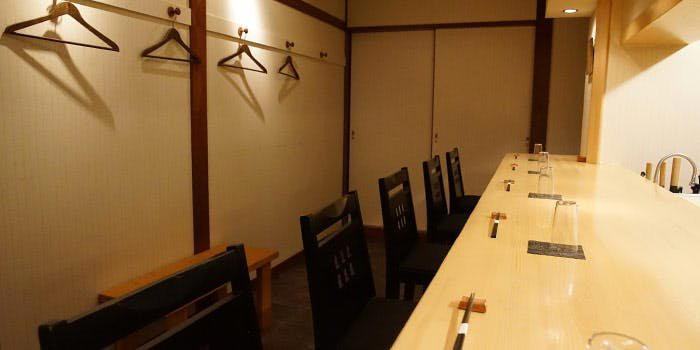

Bars in Kobe
Browse all →





Details
- Elegant
- Sophisticated
- Classic
- Special Occasion
- Date Night
- Business Dinner
- Open Kitchen
- Sake Program
- Sommelier Led
- Local Sourcing
- Set Menu
- A La Carte
- Sake
- Wine
- Pescatarian Friendly
Current opening hours
- Monday
- Open 24 hours
- Tuesday
- Open 24 hours
- Wednesday
- Open 24 hours
- Thursday
- Open 24 hours
- Friday
- Open 24 hours
- Saturday
- Open 24 hours
- Sunday
- Open 24 hours
Hours can change for holidays and private events. Hours as of .
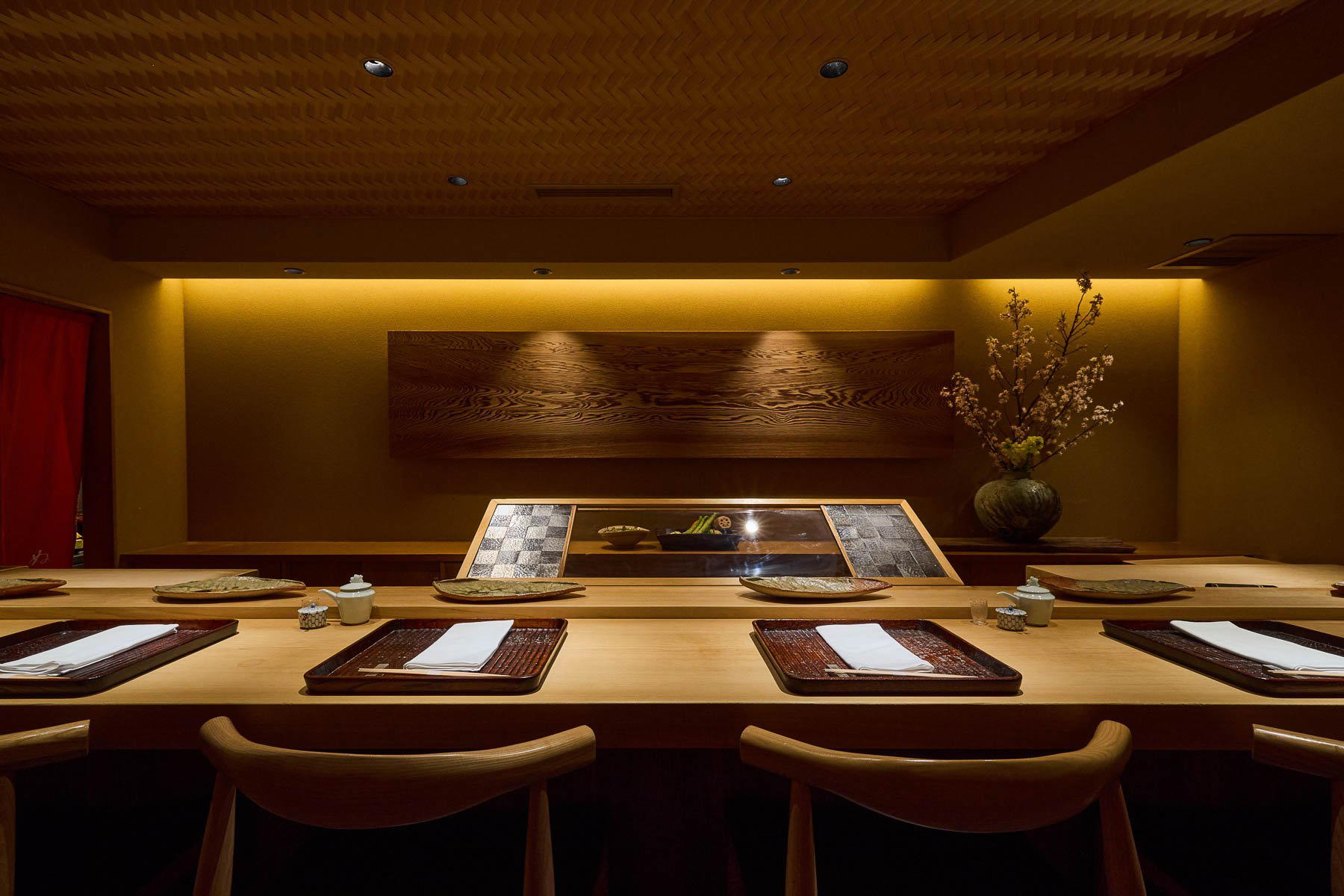
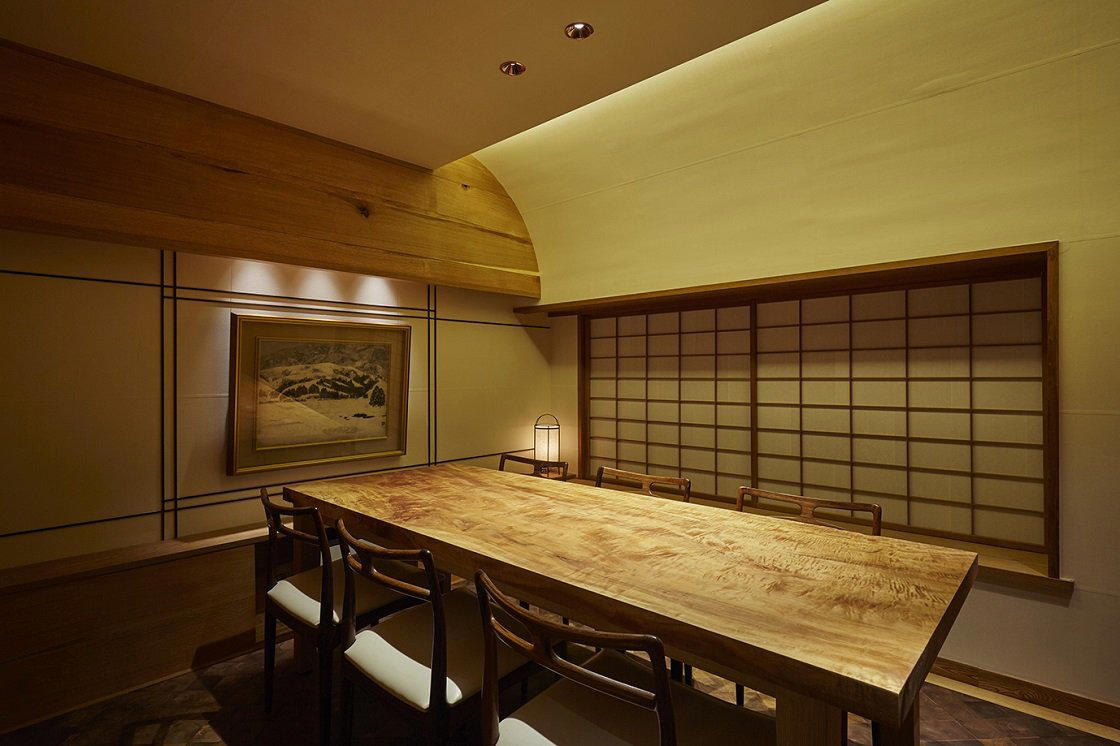
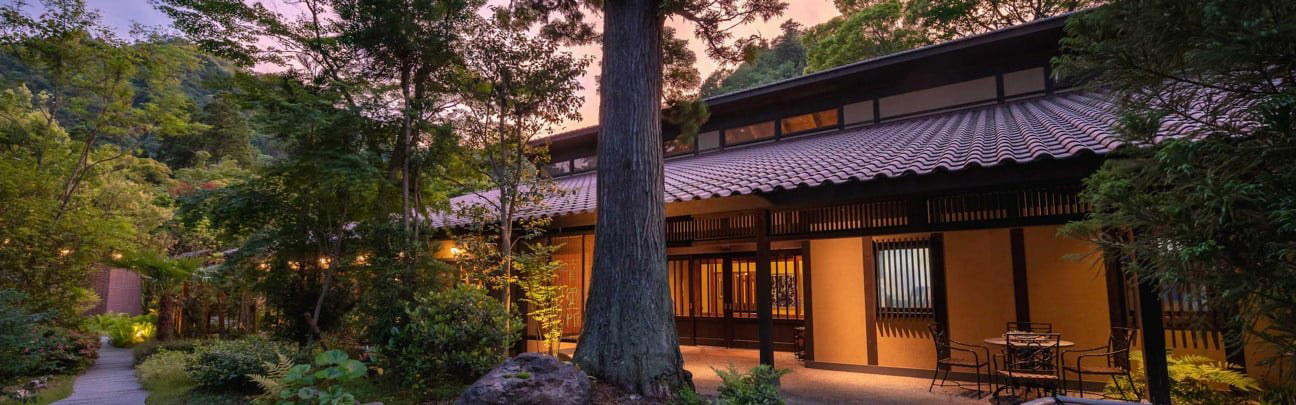
Refined and intimate atmosphere with traditional Japanese aesthetic and warm lighting.