
Michelin Selected
Hotel New Awaji holds a MICHELIN Selected designation in the 2025 guide, placing it among a curated tier of properties on Awaji Island, off the Hyogo coast. The hotel sits in Sumoto, the island's main city, and occupies a position in the regional ryokan and resort category shaped by coastal setting and proximity to the Seto Inland Sea. Advance planning is advisable for peak Awaji travel periods.

Pearl is the En Primeur Club membership app — saves, bookings, and concierge access live there. Same editors, same standards.
- Address
- 20 Orodani, Sumoto, Hyogo 656-0023, Japan
- Phone
- +81 570-079-922
- Website
- newawaji.com
- Directions
- Get directions
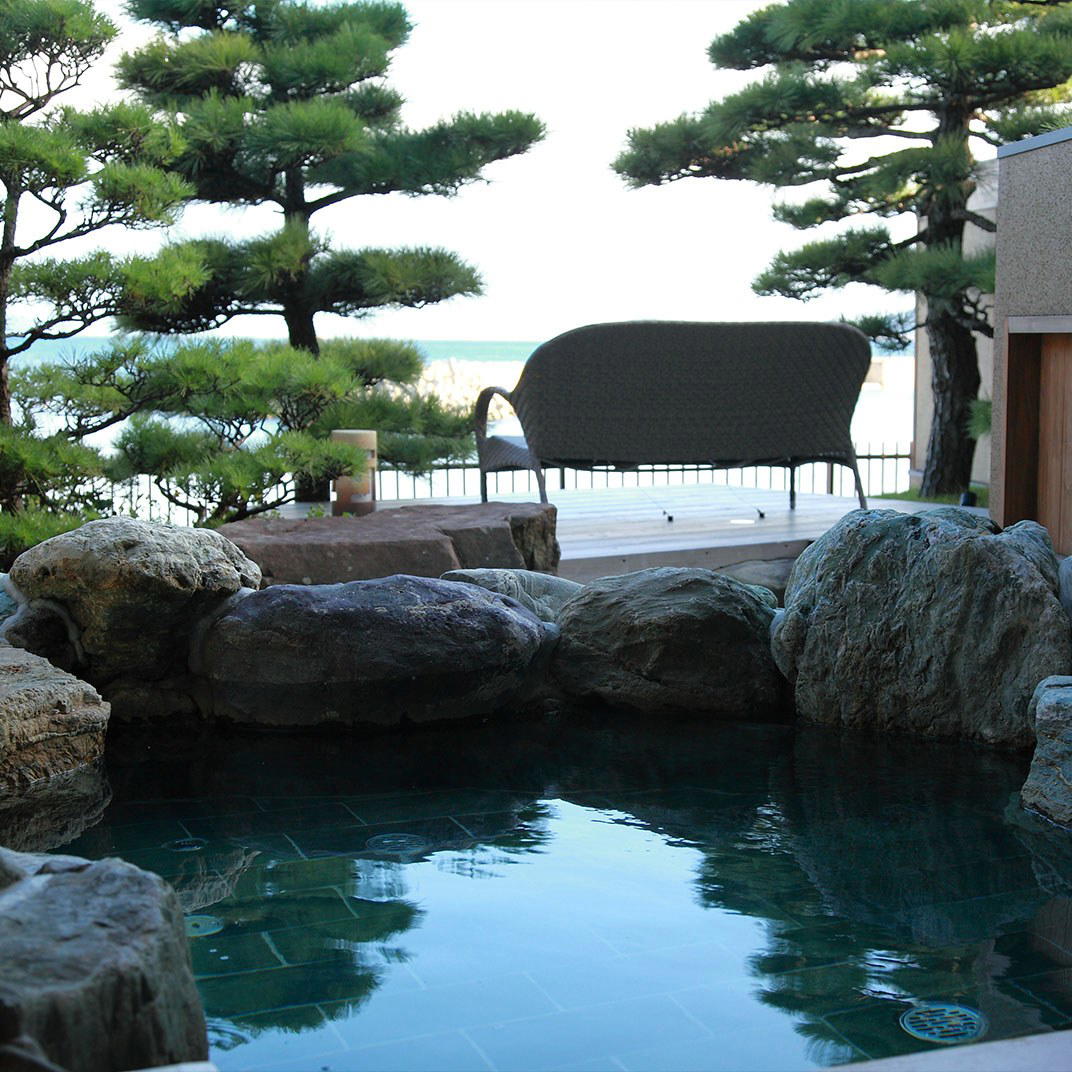
Sumoto and the Awaji Island Accommodation Context
Awaji Island sits in the Seto Inland Sea between Honshu and Shikoku, connected to Kobe by the Akashi Kaikyo Bridge. Sumoto, the island's administrative and commercial centre, occupies the eastern coast and acts as the arrival point for most visitors coming from the Hanshin corridor. Accommodation on the island divides broadly between large resort-style hotels that capitalise on sea views and onsen access, and smaller, more intimate properties oriented around local food culture — particularly the island's prized onions, sea bream, and Awaji beef. Hotel New Awaji sits within that resort tier, holding a MICHELIN Selected distinction in the 2025 guide, which places it in a specific quality bracket across a guide that spans the full range of Japanese hospitality styles.
The MICHELIN Selected category, distinct from the star and key hierarchy applied to restaurants and to the newer hotel distinctions, functions as a quality floor rather than a ranking ceiling. Within the Sumoto and Awaji Island context, it signals a property the guide considers worth recommending to an informed traveller — not the same designation as Gora Kadan in Hakone or Amanemu in Mie, both of which operate at a different scale and price point, but a marker of seriousness within a competitive regional field.
Physical Position and the Architecture of Arrival
The hotel's address, 20 Orodani, Sumoto, places it in a valley-adjacent zone that characterises the inland-facing parts of Sumoto's urban edge. Japanese resort hotels of this generation, built during and after the bubble period of the late 1980s and early 1990s, typically present a particular architectural grammar: broad facade, multi-storey construction designed to maximise room count with sea or mountain aspect, and a lobby arrival that prioritises scale over intimacy. This format is well-established across Japan's medium-to-large onsen resort segment, visible at comparable properties across Kinki and Chugoku prefectures.
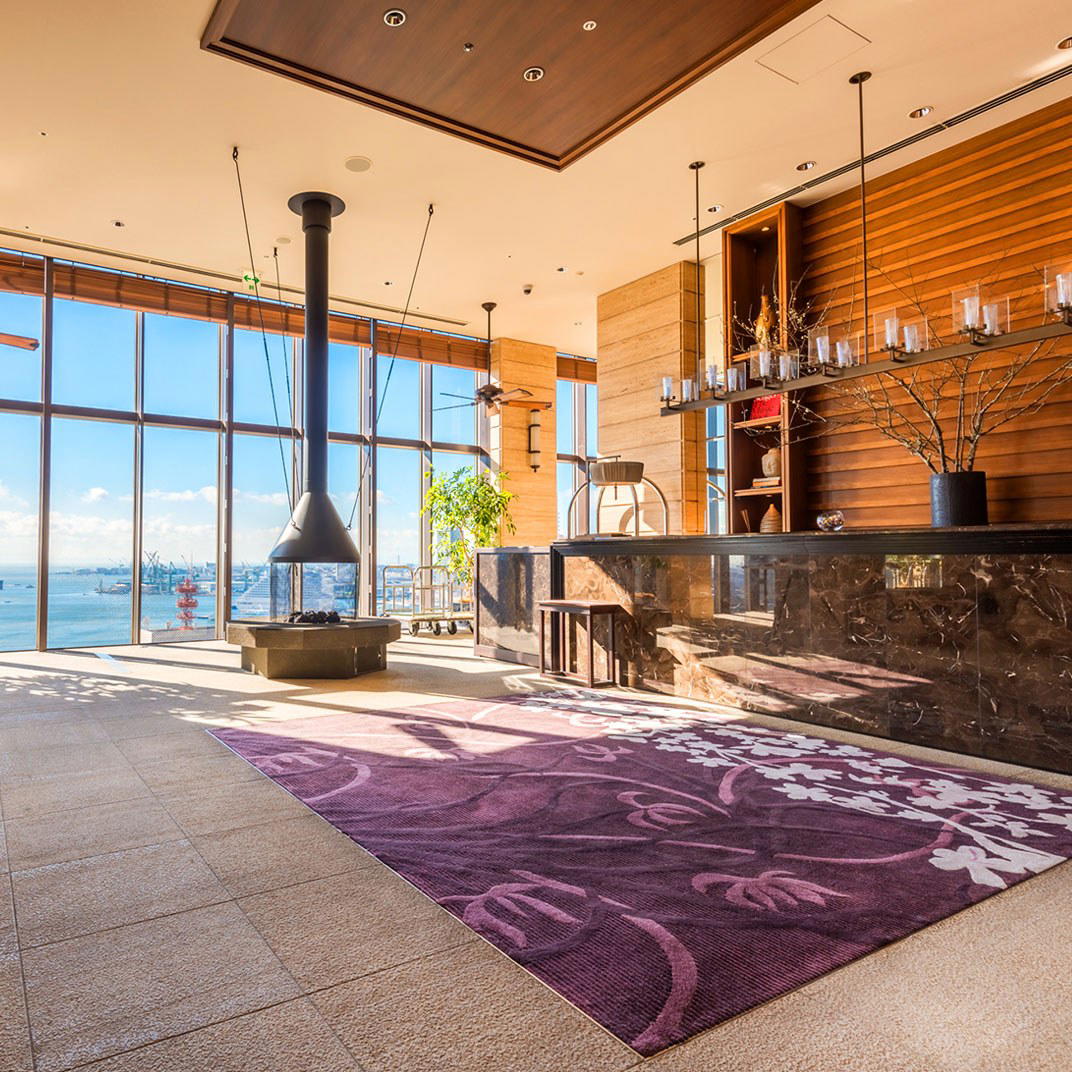
What distinguishes properties within this category is less the exterior envelope and more the quality of interior finish, the calibration of public spaces, and the degree to which the design engages with its site rather than sitting generically on it. The Seto Inland Sea orientation that defines Awaji's eastern coast provides a clear visual anchor for properties positioned to face it, the quality of that relationship, whether it is framed in guest corridors, dining rooms, or bathing facilities, tends to determine how a property is remembered. For context on how Japanese hospitality properties handle site-specific design, Benesse House in Naoshima and Zaborin in Kutchan represent two very different approaches to the same discipline.
Japan's MICHELIN-recognised hotel pool in the Kansai and Setouchi region is large enough to allow meaningful comparison. Properties like Nishimuraya Honkan in Kinosaki-cho, a historic ryokan on the San'in coast, and Sekitei in Hatsukaichi-shi, near Hiroshima, represent the more traditional kaiseki-and-onsen model that anchors much of the region's premium hospitality identity. Hotel New Awaji operates within a different register, a hotel-format property rather than a pure ryokan, which means its competitive references shift toward resort properties rather than historic inn culture.
For travellers routing through the Hanshin area, the comparison set extends north to HOTEL THE MITSUI KYOTO in Kyoto and east to Atami Izusan Karaku in Atami, both of which sit at a significantly higher price and design tier, but which illustrate the range of expectations within Japan's MICHELIN-recognised accommodation pool. The MICHELIN Selected distinction at Hotel New Awaji positions it as the most accessible entry point into that recognised tier for Awaji Island specifically, which matters if Sumoto is the destination rather than a waypoint.
The Awaji Island Draw and What It Means for Planning
Awaji Island functions differently from Japan's mountain onsen destinations. The Seto Inland Sea provides a maritime rather than alpine backdrop, and the island's food identity, built on ingredients that have supplied Osaka and Kobe restaurant kitchens for generations, gives dining here a grounding in supply-chain provenance rather than pure tradition. The spring onion season draws visitors who understand what Awaji produce means to Osaka cuisine; summer and autumn bring visitors drawn by the coast and the relative ease of access from the Hanshin corridor.
Timing matters on Awaji. The island is accessible year-round but peak periods, particularly Golden Week in late April and early May and Obon in mid-August, compress availability across every accommodation category. Properties at Hotel New Awaji's tier book against the full island supply, not just within the MICHELIN Selected cohort, and demand from Osaka and Kobe day-trip and short-stay traffic is consistent. The same dynamic applies to comparable Setouchi island properties like Jusandi in Ishigaki and Halekulani Okinawa in Okinawa, though those operate in distinct geographic and climate contexts.
Planning a Stay at Hotel New Awaji
Sumoto is reached from Kobe via the Akashi Kaikyo Bridge, with bus and highway connections from Sannomiya Station making it a direct transit point without a car, though a vehicle opens up the island's coastal routes considerably. The hotel's Orodani address is within Sumoto's accessible urban zone rather than isolated on the coast, which affects both the approach experience and proximity to the city's restaurants and covered shopping streets.
For travellers building a wider Japan itinerary that includes Awaji, the island sits naturally between Osaka and Shikoku, and can be combined with the Setouchi art island circuit, Benesse House in Naoshima is the anchor of that specific route. Those prioritising onsen-heavy ryokan experiences in the Kansai region have a wider selection at Nishimuraya Honkan in Kinosaki-cho or, for a higher-specification mountain property, Fufu Nikko in Nikko and Asaba in Izu. The full range of Japan's MICHELIN-recognised accommodation context is covered in our full Sumoto restaurants guide, which maps both dining and lodging across the island.
The hotel's MICHELIN listing via the 2025 guide is the most reliable access point for verifying current availability and reservation methods. Walk-in availability at peak periods on Awaji should not be assumed, the island's tourist infrastructure is well-developed enough that most quality accommodation runs on reservations, particularly for stays that include dinner service.
A Quick Peer Check
| Venue | Price | Awards |
|---|---|---|
| Hotel New AwajiThis venue — the venue you are viewing | $200–300 | Michelin Selected |
| Bvlgari Hotel Tokyo | Not listed | 3 Michelin Keys · World's 50 Best #24 |
| Aman Kyoto | Not listed | 2 Michelin Keys · World's 50 Best #74 |
| Aman Tokyo | Not listed | 2 Michelin Keys · World's 50 Best #11 |
| Palace Hotel Tokyo | Not listed | 3 Michelin Keys · World's 50 Best #73 |
| Amanemu | Not listed | 3 Michelin Keys · La Liste Top Hotels |
Recognition history
Dated appearances from independent guides and award organizations, with the underlying list record or original source where available.
Michelin Selected
Michelin
Continue exploring
More in Sumoto
Hotels in Sumoto
Browse all →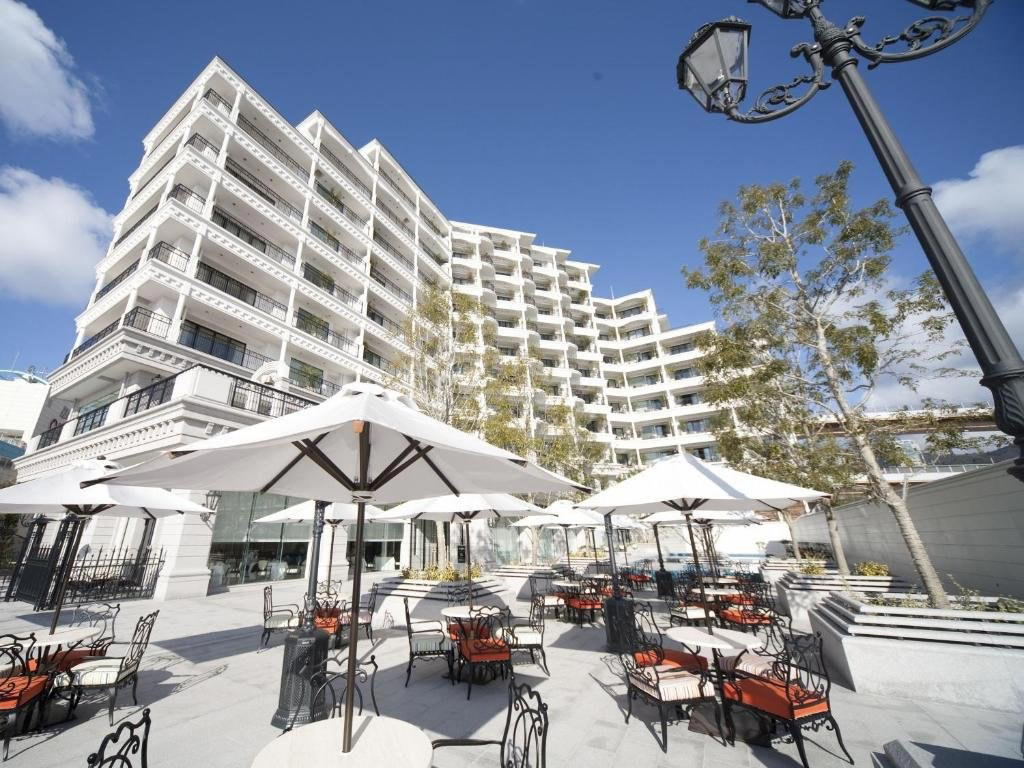
Bars in Sumoto
Browse all →
Restaurants in Sumoto
Browse all →
Wineries in Sumoto
Browse all →
Details
- Scenic
- Elegant
- Classic
- Family Vacation
- Romantic Getaway
- Weekend Escape
- Waterfront
- Panoramic View
- Pool
- Spa
- Room Service
- Waterfront
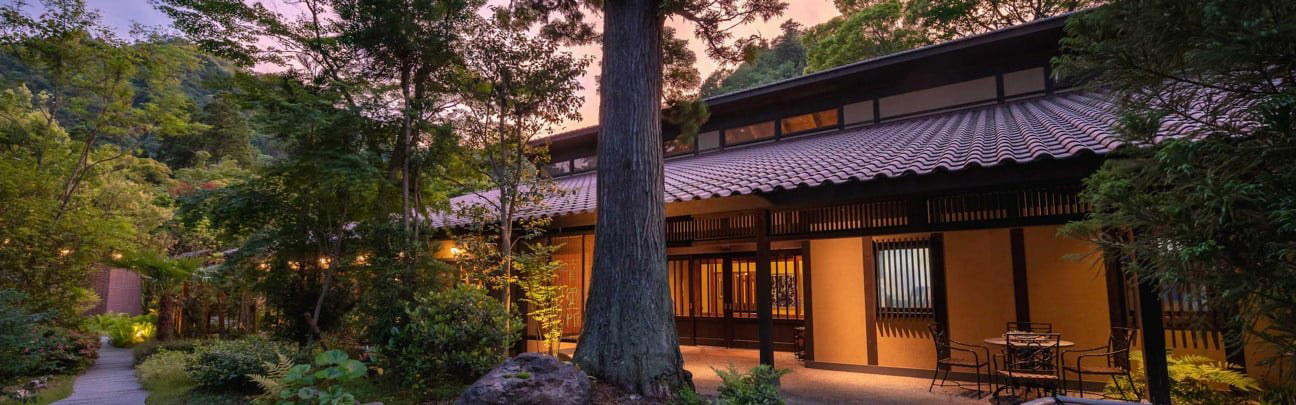
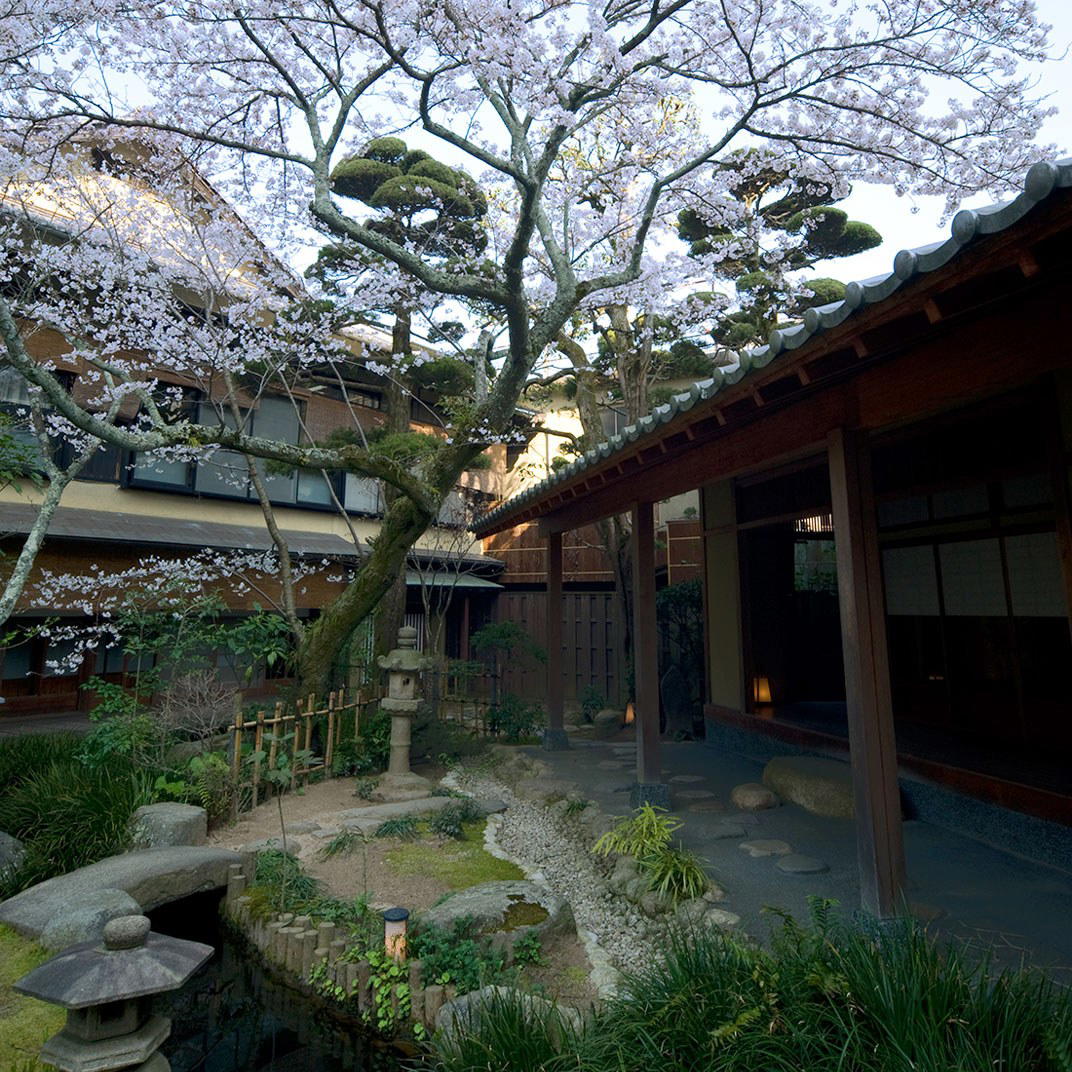
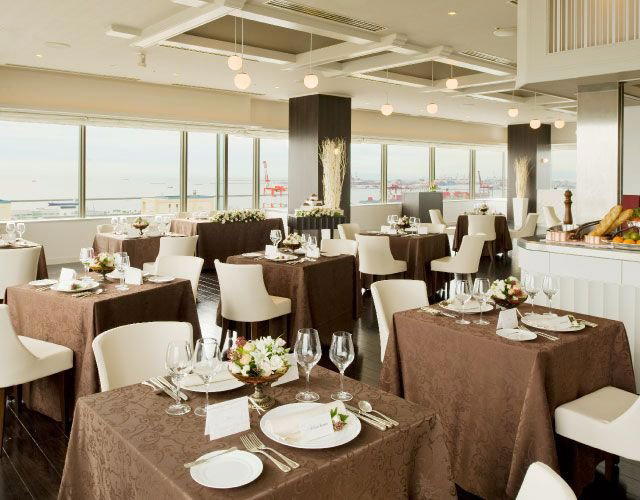
Peaceful seaside atmosphere with elegant tea-ceremony style entrances and panoramic views of the strait.