
Tabelog 100 #99
Our verdict
Kanetatsu gives Kobe’s yakitori scene a compact, counter-led address where menu structure matters: skewers, rare chicken cuts, drinks built around sake, shochu and wine, and private-room flexibility for small groups. Its repeated Tabelog Yakitori WEST 100 selections place it in the serious western Japan yakitori conversation rather than the casual grilled-chicken tier.

Pearl is the En Primeur Club membership app, where members save venues, book tables and use the concierge.
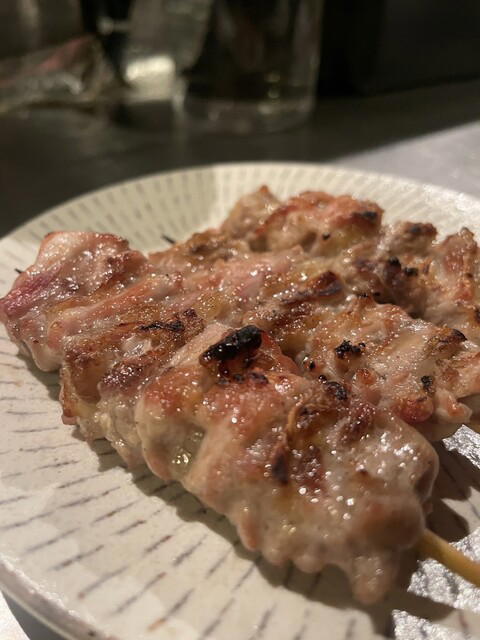
Approach Kobe at night and the dining grammar shifts: steak houses and late bars give way to smaller rooms where the grill drives the evening. Yakitori here is not an afterthought to beef culture, but a parallel craft built on timing, smoke discipline, portion rhythm and the confidence to make a meal from small cuts rather than one centrepiece.
Kanetatsu belongs to the narrower category of yakitori restaurant where the grill is central to the operating logic. The room is best understood through close-range cooking, short intervals between skewers and a meal that rewards attention to progression. Its 2025 Tabelog Hyakumeiten recognition, with a listed score of 3.70 and dinner budget of JPY 8,000 - JPY 9,999, gives the venue a clear external signal: yakitori judged within its own craft category, not a generic Kobe night-out recommendation.
Yakitori as sequence, not snack food
Read the menu as architecture. Yakitori restaurants often move from leaner cuts to richer ones, from salt-led grilling to sauce, from familiar parts to smaller allocations. The format asks diners to accept pacing: the grill sets the tempo, the table follows. That is why focused yakitori dining matters. It keeps fire, cook and diner close enough for skewer-by-skewer service to carry the meal.
The restaurant’s listed category is yakitori, placing it closer to specialist grilled-chicken culture than broad izakaya dining. In Kobe, whose international food identity is often flattened into beef, that distinction matters. A serious yakitori meal shifts emphasis from marbling and spectacle to butchery range, seasoning restraint and heat control. The pleasure is cumulative: not one grand dish, but a run of small decisions.
The drinks structure, where available, should be read as part of the meal rather than incidental background. Yakitori has always worked flexibly with alcohol: smoke and salt with clean, dry pairings; sauce with deeper flavours; richer chicken cuts with something that can handle fat and char. A meal built around skewers signals a longer evening, not a quick plate before another stop.
Why this Kobe address belongs in a western Japan yakitori conversation
Kobe dining is often sorted too neatly by outsiders: beef for visitors, bakeries and coffee by day, casual grazing, and sake context nearby. The better reading is more layered. Kobe supports small-format restaurants where the city’s appetite for craft and convenience meet. Yakitori fits cleanly: informal enough for repeat local use, technical enough for destination interest.
Kanetatsu is useful for travellers because it sits between two dining instincts. It is not simply the ceremonial model of some premium Japanese restaurants, nor the loose izakaya model where the grill is one department among many. The appeal is focused cooking with enough flexibility to serve diners who want the evening to unfold skewer by skewer.
Against the local venues supplied for context, the positioning is clear. Yakiniku Horumon Bar Bovin works in the grilled-meat register, while enoteca ber ber bar occupies an evening through wine-bar logic rather than skewer progression. Kobe Beef GENKICHI and kobe-Beef Steak Ishida.sannomiya-Shop sit nearer the beef-led travel imagination. Jin Gyoza answers a different brief entirely: quick comfort rather than a full grill sequence. The point is not hierarchy; it is choosing the right evening.
For Kobe itineraries, that distinction matters. A traveller already planning beef can use yakitori as counterweight, not repetition of the same luxury cue. Grill technique remains central, but the meal reads differently: smaller cuts, more frequent arrivals, less emphasis on a single premium protein. In a city where dining decisions often compress into one headline ingredient, that shift is valuable.
How to place it in a Kobe night
The venue works strongest as an evening in Kobe, where dinner can be followed by coffee, a bar or a slow return through the city. The listed dinner budget of JPY 8,000 - JPY 9,999 also helps frame expectations: this is not a throwaway snack stop, but a planned meal built around the grill.
Language and pacing are part of the practical reality at many specialist restaurants. The best approach is to arrive ready for a guided rhythm rather than to over-control every minute of the meal. That is not a flaw; it reflects yakitori’s live timing. Diners wanting maximum choice should order carefully and respectfully; others can let the sequence work.
For broader planning, place this meal inside a city map rather than treating it as an isolated booking. EP Club’s Kobe coverage includes Our full Kobe restaurants guide, Our full Kobe hotels guide, Our full Kobe bars guide, Our full Kobe wineries guide and Our full Kobe experiences guide. Nearby and category-adjacent restaurant reading can extend through other Kobe dining rooms, coffee stops, grill counters and casual kitchens.
Travellers building a wider Japan food route can compare specialist formats through other dining in Kobe and through unnamed restaurants in cities such as Kamakura, Tokyo, Osaka, Kumamoto, Kawasaki and Sapporo. For Japanese drinking culture outside Japan, overseas examples of narrow-format dining show how focused ideas can travel when disciplined.
The editorial case is simple: choose this venue when the point of the evening is yakitori as a structured meal. Kobe has louder dining symbols. This one argues for the skewer, the cut and the sequence.
Frequently asked questions
What does dinner at Kanetatsu typically cost?
Pricing at Kanetatsu is listed as JPY 8,000 - JPY 9,999.
What are Kanetatsu's hours?
Check directly with Kanetatsu for current opening hours before visiting.
Where do I go for Kanetatsu?
Kobe.
What is Kanetatsu known for?
Kanetatsu is known for yakitori in Kobe.
Peers Worth Knowing
Side-by-side context: comparable cuisine and price.
| Venue | Cuisine | Price | Awards | Notes |
|---|---|---|---|---|
| KanetatsuThis venue (the venue you are viewing) | Traditional Yakitori | $50–100 | Tabelog 100 #99 | Not listed |
| Yakiniku Horumon Bar Bovin | Yakiniku & Horumon Bar | $30–50 | Tabelog 100 #85 | JPY 6,000 - JPY 7,999 JPY 2,000 - JPY 2,999 |
| Kobe Beef GENKICHI | Kobe Beef Teppanyaki | Not listed | Not listed | Not listed |
| enoteca ber ber bar | Natural Wine Bar / Seasonal Bistro | $50–100 | Tabelog 100 #69 | JPY 8,000 - JPY 9,999 |
| Jin Gyoza | Japanese Gyoza & Dumplings | Not listed | Tabelog 100 #69 | JPY 1,000 - JPY 1,999 |
| kobe-Beef Steak Ishida.sannomiya-Shop | Kobe Beef Teppanyaki | Not listed | Not listed | Not listed |
Recognition history
Dated appearances from independent guides and award organizations, with the underlying list record or original source where available.
Tabelog 100 #99 · No. 99
Tabelog · Tabelog 100 - Yakitori - WEST - 2025
Continue exploring
More in Kobe
Restaurants in Kobe
All restaurants in Kobe →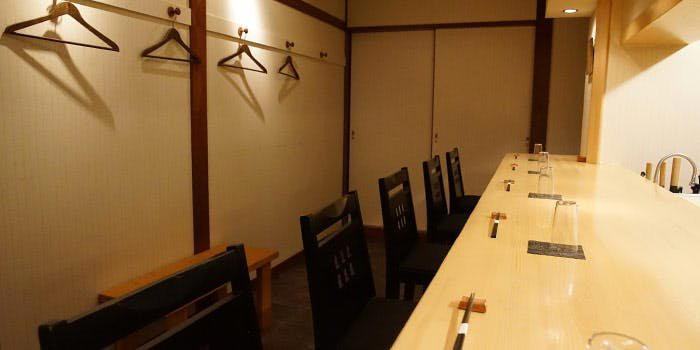

Bars in Kobe
Browse all →


Details
- Cozy
- Lively
- Casual Hangout
- After Work
- Group Dining
- Solo
- Standalone
- Sake Program
- Beer Program
- Local Sourcing
- A La Carte
- Counter Dining
- Sake
- Beer
Current opening hours
- Monday
- 6 PM–2 AM
- Tuesday
- 6 PM–2 AM
- Wednesday
- Closed
- Thursday
- 6 PM–2 AM
- Friday
- 6 PM–2 AM
- Saturday
- 6 PM–2 AM
- Sunday
- Closed
Hours can change for holidays and private events. Hours as of .
A compact, lively yakitori dining room near Ikuta Shrine with a cozy, traditional feel and the energetic atmosphere typical of popular Japanese grilled-chicken spots.