
Our verdict
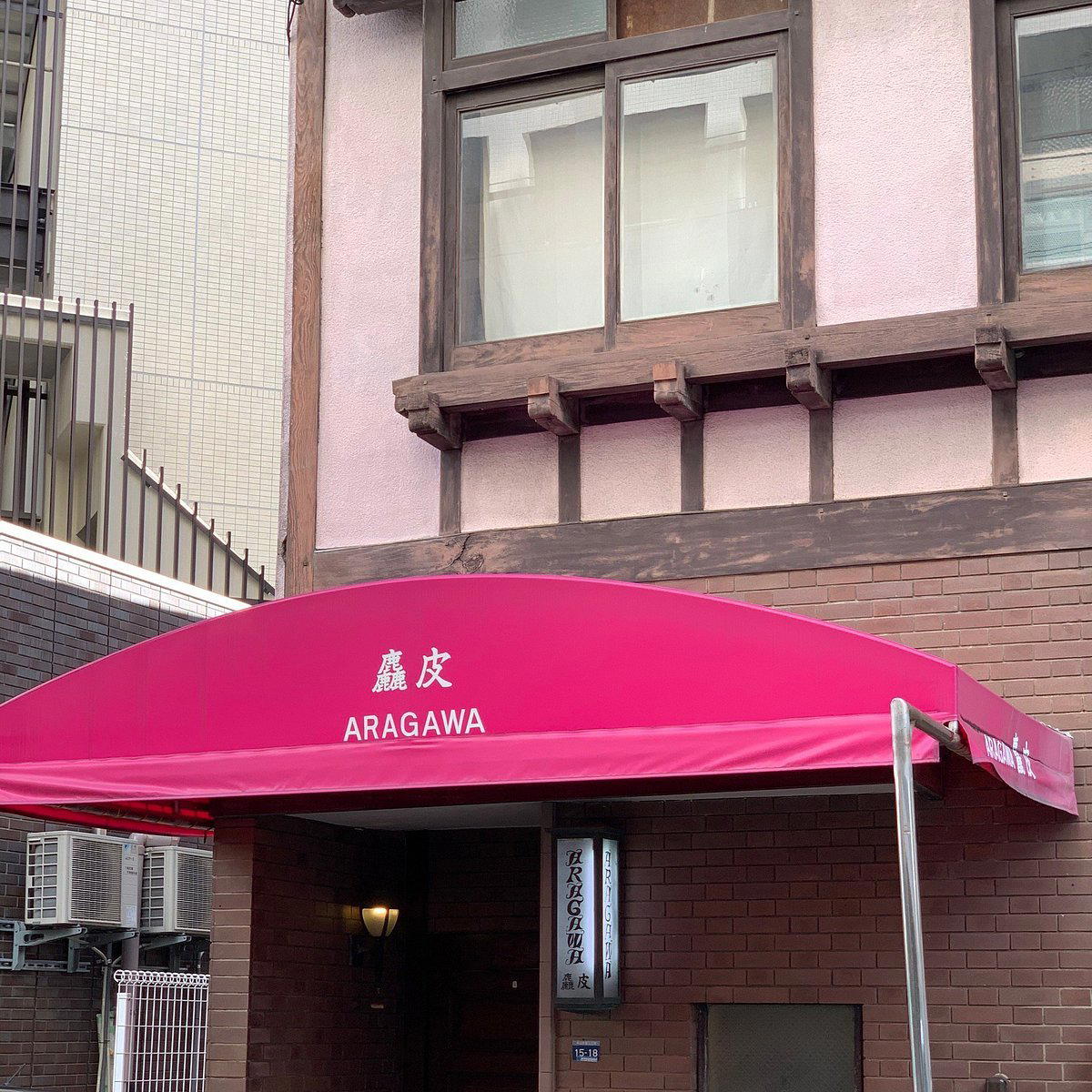
Aragawa is one of Kobe's most closely watched beef restaurants, operating in a city whose name is synonymous with premium Japanese cattle. The restaurant draws serious diners to Kobe specifically for its preparation of Tajima-strain wagyu — the beef that underpins the Kobe beef designation — in a setting that prioritises material restraint over spectacle. Booking ahead is essential.

Pearl is the En Primeur Club membership app — saves, bookings, and concierge access live there. Same editors, same standards.
- Address
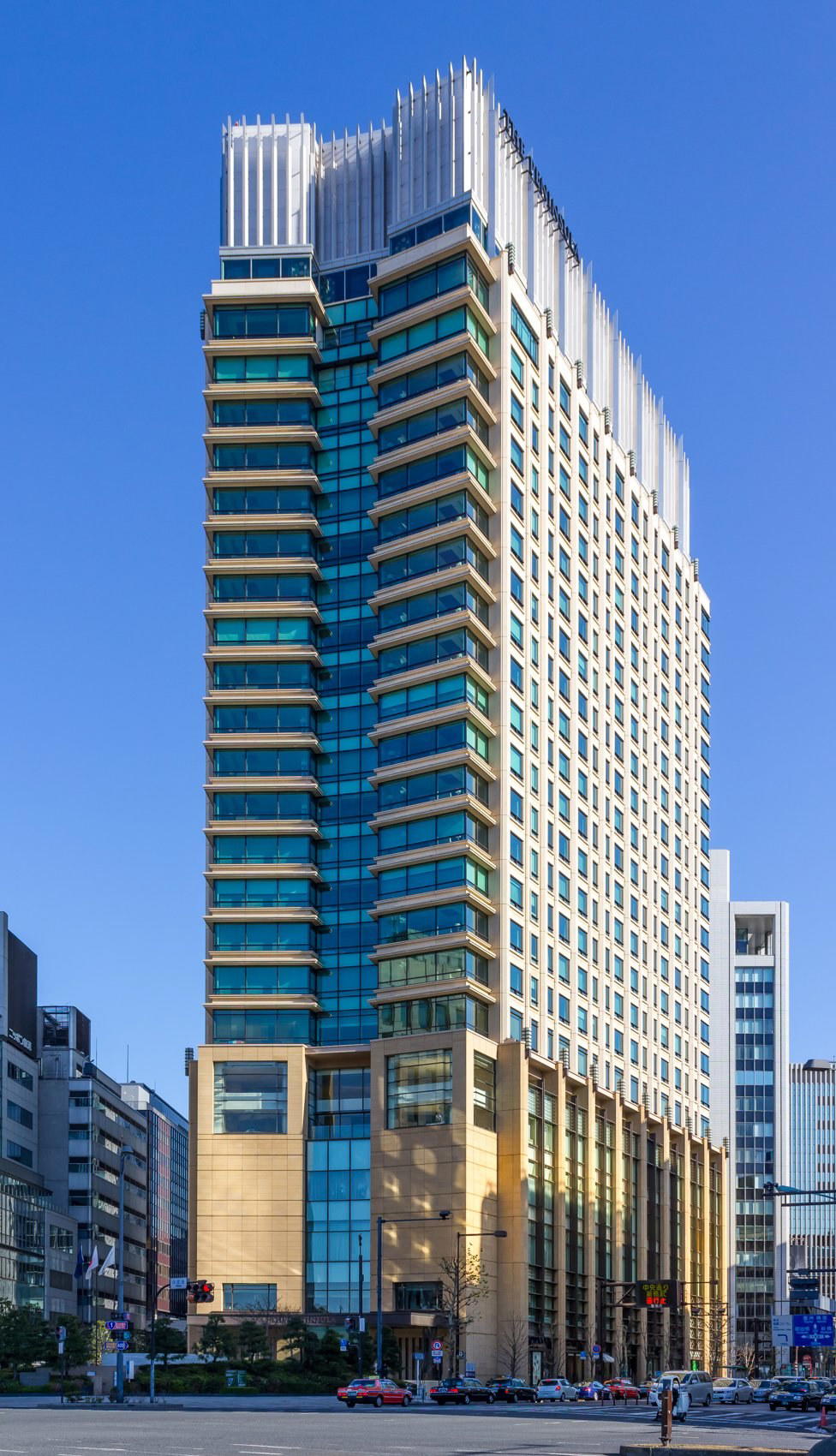
- 御成門小田急ビル, Japan, 〒105-0003 Tokyo, Minato City, Nishishinbashi, 3 Chome−23−11 御成門小田急ビル, Kobe, Kansai, Japan
- Phone
- +81 3-3438-1867
- Directions
- Get directions
The menu
What to order
- Sanda Kobe beef sirloin steak
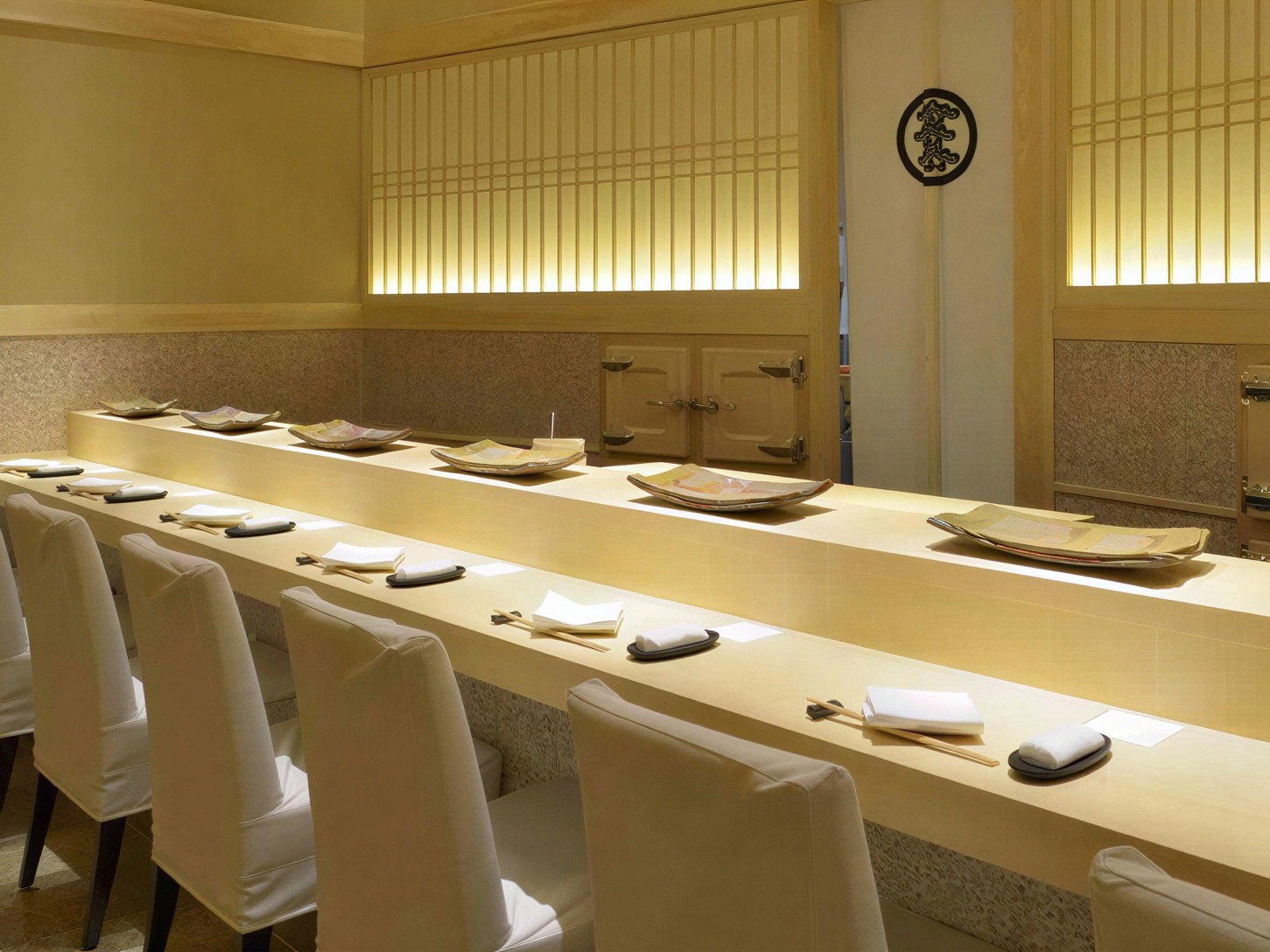
A Room That Takes Beef Seriously
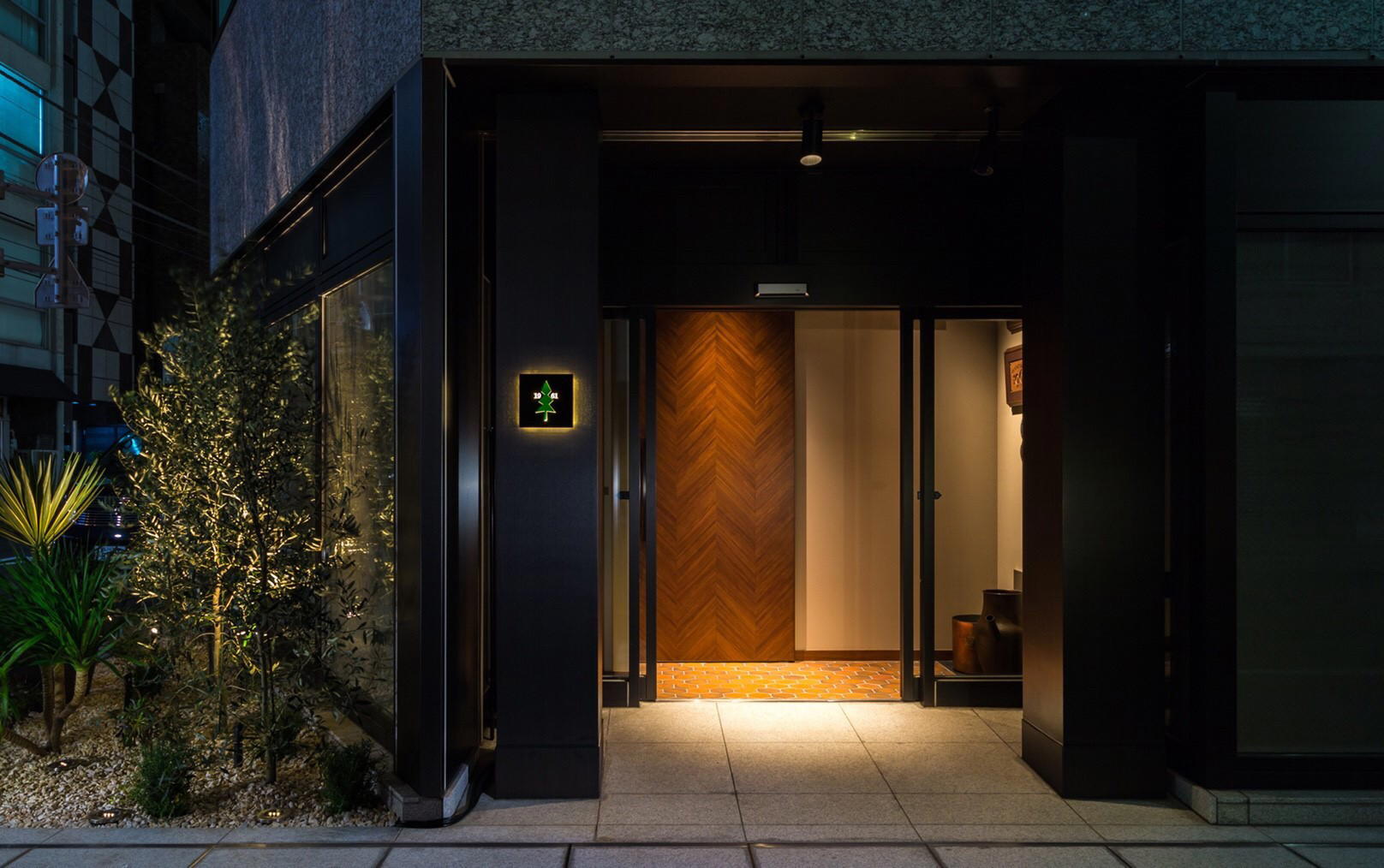
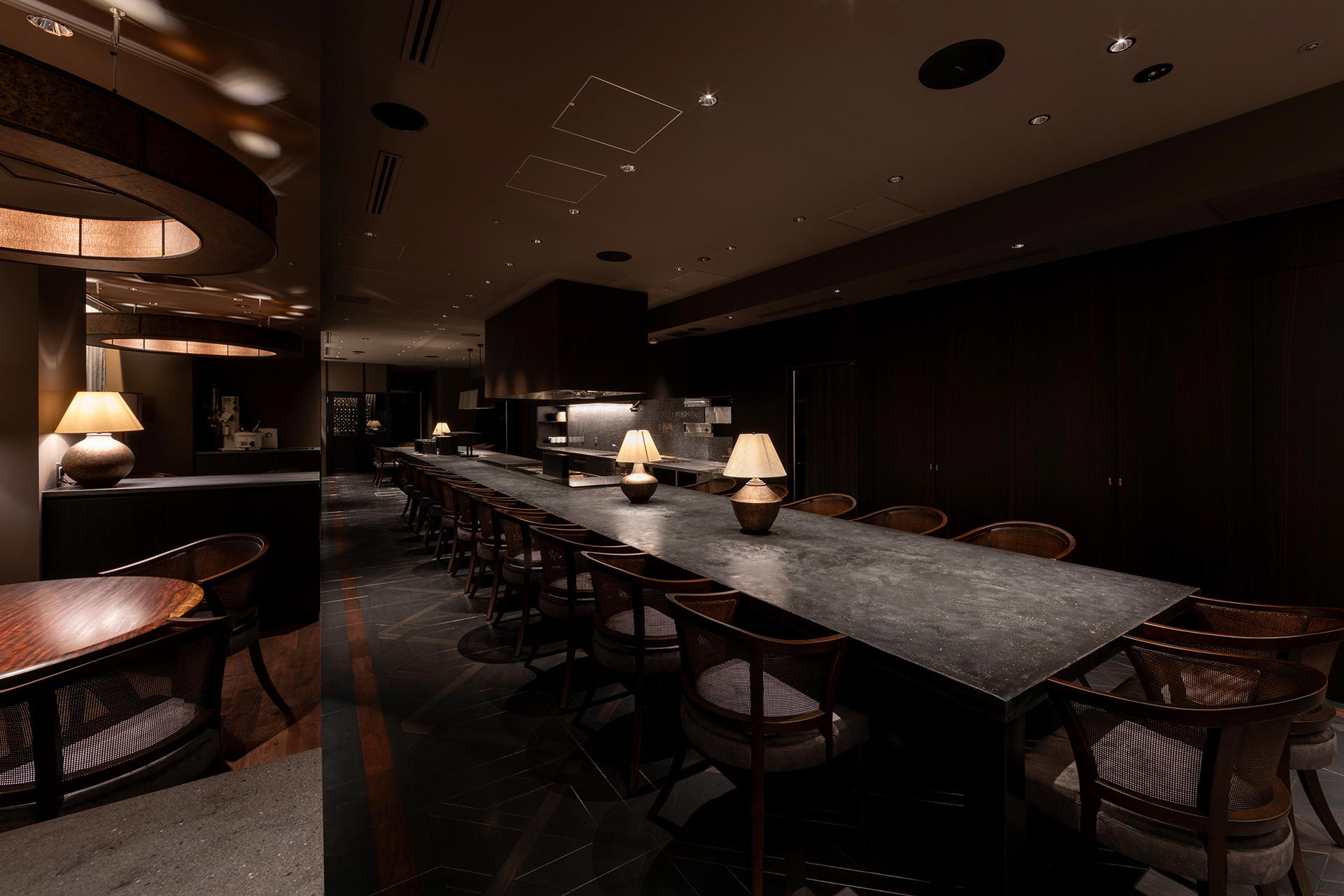
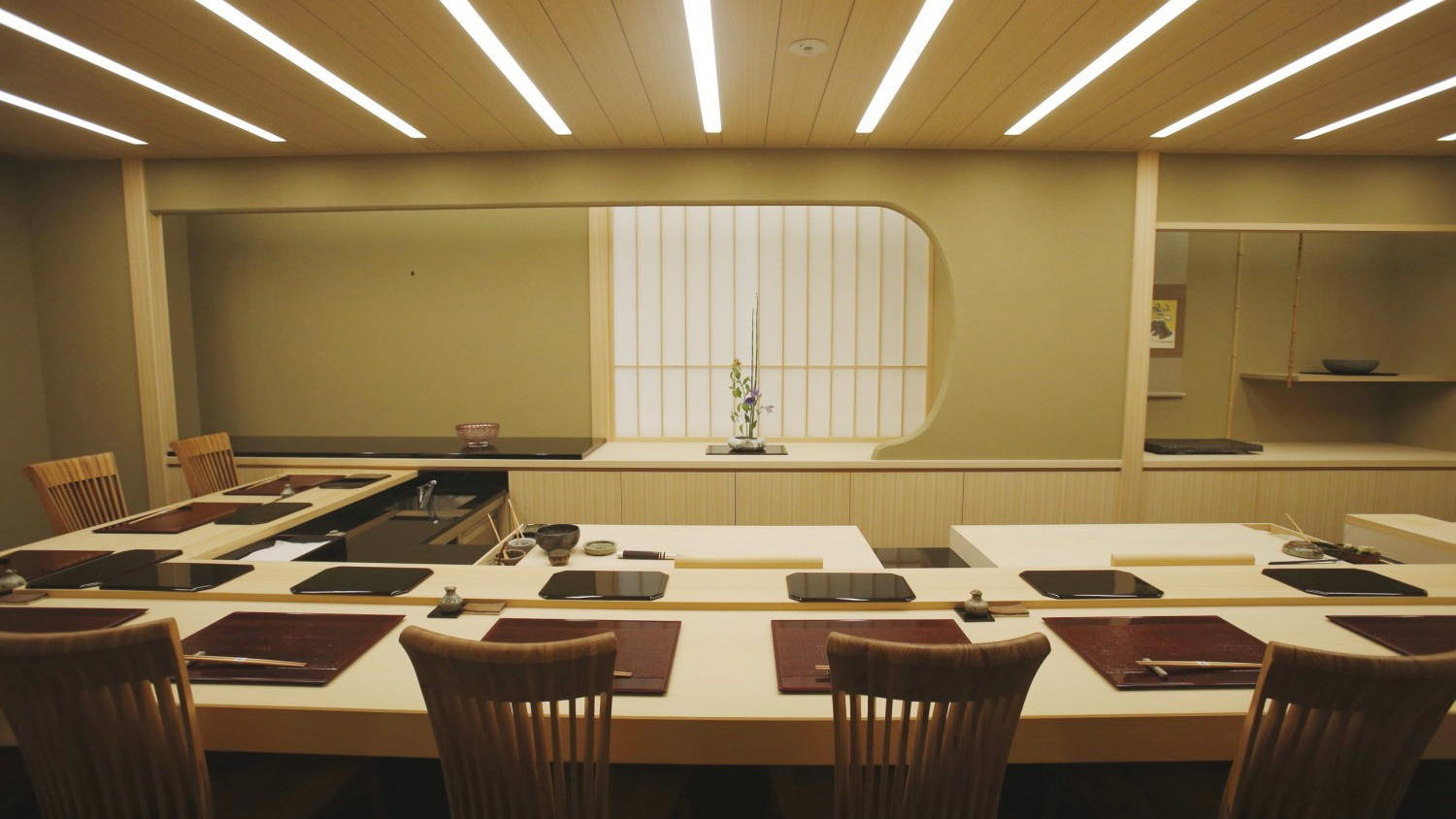
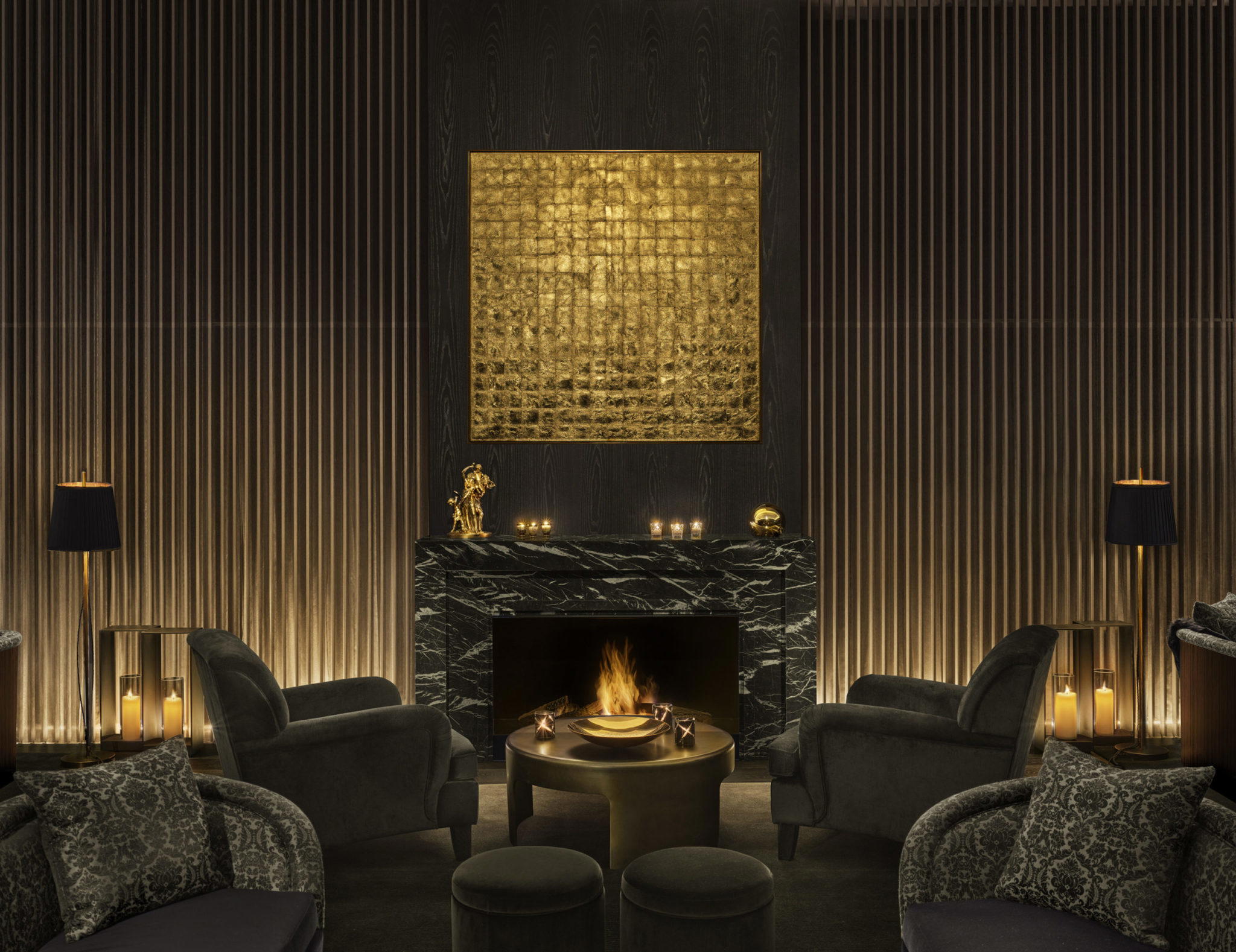
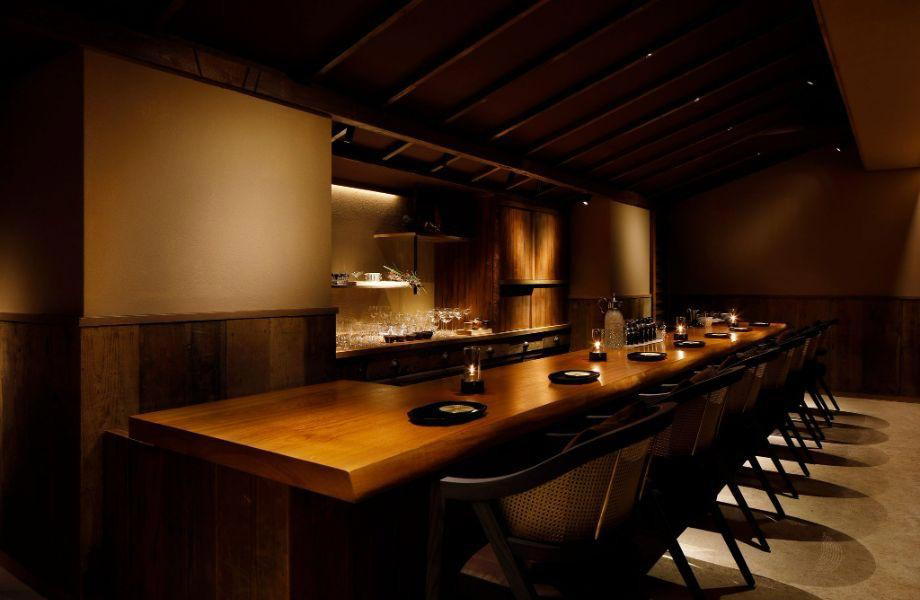
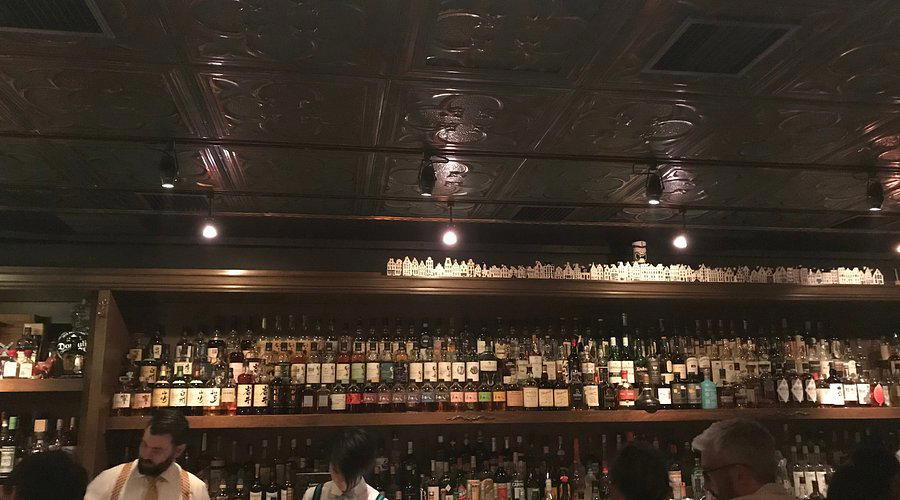
There are restaurants where the room signals ambition through noise and visual density, and there are rooms that signal it through deliberate quiet. Aragawa belongs to the latter register. The dining space operates at a hush that feels intentional rather than accidental, a physical environment shaped around the premise that what arrives on the plate warrants full attention. In Kobe, where the cattle trade has shaped local identity for well over a century, that proposition carries considerable weight.
Kobe's position in the global beef conversation is structural, not merely reputational. The city sits at the centre of Hyogo Prefecture's Tajima cattle tradition, and the designation "Kobe beef" applies only to Tajima-strain wagyu meeting strict grading thresholds, slaughtered at specific licensed facilities. A visitor arriving in the city expecting to encounter Kobe beef everywhere will find the genuine article is rarer and more localised than the export market suggests. Restaurants operating at the tier Aragawa occupies draw from this specific supply chain and position their offer accordingly.
The Sensory Register of the Room
The approach to dining at this level in Japan rarely announces itself through decoration. The rooms tend toward restraint: wood, ceramic, cloth, and controlled light. Sound dampens quickly. What changes as service progresses is olfactory rather than visual — the particular scent of binchotan charcoal and rendered Tajima fat has a quality distinct from other beef preparations, carrying a lower, slower aromatic note than the sharper profiles of leaner cuts or higher-heat cooking. For diners making their first visit to a Kobe beef restaurant at this price tier, the sensory experience begins well before the plate arrives.
Charcoal-based preparation is the dominant tradition for wagyu at the premium end of the Kobe market, and it remains one of the few cooking methods that does not push against the fat structure of highly marbled Tajima beef. High-heat searing can overwork that marbling; the charcoal approach applies a steadier, more distributed heat that allows the intramuscular fat to express gradually. The result on the palate is less about textural drama than about a long, quiet finish — a quality that has made this preparation the reference point for how Kobe beef should behave when treated correctly.
Where Aragawa Sits in Kobe's Dining Tier
Kobe's premium dining map covers more ground than its size might suggest. The city holds Michelin-starred restaurants across multiple categories, from kaiseki formats to European-inflected kitchens to specialist beef houses. Aragawa operates in the specialist beef category, a narrower cohort than the kaiseki tier but one that draws significant international traffic because of the specific credentialing that Kobe beef carries abroad. Visitors arriving from other parts of the Kansai region, perhaps after dining at HAJIME in Osaka or Gion Sasaki in Kyoto, will find the format here considerably more focused in scope than a multi-course kaiseki progression.
Within Kobe's own restaurant set, the city offers a wide range beyond beef. Ca Sento represents the Spanish-influenced side of Kobe's dining identity, while Kitanozaka Kinoshita anchors the Italian strand. Ash Restaurant, Fushin, and fuxing represent further points on the city's range. Aragawa's position is distinct from all of these: it sits in a category defined almost entirely by a single ingredient and the question of how well that ingredient has been sourced and prepared. There is no menu architecture to distract from that central question.
For comparative context across Japan's beef-specialist tier, Birdland in Sakai occupies an analogous specialist position in its own category, and Japan's charcoal-focused restaurants in regional cities share a similar logic: the cooking method and ingredient sourcing do the editorial work that elsewhere falls to technique or presentation complexity. Further afield, the precision-focused approach to a single core ingredient at restaurants like Le Bernardin in New York City, where the fish, not the chef's embellishment, is positioned as the subject, offers a useful structural parallel, even if the cuisines share nothing directly.
Planning a Visit
Kobe is accessible from Osaka in under thirty minutes by rail, which places Aragawa within easy reach of visitors based in the wider Kansai region. The city's dining tier is dense enough to support a full day's programme around a single dinner reservation here, particularly given the proximity of Kobe's port district, the Kitano-cho foreign settlement area, and several neighbourhood-level eating options in the surrounding streets. Given the restaurant's reputation and the limited volume of genuine Kobe beef available at this grade, reservations should be made well in advance, particularly for weekend evenings and the autumn period between October and December when domestic travel within Japan intensifies.
Those building a broader Japan itinerary around serious dining should consider how Aragawa fits within a Kansai sequence. akordu in Nara and Harutaka in Tokyo represent different ends of the formal dining register, while regional options such as Goh in Fukuoka extend the itinerary further. For those beginning research into Kobe's full dining range, our full Kobe restaurants guide maps the city's tiers more comprehensively, and listings across Japan including restaurants in Nanao, Sapporo, Takashima, Nishikawa Machi, and Atomix in New York City round out EP Club's broader coverage for itinerary planning.
Frequently asked questions
Is Aragawa good for families?
Aragawa is not designed around family dining. The restaurant occupies the quieter, more formal end of Kobe's dining tier, where the experience centres on deliberate pacing and a focused atmosphere. Young children would find little accommodation in that register, and most guests arrive as couples or small groups of adults.
What kind of setting is Aragawa?
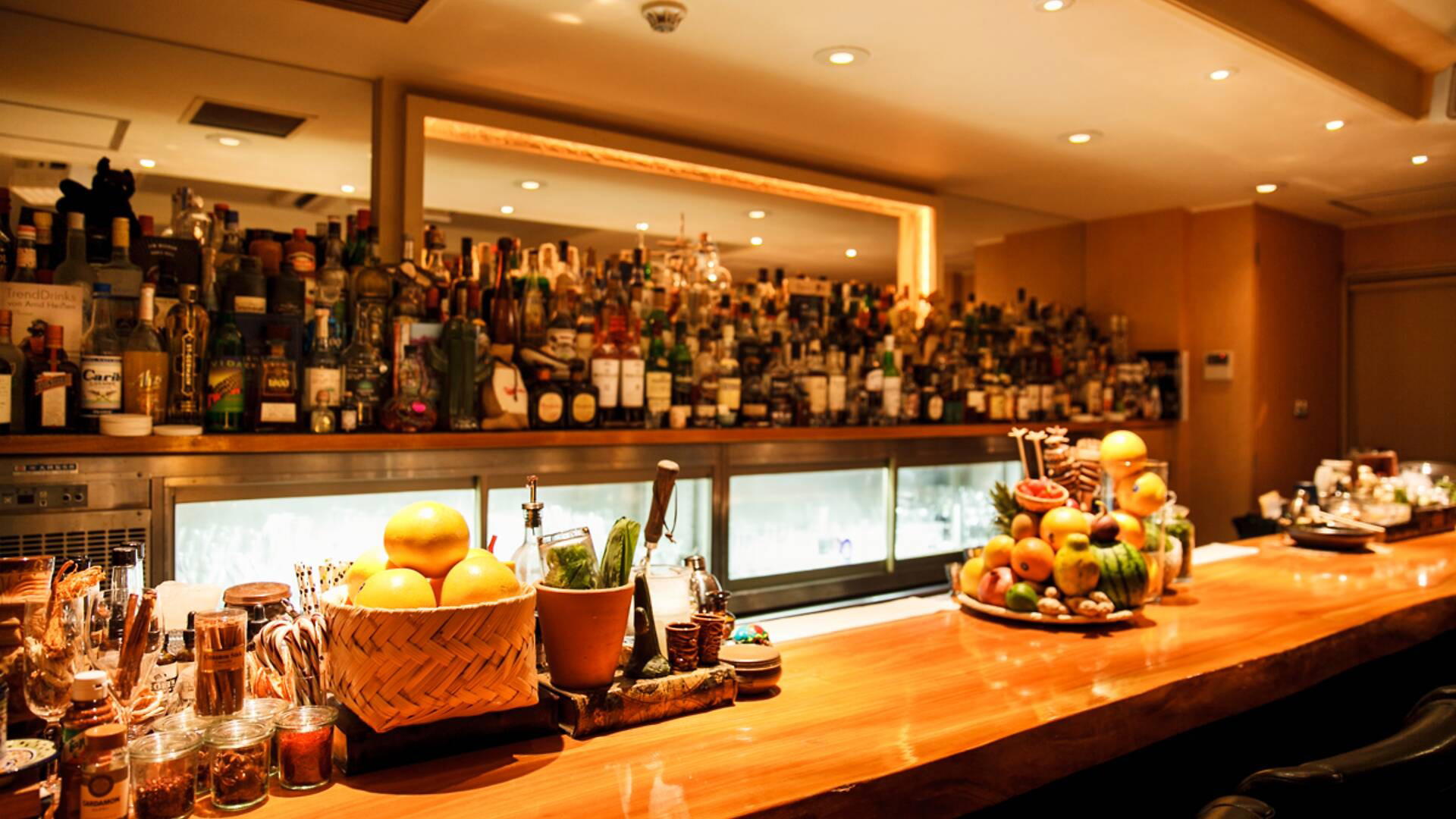
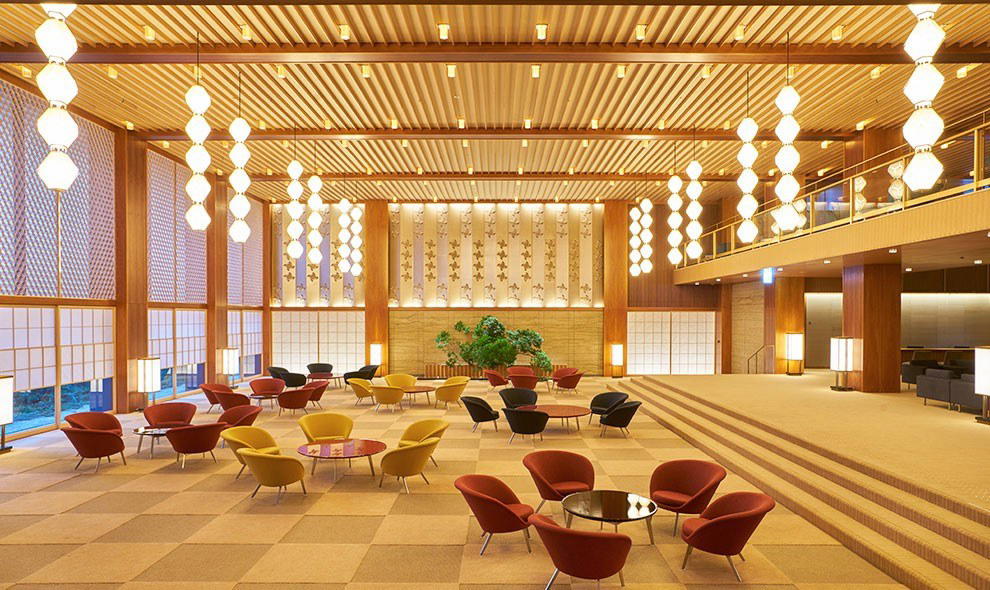
The setting follows the Japanese tradition of restraint in serious dining rooms: controlled noise levels, careful spacing between tables, and no visual clutter competing with the food. Kobe's premium restaurants in this category tend to signal quality through what is removed rather than what is added, and Aragawa holds that position.
How does Aragawa compare to other high-end beef restaurants in Kobe?
Kobe supports a range of premium beef restaurants across different formats, from teppanyaki counters to more classical dining rooms, but Aragawa is consistently cited in the same conversation as the city's most serious addresses for the ingredient. Its position in Kobe, where the wagyu designation originates, gives it geographic authority that restaurants outside the region cannot replicate.
What dish is Aragawa famous for?
Aragawa's reputation is built on Kobe beef, the city's defining product and one of the most tightly regulated designations in Japanese cattle production. The restaurant treats the ingredient with a directness that keeps preparation subordinate to the quality of the meat itself, which is the defining position in Kobe's top beef houses.
Comparable Options
Comparable venues nearby, for context on price, style, and recognition.
| Venue | Cuisine | Price | Awards | Notes |
|---|---|---|---|---|
| AragawaThis venue — the venue you are viewing | Kobe Beef Steakhouse | $300–500 | Not listed | Not listed |
| Teppanyaki Tajima | Teppanyaki Japanese Fine Dining | $50–100 | Tabelog 100 #33 | Chūō |
| kobe-Beef Steak Ishida.sannomiya-Shop | Kobe Beef Teppanyaki | Not listed | Not listed | Chūō |
| Teppanyaki Kokoro | Luxury Kobe Beef Teppanyaki | $100–150 | Tabelog 100 #41 | Chūō |
| Kobe Beef TANRYU | Kobe Beef Teppanyaki | $150–200 | Tabelog Bronze #454 | Chūō |
| Kobe Kikusui Teppanyaki Restaurant | Teppanyaki Kobe Beef Steakhouse | $100–150 | Not listed | Chūō |
Recognition history
Dated appearances from independent guides and award organizations, with the underlying list record or original source where available.
Opinionated About Dining Top Restaurants in Japan Highly Recommended
Opinionated About Dining




Details
- Elegant
- Sophisticated
- Classic
- Special Occasion
- Business Dinner
- Open Kitchen
- Sake Program
- Local Sourcing
- Set Menu
- Sake Program
Conventionally decorated steakhouse with exposed brick walls, carpet, and white linen tablecloths in a quiet, exclusive setting.