

A second-floor Italian restaurant in Kobe's Nakayamatedori district, Kitanozaka Kinoshita earns recognition on both La Liste's 2026 Top Restaurants list (86 points) and Opinionated About Dining's 2025 Japan rankings. Chef Noriyuki Kinoshita works within a tradition where Japanese precision meets Italian pasta technique, placing the restaurant in a small comparable set of serious European kitchens operating at high levels outside Tokyo and Osaka.
Pearl is the En Primeur Club membership app — saves, bookings, and concierge access live there. Same editors, same standards.
- Address
- Japan, 〒650-0004 Hyogo, Kobe, Chuo Ward, Nakayamatedori, 1 Chome−24−14 ペンシルビル 2F
- Phone
- +81 78-221-2261
- Website
- kitanozaka-kinoshita.com
- Directions
- Get directions
 Saves & bookings on Pearl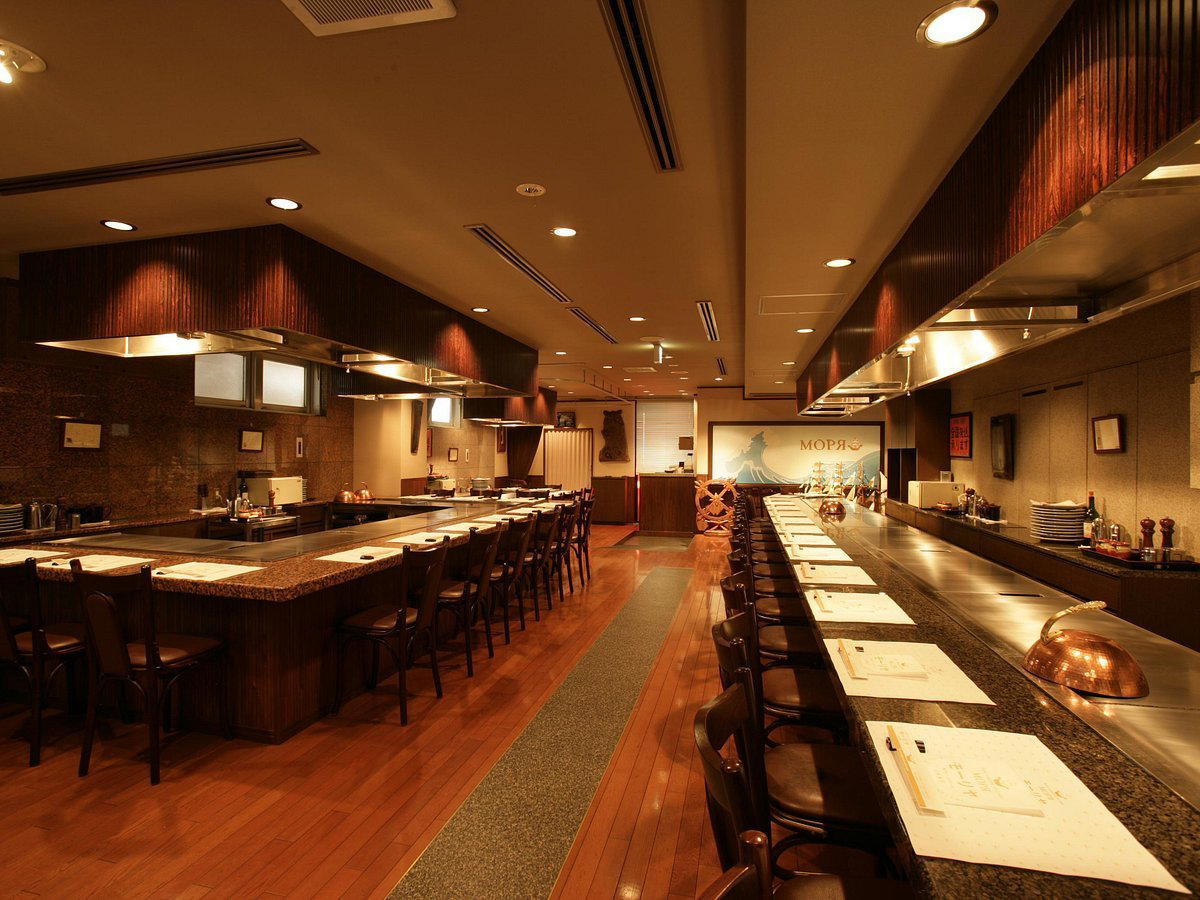
Italian Pasta Craft in Kobe's Hillside Quarter
Kitanozaka Kinoshita is a Kobe restaurant serving a Seasonal Italian Tasting Menu, with a price of about US$180 per person. The second floor of a low-key office building on Nakayamatedori, Kobe's sloping street that connects the city's old foreign concession area to its uphill residential neighbourhoods, is not the obvious address for a restaurant drawing international critical attention. Yet the geography makes a certain sense. Kobe has carried a European inflection in its food culture since the Meiji-era trading port opened to foreign residents, and the neighbourhood around Kitanozaka retains that layered quality: old Western-style facades beside contemporary shopfronts, a hillside calm distinct from the dense commercial energy of the waterfront below.
Arriving at the building, there is little theatre. A modest entrance, a staircase, and then a dining room that lets the food carry the weight. That restraint is broadly characteristic of how serious Italian cooking has developed in Japan: chefs trained in Italy or under Italian-trained predecessors who absorbed the lesson that the pasta itself, its texture, its sauce adhesion, its temperature at the moment of service, is the performance.
Where This Kitchen Sits in the Japanese-Italian Picture
Italian cooking in Japan occupies a distinctive position. It arrived in the 1980s and 1990s as a restaurant category, matured through a generation of Japanese chefs who staged in Italy and returned with both technical fluency and a Japanese attention to ingredient sourcing. By the 2010s, the better Japanese-Italian restaurants were no longer playing catch-up with Italian originals, they were operating in a parallel register, informed by the same traditions but inflected with local produce, different seasonal logic, and a precision in pasta work that has become a marker of the form at this level.
Kitanozaka Kinoshita sits within that developed tier. La Liste's 2026 ranking awarded the restaurant 86 points, placing it among a body of Japanese kitchens recognised by an evaluation system that draws on several hundred international guides and reviews rather than any single national framework. The concurrent Opinionated About Dining recognition in 2025, ranking the restaurant at number 340 among Japan's leading tables, positions it within a broader field that includes kaiseki institutions, omakase counters, and the smaller cohort of European-format restaurants that have earned sustained critical notice. For context, Kobe's wider fine dining scene spans Setsugekka for Kobe beef, Sushi Ueda at the sushi counter, and Uemura for kaiseki, Kinoshita occupies the Italian position within that spread, largely on its own terms.
The Pasta Tradition at Work
Italian pasta in a serious Japanese kitchen is worth understanding as a technical discipline before it is understood as a menu category. Handmade pasta requires a working knowledge of flour protein content, hydration ratios, and resting time that changes with humidity and season. The shapes determine sauce behaviour: a wide, rough-surfaced pappardelle holds a braised meat sauce differently from a smooth, thin tagliolini served with butter and white truffle, and the cook's job is to make that relationship feel inevitable rather than arbitrary. Japan's particular contribution to this discipline is a culture of consistency, the expectation that the same pasta shape will be executed to the same standard across every service, that aligns with Japanese professional kitchen values more broadly.
Chef Noriyuki Kinoshita works within this tradition. The restaurant's name carries his own, a signal of the kind of personal accountability that defines owner-chef operations at this level in Japan, where reputation is built service by service rather than through media profile. The cooking draws on Italian regional forms, the kind of work where a cacio e pepe is a test of technique rather than a crowd-pleaser, where the pasta-to-sauce ratio is a considered decision, and where the choice of flour and egg reflects a kitchen's position on what Italian pasta should feel like in the mouth.
For Italian cooking operating at a comparable level elsewhere in Japan, cenci in Kyoto represents another serious address in the Kansai region, while 8 1/2 Otto e Mezzo Bombana in Hong Kong offers a reference point for how Italian fine dining with multiple Michelin stars functions at the summit of the market in East Asia. Kinoshita operates at a different scale and register from both, but the comparison is instructive: the room, the price positioning, and the formality are all secondary to the quality of what arrives at the table.
Kobe as a City for This Kind of Restaurant
Kobe's dining scene is smaller and less documented internationally than Osaka's or Kyoto's, yet it carries genuine depth. The city's port history created an early appetite for Western food that persisted through successive generations, and the local eating culture places a premium on quality over spectacle. Restaurants at this level in Kobe tend not to compete for visibility, they accumulate regulars and earn recognition through the more deliberate channels of critical guides rather than social media cycles.
That context matters for how a restaurant like Kitanozaka Kinoshita should be understood. Its OAD and La Liste rankings reflect sustained quality over time, not a single strong year or a high-profile opening. For visitors to the Kansai region covering multiple cities, HAJIME in Osaka and Gion Sasaki in Kyoto represent other high-reference addresses within the same geography.
Planning a Visit
The restaurant is located at 1 Chome-24-14 Nakayamatedori, Chuo Ward, Kobe, on the second floor of the Pencil Building. The Nakayamatedori area is walkable from Sannomiya station, Kobe's main rail hub, making logistics direct for visitors arriving by shinkansen or limited express from Osaka or Kyoto. Given the small scale typical of Japanese-Italian restaurants at this level, booking well in advance is advisable, and reservations are appointment only.
What to Order at Kitanozaka Kinoshita
Frequently Asked Question
What should I order at the restaurant?
What the dual critical recognition from La Liste (86 points, 2026) and Opinionated About Dining (ranked 340 in Japan, 2025) suggests is a kitchen where pasta is the central discipline, the shapes, sauce construction, and ingredient sourcing that define serious Italian cooking in Japan at this level. Chef Noriyuki Kinoshita's approach, as reflected through the awards record, positions the restaurant as a place where the pasta course carries the meal's argument. Arriving without a fixed agenda and following the kitchen's current direction is the reasonable approach for a first visit, as is booking a table that allows time for a full progression rather than a single course.
Cuisine-First Comparison
Comparable venues nearby, for context on price, style, and recognition.
| Venue | Cuisine | Price | Notes |
|---|---|---|---|
| Kitanozaka KinoshitaThis venue — the venue you are viewing | Seasonal Italian Tasting Menu | $$$$ | Not listed |
| quarto | Pizza & Italian Trattoria | $$$ | Chūō |
| legno | Wood-Fired Italian | $$$ | Chūō |
| Bar Ciccia | Casual Italian Bar & Trattoria | $$ | Chūō |
| ESPICE | Modern Japanese-influenced French (Seafood-focused) | $$$$ | Chūō |
| Sushi Ueda | Traditional Kobe Omakase Sushi | $$$$ | Chūō |
Recognition history
Dated appearances from independent guides and award organizations, with the underlying list record or original source where available.
La Liste Top Restaurants
La Liste
Opinionated About Dining Top Restaurants in Japan Recommended
Opinionated About Dining
Opinionated About Dining Top Restaurants in Japan Ranked #340
Opinionated About Dining
Continue exploring
More in Kobe
Restaurants in Kobe
Browse all →
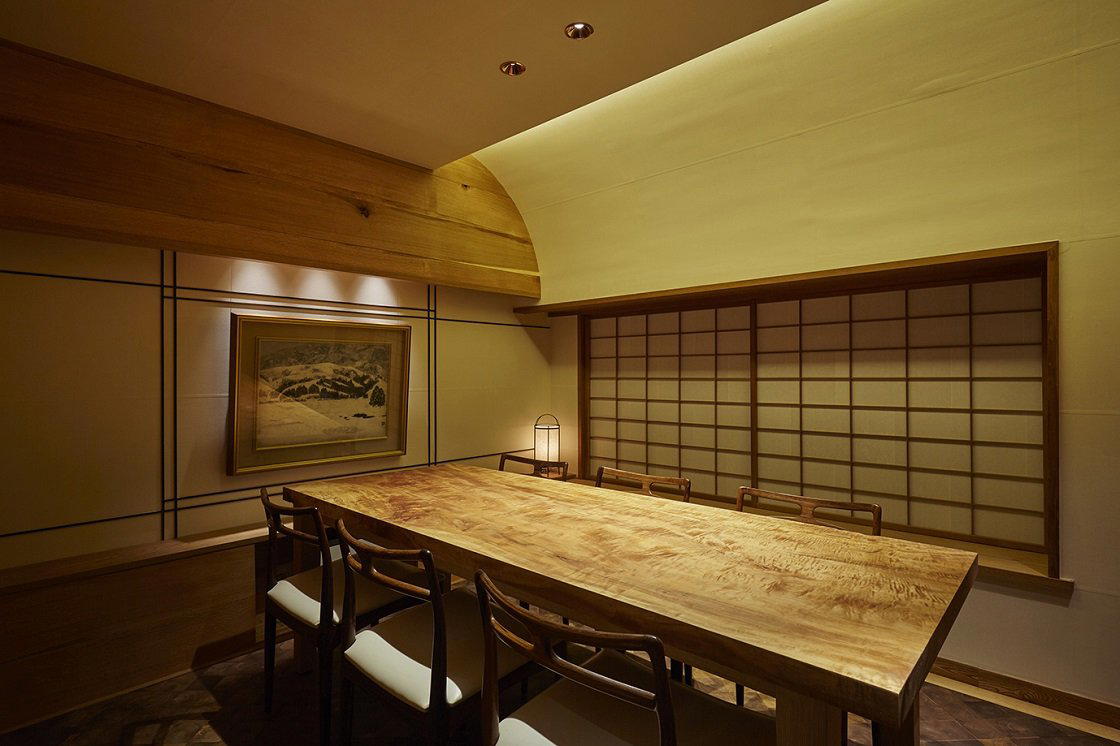
Bars in Kobe
Browse all →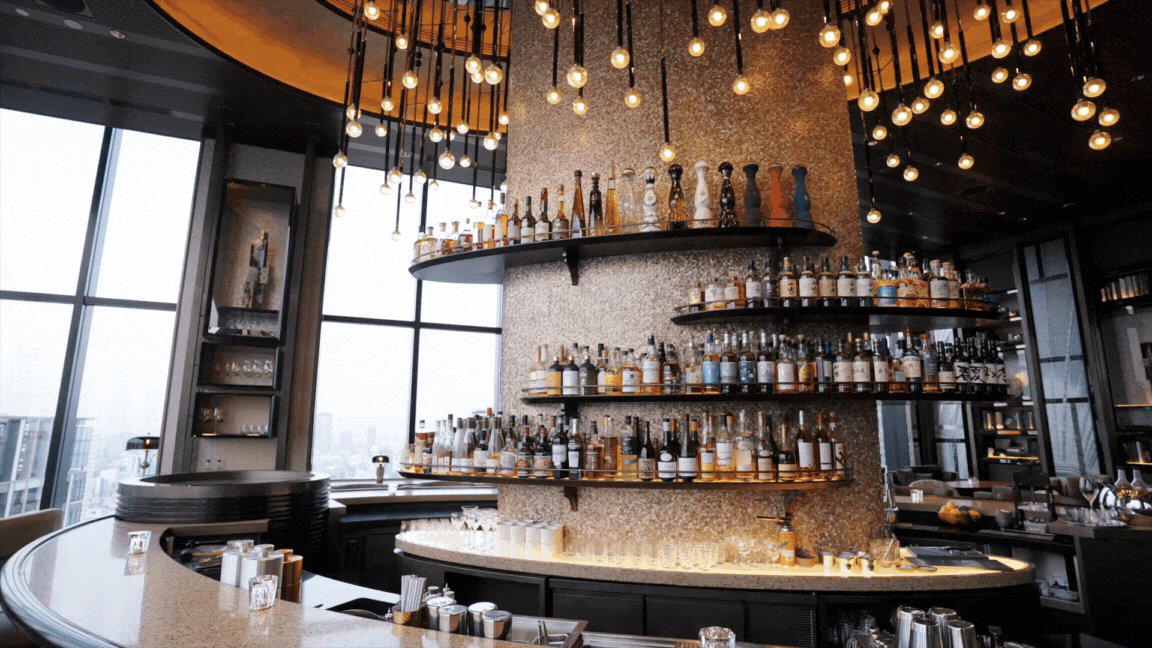
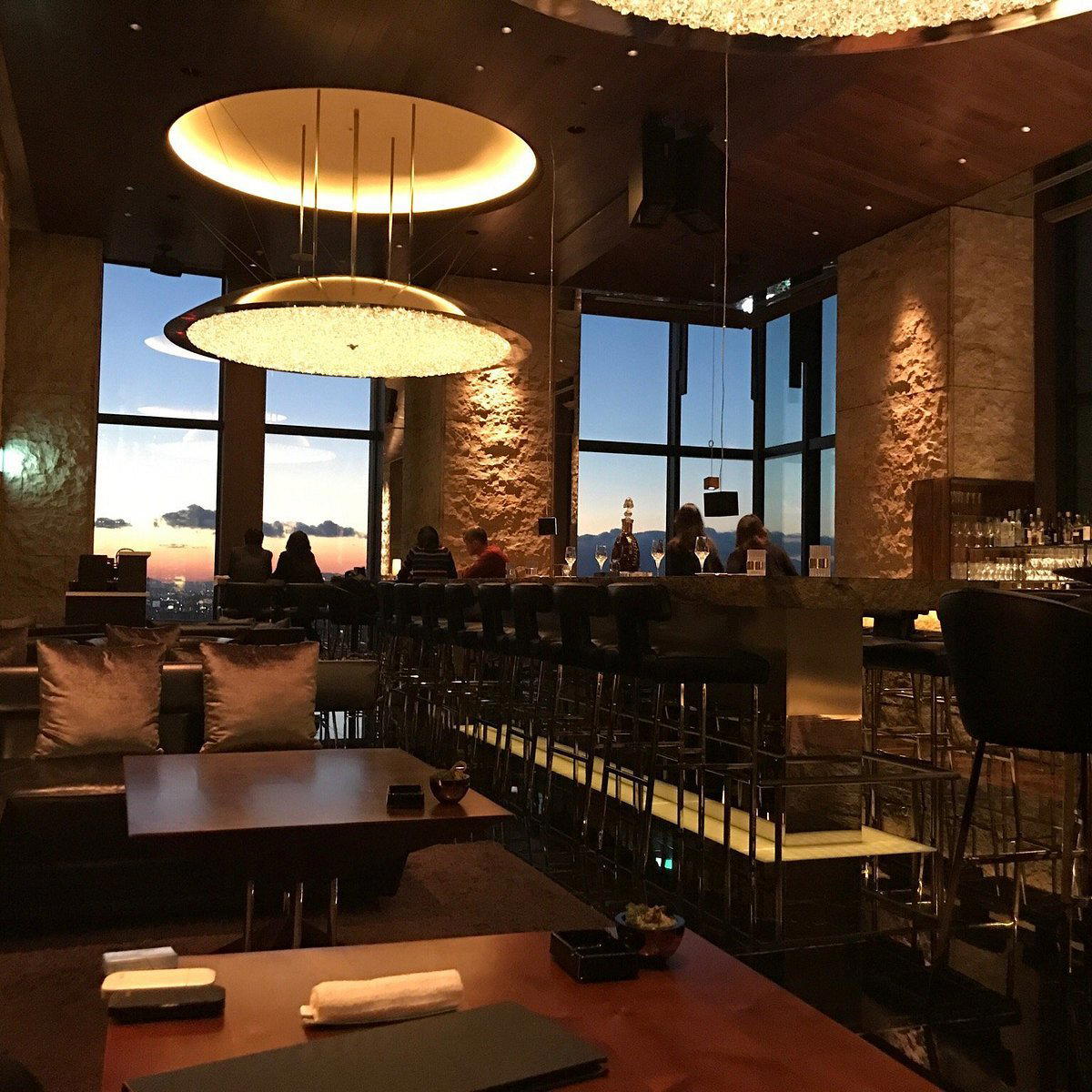
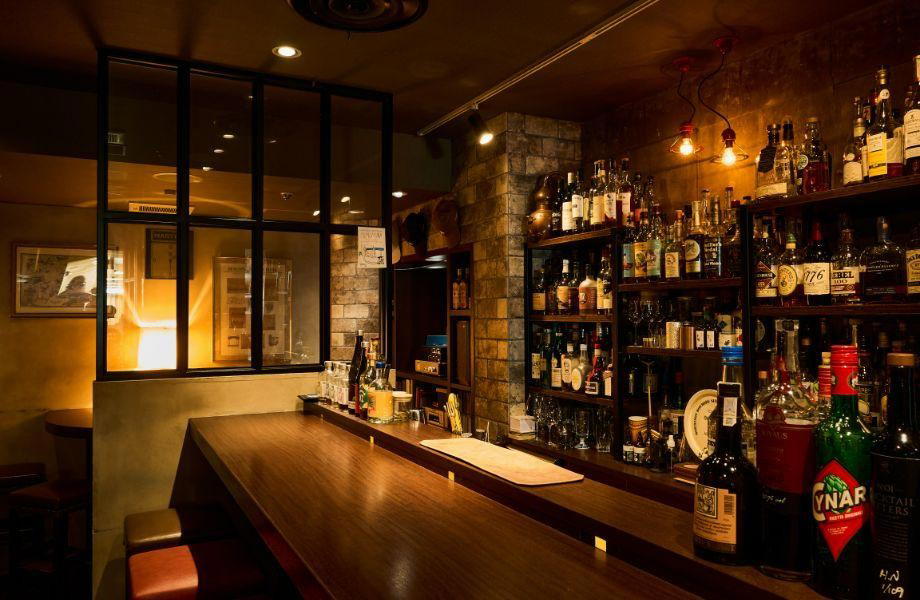
Hotels in Kobe
Browse all →


At a Glance
- Intimate
- Elegant
- Sophisticated
- Quiet
- Minimalist
- Special Occasion
- Date Night
- Celebration
- Chefs Counter
- Open Kitchen
- Sommelier Led
- Local Sourcing
- Farm To Table
Current opening hours
- Monday
- 6–8:45 PM
- Tuesday
- 12–2:30 PM, 6–8:45 PM
- Wednesday
- 12–2:30 PM, 6–8:45 PM
- Thursday
- 12–2:30 PM, 6–8:45 PM
- Friday
- 12–2:30 PM, 6–8:45 PM
- Saturday
- 12–2:30 PM, 6–8:45 PM
- Sunday
- Closed
Hours can change for holidays and private events. Last verified .
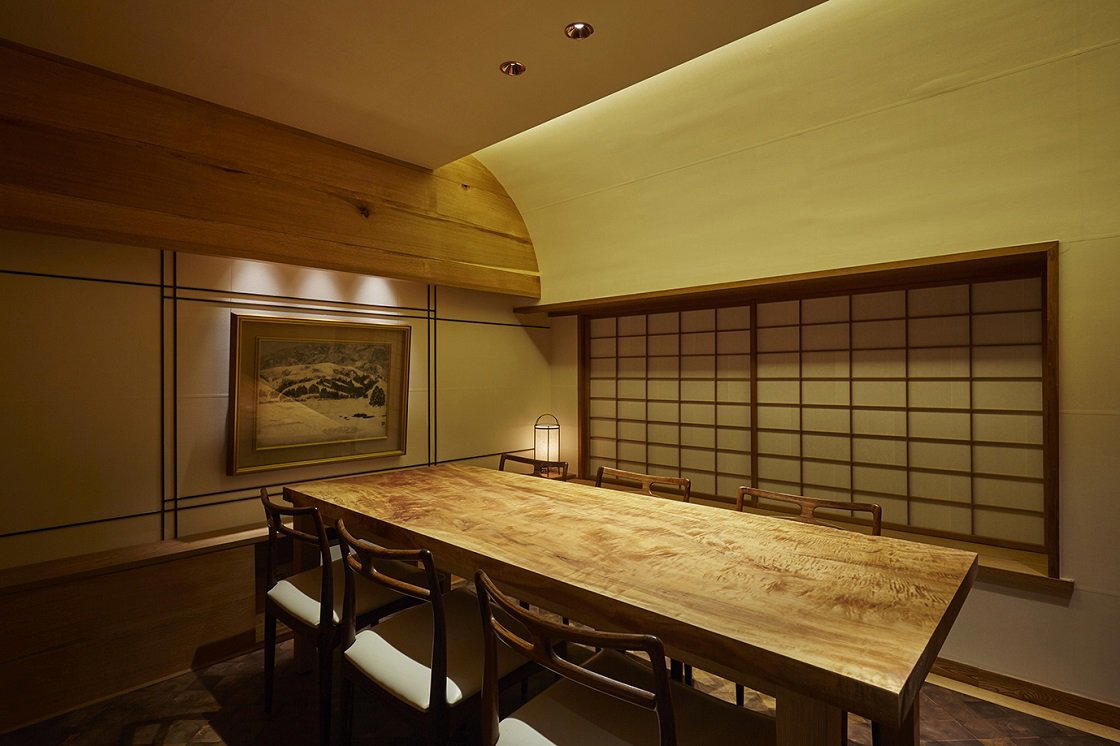
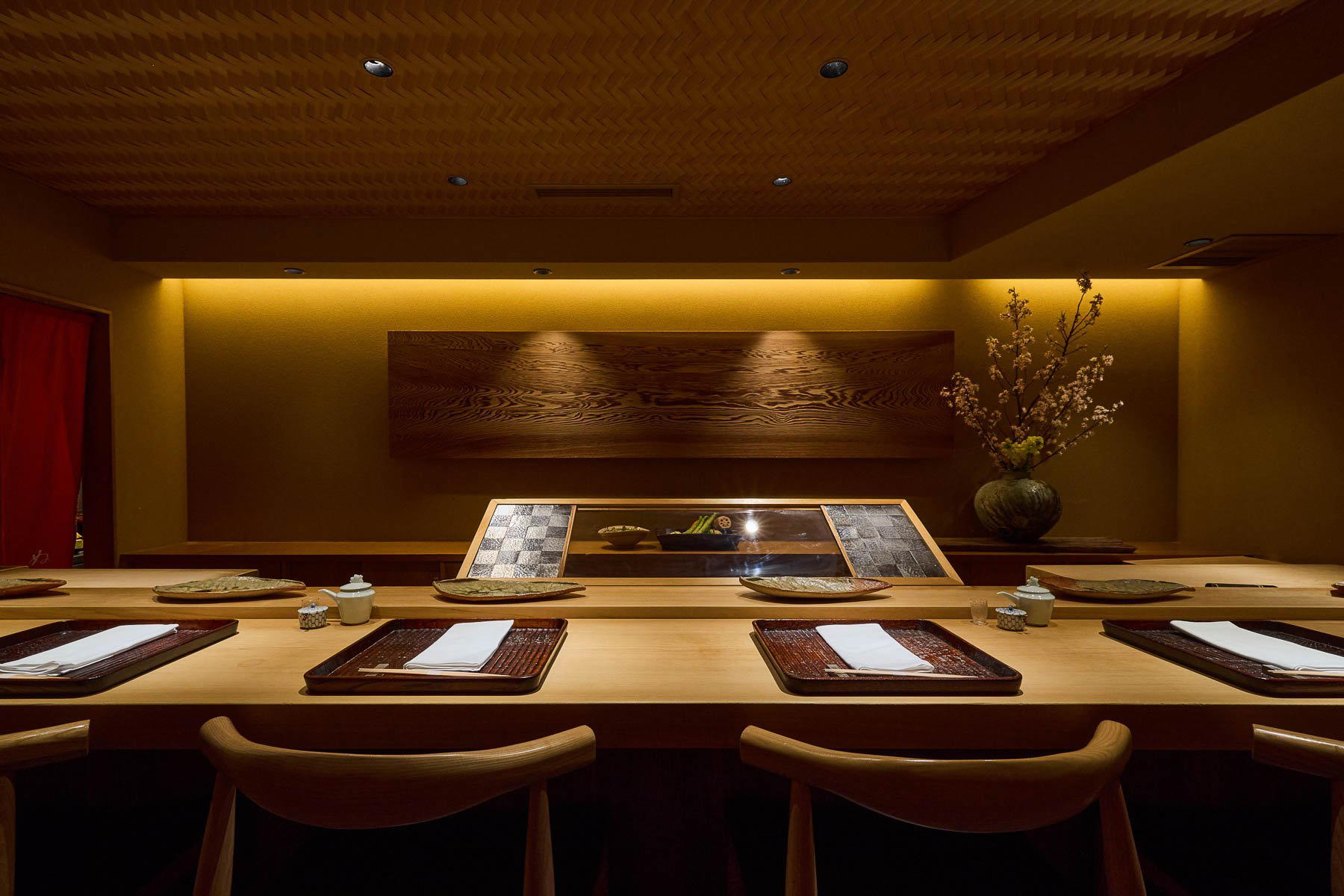
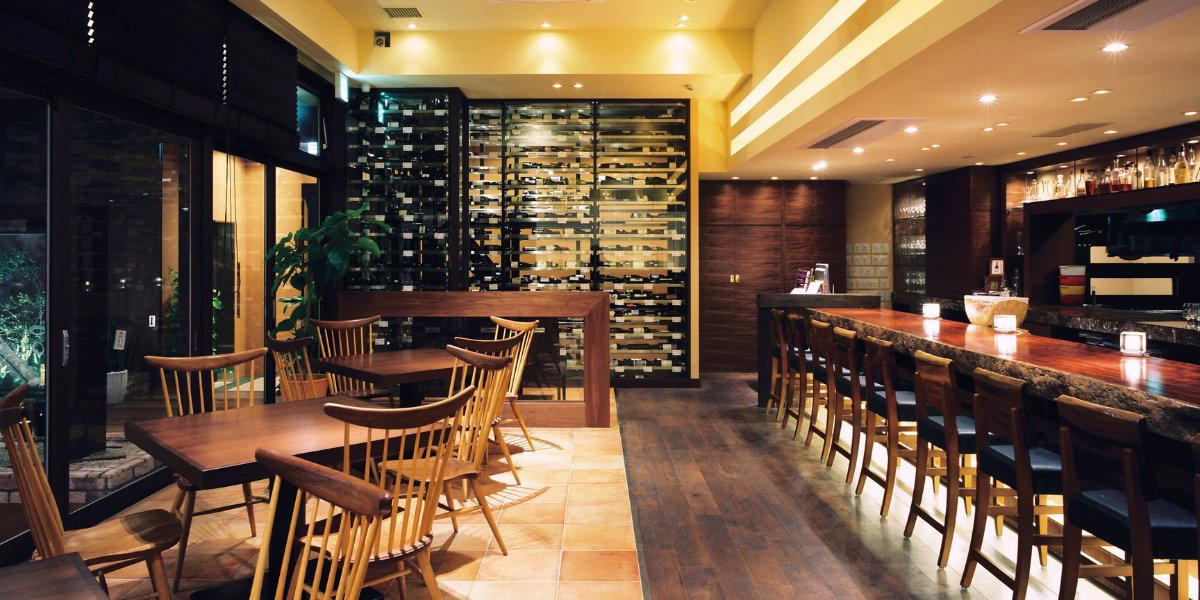
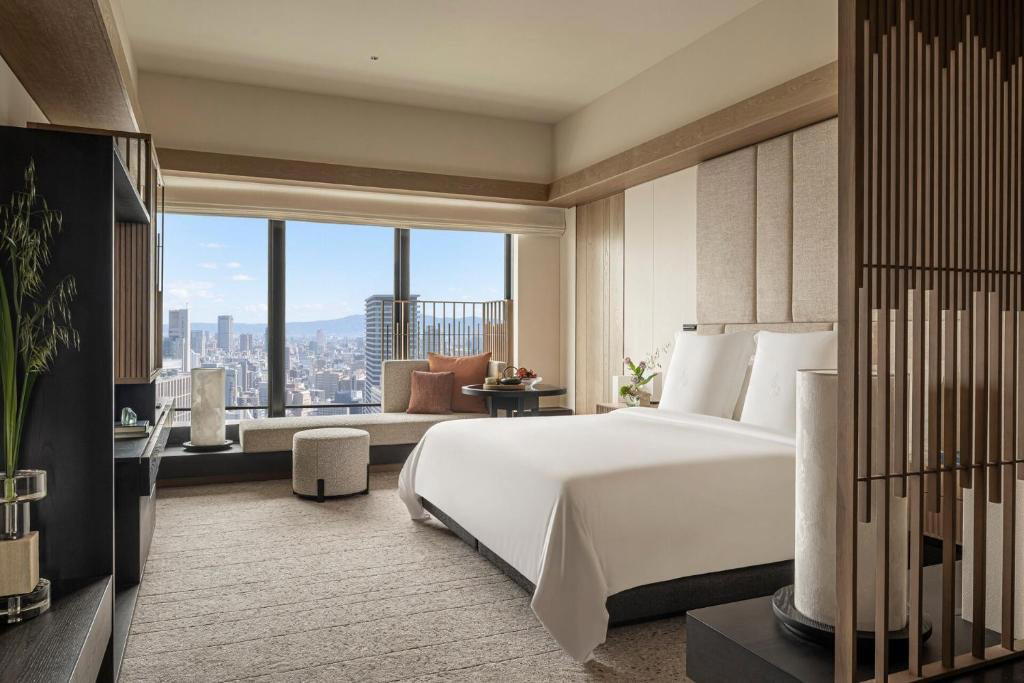
Neutral, minimalist interior on second floor with gentle, practical lighting; intimate counter layout with focus on kitchen activity; low sound level promoting quiet attentiveness to food and cooking rhythm.