Our verdict
Located within Huis Ten Bosch in Sasebo, Kissuitei sits at the intersection of Nagasaki's seafood heritage and the theme park resort's unusual dining ecosystem. The restaurant draws on the ingredient wealth of Kyushu's western coastline, where proximity to the East China Sea shapes what appears on the counter. For travellers passing through western Kyushu, it represents a considered stop in an area with more culinary depth than its tourist profile suggests.

Pearl is the En Primeur Club membership app — saves, bookings, and concierge access live there. Same editors, same standards.
- Address
- Japan, 〒859-3243 Nagasaki, Sasebo, Huis Ten Bosch Machi, 7-7 ホテルヨーロッパ
- Phone
- +81 956-27-0414
- Hours
- Mon ClosedTue 7–10 AM, 5:30–8:30 PMWed ClosedThu 7–10 AM, 5:30–8:30 PMFri–Sun 7–10 AM, 11:30 AM–2 PM, 5:30–8:30 PM
- Website
- huistenbosch.co.jp
- Directions
- Get directions
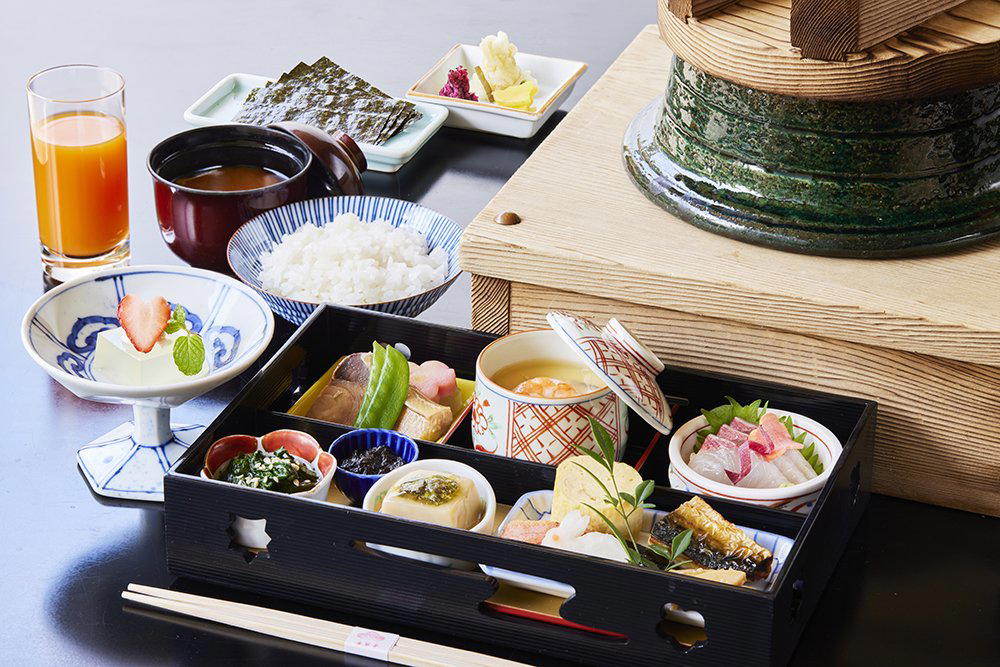
Sasebo and the Sea That Feeds It
Western Kyushu's coastline has long supplied some of Japan's most consequential seafood. The waters off Nagasaki Prefecture, where the East China Sea meets the Genkai Sea, produce a range of fish and shellfish that chefs in Fukuoka, Osaka, and Tokyo have quietly sourced for decades. Sasebo sits within this supply chain not merely as a transit point but as a city with direct access to that ingredient network. The question for any serious restaurant operating here is how faithfully it translates proximity into plate — and whether the cooking respects the source material or simply benefits from it by geography.
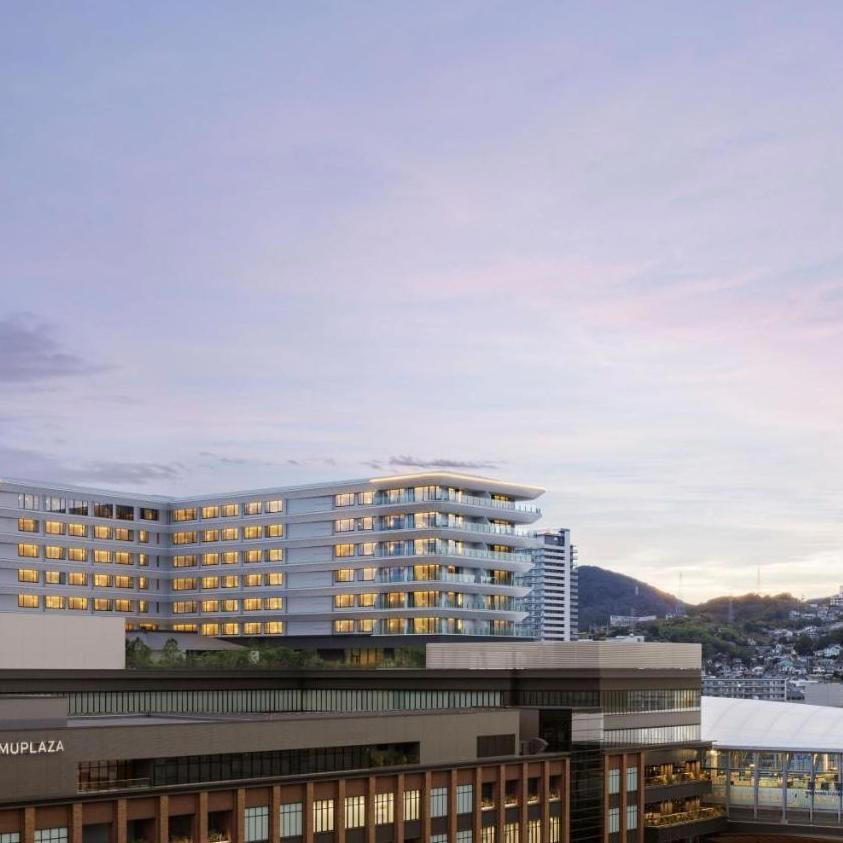
Kissuitei occupies an address within Huis Ten Bosch, the Dutch-themed resort complex that has been one of Sasebo's dominant tourism anchors since the early 1990s. That address raises an immediate editorial question: can a restaurant inside a theme park environment operate with the same ingredient rigour that defines Japan's serious regional dining? The answer, in parts of Japan where resort infrastructure and local agriculture genuinely intersect, is sometimes yes — and Sasebo's coastal position gives Kissuitei a credible claim on that supply chain.
What the Kyushu Coast Brings to the Table
Ingredient sourcing in western Kyushu follows a logic distinct from the more celebrated fishing ports of Hokkaido or the Sanriku coast. The East China Sea yields yellowtail, sea bream, and various flatfish varieties with a fat composition shaped by cooler, deeper water channels. Nagasaki Prefecture's aquaculture sector is one of Japan's most developed, with farmed species often meeting traceability standards that match or exceed wild-catch alternatives. For a restaurant in Sasebo to draw meaningfully on this, it needs relationships with local fishers and producers that go beyond purchasing through a general market.
The pattern of Japanese regional dining at this level, particularly in cities outside the major metropolitan circuits, tends to follow a kaiseki-adjacent structure where the season and the sea dictate the menu rather than a fixed repertoire. Venues comparable in positioning to Atomix in New York City or Le Bernardin in New York City operate from the same founding principle: the ingredient arrives first, and the technique follows. In Japan's regional tier, that principle is not aspirational, it is simply how serious kitchens have always worked.
For reference, Fukuoka's Goh in Fukuoka has built sustained recognition on exactly this sourcing discipline, drawing from Kyushu's fishing ports with a precision that positions it against Tokyo counters rather than regional peers. Kissuitei operates closer to Sasebo's own supply lines, which gives it a geographic advantage Fukuoka restaurants cannot replicate.
The Huis Ten Bosch Context
Huis Ten Bosch is a genuinely unusual dining context by Japanese standards. The resort spans over 150 hectares and draws significant visitor numbers, which means its restaurants operate under a different commercial pressure than a standalone city-centre venue. The risk, in any resort dining environment, is that the kitchen optimises for volume and accessibility at the cost of ingredient integrity. The better resort restaurants in Japan, and there are several worth serious attention, treat the captive audience as an opportunity rather than a constraint, sourcing locally and cooking with the same discipline they would apply in a competitive urban market.
Sasebo's broader dining scene rewards that discipline. The city has a more layered food culture than its primary associations, the American naval base, the Sasebo burger, Huis Ten Bosch itself, might suggest. Visitors who look beyond the obvious tourist infrastructure find a city with genuine access to Nagasaki Prefecture's ingredient wealth. Our full Sasebo restaurants guide maps that territory in detail for travellers who want to plan beyond a single reservation.
Placing Kissuitei in Japan's Regional Dining Tier
Japan's regional dining tier, the category of serious restaurants operating outside Tokyo, Osaka, and Kyoto, has received more international attention in recent years, partly because Michelin's regional guides have expanded and partly because travellers have grown more interested in eating where ingredients originate rather than where they are celebrated. Venues like Gion Sasaki in Kyoto, akordu in Nara, and HAJIME in Osaka represent different points on that spectrum, from traditional kaiseki to European-inflected innovation, but all share a commitment to sourcing that defines the serious end of Japanese regional dining.
Kissuitei's Sasebo address places it outside the circuits that generate the most critical attention. That is both a limitation and an argument in its favour: a restaurant operating without the pressure of constant critical scrutiny can sometimes maintain a more direct relationship with its ingredient sources. The comparison set for a venue in this position is not the Michelin three-star counters of Tokyo, venues like Harutaka in Tokyo, but rather the regional restaurants across western Japan that serve a local and regional clientele with serious seasonal cooking.
Across Japan's western arc, comparable regional venues include 一本杉 川嶋 in Nanao, 湯治屋 in Takashima, and 古代山乃 in Sapporo, each operating from a position of geographic specificity rather than metropolitan ambition. 庭羽屋 in Nishikawa Machi represents a similar dynamic in the Tohoku region. The pattern is consistent: ingredient access shapes the kitchen's identity more than any other single factor.
Planning a Visit
Reaching Kissuitei involves arriving at Huis Ten Bosch, which is accessible by direct JR Seaside Liner service from Nagasaki (approximately 90 minutes) or from Hakata station in Fukuoka (approximately 100 minutes via limited express). The resort operates its own transport network within the grounds. Travellers combining this with wider Kyushu itineraries may also want to reference Denko Sekka in Hiroshima and Birdland in Sakai for the western Japan corridor, or bodai in 那智勝浦町 and Blue Ocean Steak in Nakagami District for the broader regional picture. Bistro Ange in Toyohashi and Cafe Naoshima Konichiwa in Naoshima round out the Setouchi and central Japan options for travellers building a longer itinerary.
Frequently asked questions
Would Kissuitei be comfortable with kids?
The Huis Ten Bosch resort setting works in families' favour here. Unlike a city-centre counter in Tokyo or Osaka, where the room is oriented entirely toward the meal, a resort dining room within a 150-hectare theme park implies more tolerance for the rhythms of family dining.
How would you describe the vibe at Kissuitei?
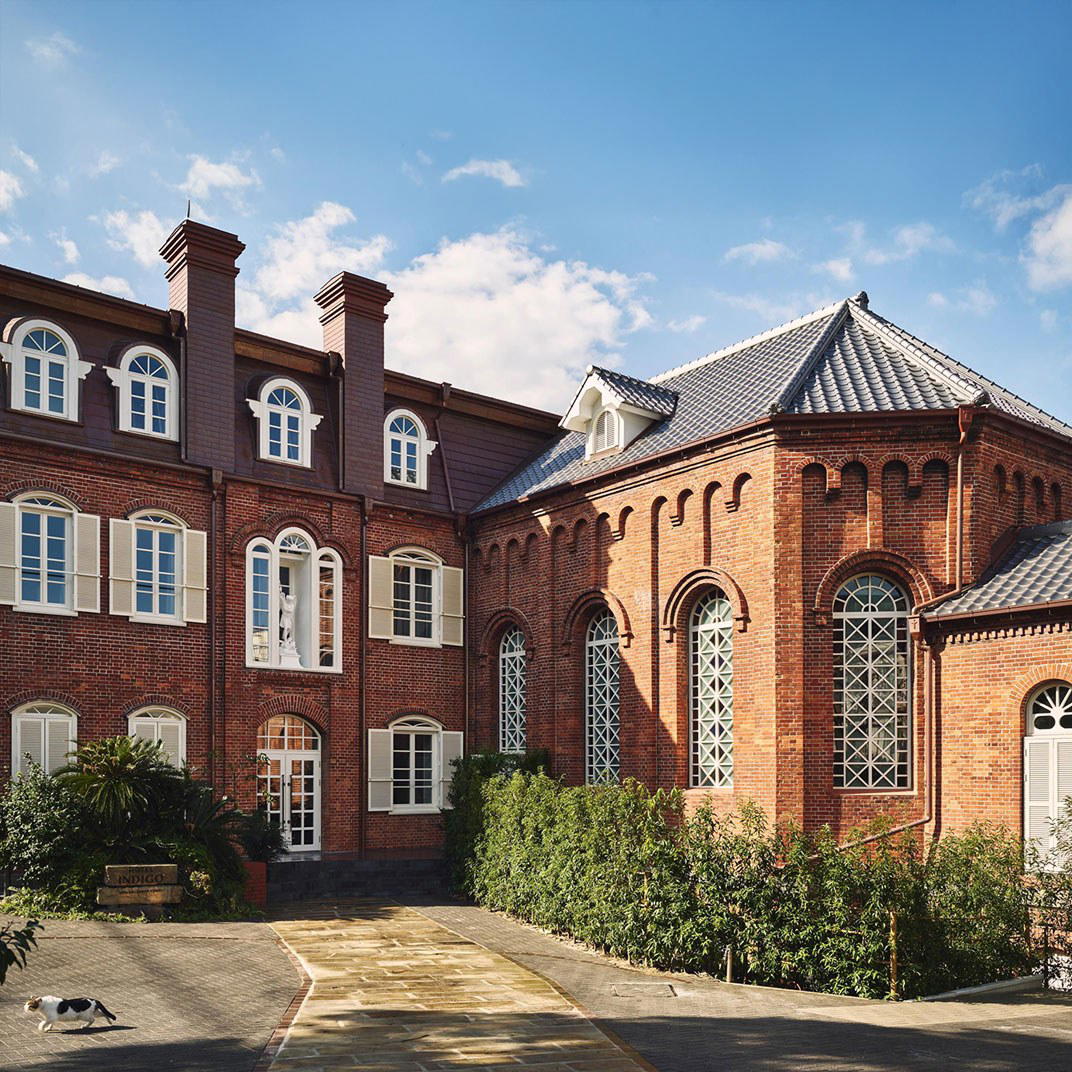
Kissuitei sits inside Huis Ten Bosch, a resort built around Dutch architectural pastiche in Sasebo, Nagasaki Prefecture — which creates an atmosphere with no real parallel in Japan's conventional restaurant scene. The resort draws large visitor numbers and operates at a register that most serious Japanese restaurants deliberately avoid.
Is Kissuitei a good option for travellers arriving by train from Nagasaki city?
Kissuitei is accessible via the JR Seaside Liner service from Nagasaki, a journey of approximately 90 minutes that terminates at Huis Ten Bosch station, placing the resort — and the restaurant — within direct reach without a car. For travellers building an itinerary around Nagasaki Prefecture's regional food culture, that rail link makes Sasebo and the Huis Ten Bosch dining options a practical day-trip or overnight extension rather than a logistical detour.
What's the signature dish at Kissuitei?
What the location does establish is a strong ingredient argument: Nagasaki Prefecture's coastal waters, where the East China Sea meets the Kyushu coastline, produce seafood that is commercially and culinarily significant across western Japan.
Where do I go for Kissuitei?
Kissuitei is located at Japan, ã859-3243 Nagasaki, Sasebo, Huis Ten Bosch Machi, 7-7 ããã«ã¨ã¼ããã, Sasebo.
Comparable Spots, Quickly
Comparable venues nearby, for context on price, style, and recognition.
| Venue | Cuisine | Price | Awards | Notes |
|---|---|---|---|---|
| KissuiteiThis venue — the venue you are viewing | Japanese Kaiseki | $100–150 | Not listed | Not listed |
| Asakura | Japanese Steak Salon | $30–50 | Tabelog 100 #78 | Sasebo |
| Omura Wan | Teppanyaki Japanese Fine Dining | $150–200 | Tabelog 100 #71 | Huis Ten Bosch |
| Base Street | Sasebo burger shop in a historic air-raid shelter | $10–20 | Tabelog 100 #17 | Tonoocho / Tonneru Yokocho (near Sasebo Chuo) |
| Shitamachi no Yoshoku Jidaiya | Japanese Western (Yoshoku) | Not listed | Tabelog 100 #100 | Yoshifukucho |
| Stamina Honpo Kaya | Sasebo burger & hamburger shop | $1–10 | Tabelog 100 #78 | Yamatocho |
Continue exploring
More in Sasebo
Restaurants in Sasebo
Browse all →
Details
- Elegant
- Cozy
- Sophisticated
- Special Occasion
- Family
- Hotel Restaurant
- Sake Program
- Local Sourcing
- Sustainable Seafood
- A La Carte
- Halal
Current opening hours
- Monday
- Closed
- Tuesday
- 7–10 AM, 5:30–8:30 PM
- Wednesday
- Closed
- Thursday
- 7–10 AM, 5:30–8:30 PM
- Friday
- 7–10 AM, 11:30 AM–2 PM, 5:30–8:30 PM
- Saturday
- 7–10 AM, 11:30 AM–2 PM, 5:30–8:30 PM
- Sunday
- 7–10 AM, 11:30 AM–2 PM, 5:30–8:30 PM
Hours can change for holidays and private events. Last verified .
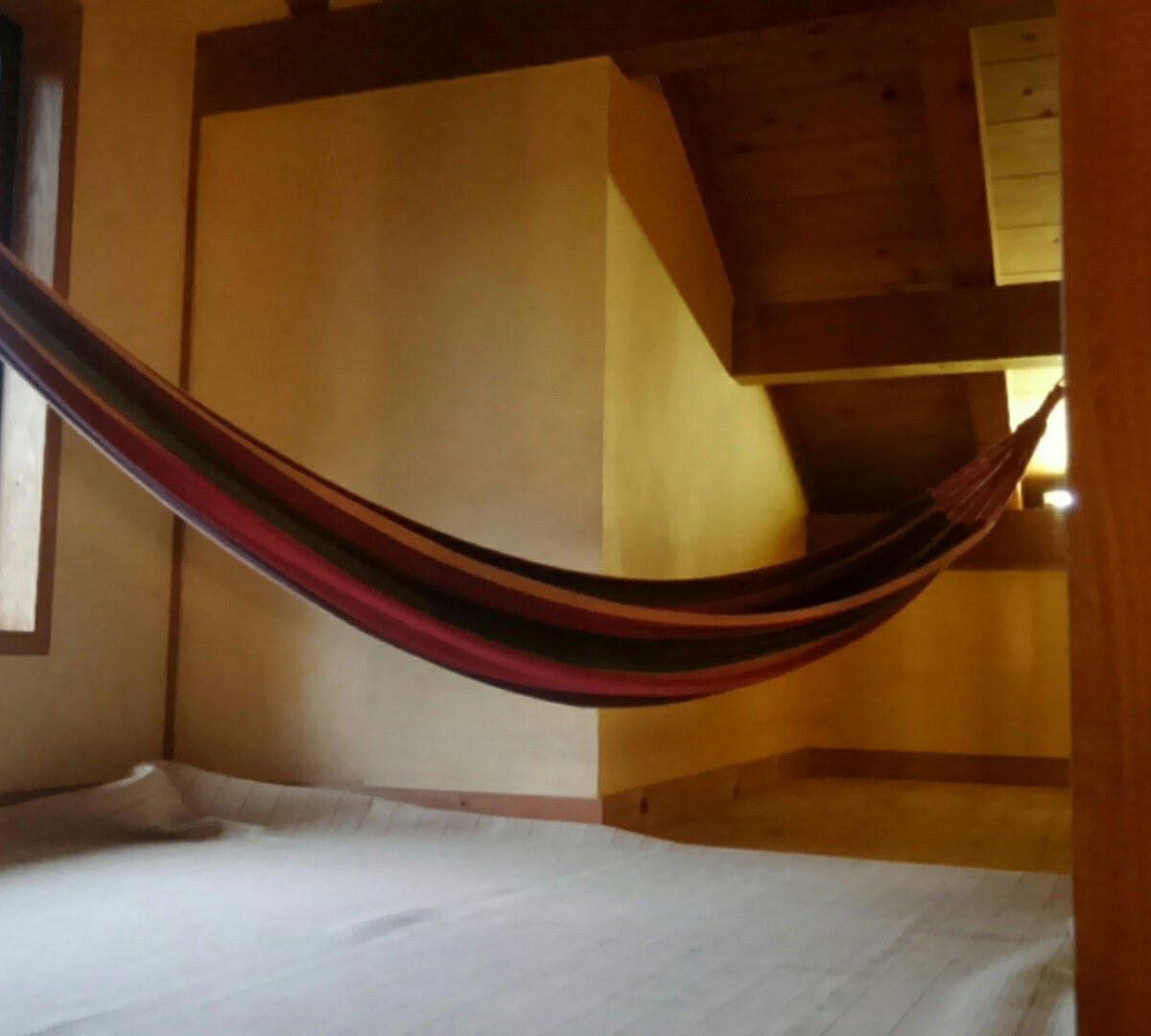
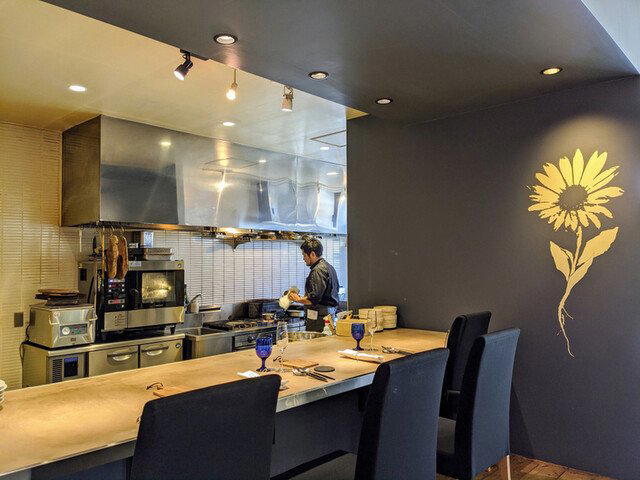
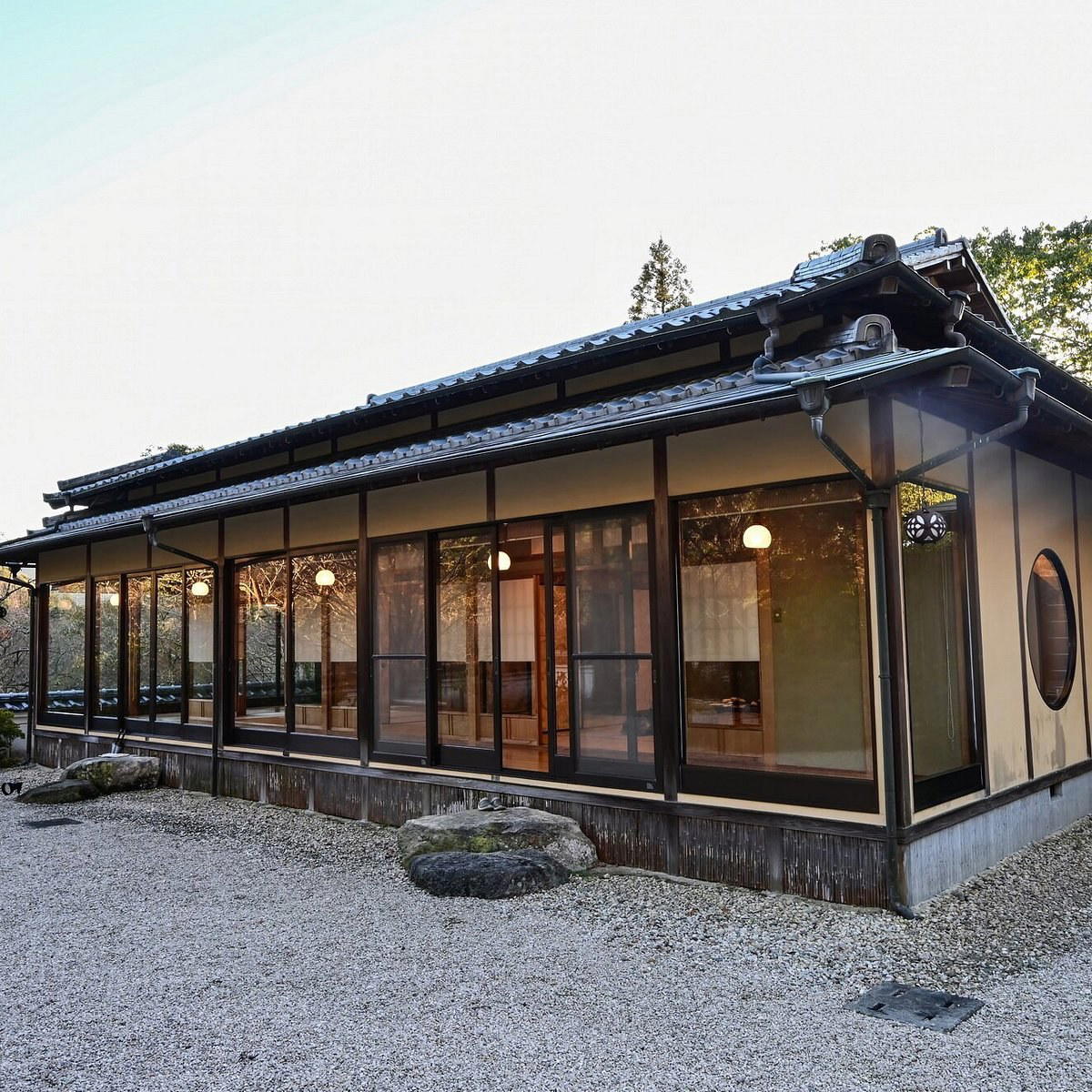
Cherished Japanese-style space with contemporary and eclectic arrangement, appreciated for its calm atmosphere.