
Tabelog 100 #6
Our verdict
Lion gives Imari’s steak and teppanyaki scene a serious regional reference point, with Tabelog 100 Steak / Teppanyaki WEST selection in 2025 and an earlier 2022 selection behind it. The appeal is less about theatre than sourcing logic: in Saga, beef is not an imported luxury cue but part of the prefecture’s dining identity, and this house-format room keeps the focus close to the grill.

Pearl is the En Primeur Club membership app — saves, bookings, and concierge access live there. Same editors, same standards.
- Address
- 86-3 Niricho, Imari, Saga 848-0035, Japan
- Phone
- +81 955-23-9772
- Hours
- Mon–Tue 11:30 AM–1:30 PM, 5–8:30 PMWed ClosedThu–Fri 11:30 AM–1:30 PM, 5–8:30 PMSat–Sun 11:30 AM–2:30 PM, 5–8:30 PM
- Website
- imari-lion.com
- Directions
- Get directions
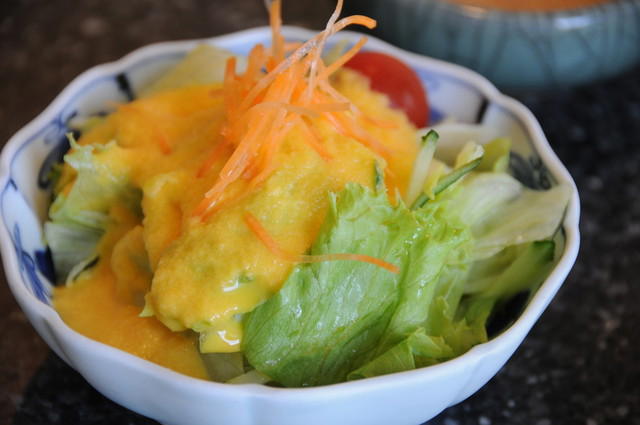
The menu
What to order
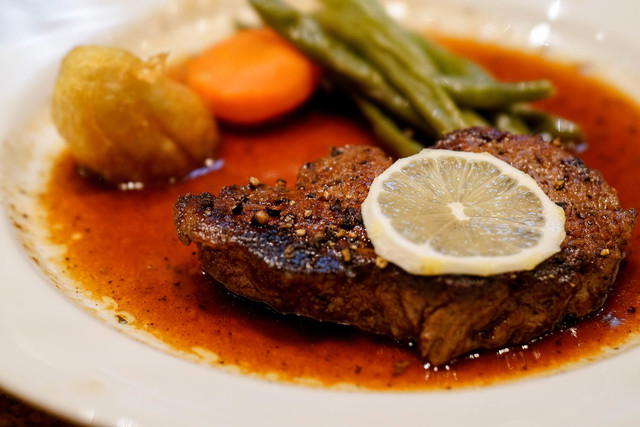
- Special Wagyu Fillet Steak set
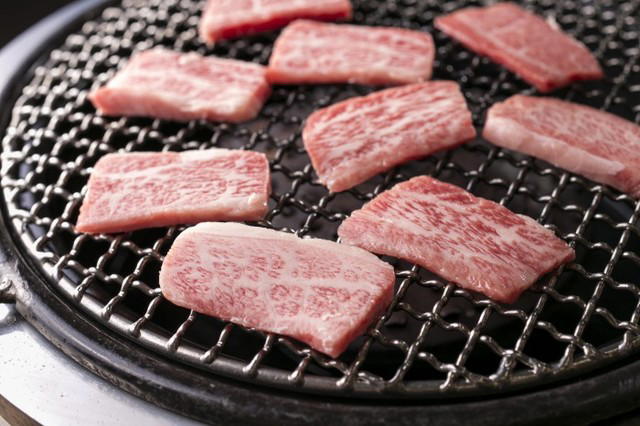
- Imari beef steak
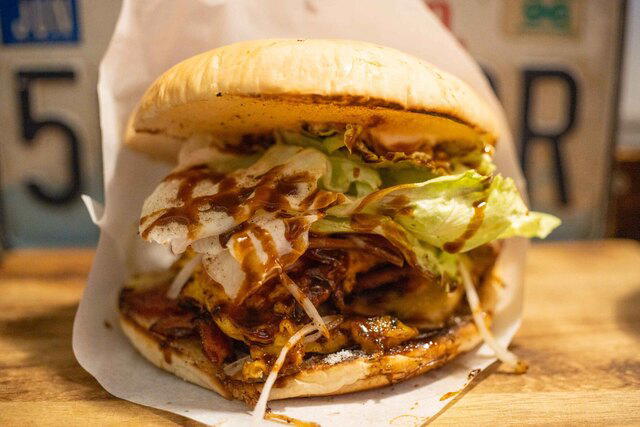
- Hamburg steak grilled on teppan
Approach in Imari is quieter than the metropolitan steak-counter ritual: fewer glass towers, less ceremony at the door, more sense that the room belongs to its town. That matters for teppanyaki. The format can tip into performance in larger cities, but in Imari it reads differently, because the meal is framed by a compact local dining scene rather than by big-city spectacle. Lion sits in that context, a teppanyaki and steak restaurant where the grill is the organizing idea rather than a stage set.
Imari’s dining map is compact, and that makes price tier and category easier to read. Casual local staples such as Drive-in Tori Imari ten occupy a different lane, while Kate cuore and Restaurant Chimney show how small-city dining here spreads across different moods, local comfort, and destination-minded meals. For a wider read on the city, start with our full Imari restaurants guide, then map the trip through our full Imari hotels guide, our full Imari bars guide, our full Imari wineries guide, and our full Imari experiences guide.
Imari gives the grill its reason to exist
Steak and teppanyaki in Japan often split into two languages. One is urban luxury, where polished counters and high-spend pacing define the night. The other is regional dining, where the value is not only the category but the confidence of serving it in a place with its own rhythm. Imari belongs to the second conversation. The local frame changes the way a steak restaurant is judged: the experience is not decorative context, it is the premise.
The 2025 Tabelog Hyakumeiten selection places Lion inside a competitive western Japan conversation rather than only a local Imari list. Its Tabelog score of 3.68 adds a useful public benchmark. Recognition in this category rewards more than spectacle; it signals that diners are measuring beef handling, grill discipline, and value against a broad regional field. In a city where many meals stay in the everyday bracket, that recognition pulls a small-town teppanyaki room into a wider conversation without requiring Tokyo-style ceremony.
The format also changes expectations. Teppanyaki suits a meal where timing, heat, and pacing are central, because the grill does not leave much room for distraction. Lion’s appeal is not that it imitates the tiny reservation-only counters found in larger dining centers. The balance is part of the draw: the meal can carry award-level credibility while remaining legible as an Imari restaurant rather than a transplanted luxury template.
The value sits between local comfort and destination steak
Imari is not a city where every serious meal announces itself with a tasting-menu structure. That restraint works in Lion’s favor. Compared with Drive-in Tori Imari ten’s more casual local lane and Restaurant Chimney’s different bracket, this is a more deliberate steak choice, but it is not positioned like a metropolitan splurge counter. The distinction is useful for travelers: the decision is not simply “where to eat,” but whether the night should center on a grill-led meal rather than on another style of local dining.
That is also why the awards matter here. In Tokyo or Osaka, a steak recognition can disappear into a crowded field of trophy dining. In Imari, the same signal carries more navigational weight. It identifies a room worth planning around if the trip is already built on regional food or northern Kyushu driving routes. The city’s dining scene rewards visitors who do not treat it as a stop between larger destinations. A meal built around the grill belongs naturally beside the slower rhythm of Saga travel.
There is a practical clarity to the positioning: public pricing lists both dinner and lunch in the JPY 6,000 - JPY 7,999 range. That puts Lion above everyday grazing but below the kind of luxury-counter spend that can dominate major-city steak itineraries. The category is direct, too: teppanyaki and steak. None of that overcomplicates the food argument; it clarifies who will enjoy the room.
How to place it in a Japan dining itinerary
For travelers comparing grill-led meals across Japan, Lion should be read as a regional steak address rather than a maximalist luxury counter. Other dining rooms in larger cities may belong to different historical, tourist, or nightlife circuits; urban addresses often speak to variety rather than a compact local setting. The point in Imari is narrower and stronger: steak, grill, locality.
That narrower frame is useful when building a broader food route. Japanese city dining works through category density rather than one national template: cafés, curry counters, specialist rooms, casual local favorites, and destination restaurants all sit differently depending on the city. Imari’s version is more compact, which makes a recognized teppanyaki and steak address easier to read within the trip. For readers tracking Japanese dining beyond Japan, the diaspora conversation shifts the context again, but Lion is best understood through its own Imari setting.
The editorial case is clear: choose this meal when Imari is part of the trip, not as a detour built only around a badge. The reward is a steak and teppanyaki address whose credibility comes from 2025 Tabelog Hyakumeiten recognition and whose sense of place comes from its Imari setting. In a small city, that combination carries more weight than another polished counter in a large capital.
Frequently asked questions
Is Lion suitable for children?
Lion is in Imari and sits in the teppanyaki and steak category. Families should check the venue directly for current seating, reservation, and service details before planning around younger diners.
How would you describe the vibe at Lion?
Lion reads as a regional teppanyaki and steak restaurant rather than a formal luxury room. Its 2025 Tabelog Hyakumeiten recognition gives it clear status in Imari without turning the room into a showpiece.
Is Lion more mid-range or high-end?
Pricing at Lion is listed as JPY 6,000 - JPY 7,999 JPY 6,000 - JPY 7,999 View spending breakdown.
Is Lion open every day?
Public award and listing details provided here do not establish a current full weekly schedule. Check the venue's official channels for the latest opening days and hours.
What part of town is Lion in?
Imari.
What's the signature at Lion?
No named signature dish is listed in the public record. The draw is the steak and teppanyaki format itself, priced at JPY 6,000–7,999, with a grill-focused meal in Imari. Check the venue's official channels for the latest details.
Quick Comparison
Comparable venues by cuisine and price in the same metro.
| Venue | Cuisine | Price | Awards | Notes |
|---|---|---|---|---|
| LionThis venue — the venue you are viewing | Teppanyaki steakhouse featuring Imari beef | $30–50 | Tabelog 100 #6 | Not listed |
| Drive-in Tori Imari ten | Traditional Japanese chicken grill & yakitori | $20–30 | Tabelog 100 #58 | Otsubocho, Imari |
| Restaurant Chimney | Imari beef steak & hamburger restaurant | $20–30 | Tabelog 100 #75 | Imari |
| Kate cuore | Exquisite Farm-to-Table Italian | $500+ | Tabelog Silver #51 | Tachibanachō |
| Restaurant Steakhouse Keyspring (カントリーレストラン キースプリング) | Country Steakhouse with Local Yamanashi Beef | Not listed | Not listed | 小淵沢 |
| Wagyu Steak TEPPANYAKI 10 FUKUOKA | Wagyu Teppanyaki Steakhouse | Not listed | Not listed | Chūō |
Recognition history
Dated appearances from independent guides and award organizations, with the underlying list record or original source where available.
Tabelog 100 #6 · No. 6
Tabelog · Tabelog 100 - Steak / Teppanyaki - WEST - 2025
Continue exploring
More in Imari
Restaurants in Imari
Browse all →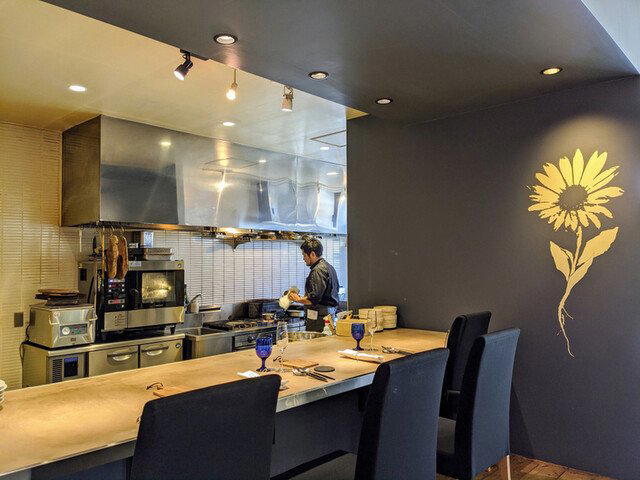
Details
- Cozy
- Classic
- Lively
- Date Night
- Family
- Group Dining
- Casual Hangout
- Special Occasion
- Chefs Counter
- Open Kitchen
- Standalone
- Local Sourcing
- A La Carte
- Set Menu
- Counter Dining
- Beer
- Sake
- Soft Drinks
- Pescatarian Friendly
Current opening hours
- Monday
- 11:30 AM–1:30 PM, 5–8:30 PM
- Tuesday
- 11:30 AM–1:30 PM, 5–8:30 PM
- Wednesday
- Closed
- Thursday
- 11:30 AM–1:30 PM, 5–8:30 PM
- Friday
- 11:30 AM–1:30 PM, 5–8:30 PM
- Saturday
- 11:30 AM–2:30 PM, 5–8:30 PM
- Sunday
- 11:30 AM–2:30 PM, 5–8:30 PM
Hours can change for holidays and private events. Last verified .