
Michelin Guide New Hotels New Hotel · Michelin Selected
A Michelin Selected property on Nagasaki's storied Glover Street, Hotel Indigo occupies one of the city's most historically layered addresses. The IHG-branded hotel connects guests to the Meiji-era Western trading district while positioning itself within Nagasaki's small but growing tier of internationally recognised accommodation. A practical base for the Higashi-Yamate hillside and its portfolio of Dutch Slopes, churches, and harbour views.

Pearl is the En Primeur Club membership app — saves, bookings, and concierge access live there. Same editors, same standards.
- Address
- 12-17 Minamiyamatemachi, Nagasaki, 850-0931, Japan
- Phone
- +81 95-895-9510
- Website
- ihg.com
- Directions
- Get directions
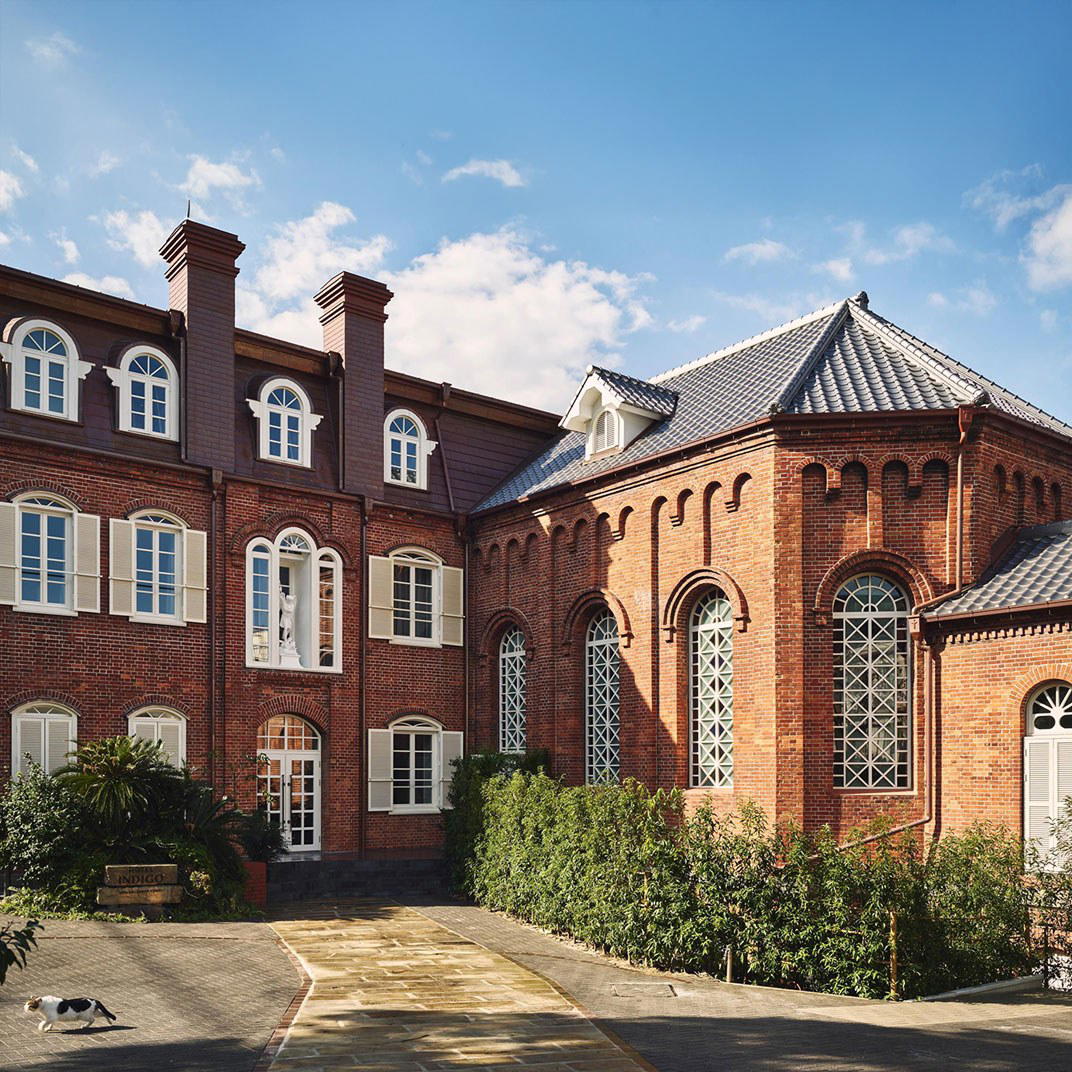
Where Nagasaki's History Comes Into the Room
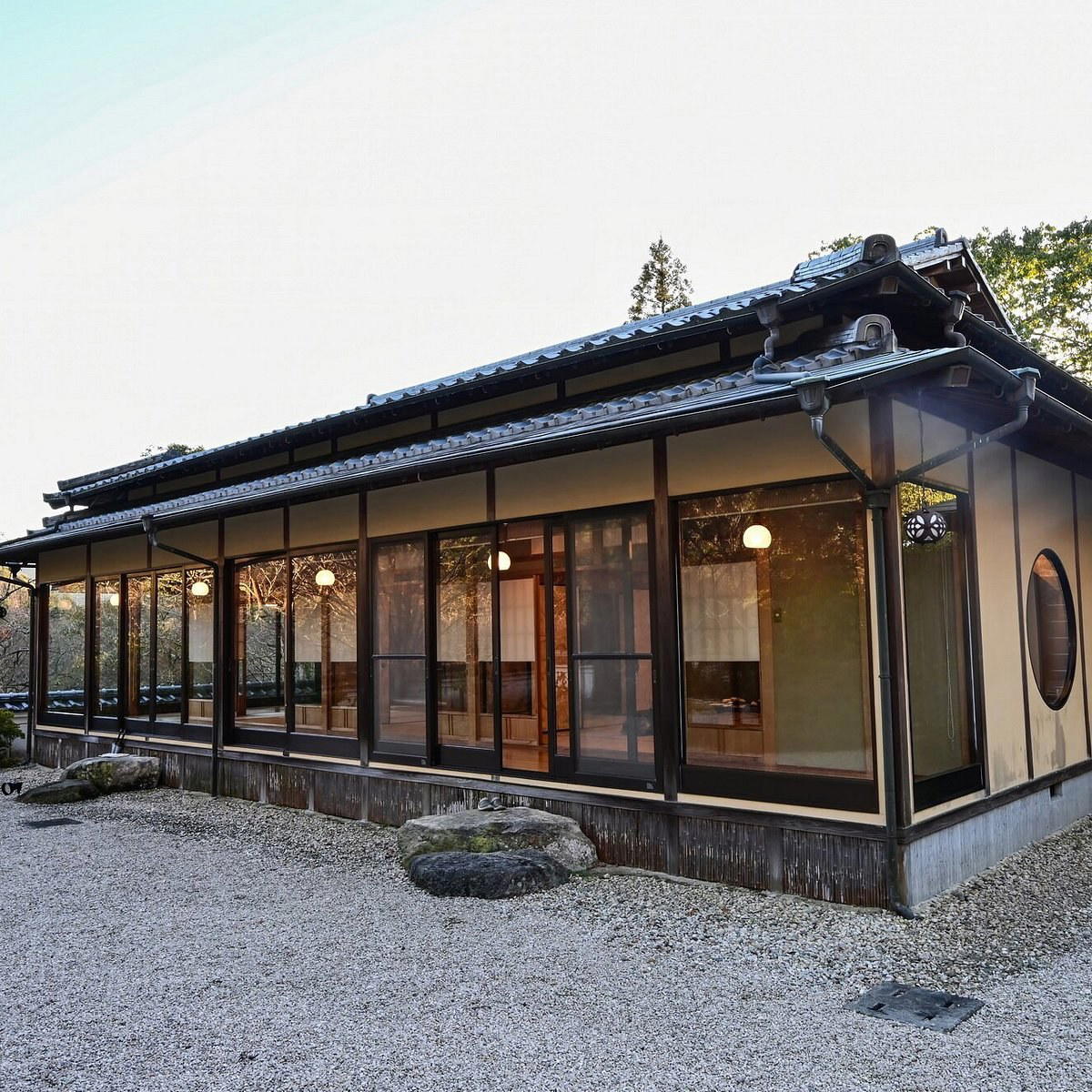
Minamiyamatemachi is not a neutral address. The hillside district above Nagasaki's harbour was where 19th-century foreign traders built their Western-style residences, and that architectural legacy — stone walls, sloped lanes, preserved colonial houses — still defines the neighbourhood's texture. Hotel Indigo Nagasaki Glover Street sits at 12-17 Minamiyamatemachi, placing guests at the edge of this preserved quarter and within walking distance of Glover Garden, the open-air museum of Meiji-era merchant villas that draws more visitors than any other site in the city. The address is not incidental; it is the hotel's primary argument.
Nagasaki occupies a distinctive position in Japanese travel. For centuries it was the only port legally open to foreign trade during Japan's isolationist Edo period, and the cultural residue of that singular status runs through the city's food, its architecture, and its sense of identity. Few Japanese cities carry as direct a Portuguese, Dutch, and Chinese imprint, and that layered character makes Nagasaki a fundamentally different proposition from Kyoto's temple corridors or Tokyo's density. Travellers who make the journey here tend to want specific things: the Atomic Bomb Museum and Peace Park, the Dejima trading post reconstruction, the hillside churches of the Urakami district, and the harbour views from the Inasayama ropeway. The Glover Street location puts the first and most atmospheric of those priorities on the doorstep.
The IHG Neighbourhood Concept Applied to a Historical Setting
IHG's Hotel Indigo brand operates on a neighbourhood-identity framework: each property is designed to reflect its immediate locale rather than project a homogeneous global aesthetic. That concept is relatively direct to deploy in a district like Minamiyamatemachi, where the Meiji-era Western-Japanese hybrid visual language is still physically present in the surrounding streets. The 2025 Michelin Selected designation confirms that the property meets a recognised threshold for quality and character within its category. Michelin's hotel selection in Japan has grown substantially in recent years, and the Selected tier represents inclusion in the guide's curated set without the star hierarchy applied to its top-ranked properties. For a Nagasaki property, the designation signals a standard that aligns it with the more carefully considered accommodation options available in the city.
Within Nagasaki itself, the accommodation market divides between large-format business hotels concentrated near Nagasaki Station and a smaller group of properties with stronger design or location credentials. The Nagasaki Marriott Hotel represents the full-service international brand tier closer to the station. Hotel Indigo's hillside positioning separates it from that cluster, trading proximity to transit infrastructure for proximity to the historic district. That trade-off is legible and intentional: the guest who books Glover Street is not optimising for a short walk to the shinkansen.
Food and Drink in the Nagasaki Context
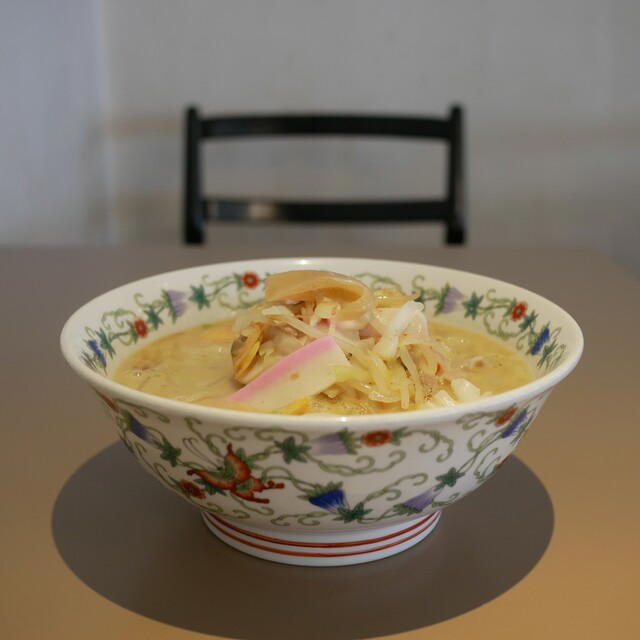
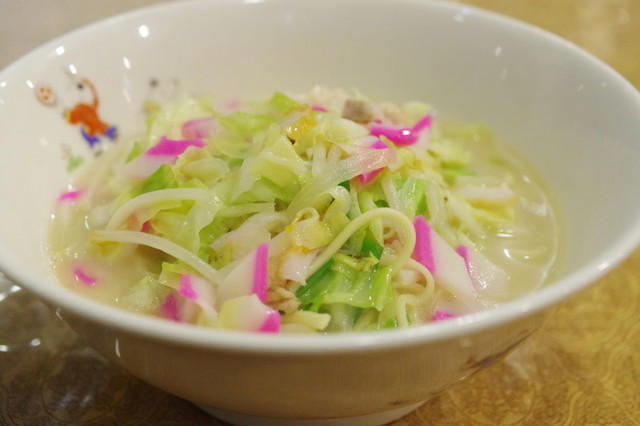
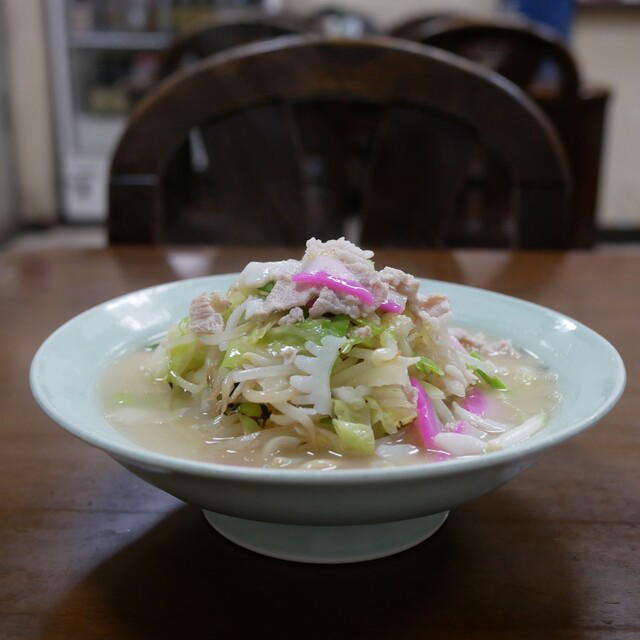
Nagasaki's food culture is among the most compositionally interesting in Kyushu, shaped by the same centuries of foreign contact that define the city's architecture. Champon, the thick wheat-noodle dish developed in the Chinese community and now synonymous with the city, sits alongside shippoku ryori, a hybrid banquet format that blends Japanese, Chinese, and Dutch elements into a single table spread. These are not museum pieces; they remain the city's active dining vernacular, available across a range of price points and formats throughout the Shianbashi and Chinatown districts.
For hotel food programmes in a city like Nagasaki, the editorial question is always the same: does the property engage with local food culture or substitute a generic international offer? What the neighbourhood context does provide is access: the Minamiyamatemachi hillside is a short distance from the concentration of shippoku restaurants in the Maruyama district, and the hotel's positioning makes independent dining exploration in those areas a practical option for every meal. Guests who use the property as a base for Nagasaki's food culture have a coherent geography to work with. For a broader map of where to eat and drink while in the city, our full Nagasaki restaurants guide covers the key addresses across categories.
Placing Nagasaki in the Wider Japan Hotel Conversation
Japan's premium accommodation market has developed significant depth outside its three anchor cities. Properties like Gora Kadan in Hakone and Amanemu in Mie represent the ryokan-influenced luxury end of regional travel, where natural setting and ritual hospitality structure the entire stay. The onsen-centred format found at properties like Zaborin in Kutchan or Kamenoi Besso in Yufu offers a different logic entirely. Urban design-led properties such as HOTEL THE MITSUI KYOTO in Kyoto and Bvlgari Hotel Tokyo anchor the best of the city-hotel segment.
Hotel Indigo Glover Street operates in a different register from all of those. It is a branded international hotel in a secondary city, selected by Michelin and positioned in a historically significant neighbourhood. Other Kyushu-adjacent options with comparable Michelin recognition include Halekulani Okinawa and the smaller-scale retreat format at GOTO RETREAT by Onko Chishin in Goto, the latter sitting on the islands directly accessible by ferry from Nagasaki port. For travellers structuring a longer Kyushu itinerary, the Goto Islands connection is worth noting: the archipelago is gaining attention for its fishing culture, early Christian heritage sites, and uncrowded coastline, and Nagasaki functions as the natural gateway.
Properties worth considering for other legs of a Japan itinerary include Benesse House in Naoshima for art-integrated accommodation, Nishimuraya Honkan in Kinosaki-cho for traditional onsen-town hospitality, Satoyama-Jujo in Niigata for rural immersion, and Fufu Kawaguchiko for a Fuji-view ryokan format. Further afield, Asaba in Izu, Fufu Nikko, Sekitei in Hatsukaichi-shi, Jusandi in Ishigaki, Fufu Kyu-Karuizawa Restful Forest, Nasu Mukunone, Atami Izusan Karaku, and The Hiramatsu Hotels & Resorts Ginoza cover the range of formats Japan's regional hotel market now offers.
Planning a Stay
The hotel is located at 12-17 Minamiyamatemachi, Nagasaki, in the hillside historic district of Minami-Yamate. Nagasaki Airport connects to the city by bus in approximately 45 minutes, and the property's hillside location is most practically reached by taxi or the city's efficient tram network. The Minamiyamatemachi stop places the hotel within the tram grid, with connections running through the city centre to Nagasaki Station. The Glover Garden entrance is a short walk uphill from the hotel's address. Given the neighbourhood's topography, guests with mobility considerations should factor the sloped terrain into their planning. Booking through the IHG platform or through a travel consultant with IHG partner access will typically surface the widest range of rate options; the Michelin Selected designation does not carry a specific booking channel but is consistent with the quality threshold that guides IHG's Indigo portfolio positioning internationally.
A Pricing-First Comparison
Comparable venues nearby, for context on price, style, and recognition.
| Venue | Price | Awards | Notes |
|---|---|---|---|
| Hotel Indigo Nagasaki Glover StreetThis venue — the venue you are viewing | Not listed | Michelin Guide New Hotels New Hotel · Michelin Selected | Not listed |
| Nagasaki Marriott Hotel | $100–200 | Michelin Selected | Nagasaki Station, Modern cruise ship motif exterior representing Nagasaki's port heritage |
| Yawn Yard | Not listed | Michelin Selected | Kouri Island, Private villa resort integrated with nature |
| 登別温泉郷滝乃家 | Not listed | Not listed | 登別温泉, Traditional Japanese ryokan with modern comforts |
| Shonai Hotel Suiden Terrasse | Not listed | Michelin Selected | Kitakyoden, Contemporary resort blending into rice paddy landscape with distributed low-rise structures. |
| Regent Kyoto | Not listed | Not listed | Okazaki, An upper-luxury urban retreat that integrates a historic Kyoto garden and century-old ryotei into a small-scale, heritage-rich estate in the Okazaki cultural district. |
Recognition history
Dated appearances from independent guides and award organizations, with the underlying list record or original source where available.
Michelin Guide New Hotels New Hotel
Michelin Guide New Hotels
Michelin Selected
Michelin
Continue exploring
More in Nagasaki
Hotels in Nagasaki
Browse all →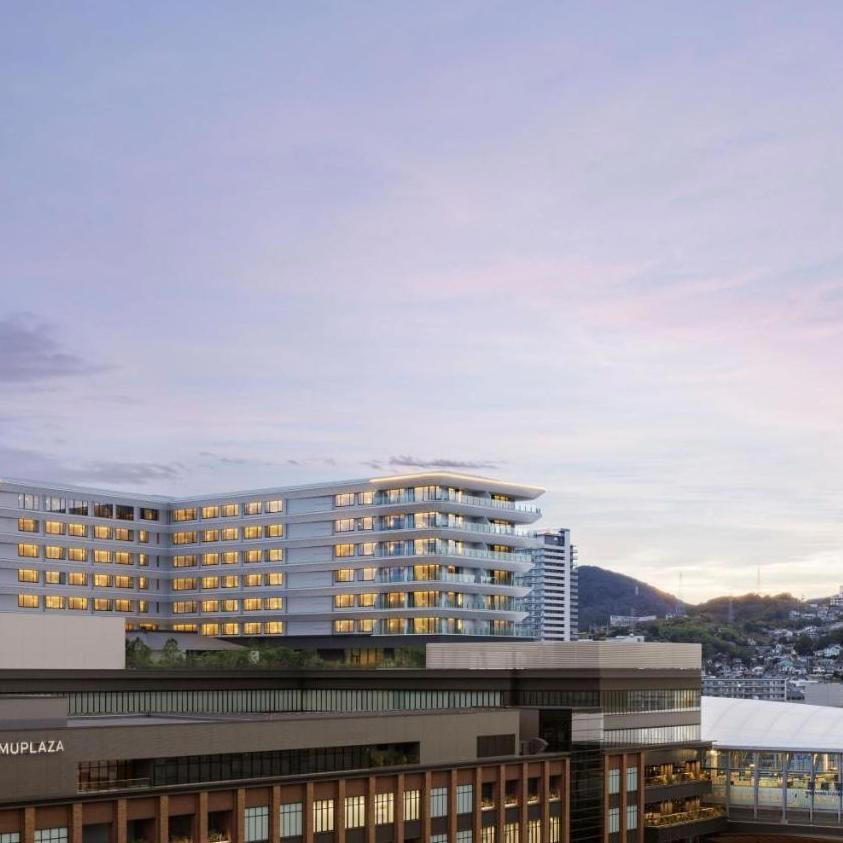
Details
- Historic
- Elegant
- Modern
- Sophisticated
- Romantic Getaway
- Business Trip
- Weekend Escape
- Historic Building
- Design Destination
- Wi Fi
- Fitness Center
- Room Service
- Concierge
- Street Scene
- Wheelchair Accessible
- Elevator
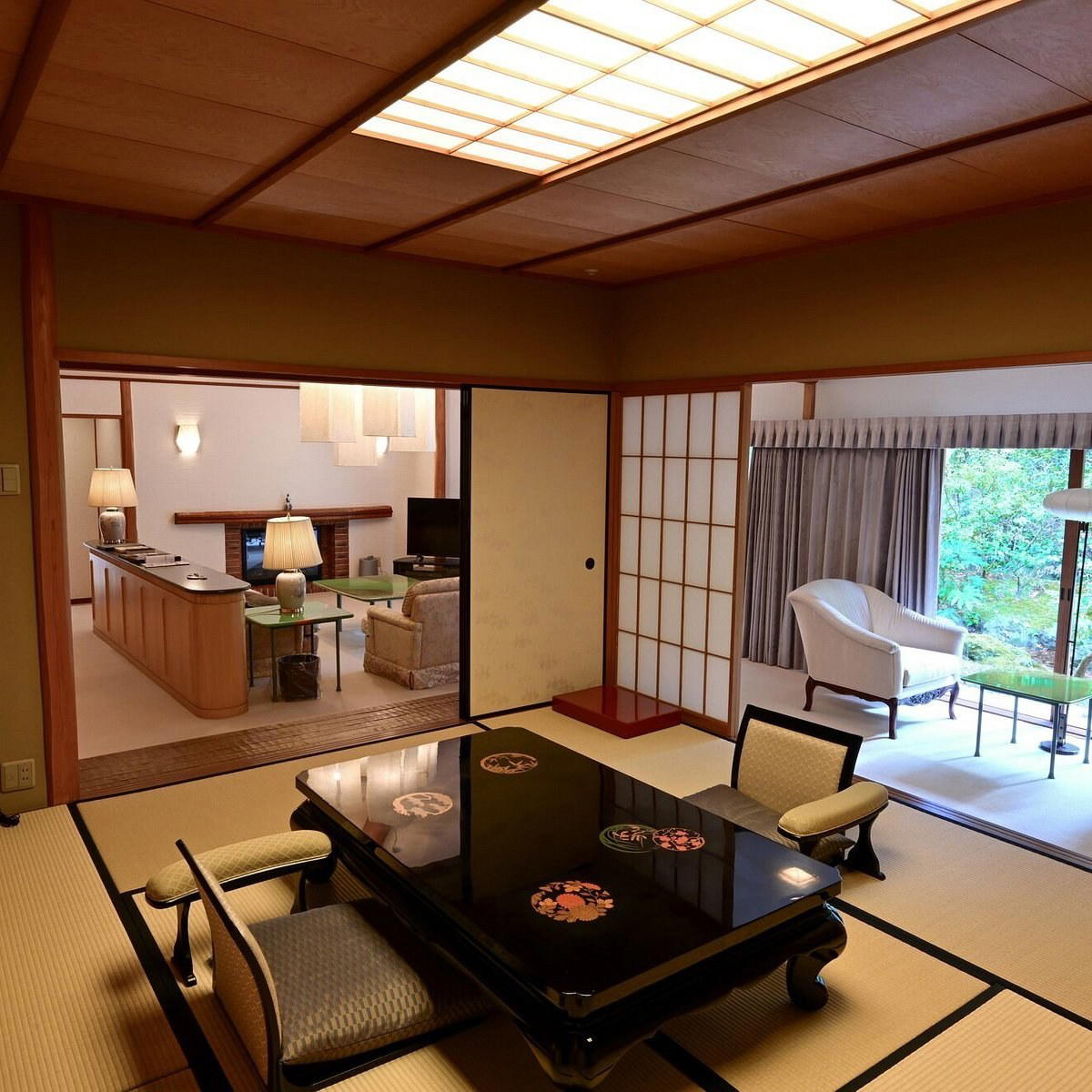
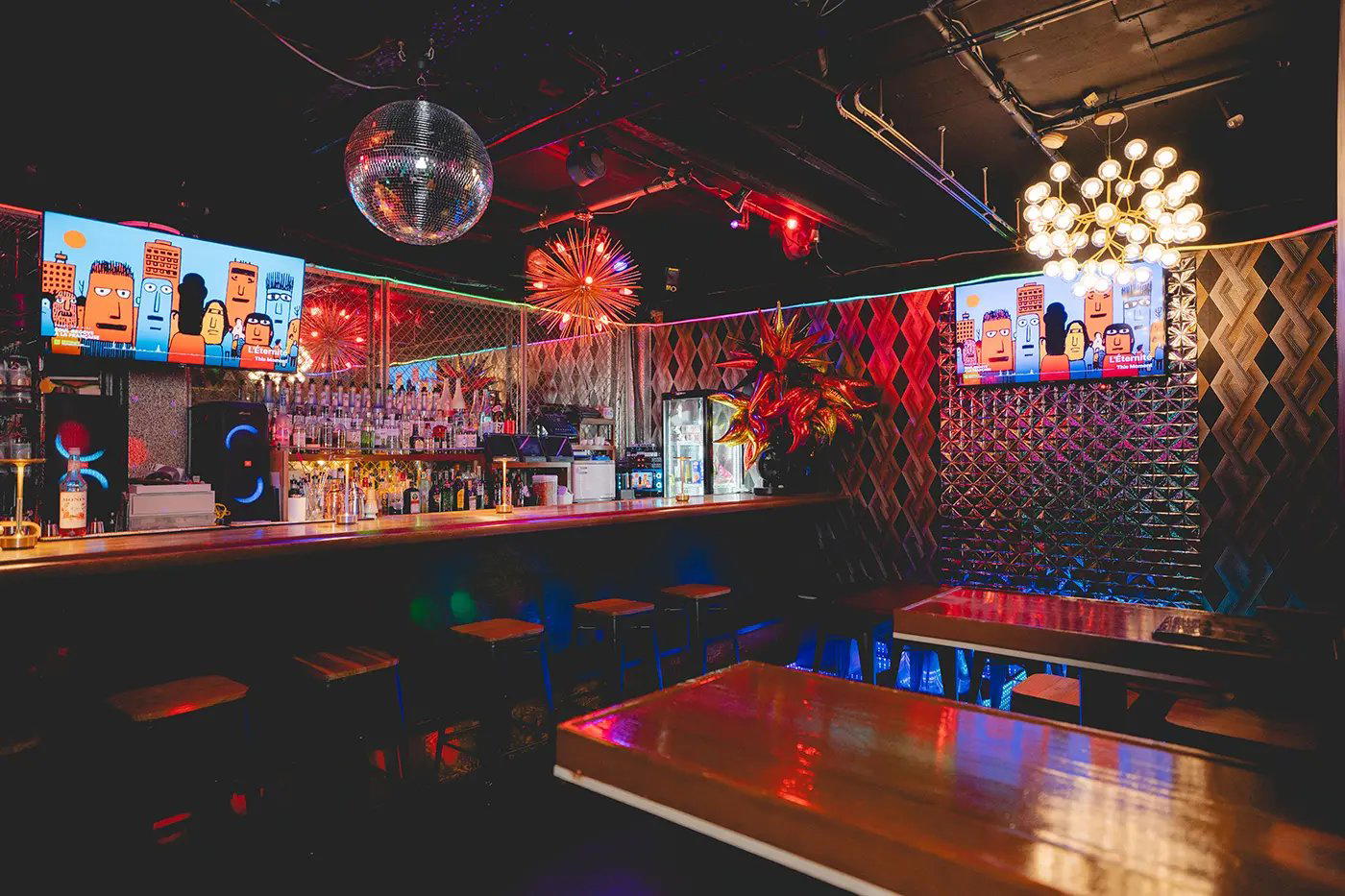
Calm and elegant atmosphere with colorful light patterns from stained-glass windows, contemporary Japanese aesthetics layered over preserved historic architecture.