
World's 50 Best #20
The address places it among a cluster of producers drawing on the Koshu Valley's particular combination of altitude, volcanic soils, and the diurnal temperature swings that define the region's grape-growing conditions.

Pearl is the En Primeur Club membership app — saves, bookings, and concierge access live there. Same editors, same standards.
- Address
- 250-1, Enzan Fukuori, Yamanashi, 4040056, Japan
- Website
- 98wines.jp
- Directions
- Get directions
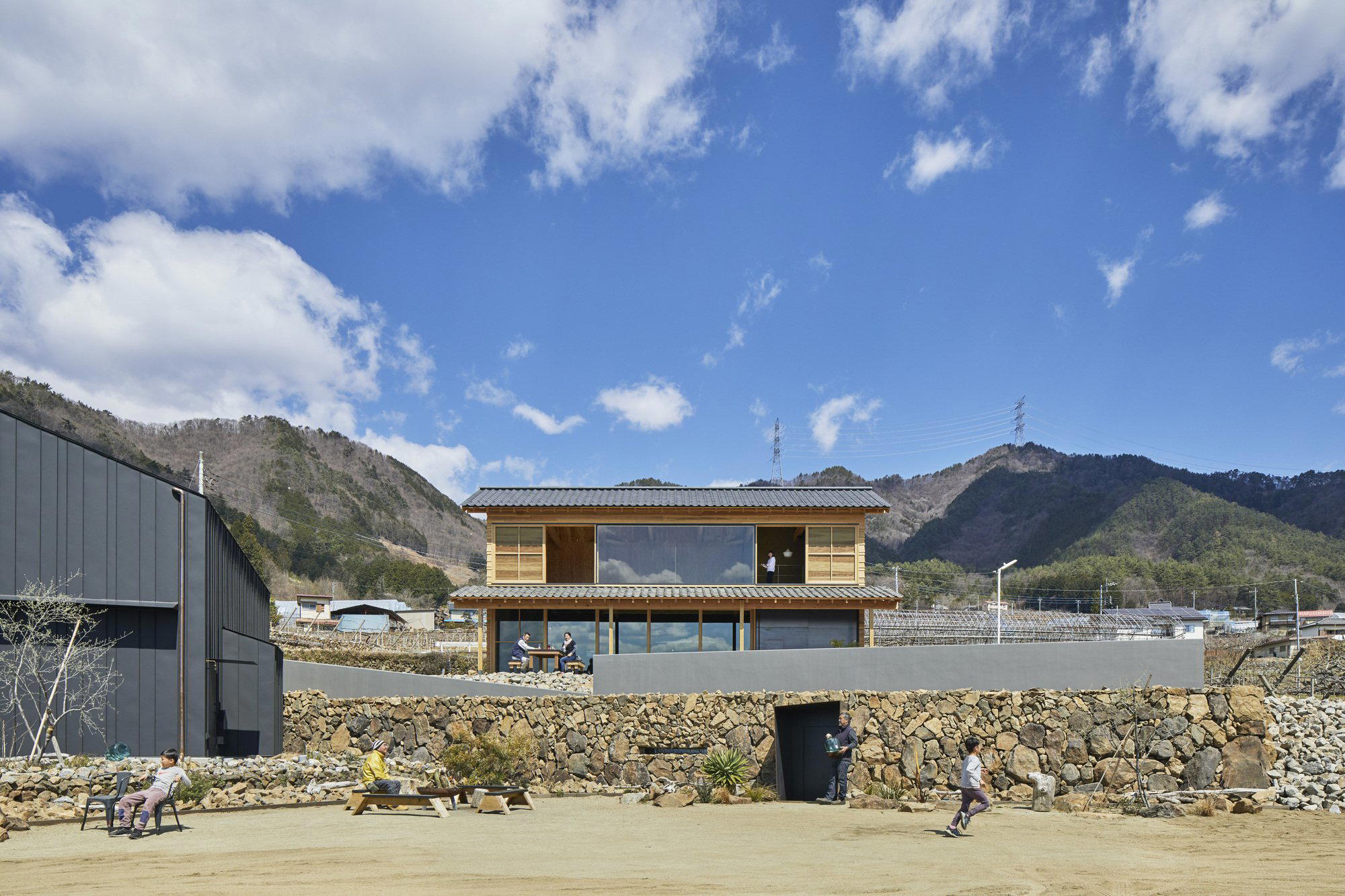
Yamanashi's Wine Country and Where 98Wines Fits
Approach the Enzan area of Yamanashi Prefecture from Tokyo and the landscape shifts with some purpose. The Southern Alps rise to the west, the Misaka range closes the north, and the Fuji volcanic belt defines the southern horizon. This topographic containment is not incidental to the wine in your glass: it creates the Kofu Basin's distinctive thermal patterns, where summer heat builds and accumulates, nights drop sharply, and the growing season compresses into something intense and structured. Japan's most concentrated wine district was never going to emerge in a flat, temperate corridor. It grew here because the conditions demanded grapes pay attention. Our full Yamanashi restaurants guide maps the broader food and drink culture across the prefecture, but the wine story centres on this valley.
98Wines operates from an address in Enzan Fukuori, a part of the prefecture that sits at the heart of the Koshu Valley appellation. Yamanashi accounts for roughly a third of Japan's total wine production and has been the proving ground for the country's modern wine identity since at least the Meiji-era plantings of the late nineteenth century. What has changed significantly in the past two decades is the ambition of the producers working within it. The shift from volume-focused cooperatives to smaller, terroir-attentive estates mirrors a pattern visible across Japanese craft production more broadly — a move toward specificity, origin-consciousness, and an insistence that the local can hold its own against international reference points.
The Terroir Case for Enzan
Enzan's soil profile draws on millennia of volcanic deposition and river alluvium from the Fuefuki River system. The result is a well-drained, mineral-active growing medium that suits varieties capable of expressing that mineral character in the finished wine. Koshu — the ancient grape variety that has been grown in this valley for over a millennium, is the obvious candidate: it produces wines of pale copper-pink colour, low tannin, high natural acidity, and a citrus-skin bitterness on the finish that reads as terroir rather than winemaking error. The variety spent much of the twentieth century producing undifferentiated bulk, but producers working in the Enzan corridor have been among those demonstrating that Koshu, handled with care and harvested at the right moment, produces something genuinely distinctive within the global white wine conversation.
Altitude is the other variable. The Kofu Basin floor sits at roughly 270 metres, while vineyard sites push higher toward the mountain foothills. That elevation amplifies the diurnal temperature swing, the difference between daytime highs and overnight lows that preserves acidity and aromatic complexity in grapes. It is the same mechanism at work in alpine wine districts across Europe, from the Valais to Alto Adige, and it explains why Yamanashi grapes can retain freshness through a warm growing season that might otherwise strip them of structure. Producers here are not overcoming their terroir; they are working with a set of natural conditions that, when respected, do a significant amount of the winemaking for them.
The 2 Star designation within that tier places 98Wines among properties where the margin between good and notable has been cleared with some decisiveness. This kind of recognition carries particular weight in a wine region still building its international profile: Yamanashi producers are competing not just against domestic peers but against the accumulated reputation of European appellations with centuries of precedent behind them. An award signal at this level suggests 98Wines is making that argument coherently.
Japan's wine industry sits at an interesting position relative to its own craft spirits tradition. The country's whisky producers have achieved broad international recognition over the past decade, distilleries like Hakushu (Suntory) in Hokuto and Yamazaki (Suntory) in Shimamoto now command allocation-level demand, while newer operations such as Chichibu in Chichibu and Kanosuke in Kagoshima have built serious collector followings. The wine side of Japanese craft production has followed a similar arc but on a longer timeline and with less global fanfare. That gap is closing, and the Yamanashi producers earning awards recognition are part of the mechanism doing the closing.
Positioning Within the Japanese Wine Scene
Japan's wine-producing regions divide broadly between Yamanashi's Koshu-centred identity and the cooler, Pinot-capable terroirs of Hokkaido and Nagano. Château Mercian Mariko Winery in Nagano Prefecture represents the style of ambitious estate that has emerged in that colder northern corridor, while Yamanashi producers work with a different palette: lower latitude, warmer summers, and the Koshu grape as their primary calling card. These are not competing visions so much as parallel arguments for Japanese wine's seriousness, made from different soil types and climatic starting points.
Internationally, the frame of reference extends further. Producers like Accendo Cellars in St. Helena represent the estate-scale precision model in Napa, while older European houses such as Aberlour in Aberlour and Achaia Clauss in Patras carry the weight of century-long institutional recognition. Yamanashi producers are at an earlier point in building that kind of accumulated credibility, which is precisely why award signals and focused critical attention matter disproportionately at this stage.
Planning a Visit to 98Wines
98Wines is located at 250-1, Enzan Fukuori, Yamanashi, a rural address in the Enzan district, which sits in the eastern section of the Kofu Basin. Enzan is accessible by JR Chuo Line limited express from Shinjuku, a journey of roughly 90 minutes depending on service. The Kofu Basin wine country is compact enough to cover multiple producers in a single day's itinerary, though the agricultural pace of the area tends to reward a slower schedule. The Yamanashi wine season concentrates activity between September and November, when harvests are underway and the cooler autumn temperatures make vineyard visits particularly worthwhile. Visitors with an interest in comparing Japan's craft production across categories will find the broader Chubu region well supplied: Shizuoka and Fuji Gotemba Distillery in Gotemba lie within reasonable range for those extending a regional itinerary.
The Enzan district does not operate on Tokyo restaurant logic, advance research and direct contact with producers is standard practice in this part of Yamanashi's wine country. For those building a broader Japanese spirits and wine itinerary, the northern whisky trail, covering Miyagikyo (Nikka) in Sendai, Yoichi (Nikka) in Yoichi, and Mars Shinshu Distillery in Miyada, provides useful contrast to the Yamanashi wine experience, with both traditions drawing on Japan's insistence that precision and origin-consciousness are non-negotiable starting points. Eigashima (White Oak) in Akashi adds a western Japan dimension for those moving through the country on a longer craft-production circuit.
Fast Comparison
Comparable venues nearby, for context on price, style, and recognition.
| Venue | Cuisine | Price | Awards | Notes |
|---|---|---|---|---|
| 98WinesThis venue — the venue you are viewing | Koshu, Muscat Bailey A | $20–30 | World's 50 Best #20 | Not listed |
| Château Mercian Mariko Winery | Merlot, Chardonnay | $30–50 | World's 50 Best #46 | Ueda City |
| Kanosuke | Kagoshima | $10–20 | Not listed | Hioki-shi |
| Eigashima (White Oak) | malted barley | Not listed | Not listed | Akashi |
| Shizuoka | Petit Verdot, Cabernet Sauvignon | $50–100 | Not listed | Izu City |
| Chichibu | Merlot, Muscat Bailey A | Not listed | Not listed | Yoshida district, Chichibu City |
Recognition history
Dated appearances from independent guides and award organizations, with the underlying list record or original source where available.
World's 50 Best Vineyards #20
World's 50 Best
Full recognition history (2 entries)
World's 50 Best Vineyards #48
World's 50 Best
Continue exploring
More in Yamanashi
Wineries in Yamanashi
Browse all →
Bars in Yamanashi
Browse all →
Restaurants in Yamanashi
Browse all →
Details
- Scenic
- Rustic
- Elegant
- Modern
- Wine Education
- Solo Exploration
- Panoramic View
- Terrace
- Sustainable
- Mountain
- Vineyard
- Koshu
- Muscat Bailey A
- Still Red
- Still White
- Still Rosé
- Wine Tasting
- Japanese
- English
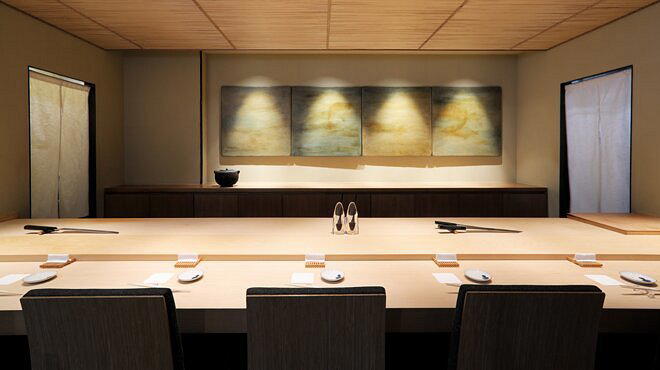
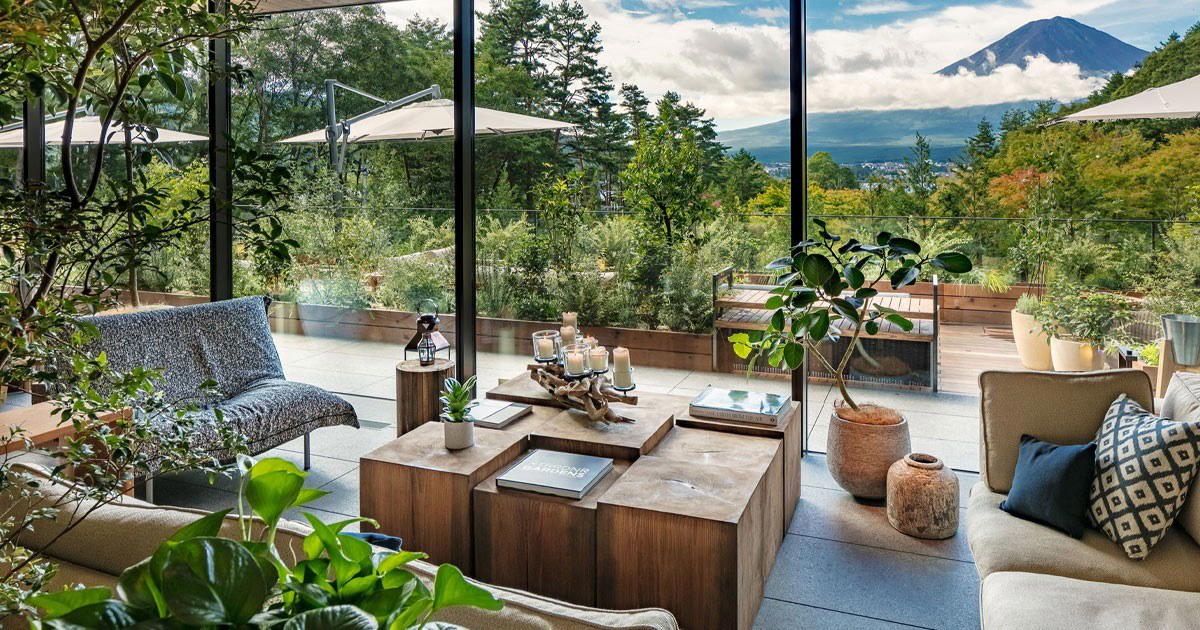
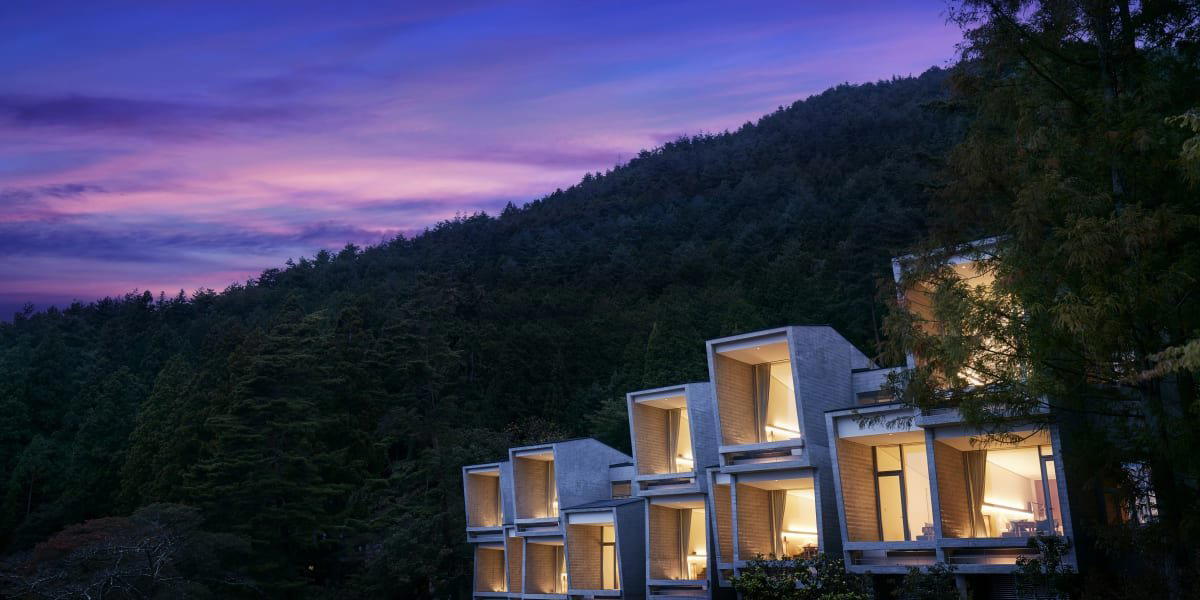
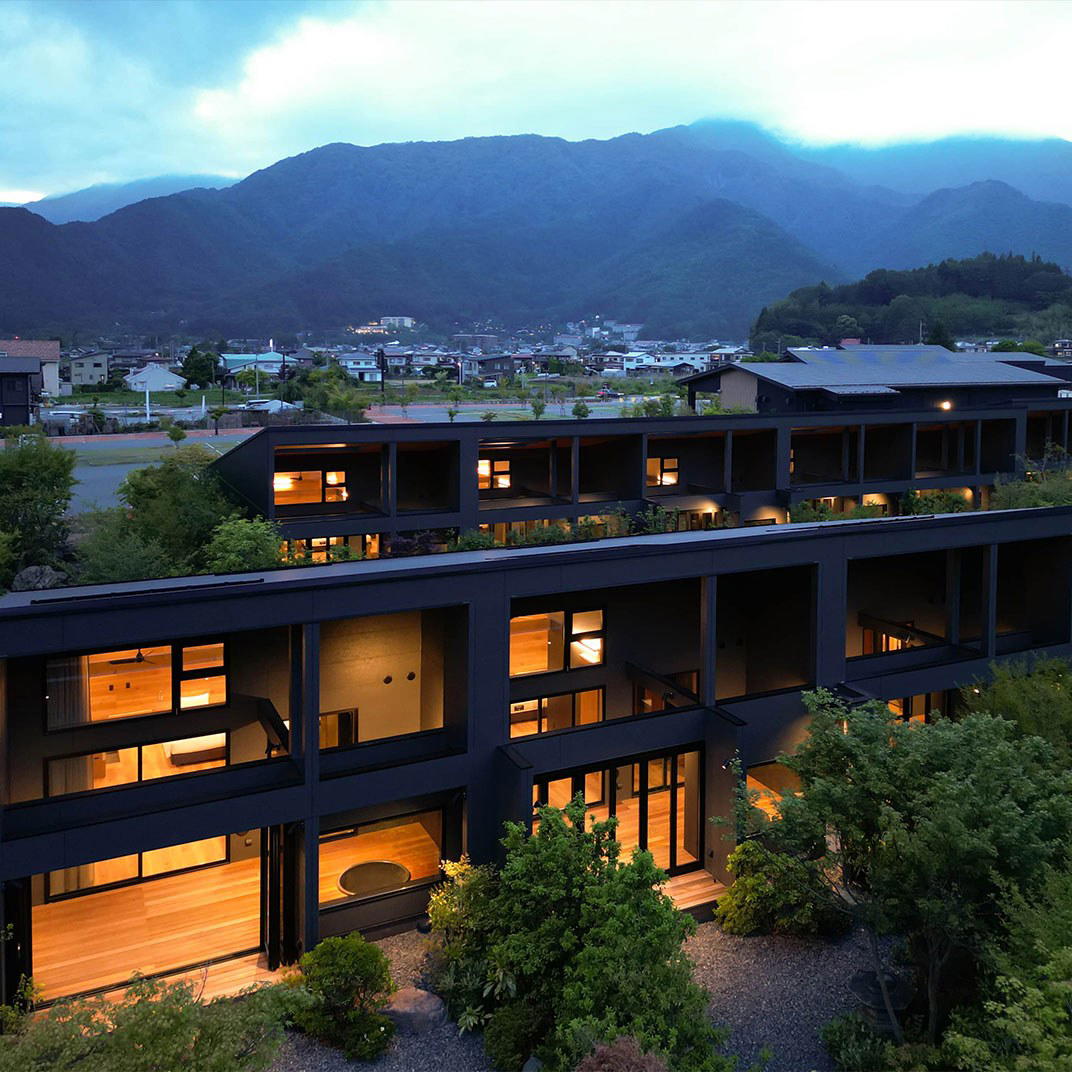
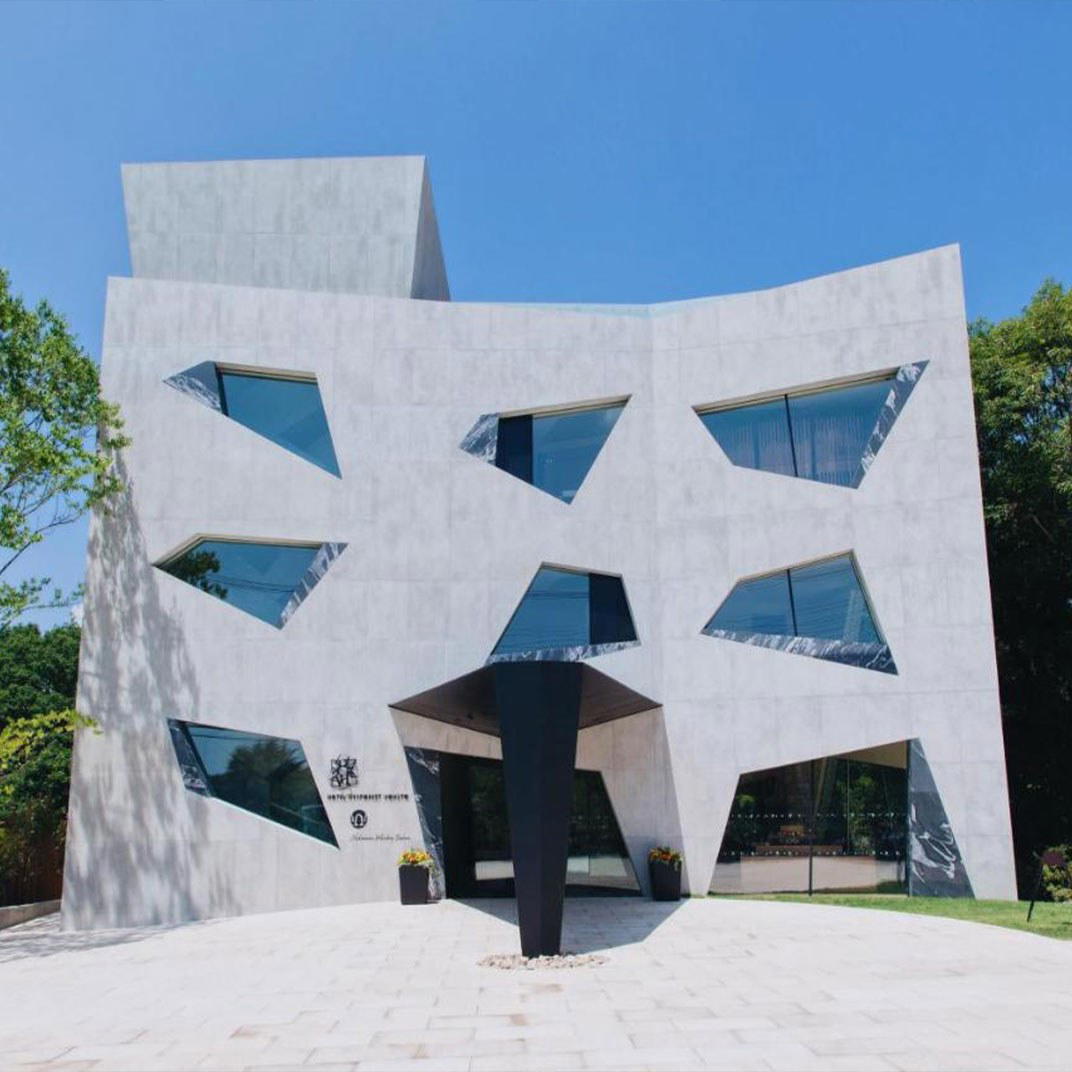
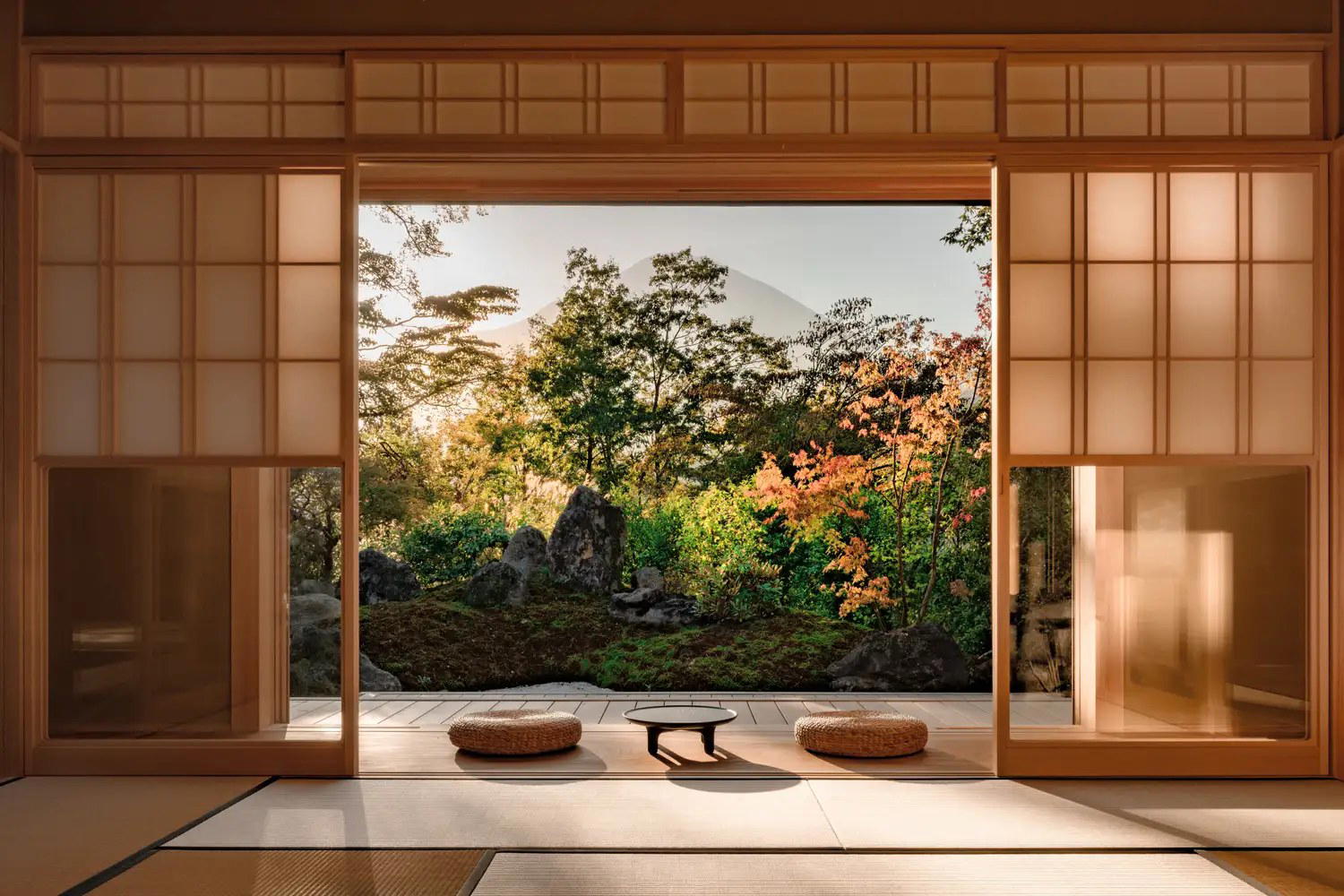
Clean, modern design with relaxing, stylish spaces, open terrace, and calming atmosphere overlooking Mt. Fuji.