
Tabelog 100 #78
Our verdict
Asakura gives Sasebo’s yoshoku tradition a steak-house reading: compact, counter-led, and more ingredient-focused than the city’s burger shorthand suggests. Its selection for Tabelog Steak / Teppanyaki WEST “Tabelog 100” in 2024 and 2025 places it in a western Japan conversation usually dominated by larger dining cities, while the price tier keeps it closer to local regular use than destination-only dining.

Pearl is the En Primeur Club membership app — saves, bookings, and concierge access live there. Same editors, same standards.
- Address
- Japan, 〒857-0876 Nagasaki, Sasebo, Shiohamacho, 1−3 アルファビル前
- Phone
- +81 956-24-9077
- Hours
- Mon–Tue 5:30–9 PMWed–Thu ClosedFri–Sun 5:30–9 PM
- Website
- steaksalon-asakura.jimdo.com
- Directions
- Get directions
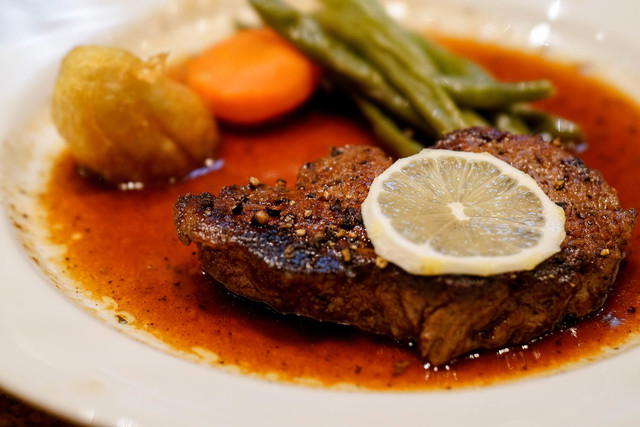
The menu
What to order
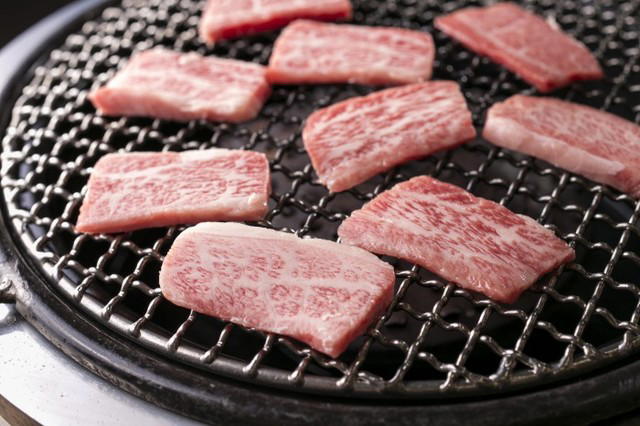
- Thick-cut sirloin steak
- Fillet steak
- Hamburg steak
Shiohamacho is not postcard Sasebo. Its appeal is practical: narrow streets, evening foot traffic, and small dining rooms where the counter matters because cooking stays in view. In a city known outside Nagasaki for American-influenced burgers and port-town appetite, steak and yoshoku signal something else: Japan’s long habit of translating Western food through local technique, portion logic, sauces, rice, and intimate service.
Asakura fits a smaller Sasebo category: not a grand teppanyaki room or casual burger stop, but a compact steak and Japanese-style Western restaurant built on sourcing, heat control, and the discipline of a limited room. Its Tabelog Steak / Teppanyaki WEST “Tabelog 100” selections in 2024 and 2025 matter because they place a Sasebo address inside a regional field that includes much denser restaurant markets across western Japan. The recognition is not decoration; it is a clue to read the restaurant as a serious local steak counter, not an add-on to a Nagasaki itinerary.
Steak, yoshoku, and the port-city appetite
Sasebo’s dining identity is unusually hybrid for a Japanese regional city. Naval presence, postwar American influence, and Kyushu’s strong everyday food culture have made casual Western-Japanese formats feel native rather than imported. The city can support both the Sasebo burger circuit and older yoshoku logic without contradiction. Sasebo Burger BigMan Kyomachi honten, misa*rosso, and Base Street sit in a casual bracket of quick comfort and local recognition. A steak-focused room has a different tempo: less speed, more temperature, doneness, and the relationship between meat, rice, sauce, and wine.
Ingredient sourcing is the hinge. Steak in Japan is never only cut or size; it sits within beef grading, regional identity, and careful portioning. Kyushu has deep cattle country, and while specific producers are not publicly listed here, the category shows what matters: beef must feel central without turning the meal into luxury theatre. Yoshoku gives the format flexibility, absorbing Western cues while staying Japanese in rhythm, especially when counter seating keeps cooking visible and the room small enough for close pacing.
That separates the experience from Sasebo’s cheaper burger-and-snack addresses and from ceremonial teppanyaki rooms in major hotels, where performance can overtake the plate. The stronger comparison is with compact regional specialists: rooms whose size, award signal, and cuisine category suggest a kitchen judged by repeat diners and ranking panels rather than spectacle.
A small counter changes the stakes
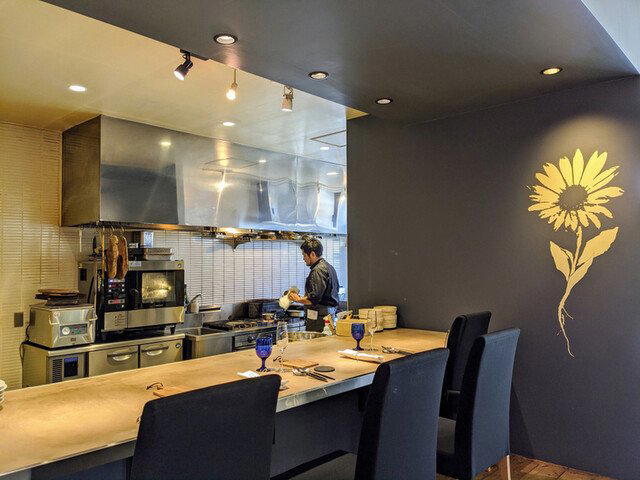
Scale is the point. Fifteen seats, eleven at the counter and four at tables, make the restaurant closer to a specialist counter than a broad family dining room. In Japan, that configuration changes a steak meal. Guests are not separated from cooking by formal dining-room choreography; value lies in watching timing, hearing the room settle, and seeing how limited covers support controlled service.
Asakura’s Tabelog score of 3.70 and repeat selection for the 2024 and 2025 Steak / Teppanyaki WEST “Tabelog 100” list give the small format weight. Tabelog’s Hyakumeiten lists are influential in Japan because they often surface genre specialists outside the cities international travelers already know. For Sasebo, that matters. The city has strong local food associations, but fewer venues enter national or regional dining conversations. A steak-yoshoku address with this recognition widens the map beyond burgers, seafood, and Nagasaki day-trip assumptions.
The format also explains pricing. Dinner at JPY 3,000 to JPY 3,999 and lunch at JPY 1,000 to JPY 1,999 place Asakura above everyday burger stops but below major-city wagyu counters. That middle tier matters in regional Japan: restaurants can feel special without becoming ceremonial. Compared with Sasebo’s lower-priced casual circuit, the premium buys a focused beef meal, a smaller room, and credibility from a recognized steak and teppanyaki list.
For a Sasebo food day, the contrast helps. Kissuitei points to another local dining register, while Omura Wan broadens the Nagasaki-area conversation beyond burger shorthand. The fuller city edit sits in our full Sasebo restaurants guide, with adjacent planning in our full Sasebo hotels guide, our full Sasebo bars guide, our full Sasebo wineries guide, and our full Sasebo experiences guide.
How to place it in a wider Japan dining itinerary
Asakura shows that Japan’s serious dining map is not confined to sushi counters, kaiseki rooms, or metropolitan tasting menus. Regional specialists can be just as revealing because they show how a genre travels and settles. Steak in Sasebo differs from steak in Ginza or Kobe: less pageantry, more local utility, and a closer relationship to yoshoku’s everyday grammar.
That makes the restaurant a sharper choice for travelers who know Sasebo’s casual canon and want the city’s food culture in concentrated form. It is not best measured against luxury beef temples; it is better judged against regional specialists that turn a familiar category into a disciplined local meal. The same logic strengthens Japan itineraries built around narrow-category addresses, from -Grilled beef Sukiyaki- KAMAKURA TANUKIAN 鎌倉 たぬき庵 in Kamakura to. 鮪と炭火焼き うお炭 秋葉原店 in Tokyo.cafe in Osaka.know in Kumamoto, (Shoku) Vietnam in Kawasaki, and [Curry Senmon Ten] Maruyama Kyoju. in Sapporo. Outside Japan, the same editorial principle applies to focused rooms such as Jōdo Saké Bar in Los Angeles and Onigiri Time in Pasadena: the category is familiar, but seriousness comes from execution and context.
The sensible reading is clear. For Sasebo, this is the steak-yoshoku address with a recognized regional award signal while staying grounded in a compact, local format. It gives the city’s dining scene an adult counterpoint to its casual burger fame and rewards travelers who care as much about where a genre sits in a city as what appears on the plate.
Frequently asked questions
Is Asakura okay with children?
Asakura can work for children who are comfortable with a calm dinner room. The setup is compact, with 15 seats and counter seating, and service runs from 5:30 PM to 9:00 PM on open days in Sasebo.
Is Asakura formal or casual?
It leans casual rather than formal. The room has 15 seats, no private rooms, and a steak-and-yoshoku format that feels more relaxed than a reservation-only fine-dining counter.
What's the price range at Asakura?
Pricing at Asakura is listed as JPY 3,000 - JPY 3,999 JPY 1,000 - JPY 1,999.
What is Asakura known for?
Asakura is primarily known for its core concept and execution in Sasebo.
Fast Comparison
Comparable venues by cuisine and price in the same metro.
| Venue | Cuisine | Price | Awards | Notes |
|---|---|---|---|---|
| AsakuraThis venue — the venue you are viewing | Japanese Steak Salon | $30–50 | Tabelog 100 #78 | Not listed |
| Omura Wan | Teppanyaki Japanese Fine Dining | $150–200 | Tabelog 100 #71 | Huis Ten Bosch |
| Stamina Honpo Kaya | Sasebo burger & hamburger shop | $1–10 | Tabelog 100 #78 | Yamatocho |
| Kissuitei | Japanese Kaiseki | $100–150 | Not listed | Huis Ten Bosch |
| misa*rosso | Sasebo burger & hot dog shop | $10–20 | Tabelog 100 #100 | Mantokucho |
| Base Street | Sasebo burger shop in a historic air-raid shelter | $10–20 | Tabelog 100 #17 | Tonoocho / Tonneru Yokocho (near Sasebo Chuo) |
Recognition history
Dated appearances from independent guides and award organizations, with the underlying list record or original source where available.
Tabelog 100 #78 · No. 78
Tabelog · Tabelog 100 - Steak / Teppanyaki - WEST - 2025
Continue exploring
More in Sasebo
Restaurants in Sasebo
Browse all →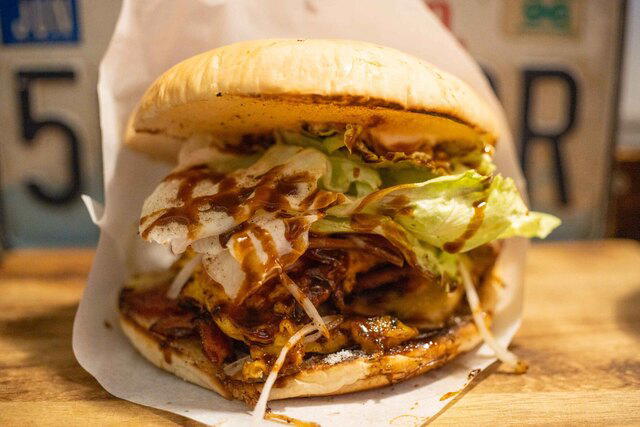
Details
- Cozy
- Classic
- Intimate
- Date Night
- Solo
- Family
- Casual Hangout
- Special Occasion
- Chefs Counter
- Standalone
- Beer Program
- A La Carte
- Counter Dining
- Beer
- Wine
Current opening hours
- Monday
- 5:30–9 PM
- Tuesday
- 5:30–9 PM
- Wednesday
- Closed
- Thursday
- Closed
- Friday
- 5:30–9 PM
- Saturday
- 5:30–9 PM
- Sunday
- 5:30–9 PM
Hours can change for holidays and private events. Last verified .
A small, non‑smoking steak counter with around fifteen seats, relaxed lighting and a calm, old‑school atmosphere where diners watch the chef prepare thick-cut steaks at close range.