
Michelin Selected
A Michelin Selected ryokan positioned at the thermal springs of Furuyu, on the forested edge of Saga Prefecture, Furuyu Onsen ONCRI represents a strand of Japanese hospitality that prizes spatial restraint and natural material over scale. The property sits within Kyushu's onsen circuit yet operates at a quieter register than the region's better-known resort clusters, making it a considered choice for travellers who want proximity to Fukuoka without the attendant noise.

Pearl is the En Primeur Club membership app — saves, bookings, and concierge access live there. Same editors, same standards.
- Address
- Japan, 〒840-0501 Saga, 古湯温泉ONCRI/おんくり 佐賀市富士町古湯556
- Phone
- +81 952-51-8111
- Website
- oncri.com
- Directions
- Get directions
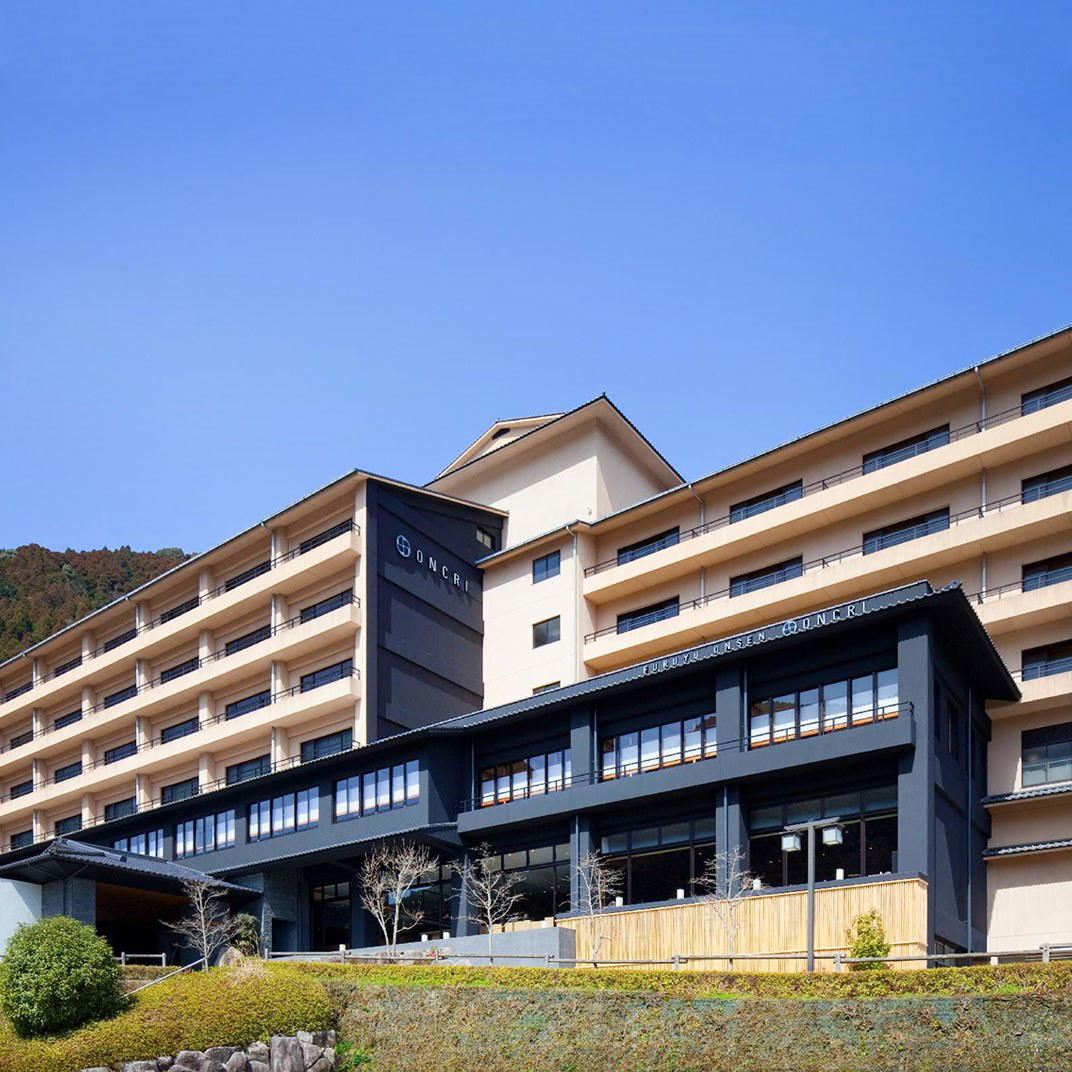
Where Saga's Thermal Tradition Meets Considered Design
Kyushu's onsen culture is among the most layered in Japan, spanning the industrial-scale resorts of Beppu, the rarefied ryokan clusters of Yufuin, and a quieter middle register of destination properties that sit away from those gravitational centres. Furuyu Onsen, a thermal spring area on the forested outskirts of Saga city, belongs to that quieter register. The hot springs here have been in use for centuries, and the surrounding range of cedar and broad-leaf forest creates conditions that many larger onsen towns have sacrificed in the pursuit of capacity and tourism infrastructure. Furuyu Onsen ONCRI, the property that carries the Michelin Selected designation for 2025, is positioned squarely within this tradition, with an address at 556 Furuyu, Fujicho that places it inside the thermal zone rather than adjacent to it.
The Michelin Selected distinction, awarded through the Michelin Guide's hotels and stays programme, is not a restaurant-equivalent star system. It signals that Michelin's inspectors found the property worth directing attention to within its category and location, which for a ryokan operating outside Japan's primary tourism corridors carries meaningful weight. Properties in Saga Prefecture receive substantially less international traffic than counterparts in Hakone, Kyoto, or Niseko, so recognition at this level functions partly as a corrective to geography.
The Physical Logic of the Space
Japanese onsen architecture at the premium end has moved in two broad directions over the past two decades. One strand pursues a kind of theatrical minimalism: exposed concrete, statement baths with panoramic glass, and a design vocabulary imported from international luxury. The other strand works more carefully with local materials and building traditions, keeping the thermal experience as the spatial centrepiece rather than a backdrop for design gesture. Properties that follow this second logic tend to read more quietly from the outside but reward sustained attention inside, where the relationship between water, wood, light, and open-air bathing forms the essential architecture of the stay.
Furuyu Onsen ONCRI operates in this second mode. The forested site at Furuyu provides the raw conditions: tree cover that regulates ambient light, natural topography that gives thermal pools a relationship to the landscape rather than an engineered contrast with it, and a remove from urban noise that reinforces the somatic logic of onsen bathing. In ryokan design, the quality of the thermal source and its integration with the room or bath architecture matters more than almost any other variable, and Furuyu's geothermal credentials are the foundation the property builds from.
For comparative context, other Michelin Selected and highly regarded onsen properties in Japan tend to share certain spatial commitments: a manageable number of rooms that preserves acoustic privacy, bathing facilities that distinguish between private and communal formats, and public spaces calibrated for silence rather than social programming. Gora Kadan in Hakone and Asaba in Izu are examples of that approach in their respective regions. Kamenoi Besso in Yufu, closer geographically to Furuyu within Kyushu, operates along similar principles of calibrated scale and thermal integration. Zaborin in Kutchan and Nasu Mukunone in Nasu demonstrate how the same spatial discipline translates across Japan's more geographically extreme settings.
Saga as a Travel Context
Saga Prefecture sits between Fukuoka and Nagasaki on Kyushu's northern coast, which places it within reach of two of Japan's most visited cities while remaining largely outside standard itineraries. Fukuoka, roughly forty minutes by car or accessible by rail, functions as the practical gateway: international flights, Shinkansen connections, and a food culture that ranks among Japan's most consistent at all price levels. Saga itself is leading known domestically for Arita and Imari ceramics, a craft tradition that has shaped regional identity for four centuries, and for Yoshinogari Historical Park, one of Japan's largest archaeological sites. Neither draws the tourist density of Kyoto or Nara, which means the surrounding landscape retains a character that more-visited prefectures have largely lost.
Travellers using Furuyu Onsen ONCRI as a base can access the pottery towns of Arita and Imari within an hour, making the combination of thermal bathing and ceramics culture a logical pairing for anyone already engaged with Japanese craft. The our full Saga restaurants guide covers dining options in and around the prefecture for those planning multi-night stays.
The Onsen Property Tier in Japan
Japan's premium ryokan market has diversified considerably. At the leading, properties like Amanemu in Mie operate within international luxury frameworks, with pricing and positioning that aligns them with Aman's global portfolio rather than with regional onsen tradition. A tier below, design-led independents and small groups such as the Fufu properties, including Fufu Nikko, Fufu Kawaguchiko, and Fufu Kyu-Karuizawa Restful Forest, have built recognisable identities through consistent spatial and service standards across multiple locations. Properties like Nishimuraya Honkan in Kinosaki-cho, Sekitei in Hatsukaichi-shi, and Satoyama-Jujo in Niigata represent the independent end of this tier, where a single location's character is the product rather than a brand standard applied across sites.
Furuyu Onsen ONCRI sits within this independent cohort, with Michelin recognition functioning as its primary international credential. For travellers calibrating across Kyushu specifically, the comparison set includes properties in Yufuin and the broader Oita onsen zone, though Furuyu's position within Saga shifts the cultural and geographic context meaningfully. GOTO RETREAT by Onko Chishin in Goto and Halekulani Okinawa represent the broader southwestern Japan premium hospitality range for those building a regional itinerary.
Planning a Stay
The property's address in Furuyu, Fujicho, Saga makes Fukuoka the logical arrival point for international travellers, with Saga city accessible from Fukuoka's Hakata station via the Nagasaki Shinkansen or limited express services, a journey of approximately thirty minutes. From Saga city, Furuyu Onsen is reachable by taxi or car, the thermal area lying to the city's northwest in forested terrain.
Side-by-Side Snapshot
Comparable venues nearby, for context on price, style, and recognition.
| Venue | Cuisine | Price | Awards | Notes |
|---|---|---|---|---|
| Furuyu Onsen ONCRIThis venue — the venue you are viewing | Traditional Japanese ryokan with contemporary design elements, emphasizing natural hot spring heritage and mountain retreat positioning. | $100–200 | Michelin Selected | Not listed |
| The Knot Yokohama | Boutique hotel inspired by cruise ship cabins with a nod to Yokohama's maritime heritage. | $100–200 | Michelin Selected | Nishi-ku |
| Wanoi Kakunodate | Luxury heritage conversion of three distinct historic kura storehouses scattered throughout a preserved samurai town, developed by JR East to preserve traditional architecture. | $200–300 | Michelin Selected | Kakunodate |
| SUNRISE SUITES KYOTO | Boutique Japanese-style suites with modern amenities in a historic-inspired setting | Not listed | Michelin Selected | Minami-ku |
| Mitsui Garden Hotel Ginza Premier | Modern luxury tower hotel polished above Ginza with panoramic city views. | $200–300 | Michelin Selected | Ginza |
| Hanaya Ryokan (別所温泉 旅館花屋) | Taisho-era heritage ryokan blending traditional Japanese aesthetics with early 20th-century modernist design elements. | Not listed | 4-Star | Bessho Onsen |
Recognition history
Dated appearances from independent guides and award organizations, with the underlying list record or original source where available.
Michelin Selected
Michelin
Details
- Quiet
- Scenic
- Elegant
- Cozy
- Wellness Retreat
- Romantic Getaway
- Family Vacation
- Anniversary
- Destination Spa
- Garden
- Panoramic View
- Historic Building
- Spa
- Sauna
- Massage
- Restaurant
- Bar
- Wi Fi
- Parking
- EV Charging
- Golf Course
- Mountain
- Garden
- Elevator
- Accessible Parking
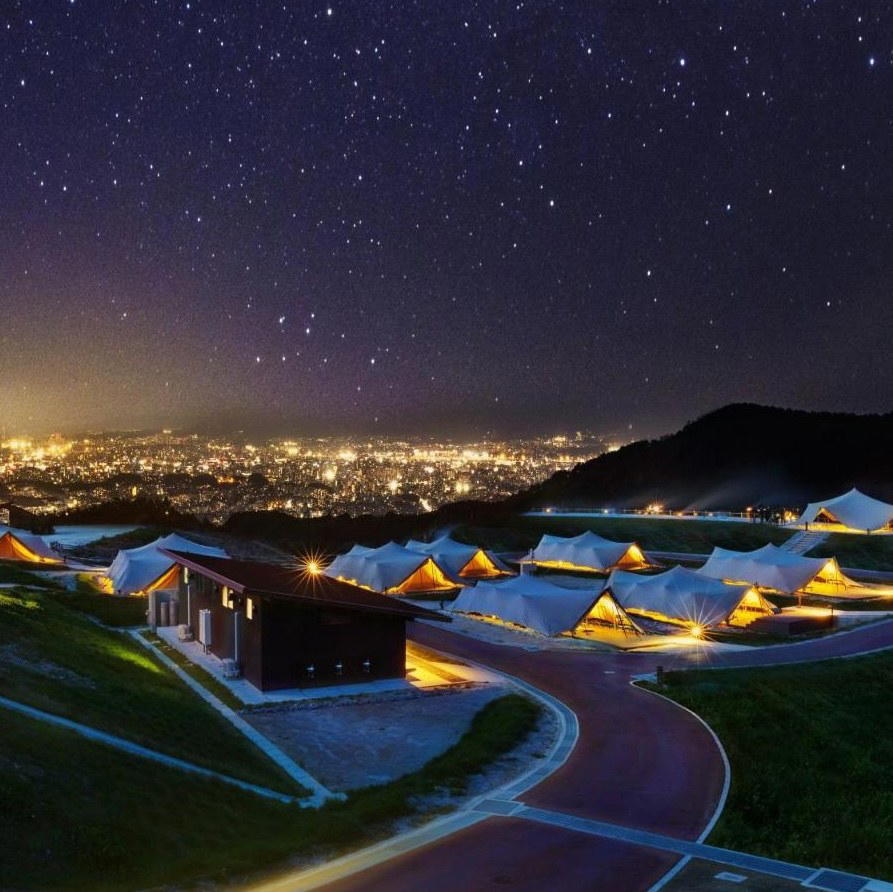
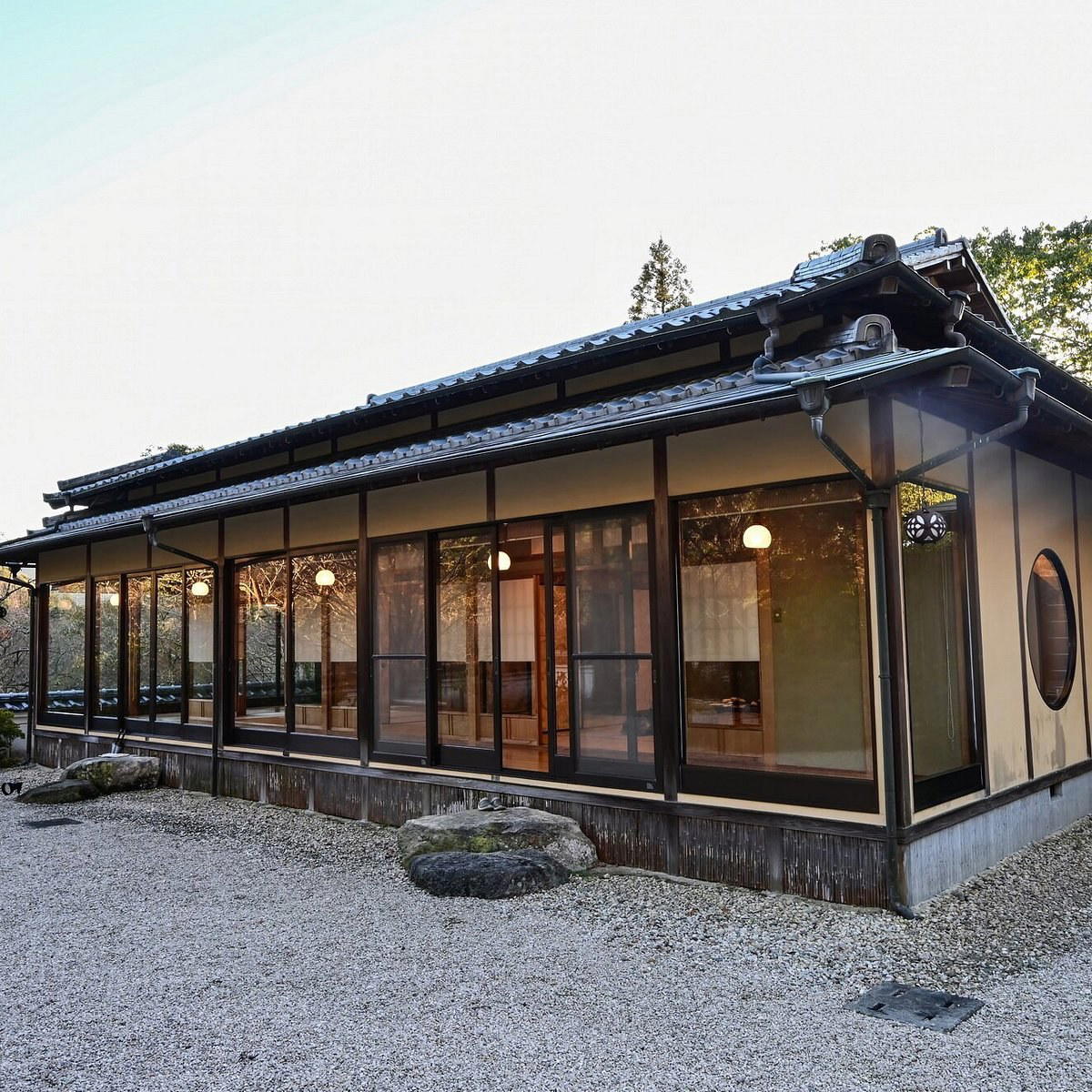
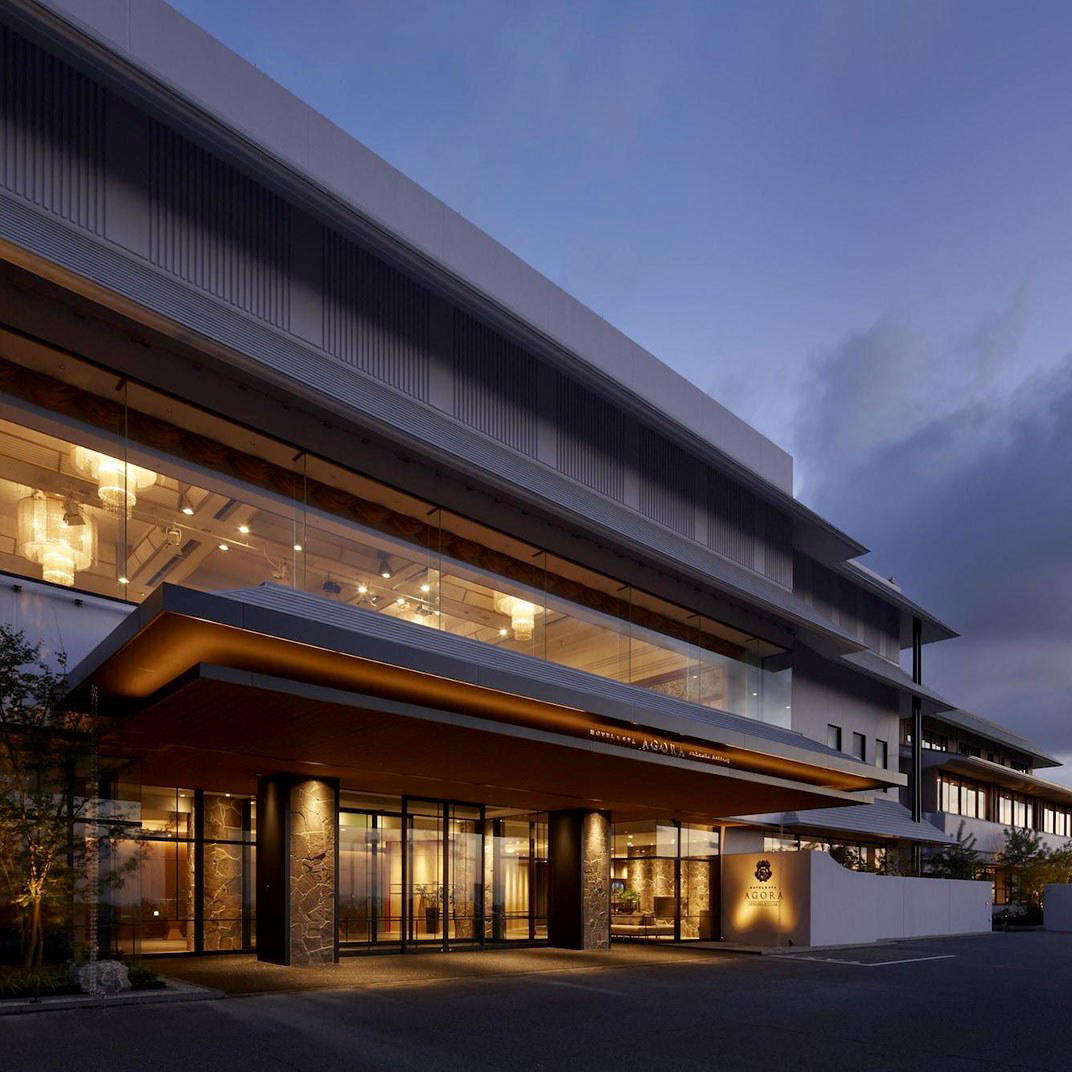
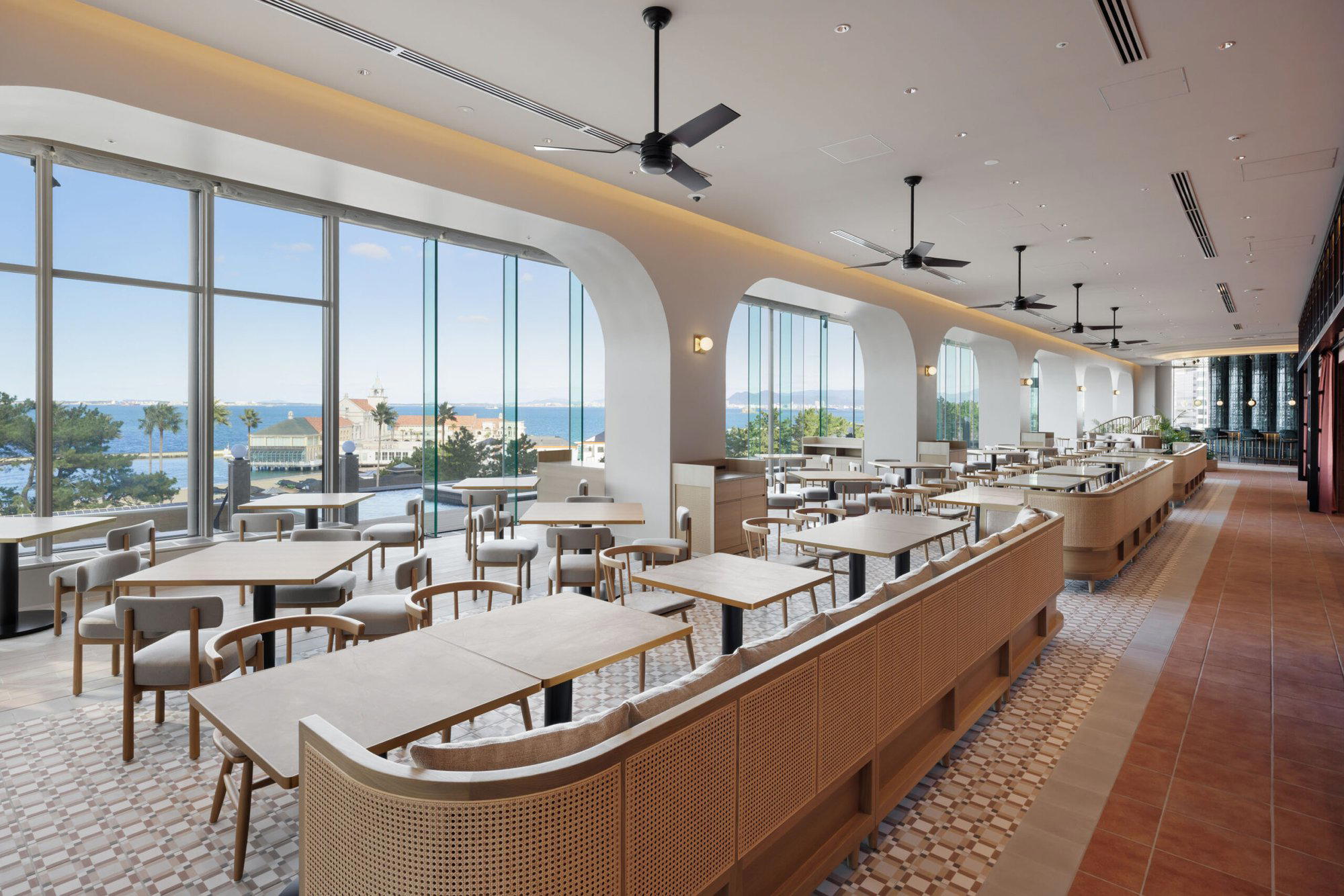
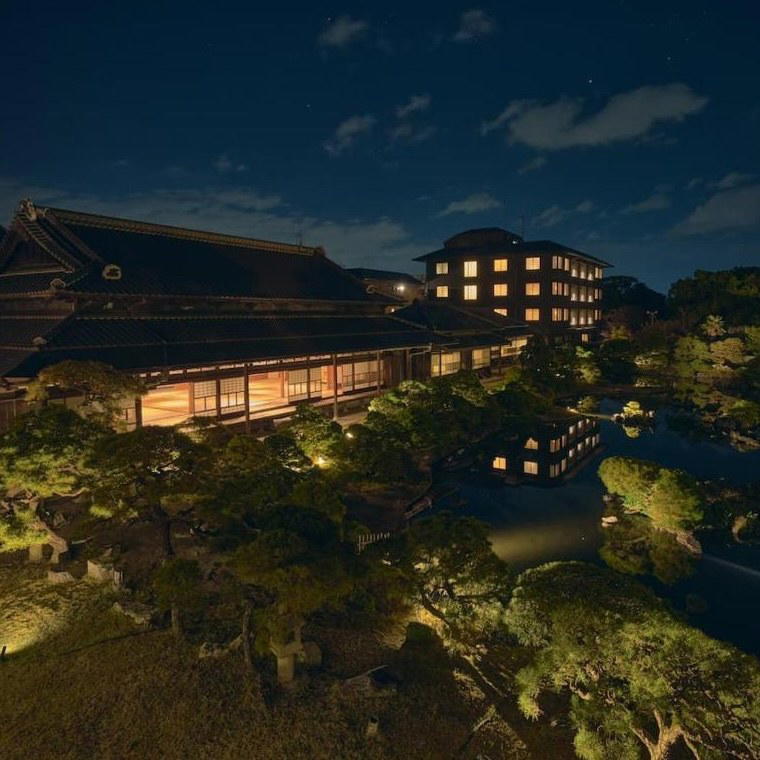
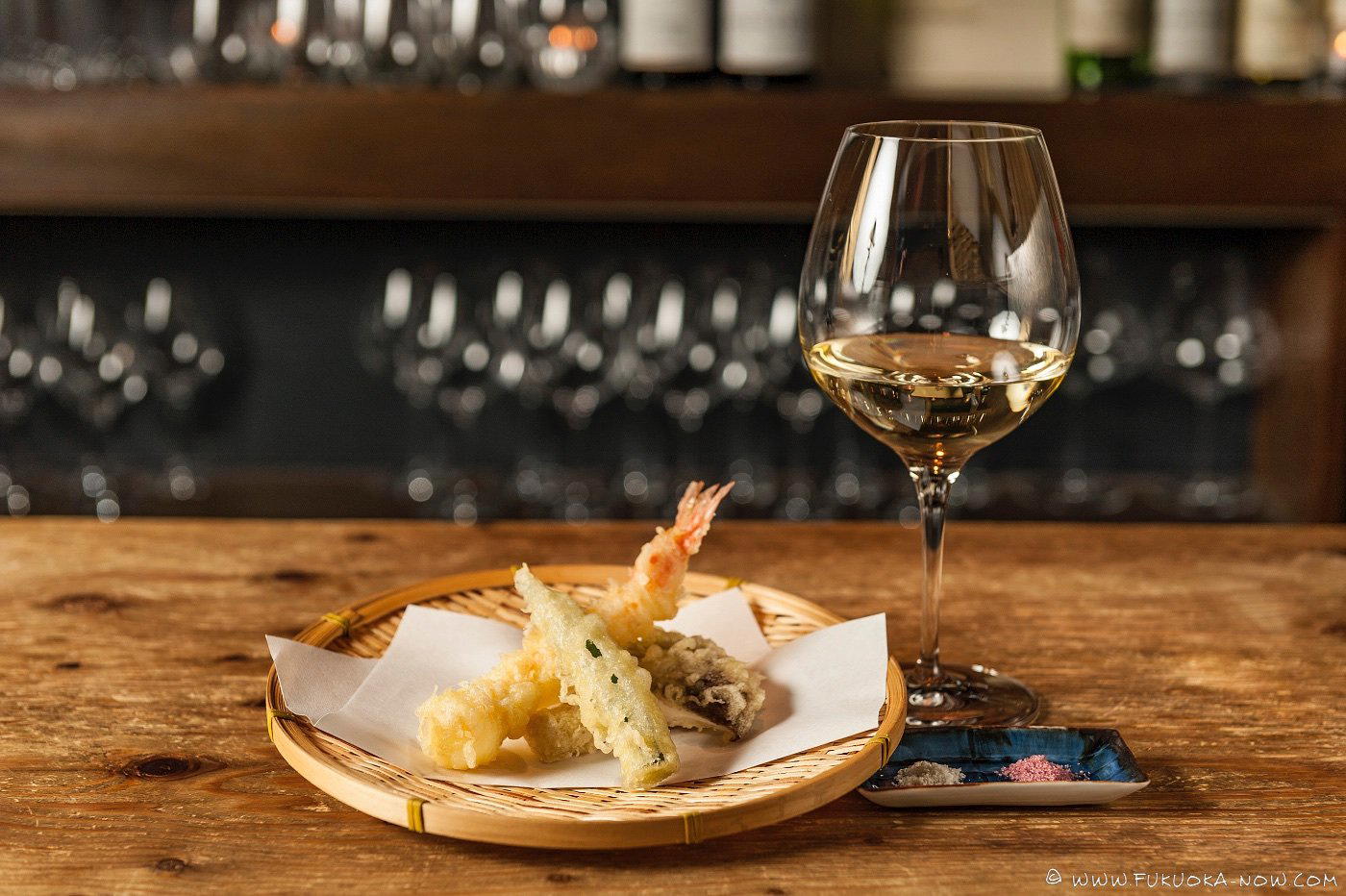
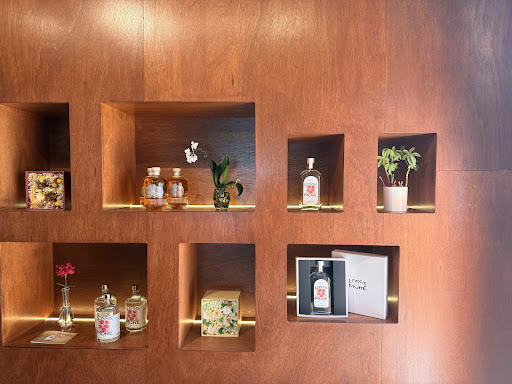
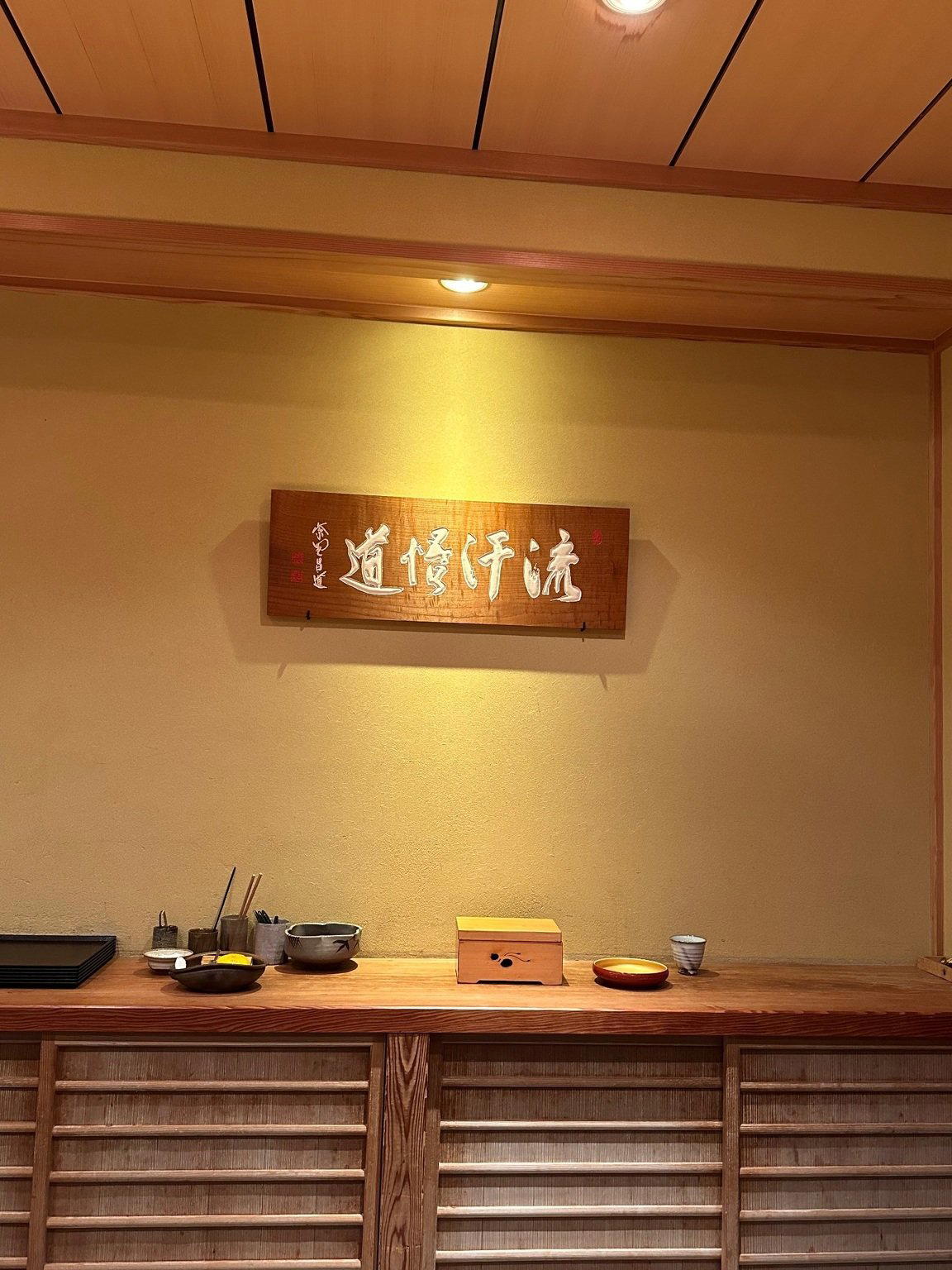
Peaceful and serene atmosphere blending traditional Japanese ryokan aesthetics with modern architecture, featuring warm lighting and natural mountain surroundings.