
Michelin Selected
Michelin Selected for 2025, the Nagasaki Marriott Hotel occupies a tower position at Onouemachi 1-1, adjacent to Nagasaki Station and the Nishi Kyushu Shinkansen network. The building's elevation places upper-floor rooms in direct dialogue with the city's layered port topography. It is the full-service international benchmark in a city whose tourism profile has grown sharply since the shinkansen opened in 2022.

Pearl is the En Primeur Club membership app — saves, bookings, and concierge access live there. Same editors, same standards.
- Address
- 1-1 Onouemachi, Nagasaki, 850-0058, Japan
- Phone
- +81 95-895-9995
- Website
- marriott.com
- Directions
- Get directions
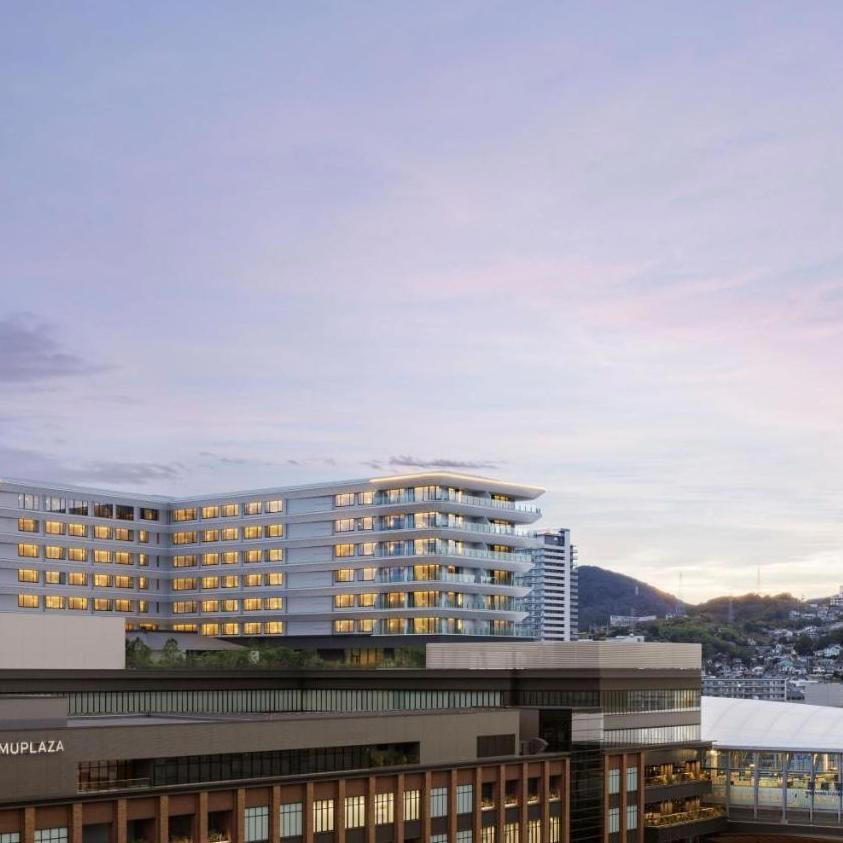
Nagasaki from Above: What a High-Rise Position Does to a Port City
Approaching Onouemachi from the waterfront, the hotel's tower reads as a clear vertical marker in a city that otherwise sprawls across interlocking hillsides. Nagasaki's topography is unusual among Japanese cities: the port occupies a narrow basin, and the residential and commercial districts climb steeply on either side, producing sightlines that reward elevation. A hotel positioned at Onouemachi 1-1 sits at a junction where the commercial centre meets that upward gradient, placing upper-floor rooms in a privileged relationship with the city's layered geography. This is the architectural logic that governs the Nagasaki Marriott Hotel's spatial appeal, and it shapes the guest experience well before questions of room category or dining arise.
Michelin's hotel selection programme, which extended its reach to Japanese regional cities in recent years, included the Nagasaki Marriott in its 2025 listing. Michelin Selected designation does not operate on the same star scale as the restaurant guide, but it signals a baseline of quality and consistency that the inspectors found credible enough to publish. For a Marriott-branded property in a mid-sized Japanese city, inclusion in that list places it in company with properties that compete partly on design and location coherence, not solely on brand recognition.
The Physical Logic of the Building
International hotel groups entering secondary Japanese cities face a structural decision: adapt their standard floor-plate to local urban conditions, or impose a generic template. In Nagasaki's case, the city's terrain makes the generic template visually incoherent. The Marriott's tower format allows it to clear the low-rise commercial grain around the station district and address the harbour, the Inasa-yama ridge, and the densely built slopes of the Higashiyamate and Minamiyamate districts from a single vantage. That relationship with the surroundings is the building's primary design argument.
The tower typology also reflects a broader pattern in Japanese urban hotel development, where full-service international brands have tended to anchor themselves in mixed-use or transit-adjacent plots. Nagasaki Station underwent significant redevelopment in the early 2020s, and the hotel's Onouemachi address places it within the renewed zone around that infrastructure investment. Travellers arriving by shinkansen, which reached Nagasaki in 2022 via the Nishi Kyushu extension, will find the positioning logistically direct.
For context on how international brands operate against design-led independents in Japan, the contrast is instructive. Properties like HOTEL THE MITSUI KYOTO in Kyoto or Gora Kadan in Hakone occupy the heritage-conversion and ryokan-tradition tier, where materiality and spatial intimacy are the primary offer. The Nagasaki Marriott operates in a different register: full-service infrastructure, consistent brand standards, and a location argument based on urban connectivity rather than seclusion. Neither approach is inherently superior; they serve different trip architectures.
Nagasaki as a Destination: What the City Asks of Its Hotels
Nagasaki's tourism identity is shaped by several overlapping histories: the Portuguese and Dutch trading presence from the 16th century, the Meiji-era Western settlements in Higashiyamate and Minamiyamate, and the atomic bombing of 1945 and its memorialisation at the Peace Park and the Atomic Bomb Museum. These sites are geographically spread, and the city's hilly terrain means that moving between them requires either deliberate planning or a base with good transport access. The hotel's position near the station and the city's tram network is practically useful for guests covering this range.
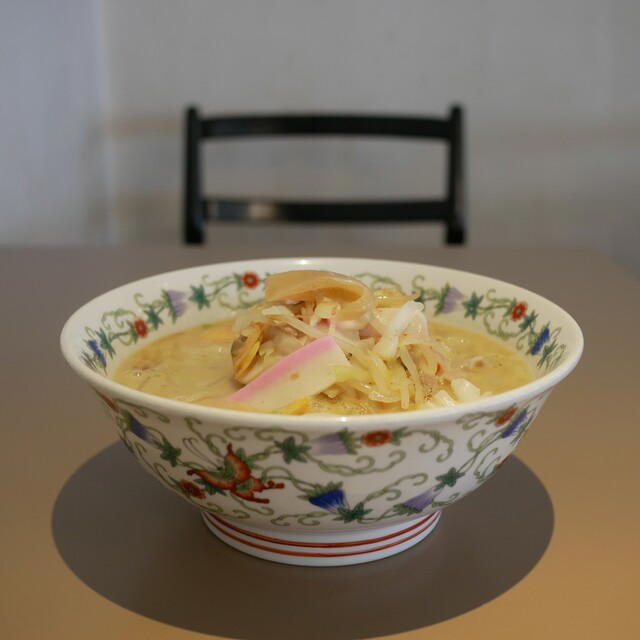
The dining character of Nagasaki reflects its trading history in ways that remain legible in the contemporary restaurant scene. Champon, the city's signature noodle dish, derives from Chinese immigrant cooking in the Shinchi Chinatown district. Shippoku cuisine, a hybrid banquet format blending Japanese, Chinese, and Portuguese influences, is particular to Nagasaki and available at a small number of specialist restaurants in the city. For an orientation to where these fit within the broader Nagasaki food scene, our full Nagasaki restaurants guide maps the current options across price tiers and neighbourhood.
Within Kyushu more broadly, Nagasaki sits in a region that includes several properties operating at the quieter, more landscape-embedded end of the luxury hotel spectrum. Kamenoi Besso in Yufu and GOTO RETREAT by Onko Chishin in Goto represent the ryokan-adjacent and retreat formats that characterise much of Kyushu's premium accommodation offer. The Nagasaki Marriott occupies a different slot: urban, full-service, and legible to international travellers who require predictable infrastructure alongside destination immersion.
Among Michelin Selected properties across Japan, the range runs from small inns with deep local character to urban towers with extensive F&B; programmes. The Nagasaki Marriott's inclusion in the 2025 list positions it within that broad selection, though the specific qualities that earned inclusion are not granularly published by the guide. What the designation does confirm is a level of consistency that the inspectors found noteworthy relative to the regional field.
For travellers building a Japan itinerary that moves between urban centres and more secluded properties, the Nagasaki Marriott functions well as an anchor before or after time at places like Fufu Nikko in Nikko, Asaba in Izu, or Zaborin in Kutchan. Those properties require significant travel planning around their more remote positions; Nagasaki, served by the Nishi Kyushu Shinkansen from Takeo-Onsen (with connections to Hakata and the main Kyushu network), is more straightforwardly integrated into a multi-city route.
The Hotel Indigo Nagasaki Glover Street represents the most direct local comparison in the international-brand segment, with its position closer to the Minamiyamate Western Settlement area giving it a different neighbourhood character. The two properties serve similar visitor profiles but with distinct location arguments: the Marriott prioritises transport connectivity, while the Indigo leans into historic district proximity.
Planning a Stay
Booking through the Marriott Bonvoy platform gives access to the standard rate architecture and loyalty programme benefits that apply across the group. For Nagasaki specifically, the autumn months, when the city's hilly terrain turns and temperatures moderate from Kyushu's humid summers, tend to draw higher domestic tourism volumes; advance booking during that window is advisable. The Nishi Kyushu Shinkansen connection, operational since September 2022, has shortened journey times from Hakata significantly, which has increased day-trip and short-stay traffic to the city and affects hotel availability during peak periods.
Travellers whose Japan itinerary extends beyond Kyushu to consider properties such as Benesse House in Naoshima, Halekulani Okinawa, or Nishimuraya Honkan in Kinosaki-cho will find that those properties operate on tighter availability windows and require earlier planning than a full-service urban Marriott. The Nagasaki property has more inventory depth than a small ryokan, but the city's growing profile as a destination following the shinkansen opening means that assuming last-minute availability during busy periods carries more risk than it did five years ago.
How It Stacks Up
Comparable venues nearby, for context on price, style, and recognition.
| Venue | Cuisine | Price | Awards | Notes |
|---|---|---|---|---|
| Nagasaki Marriott HotelThis venue — the venue you are viewing | Modern cruise ship motif exterior representing Nagasaki's port heritage | $100–200 | Michelin Selected | Not listed |
| Hotel Indigo Nagasaki Glover Street | Historic redbrick building reimagined as boutique hotel celebrating Nagasaki's multicultural heritage | Not listed | Michelin Guide New Hotels New Hotel · Michelin Selected | Minamiyamate |
| Hotel Iya Onsen (ホテル祖谷温泉) | Traditional Japanese ryokan-style luxury hotel with modern amenities, blending heritage architecture with contemporary comfort in a remote mountain setting. | Not listed | 4-Star | Oboke Iya Onsen-kyo district, Miyoshi |
| 扉温泉 明神館 | Traditional Japanese ryokan with modern renovations | Not listed | 4-Star | 入山辺 |
| Hotel Granvia Osaka (ホテルグランヴィア大阪) | Contemporary urban tower hotel with direct train station access | $100–200 | Not listed | Umeda |
| REF Kumamoto by VESSEL HOTELS | New brand blending local Kumamoto culture with contemporary urban design | $1–100 | Michelin Selected | Chuo-ku |
Recognition history
Dated appearances from independent guides and award organizations, with the underlying list record or original source where available.
Michelin Selected
Michelin
Continue exploring
More in Nagasaki
Hotels in Nagasaki
Browse all →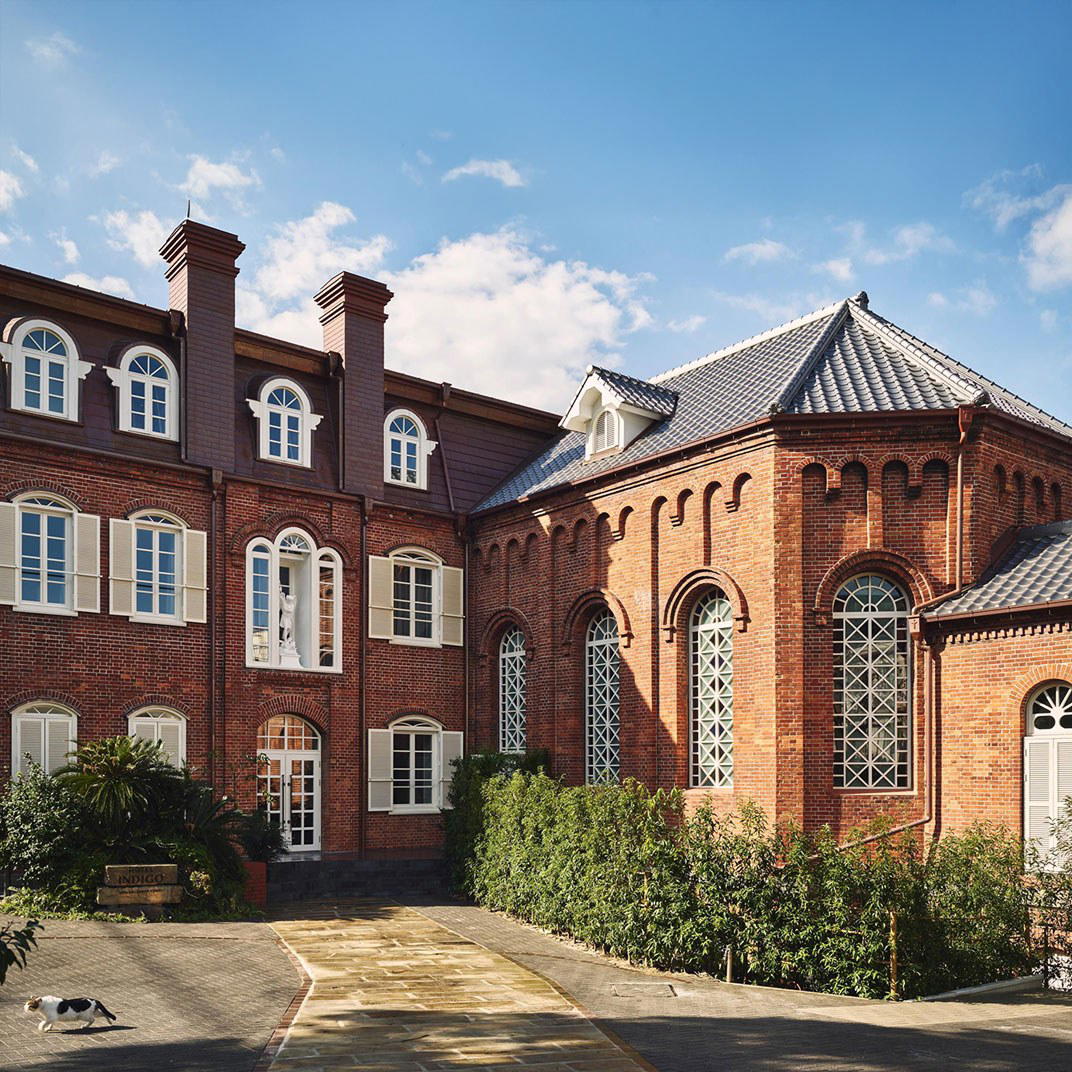



Details
- Modern
- Elegant
- Sophisticated
- Business Trip
- Weekend Escape
- Panoramic View
- Terrace
- Wi Fi
- Fitness Center
- Room Service
- Concierge
- Business Center
- Mountain
- Elevator
- Step Free Entrance
Sophisticated urban retreat with sleek modern design, expansive lobby featuring Mt. Inasa views, and elegant atmosphere.