
Tabelog Bronze #420
Our verdict
Attached to the Fukuchiyo Sake Brewery in Kashima, Souan Nabeshima is a six-seat counter restaurant that earned consecutive Tabelog Bronze Awards from 2023 through 2026 and two selections for Tabelog Japanese Cuisine WEST 100. Dinner runs JPY 30,000–39,999 and operates Wednesday through Sunday evenings only, making advance reservations a practical necessity for anyone travelling to Saga's Ariake coast.

Pearl is the En Primeur Club membership app — saves, bookings, and concierge access live there. Same editors, same standards.
- Address
- 乙2420-1 Hamamachi, Kashima, Saga 849-1322, Japan
- Phone
- +81 954-60-4668
- Hours
- Mon–Tue ClosedWed–Sun 5–8 PM
- Website
- nabeshima-auberge.com
- Directions
- Get directions
- Booking
- Book on TableCheck
The menu
What to order
- Nabeshima sake pairings
- Locally sourced Saga seafood
Where Sake Heritage Meets the Kaiseki Counter
Along the Ariake Sea coast in Kashima, Saga Prefecture, a particular model of Japanese dining has taken hold: the brewery auberge, where a historic sake producer extends its hospitality into food and lodging, grounding both in the same terroir that defines its fermentation. Souan Nabeshima sits inside this format as the restaurant arm of Fukuchiyo Sake Brewery, the producer behind Nabeshima, a sake that earned international recognition before most Western collectors had begun paying serious attention to regional Japanese brewing. The connection between the two is not incidental. The brewery's reputation sets the expectations a diner carries through the door, and the six-seat counter operates at a price tier that aligns with that positioning.
The physical setting reinforces the logic. Kashima sits roughly 315 metres from Hizen Hama Station on the Nagasaki Main Line, a coastal town whose economy has long revolved around sake brewing, soy sauce production, and the seasonal harvest of the Ariake Sea. The Ariake is one of Japan's most productive tidal flats, and the seafood it yields including local varieties of clams, mullet, and eel forms a culinary identity distinct from the better-documented fishing cultures of Hokkaido or the Pacific coast. Dining here places you inside that specific geography rather than observing it from a distance.
Six Seats and What That Number Implies
A six-seat counter in Japanese fine dining is a deliberate constraint. Counters of this size are common at the apex of the kaiseki and omakase formats in Kyoto and Tokyo, where they signal total precision, ingredient-led menus with limited substitution, and a service rhythm that depends on the kitchen reading the room rather than processing a dining room. At Souan Nabeshima, all six seats face the counter, there are no private rooms, and the service charge runs ten percent. The format is kaiseki-adjacent: Japanese cuisine served in a sequence where each course reflects seasonal and local sourcing, with the brewery's sake available as the natural pairing context.
For comparison, counters at this scale and price point in Saga's peer cities operate in a competitive set that includes Goh in Fukuoka and Gion Sasaki in Kyoto, both of which represent the regionalized kaiseki tradition at different price brackets. Souan Nabeshima's JPY 30,000–39,999 dinner bracket (plus ten percent service) places it firmly in the premium tier for Kyushu, where fine dining rarely commands Tokyo or Kyoto pricing without a proportional audience. Within Saga itself, the contrast is sharp: Sumiyaki Hamburger Steak Gyusen operates at JPY 2,000–2,999, which marks the breadth of the prefecture's dining range.
The Award Record as a Reliability Signal
Souan Nabeshima has received the Tabelog Bronze Award consecutively from 2023 through 2026, alongside two inclusions in the Tabelog Japanese Cuisine WEST 100 list, in 2023 and 2025. Its Tabelog score sits at 4.28–4.33 across those cycles. These signals matter in a specific way: Tabelog's Bronze tier, particularly in the WEST 100 selection, reflects sustained performance across a large volume of reviewer data rather than a single critic's visit. For a restaurant outside a major metropolitan area, maintaining that consistency for four consecutive years indicates that the operation has not slipped since opening in March 2021, and that it draws diners from outside Kashima specifically for the restaurant rather than as a secondary stop.
For comparison, Tabelog recognition at this level for a regional restaurant outside Fukuoka, Osaka, or Kyoto is less common than the award count might suggest. The WEST 100 selection competes across all of western Japan, meaning Souan Nabeshima holds its position against recognised counters in larger cities. That context, more than the score itself, explains why the reservation demand justifies advance planning. At six seats, dinner-only service from Wednesday through Sunday, and no walk-in culture at this price tier, capacity across a full week is effectively 30 covers. That arithmetic alone drives the booking window.
The Brewery Auberge Format and Why It Travels Well
The sake brewery auberge, of which Fukuchiyo is among the more developed Japanese examples, draws on a European tradition of producer hospitality while remaining distinctly Japanese in execution. The logic is: if you are already making something exceptional, the most coherent way to express it is through food and lodging that share the same source. Burgundy's domaine dinners operate on comparable reasoning. What differentiates the Japanese version is the emphasis on local cuisine as both context and counterpoint to the sake, rather than wine-food pairing in a Western sense. Sake's umami alignment with dashi-based cuisine, fermented seafood, and aged proteins makes the pairing architecture different from anything a wine list produces.
Visitors who have worked through fine dining in other parts of Japan will recognise the philosophical overlap. Harutaka in Tokyo, HAJIME in Osaka, and akordu in Nara each anchor themselves in a regional ingredient logic, and the Souan Nabeshima model fits that broader pattern, differentiated by the brewery provenance that gives it an additional layer of place-specificity. You are not just eating food from Saga; you are eating in a context shaped by a fermentation culture that has been operating in Kashima for generations.
Saga's Dining Scene in Brief
Saga Prefecture does not carry the culinary reputation of Fukuoka or Nagasaki, but it operates as a producing region for ingredients that supply some of Japan's most recognised kitchens. Saga beef has Wagyu designation, Ariake Sea seafood is sourced by Tokyo restaurants, and the prefecture holds a ceramics tradition centred on Arita and Imari that feeds directly into the tableware culture of kaiseki. Tsukuta and Amegen represent Saga's seafood-forward dining in the sushi and broader seafood categories respectively, while Souan Nabeshima occupies the highest price bracket in the prefecture's restaurant range. The full picture of what Saga offers is better mapped through our full Saga restaurants guide, with additional context available in our Saga hotels guide, bars guide, wineries guide, and experiences guide.
For those tracking the broader Japanese fine dining circuit, relevant comparisons outside Kyushu include 1000 in Yokohama, 6 in Okinawa, and Abon in Ashiya, each representing regional Japanese dining at comparable levels of seriousness outside Tokyo. Internationally, the format has structural cousins at Le Bernardin in New York City and Atomix in New York City, both of which operate tightly controlled counters where the ingredient-sourcing logic drives the menu architecture.
Planning Your Visit
Souan Nabeshima opens Wednesday through Sunday, with dinner service beginning at 17:00 and last orders for food at 17:00 (meaning all orders are placed at the start of service, consistent with a set-menu counter format). The restaurant is closed Monday and Tuesday. Dinner runs JPY 30,000–39,999 per person before the ten percent service charge. All major credit cards are accepted, including Visa, Mastercard, JCB, American Express, and Diners Club; electronic money and QR code payments are not accepted. The restaurant holds six counter seats, no private rooms, but is available for full private hire. Parking is available on site. The address is 乙2420-1 Hamamachi, Kashima, Saga 849-1322; the nearest rail access is Hizen Hama Station on the Nagasaki Main Line, approximately 315 metres from the restaurant. Reservations are available and, given the six-seat capacity and the demand implied by four years of consecutive Tabelog Bronze recognition, should be arranged well in advance of travel. The Fukuchiyo website at fukuchiyo.com is the primary channel for reservation enquiries.
Frequently asked questions
How do I find Souan Nabeshima?
Souan Nabeshima is located at 乙2420-1 Hamamachi, Kashima, Saga 849-1322, Japan, Saga.
Has Souan Nabeshima won any awards?
Souan Nabeshima has received recognition including: {"Year":"2026","Award Source":"Tabelog","Award Type":"The Tabelog Award","Award Group":"bronze","Award Group Rank":"420","Restaurant Name":"Soan Nabeshima","Score":"4.28","Budget":"Dinner: JPY 30,000 - JPY 39,999; Lunch: -","Budget Dinner":….
What's the best thing to order at Souan Nabeshima?
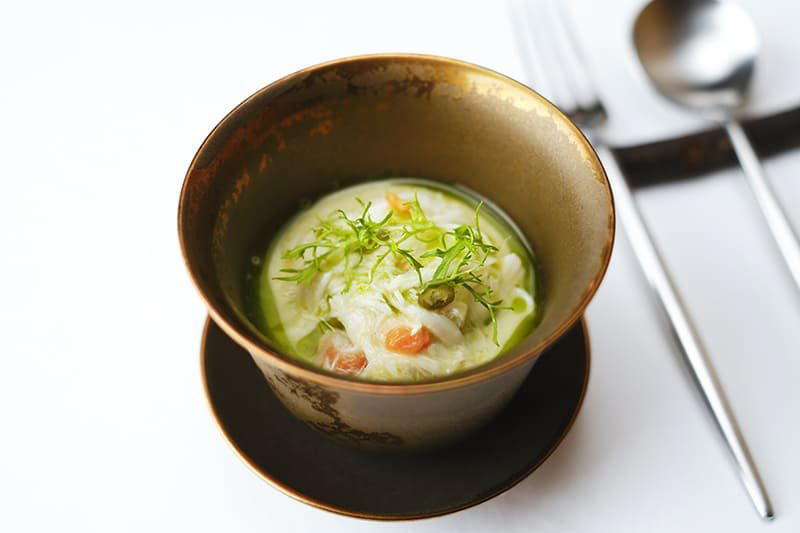
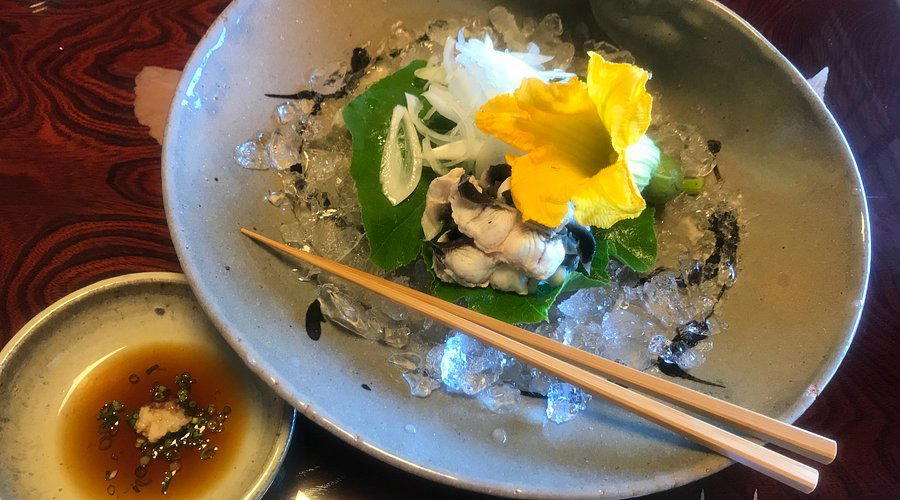
The menu structure is fixed, not à la carte — at JPY 30,000–39,999 per person for dinner, guests receive a set course rather than choosing individual dishes. The format is a counter experience built around the Fukuchiyo brewery's Nabeshima sake, so the pairing between the kaiseki progression and the brewery's own production is the central draw, not any single item.
What days is Souan Nabeshima closed?
Hours at Souan Nabeshima: Wed, Thu, Fri, Sat, Sun 17:00 - 21:00 L.O. Food 17:00.
What's the defining dish or idea at Souan Nabeshima?
The defining idea is the brewery auberge format itself: a six-seat counter operating inside the Fukuchiyo sake brewery in Kashima, where the food and sake share the same provenance. Nabeshima is among Japan's most sought-after sake labels, and the restaurant exists within that production context. Four consecutive Tabelog Bronze Awards (2023–2026) and two Tabelog Japanese Cuisine WEST Top 100 selections confirm the kitchen holds its own independently of the sake heritage.
What if I have allergies at Souan Nabeshima?
Given the six-seat counter format and reservation-only model, contacting Souan Nabeshima directly before booking is the practical step — the phone number listed on Tabelog is 0954-60-4668, and the affiliated website is fukuchiyo.com. Counter restaurants of this size typically accommodate dietary requirements at the reservation stage rather than on arrival.
Booking and Cost Snapshot
Comparable venues nearby, for context on price, style, and recognition.
| Venue | Cuisine | Price | Awards | Notes |
|---|---|---|---|---|
| Souan NabeshimaThis venue — the venue you are viewing | Seasonal Japanese Kaiseki with Sake Pairing | $300–500 | Tabelog Bronze #420 | Not listed |
| Restaurant 5 | Seasonal Creative Japanese (Improvisational Course Menu) | $50–100 | Tabelog 100 #52 | .null, Seasonal Creative Japanese (Improvisational Course Menu) |
| Kira Honten | Saga Beef Teppanyaki | $50–100 | Not listed | Otakara, Saga Beef Teppanyaki |
| Momoya | Japanese yoshoku hamburger steak & dumplings | $10–20 | Tabelog 100 #37 | Karatsu, Japanese yoshoku hamburger steak & dumplings |
| Tsukuta | Karatsu-mae Edomae Sushi Omakase | $150–200 | Tabelog 100 #89 | Karatsu, Karatsu-mae Edomae Sushi Omakase |
| Sumiyaki Hamburger Steak Gyusen | Charcoal-Grilled Japanese Hamburger Steak | $20–30 | Tabelog Bronze #90 | Kurakami-cho, Charcoal-Grilled Japanese Hamburger Steak |
Recognition history
Dated appearances from independent guides and award organizations, with the underlying list record or original source where available.
Tabelog Bronze #420
Tabelog
Full recognition history (3 entries)
Tabelog 100 #59 · No. 59
Tabelog · Tabelog 100 - Japanese cuisine - WEST - 2025
Tabelog Bronze
Tabelog
Continue exploring
More in Saga
Restaurants in Saga
Browse all →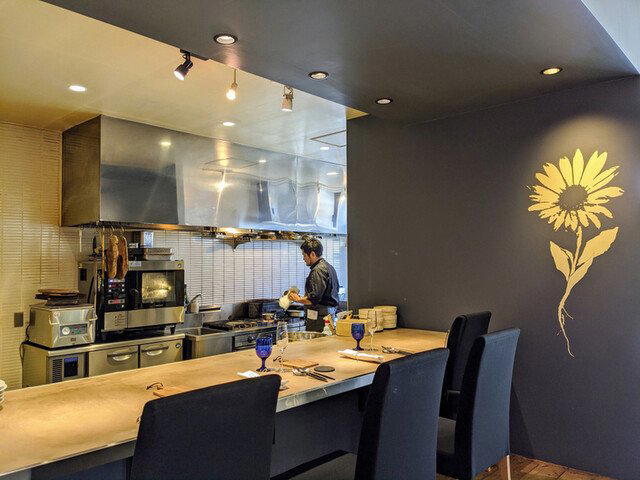
Details
- Elegant
- Intimate
- Sophisticated
- Classic
- Special Occasion
- Date Night
- Celebration
- Chefs Counter
- Historic Building
- Open Kitchen
- Private Dining
- Sake Program
- Sommelier Led
- Local Sourcing
- Farm To Table
- Counter Dining
- Tasting Menu
- Set Menu
- Nabeshima Sake
- Sake Flights
Current opening hours
- Monday
- Closed
- Tuesday
- Closed
- Wednesday
- 5–8 PM
- Thursday
- 5–8 PM
- Friday
- 5–8 PM
- Saturday
- 5–8 PM
- Sunday
- 5–8 PM
Hours can change for holidays and private events. Last verified .
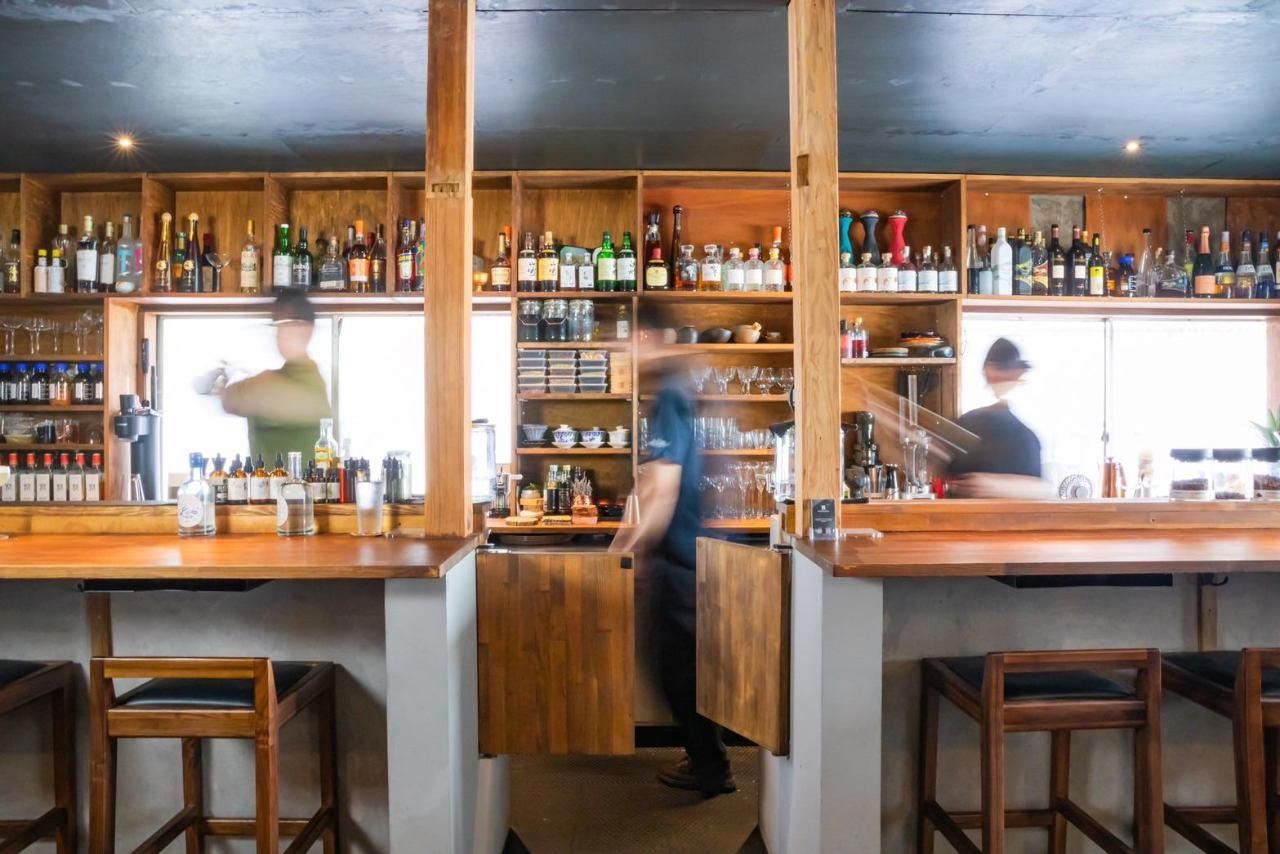
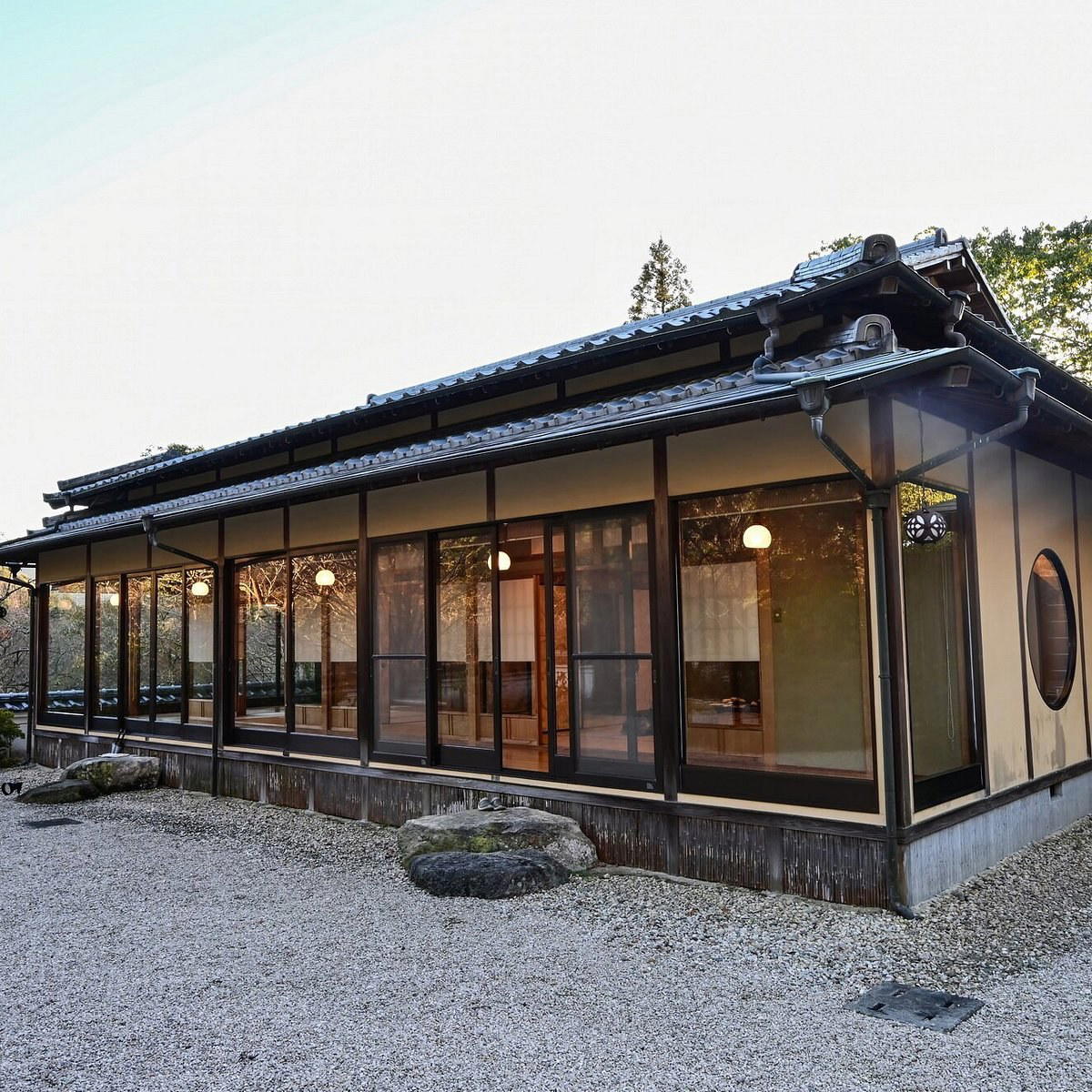
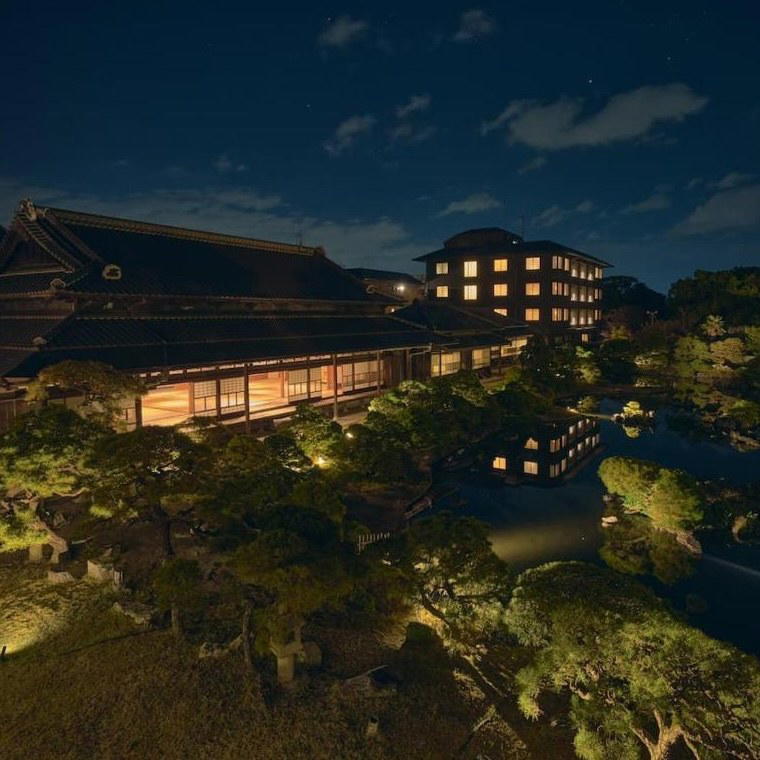
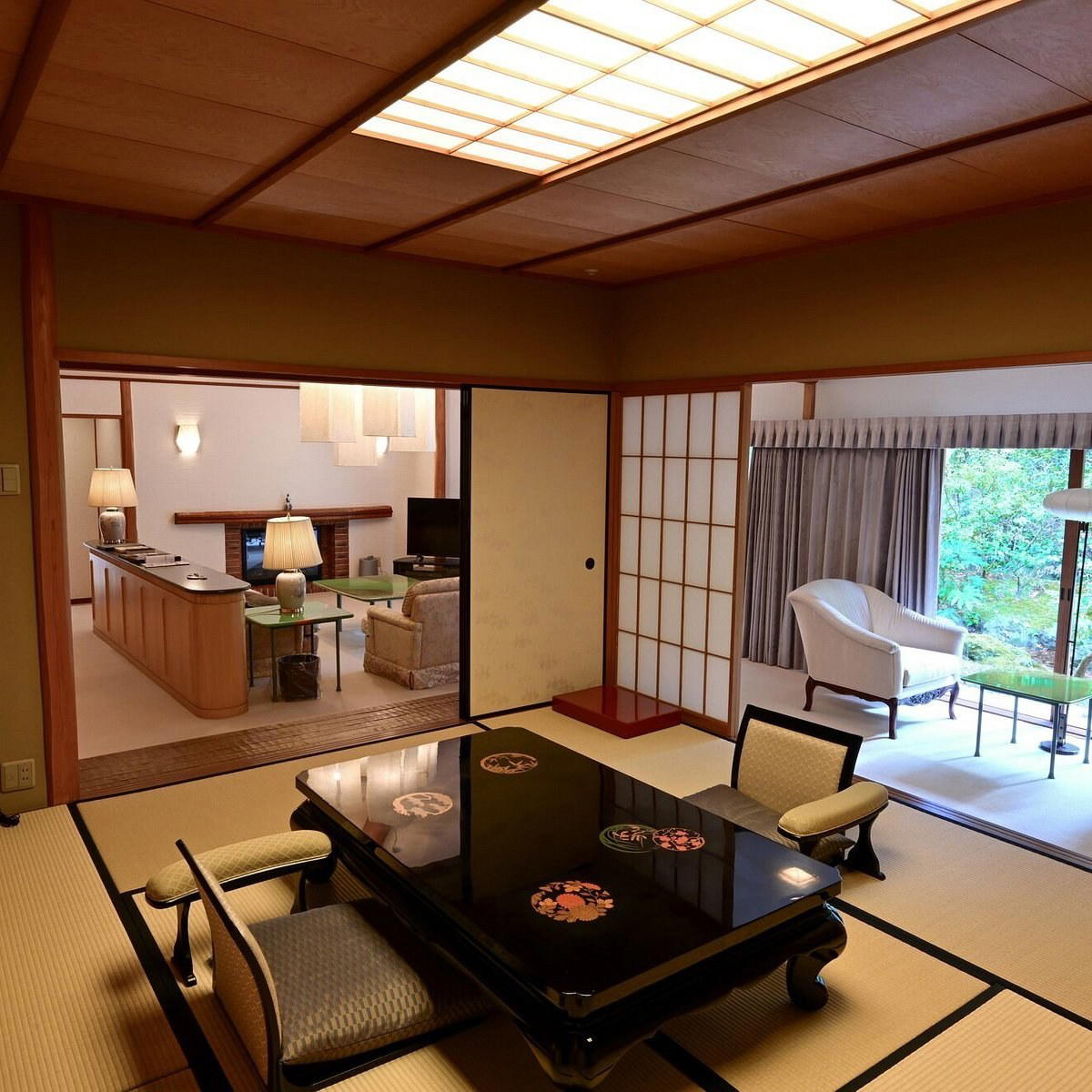
Historic 230-year-old merchant house with traditional Japanese architecture, refined contemporary comfort, intimate counter setting with soft natural light through traditional aisles.