Kayanoya in Tokyo's Marunouchi district operates from within GranSta Marunouchi, the retail concourse attached to Tokyo Station. The brand is built around its dashi-based pantry products, and a visit here is less about table service than about understanding how a centuries-old broth tradition translates into a modern retail and tasting format. For anyone tracing Japan's obsession with umami from kitchen stock to plated dish, this is a practical starting point.
Pearl is the En Primeur Club membership app — saves, bookings, and concierge access live there. Same editors, same standards.
- Address
- 丸の内1-9-1 (グランスタ丸の内), 千代田区, 東京都, 100-0005
 Saves & bookings on Pearl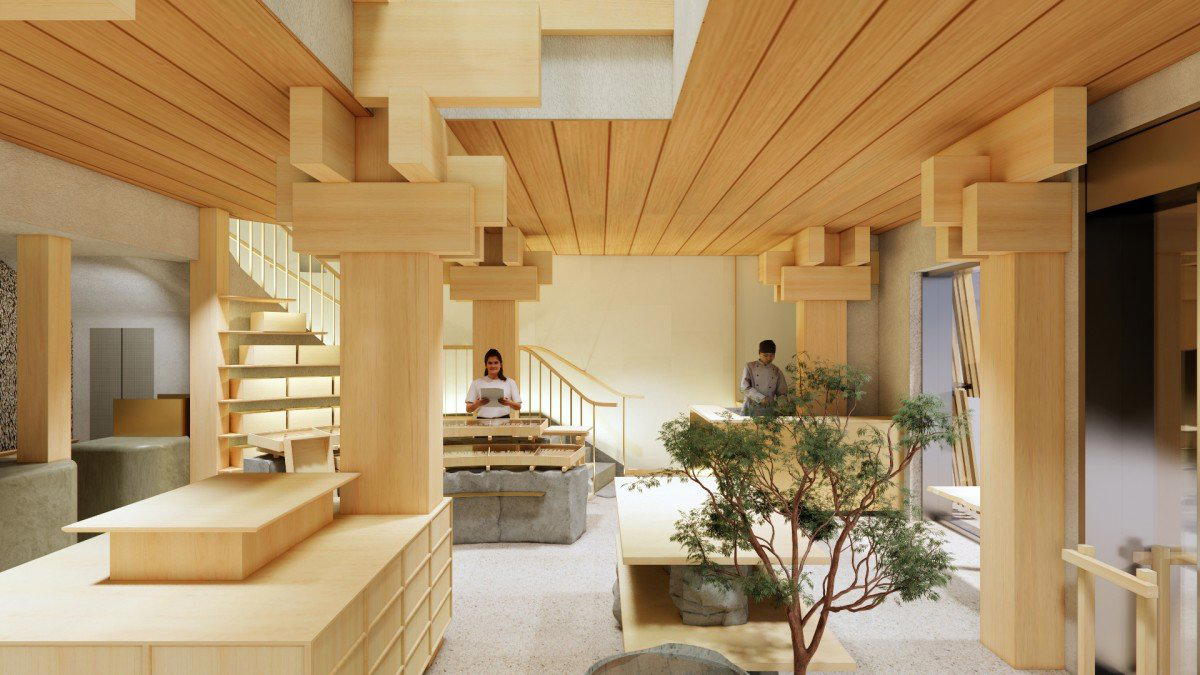
The Station Concourse as a Lens on Japanese Pantry Culture
Tokyo Station's GranSta Marunouchi concourse has become one of the more instructive places in the city for reading how Japanese food culture moves between professional kitchen and domestic table. The architecture is deliberately transient, departure boards overhead, commuters pulling rolling bags, yet the food retail concentrated here is serious enough to hold the attention of anyone who cooks or eats with intention. Kayanoya operates within this environment. It positions the brand at the intersection of convenience and craft, which is precisely where its dashi products have always sat in the broader market.
Kayanoya originates in Fukuoka Prefecture, where the parent company has operated since the late nineteenth century, producing the seasoning pastes and dried broths that appear in home kitchens and restaurant prep areas across Japan. The Tokyo presence, housed in GranSta Marunouchi at the address 丸の内1-9-1, translates that manufacturing heritage into a retail and light dining format accessible to anyone passing through one of the world's busiest rail hubs. The format is worth comparing to how other Japanese pantry-focused producers have approached urban retail: some opt for standalone flagship stores in Ginza or Omotesando, targeting destination shoppers; Kayanoya here chooses the station corridor, betting on the daily commuter and the arriving traveller equally.
Dashi as Menu Architecture
One useful way to read Kayanoya's offer is through menu architecture: a product built on a single foundational ingredient, dashi, the Japanese stock base derived from kombu and katsuobushi, with regional variations adding ago, or flying fish, can still support a range of retail items and preparation styles without losing coherence.
In Japanese cooking, dashi is not a background note. It is the structural element around which seasoning, acidity, and protein are arranged. The distinction matters because it inverts the logic of most Western stock-based cooking, where the broth is a means to an end. Here, the quality of the dashi is the end, and everything else, the miso, the noodle, the pickled vegetable alongside, exists to demonstrate what a well-made stock can carry. Kayanoya's product line makes this argument in retail form: the dashi packets, sold in measured single-serve sachets, are designed to show that the gap between a professional kitchen's broth and a home cook's can be closed through sourcing discipline rather than technique.
This philosophy has a direct parallel in how serious ramen houses in Tokyo approach their tare and broth programs. It also connects to the broader Japanese food culture emphasis on te-ma, or the visible effort embedded in preparation. At RyuGin, one of Tokyo's kaiseki references operating at the ¥¥¥¥ tier, the dashi underpinning each seasonal course is treated with the same seriousness as the protein or vegetable it supports. Kayanoya's retail format makes that same argument at a different price point and with a different audience in mind.
Where This Sits in Tokyo's Dining Hierarchy
Tokyo's restaurant hierarchy is often discussed in terms of its Michelin density, but the more useful frame for understanding Kayanoya is the space between starred restaurants and home cooking. That middle ground is where Japan's premium food retail operates, and it is larger and more sophisticated here than in almost any comparable city.
At the ¥¥¥¥ end of the Tokyo dining spectrum, venues like Harutaka for sushi, L'Effervescence for French, and Sézanne command the attention of international food media. At the innovative end, Crony represents a younger, more experimental cohort. Kayanoya does not compete in that tier and is not designed to. Its competitive set is the premium pantry and food-gift market, where the question is whether a product is good enough to give as a gift to someone who cooks seriously. In Japan, that is a demanding standard.
For context beyond Tokyo, Kayanoya's approach to dashi-led flavor has counterparts in how Osaka-based restaurants like HAJIME or Kyoto's Gion Sasaki treat stock as the foundation of their respective menus. Further afield, akordu in Nara and Goh in Fukuoka, Kayanoya's home region, each demonstrate how the Kyushu tradition of lighter, seafood-forward broths informs restaurant cooking at the serious end of the market. Regional producers like those in Nanao and Takashima show that Japan's pantry culture extends well beyond the major cities. Even ryokan dining in areas like Nishikawa Machi depends on this same dashi infrastructure. In Sapporo, the northern tradition of konbu-heavy stocks gives the same foundational logic a regional accent. The through-line across all of these is the same: dashi quality is not decorative, it is load-bearing.
For international comparison, the closest equivalent in terms of a producer translating professional kitchen logic into premium retail is the movement around high-quality fish stocks and concentrated bases that has grown in France and the United States. At Le Bernardin in New York, the emphasis on seafood-derived stocks as the primary flavor vehicle has its own logic; Atomix, also in New York, demonstrates how Korean umami traditions have entered fine dining conversations in a way that parallels Japan's dashi culture.
Planning a Visit
The GranSta Marunouchi location places Kayanoya directly within Tokyo Station's main concourse, reachable from every major JR line and the Marunouchi subway line. The GranSta retail zone runs along the central passage. For those arriving in Tokyo by Shinkansen, the concourse is part of the natural exit route, making a stop here a practical rather than detour-dependent decision.
Kayanoya's format lends itself to the pre-departure food shopping that Tokyo Station's food halls are designed for. The dashi packets travel well, are shelf-stable, and carry enough credibility with serious home cooks that they function as considered food gifts rather than generic souvenirs. Anyone planning to cook Japanese food at home, or interested in understanding what separates a clean, complex broth from a flat one, will find the product range instructive. Sakai or Toyohashi, where regional craft food production takes different but equally considered forms.
Accolades, Compared
Comparable venues nearby, for context on price, style, and recognition.
| Venue | Cuisine | Price | Notes |
|---|---|---|---|
| Kayanoya (茅乃舎)This venue — the venue you are viewing | Dashi Oden Japanese | $$ | Not listed |
| Chuka Soba Benten | Traditional Japanese Ramen & Tsukemen | $$ | Nerima |
| Shinsen Horumon Sambyakuya | Japanese Yakiniku & Horumon | $$ | Shibuya |
| Akasaka Musashi | Japanese Shabu-shabu & Sukiyaki | $$ | Minato |
| L'Atelier Plus | Japanese-style Western (yoshoku) bistro | $$ | Meguro |
| Harukor Ainu Restaurant | Ainu Indigenous Cuisine | $$ | Shinjuku |







At a Glance
- Classic
- Cozy
- Casual Hangout
- After Work
- Open Kitchen
- Sake Program
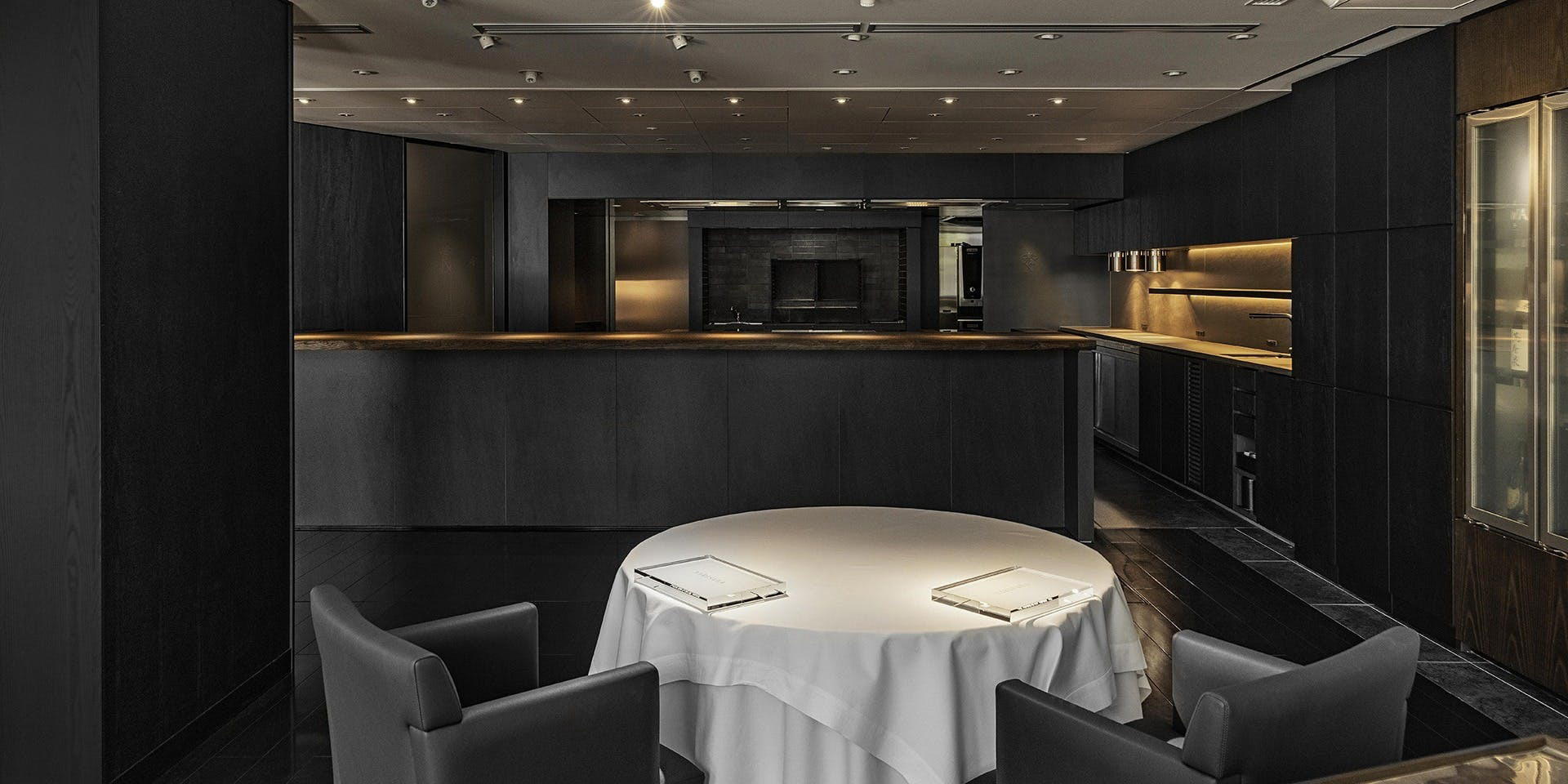
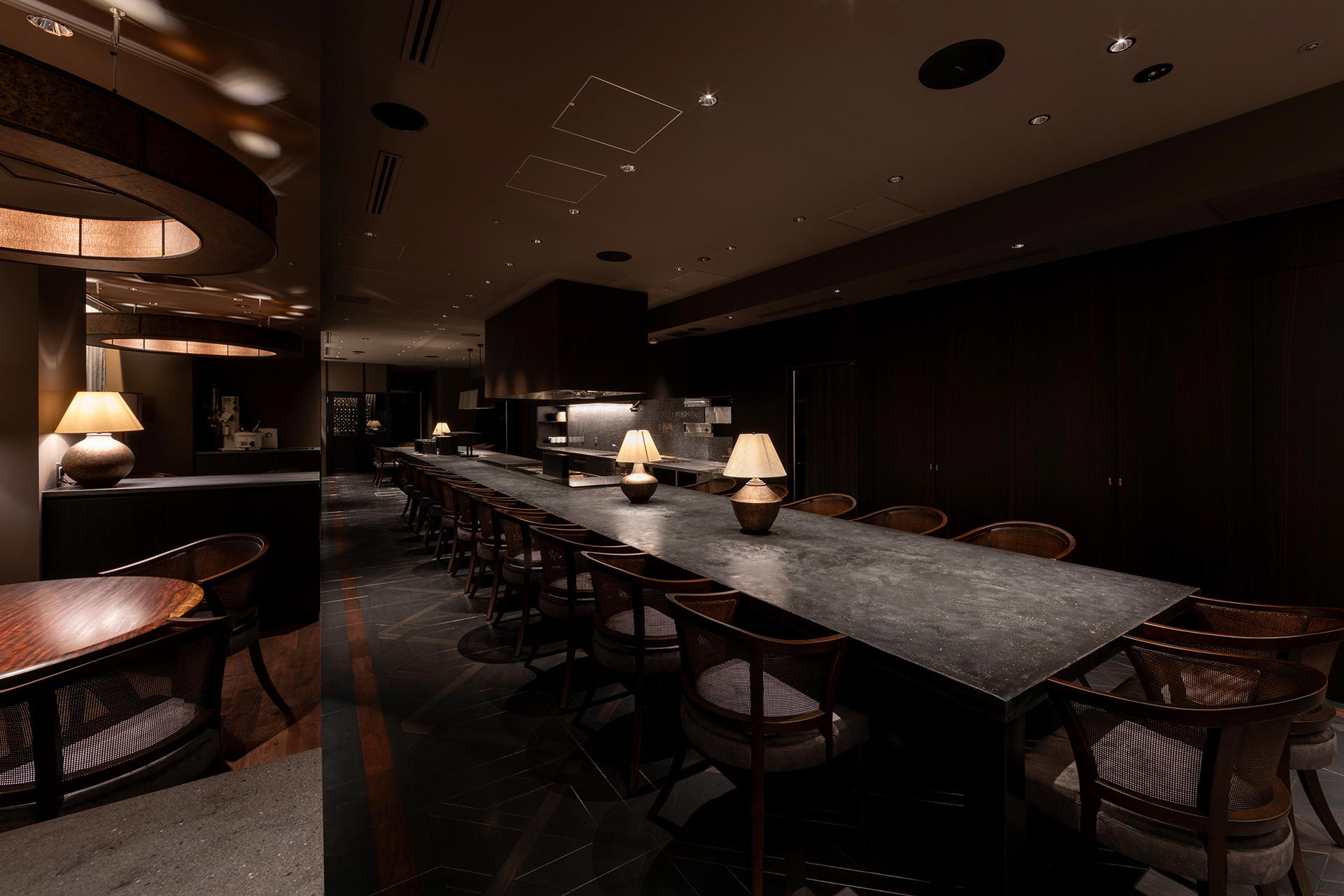
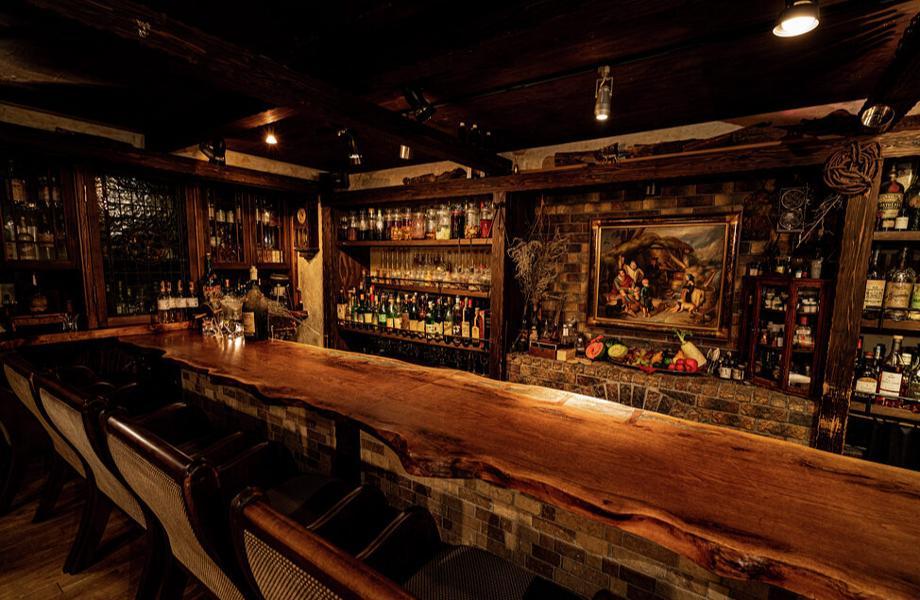
Cozy and upscale atmosphere in Tokyo Midtown basement with focus on gentle, flavorful dashi-centric meals.