
Shinsen Horumon Sambyakuya sits in Tokyo’s horumon and yakiniku lane rather than the luxury wagyu theatre. The draw is sequencing: tripe and Japanese barbecue cuts built into a grill-side meal with sake, shochu, wine, and cocktails in play, backed by repeated Tabelog 100 Yakiniku Tokyo selections through 2025.
Pearl is the En Primeur Club membership app — saves, bookings, and concierge access live there. Same editors, same standards.
- Address
- 東京都渋谷区神泉町12-4
- Phone
- +81334771129
- Website
- sanbyakuya.com
 Saves & bookings on Pearl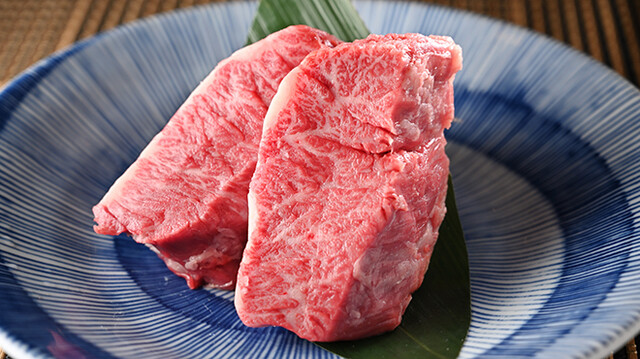
Shinsen after dark has a different pace from Shibuya’s main crossings: narrower streets, less glare, and the kind of restaurant frontage where smoke, conversation, and a lit sign do more work than ceremony. In Tokyo yakiniku, that matters. The meal is not staged from a distant kitchen but assembled at the table, cut by cut, with timing controlled by the grill and the people around it.
That format puts Shinsen Horumon Sambyakuya in a particular Tokyo category: horumon-led yakiniku, where offal is not a side note but part of the reason to come. The restaurant is listed for tripe and Japanese barbecue, with a dinner budget of JPY 6,000 to JPY 7,999, which places it below the city’s trophy wagyu counters and above the casual chain-grill bracket. Its repeated inclusion in Tabelog 100 Yakiniku Tokyo, including the 2025 list, gives the address a clear local signal in a category where Tokyo diners are fluent and demanding.
Horumon gives the meal its sequence, not just its edge
Yakiniku is often described through beef quality alone, but the better reading is progression. Leaner cuts, richer sections, offal, rice, soup, and drinks create a rhythm that rewards pacing. Horumon changes that rhythm because texture becomes as important as marbling: chew, char, fat, and quick turns over heat all shape the table’s tempo. A tripe-focused restaurant asks diners to pay attention to sequencing rather than simply order premium beef until the appetite collapses.
That is the useful lens here. The publicly listed categories point to tripe and yakiniku, and the drink program covers sake, shochu, wine, and cocktails, with an explicit wine emphasis. In Tokyo terms, that moves the meal away from the old assumption that grilled beef belongs only with beer or highballs. Wine at a horumon table can make sense when the order moves between fatty, salty, smoky, and mineral textures, especially if the group is sharing a longer run of cuts.
The restaurant’s 36-seat scale also matters. Yakiniku depends on heat management and table turnover, and smaller rooms tend to keep the meal closer to the grill’s actual cadence. This is not the same proposition as sushi in Shinsen, where a counter such as Kozasa-zushi belongs to a different ritual economy, or an Italian meal such as ess. where courses arrive with kitchen-led control. Horumon dining is more participatory: the table becomes partly responsible for the arc.
Tokyo's middle-price yakiniku tier is where regulars do the sorting
Tokyo has an enormous yakiniku range, from quick neighborhood grills to rarefied wagyu rooms that sell scarcity as much as dinner. The middle band is harder to judge from abroad because it is less dependent on global awards and more dependent on local repeat behavior. A Tabelog 100 selection in Yakiniku Tokyo is useful for that reason: it marks a restaurant that has been filtered through a crowded, specialist city category rather than through international fine-dining optics.
Shinsen Horumon Sambyakuya has appeared across multiple Tabelog 100 cycles, with selections listed from 2019 through 2025, including the 2025 Yakiniku Tokyo list. That consistency says more than a single-year mention. It suggests the restaurant has remained relevant while Tokyo’s grilled-meat scene has become more segmented: luxury beef specialists at one end, casual all-you-can-eat formats at another, and horumon-literate rooms in between.
Within Shinsen, the comparison set is broad rather than narrow. Shinsen Ichinoya sits in a higher listed dinner band, while Kaikaya by the Sea operates in a different seafood register. This address makes more sense for diners who want Japanese barbecue with offal in the center of the conversation, not a tasting menu, not a coastal izakaya, and not a Western course structure. For broader planning, Our full Tokyo restaurants guide gives the city context, while category drift can be useful: Our full Tokyo bars guide, Our full Tokyo hotels guide, Our full Tokyo experiences guide, and Our full Tokyo wineries guide help map the rest of a night around Shibuya and Shinsen.
Who should plan around this table
This is a strong fit for diners who understand that yakiniku is a shared meal with decisions made in motion. It works less well for anyone expecting a chef-driven tasting progression with every plate explained in sequence. The listed format includes counter seating, sofa seating, private rooms, and private use for groups up to 20 people, so the address can serve several modes: a compact grill dinner, a group night, or a more contained private-floor arrangement.
The private-room detail is particularly relevant in Tokyo, where yakiniku smoke, conversation, and group ordering can make or break a night. A second-floor private room is listed for four people with a room fee, and the separate F3 private floor is described as limited to one group per day with a self-serve all-you-can-drink option covering beer, highballs, sparkling wine, red wine, and white wine by the bottle. Those details push the experience toward group planning rather than solo spontaneity.
For diners building a longer Japan itinerary, it helps to separate this from other casual-specialist formats. Tokyo’s range might include 124. KAGURAZAKA (Yakitori), 3 Chome no Curry Ya San, 12/10 Shinjuku ten, 2D Cafe, and. 鮪と炭火焼き うお炭 秋葉原店. Outside the capital, the comparison becomes even more about category literacy than hierarchy: -Grilled beef Sukiyaki- KAMAKURA TANUKIAN 鎌倉 たぬき庵 in Kamakura.cafe in Osaka.know in Kumamoto, (Shoku) Vietnam in Kawasaki, [Curry Senmon Ten] Maruyama Kyoju. in Sapporo, [ki:] in Kyoto, Jōdo Saké Bar in Los Angeles, and Onigiri Time in Pasadena all belong to different dining logics.
The editorial verdict is simple: choose this for horumon-minded yakiniku in Shinsen, especially with a small group willing to order progressively and let the grill set the pace. The recognition, price band, and format point to a restaurant valued for repeatable Tokyo barbecue pleasure rather than ceremony.
Fast Comparison
Comparable venues by cuisine and price in the same metro.
| Venue | Cuisine | Price | Notes |
|---|---|---|---|
| Shinsen Horumon SambyakuyaThis venue — the venue you are viewing | Japanese Yakiniku & Horumon | $$ | Not listed |
| Re:s Cafe Bar & Sweets | Japanese Dessert Cafe | $$ | Nishi Waseda |
| Kinozen | Traditional Japanese Sweets | $$ | Kagurazaka |
| 鮨・四季創作 心陽 (こはる) | Fresh Sushi & Seafood Bowls | $$ | Harajuku / Kita-Sando |
| Tori Yoshi Nakameguro honten | Traditional Yakitori Izakaya | $$ | Meguro |
| 豪龍 久保 | japanese | Not listed | Minato |
Recognition history
Dated appearances from independent guides and award organizations, with the underlying list record or original source where available.
Tabelog 100 #47 · No. 47
Tabelog · Tabelog 100 - Yakiniku - TOKYO - 2025














At a Glance
- Lively
- Cozy
- Energetic
- Group Dining
- Casual Hangout
- After Work
- Late Night
- Standalone
- Beer Program
- Local Sourcing
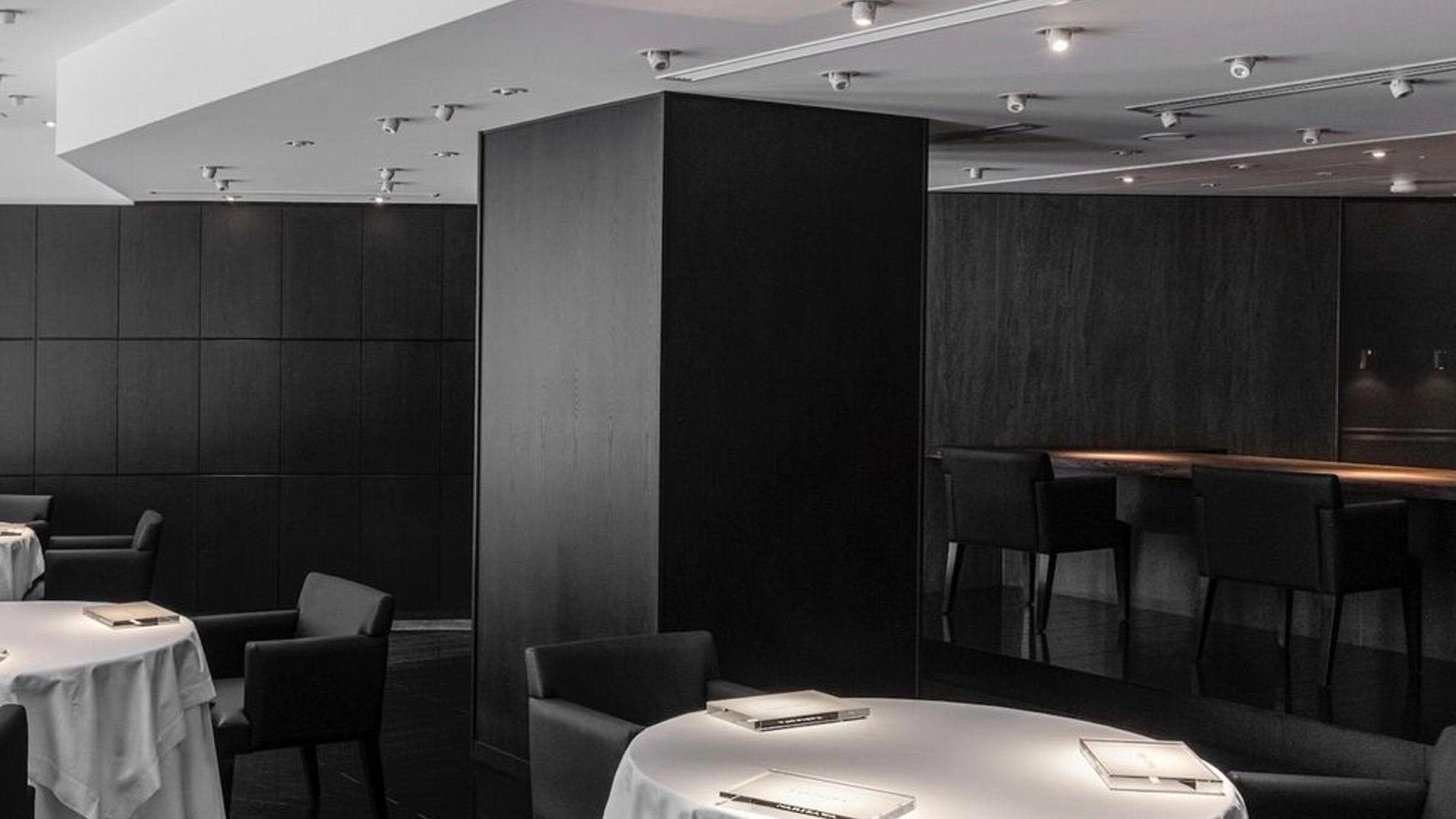
Bustling, smoky yakiniku atmosphere with a cozy, no-frills interior focused on grills and meat, attracting groups of diners in the evening hours.