
Akasaka Musashi sits in Tokyo’s compact hot-pot tier, where pork shabu shabu, seafood, sake, shochu, and a small-room service rhythm matter more than spectacle. Its selection for Tabelog 100 Hot Pot 2024 gives it a clear credential, while the Akasaka setting places it among business-district Japanese rooms built for repeat dining rather than destination theatre.
Pearl is the En Primeur Club membership app — saves, bookings, and concierge access live there. Same editors, same standards.
- Address
- Japan, 〒107-0052 Tokyo, Minato City, Akasaka, 3 Chome−12-11, セントラルビル赤坂B1F
- Phone
- +81 3-3224-1129
- Website
- freedomi.jp
 Saves & bookings on Pearl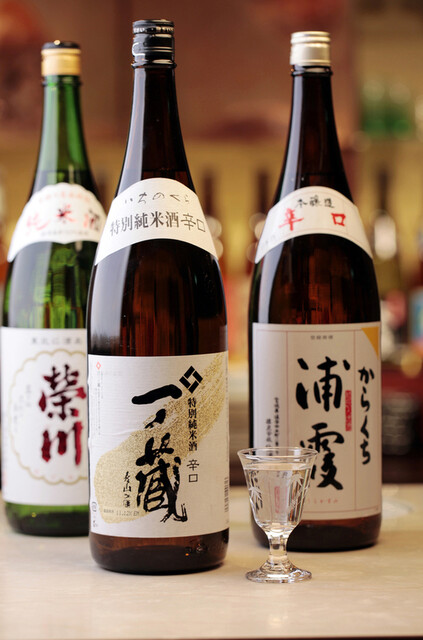
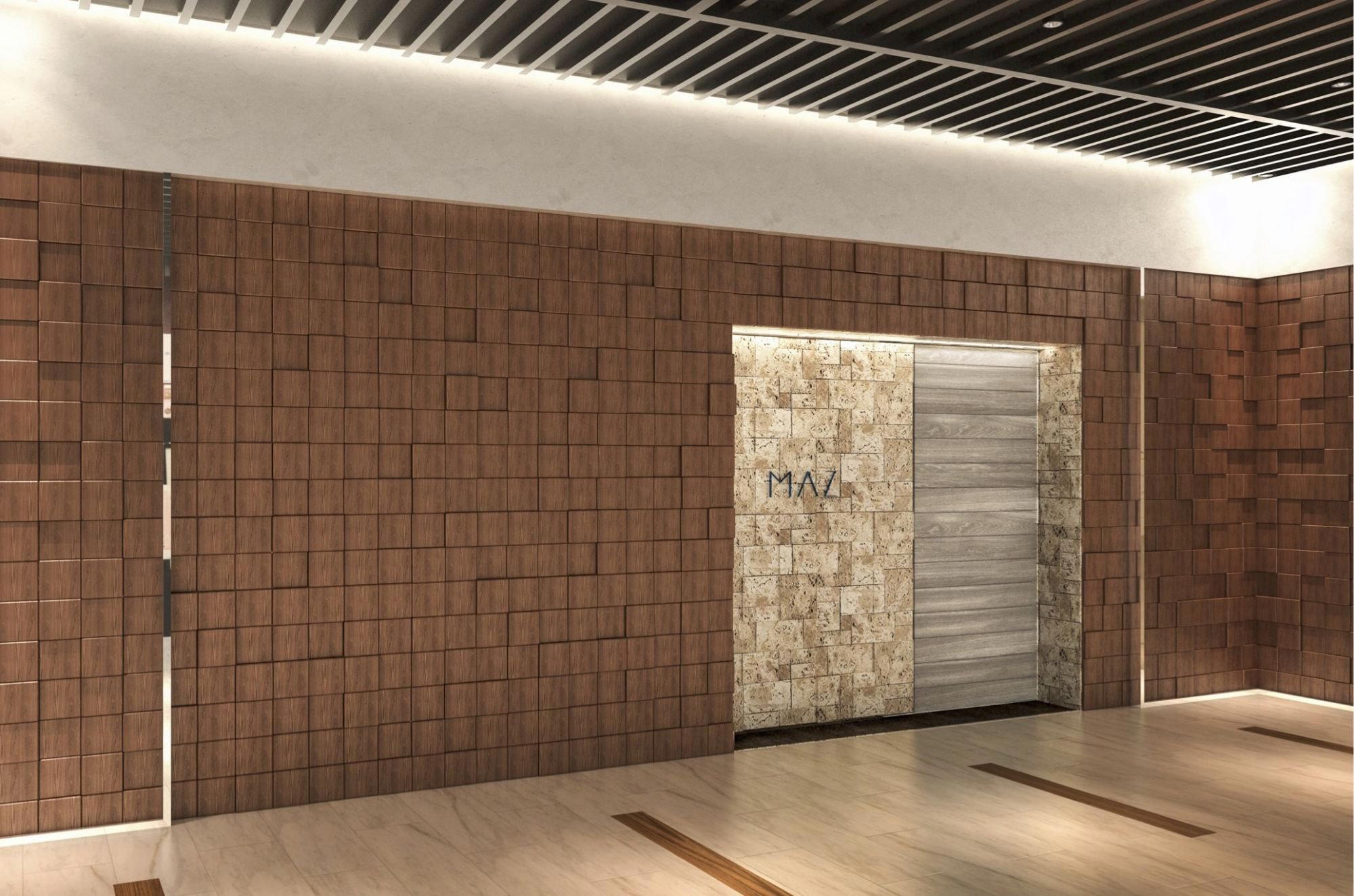
Below street level in Akasaka, the mood shifts from office-district speed to the contained rhythm of a small Japanese dining room: counter seats, table seats, hot pots, and service built around timing, not display. Tokyo shabu shabu rewards that choreography: broth, pork, seafood, side dishes, sake, shochu, wine, and hot vessels moving safely in close quarters. Akasaka Musashi belongs to that disciplined, practical category.
Tokyo hot pot is often misunderstood by visitors expecting wagyu theatre or casual winter comfort. The city’s stronger rooms sit between those poles, treating shabu shabu and related formats as social dining under serious Japanese control: portioning, heat, dipping sauces, rice timing, and staff attention. Selection for Tabelog 100 Hot Pot 2024 places Akasaka Musashi in a narrower field than the general Akasaka restaurant circuit, and its Tabelog score of 3.52 signals sustained local attention rather than tourist noise.
Pork shabu shabu and seafood in a business-district dining room
Akasaka’s restaurant identity is shaped by offices, hotels, embassies, and late-evening business meals, giving the neighbourhood a different register from Ginza’s ceremonial counters or Shinjuku’s volume-driven dining blocks. Its strongest rooms tend to be compact, reservation-conscious, and suited to conversation: kappo, seafood, sukiyaki, shabu shabu, and polished izakaya cooking. Here, a pork shabu shabu and seafood specialist reads as part of the area’s working vocabulary, not a novelty.
The format explains the importance of team dynamic. A hot-pot meal is not a chef’s monologue; it relies on coordination between kitchen, drinks program, and table staff. Seafood needs a different pace from sliced pork; sake and shochu fit naturally, while wine opens the table for mixed groups; front-of-house timing decides whether the meal feels relaxed or mechanical. Pork shabu shabu, seafood, sake, shochu, and wine point to a room for groups seeking range without abandoning Japanese structure.
There is useful contrast inside Akasaka. Akasaka Kitafuku sits in seafood, Akasaka Kappo Washi in Japanese kappo, and Takazawa in French dining; Shiono and Libertable Akasaka ten point to lighter daytime and sweets traffic. Akasaka Musashi occupies another slot: a hot-pot room where the table is the centre of gravity. For a Tokyo dining run, it is less about one plated dish than shared heat, repeated pours, and a pace stretched across conversation.
Recognition that fits Tokyo's hot-pot hierarchy
Tabelog’s category lists matter for genres that do not map neatly onto Michelin-style fine dining. Hot pot can be luxurious, casual, regional, seasonal, or highly specialist, and Tokyo has enough depth that category recognition carries practical weight. Akasaka Musashi’s inclusion in Tabelog 100 Hot Pot 2024 gives a cleaner signal than vague popularity: a pork shabu shabu and seafood address with enough category credibility to sit inside a curated national platform.
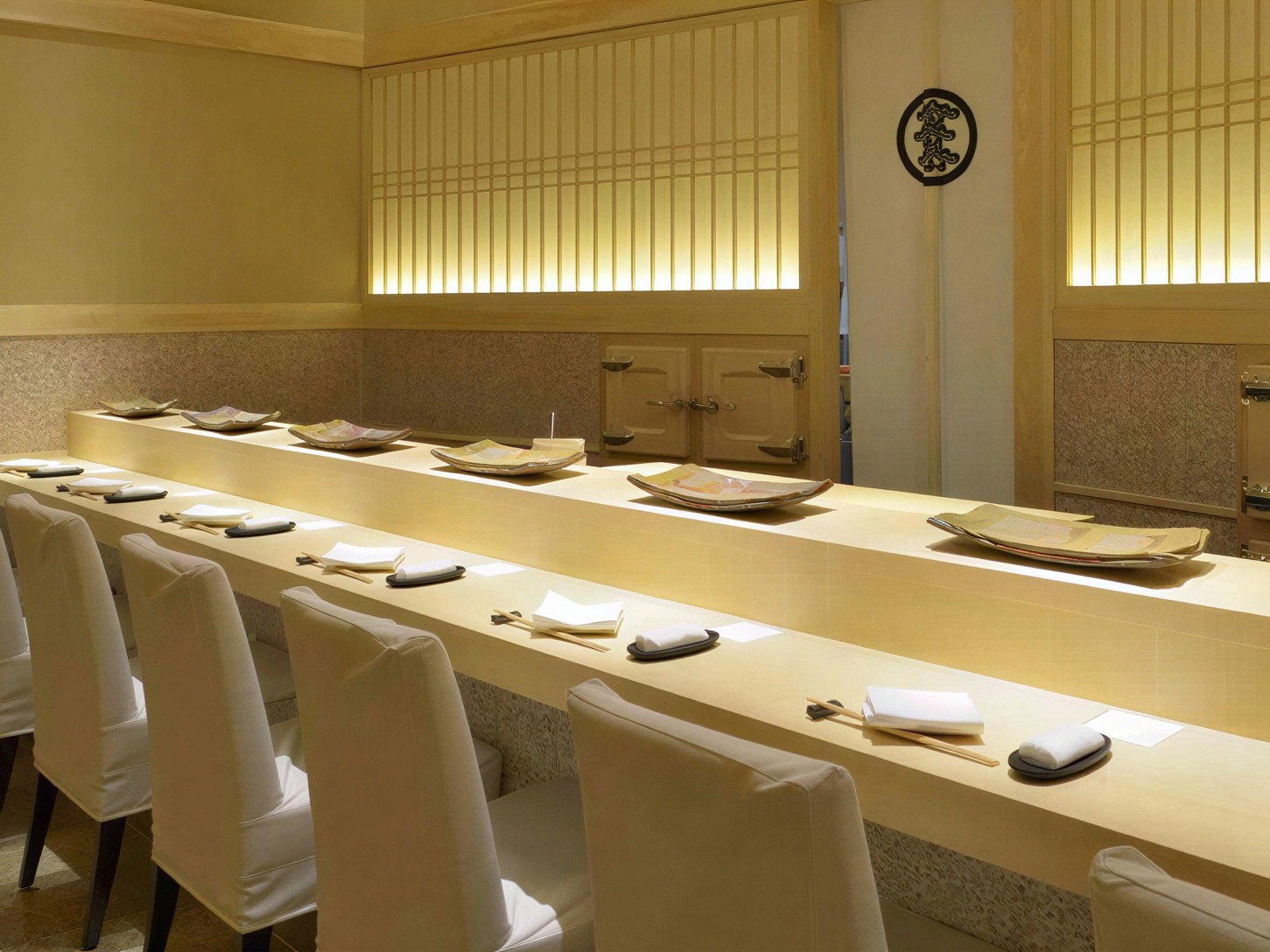
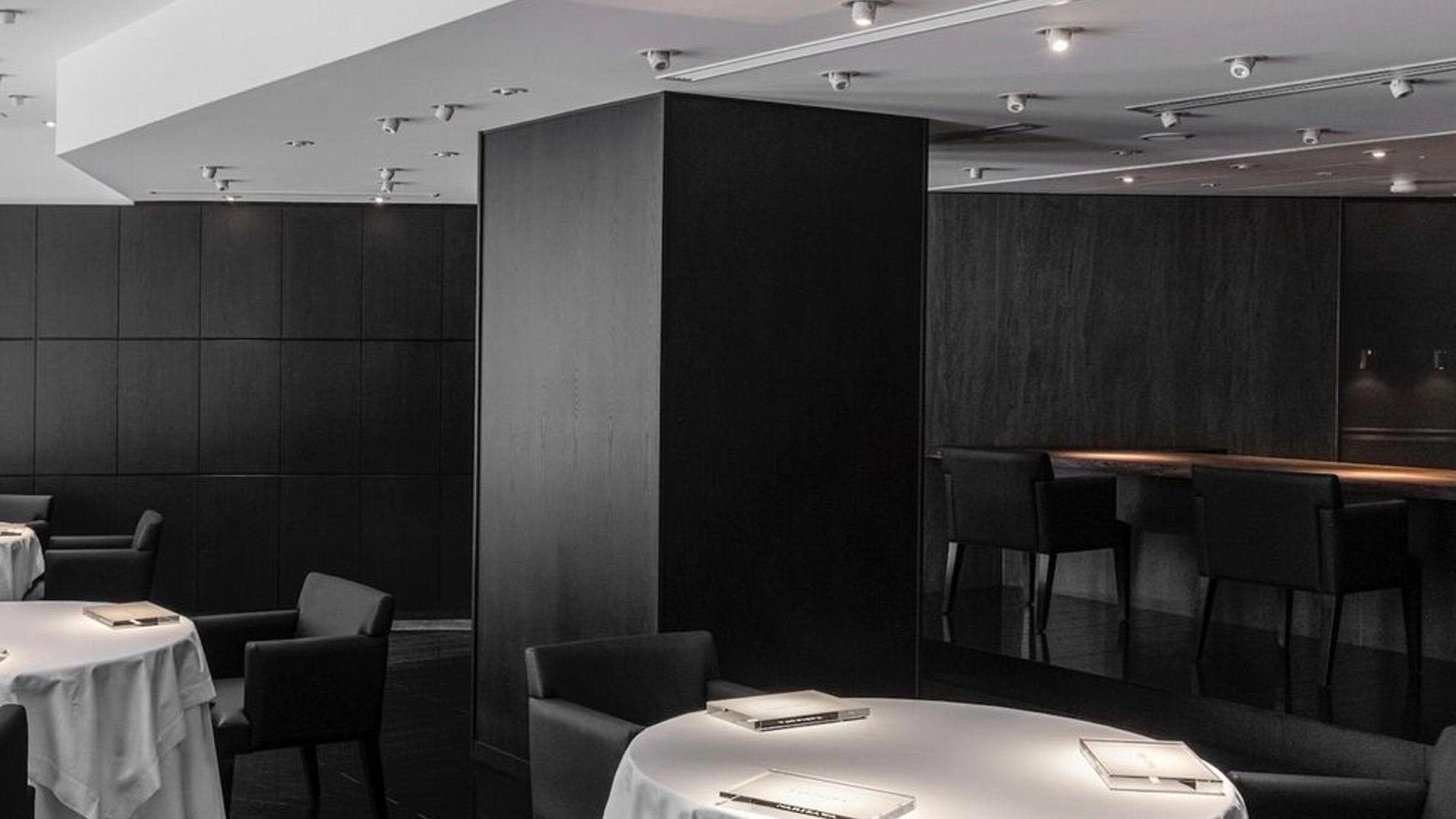
The room’s scale reinforces that signal. With 34 seats divided between counter and table seating, it follows the compact Tokyo model where experience depends on floor tempo. Ten counter seats create a different energy from table dining, but hot pot’s social logic keeps the focus on shared food rather than chef-facing performance. Private rooms are not part of the format, so the main room and table spacing matter. The maximum seated party size of 20 lets the restaurant absorb a larger gathering, though it remains small-room dining rather than banquet dining.
Pricing places it in a useful Tokyo middle tier. Dinner sits at JPY 6,000 to JPY 7,999, with lunch at JPY 1,000 to JPY 1,999. That spread suits serious neighbourhood Japanese restaurants with an accessible daytime identity and fuller evening rhythm. It is not priced against Ginza counter omakase or luxury hotel dining; it competes with specialist local rooms where product, pacing, and repeat use matter.
How to read Akasaka Musashi within a Tokyo itinerary
The smartest use of this address is as an Akasaka anchor rather than a cross-city trophy booking. Tokyo itineraries often overload on sushi, tempura, and tasting menus, leaving little room for communal Japanese formats. Hot pot resets that balance: one table, a shared centre, and a format that pairs naturally with sake or shochu without the hushed concentration of a counter meal.
Operational details shape the decision. Reservations are available; weekday lunch reservations are not accepted; Saturday lunch reservations are available; and lunch seating requires the full party to be present. Lunch payment is cash only, while credit cards are accepted more broadly and electronic money or QR payments are not. The restaurant is non-smoking, with an evening smoking booth, and preschool-aged children are discouraged because of the small room and hot-pot format. In Tokyo, these details decide whether a meal runs smoothly.
Geography helps. Akasaka Station, Tameike-Sanno, and Akasaka-mitsuke create a dense transport triangle, making the restaurant easy to pair with hotels, bars, or later central Tokyo plans. For a broader map, Our full Tokyo restaurants guide gives context alongside other formats, while Our full Tokyo hotels guide, Our full Tokyo bars guide, Our full Tokyo wineries guide, and Our full Tokyo experiences guide help position the evening beyond dinner.
Within Tokyo’s broader grid, the contrast is instructive. A seafood-and-charcoal direction at. 鮪と炭火焼き うお炭 秋葉原店, Shinjuku’s 12/10 Shinjuku ten, yakitori at 124. KAGURAZAKA (Yakitori), the graphic café culture of 2D Cafe, and curry at 3 Chome no Curry Ya San show how Tokyo rewards format-specific planning. Beyond the capital, sukiyaki at -Grilled beef Sukiyaki- KAMAKURA TANUKIAN 鎌倉 たぬき庵 in Kamakura, café culture at.cafe in Osaka, regional dining at.know in Kumamoto, Vietnamese cooking at (Shoku) Vietnam in Kawasaki, curry at [Curry Senmon Ten] Maruyama Kyoju. in Sapporo, Kyoto dining at [ki:] in Kyoto, sake-bar culture at Jōdo Saké Bar in Los Angeles, and Japanese casual food abroad at Onigiri Time in Pasadena underline the same point: category clarity is often more useful than chasing prestige alone.
The critical case for the restaurant is precise: a Tabelog-recognized hot-pot address in a neighbourhood built for serious, repeatable Japanese dining, with a format dependent on kitchen timing, drink compatibility, and front-of-house control. For a Tokyo itinerary needing one polished communal meal rather than another counter performance, that is the reason to pay attention.
Accolades, Compared
Comparable venues to place this listing in its category.
| Venue | Cuisine | Price | Notes |
|---|---|---|---|
| Akasaka MusashiThis venue — the venue you are viewing | Japanese Shabu-shabu & Sukiyaki | $$ | Not listed |
| Re:s Cafe Bar & Sweets | Japanese Dessert Cafe | $$ | Nishi Waseda |
| Ogura (おぐ羅) | Traditional Oden and Yakitori Izakaya | $$ | Nihonbashi |
| 富士鮨 | Japanese Izakaya | Not listed | Minato |
| Umezu | Japanese Izakaya | $$ | Minato |
| Yakitori Ogawa | Yakitori | $$ | Shinjuku |
Recognition history
Dated appearances from independent guides and award organizations, with the underlying list record or original source where available.
Tabelog 100 #21 · No. 21
Tabelog · Tabelog 100 - Hot Pot - 2024










At a Glance
- Cozy
- Classic
- Intimate
- Business Dinner
- Group Dining
- After Work
- Family
- Celebration
- Standalone
- Private Dining
- Sake Program
- Beer Program
Current opening hours
- Monday
- 11:30 AM–2 PM, 5–10 PM
- Tuesday
- 11:30 AM–2 PM, 5–10 PM
- Wednesday
- 11:30 AM–2 PM, 5–10 PM
- Thursday
- 11:30 AM–2 PM, 5–10 PM
- Friday
- 11:30 AM–2 PM, 5–10 PM
- Saturday
- 11:30 AM–2 PM, 5–10 PM
- Sunday
- Closed
Hours can change for holidays and private events. Last verified .
A small, basement-level Japanese restaurant with counter and table seating, non-smoking dining room and a relaxed, classic atmosphere suited to quiet conversation and business or group dinners.