Harukor Ainu Restaurant occupies a rare position in Tokyo's dining scene: a dedicated space for Ainu cuisine, the indigenous food tradition of Hokkaido, set in the Hyakunincho neighbourhood of Shinjuku. In a city where regional Japanese cooking is widely celebrated but indigenous traditions remain largely invisible on menus, Harukor offers something that most Tokyo restaurants do not, a direct line to a living culinary culture that predates the Japanese state itself.
Pearl is the En Primeur Club membership app — saves, bookings, and concierge access live there. Same editors, same standards.
- Address
- 1 Chome-10-1 Hyakunincho, Shinjuku City, Tokyo 169-0073, Japan
- Phone
- +81 3 3368 4677
- Website
- x.com
- Directions
- Get directions
 Saves & bookings on Pearl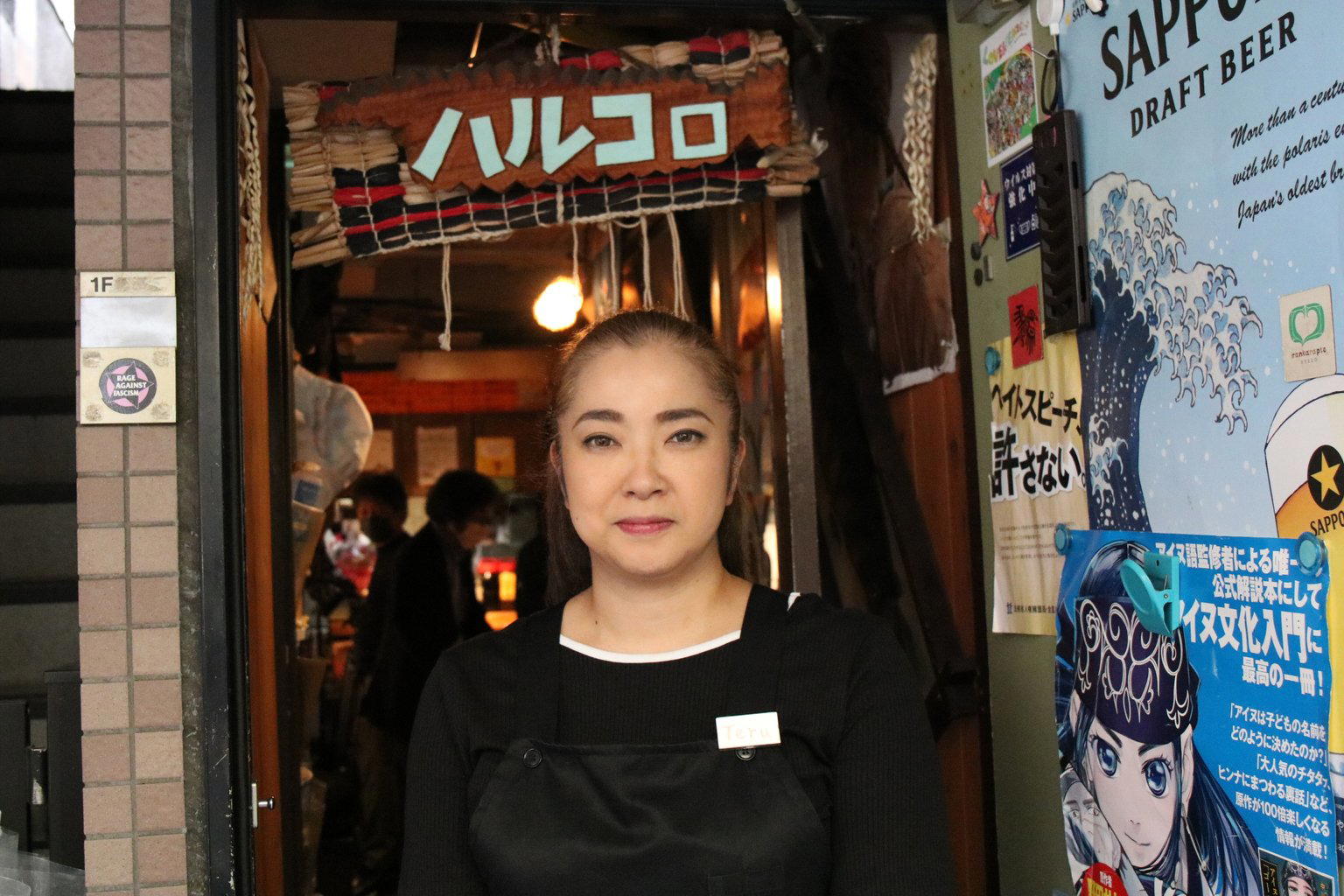
A Cuisine That Tokyo Has Largely Forgotten to Serve
Shinjuku's Hyakunincho district sits north of the station's west exit, a neighbourhood that has historically absorbed waves of migration and runs a quieter, less touristed rhythm than Kabukicho or the Golden Gai strip. It is here that Harukor Ainu Restaurant has taken root, and the address is more than incidental. The Ainu are the indigenous people of Hokkaido and parts of Sakhalin and the Kuril Islands, and their culinary tradition, built around venison, salmon, wild plants, and the ohaw broth that anchors the cuisine, is almost entirely absent from Tokyo's restaurant map. Finding a dedicated Ainu dining room in the capital requires a deliberate search.
Ainu cooking does not fit those hierarchies. It operates in a different register altogether, one where the question is whether the cuisine would survive without spaces like this one.
What the Regulars Come Back For
The clientele that returns to Harukor is not drawn by awards or by algorithmic recommendations. They come because the cuisine itself is the rarity. Ainu food traditions centre on ingredients gathered from Hokkaido's forests and rivers: salmon prepared in methods distinct from the sashimi and teriyaki conventions found everywhere else in the city, venison cooked without the French or Italian influences that appear whenever game meat surfaces on Tokyo menus, and the ohaw, a broth-based dish made with vegetables and fish or meat that functions as the structural backbone of the Ainu meal in the way dashi underlies kaiseki.
Wild plants play a prominent role. Sito (Ainu millet cakes) and citatap (a minced preparation of venison or fish) are examples of the preparations that regulars recognise across visits. These are not fusion interpretations built for a Tokyo palate; they are expressions of a subsistence-rooted cooking culture that long predates the Meiji-era assimilation policies that suppressed Ainu language and practice. That historical context sits beneath every dish, whether or not diners arrive with awareness of it.
The people who return regularly tend to do so with a mix of motivations. Some are researchers or journalists with an interest in indigenous Japanese cultures. Others are Ainu community members or diaspora for whom the restaurant represents a connection that is not available elsewhere in the city. Some are curious diners who arrived once and found that the food held their attention in ways a standard Tokyo itinerary does not.
Where Ainu Cuisine Sits in Japan's Regional Dining Picture
Japan's regional food culture is highly visible in Tokyo through the depachika basement floors, the izakaya chains that import regional sake and produce, and the occasional specialist restaurant that frames Okinawan or Kyushu cooking as a destination in itself. Ainu cuisine has not benefited from the same visibility. Hokkaido's food identity, as marketed to visitors, runs toward dairy, seafood, and ramen, products of the agricultural development that followed Meiji-era settlement of the island. The Ainu tradition was systematically marginalised during the same period.
The 2019 passage of Japan's Ainu Promotion Act and the 2020 opening of the Upopoy National Ainu Museum in Shiraoi, Hokkaido, signalled a broader institutional effort to restore cultural visibility. Harukor brings the cuisine to Tokyo's largest consumer market.
For readers who have explored Japan's regional dining beyond Tokyo, Gion Sasaki in Kyoto, HAJIME in Osaka, Goh in Fukuoka, or further afield to akordu in Nara, Abon in Ashiya, affetto akita in Akita, Aji Arai in Oita, Ajidocoro in Yubari District, Akakichi in Imabari, or aki nagao in Sapporo, Harukor represents a different kind of regional specificity. It is not about terroir in the wine-world sense, or about a prefecture's agricultural identity. It is about a pre-modern food culture being maintained and transmitted in a contemporary urban setting.
Restaurants that operate from a position of cultural stewardship rather than market positioning tend to have a different relationship with their regulars.
Planning a Visit
Harukor Ainu Restaurant is located at 1 Chome-10-1 Hyakunincho, Shinjuku City, a short walk from Shin-Okubo Station on the JR Yamanote Line, or accessible from Shinjuku Station's north exits. The neighbourhood is walkable and unpretentious, without the concentration of international tourists found closer to Shinjuku's entertainment blocks. Given the restaurant's size and the specificity of its offer, advance contact before visiting is sensible; this is not the kind of operation where walk-in tables are likely.
Cuisine Lens
Comparable venues nearby, for context on price, style, and recognition.
| Venue | Cuisine | Price | Notes |
|---|---|---|---|
| Harukor Ainu RestaurantThis venue — the venue you are viewing | Ainu Indigenous Cuisine | $$ | Not listed |
| Negishi | Japanese Beef Tongue Grill | $$ | Shinjuku |
| Hamburg Will | Japanese Hamburg steak & yoshoku | $$ | Shinjuku |
| 傳 | japanese | Not listed | Shibuya |
| Oka Joki | Traditional Japanese Izakaya & Robatayaki | $$ | Nakano |
| Shinsen Horumon Sambyakuya | Japanese Yakiniku & Horumon | $$ | Shibuya |






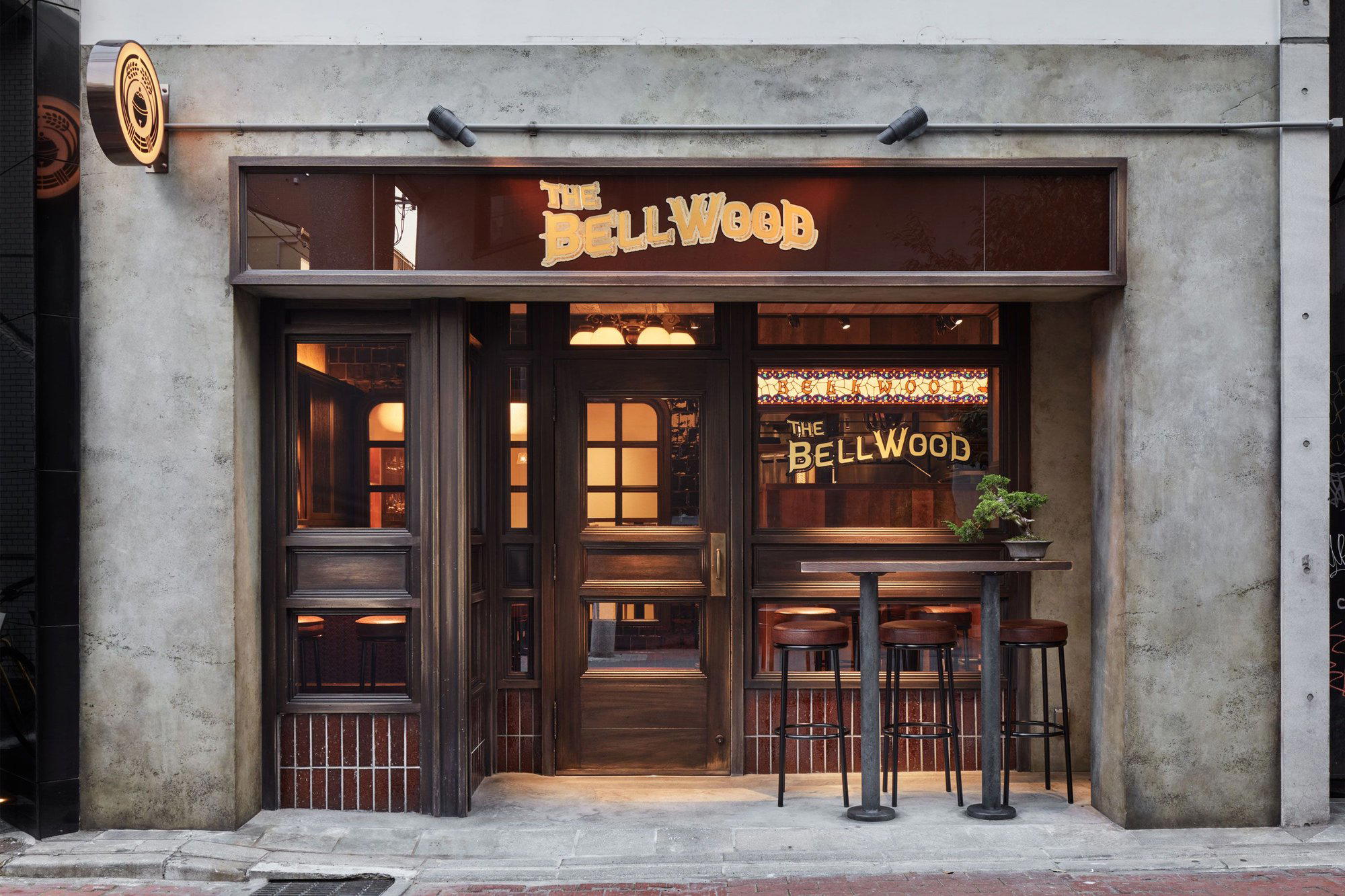

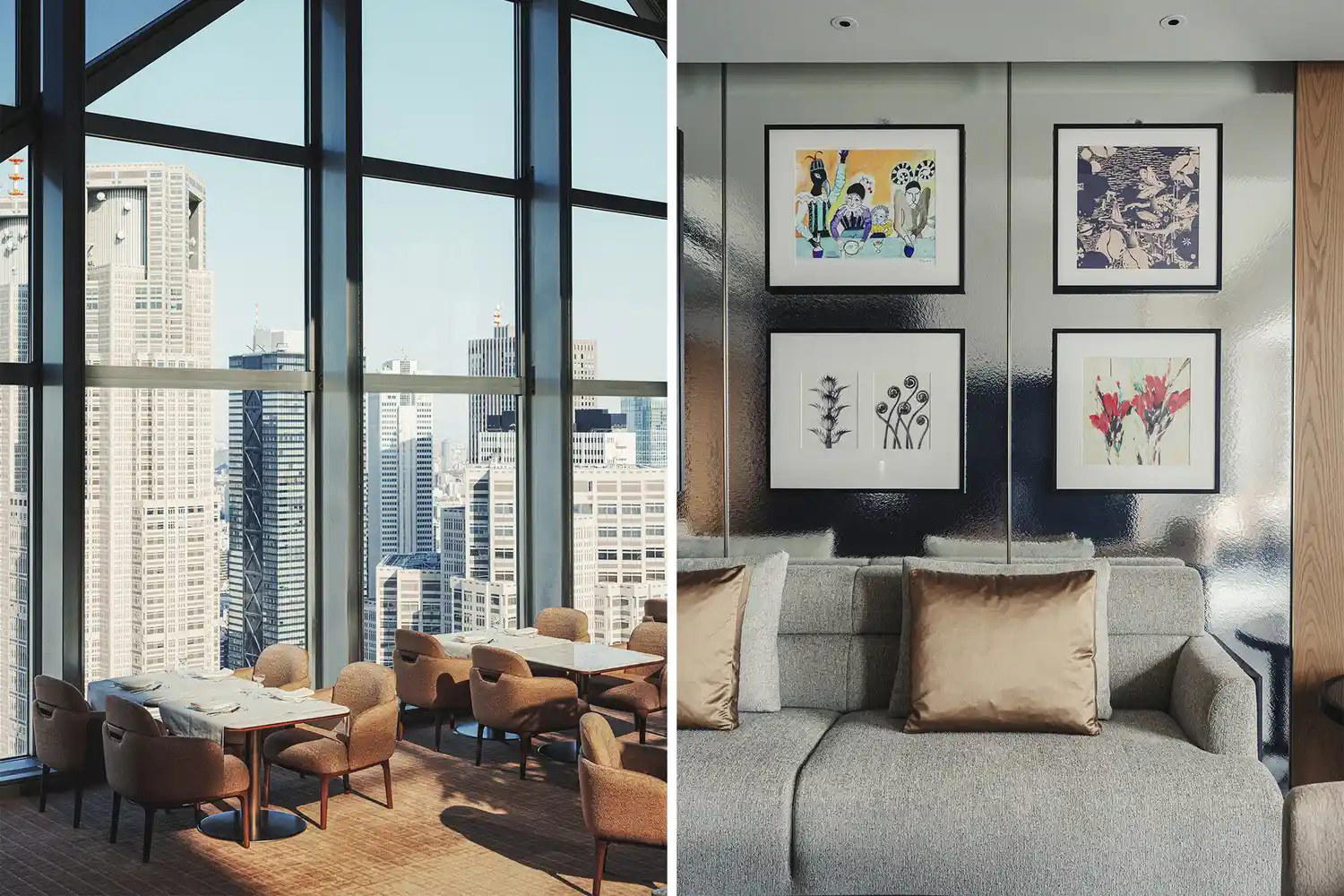



At a Glance
- Cozy
- Rustic
- Intimate
- Casual Hangout
- Group Dining
- Open Kitchen
- Local Sourcing
- Organic
Current opening hours
- Monday
- 12–2 PM, 5–10 PM
- Tuesday
- 12–2 PM, 5–10 PM
- Wednesday
- 12–2 PM, 5–10 PM
- Thursday
- Closed
- Friday
- 12–2 PM, 5–10 PM
- Saturday
- 5–10 PM
- Sunday
- 5–10 PM
Hours can change for holidays and private events. Last verified .
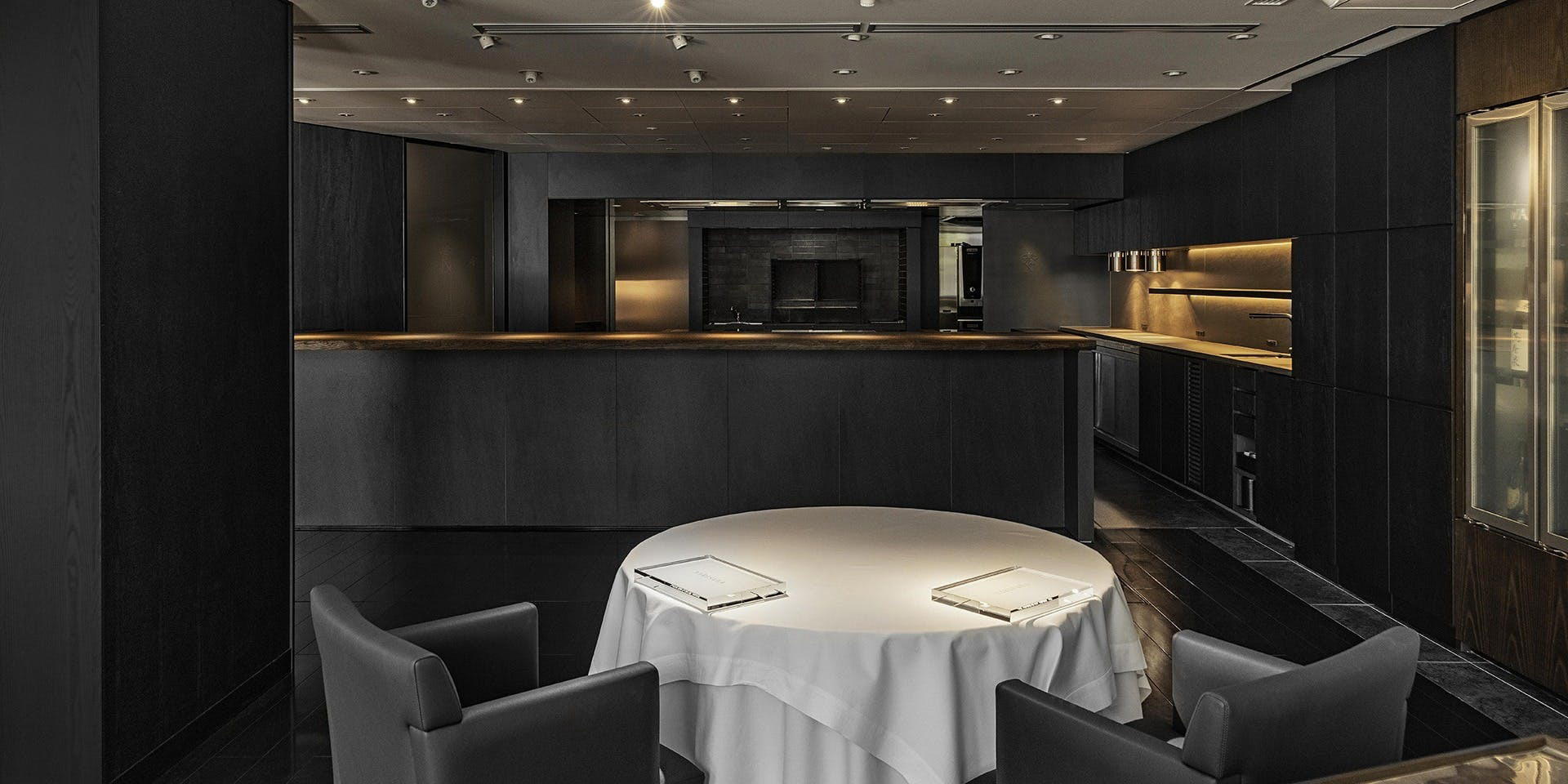
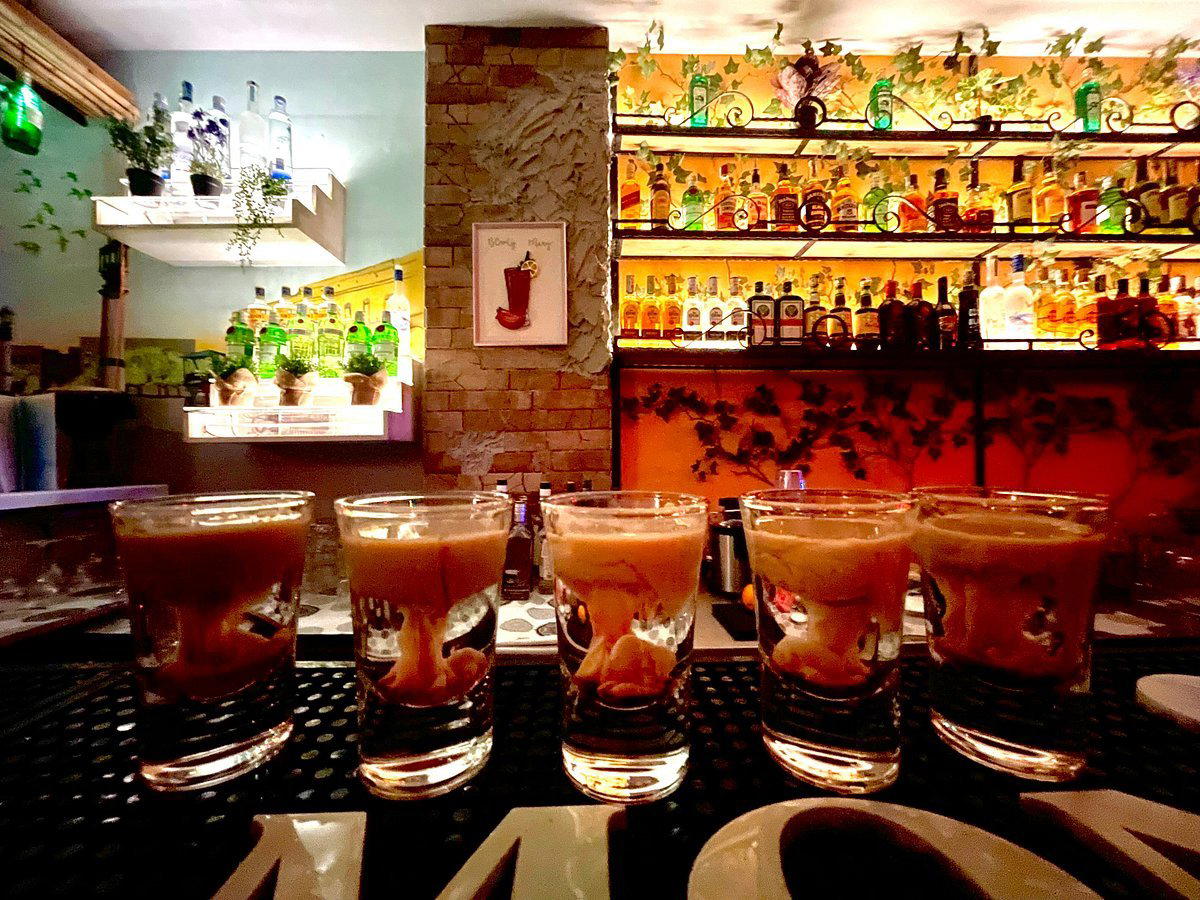
Intimate izakaya with wood and straw furnishings, Ainu cultural artifacts on display including carved wooden instruments and indigo robes, located inconspicuously near polished train tracks with a home-like appearance.