Kasumitei Matsubara occupies a third-floor address in Nishiazabu, one of Minato's quieter residential corridors, placing it among a cluster of Tokyo dining rooms that prioritise discretion over visibility. The format suits occasion dining: the setting, the neighbourhood, and the address pattern all point toward the kind of evening that warrants a reservation made weeks in advance.
Pearl is the En Primeur Club membership app — saves, bookings, and concierge access live there. Same editors, same standards.
- Address
- Japan, 〒106-0031 Tokyo, Minato City, Nishiazabu, 1 Chome−7−2 Adesso Nishiazabu, 3F
- Phone
- +81357725717
- Website
- kasumitei-matsubara.com
- Directions
- Get directions
 Saves & bookings on Pearl
Nishiazabu After Dark: The Occasion Dining Tier
Kasumitei Matsubara is a kaiseki restaurant in Nishiazabu, Tokyo, at the Adesso Nishiazabu building in Minato City. There is a particular category of Tokyo restaurant that does not announce itself from the street. The address is a building number and a floor, the entrance is calm, and the neighbourhood itself does the credential work. Nishiazabu, in Minato City, has long developed that function. Quietly residential by Tokyo standards, it sits at a remove from the Roppongi circuit while remaining minutes from it, a distinction that matters when the point of an evening is the meal rather than the scene surrounding it. Kasumitei Matsubara, on the third floor of Adesso Nishiazabu at 1-7-2 Nishiazabu, belongs to this geography deliberately.
The building-and-floor address format is a recognisable signal in Tokyo's higher dining tier. It appears across the city's more serious kaiseki rooms, omakase counters, and French-influenced tasting menus alike, functioning as shorthand for a certain ratio of privacy to formality. Venues in this bracket typically invest in the interior rather than a street-level presence, and they tend to attract the kind of guest who already knows what they are looking for. That guest often arrives with a reason: a significant birthday, a business dinner of consequence, an anniversary, or the simple conviction that a particular evening deserves to be marked properly.
The Nishiazabu Setting and What It Signals
Approaching a third-floor restaurant in Nishiazabu involves a short elevator ride or a staircase, a moment of separation from the street that most venues in this tier treat as part of the transition into the meal itself. By the time you are seated, the city has receded. The neighbourhood contributes to this: Nishiazabu is not Ginza, with its density of international luxury retail, nor Shibuya, with its volume. It occupies a more considered register, where the dining rooms that have established themselves do so through reputation passed between people who dine seriously.
Within Tokyo's occasion-dining tier, the Nishiazabu address places Kasumitei Matsubara in a cohort that competes on atmosphere and craft rather than visibility. Compare this with, for instance, RyuGin, which operates a kaiseki program in Roppongi's more trafficked zone, or L'Effervescence, whose French tasting format anchors a similar Nishiazabu corridor. Both represent the ¥¥¥¥ bracket that defines serious destination dining in the city. The geographic cluster is not coincidental: Nishiazabu has become a reliable address for the kind of room where the occasion itself feels supported by the surroundings.
Occasion Dining in Tokyo: How the Tier Works
Tokyo's occasion-dining infrastructure is unusual by global standards. The city supports a dense concentration of critically recognised rooms, and the competition within each price tier is correspondingly intense. For guests planning a milestone meal, this creates both an opportunity and a decision problem: the pool of credentialed options is large, but the differences between them are often subtle and matter enormously in practice.
The key variables at this tier tend to be format (kaiseki progression, omakase counter, European tasting menu), seat count and intimacy, and the degree to which a room is built around private or semi-private dining. Harutaka in Ginza, for instance, operates a counter-format sushi program at the ¥¥¥¥ level where proximity to the chef is part of the occasion. Sézanne pitches a French-accented room in Marunouchi toward a different kind of formal celebration. Crony offers an innovative Franco-Japanese approach that suits guests who want a contemporary frame for a special evening. Each of these addresses a specific occasion type rather than a generic premium experience.
The restaurant's positioning in Nishiazabu suggests a room that functions leading for guests who want separation from the city's more exposed dining addresses. The occasion is served by the setting as much as by what arrives at the table.
Japan's Broader Occasion-Dining Network
For guests building an itinerary around meaningful meals, Tokyo is the logical anchor, but Japan's occasion-dining tier extends well beyond the capital. Gion Sasaki in Kyoto represents the kaiseki tradition in its most historically grounded setting, while HAJIME in Osaka operates a technically ambitious tasting format that has drawn sustained international attention. Outside the main cities, rooms like Goh in Fukuoka and akordu in Nara illustrate how the tier has spread across the archipelago, with regional expressions that carry local ingredient profiles and different rhythm from the Tokyo pace. Further afield, 一本杉 川島屋 in Nanao, 古代山乃 in Sapporo, 湖里庵 in Takashima, and 羽根屋 in Nishikawa Machi extend the map of destination meals across Japan's less-travelled prefectures. Internationally, Le Bernardin in New York City and Atomix in New York City offer useful comparison points for guests weighing a Tokyo occasion room against a global peer.
The Japanese dining circuit also rewards guests who build around regional specialities. Birdland in Sakai and Bistro Ange in Toyohashi represent the kind of regionally rooted destination that makes a multi-city Japan itinerary substantially richer than a Tokyo-only stay.
Planning a Visit: Practical Considerations
The third-floor address at Adesso Nishiazabu (1-7-2 Nishiazabu, Minato City, Tokyo 106-0031) is accessible from Hiroo or Roppongi stations. Nishiazabu's residential character means the immediate surroundings are quiet in the evenings, which suits a post-dinner walk or a car arranged in advance.
| Venue | Neighbourhood | Format | Price Tier | Booking Lead Time |
|---|---|---|---|---|
| The restaurant | Nishiazabu, Minato | Not confirmed | Not confirmed | Recommended |
| L'Effervescence | Nishiazabu, Minato | French tasting | ¥¥¥¥ | Several weeks ahead |
| RyuGin | Roppongi, Minato | Kaiseki | ¥¥¥¥ | Several weeks ahead |
| Harutaka | Ginza | Omakase sushi | ¥¥¥¥ | Multiple months ahead |
Booking and Cost Snapshot
Comparable venues nearby, for context on price, style, and recognition.
| Venue | Cuisine | Price | Notes |
|---|---|---|---|
| Kasumitei MatsubaraThis venue — the venue you are viewing | Minato, Kaiseki | $$$ | Not listed |
| Gonpachi Shibuya | Not listed | $$$ | Shibuya, Japanese Izakaya with Yakitori & Handmade Soba |
| Ginza Katsukami 2 | Chūō, Tonkatsu Omakase | $$$ | Not listed |
| quinto | Meguro, Innovative Japanese Omakase | $$$ | Not listed |
| Zakuro Ginza ten | Not listed | $$$ | Chūō, Traditional Wagyu Shabu-shabu & Sukiyaki |
| Mishuku Toraji | Not listed | $$$ | Meguro, Yakiniku (Japanese BBQ) |













At a Glance
- Elegant
- Intimate
- Cozy
- Business Dinner
- Date Night
- Special Occasion
- Private Dining
- Sake Program
Current opening hours
- Monday
- 6–11 PM
- Tuesday
- 11:30 AM–2 PM, 6–11 PM
- Wednesday
- 11:30 AM–2 PM, 6–11 PM
- Thursday
- 11:30 AM–2 PM, 6–11 PM
- Friday
- 11:30 AM–2 PM, 6–11 PM
- Saturday
- 11:30 AM–2 PM, 6–11 PM
- Sunday
- Closed
Hours can change for holidays and private events. Last verified .
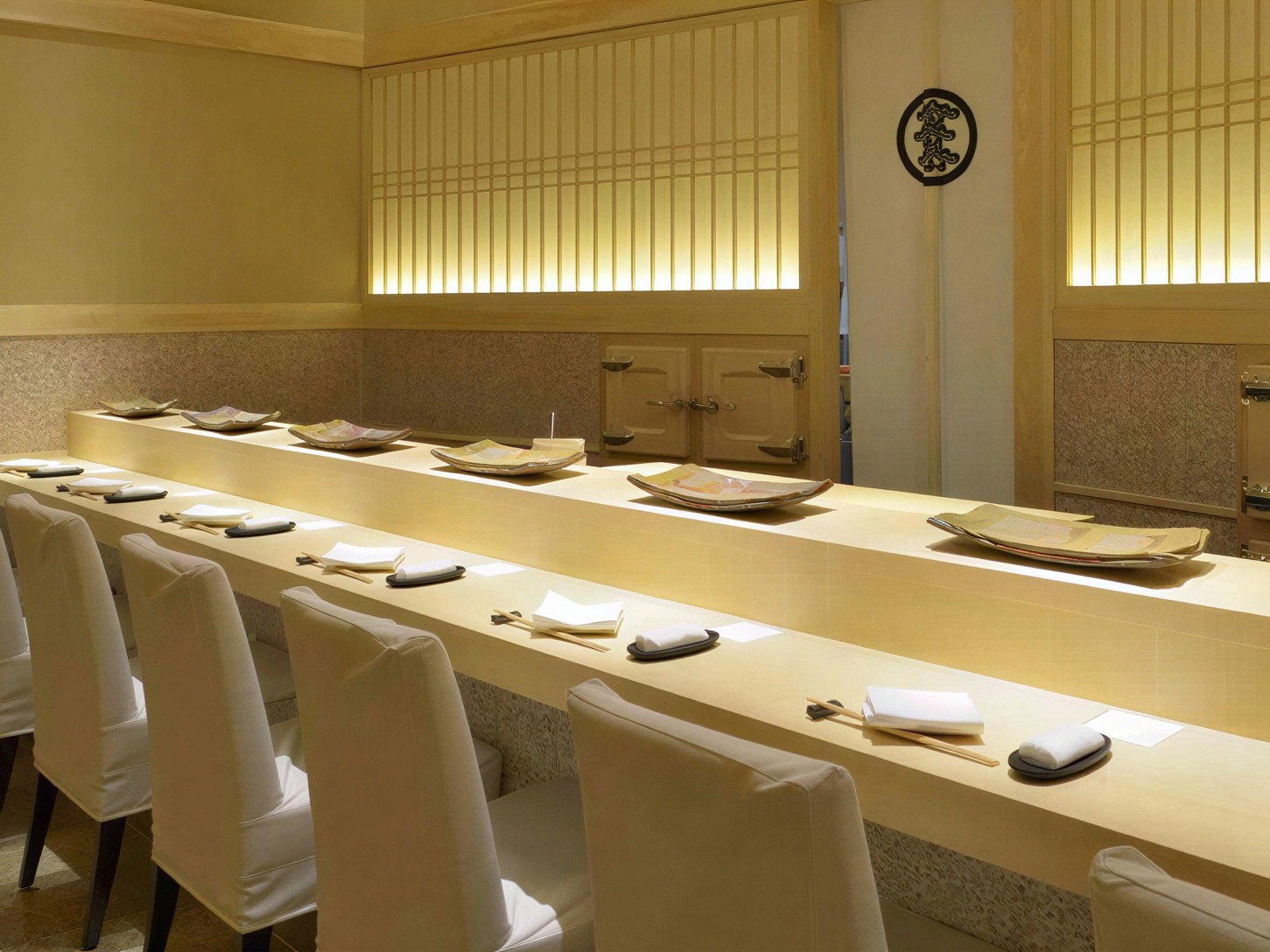
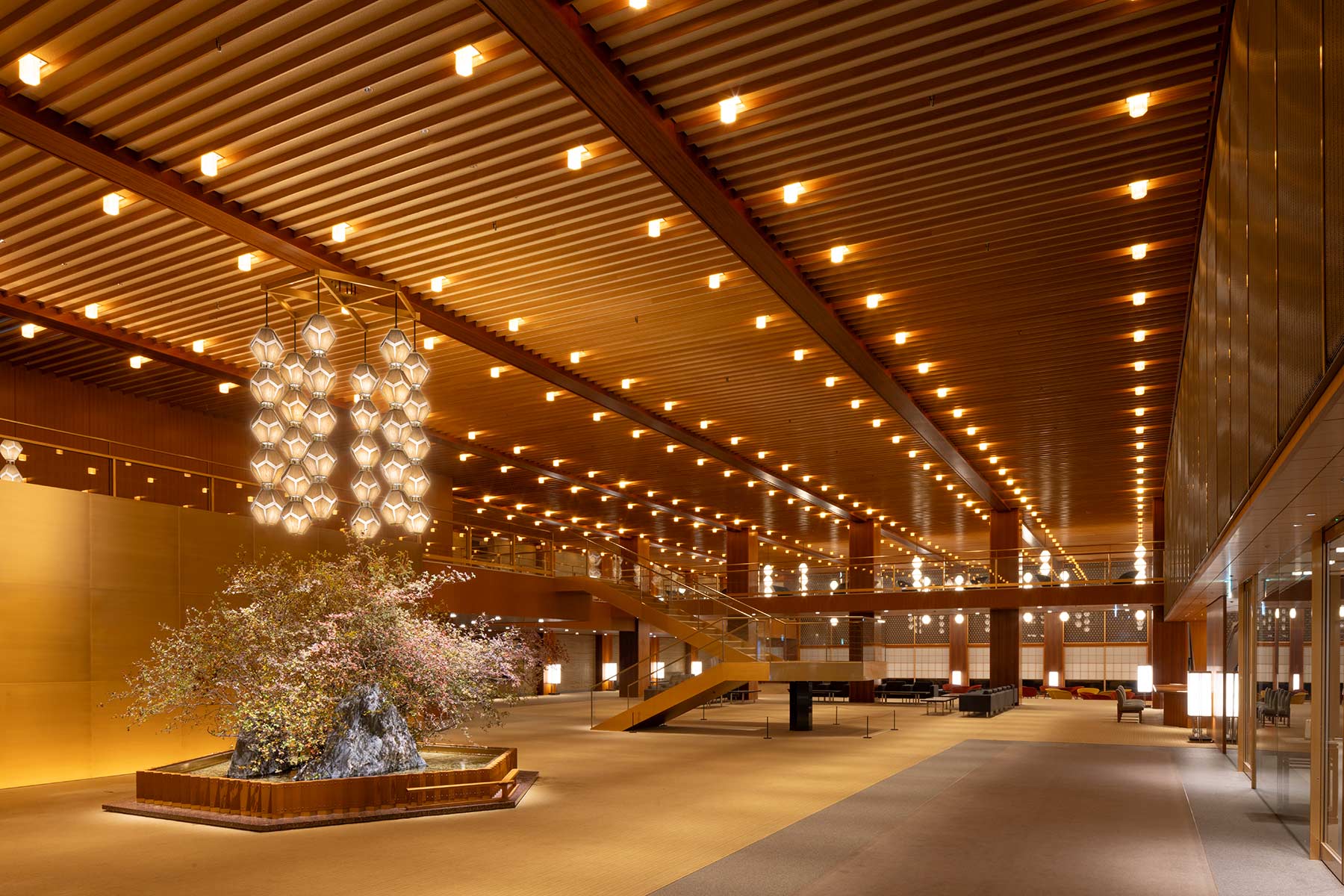
Tranquil with abundant wood features and a serene, secluded atmosphere.