Ginza Katsukami 2 occupies a fourth-floor address in one of Tokyo's most concentrated fine-dining corridors, where the 6-chome block of Ginza has long served as a proving ground for serious Japanese cooking. The restaurant sits within a neighbourhood that rewards return visits rather than first impressions, where knowing which floor to press on the elevator often matters as much as the reservation itself.
Pearl is the En Primeur Club membership app — saves, bookings, and concierge access live there. Same editors, same standards.
- Address
- Japan, 〒104-0061 Tokyo, Chuo City, Ginza, 6 Chome−8−7 交詢ビル 4階
- Phone
- +81362646775
- Website
- katsukami.com
- Directions
- Get directions
 Saves & bookings on Pearl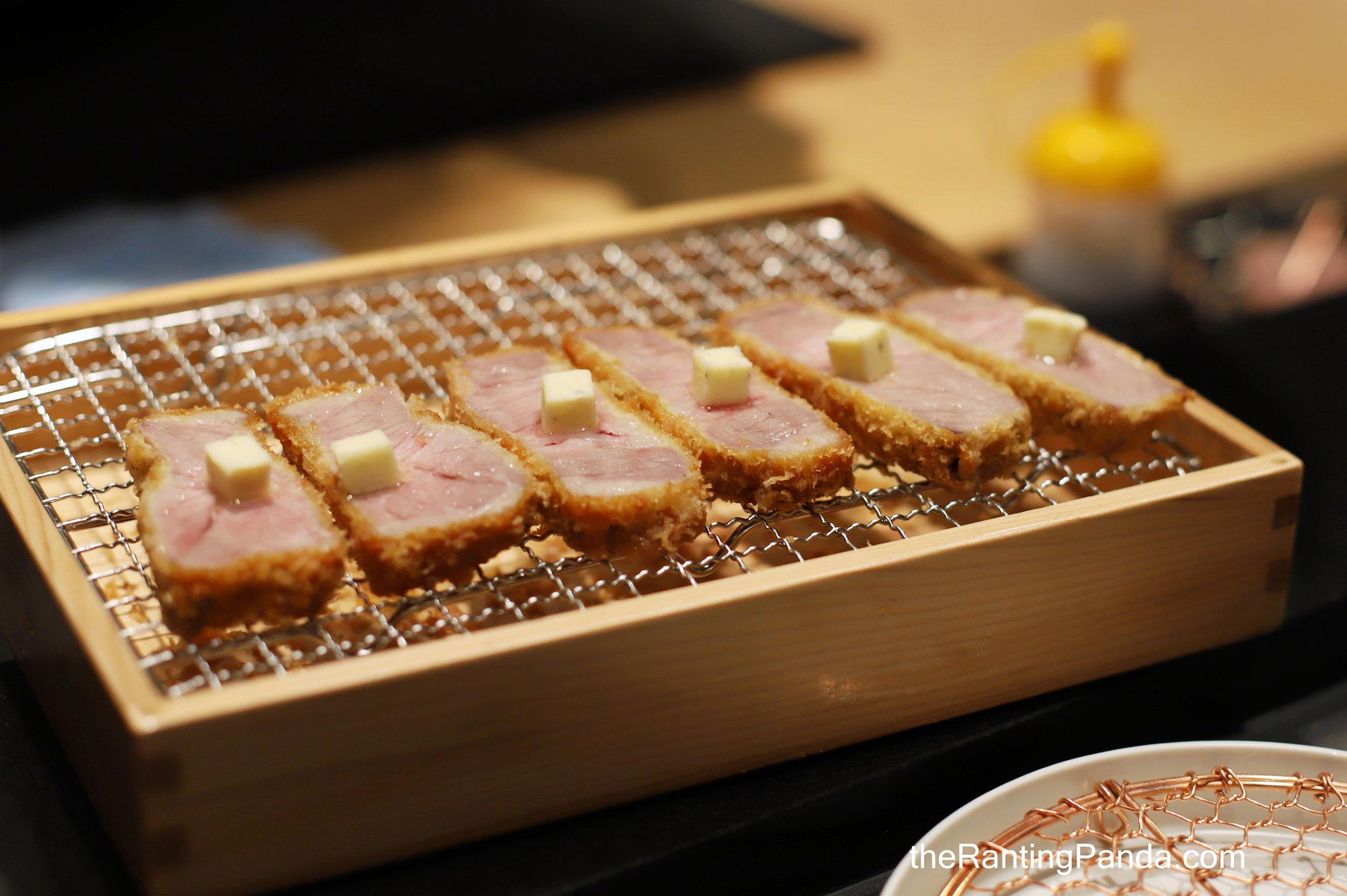
A Ginza Address in a Neighbourhood That Rewards Patience
The elevators in Ginza's dining buildings tell you a great deal about the city's approach to gastronomy. In the 6-chome stretch of Ginza, a single building can house three or four restaurants across separate floors, each operating with its own format, price logic, and repeat-customer culture. Ginza Katsukami 2 is a Tonkatsu Omakase restaurant in Tokyo, priced at about $120 per person. It sits on the fourth floor of one such building at 6-8-7, an address that places it inside one of Tokyo's most concentrated corridors of high-intent dining. The "2" suffix in the name signals a second address or a refined iteration of an original concept. In Ginza, that kind of naming convention usually implies the room is smaller, the format tighter, and the clientele more familiar with what they are booking.
That context matters. Ginza's premium dining scene has shifted considerably over the past decade. Where the district once carried a reputation built on French-influenced kaiseki and corporate entertaining, the current configuration skews toward counter-led formats and higher per-cover price points. Harutaka in the same neighbourhood operates at the ¥¥¥¥ tier with an omakase format that books well in advance. RyuGin, running kaiseki at the same price level, has helped define what technique-forward Japanese cooking looks like in a formal Ginza register. Katsukami 2 enters that conversation from a different angle, one shaped by the logic of a secondary address rather than a flagship statement.
What the "2" Naming Signals About Format and Evolution
In Tokyo's restaurant taxonomy, the practice of opening a second address with a numbered suffix carries its own set of expectations. It rarely means a casual offshoot. More often, it signals a deliberate narrowing: fewer seats, a more focused menu, and a room designed for guests who already understand the original. This pattern appears across multiple disciplines in the city. Sushi-ya with a "2" or "Shin" prefix tend to run shorter omakase sequences at higher per-seat prices. Kaiseki formats do the same, stripping back the multi-room formality of a flagship in favour of a counter where the cooking is more visible and the interaction more direct.
This framing shapes how a first-time visitor should approach the booking. A numbered second address in Ginza is usually a parallel track, calibrated for a guest who arrives with context rather than curiosity. That is a meaningful distinction in a city where the gap between knowing how to order and not knowing can determine whether a meal lands as intended. Venues in this tier, from L'Effervescence to Sézanne, operate on the assumption that the guest has done some preparation.
Ginza's Competitive Tier and Where Katsukami 2 Sits
Mapping Ginza's restaurant scene in 2024 means accepting that the district now operates across several parallel price and format tiers that do not always interact. At the accessible end, standing sushi bars and ramen shops occupy ground-floor sites on side streets. At the upper end, the ¥¥¥¥ counter format has become the default for serious cooking of any discipline. Crony, running innovative French at the ¥¥¥¥ level, represents the international-technique strand of that upper tier. The kaiseki and Japanese-cuisine counters represent the domestic-tradition strand.
Katsukami 2's fourth-floor location places it physically above the street-level accessibility of casual dining and below the penthouse price signalling of a few trophy-tier addresses. That middle-upper position in Ginza's vertical geography tends to attract guests who are choosing based on format and cooking discipline rather than address prestige alone. For a comparative read on how serious Japanese cooking plays out across the country, Gion Sasaki in Kyoto and HAJIME in Osaka offer useful reference points for how regional interpretations differ from the Ginza register.
What Tokyo's Broader Fine-Dining Network Tells You About This Venue
Tokyo's restaurant network extends far beyond the Ginza corridor, and understanding Katsukami 2 requires placing it within a broader national conversation about where serious cooking happens and at what scale. Venues like Goh in Fukuoka, akordu in Nara, and affetto akita in Akita demonstrate that the highest-intent dining in Japan is no longer exclusively a Tokyo or Kyoto proposition. Regional addresses now compete for the same traveller attention that Ginza once captured by default.
That shift has created a more selective visitor. Guests who make a specific trip to Ginza for a counter-format meal are now comparing that choice against regional alternatives with equal or greater Michelin recognition. Addresses like Aji Arai in Oita, aki nagao in Sapporo, Akakichi in Imabari, and Ajidocoro in Yubari District have raised the baseline for what regional Japanese cooking looks like at the serious end. Abon in Ashiya adds another data point in the Kansai region. Against that context, a Ginza address still carries weight, but it carries it differently than it did a decade ago. The district's advantage now lies in density and access, not exclusivity of talent. See our full Tokyo restaurants guide for a wider map of where the city's dining energy currently sits.
For international reference, the format logic at Ginza Katsukami 2 has parallels with how high-commitment counter dining operates elsewhere. Le Bernardin in New York City and Lazy Bear in San Francisco both operate within cultures that expect guests to arrive prepared, with the format doing less explanatory work and more culinary work.
Planning Your Visit
| Venue | Cuisine | Price Tier | Format | Booking Lead Time |
|---|---|---|---|---|
| Ginza Katsukami 2 | Not confirmed | Not confirmed | 4F counter address | Verify directly |
| Harutaka | Sushi | ¥¥¥¥ | Omakase counter | Several weeks ahead |
| RyuGin | Kaiseki | ¥¥¥¥ | Formal counter/room | Several weeks ahead |
| L'Effervescence | French | ¥¥¥¥ | Tasting menu | Several weeks ahead |
Cuisine and Awards Snapshot
Comparable venues nearby, for context on price, style, and recognition.
| Venue | Cuisine | Price | Notes |
|---|---|---|---|
| Ginza Katsukami 2This venue — the venue you are viewing | Tonkatsu Omakase | $$$ | Not listed |
| Akasaka Tan-tei | Okinawan Kaiseki | $$$ | Akasaka |
| Hantei | Traditional Japanese Kushiage | $$$ | Chiyoda |
| Chuogo Honten Mita | Tokyo Ramen | $$$ | Minato |
| Esaki | Modern Kaiseki | $$$ | Shinjuku |
| びのむ | Modern Oden with Wine Pairing | $$$ | Minato |


At a Glance
- Intimate
- Elegant
- Sophisticated
- Special Occasion
- Solo
- Date Night
- Chefs Counter
- Open Kitchen
- Sake Program
Current opening hours
- Monday
- 11:30 AM–2 PM, 6–9:30 PM
- Tuesday
- 11:30 AM–2 PM, 6–9:30 PM
- Wednesday
- 11:30 AM–2 PM, 6–9:30 PM
- Thursday
- 11:30 AM–2 PM, 6–9:30 PM
- Friday
- 11:30 AM–2 PM, 6–9:30 PM
- Saturday
- 11:30 AM–2 PM, 6–9:30 PM
- Sunday
- 11:30 AM–2 PM, 6–9:30 PM
Hours can change for holidays and private events. Last verified .
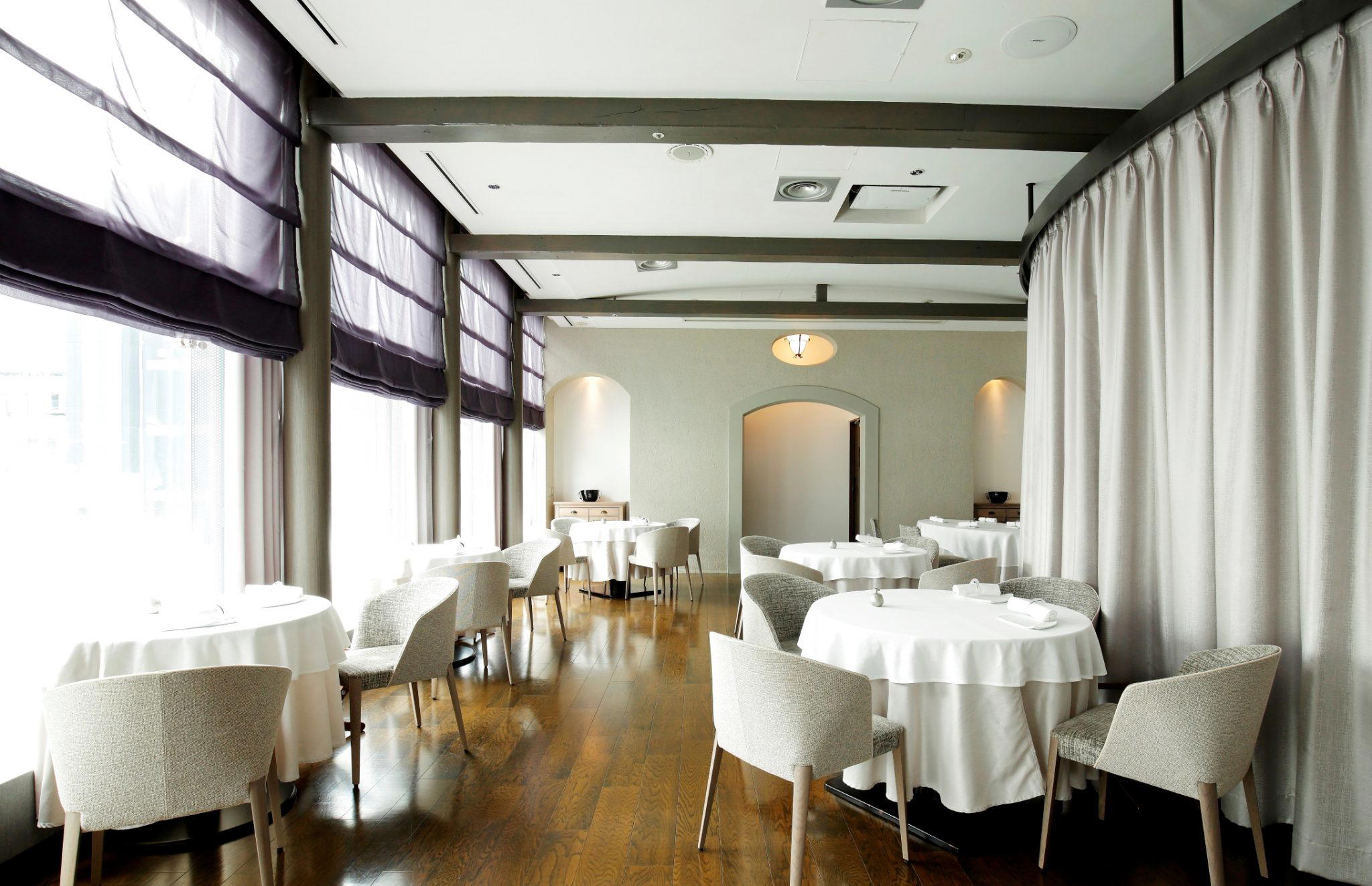
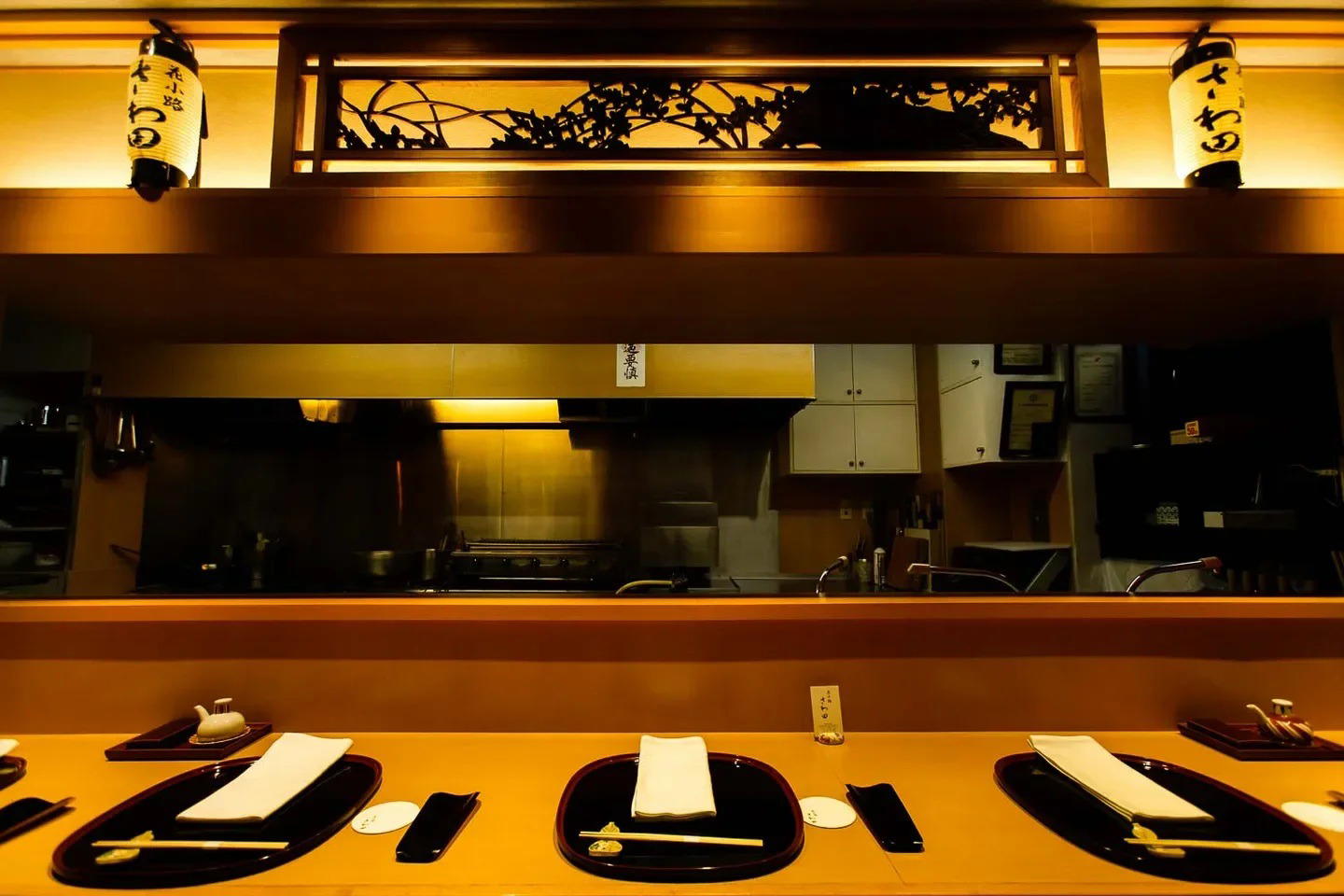
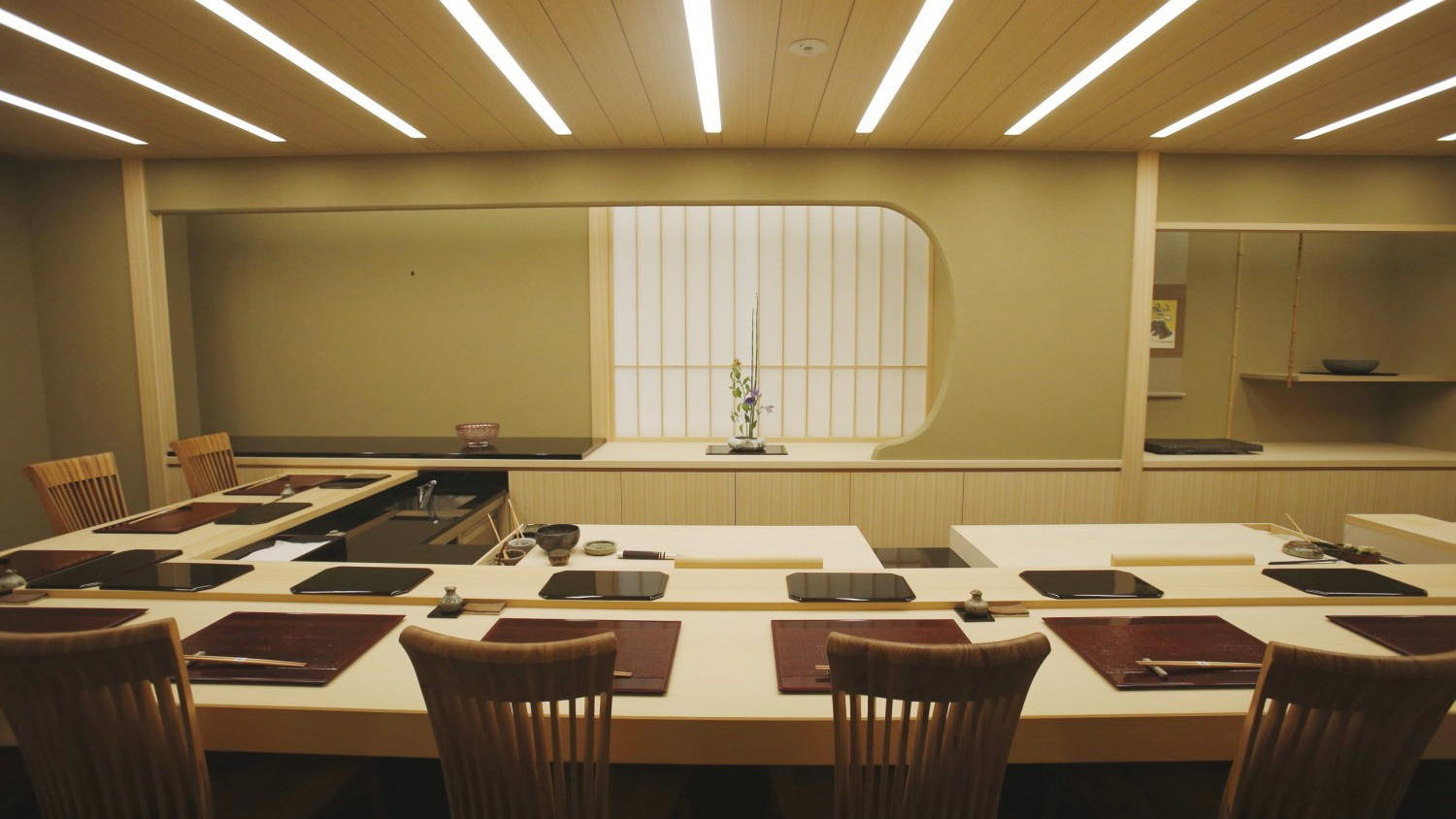
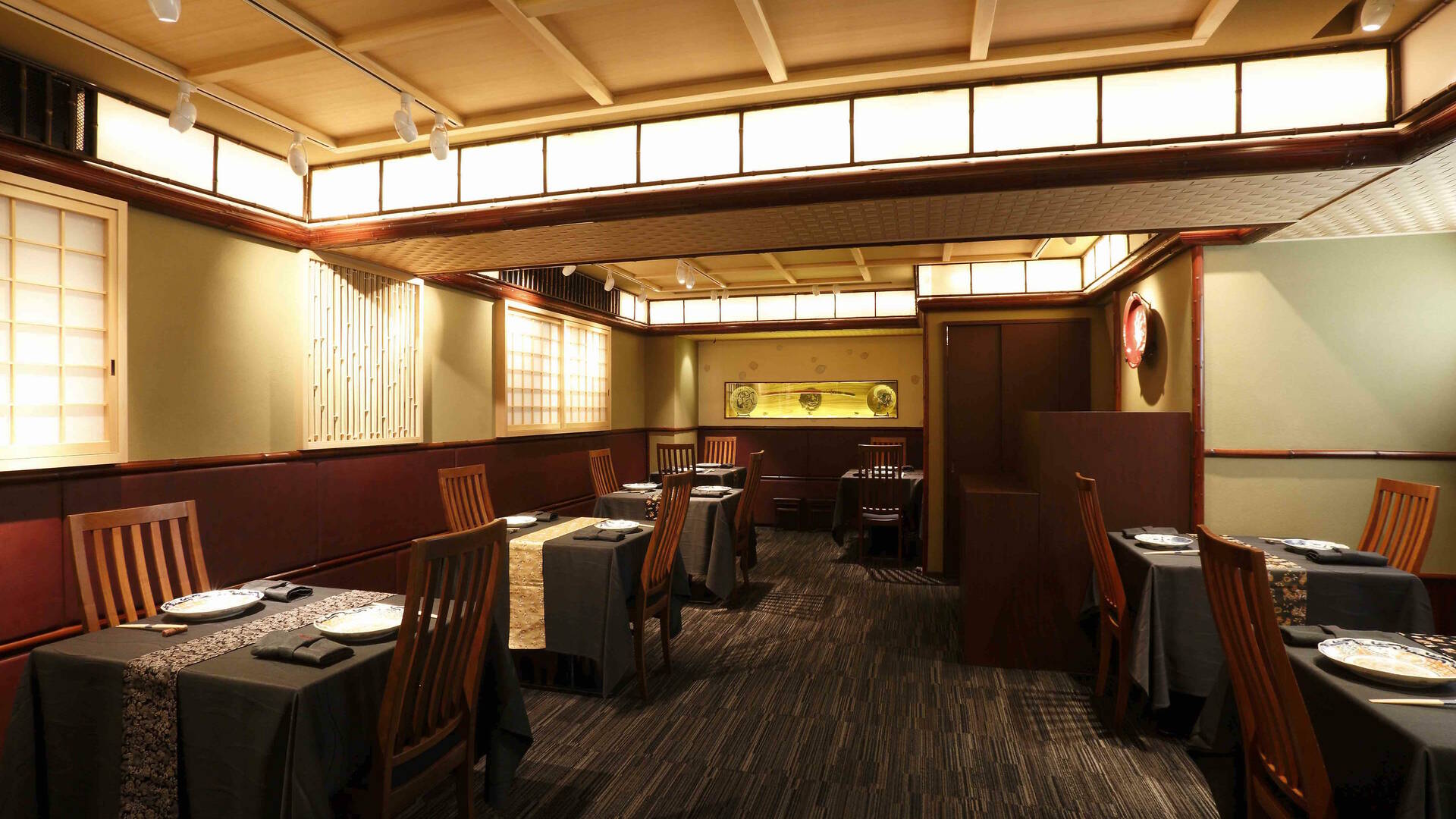
Intimate counter seating around an open kitchen in an elegant Ginza setting.