
Zakuro Ginza ten sits in Ginza’s polished hot-pot tradition, where shabu-shabu and sukiyaki function as social dining rather than chef-theatre spectacle. Its Tabelog 100 Hot Pot 2024 selection, 125-seat scale, private rooms, and sake-shochu drinks focus place it in the dependable celebratory-dinner bracket rather than the counter-only reservation chase.
Pearl is the En Primeur Club membership app — saves, bookings, and concierge access live there. Same editors, same standards.
- Address
- 東京都中央区銀座4-6-1 銀座三和ビル B1F
- Phone
- +81335354421
- Website
- zakuro.co.jp
 Saves & bookings on Pearl
Ginza basement dining has its own grammar: a clean descent from the street, a quieter register than department-store floors above, and rooms for conversation rather than performance. Here, shabu-shabu and sukiyaki make sense. They are not Tokyo’s flashiest forms, but they carry urban confidence: beef, broth, sweet soy, table service, and pacing for families, colleagues, and visiting friends who want structure without stiffness.
Zakuro Ginza ten belongs to that tradition. The context is continuity, not novelty. Tokyo’s luxury dining reputation is often read through sushi counters, kaiseki rooms, French tasting menus, and Ginza tempura, but hot pot occupies another lane: more communal, legible to mixed groups, and less dependent on a single chef’s choreography. A Tabelog 100 Hot Pot 2024 selection places this restaurant inside a national conversation about shabu-shabu and sukiyaki specialists, where consistency, sourcing discipline, and room management matter as much as theatrical finesse.
Ginza hot pot, read as social dining rather than spectacle
Shabu-shabu and sukiyaki sit close on many Tokyo menus, but answer different appetites. Shabu-shabu is restraint: thinly sliced beef moved through hot broth, then adjusted with dipping sauces and condiments. Sukiyaki is richer and more assertive, built around sweet soy and the rounder pleasure of simmered beef. Both reward pacing and demand less than omakase: conversation continues, children can be included, and the table becomes the centre of the meal.
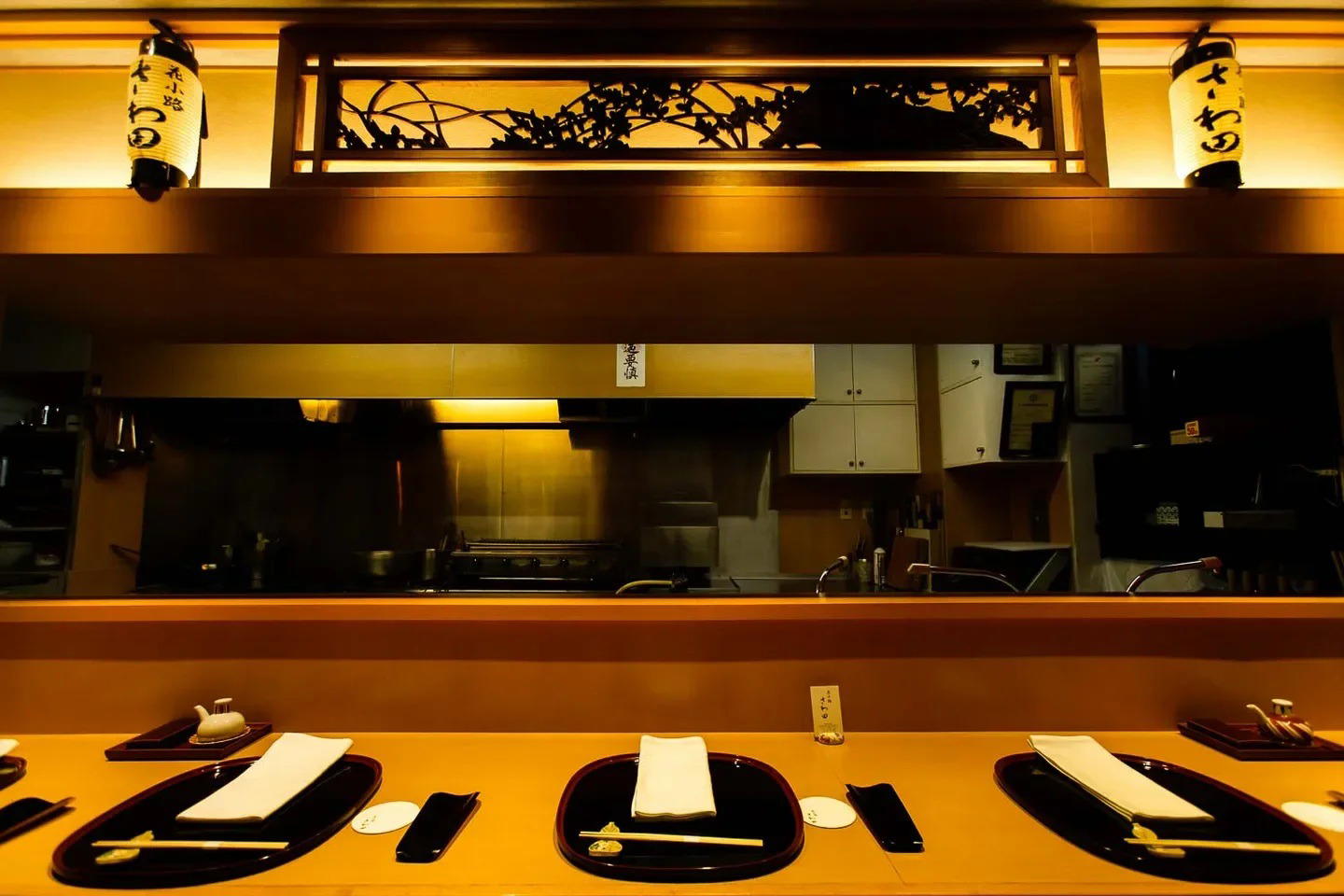
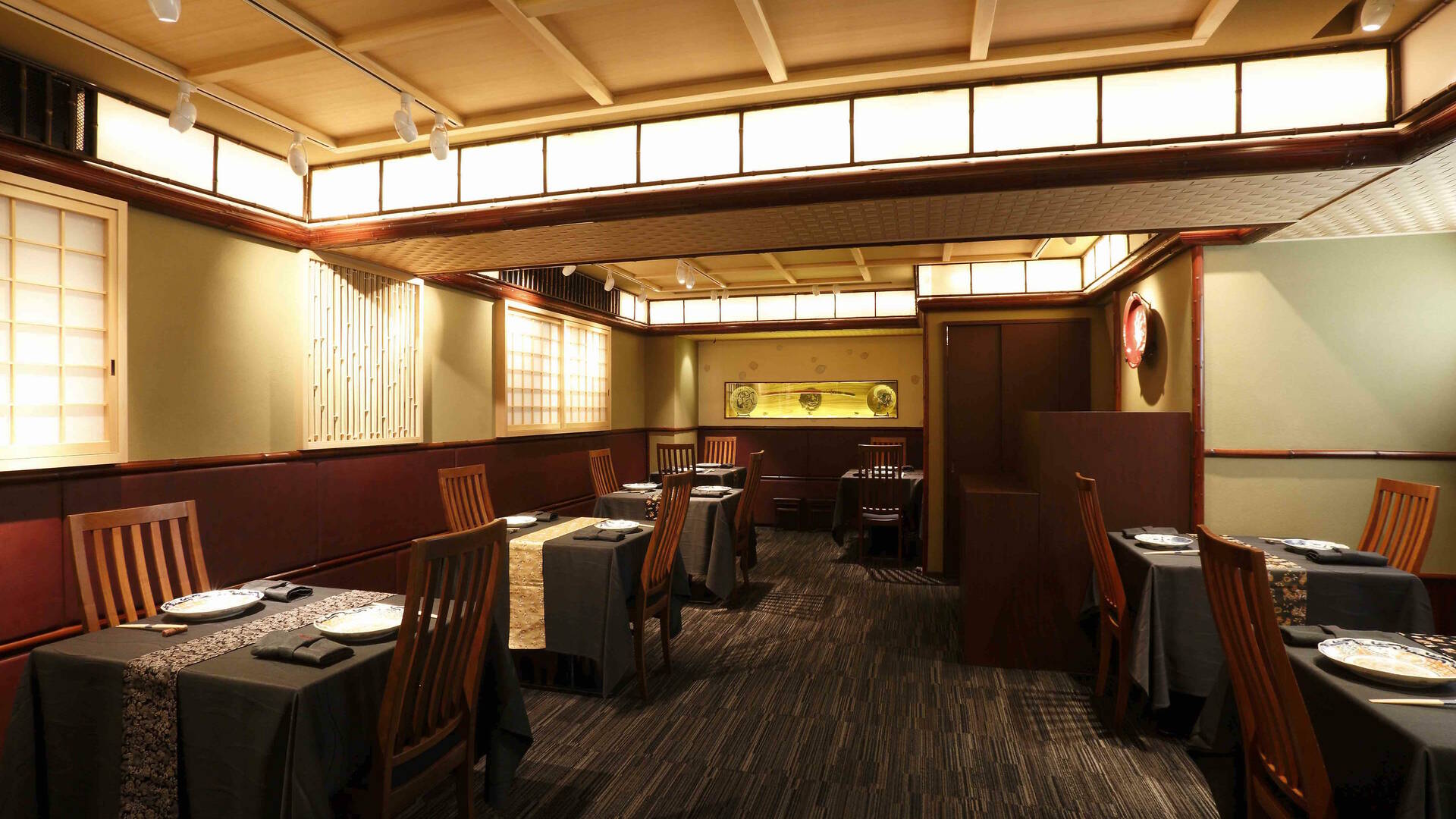
That matters in Ginza, where dining rooms often split between high-ticket ceremony and quick retail-adjacent convenience. A 125-seat hot-pot restaurant with private rooms occupies a practical middle tier, able to handle celebration meals and business-adjacent dinners without forcing guests into a silent counter format. Tatami rooms and sunken seating reinforce the category’s Japanese social logic: not austere, not chain-casual, but built for a shared table with a clear rhythm.
The drinks profile also fits the format. Sake and shochu naturally accompany beef hot pot because they move with both sides of the meal: cleaner with shabu-shabu, fuller with sukiyaki’s soy-sugar depth. Tokyo visitors often chase wine-pairing tasting menus, but hot pot rewards another decision set: whether the table wants purity, sweetness, warmth, and flexibility for mixed preferences.
How Zakuro Ginza ten fits the city's dining hierarchy
Ginza compresses price tiers more sharply than many Tokyo districts. Dessert counters such as Frederic Cassel Ginza mitsukoshi ten and Bon Bonheur sit in a lighter spend category, while old-guard and beef-led dining can rise quickly: Mikawaya occupies a higher bracket, and Koran runs far above the everyday Ginza meal. Against that spread, hot pot here reads as measured, especially for diners who want Japanese beef culture without entering the rarefied steakhouse or kappo economy.
This is where the Tabelog 100 Hot Pot 2024 recognition helps. It does not make the meal a trophy hunt and should not be read like a Michelin star. It signals selection within a specific Japanese category where local users value genre fidelity. For travellers, that is often more useful than a broad luxury label: a shabu-shabu and sukiyaki room should be judged against hot-pot peers, not Ginza sushi counters or French dining rooms.
There is also scale. Many acclaimed Tokyo meals are scarce by design: eight seats, fixed start times, narrow booking channels. Hot pot is more democratic, but in Ginza still carries ceremony. Zakuro Ginza ten can serve private-room dinners, groups, and family meals while remaining in a recognised specialist category. That is the point: a Tokyo dining experience rooted in shared cooking at the table, with enough polish for Ginza and enough clarity for guests who do not want a translator for every course.
For a broader city read, compare this beef-and-broth meal with Tokyo’s other genre lanes: charcoal seafood at . 鮪と炭火焼き うお炭 秋葉原店, urban counter dining at 12/10 Shinjuku ten, chicken-focused craft at 124. KAGURAZAKA (Yakitori), visual café culture at 2D Cafe, and curry as specialist comfort at 3 Chome no Curry Ya San. For citywide planning, use Our full Tokyo restaurants guide, alongside Our full Tokyo hotels guide, Our full Tokyo bars guide, Our full Tokyo wineries guide, and Our full Tokyo experiences guide.
Who should choose this style of Ginza meal
This suits diners who want Japanese culinary culture expressed through the table rather than the counter. The format fits multi-generation meals, visitors easing into Tokyo’s dining codes, and groups wanting a recognised restaurant without surrendering the evening to a tasting-menu schedule. Children are welcomed, important in a district where many serious dining rooms are structurally unfriendly to families even when they do not say so outright.
The trade-off is clear. Diners seeking a chef-led narrative, rare wine service, or a tiny-room chase should look elsewhere. Hot pot is not lesser; it is a different contract. Its pleasures are repetition, timing, shared heat, and the quiet theatre of beef meeting broth or sweet soy at the table. In Ginza, that can be the more culturally revealing meal, especially when the alternative is another polished room designed to impress international diners before it feeds them.
For travellers extending the thread beyond Tokyo, compare the beef-sukiyaki idea with -Grilled beef Sukiyaki- KAMAKURA TANUKIAN 鎌倉 たぬき庵 in Kamakura. Different Japanese dining registers appear in.cafe in Osaka.know in Kumamoto, (Shoku) Vietnam in Kawasaki, [Curry Senmon Ten] Maruyama Kyoju. in Sapporo, and [ki:] in Kyoto. Outside Japan, Jōdo Saké Bar in Los Angeles and Onigiri Time in Pasadena show how Japanese formats change when transplanted into American dining culture.
The editorial verdict is simple: choose the restaurant when the goal is a polished, culturally grounded Ginza meal built around shabu-shabu, sukiyaki, and group comfort rather than rarity for its own sake. Its value lies in genre confidence, not reinvention.
Price and Positioning
Comparable venues side-by-side for orientation.
| Venue | Cuisine | Price | Notes |
|---|---|---|---|
| Zakuro Ginza tenThis venue — the venue you are viewing | Not listed | $$$ | Not listed |
| Manten Sushi (まんてん鮨) | Marunouchi, Edomae Omakase Sushi | $$$ | Not listed |
| Tempura Ginza Tentei | Chūō, Traditional Ginza Tempura Counter | $$$ | Not listed |
| りゅうの介 | Minato, Japanese Seafood | $$$ | Not listed |
| 新楽記 | Not listed | $$$ | Shinjuku, Traditional Japanese Omakase Sushi |
| EUREKA! | Minato, Modern sake-focused izakaya | $$$ | Not listed |
Recognition history
Dated appearances from independent guides and award organizations, with the underlying list record or original source where available.
Tabelog 100 #57 · No. 57
Tabelog · Tabelog 100 - Hot Pot - 2024


At a Glance
- Classic
- Elegant
- Quiet
- Well Known
- Business Dinner
- Group Dining
- Special Occasion
- Celebration
- After Work
- Date Night
- Private Dining
- Standalone
- Design Destination
- Sake Program
- Beer Program
- Local Sourcing
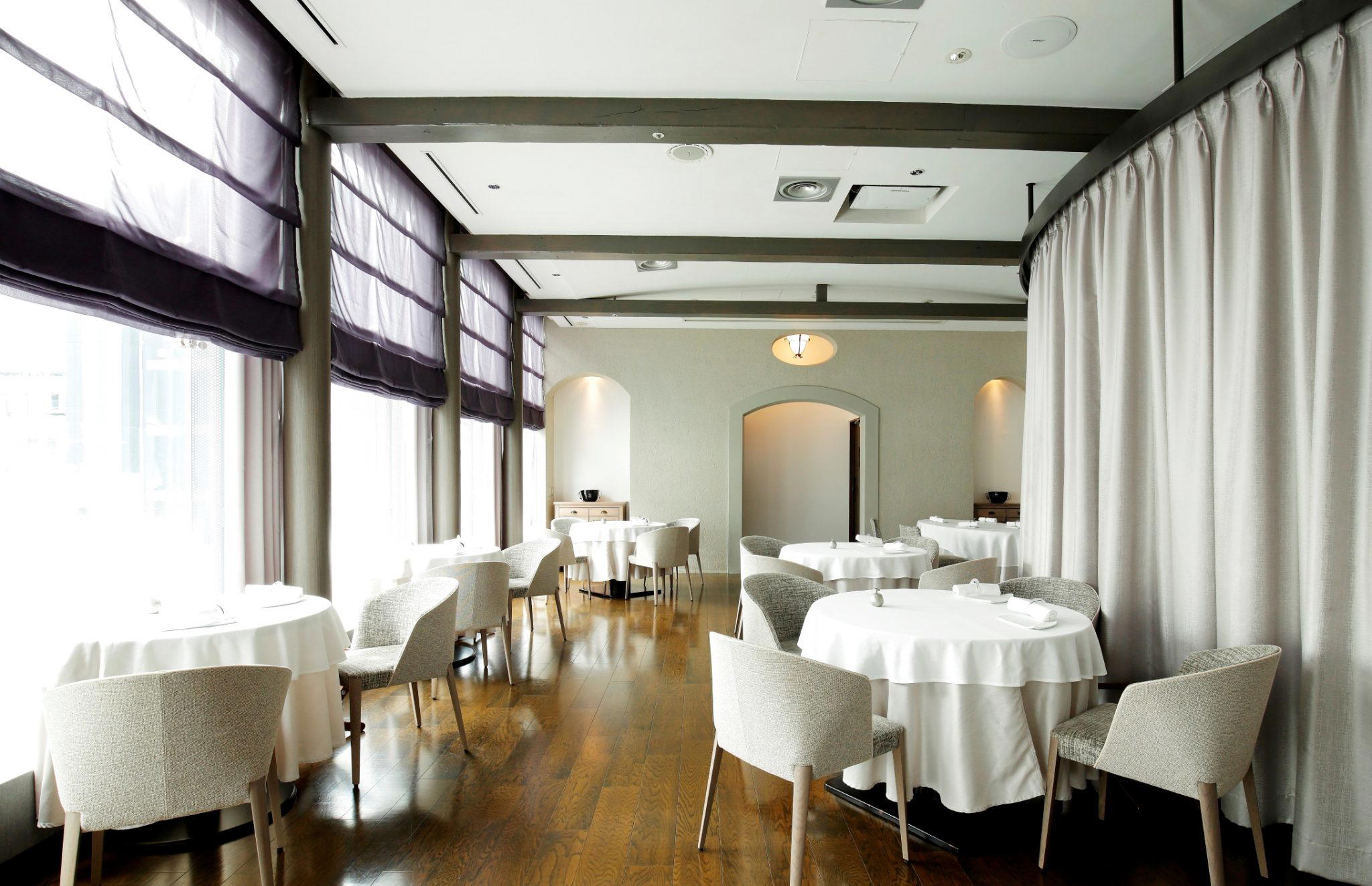
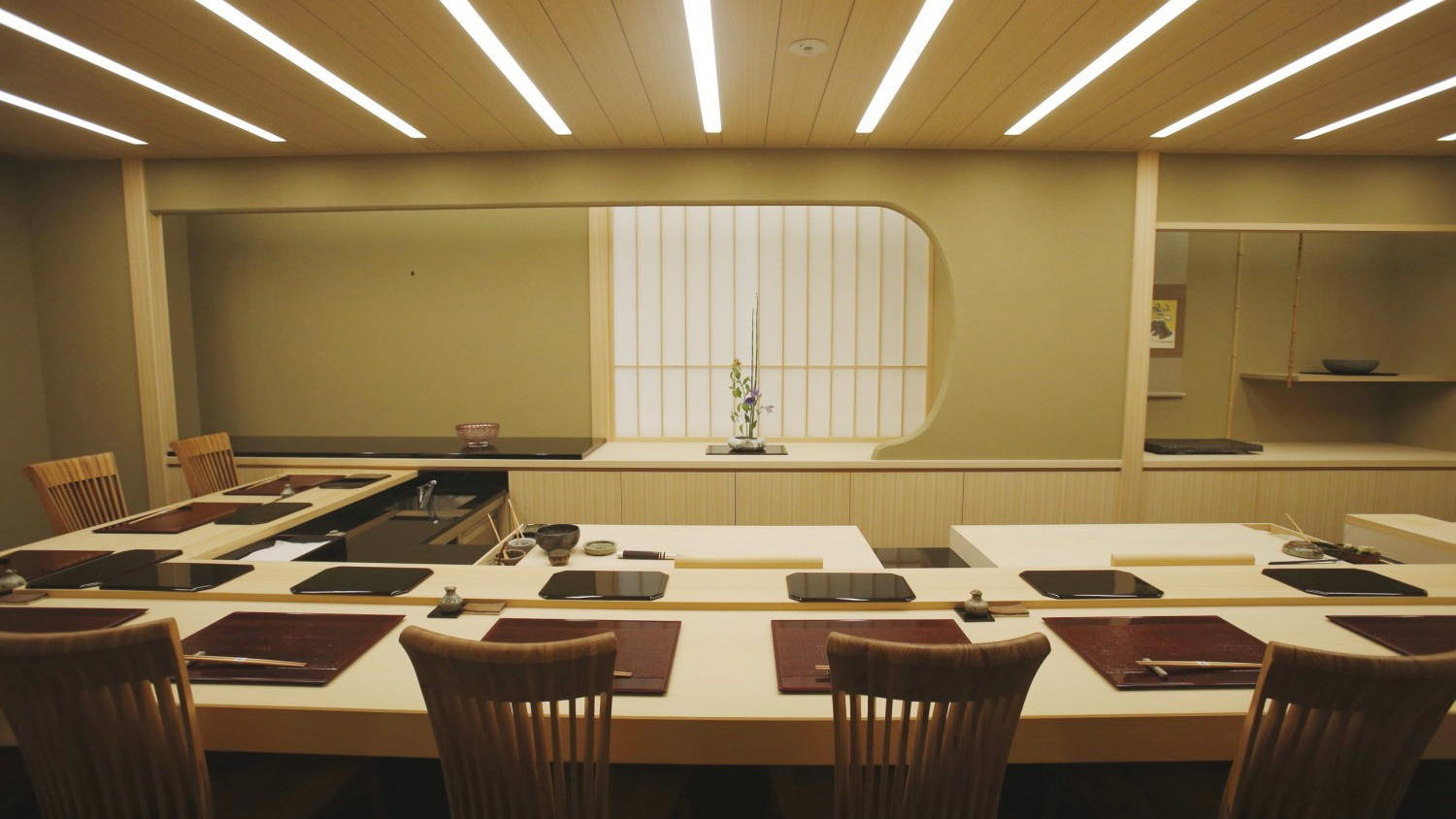
Traditional Japanese atmosphere with calm, quiet energy, attentive and polite service, and an elegant dining room suited to business entertaining and special meals rather than a bustling izakaya vibe.