What the Regulars Know There is a particular kind of Tokyo restaurant that exists almost entirely through word of mouth: no sign legible from the street, no social media presence worth speaking of, no reservation line that answers in English....

Pearl is the En Primeur Club membership app — saves, bookings, and concierge access live there. Same editors, same standards.
What the Regulars Know
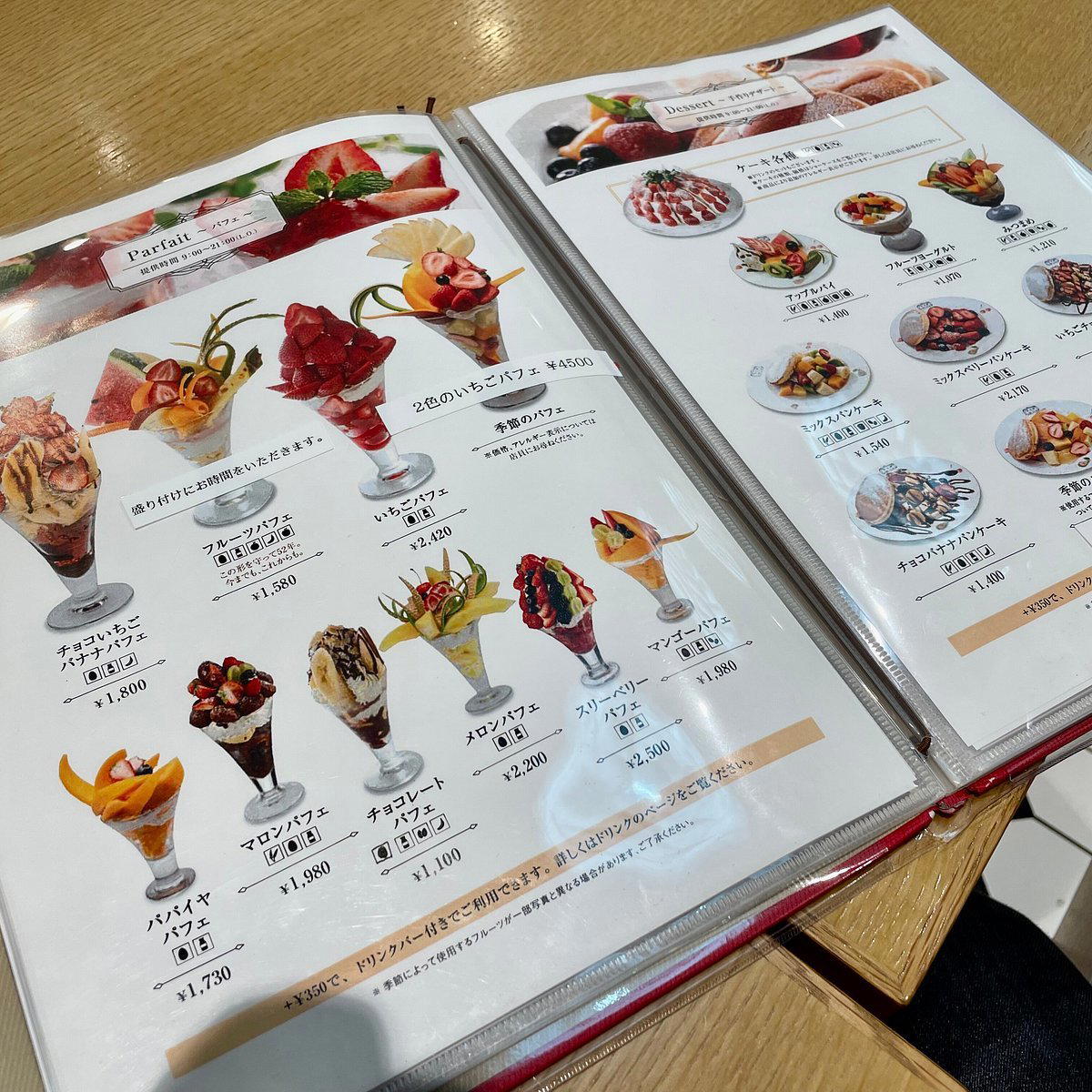
Kajitsuen Riberu is a restaurant in Tokyo serving fruit parlor fare at about $15 per person. Kajitsuen Riberu operates in that register. The name itself, combining the Japanese for "fruit garden" with a softer, almost European syllable, hints at something between the domestic and the refined. In a city where the distance between a neighbourhood kissaten and a three-Michelin-starred counter can be measured in a single city block, that ambiguity is deliberate and meaningful.
Tokyo's dining culture has long rewarded the patient and the returning. The city's most durable rooms are not the ones that generate particularly overseas press, but the ones where the same faces appear at the same stools across seasons and years. The regulars at places like Kajitsuen Riberu build a relationship with a kitchen the way a long-term subscriber builds a relationship with a particular wine producer: through accumulated trust, small variations noted over time, and an understanding that stronger examples from what a kitchen offers is rarely on any written menu.
The Scene It Sits Inside
Tokyo's premium dining tier has fractured meaningfully over the past decade. On one axis, you have the internationally legible counters: the kaiseki rooms and sushi-ya that appear reliably on global rankings, draw international clientele, and price against that demand. On another axis, a smaller but resilient cohort of restaurants operates with fewer covers, less visibility, and a clientele that is overwhelmingly domestic. These rooms price, present, and programme for the Tokyo diner who has already been everywhere else.
Venues in this second cohort share certain structural features. They tend toward intimate formats. They rely on seasonal rhythm rather than a fixed signature. And they generate loyalty not through spectacle but through consistency: the sense that returning in January versus returning in October will yield a genuinely different experience, shaped by what Japanese seasonal logic demands rather than what photographs well.
For calibration, consider the competitive field in Tokyo's leading dining tier. Harutaka operates at ¥¥¥¥ and is among the city's most closely watched sushi counters. RyuGin anchors the kaiseki end of the same price tier, while L'Effervescence and Sézanne demonstrate the ambition of Tokyo's French-influenced rooms. Crony represents the innovative French direction gaining ground in the city. The restaurant, whatever its exact positioning, enters a field where the bar for sustained relevance among regulars is set by these kinds of kitchens.
Seasonal Logic and the Returning Visitor
In Japan's most considered restaurants, the seasonal calendar is not a marketing concept. It structures the entire operation: what arrives from suppliers, what disappears from the counter, and what the kitchen's mood is at any given month. A diner who comes once in spring and once in autumn is, in effect, eating at two different restaurants that happen to share a room and a kitchen team.
This is what keeps the regulars returning. The unwritten menu, in the Japanese dining context, is less about secret dishes and more about the relationship between timing and trust. A diner who has visited enough times to understand which months bring which ingredients, and who has established the kind of rapport that prompts a kitchen to offer what is freshest rather than what is standard, is operating in a fundamentally different mode from the first-time visitor working from a fixed set menu.
Japan's broader dining geography rewards this kind of seasonal attentiveness. Gion Sasaki in Kyoto and HAJIME in Osaka both demonstrate how Japan's premium rooms outside Tokyo build their identity around exactly this seasonal discipline. akordu in Nara and Goh in Fukuoka show the pattern extending into smaller cities. Regional examples like this Nanao restaurant, this Sapporo room, and this Takashima venue underscore how deeply the principle runs across Japanese dining culture at every geography. Even a room like this Nishikawa Machi restaurant operates within the same seasonal framework.
The international comparison point is instructive. Atomix in New York and Le Bernardin both cultivate repeat clientele through format and consistency, but neither operates inside the same seasonal logic that Japanese kitchens inherit structurally. The difference is not one of ambition but of culinary grammar.
Beyond Tokyo: The Wider Network
For travellers building a Japan itinerary around this kind of dining, the logic of the restaurant extends naturally to other rooms worth knowing. Birdland in Sakai and Bistro Ange in Toyohashi represent the regional reach of considered Japanese dining beyond the major cities.
Know Before You Go
Location: Tokyo, Japan
Reservations: Recommended
Price range: About $15 per person
Dress code: Casual
Similar Picks
Comparable venues nearby, for context on price, style, and recognition.
| Venue | Cuisine | Price | Notes |
|---|---|---|---|
| Kajitsuen RiberuThis venue — the venue you are viewing | Fruit Parlor | $$ | Not listed |
| Ginza Hachigo | Modern French-inspired Ramen | $$ | Chūō |
| tonkatsu.jp表参道 | Premium Tonkatsu Specialist | $$ | Omotesando |
| Genki | Okonomiyaki / Teppanyaki / Izakaya | $$ | Sumida |
| Okonomiyaki Kiji Shinagawa ten | Osaka-style okonomiyaki & teppan grill | $$ | Minato |
| Muromachi Sunaba Nihonbashi hon ten | Traditional Edo-style soba | $$ | Chūō |


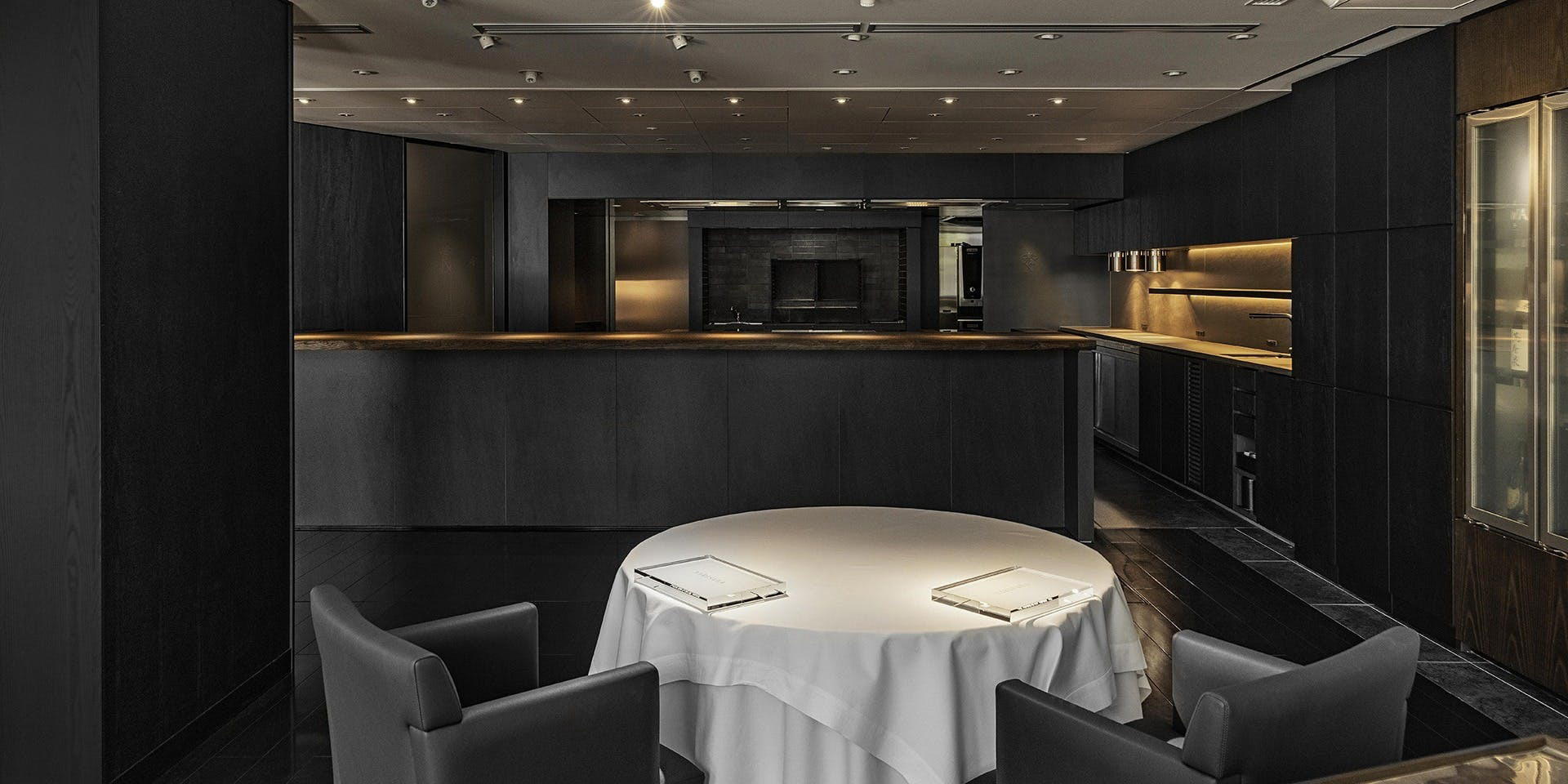
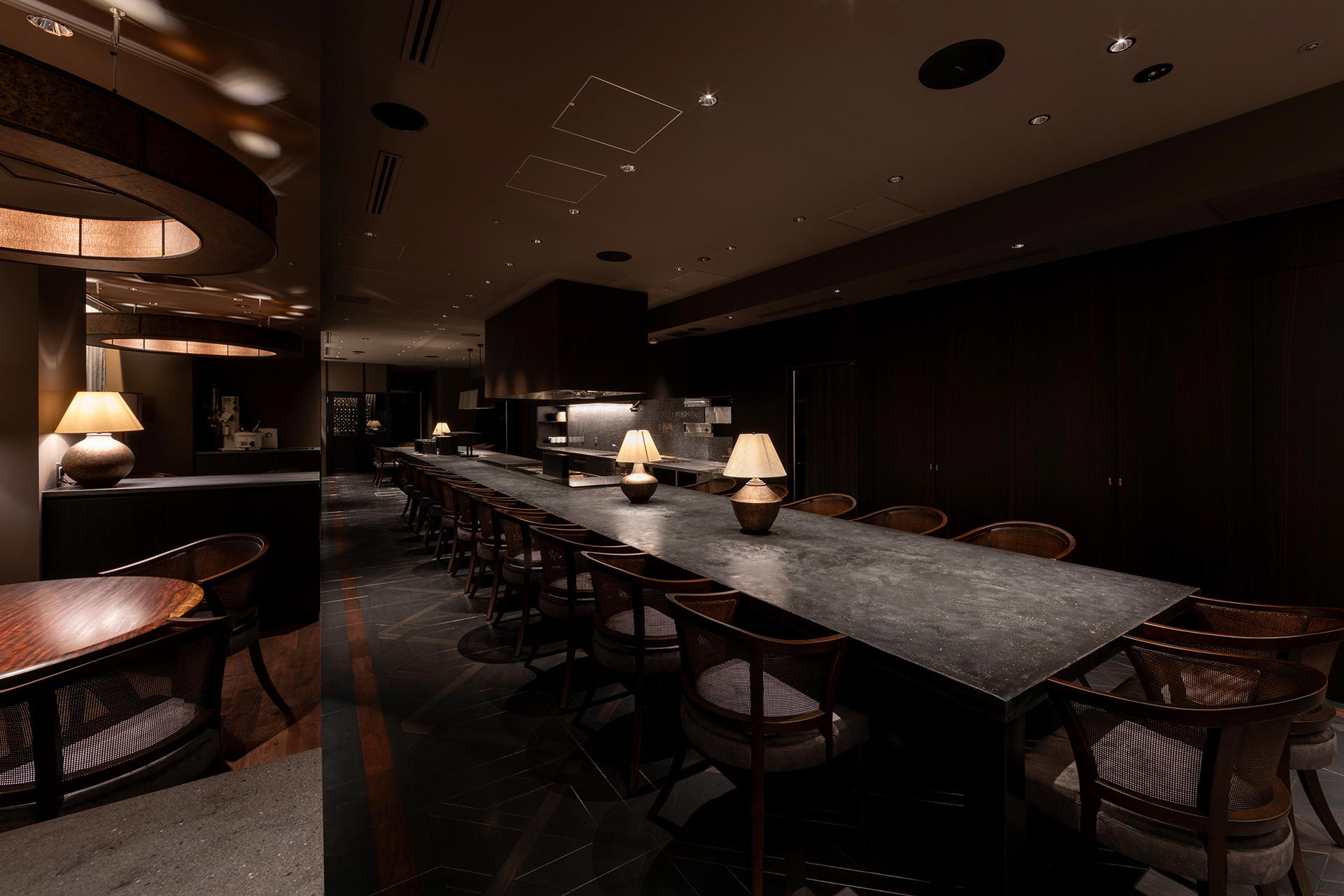


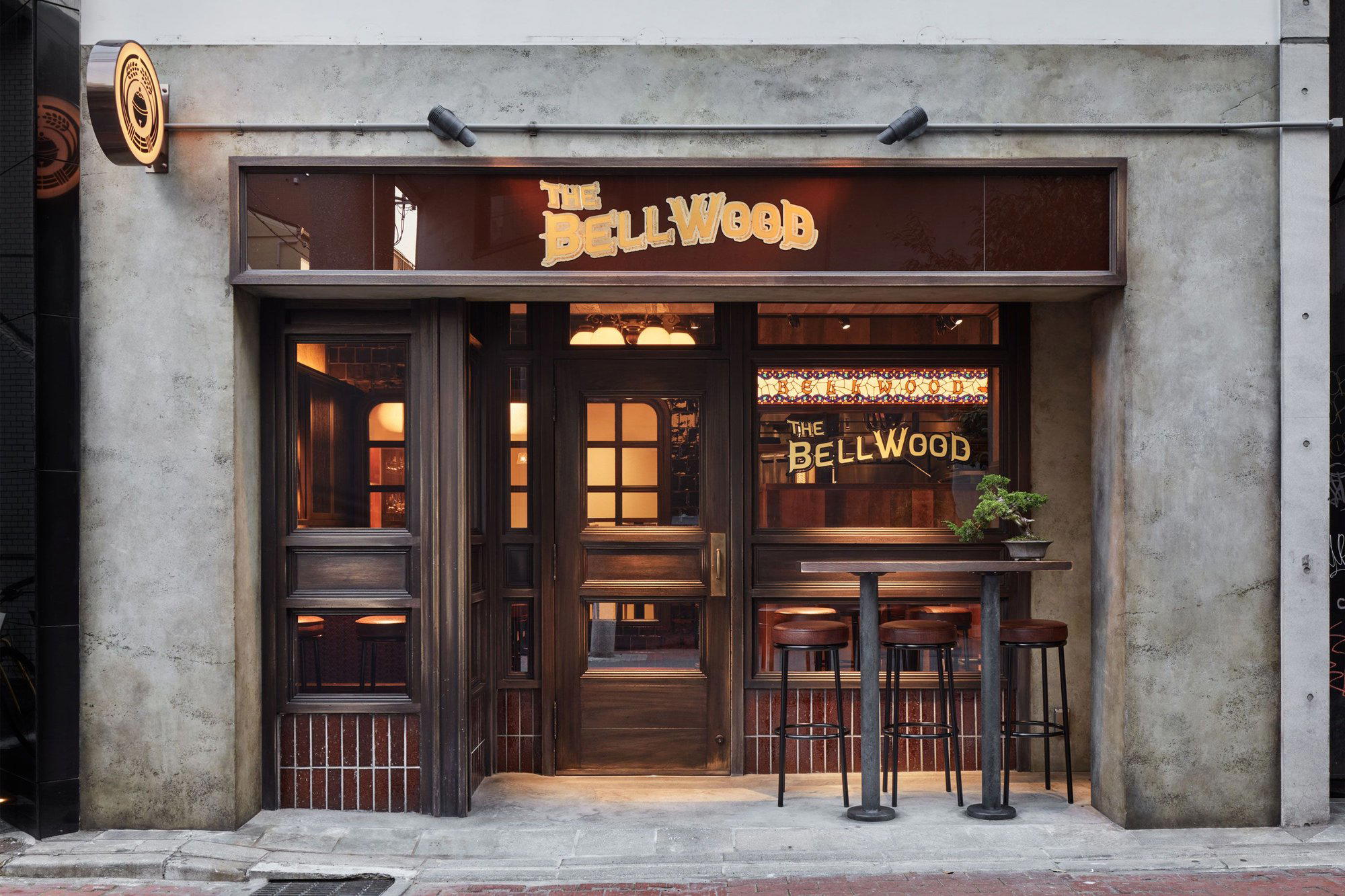



At a Glance
- Cozy
- Trendy
- Casual Hangout
- Brunch
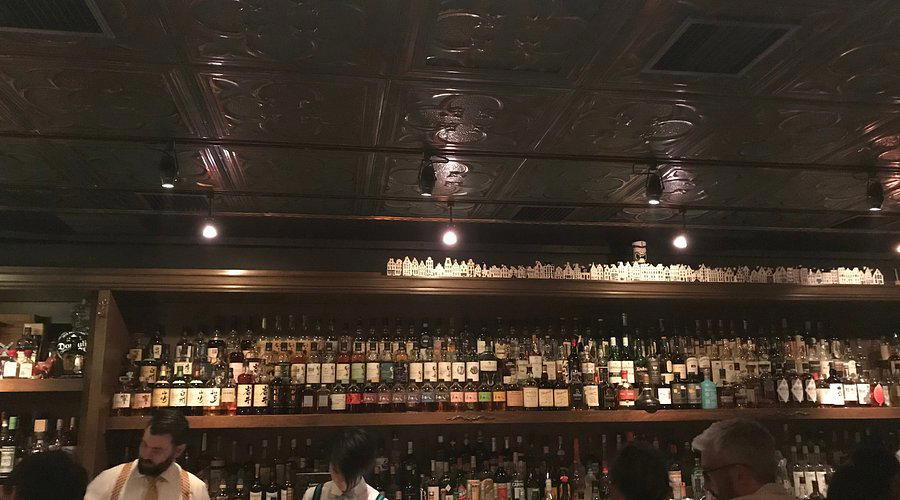
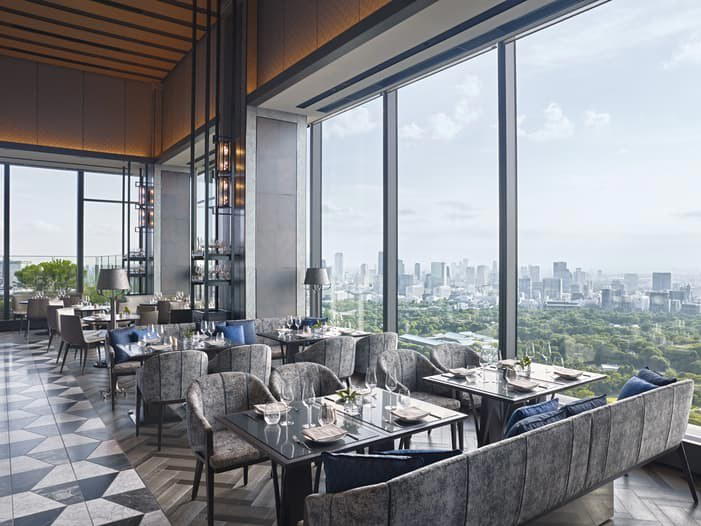
Cozy and photogenic atmosphere with a bustling, lively feel during peak hours.