


Michelin Bib Gourmand · Tabelog 100 #74
Our verdict
Ginza Hachigo occupies a precise address in one of Tokyo's most competitive dining corridors, where the bar for counter-format restaurants is set by decades of omakase tradition and Michelin scrutiny. The surrounding blocks concentrate some of Japan's most formally recognised kitchens, making the neighbourhood itself a reliable signal of seriousness. For visitors building a Tokyo itinerary around serious Japanese cooking, this address belongs on the research list.

Pearl is the En Primeur Club membership app, where members save venues, book tables and use the concierge.
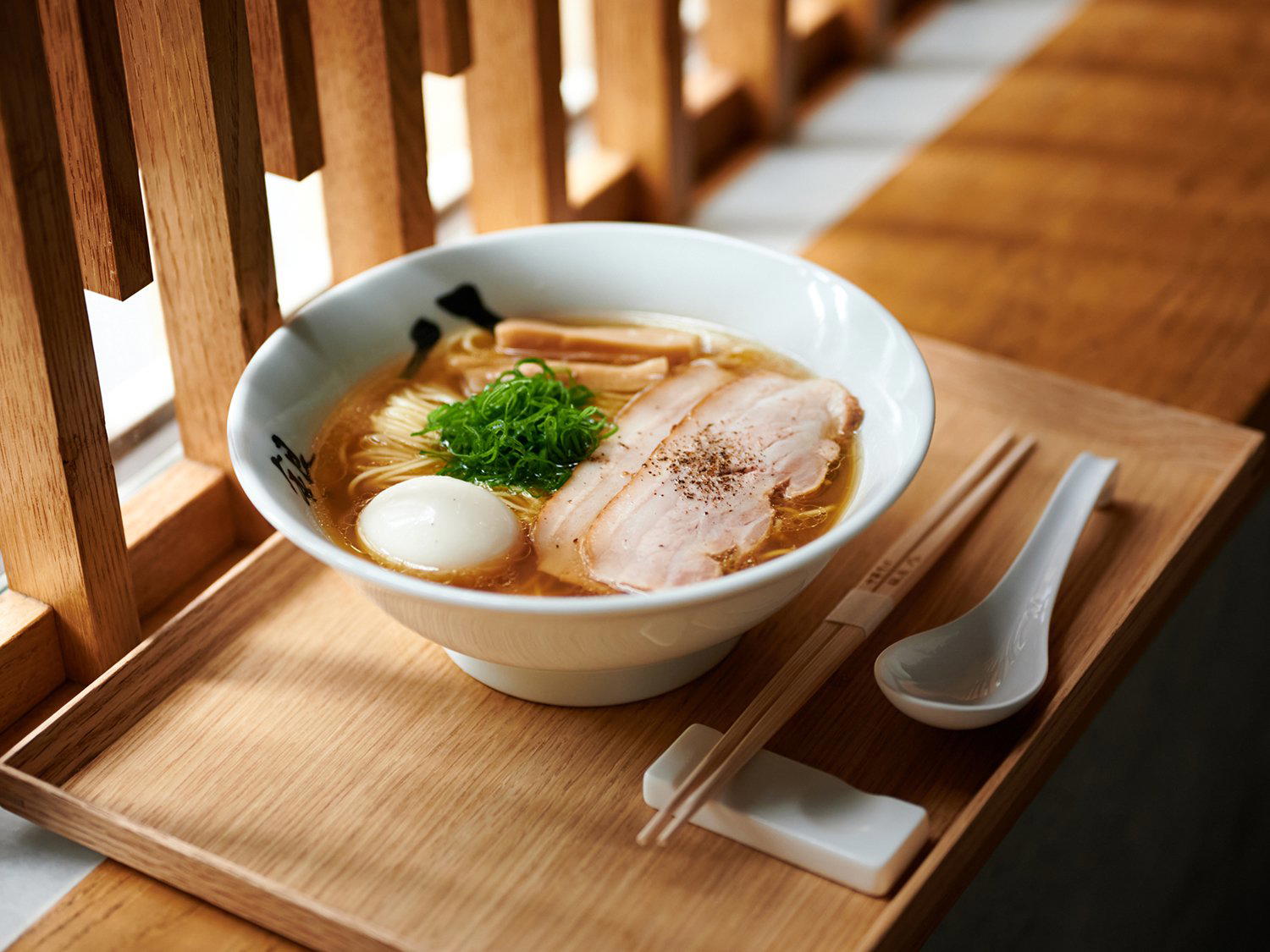
The menu
What to order
- Chuka Soba
- Ajitama Chuka Soba
- Chashu Chuka Soba
- Ravioli Gourmandise Chuka Soba
The Ginza Counter: What the Address Signals Before You Sit Down
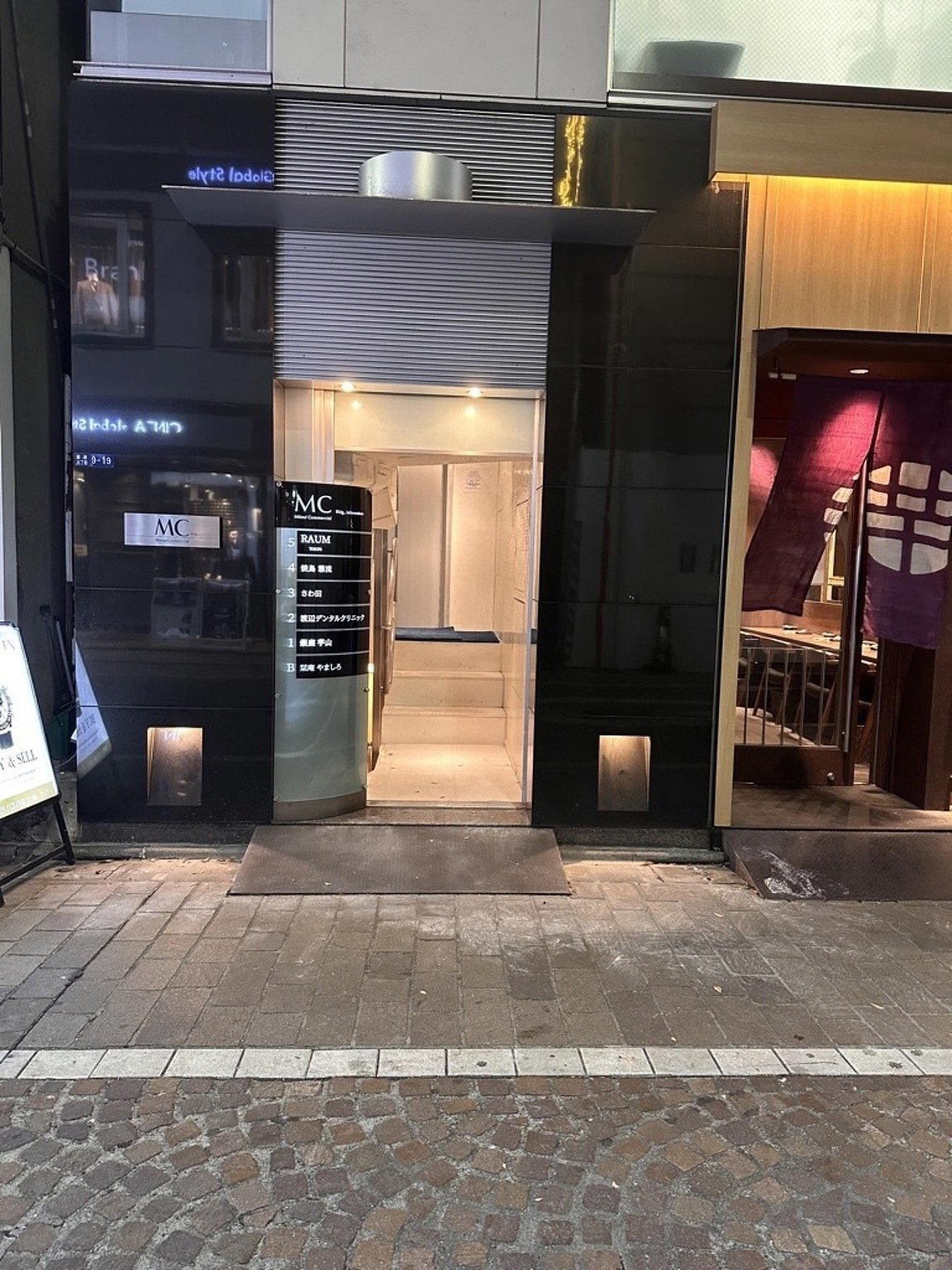
Arriving at Ginza's 3-chome block in the early evening, you register the neighbourhood's particular grammar quickly: narrow ground-floor frontages, understated signage, the kind of entrance that rewards knowing where you are going. This is not the Ginza of department stores and flagship boutiques but the version that runs parallel to it, a corridor of small, serious restaurants where the competitive density is among the highest in any city on earth. Ginza Hachigo sits within that corridor, at the address on 3-chome-14, and the context it inherits from the surrounding block is substantial before a single course arrives.
Ginza's dining identity has been shaped by the concentration of counter-format Japanese restaurants that treat precision not as performance but as baseline expectation. Across sushi, kaiseki, and adjacent formats, the neighbourhood has functioned for decades as a self-selecting environment: kitchens that cannot maintain the standard do not hold tables here for long. Any restaurant that persists at a Ginza address does so against that pressure, which is the first meaningful data point a visitor can work with when the venue's own public record is thin.
Lunch and Dinner in Ginza: A Structural Divide Worth Understanding
The editorial angle that matters most for any serious Ginza restaurant is the gap between lunch and dinner service, because in this neighbourhood that gap is rarely cosmetic. Across the top tier of Ginza counters, lunch tends to run on a condensed format: fewer courses, faster pacing, and prices that can land 30 to 50 percent below the evening equivalent. The trade is atmosphere and depth. Evening service in Ginza's counter restaurants typically involves more extended sequencing, a fuller engagement with seasonal ingredients, and a room that has slowed down to match the meal's rhythm.
For visitors comparing access points to high-end Japanese cooking, the lunch option at addresses in this tier functions as a genuine entry rather than a diluted version. Kitchens at this level do not staff two shifts with different standards; the ingredient quality and technical execution carry across, while the scope narrows. That distinction matters when planning against a Tokyo itinerary that also includes restaurants like Harutaka on the sushi side or RyuGin for kaiseki, both of which operate the same structural divide between their daytime and evening offerings.
The dinner experience at a Ginza counter of this address and standing is calibrated for a different pace entirely. Evenings in this part of Chuo City tend to thin out the tourist layer; the room composition shifts toward regulars and travelers who have specifically planned the booking. That shift changes the ambient register of the meal in ways that are difficult to quantify but easy to notice.
Positioning Within Ginza's Competitive Set
Ginza's fine dining market has stratified over the past decade into identifiable tiers. At the upper end, three-Michelin-star counters set prices and booking timelines that are effectively self-limiting. Below that, a mid-upper tier of one- and two-star addresses, along with unstarred kitchens that maintain comparable standards, offers the most interesting competitive dynamic.
For context, the restaurants that cluster around Ginza and its adjacent neighbourhoods include addresses running from the ¥¥¥ range, where Crony operates its innovative French-Japanese program, up through the ¥¥¥¥ tier that contains L'Effervescence and Sézanne. Placing Ginza Hachigo within that set requires direct confirmation of pricing and format, but the address itself is a reliable indicator of which bracket the kitchen is competing in.
Japan's broader restaurant geography provides additional context for visitors building multi-city itineraries. Serious counter dining in Tokyo sits in a different competitive register than comparable formats in Osaka, where HAJIME applies its own rigorous approach, or Kyoto, where Gion Sasaki represents the kaiseki tradition at a high level. Regional destinations including Goh in Fukuoka, akordu in Nara, and addresses as geographically dispersed as affetto akita in Akita, Aji Arai in Oita, Ajidocoro in Yubari District, Akakichi in Imabari, aki nagao in Sapporo, and Abon in Ashiya illustrate how deeply the counter-format tradition runs across Japanese dining geography. For an overview of where Tokyo's serious restaurants sit relative to each other, our full Tokyo restaurants guide provides the broader map.
Planning a Visit: What the Address Implies Logistically
Counter restaurants at Ginza addresses in this tier typically require advance booking, and the booking window matters. Addresses operating at full capacity often open reservations one to three months ahead, with walk-in availability at lunch occasionally appearing on shorter notice, particularly on weekday slots that regular clientele leave unfilled. Visitors coming to Tokyo for a fixed window should treat any Ginza counter booking as a first-priority item, scheduled before accommodation choices narrow the daily geography of the itinerary.
The 3-chome address places the restaurant within easy walking distance of Ginza Station, accessible via the Ginza, Hibiya, and Marunouchi lines, making the logistics uncomplicated for visitors staying in central Tokyo or arriving from adjacent neighbourhoods. Comparable counters within reasonable proximity include the sushi program at Harutaka, which operates in the same competitive gravity. For visitors benchmarking against international reference points, the counter-format commitment at this level of Japanese dining shares structural DNA with destination kitchens elsewhere, though the cultural and technical context is specific to Japan in ways that Le Bernardin in New York or Lazy Bear in San Francisco illuminate only by contrast.
Logistics at a Glance
| Factor | Ginza Hachigo | Harutaka | RyuGin |
|---|---|---|---|
| Neighbourhood | Ginza 3-chome | Ginza | Roppongi |
| Format | Counter (unconfirmed) | Sushi counter | Kaiseki counter |
| Price tier | Not confirmed | ¥¥¥¥ | ¥¥¥¥ |
| Booking lead time | Confirm directly | 1-3 months typical | 1-2 months typical |
| Lunch service | Confirm directly | Available (condensed) | Available (condensed) |
Frequently asked questions
What is Ginza Hachigo known for?
Ginza Hachigo holds an address in one of Tokyo's most concentrated fine dining corridors, the 3-chome block of Ginza in Chuo City, where the neighbourhood's sustained Michelin presence and counter-format tradition set the baseline expectations. Specific cuisine type and menu details are best confirmed through direct contact, as the restaurant's public record remains limited.
How hard is it to get a table at Ginza Hachigo?
Counter restaurants at Ginza addresses in this price tier typically book out one to three months in advance for dinner, with occasional shorter-notice availability at lunch, particularly on weekdays. Tokyo's concentration of serious dining means competition for premium counter slots is high across the board; Ginza specifically attracts both local regulars and international visitors planning purpose-built itineraries. Contacting the restaurant directly as early as possible in your planning window is the most reliable approach.
What's the must-try dish at Ginza Hachigo?
For a Ginza counter at this address, the seasonal ingredient selection is typically the structural driver of any menu, meaning what matters most shifts with the time of year. Confirming current offerings directly with the restaurant before your visit gives you the most accurate picture of what the kitchen is prioritising.
Is Ginza Hachigo suitable for visitors who are new to high-end Japanese counter dining?
Ginza's counter restaurants operate within a format tradition, omakase or tasting-menu sequencing led by the kitchen, that rewards some prior familiarity but is not exclusionary to first-timers. The neighbourhood's standards mean service tends to be precise and attentive, with staff at addresses in this corridor accustomed to international guests. Booking a lunch slot, where pacing is typically less extended and pricing more accessible, is a sensible entry point for visitors new to the format, before committing to a full evening counter experience at a Ginza address.
In Context: Similar Options
Comparable venues nearby, for context on price, style, and recognition.
| Venue | Cuisine | Price | Awards | Notes |
|---|---|---|---|---|
| Ginza HachigoThis venue (the venue you are viewing) | Modern French-inspired Ramen | $10–20 | Michelin Bib Gourmand · Tabelog 100 #74 | Not listed |
| 銀座久兵衛 | japanese | Not listed | Not listed | Chūō |
| BUNMEIDO CAFE | Japanese bakery café for castella and yoshoku | $10–20 | Tabelog 100 #30 | Chūō |
| Umatama Ya | Omurice-focused Yoshoku (Japanese-style Western) counter | $20–30 | Tabelog 100 #3 | Chiyoda |
| 赤坂詠月 | Japanese Tea Ceremony Dining | Not listed | Not listed | Minato |
| Teuchi Soba Nezu Takajo | Traditional hand-cut soba | $20–30 | Tabelog 100 #80 | Bunkyō |
Recognition history
Dated appearances from independent guides and award organizations, with the underlying list record or original source where available.
Michelin Bib Gourmand
Michelin
Opinionated About Dining Casual in Japan Ranked #19
Opinionated About Dining
Tabelog 100 #74 · No. 74
Tabelog · Tabelog 100 - Ramen - TOKYO - 2025
Full recognition history (7 entries)
Opinionated About Dining Casual in Japan Ranked #4
Opinionated About Dining
Michelin Bib Gourmand
Michelin
Opinionated About Dining Casual in Japan Ranked #18
Opinionated About Dining
Opinionated About Dining Casual in Japan Ranked #20
Opinionated About Dining
Continue exploring
More in Tokyo
Restaurants in Tokyo
All restaurants in Tokyo →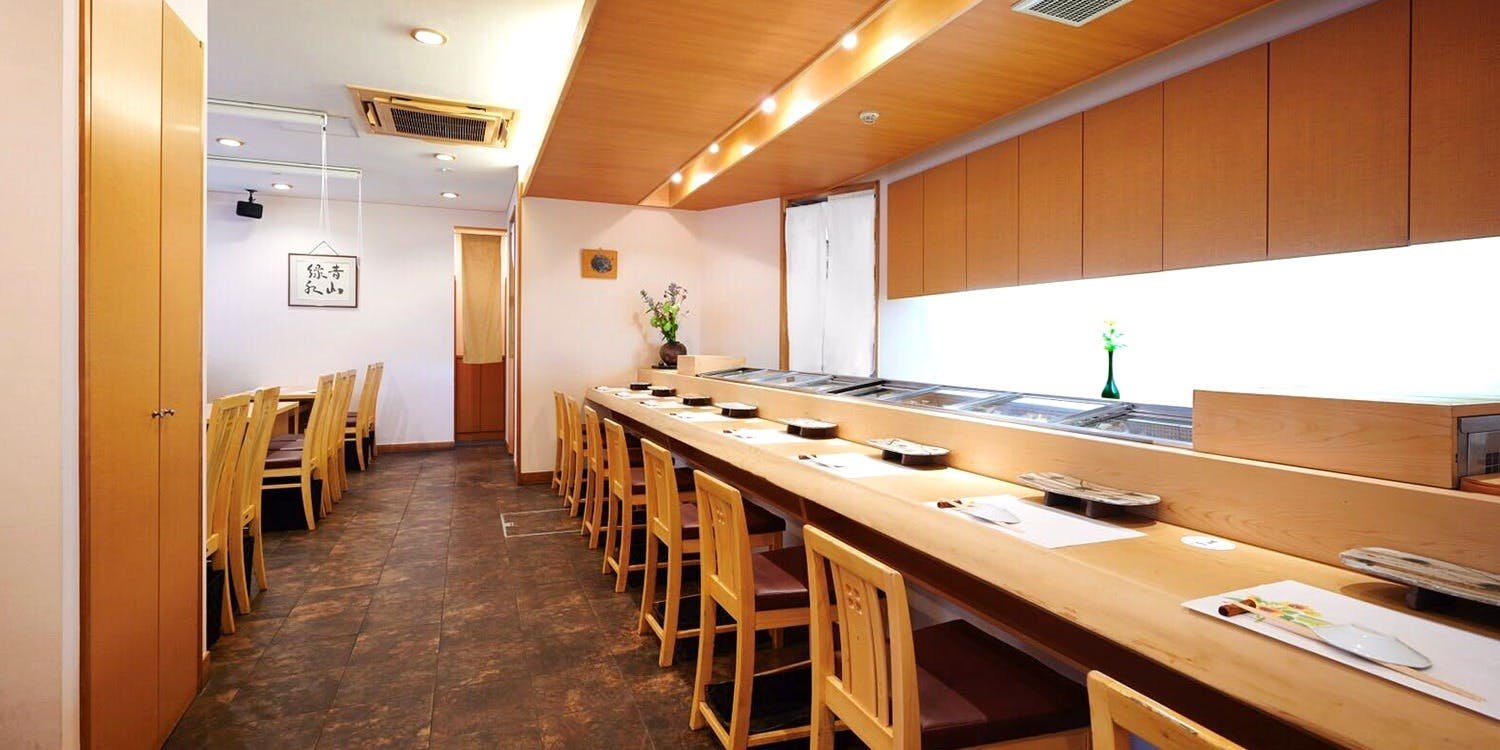
Bars in Tokyo
All bars in Tokyo →



Details
- Elegant
- Minimalist
- Intimate
- Sophisticated
- Solo
- Special Occasion
- Chefs Counter
- Sake Program
- Counter Dining
Current opening hours
- Monday
- Closed
- Tuesday
- 11 AM–4 PM
- Wednesday
- 11 AM–4 PM
- Thursday
- 11 AM–4 PM
- Friday
- 11 AM–4 PM
- Saturday
- 11 AM–4 PM
- Sunday
- 11 AM–4 PM
Hours can change for holidays and private events. Hours as of .
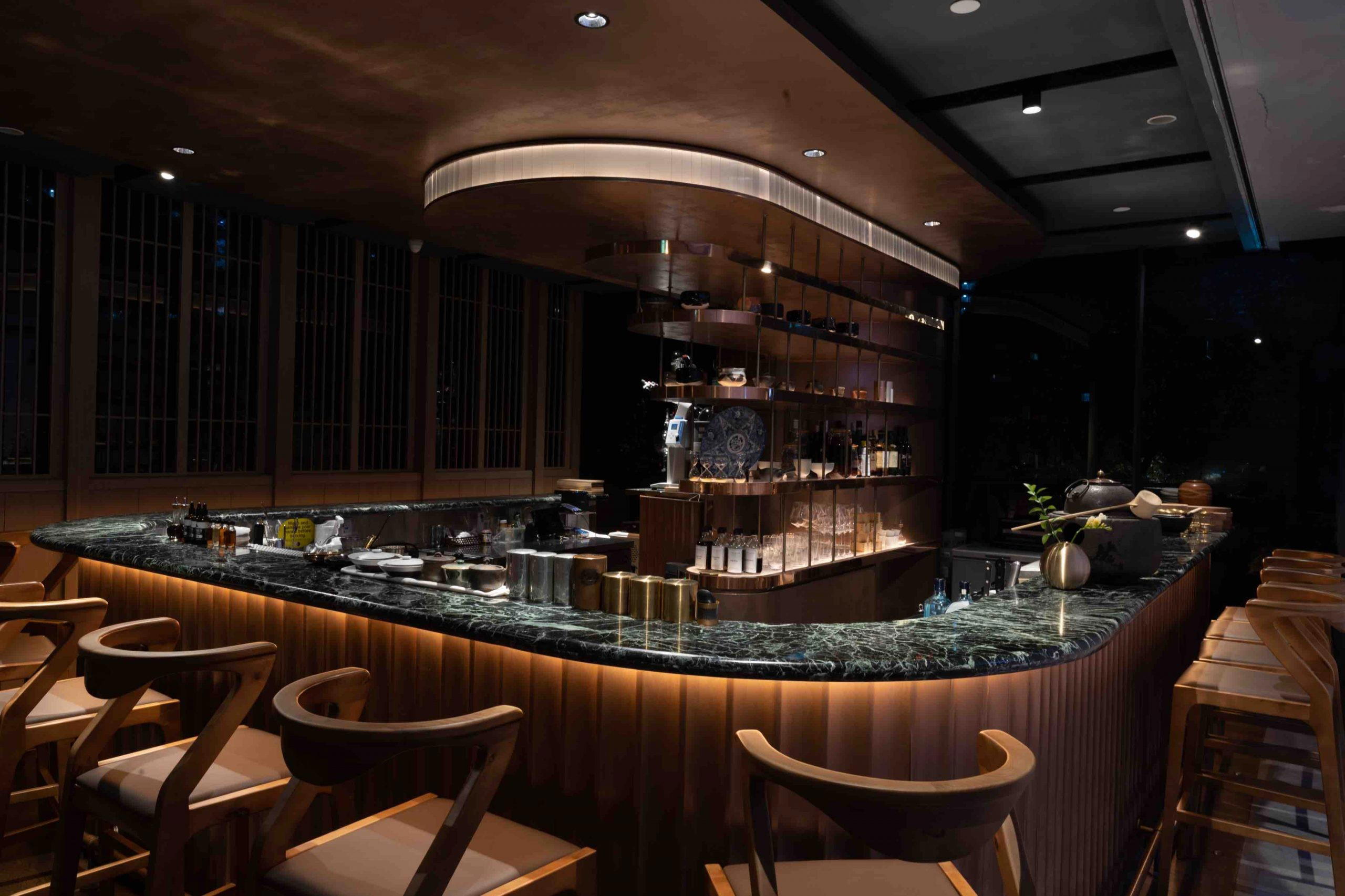
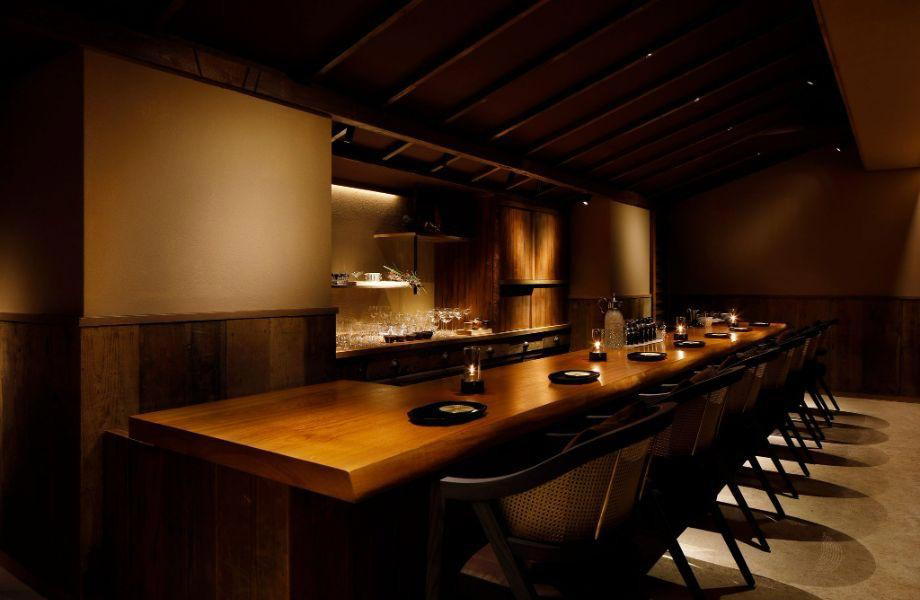
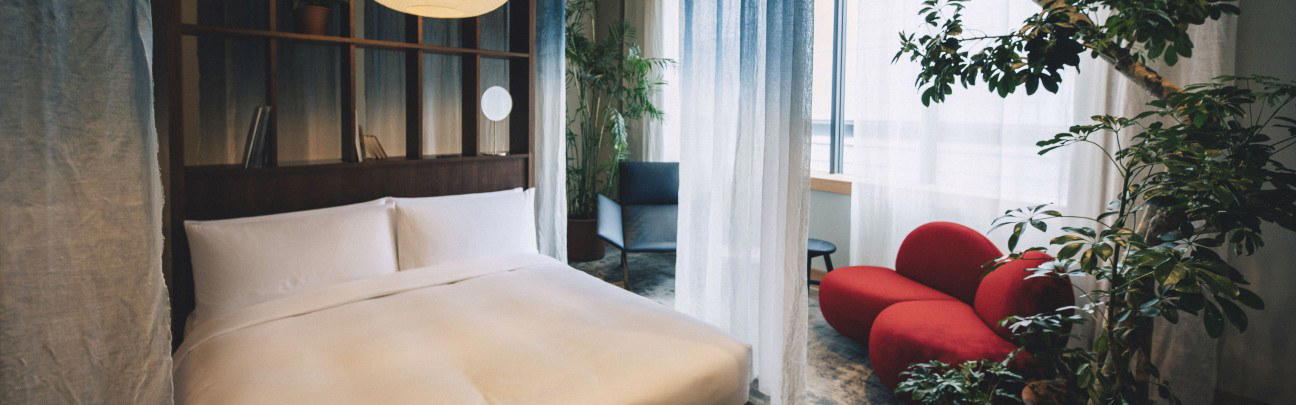
Refined and elegant counter seating with a Japanese kaiseki atmosphere, quiet and sophisticated.