
Okonomiyaki Kiji Shinagawa ten brings Osaka-style okonomiyaki and stir-fried noodles into Shinagawa’s office-and-rail corridor, with Tabelog 100 Okonomiyaki selections from 2018, 2019, 2022, 2023, 2024, and 2025 giving it more weight than a casual station-area meal might suggest. The appeal is value: a focused grill format, counter-and-table seating, multilingual menus, and a price band that keeps the decision easy.
Pearl is the En Primeur Club membership app — saves, bookings, and concierge access live there. Same editors, same standards.
- Address
- Japan, 〒108-0075 Tokyo, Minato City, Konan, 2 Chome−3−13 品川フロントビル 2F
- Phone
- +81 3-6712-0256
- Website
- o-kizi.jp
 Saves & bookings on Pearl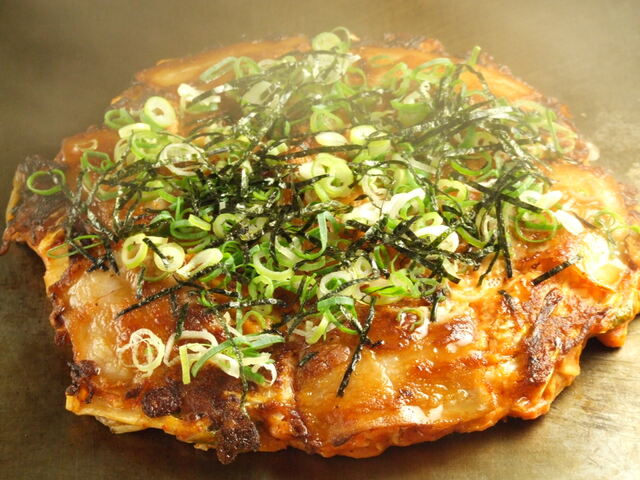
Shinagawa’s Konan side moves at transfer speed: office workers between towers, rail passengers after meetings, and dinner plans shaped by timing more than ceremony. Okonomiyaki fits that rhythm: democratic, filling, easy to understand, and better for mixed groups than many specialist counters. Okonomiyaki Kiji Shinagawa ten succeeds by taking informality seriously, bringing Osaka-style savory pancakes and yakisoba to a Tokyo district where meals often compete with train schedules.
Tokyo’s casual dining hierarchy can be unforgiving. Sushi, tempura, and kaiseki draw international attention, while okonomiyaki is often treated as comfort food rather than a category with standards. Tabelog’s Okonomiyaki 100 list helps correct that. Selection in 2025, alongside appearances in 2018, 2019, 2022, 2023, and 2024, places this branch among specialist shops where batter, cabbage, griddle control, sauce, and pacing matter as much as pedigree elsewhere. The point is not luxury, but consistency in a form that exposes weak technique quickly.
Osaka grill culture, translated for Shinagawa's practical rhythm
Okonomiyaki is often called a Japanese savory pancake, but that misses its logic. It depends on controlled density: enough batter to bind, enough cabbage to keep lift, and enough heat to set the surface without collapsing the center. In Osaka-style cooking, pleasure is structural as well as flavorful. Stir-fried noodles occupy the same lane, reading the griddle as a working surface rather than a stage prop.
That matters because Shinagawa is not asking for theatre. Around the station, dining divides between hotel restaurants, office-tower convenience, commuter drinking, and reliable specialist shops that absorb groups with different appetites. Compared with a tonkatsu stop such as Katsusen or the more polished hotel-adjacent feel of China Shadow, Melodia, and Kazane, this okonomiyaki address sits in the lower-ceremony category, where the spend feels anchored in the plate rather than the room. For travelers and Tokyo regulars, that can be the smarter meal after a long rail day.
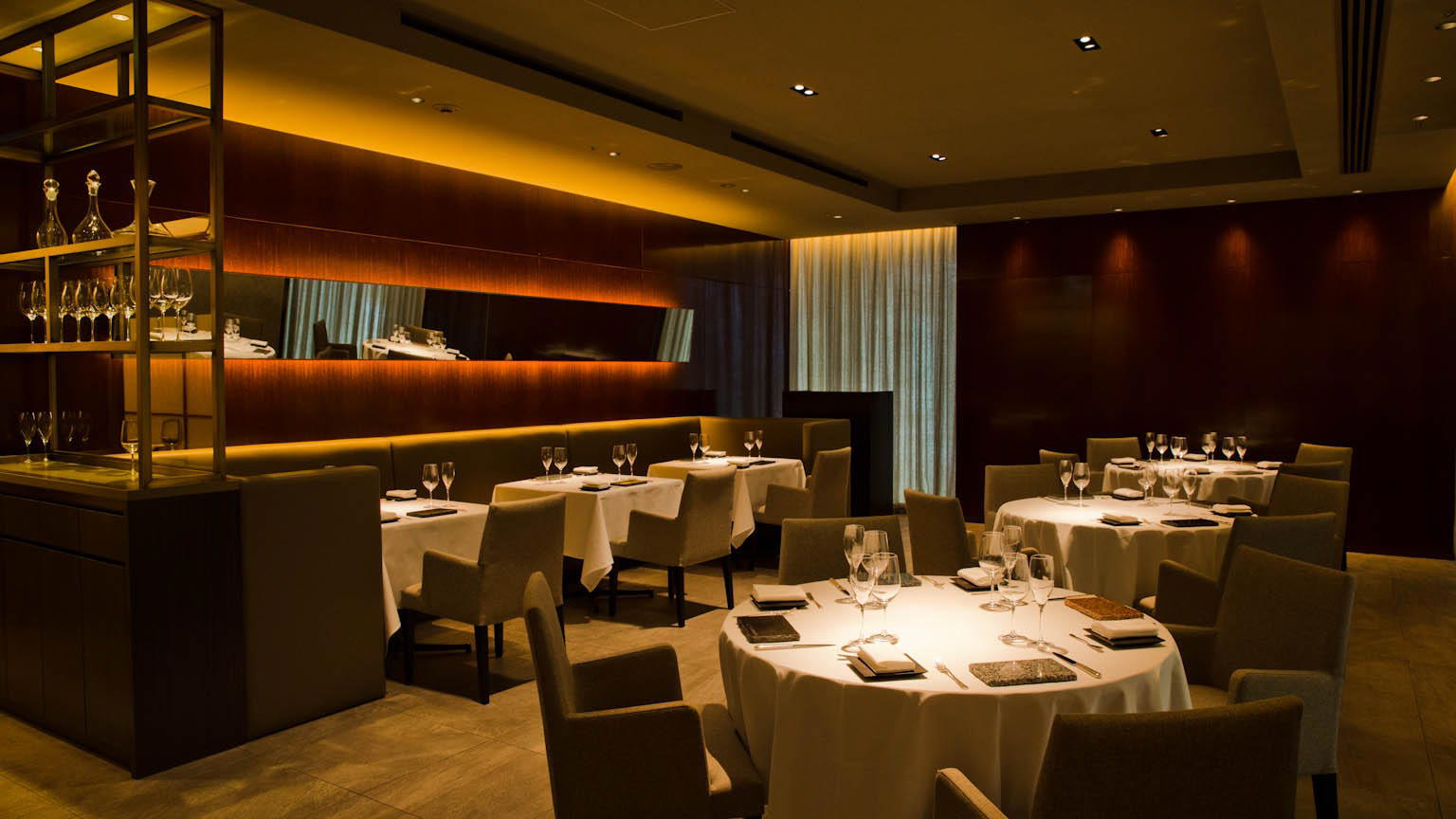
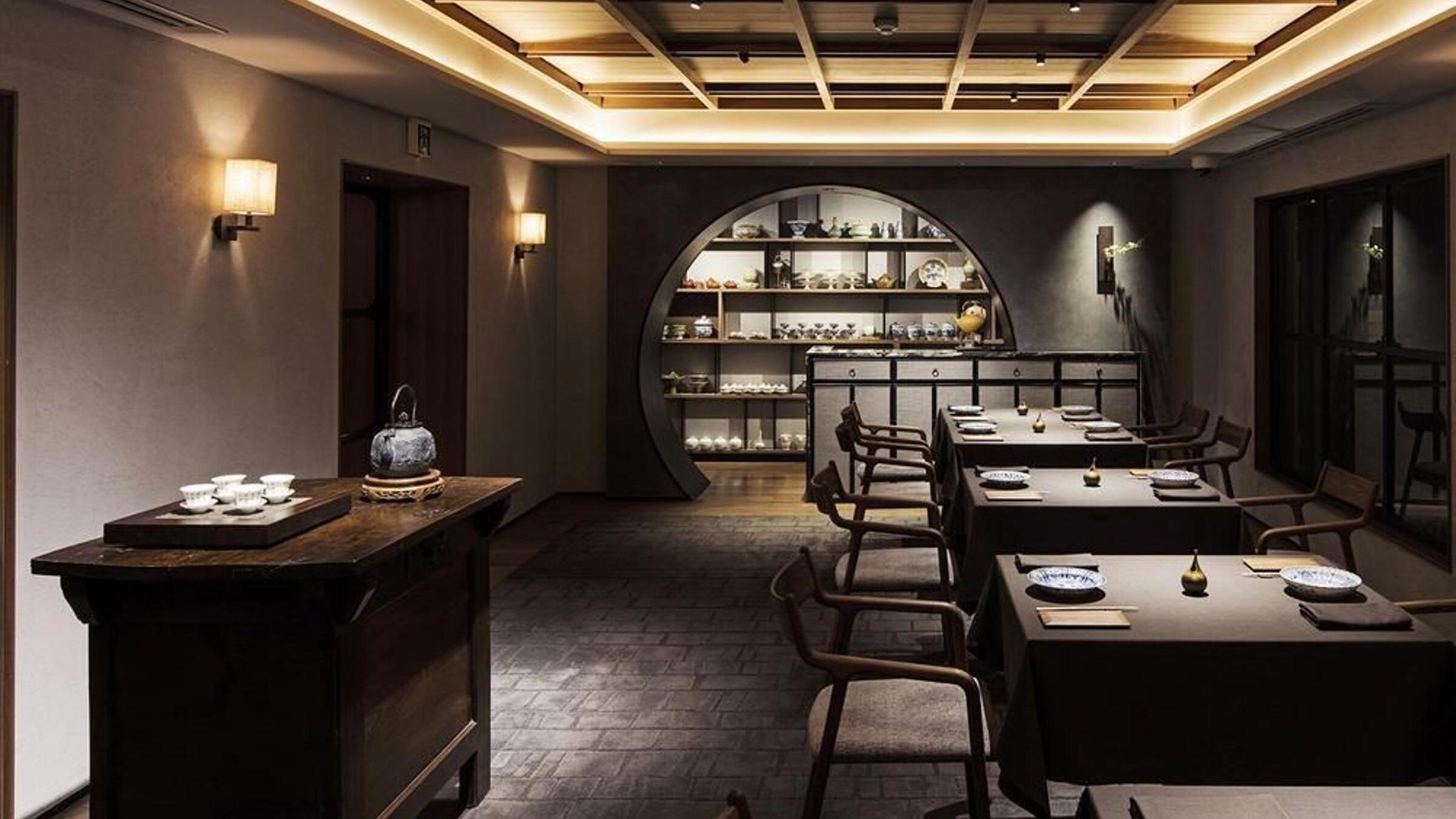
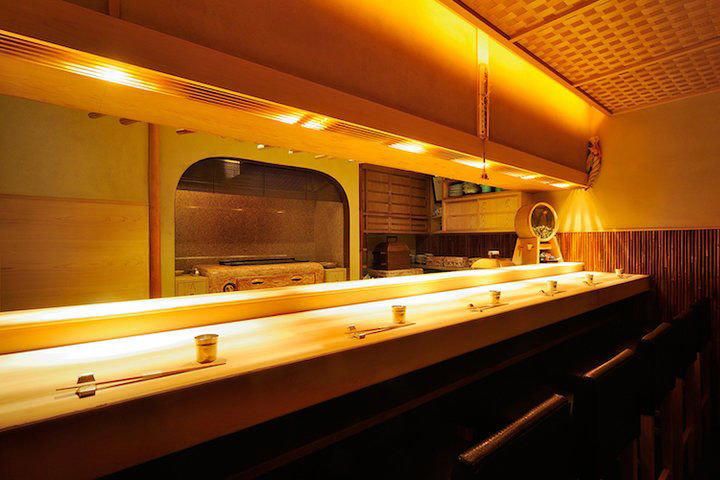
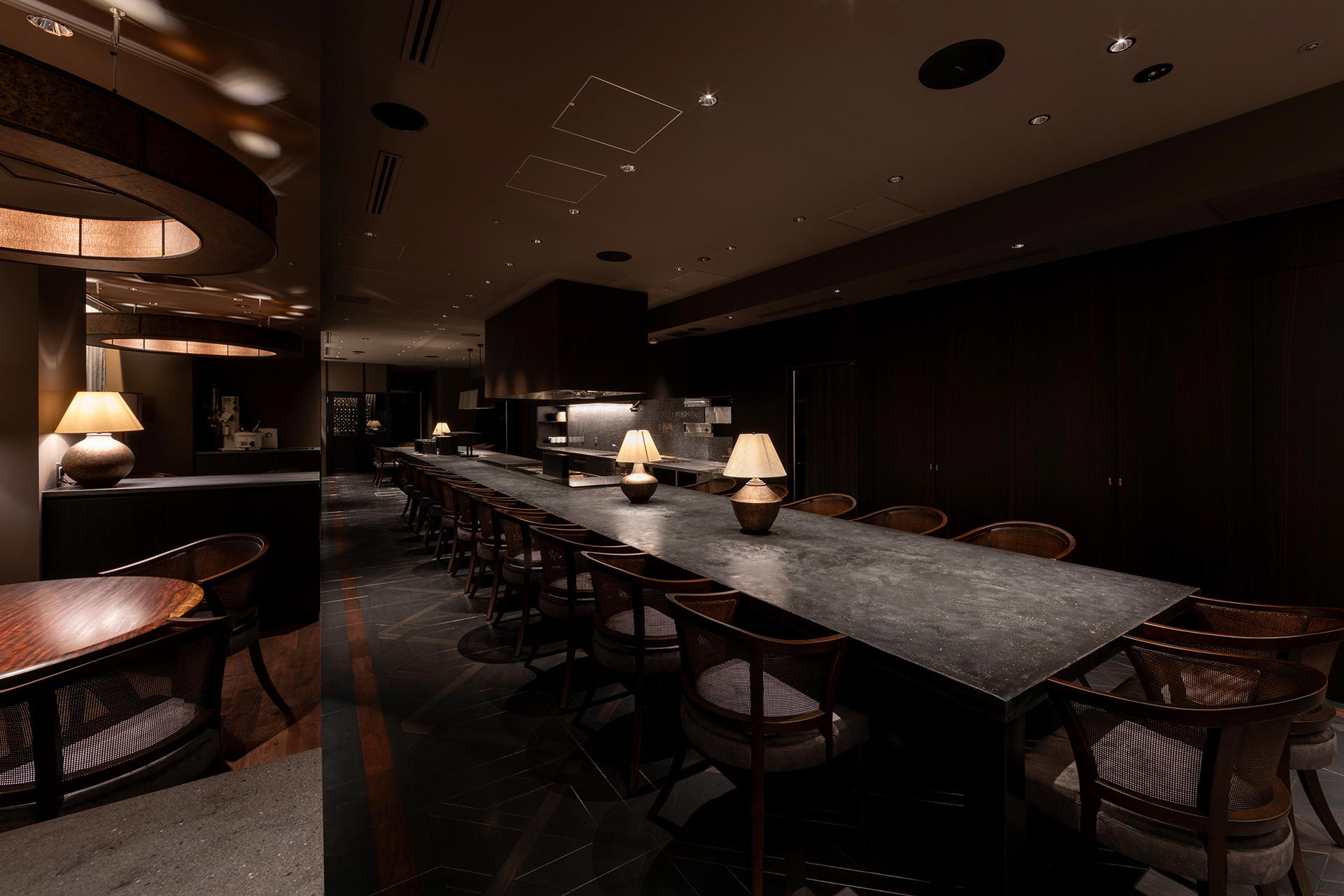
The room reinforces the role. Counter seating and tables suit solo diners, pairs, families, and small groups without forcing one mood. Vegetarian options and a multilingual menu in English, Traditional Chinese, Simplified Chinese, and Korean show how Shinagawa functions: not only as a local business district, but as a junction for visitors with luggage, schedules, and limited patience for translation friction.
Value here comes from focus, not discount theatre
Read this restaurant through value rather than occasion. Tokyo has many inexpensive meals, but fewer combine a narrow cooking specialty, repeat category recognition, and logistical ease for non-Japanese speakers. Okonomiyaki Kiji Shinagawa ten occupies useful middle ground: more credible than a generic station meal, less demanding than a reservation-led counter, and broad enough for groups unwilling to negotiate a long tasting menu.
Recognition gives the value argument its backbone. Tabelog scores can be conservative by international standards, and a 3.60 rating in a popular casual category is not trivial. More telling is repeated Okonomiyaki 100 selection across multiple years. In a dish family built on everyday appetite, repeat listing suggests the shop is judged against specialists, not merely nearby convenience. That matters when deciding how to spend one open meal in Shinagawa.
There is also a category lesson. Okonomiyaki rewards restaurants that know what not to complicate. The dish needs no grand tasting arc, imported rhetoric, or chef mythology. It needs clean execution, a griddle program that handles volume, and enough menu range for diners to compose a meal without losing the thread. The drinks list, spanning sake, shochu, wine, and cocktails, widens the use case from lunch stop to informal evening table without making the room bar-first.
For a broader Tokyo itinerary, this address balances the city’s heavier meals. A sushi counter, yakitori counter, or hotel dining room can define a night; okonomiyaki can rescue one. Nearby station-area choices such as breadworks Ekyuto shinagawa may solve breakfast or a pastry stop, but grill-led comfort fills another slot. Readers building a food-focused route can compare this practical specialization with Tokyo listings such as . 鮪と炭火焼き うお炭 秋葉原店, 12/10 Shinjuku ten, 124. KAGURAZAKA (Yakitori), 2D Cafe, and 3 Chome no Curry Ya San.
How to place it in a Tokyo dining day
This is not for hushed ceremony or chef-led progression. Choose it when Shinagawa is already part of the day and the goal is a credible, filling specialist dinner without making the restaurant the entire evening. Families benefit from the children-welcome policy and mixed seating. Solo diners gain from counter availability. International visitors gain from language support. Such infrastructure matters in Tokyo, where an acclaimed casual shop can still be hard to parse from the doorway.
The comparison is not with Tokyo’s luxury dining rooms, but with everyday specialists: curry shops, yakitori counters, tonkatsu rooms, noodle shops, and regional formats that turn one category into disciplined habit. In that company, okonomiyaki offers unusual generosity. It can be shared, supplemented with noodles, matched with beer or sake, and scaled up or down without changing the meal’s grammar. That flexibility explains why the format travels well from Osaka to a Tokyo transport hub.
Readers planning beyond one meal should treat Shinagawa as a functional anchor rather than a full dining district. Use it when arrivals, departures, meetings, or hotel geography make the area convenient; save longer cross-town detours for neighborhoods with denser culinary identity. For wider planning, see Our full Tokyo restaurants guide, Our full Tokyo hotels guide, Our full Tokyo bars guide, Our full Tokyo wineries guide, and Our full Tokyo experiences guide.
For readers comparing Japanese casual formats outside central Tokyo, useful contrasts include -Grilled beef Sukiyaki- KAMAKURA TANUKIAN 鎌倉 たぬき庵 in Kamakura.cafe in Osaka.know in Kumamoto, (Shoku) Vietnam in Kawasaki, [Curry Senmon Ten] Maruyama Kyoju. in Sapporo, and [ki:] in Kyoto. Abroad, Jōdo Saké Bar in Los Angeles and Onigiri Time in Pasadena show how Japanese casual forms shift when removed from native infrastructure. Shinagawa’s version is more direct: a specialist griddle meal in a station district that rewards competence over performance.
A Credentials Check
Comparable venues by cuisine and price in the same metro.
| Venue | Cuisine | Price | Notes |
|---|---|---|---|
| Okonomiyaki Kiji Shinagawa tenThis venue — the venue you are viewing | Osaka-style okonomiyaki & teppan grill | $$ | Not listed |
| Menya Hanabi (麺屋はなび 新宿店) | Taiwan Mazesoba | $$ | Minami Shinjuku |
| Tonkatsu Meguro Kogane | Traditional Tonkatsu (Hayashi SPF Pork) | $$ | Shinagawa |
| Tonkatsu Iwai | Tonkatsu | $$ | Minato |
| Suju Dining Rokkaku | Modern Shinshu Miso Izakaya | $$ | Minato |
| 銀座 上瀧 | japanese | Not listed | Chūō |
Recognition history
Dated appearances from independent guides and award organizations, with the underlying list record or original source where available.
Tabelog 100 #59 · No. 59
Tabelog · Tabelog 100 - Okonomiyaki - 2025






At a Glance
- Lively
- Cozy
- Classic
- Energetic
- Casual Hangout
- Family
- Group Dining
- After Work
- Solo
- Standalone
- Open Kitchen
- Beer Program
Current opening hours
- Monday
- 11 AM–3 PM, 5–9:30 PM
- Tuesday
- 11 AM–3 PM, 5–9:30 PM
- Wednesday
- 11 AM–3 PM, 5–9:30 PM
- Thursday
- 11 AM–3 PM, 5–9:30 PM
- Friday
- 11 AM–3 PM, 5–9:30 PM
- Saturday
- 11 AM–2:30 PM, 4:30–9:30 PM
- Sunday
- 11 AM–2:30 PM, 4:30–9:30 PM
Hours can change for holidays and private events. Last verified .
Casual and bustling okonomiyaki joint with counter and table teppan grills, bright but simple décor, and a warm, energetic atmosphere where staff work quickly over hot griddles and guests share hearty Osaka-style comfort food.