Kagero+ occupies a distinctive position in Tokyo's high-end dining conversation, where the collaboration between kitchen, floor, and cellar defines the experience as much as any individual dish. The restaurant sits within a city whose top tier rewards sustained attention and repeat visits, drawing a clientele that reads the room as carefully as the menu.

Pearl is the En Primeur Club membership app — saves, bookings, and concierge access live there. Same editors, same standards.
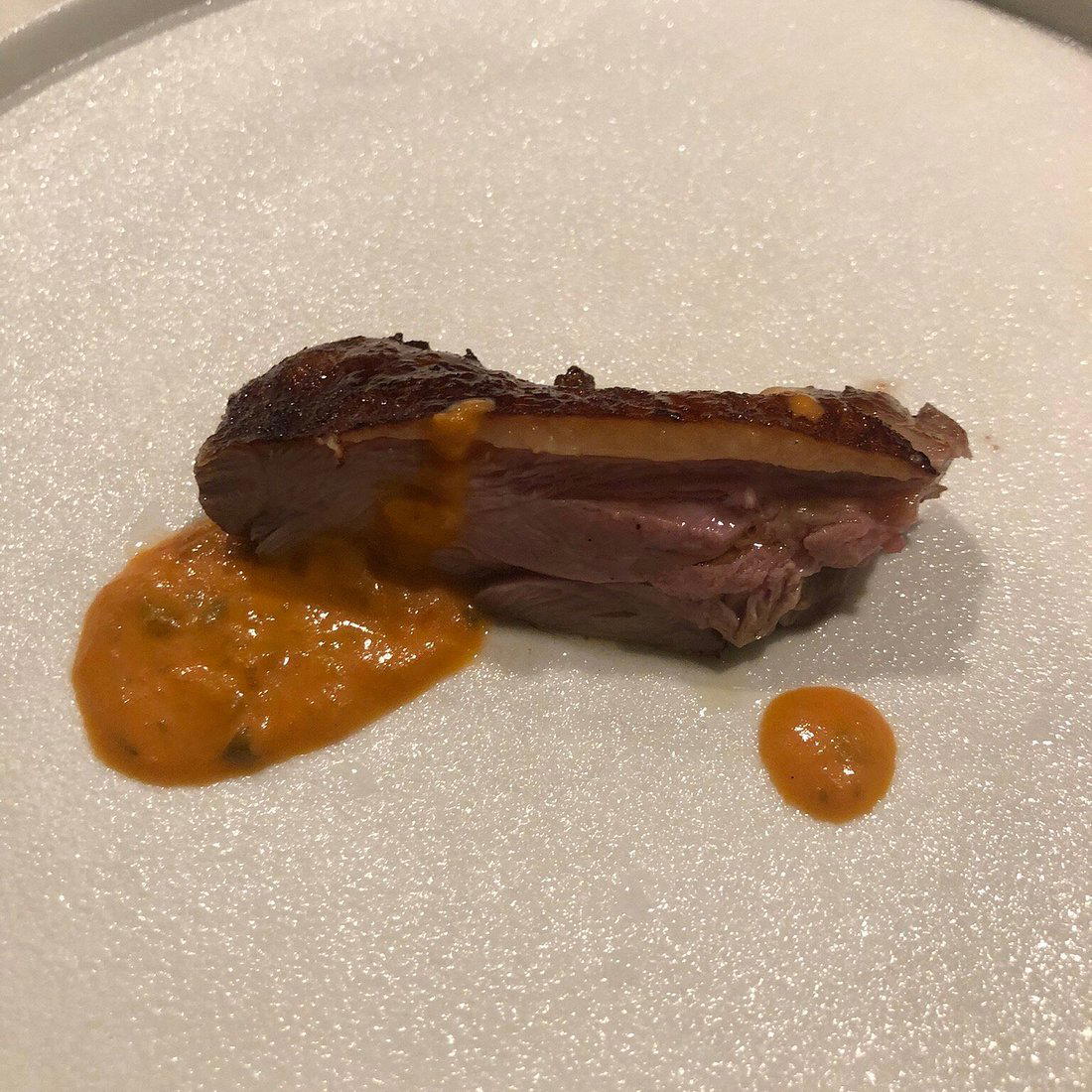
Where the Room Reads as Carefully as the Menu
Tokyo's most serious restaurants share a quality that separates them from places that merely serve good food: the atmosphere carries information. The way a counter is lit, the interval between courses, the temperature at which a particular piece of ceramic arrives, these details accumulate into a kind of argument about what dining at this level should feel like. Kagero+ enters that conversation at a register where the physical environment is not backdrop but position statement.
At the upper end of Tokyo dining, where venues like RyuGin (kaiseki) and Harutaka (sushi) have established durable reputations across decades of recognition, the room itself becomes part of the critical record. Kagero+ operates in this tier, where diners arrive with calibrated expectations and the service team's task is to recalibrate them.
Collaboration as the Core Structure
In Tokyo's most considered restaurants, the dynamic between chef, sommelier, and front-of-house is rarely incidental. The city has produced particularly codified service cultures, and the top tier has refined this into something approaching choreography. At Kagero+, that collaborative structure is the operating principle: what arrives at the table, in what order, paired with what, explained by whom, reflects a system of internal coordination that the diner experiences as seamlessness.
This model has precedents across the city. L'Effervescence has built its French-leaning identity around a front-of-house culture as disciplined as its kitchen output. Sézanne, operating from the Four Seasons at Marunouchi, layers a wine program of considerable depth beneath a European-influenced tasting format. What these venues share is the understanding that a restaurant at this level functions as an ensemble, not a solo performance.
Kagero+ fits that pattern. The sommelier's role is not to recommend from a list but to construct a parallel narrative to the kitchen's sequence, a pairing logic that anticipates where each course is going rather than reacting to where it has been. The floor team, in turn, reads pace and mood without being prompted. In practice, this means the experience tightens or opens depending on the table, a form of real-time editing that only works when the three departments communicate continuously.
Tokyo's High-End Tier: What the comparable set Implies
The city's Michelin-dense environment does not flatten competition; it stratifies it. Within the starred universe, diners and critics further sort by format (counter versus table service), by cuisine lineage (French-influenced, kaiseki-rooted, hybrid), and by the specific character of the wine or sake program.
The comparison venues in Kagero+'s orbit sit at the ¥¥¥¥ price register, where an evening's spend is substantial enough that the non-food elements of the experience carry real weight. Crony has carved its identity through innovative French technique applied with local ingredient logic. These are restaurants where the kitchen's cooking is necessary but not sufficient; the room, the service dynamic, and the drinks program all contribute to whether a meal justifies its price point.
For diners moving across Japan rather than confining themselves to Tokyo, the broader context matters. HAJIME in Osaka operates with a similarly rigorous service philosophy within a different culinary culture. Gion Sasaki in Kyoto represents kaiseki at a level where seasonal precision and front-of-house restraint converge. Akordu in Nara brings a cross-cultural kitchen logic to a city that rewards slow attention. The thread connecting these venues to Kagero+ is the shared commitment to experience as a coordinated act rather than a sequence of disconnected courses.
Japan's dining depth extends further still: Goh in Fukuoka, restaurants in Nanao drawing on Noto Peninsula ingredients, and smaller destinations including Sapporo, Takashima, and Nishikawa Machi all point to a national dining culture in which regional precision rivals anything available in the capital. Birdland in Sakai and Bistro Ange in Toyohashi add further evidence that Japan's premium dining is not a Tokyo-only story.
Le Bernardin in New York City has built its identity on the same principle, kitchen, floor, and sommelier operating as a single instrument rather than three separate ones. Atomix, also in New York, demonstrates how a Korean-inflected kitchen can construct a service experience as architecturally precise as any European tasting-menu format. These international references set a baseline for what Kagero+ is measuring itself against.
What to Order, and Why It Matters Less Than You Think
At restaurants operating within a tasting-menu format, which describes most of Tokyo's top tier, the question of what to order resolves into a question of trust. The kitchen sequences for a reason, and the useful preparation a diner can bring is willingness to be led. Where individual decisions remain (sake versus wine pairing, supplement courses, dietary notes communicated in advance) the sommelier's input carries real weight. At Kagero+, engaging with the drinks recommendation rather than defaulting to a familiar label tends to produce a more coherent evening.
The broader point applies across Tokyo's premium tier: the leading outcomes come from treating the meal as a conversation between kitchen and table, not a transaction. Venues at this level are designed to reward attention, not appetite alone.
Know Before You Go
Accolades, Compared
Comparable venues nearby, for context on price, style, and recognition.
| Venue | Cuisine | Price | Notes |
|---|---|---|---|
| Kagero+This venue — the venue you are viewing | Innovative Italian with French Wine Focus | $$$$ | Not listed |
| リストランテ ダ・ニーノ | Authentic Sicilian | $$$$ | Minato |
| チョコ | Modern Italian Fine Dining | $$$$ | Bunkyō |
| 神楽坂 ヴェーリ | Modern Italian Fine Dining | $$$$ | Shinjuku |
| アルマーニ / リストランテ | Modern Italian with Japanese Seasonal Influences | $$$$ | Chūō |
| アルヴァ | Modern Italian with Japanese Ingredients | $$$$ | Chiyoda |










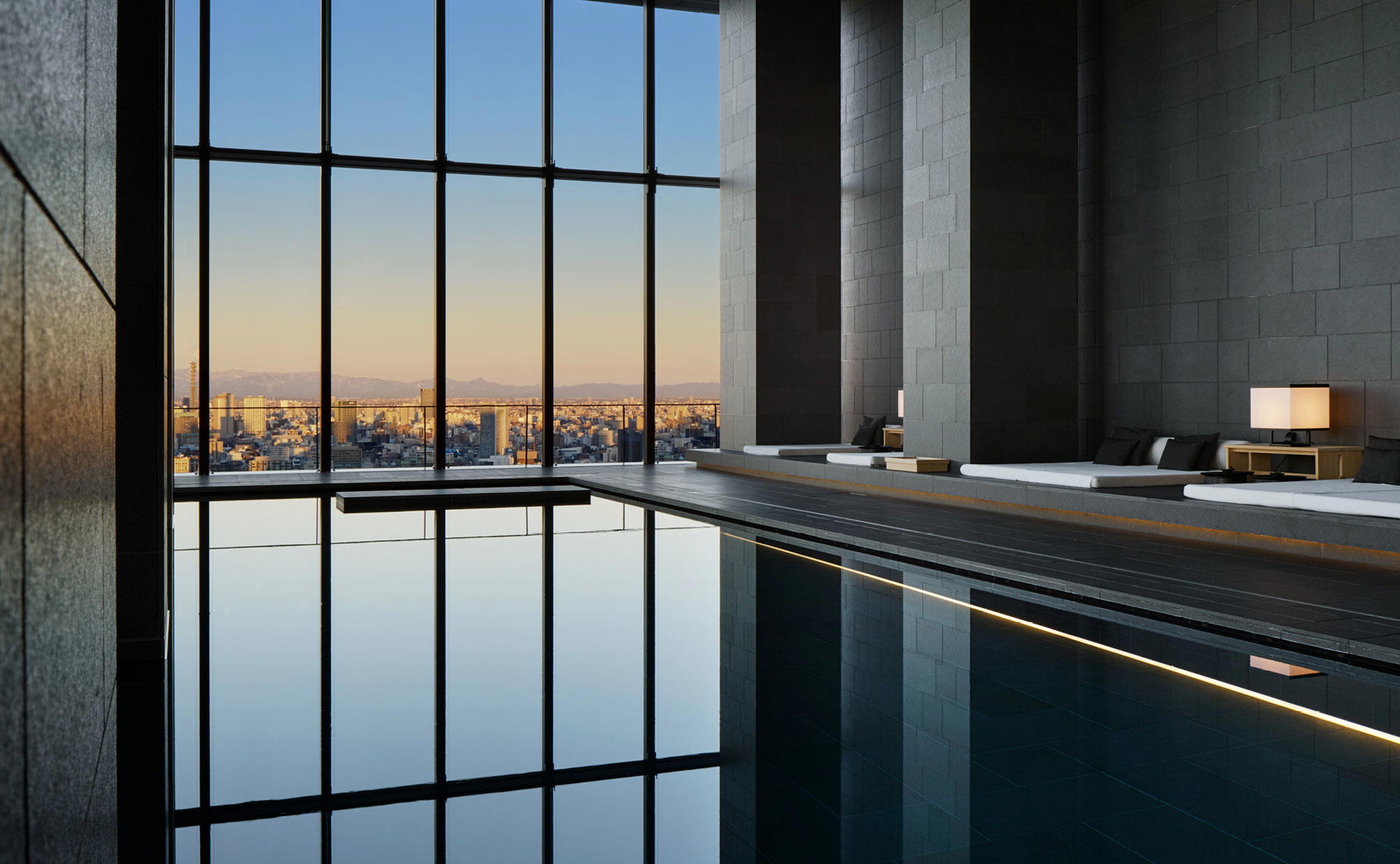

At a Glance
- Elegant
- Sophisticated
- Intimate
- Date Night
- Business Dinner
- Special Occasion
- Late Night
- Open Kitchen
- Wine Cellar
- Standalone
- Extensive Wine List
- Sommelier Led
Sophisticated and refined atmosphere with late-night service extending to 1 AM on weekdays and 1 AM on weekends, creating an exclusive dining experience.