Kagurazaka Véri sits in one of Tokyo's most architecturally layered neighbourhoods, where French influence and traditional Japanese townhouse forms have coexisted for over a century. The restaurant occupies that same cultural intersection, drawing on the area's long-standing European dining tradition while operating at the quieter, more considered end of the Shinjuku dining scene. Booking ahead is advised for evening sittings.
Pearl is the En Primeur Club membership app — saves, bookings, and concierge access live there. Same editors, same standards.
- Address
- 6 Chome Kagurazaka, Shinjuku City, Tokyo 162-0825, Japan
- Phone
- +81362807764
- Website
- kagurazakaveri.com
- Directions
- Get directions
 Saves & bookings on Pearl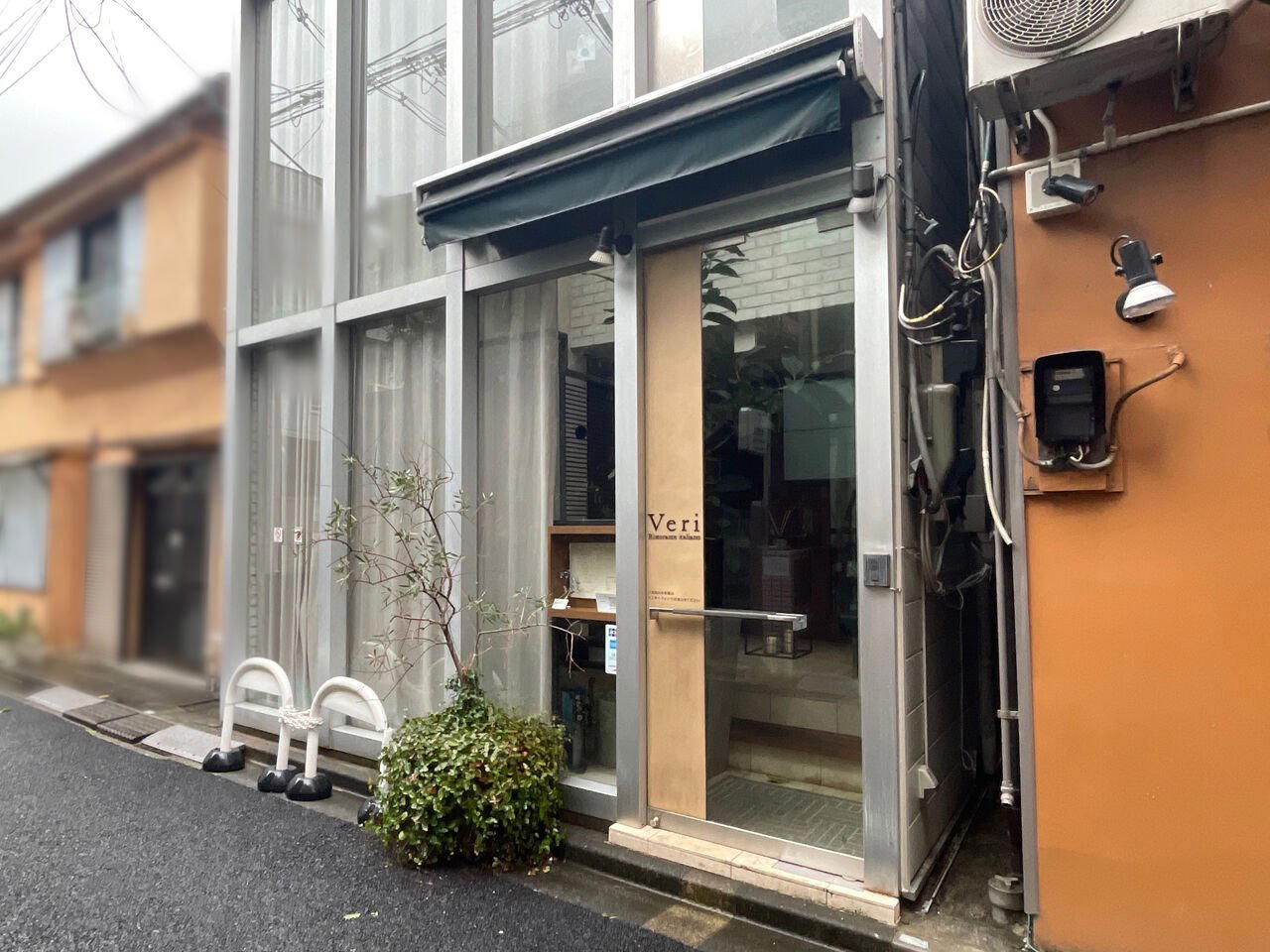
Kagurazaka and the Architecture of Restraint
Tokyo's premium dining map has long been anchored to Ginza, Roppongi, and Minami-Aoyama, where high-visibility addresses support high-volume omakase counters and French brigade kitchens. Kagurazaka operates on a different logic. The neighbourhood's identity was shaped by its history as a geisha district and, from the Meiji era onward, by a substantial French expatriate community that established bistros, patisseries, and boulangeries along its sloping stone lanes. That dual heritage, Japanese craft culture overlaid with persistent French institutional presence, has produced a dining character that rewards slower, more deliberate visits rather than destination-ticking.
神楽坂 ヴェーリ (Kagurazaka Véri) sits inside this neighbourhood dynamic. The venue's name itself signals the European register that defines Kagurazaka's upper-tier restaurant cohort, and its address in the 6-chome section places it in the quieter northern reaches of the main artery, away from the tourist-facing stretch near the metro exit. That positioning places it in the quieter northern reaches of the main artery, away from the tourist-facing stretch near the metro exit.
The Physical Container: How Space Shapes the Experience
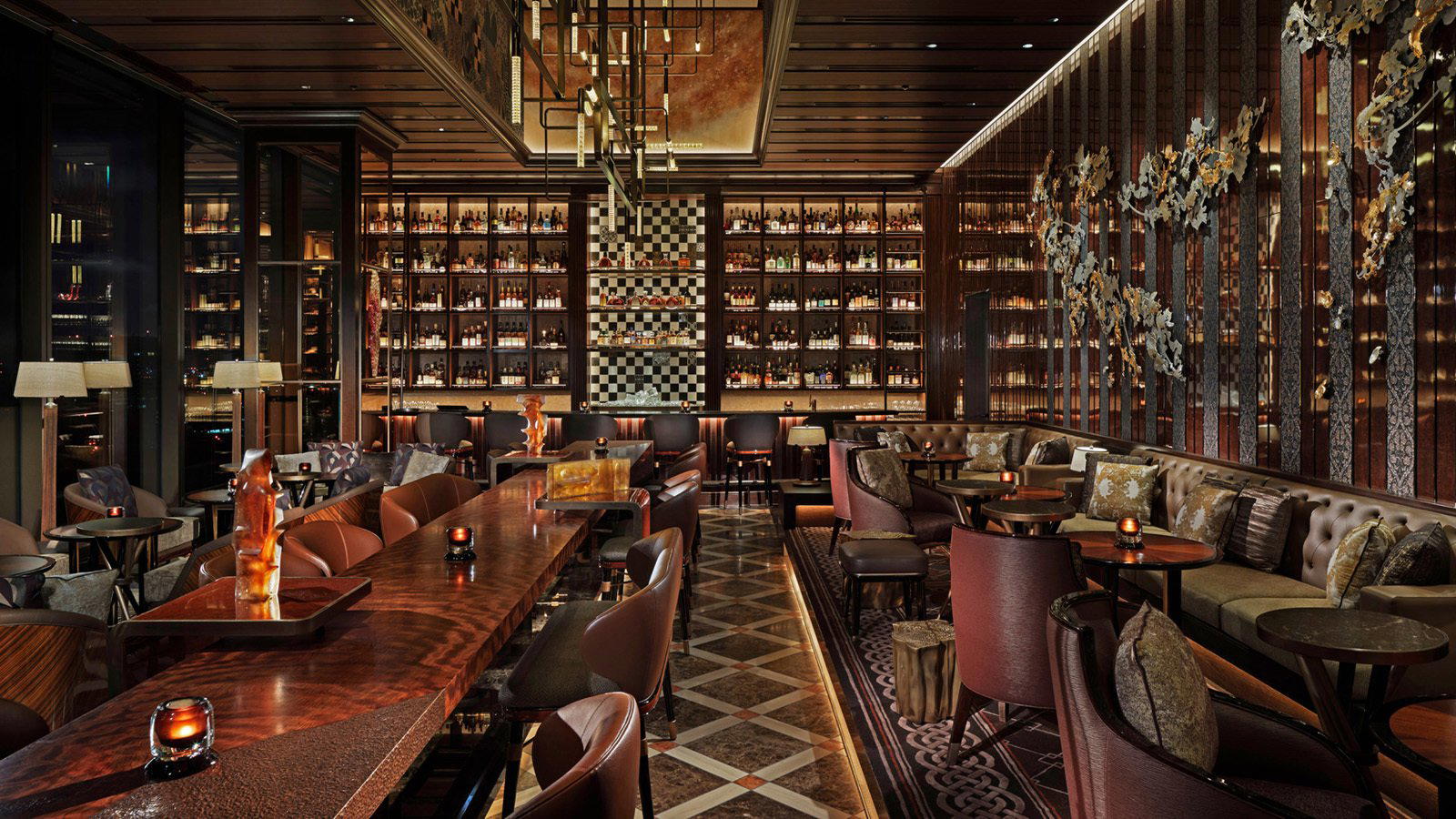
In a neighbourhood where machiya-style townhouses and narrow alleys set the spatial vocabulary, the design of any serious restaurant becomes an editorial statement about its relationship to place. Kagurazaka's premium tier has moved steadily away from the gilded-room formality of older French dining in Tokyo and toward spaces that work with the existing grain of the built environment: exposed timber, intimate room proportions, and a seating count that keeps the room from ever feeling like a production. This is the model that has proven most durable at the neighbourhood level, where repeat custom from nearby residents and professionals in the publishing and media sectors concentrated around Iidabashi and Kagurazaka matters more than weekend destination traffic.
The interior logic of venues in this category, where the French culinary tradition intersects with Japanese spatial minimalism, tends to prioritise acoustic containment and sightline control. Counter arrangements allow direct engagement with preparation; booth and banquette configurations create room-within-room intimacy. Both approaches share a governing principle: that the physical space should recede enough for conversation and food to advance. Tokyo's most critically respected mid-scale French and European rooms, including L'Effervescence in Minami-Aoyama and Crony in Shinjuku, have each built their reputations partly on this kind of spatial discipline.
The Cuisine: European Technique in a Japanese Register
Kagurazaka's French and European restaurants occupy a distinct position within Tokyo's competitive dining hierarchy. They are neither the heavily capitalised, brigade-staffed French operations of Ginza nor the hyper-personal omakase formats that define the city's sushi and kaiseki scenes. Instead, they tend toward precise, ingredient-led cooking where European technique is applied to Japanese seasonal produce, a model that has become the working template for serious mid-tier European dining in Tokyo over the past two decades.
That broader shift, away from classical French orthodoxy and toward what might be called Franco-Japanese pragmatism, is visible across the city's strongest European addresses. Sézanne at Four Seasons Marunouchi represents one version of this at the luxury-hotel end; L'Effervescence represents another with its fermentation and vegetable-forward emphasis. Kagurazaka Véri operates in a neighbourhood context that has historically supported a third variation: more classical in bearing, more reliant on the intimacy of the room, and more deeply integrated into the rhythms of the surrounding residential community.
For comparative reference across Japan's broader fine dining geography, the approach shares certain sensibilities with venues like HAJIME in Osaka and akordu in Nara, both of which apply European training frameworks to deeply localised ingredient sourcing. The difference in Kagurazaka is the neighbourhood itself: the area's culinary culture has always been more Paris-arrondissement than Osaka-shotengai, and restaurants here draw on that Franco-Japanese identity as a point of differentiation.
Where Kagurazaka Véri Sits in Tokyo's Competitive Field
Tokyo's premium restaurant tier has long been stratified. At the apex sit the three-Michelin-star kaiseki and sushi operations, venues like RyuGin and Harutaka, where the reservation process alone functions as a qualifier. Below that, a substantial and increasingly sophisticated middle tier operates on smaller covers, tighter menus, and deeper neighbourhood integration. This is where Kagurazaka's serious restaurants have always found their footing, and where Kagurazaka Véri belongs.
That middle tier is where interesting cooking in Tokyo currently happens. Without the overhead structures of large brigade kitchens or the expectation management of global hotel brands, smaller European rooms in Kagurazaka and adjacent neighbourhoods have room to take positions: on wine lists that weight natural and low-intervention producers, on menu lengths that resist the tasting-menu arms race, on service styles that are knowledgeable without being choreographed. International comparisons are instructive here: Le Bernardin in New York and Atomix represent two poles of the same broader question about what European-influenced fine dining can mean outside its original cultural context. In Tokyo, Kagurazaka has been working through its own answer to that question for the better part of a century.
Within Japan's regional fine dining picture, the contrast with venues like Gion Sasaki in Kyoto or Goh in Fukuoka is instructive: where those cities tend to anchor their premium European rooms in kaiseki-adjacent traditions, Tokyo's Kagurazaka maintains a more direct European institutional lineage that makes venues there legible to French or Italian-trained palates without requiring translation.
Planning Your Visit
Kagurazaka is most naturally reached via Kagurazaka Station on the Tozai Line or Iidabashi Station on several intersecting lines. The 6-chome address places the venue a short walk from the main shopping street, into the quieter residential grid where most of the neighbourhood's better restaurants are found. Evening visits in the autumn months, when the area's stone-paved side alleys are clear and the light drops early, represent one coherent version of what Kagurazaka has to offer as a dining neighbourhood.
Bistro Ange in Toyohashi, Birdland in Sakai, and regional Japanese destinations including 一本杉川嶋制 in Nanao, 古代山乃 in Sapporo, 湖邸庵 in Takashima, and 庭羽屋 in Nishikawa Machi.
Quick reference: 6 Chome Kagurazaka, Shinjuku City, Tokyo 162-0825. Nearest stations: Kagurazaka (Tozai Line) or Iidabashi. Advance reservation recommended.
Recognition Snapshot
Comparable venues nearby, for context on price, style, and recognition.
| Venue | Cuisine | Price | Notes |
|---|---|---|---|
| 神楽坂 ヴェーリThis venue — the venue you are viewing | Modern Italian Fine Dining | $$$$ | Not listed |
| Cignale | Italian–Japanese Fusion Omakase Enoteca | $$$$ | Komaba |
| Argento | Italian Contemporary | $$$$ | Chūō |
| イル・プレージョ | Modern Creative Italian | $$$$ | Shibuya |
| フィオッキ | Northern Italian Piedmontese | $$$$ | Setagaya |
| tens. | Italian with handmade pasta | $$$$ | Minato |










At a Glance
- Cozy
- Elegant
- Intimate
- Sophisticated
- Date Night
- Special Occasion
- Celebration
- Standalone
- Sake Program
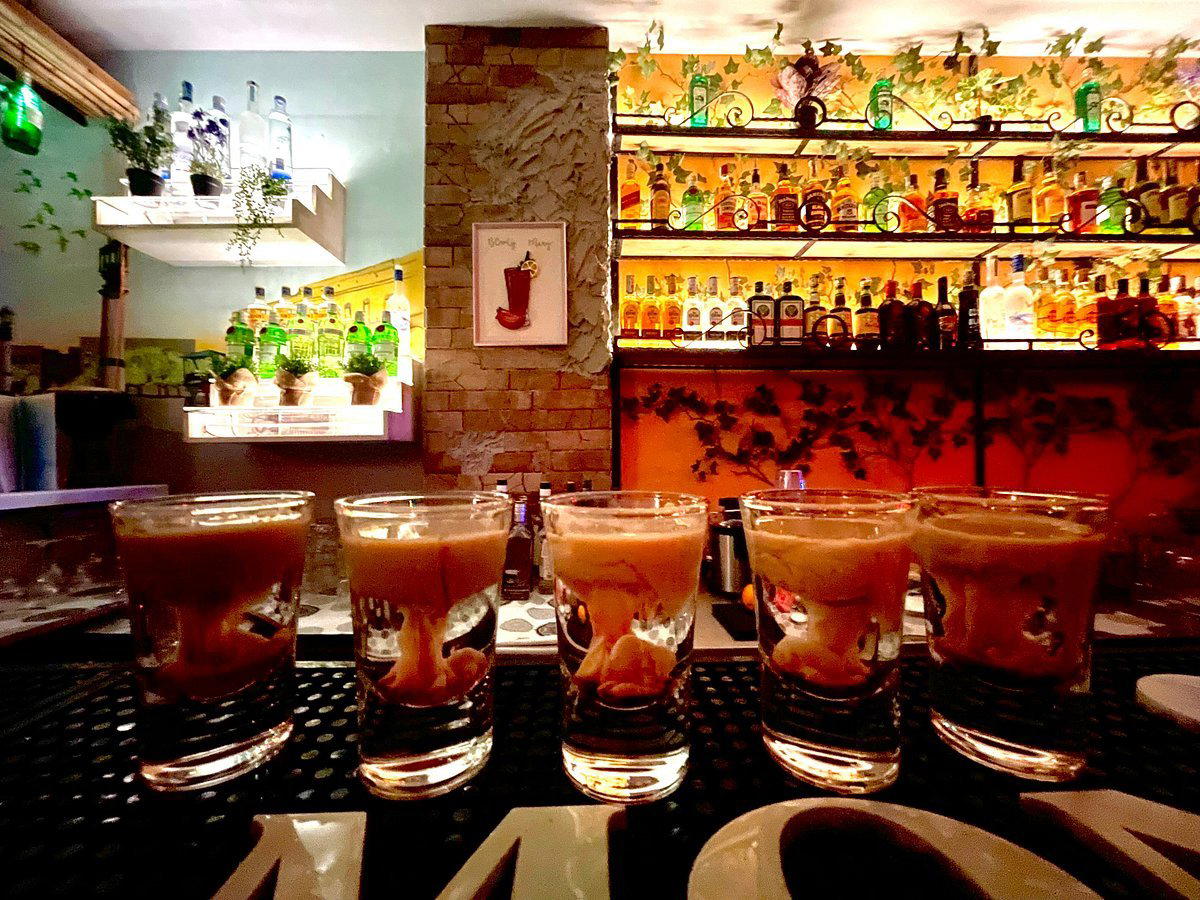
Woody and calming interior with playful elements in a two-floor glass-fronted building.