Situated inside The Otemachi Tower in Tokyo's financial district, アルヴァ (Arva) occupies a tier of contemporary dining where imported technique meets Japanese ingredient discipline. The restaurant's Chiyoda address places it among Tokyo's upper-bracket venues, drawing professionals and international visitors who treat the neighbourhood as a gateway to serious cooking. Reservations require planning well in advance.
Pearl is the En Primeur Club membership app — saves, bookings, and concierge access live there. Same editors, same standards.
- Address
- The Otemachi Tower, 1 Chome-5-6 Ōtemachi, Chiyoda City, Tokyo 100-0004, Japan
- Phone
- +81352243339
- Website
- aman.com
- Directions
- Get directions
 Saves & bookings on Pearl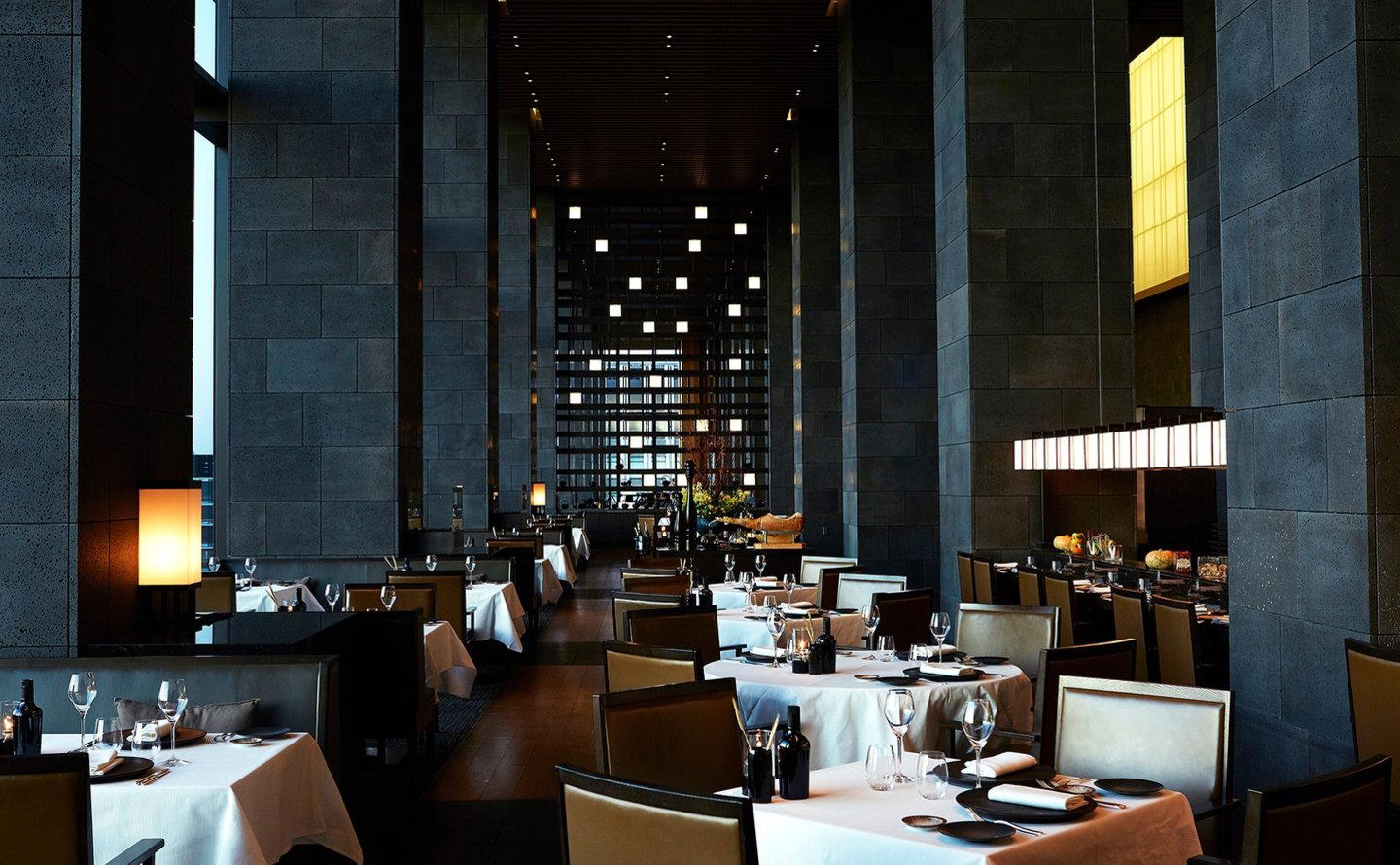
Otemachi and the Architecture of Cross-Cultural Cuisine
Tokyo's financial core, Chiyoda, has spent the past decade quietly assembling one of the city's more consequential dining corridors. The towers that house law firms and trading desks by day have become address markers for serious restaurants at night, drawing a clientele that expects cooking matched to the surrounding real estate. アルヴァ, positioned inside The Otemachi Tower at 1 Chome-5-6 Ōtemachi, sits inside that broader pattern: a high-address restaurant in a neighbourhood where the professional class dines with institutional frequency.
The question worth asking about any restaurant in this district is not whether the address confers legitimacy, but whether the cooking earns it. The Otemachi Tower already hosts the kind of foot traffic that fills tables; the harder task is retaining a culinary identity that would register in a different postcode entirely.
Where Local Ingredients Meet Imported Technique
The intersection of indigenous Japanese produce and externally trained technique is one of the more consequential tensions in contemporary Tokyo dining. A generation of Japanese chefs returned from stages in France and Scandinavia carrying extraction methods, fermentation frameworks, and plating vocabularies developed in other climates entirely. The productive question has always been what happens when those methods encounter Japanese ingredient discipline, a supply chain built around seasonal specificity, producer relationships, and the kind of product-first philosophy that defines serious Japanese cookery at every price tier.
This is precisely the editorial territory that アルヴァ occupies. The restaurant's name and concept signal a European inflection applied to a Japanese ingredient base, a model that now appears across Tokyo's upper bracket. L'Effervescence and Sézanne both work this register, each drawing from French training traditions while grounding their menus in what Japan's farming and fishing networks produce season by season. Crony approaches the same intersection from a more casual angle, while RyuGin reverses the polarity, applying Japanese kaiseki logic to techniques borrowed from European modernism. Together, these restaurants define a competitive cohort within which アルヴァ operates.
The model is not simply fusion in the commercial sense. At its most rigorous, it demands that the chef understand both vocabularies well enough to know when to defer to one and when the other creates the better result. Japanese shrimp prepared with a French beurre blanc requires knowing that the fat will coat differently than it does with Atlantic product. Domestic wagyu aged under European protocols produces textural outcomes that differ from what traditional Japanese handling delivers. The intellectual labour is in the calibration.
The Broader Field: How Tokyo's Cross-Technique Restaurants Compete
Tokyo's upper-bracket restaurants now price and position against one another with considerable sophistication. The relevant comparisons for アルヴァ are not the neighbourhood izakayas but the city's formal tasting-menu operations: places where the meal runs two to three hours, the course count reaches double digits, and the beverage pairing adds materially to the final account. Harutaka anchors the counter-sushi end of that peer group, where the omakase format applies Japanese product hierarchy with absolute precision. The French-influenced restaurants like L'Effervescence and Sézanne represent the European-trained side of the same price bracket.
This competitive architecture extends beyond Tokyo. HAJIME in Osaka operates a comparable synthesis, applying European modernist technique to Japanese seasonal produce at a level that has earned consistent Michelin recognition. Gion Sasaki in Kyoto approaches the question from the opposite direction, rooting kaiseki tradition while absorbing select technical updates. akordu in Nara and Goh in Fukuoka each represent regional variations on the same cross-technique premise, demonstrating that the model is not exclusively metropolitan. Even internationally, the dynamic recurs: Atomix in New York City applies Korean culinary logic through a contemporary fine-dining frame, and Le Bernardin has long demonstrated what happens when French classical training meets a single-protein discipline pursued at the highest level of product sourcing.
Japan's regional restaurant circuit contributes its own data points. 一本杉 川嶋 in Nanao and 夕佳亭山乃 in Sapporo both source from prefectures with distinct seasonal profiles, feeding product into kitchens that may apply techniques entirely foreign to the region's culinary history. 湖畔荘 in Takashima, 岳羽屋 in Nishikawa Machi, Birdland in Sakai, and Bistro Ange in Toyohashi extend that pattern across prefectures, collectively suggesting that the tension between local ingredient culture and imported method is not a Tokyo phenomenon but a national conversation about what contemporary Japanese cooking can be.
Comparison Snapshot
Comparable venues nearby, for context on price, style, and recognition.
| Venue | Cuisine | Price | Notes |
|---|---|---|---|
| アルヴァThis venue — the venue you are viewing | Modern Italian with Japanese Ingredients | $$$$ | Not listed |
| Cignale | Italian–Japanese Fusion Omakase Enoteca | $$$$ | Komaba |
| L'appartamento di NAOKI | Wood-fired Italian tasting counter | $$$$ | Chūō |
| Inbosuko Jingumae | High-end Seasonal Italian Counter | $$$$ | Shibuya |
| Chanfe Tokyo | Modern Italian with Japanese Influences | $$$$ | Taitō |
| Ristorante Kurodino | Modern Italian Fine Dining | $$$$ | Chūō |



At a Glance
- Elegant
- Sophisticated
- Modern
- Date Night
- Special Occasion
- Panoramic View
- Open Kitchen
- Extensive Wine List
- Sake Program
- Local Sourcing
- Skyline
Current opening hours
- Monday
- 11:30 AM–2 PM, 5:30–9 PM
- Tuesday
- 11:30 AM–2 PM, 5:30–9 PM
- Wednesday
- 11:30 AM–2 PM, 5:30–9 PM
- Thursday
- 11:30 AM–2 PM, 5:30–9 PM
- Friday
- 11:30 AM–2 PM, 5:30–9 PM
- Saturday
- 11:30 AM–2 PM, 5:30–9 PM
- Sunday
- 11:30 AM–2 PM, 5:30–9 PM
Hours can change for holidays and private events. Last verified .
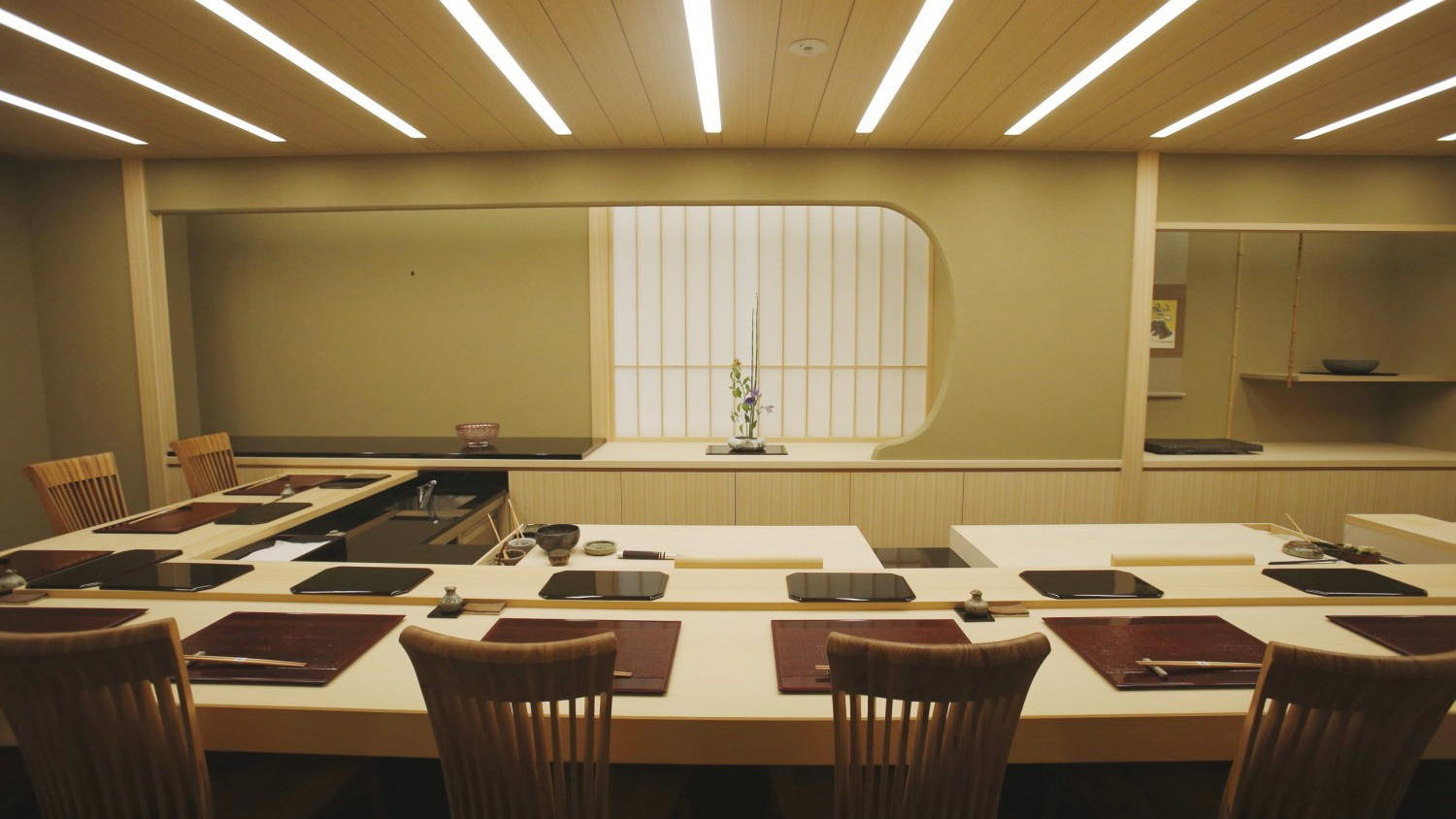
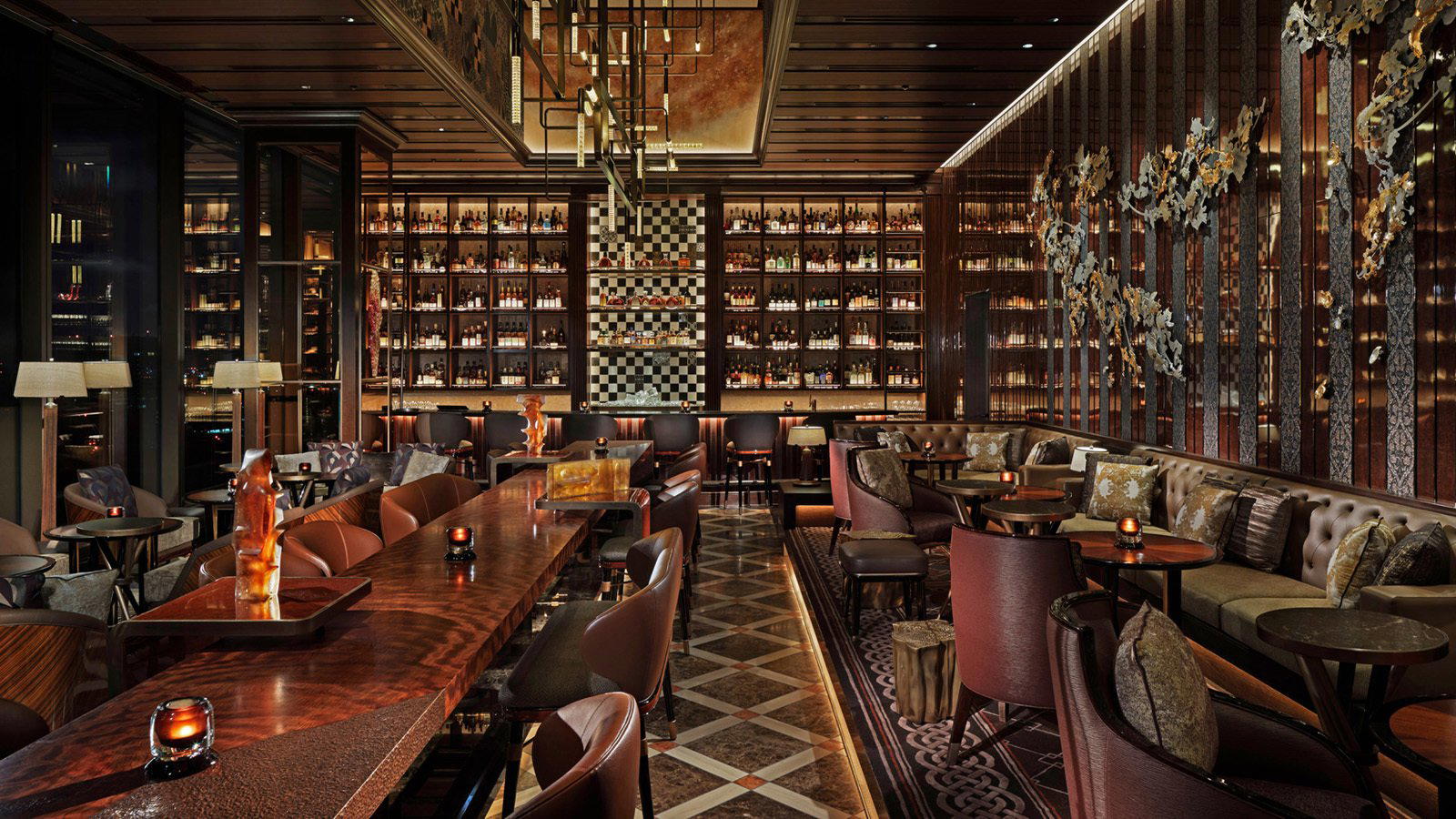
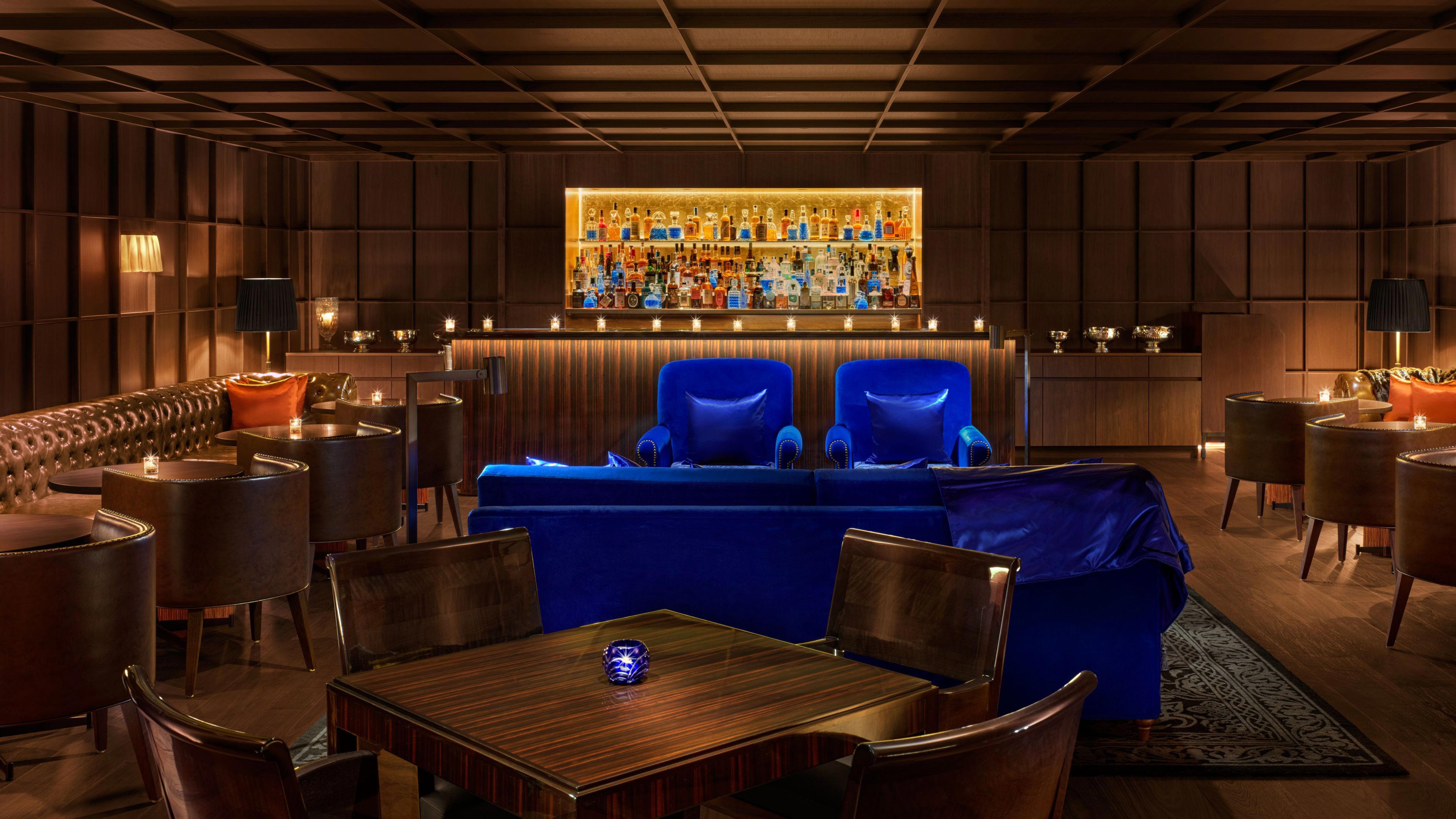
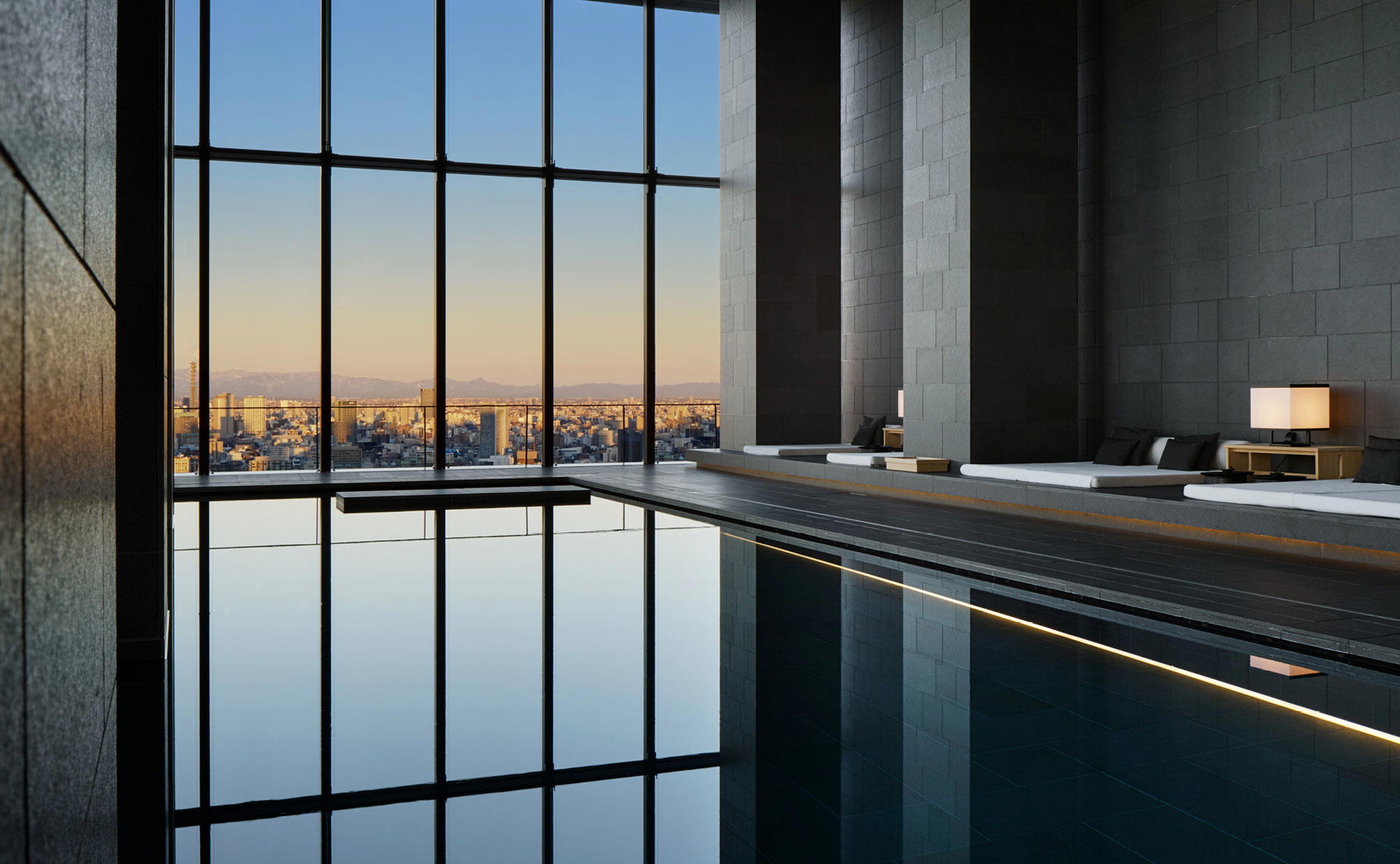
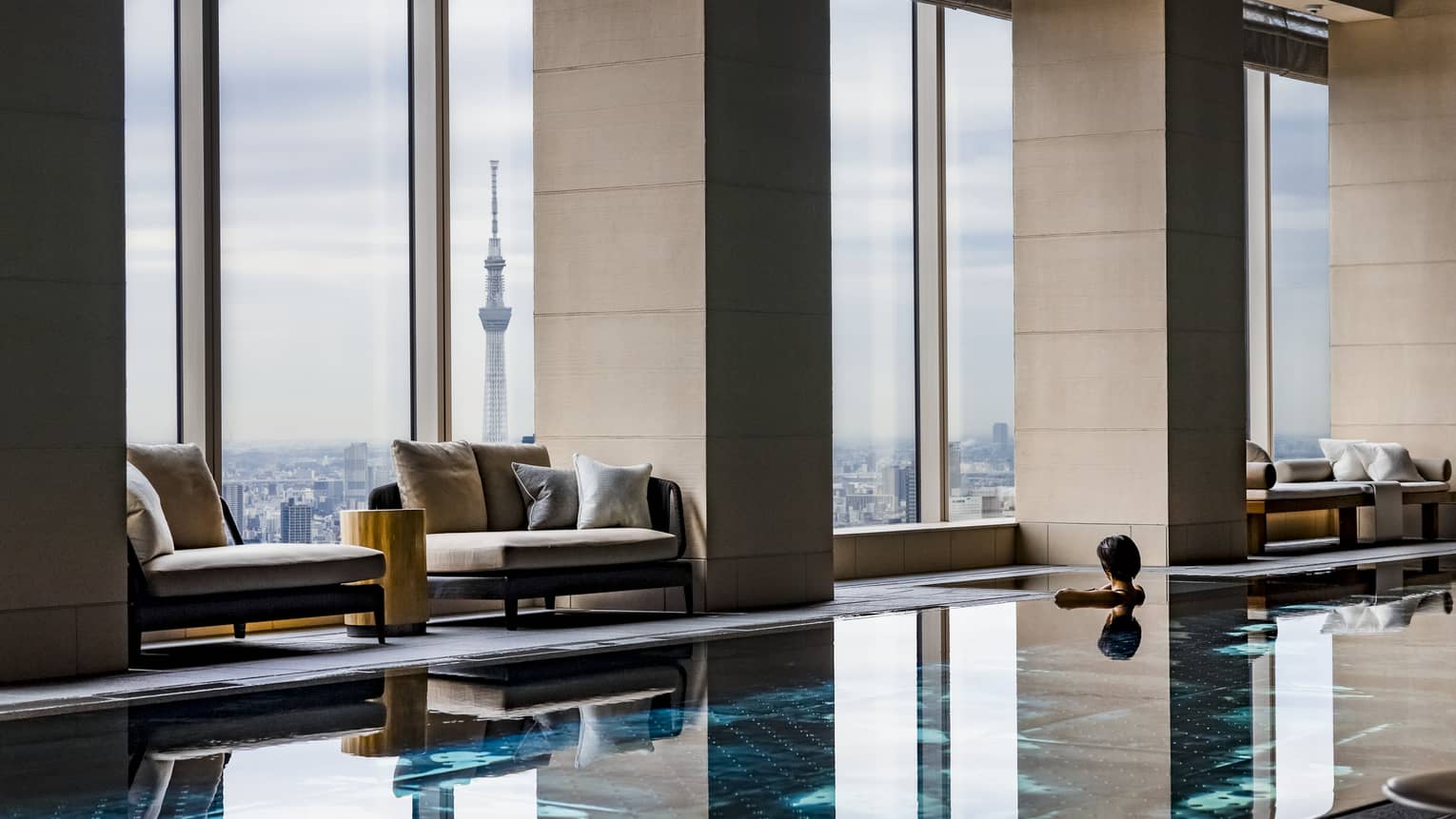
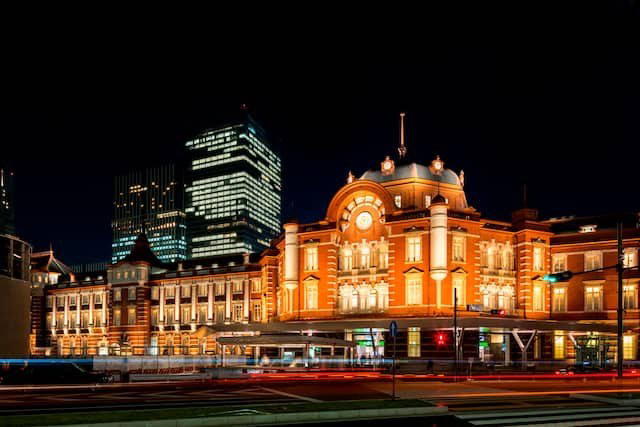
Dimly lit, high-ceilinged space with a calm, luxurious atmosphere overlooking the city night view.