

Japanese Cuisine Yamazaki brings a compact Kyobashi counter format into Tokyo’s serious Japanese dining circuit, with recognition from Tabelog 100 Japanese cuisine Tokyo 2025 and OAD’s 2026 Japan restaurant ranking. The appeal is less spectacle than control: a small room, fish-led cooking, sake and wine depth, and a structure that rewards advance planning.
Pearl is the En Primeur Club membership app — saves, bookings, and concierge access live there. Same editors, same standards.
- Address
- 2 Chome-6-7 Kyobashi, Chuo City, Tokyo 104-0031, Japan
- Phone
- +81 50-3138-2600
- Website
- yamazaki-toyama.co.jp
 Saves & bookings on Pearl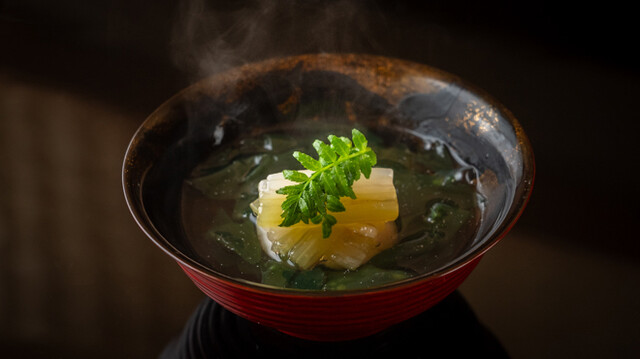
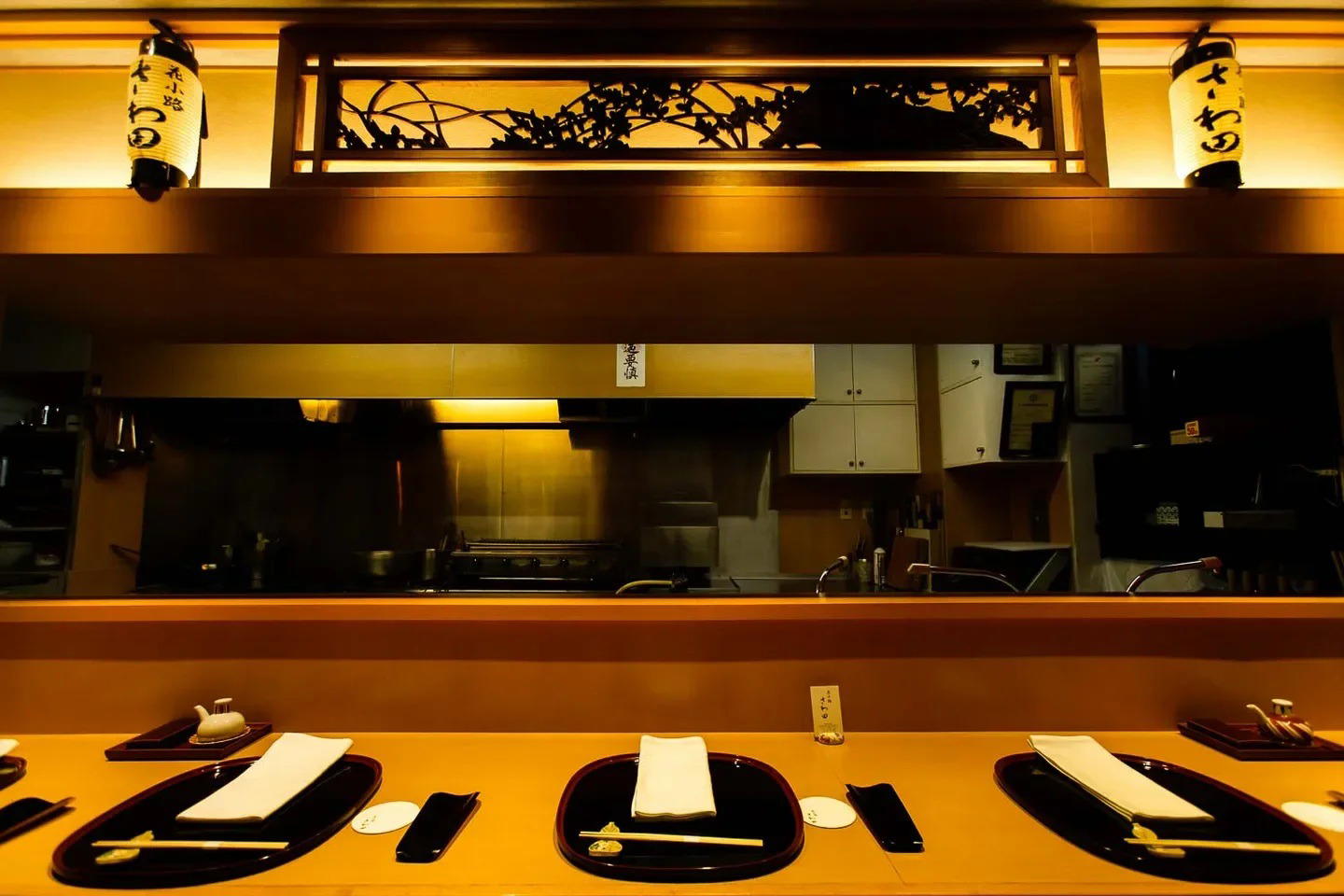
Kyobashi’s polished office blocks and older commercial lanes create a particular kind of Tokyo dining rhythm: discreet entrances, compact rooms, and meals built around timing rather than theatrical arrival. Japanese Cuisine Yamazaki fits that rhythm closely. The setting reads as a small Japanese restaurant rather than a grand dining room, with counter seating carrying much of the experience and private-room space adding a more contained option upstairs. In this part of Chuo, the serious meal often happens behind a quiet frontage, not under a sign trying to announce itself.
The cooking belongs to the Japanese cuisine category, with unagi listed alongside the broader kappo and kaiseki-adjacent vocabulary of seasonal fish, rice, broth, and measured pacing. That matters in Tokyo because Japanese dining at this level is not one market. Sushi counters compete on fish sourcing and shari calibration; tempura rooms on oil, batter, and sequence; kappo-style rooms on range and responsiveness. Yamazaki’s fish emphasis places it in the category where progression, restraint, and ingredient handling carry more weight than a single headline dish.
Kyobashi's small-room Japanese dining rewards timing and restraint
Tokyo’s central wards have become expensive territory for restaurants that operate at low capacity. A compact room changes the meal: fewer seats mean less margin for late arrivals, looser dietary requests, or casual pacing. That is not a hospitality affectation; it is how synchronized Japanese dining protects temperature, sequence, and service rhythm. At Yamazaki, the format signals a meal planned around the room’s cadence rather than a flexible à la carte evening.
Recognition helps explain where it sits in the city’s crowded field. Selection for Tabelog 100 Japanese cuisine Tokyo 2025 places it among user- and editor-noted Japanese restaurants in the capital, while inclusion in Opinionated About Dining’s 2026 Top Restaurants in Japan Ranked gives it a second, internationally read signal. Those lists measure different audiences, which is precisely why the overlap matters: local Japanese dining credibility and outside-critic attention do not always meet in the same room.
Tokyo diners comparing categories should separate this from tempura specialists such as Fukamachi or てんぷら 深町, where the craft narrows around frying sequence, and from hybrid or Western-leaning rooms such as SAKAKI. Omino Tsubaki sits in another high-price Tokyo bracket with a different format signal, while ToshiYoroizuka TOKYO occupies a lower-priced dessert-led lane. The useful comparison is not who is more famous; it is what kind of evening the diner is choosing. Yamazaki is for a Japanese meal where the sequence is the point.
A fish-led Japanese kitchen with room for sake, shochu and wine
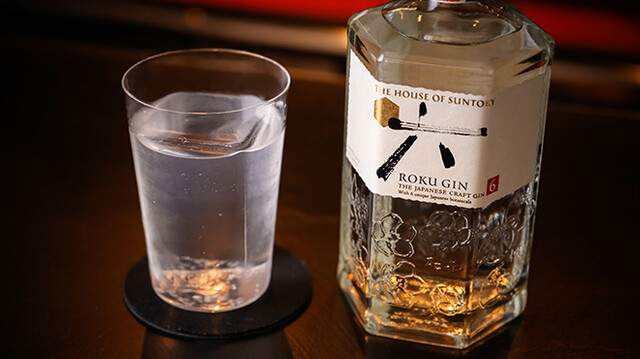
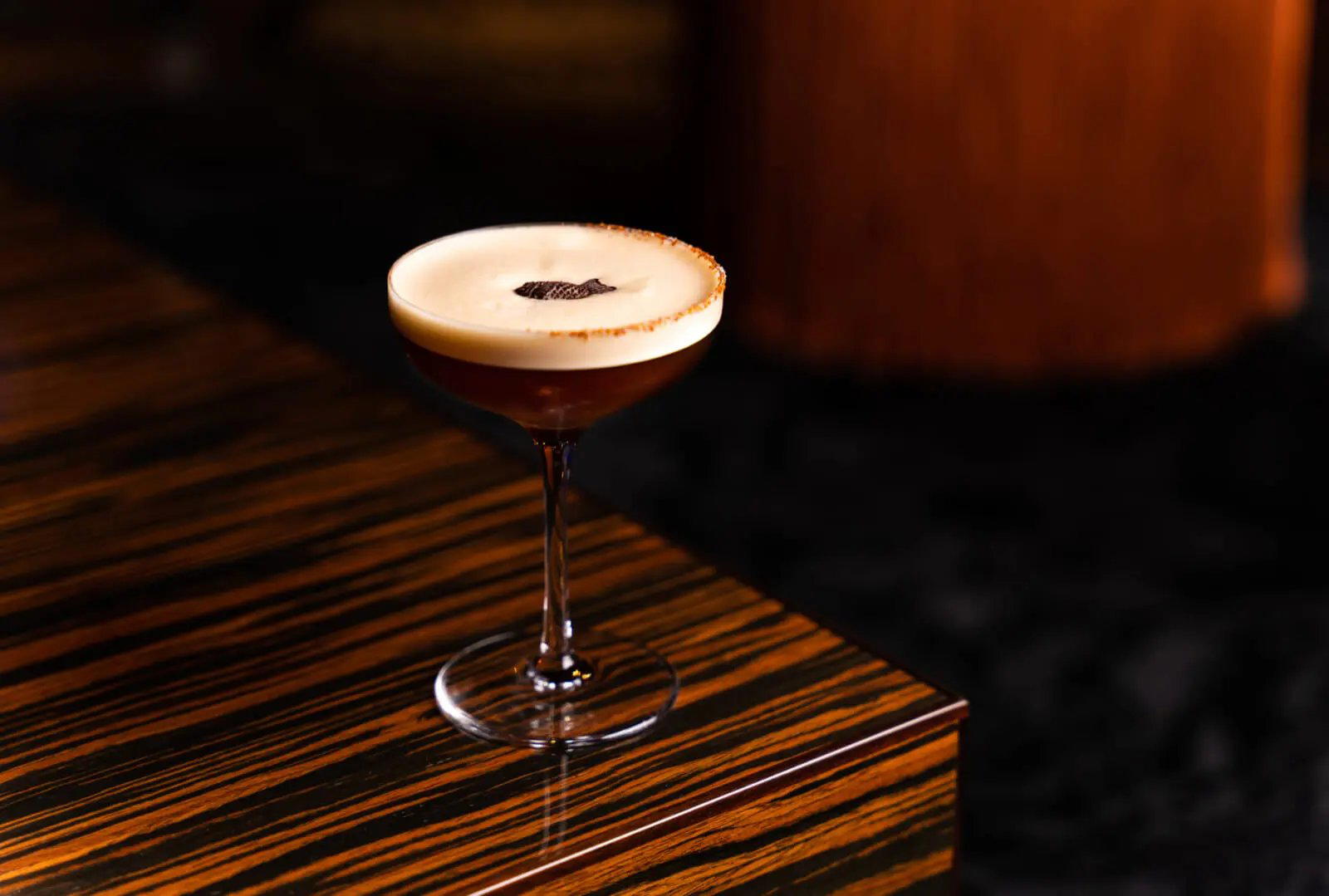
The beverage program matters because it broadens how the meal can be read. Sake is an expected partner for this style of cooking, but the listed attention to shochu and wine suggests a room built for diners who may want more than the default pairing logic. In Tokyo Japanese restaurants, wine can either feel decorative or genuinely integrated; when a room lists particular attention to wine as well as sake, it usually speaks to a clientele that moves between traditional pairings and broader cellar habits.
The kitchen’s fish focus also puts the restaurant into a Tokyo tradition that is often misunderstood by visitors. Japanese cuisine at this tier is not simply “seasonal” in the vague sense; seasonality affects procurement, preparation, serving temperature, and the order in which richer and cleaner elements appear. Without naming unlisted dishes, the category itself tells the reader what to expect: precision rather than abundance, a progression rather than a menu to graze, and a meal whose success depends on disciplined pacing.
Chef Koji Yamazaki is attached to the OAD listing, but the more useful point is not biography. Tokyo has many chef-led rooms where personal story is used as shorthand for quality. Here, the stronger signal is structural: small capacity, Japanese cuisine focus, fish emphasis, drinks depth, and recognition across two different dining platforms. That combination places the restaurant in a serious but narrow lane, especially for travelers who want a Japanese meal outside the sushi-counter default.
How to think about it within a Tokyo itinerary
For a first serious meal in Tokyo, sushi or tempura may be easier to decode because the format is globally legible. A Japanese cuisine counter in Kyobashi asks more of the diner: arrive ready for sequence, not choice; read the meal through balance, not spectacle; and understand that the room’s small scale is part of the value proposition. That makes Yamazaki a better fit for travelers who already know Tokyo’s basic dining codes or who want to move beyond the expected Ginza omakase circuit.
The neighborhood helps. Kyobashi sits close to the Tokyo Station and Ginza orbit without feeling like either one. That gives the meal a business-district precision rather than a nightlife mood. It also makes the restaurant practical for visitors building a day around central Tokyo galleries, department stores, or hotel bases in Marunouchi and Ginza. The decision is less about chasing a famous address and more about choosing a controlled Japanese dining format in a district built for punctuality.
For broader planning, compare Yamazaki with the city’s wider restaurant field in Our full Tokyo restaurants guide, or map it against nearby casual and specialist listings such as . 鮪と炭火焼き うお炭 秋葉原店, 12/10 Shinjuku ten, 124. KAGURAZAKA (Yakitori), 2D Cafe, and 3 Chome no Curry Ya San. Travelers building a fuller stay can also use Our full Tokyo hotels guide, Our full Tokyo bars guide, Our full Tokyo wineries guide, and Our full Tokyo experiences guide.
For cross-city context, EP Club also tracks Japanese dining and related formats beyond Tokyo, including -Grilled beef Sukiyaki- KAMAKURA TANUKIAN 鎌倉 たぬき庵 in Kamakura.cafe in Osaka.know in Kumamoto, (Shoku) Vietnam in Kawasaki, [Curry Senmon Ten] Maruyama Kyoju. in Sapporo, [ki:] in Kyoto, Jōdo Saké Bar in Los Angeles, and Onigiri Time in Pasadena. Those links are useful not because they duplicate the experience, but because they show how specific Japanese formats travel, narrow, or change outside central Tokyo.
Cuisine and Recognition
Comparable venues by cuisine and price in the same metro.
| Venue | Cuisine | Price | Notes |
|---|---|---|---|
| Japanese Cuisine YamazakiThis venue — the venue you are viewing | Seasonal Japanese Kaiseki | $$$$ | Not listed |
| Kyoaji (京味) | Traditional Kyoto-Style Kaiseki Omakase | $$$$ | Shinbashi |
| Oryori Shibuu | Japanese Kaiseki | $$$$ | Chūō |
| Ginza Yamashina | Luxury Wagyu Yakiniku & Steak in Private Rooms | $$$$ | Chūō |
| にく割烹金座 | Niku Kappo (Meat Kappo) | $$$$ | Chūō |
| Namba | Modern Edomae Omakase | $$$$ | Chiyoda |
Recognition history
Dated appearances from independent guides and award organizations, with the underlying list record or original source where available.
Opinionated About Dining Top Restaurants in Japan Ranked #81
Opinionated About Dining
Tabelog 100 #39 · No. 39
Tabelog · Tabelog 100 - Japanese cuisine - TOKYO - 2025











At a Glance
- Elegant
- Quiet
- Sophisticated
- Intimate
- Classic
- Special Occasion
- Date Night
- Business Dinner
- Celebration
- Solo
- Chefs Counter
- Private Dining
- Standalone
- Design Destination
- Sake Program
- Extensive Wine List
- Local Sourcing
- Farm To Table
Current opening hours
- Monday
- 11:30 AM–1:30 PM, 6–11 PM
- Tuesday
- 11:30 AM–1:30 PM, 6–11 PM
- Wednesday
- 11:30 AM–1:30 PM, 6–11 PM
- Thursday
- 11:30 AM–1:30 PM, 6–11 PM
- Friday
- 11:30 AM–1:30 PM, 6–11 PM
- Saturday
- Closed
- Sunday
- Closed
Hours can change for holidays and private events. Last verified .
Calm, refined Japanese atmosphere with an emphasis on seasonality and presentation; counter and room settings are designed to highlight the beauty of the dishes and tableware, creating a focused, hushed dining experience suited to formal occasions.