Google: 4.4 · 106 reviews

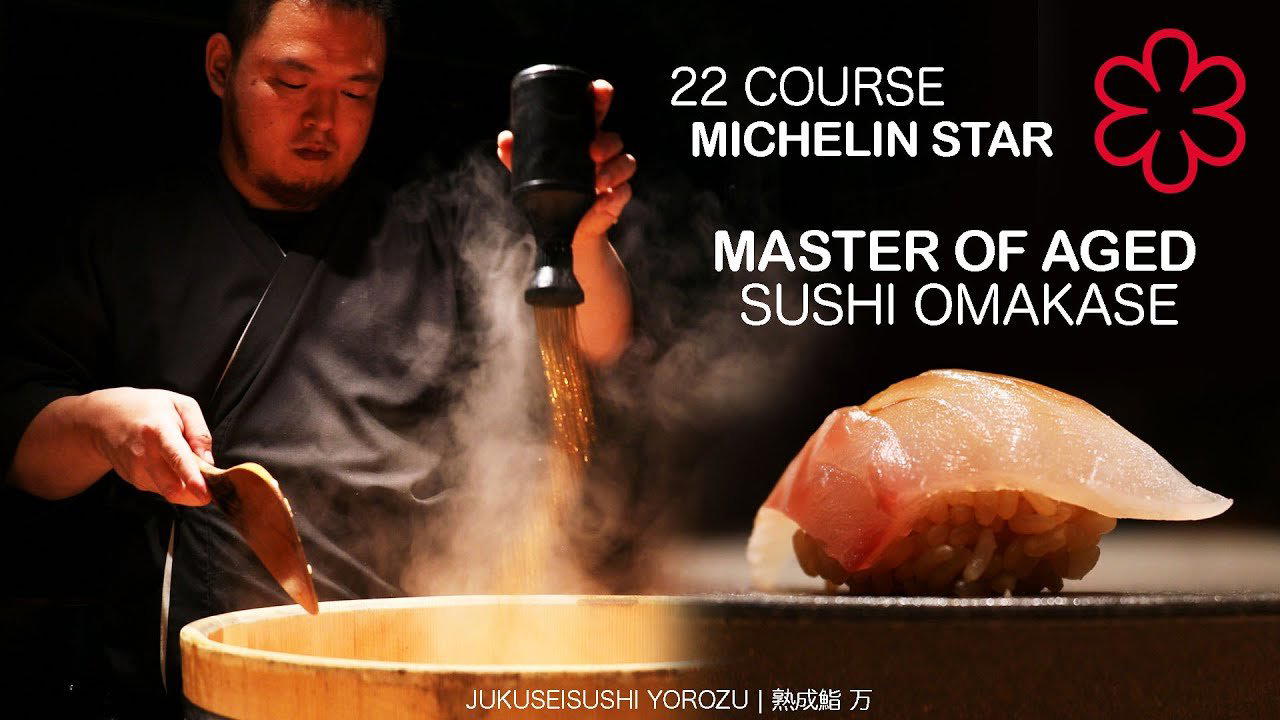
A jukusei — aged sushi — specialist in Shibuya's Higashi district, Jukuseisushi Yorozu occupies the quieter end of Tokyo's premium sushi scene, where technique over theatrics defines the counter experience. The focus here is maturation: fish aged with precision to develop depth that fresh-cut fish cannot deliver. For those already familiar with Tokyo's omakase circuit, this is a natural next step.
 Discover on Pearl
Pearl is the En Primeur Club membership app — saves, bookings, and concierge access live there. Same editors, same standards.
Where Aging Is the Argument
Tokyo's sushi counter culture divides roughly into two schools. The first prizes the immediate: fish cut and served within hours of arriving at Tsukiji or Toyosu, the texture still firm, the flavour clean and bright. The second school — smaller, less visible, and considerably more technically demanding — prizes time. Jukuseisushi Yorozu sits in that second category, operating from a third-floor address in Shibuya's Higashi district as a practitioner of aged sushi, a format that asks more of the chef and delivers a different register of flavour entirely.
The Higashi neighbourhood sits east of Shibuya's central scramble, where the density of izakayas and convenience retail gives way to quieter residential streets and the kind of low-profile buildings that house specialist counters. A third-floor unit at an address like this does not advertise itself to foot traffic. It assumes you already know why you're coming.
The Case for Maturation
Aging fish , jukusei in Japanese , is not new, but it has gained significant traction in Tokyo's premium sushi scene over the past decade as a counterpoint to the prevailing fresh-cut orthodoxy. The logic is similar to dry-aging beef: controlled moisture loss concentrates flavour, enzymatic activity breaks down muscle proteins to create texture that reads as both softer and more complex, and the umami load increases measurably. Done incorrectly, it produces fish that is simply old. Done correctly, it produces a product that fresh fish cannot replicate.
This distinction matters because it repositions ingredient sourcing as a multi-stage process rather than a single procurement event. The fish that arrives at a jukusei counter is not the endpoint , it is the beginning of a preparation that may last days. Sourcing quality, in this context, means selecting fish with the structural integrity to survive controlled aging without deterioration, which demands a different and more exacting eye at the market than standard omakase procurement. Compared to the approach at counters like Harutaka, where immediacy and the chef's knife work on peak-fresh fish defines the experience, jukusei sushi asks the question differently: what does this fish become, rather than what is it right now?
Shibuya's Upper Counter Tier
Shibuya is not the first neighbourhood name that surfaces in conversations about Tokyo's top-tier omakase. Ginza and Minami-Aoyama carry more automatic prestige associations, and addresses in those areas command pricing that reflects the postcode as much as the fish. Shibuya's Higashi ward offers a quieter entry point into serious counter dining , less freighted with the expectation of spectacle, more oriented toward the food itself.
Tokyo's premium sushi market has fragmented meaningfully in recent years. Michelin-starred counters cluster at the leading of the price bracket, competing with each other on lineage, allocation lists, and seasonal sourcing. Beneath that tier, a second band of highly focused specialists operates with narrower menus and often without the formal award infrastructure. Jukuseisushi Yorozu fits that second band , a working specialist rather than a prestige signifier, which for many diners is precisely the point. For broader context on where this counter sits relative to the city's full range of fine dining options, the full Tokyo restaurants guide maps the competitive field across cuisines and price points.
Those travelling beyond Tokyo who want to compare Japan's approach to ingredient-led precision dining across different formats and cities might consider RyuGin for kaiseki's seasonal sourcing logic, HAJIME in Osaka for produce-driven modernism, or Gion Sasaki in Kyoto for the kaiseki tradition's relationship with hyper-local, seasonal supply. Further afield, akordu in Nara and Goh in Fukuoka each represent regional variations on the theme of sourcing-as-identity in Japanese fine dining. Regional specialists worth tracking also include 一本杉 川島酒造 in Nanao, 大地乃厨乃 in Sapporo, 湖邸庵堂 in Takashima, and 廣羽屋 in Nishikawa Machi.
Placing Yorozu in a Peer Comparison
The table below maps Jukuseisushi Yorozu against comparable Tokyo counters and one international reference point to give a sense of where it sits across the key logistical variables a planner needs.
| Venue | City | Cuisine | Price Tier | Format Note |
|---|---|---|---|---|
| Jukuseisushi Yorozu | Tokyo (Shibuya) | Aged sushi | Not publicly listed | Specialist counter, third floor |
| Harutaka | Tokyo | Sushi | ¥¥¥¥ | Omakase, Michelin-recognised |
| L'Effervescence | Tokyo | French | ¥¥¥¥ | Tasting menu, seasonal sourcing |
| Sézanne | Tokyo | French | ¥¥¥¥ | Hotel-based, high-profile |
| Crony | Tokyo | Innovative French | ¥¥¥¥ | Counter format, modern approach |
| Le Bernardin | New York | French seafood | ¥¥¥¥ | Fish-focused, long-established |
| Atomix | New York | Korean tasting | ¥¥¥¥ | Counter omakase, Korean sourcing logic |
Additional Japanese regional counters for reference: Birdland in Sakai and Bistro Ange in Toyohashi each demonstrate how specialist format dining operates outside Japan's major urban centres.
Planning a Visit
Jukuseisushi Yorozu's address , 4 Chome 6-5, Higashi, Shibuya, Tokyo 150-0011, third floor , places it a walkable distance from Shibuya Station, though the building type and floor level mean first-time visitors should allow extra time to locate the entrance. Third-floor counter addresses without visible street-level signage are common in Tokyo's specialist dining sector and rarely indicate anything other than a deliberate preference for quiet operation over visibility.
Website and phone details are not currently listed in EP Club's verified data. Given that format, the most reliable approach is to contact the venue directly through a hotel concierge with Japanese-language capability, or to use a specialist reservation service that handles Tokyo's less publicly accessible counters. Booking lead times for aged sushi specialists in this tier of the Tokyo market typically run four to eight weeks for prime evening sittings, though this varies by season and the counter's current exposure level.
Peer Set Snapshot
A quick peer snapshot; use it as orientation, not a full ranking.
| Venue | Cuisine | Price | Awards | Notes |
|---|---|---|---|---|
| Jukuseisushi Yorozu | This venue | |||
| Harutaka | Sushi | ¥¥¥¥ | Michelin 3 Star | Sushi, ¥¥¥¥ |
| L'Effervescence | French | ¥¥¥¥ | Michelin 3 Star | French, ¥¥¥¥ |
| RyuGin | Kaiseki, Japanese | ¥¥¥¥ | Michelin 3 Star | Kaiseki, Japanese, ¥¥¥¥ |
| Crony | Innovative, French | ¥¥¥¥ | Michelin 2 Star | Innovative, French, ¥¥¥¥ |
| Florilège | French | ¥¥¥ | Michelin 2 Star | French, ¥¥¥ |





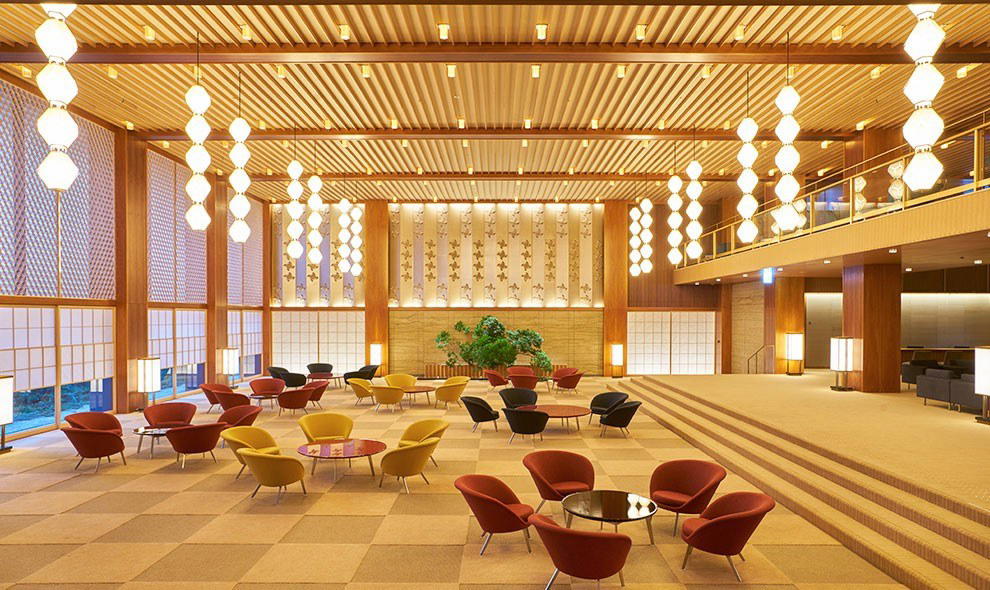


At a Glance
- Intimate
- Elegant
- Sophisticated
- Hidden Gem
- Special Occasion
- Date Night
- Chefs Counter
- Sake Program
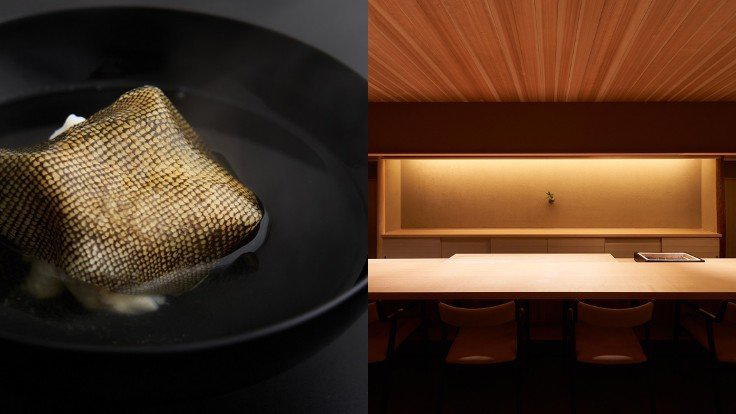
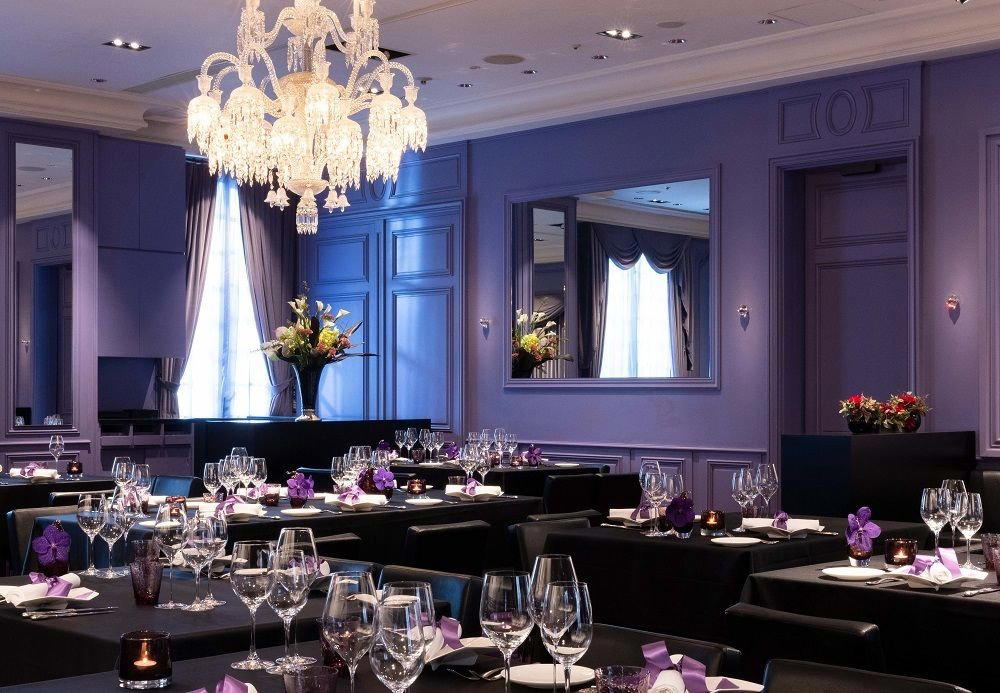
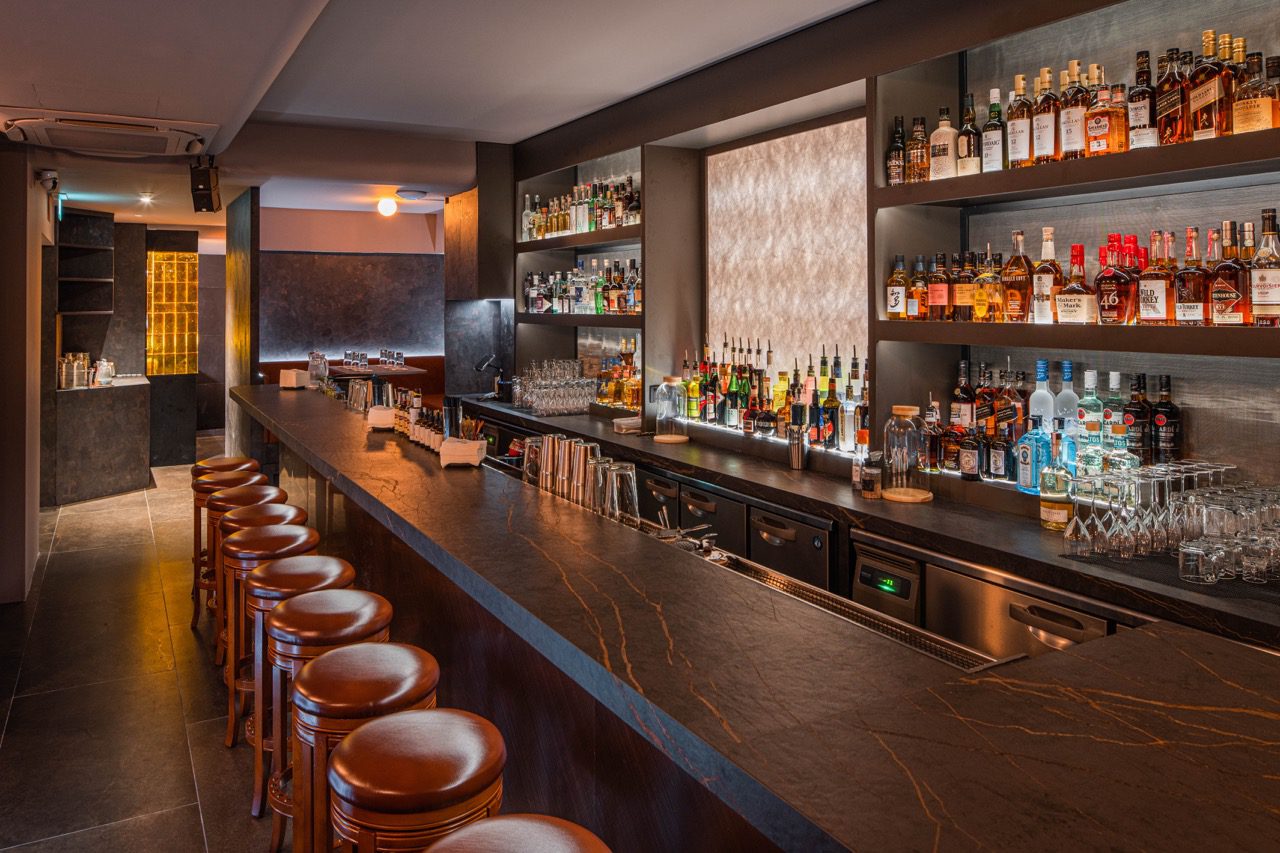
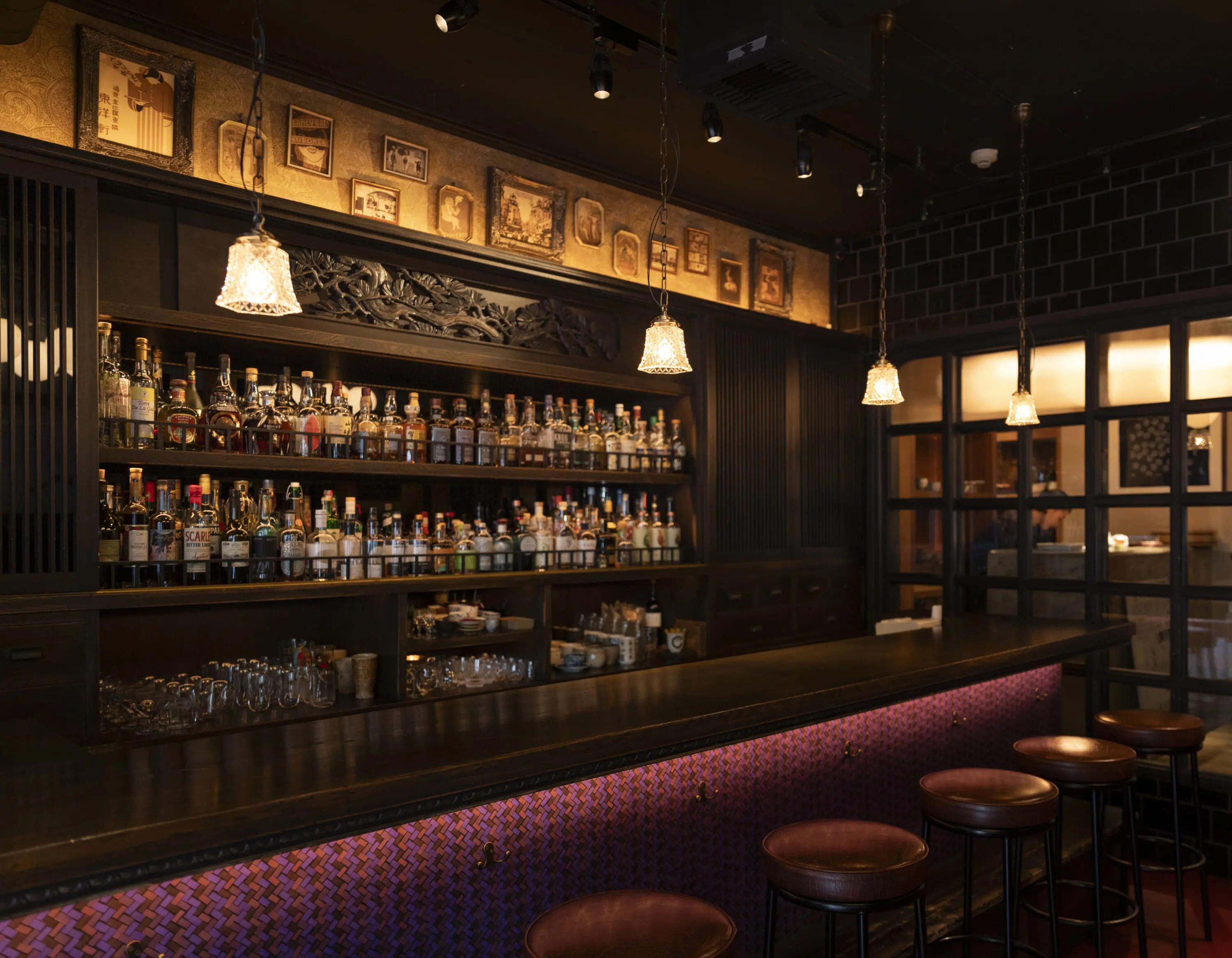
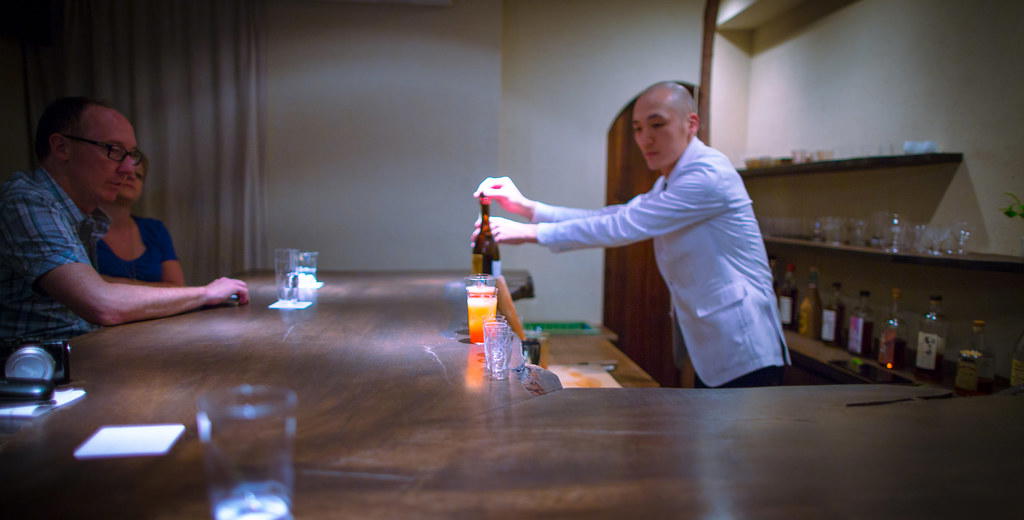
Intimate counter seating with a focus on the chef's craft, creating a sophisticated and educational sushi experience.