
Michelin Plate
Our verdict
A Michelin Plate-recognised Japanese restaurant in Kyoto's Gion Miyagawacho district, Jikiba Ono draws its identity from the Kyushu coastline. Seafood sourced from Amakusa's Jikiba region and the Bungo Channel arrives with minimal seasoning, arranged through a chef-led sequence of sashimi, soup, and appetisers before a short menu of grilled and stewed selections.

Pearl is the En Primeur Club membership app, where members save venues, book tables and use the concierge.
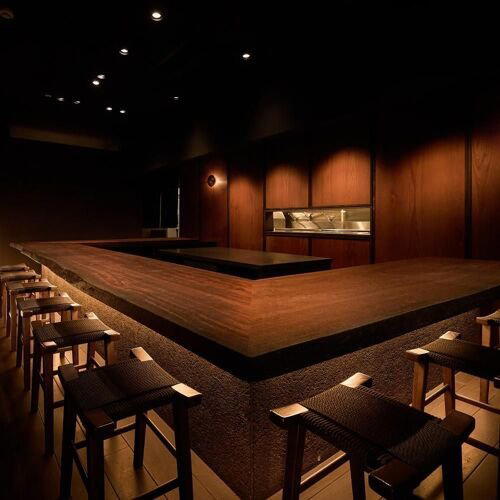
A Room That Frames the Food
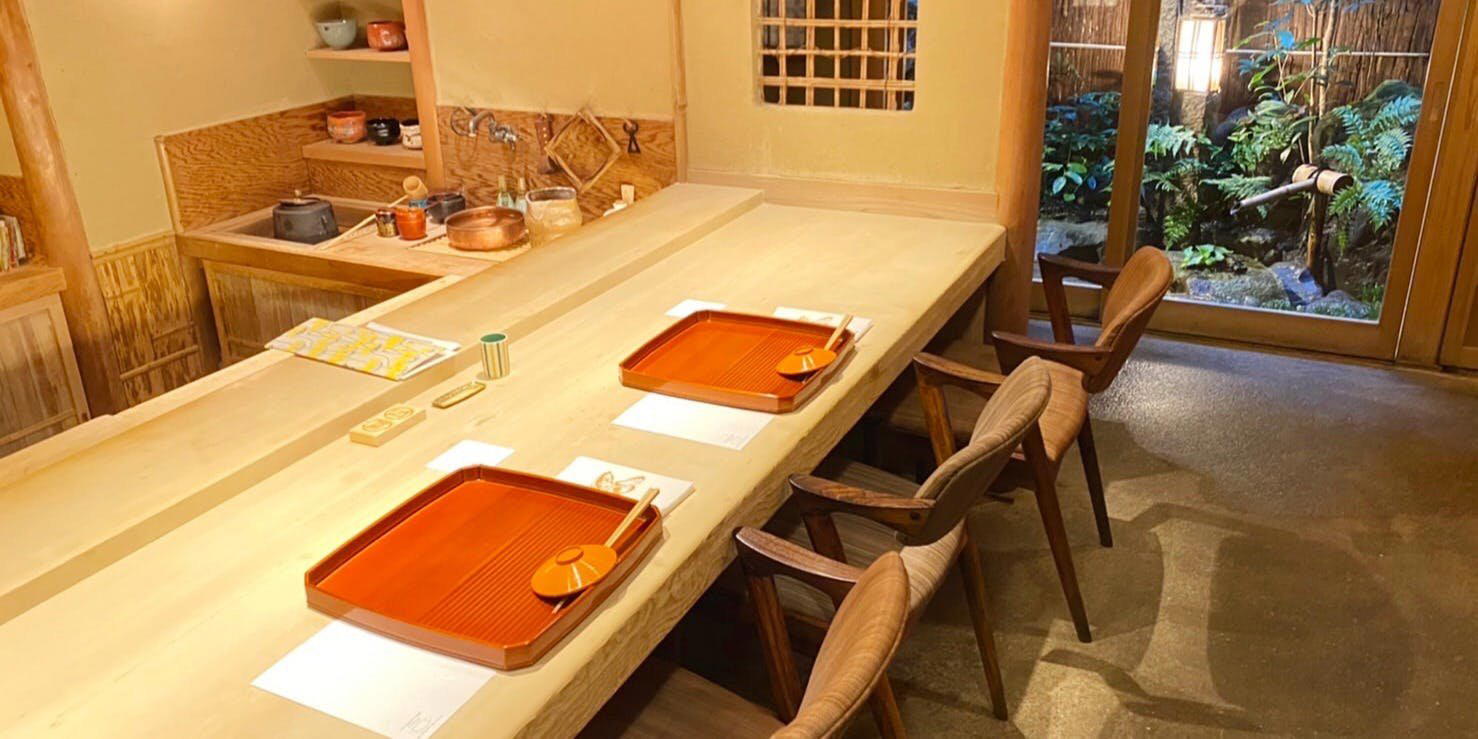
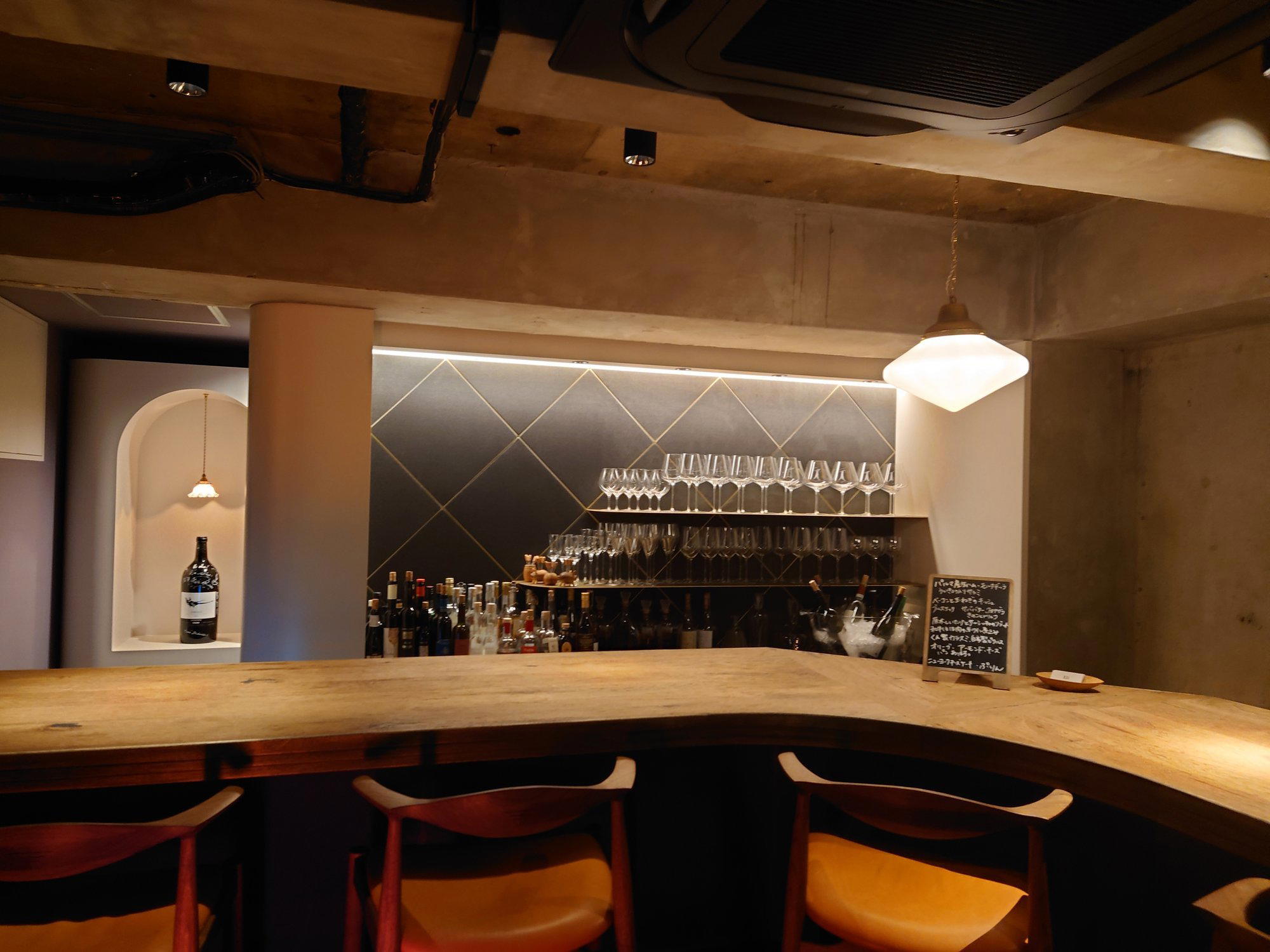
Miyagawacho sits just south of the better-trafficked Gion Shijo corridor, and the district's narrow machiya streetscape sets expectations before you reach any door. The address, a ground-floor unit inside a modern residential building on Miyagawacho's second block, reads at odds with that vernacular environment. That contrast is part of the point. Where many Kyoto dining rooms perform tradition through exposed timber and washi screens, this space operates on restraint of a different register: a room that removes visual noise so that the bowl in front of you becomes the only architecture that matters.
The design logic here follows a pattern that has become quietly influential in Japanese counter dining, where the physical container is sized and finished to create concentration rather than atmosphere in the hospitality-industry sense. Nothing in the room competes with the food for attention. That discipline is not neutral, it is an editorial choice about what the meal is for.
The Kyushu Coast in a Kyoto Room
Kyoto's kaiseki tradition draws overwhelmingly from the mountains and the local river systems. Restaurants like Isshisoden Nakamura and Gion Matayoshi represent the city's deep current of inland produce and tightly codified seasonal sequencing. Jikiba Ono works from a different geography entirely. The kitchen's sourcing runs south and west to Kyushu: the Jikiba region of Amakusa in Kumamoto, and the Bungo Channel, the body of water separating Kyushu from Shikoku that is recognised among Japanese fishing communities for the quality of its tidal current and the fish it produces.
That coastal orientation is not a marketing proposition; it is a structural decision about what the cuisine can do. Fish from those waters arrives with fat content and texture profiles that support the kitchen's low-intervention approach. Seasoning is kept to a minimum, a stance that requires confidence in sourcing, because ingredient quality cannot be masked or corrected once you remove the option to add more.
In Kyoto's mid-range Japanese dining tier, which includes strong representation from restaurants like Kenninji Gion Maruyama and Kikunoi Roan, a Kyushu-sourced counter occupies a distinct niche. It is not competing with Gion Sasaki's four-symbol kaiseki at the top of the market, nor positioning against Western-influenced Kyoto dining. It sits in a quieter bracket defined by craft specificity and regional identity rather than format prestige.
The Structure of the Meal
The sequence here follows a logic that is worth understanding before you sit down. The opening portion of the meal, appetisers, sashimi arranged with decorative care, and a soup course, is set entirely by the chef and reflects what the season and sourcing allow on that day. There is no ordering at this stage. The kitchen decides, and the decision is grounded in ingredient availability rather than a fixed printed structure.
After those courses, grilled and stewed items become selectable from a menu. That split format, fixed chef's sequence followed by limited guest selection, is a practical expression of the kitchen's philosophy. The most perishable and sourcing-dependent components, where timing and freshness matter most, stay under the chef's control. The items that accommodate preference with less risk to the meal's integrity are opened to choice. It is a considered format, and it works most cleanly for guests who read it as such rather than approaching it as a hybrid between omakase and à la carte.
Comparable counter formats appear across Japan at various price points, Harutaka in Tokyo and Goh in Fukuoka both operate within traditions where the chef's sequence carries the argumentative weight of the meal. Jikiba Ono's ¥¥ price positioning places it well below those reference points, making the format accessible to guests who may not yet be habituated to high-commitment omakase spending.
Seasonal Sequencing as Editorial Stance
The award notes attached to this kitchen use specific language: the chef-set courses exist "out of a determination to impart the flavours of the season." That framing is worth taking seriously. Japanese seasonal dining has been romanticised to the point where the word shun has become almost decorative. Here it functions as a constraint on the menu, not an aesthetic flourish. If the season does not offer a particular ingredient, the dish does not appear. The sashimi arrangement changes accordingly.
For guests planning around Kyoto's most defined food seasons, spring cherry blossom through early April, the dense mid-summer heat that drives certain river fish, autumn from late September, the meal at Jikiba Ono will read differently each visit. That variability is the point. Restaurants operating at the ¥¥¥¥ tier, such as Kodaiji Jugyuan, embed the same logic at a higher price point. Jikiba Ono delivers a version of it at considerably lower cost of entry.
Recognition and Peer Context
The Michelin Plate in both 2024 and 2025 positions Jikiba Ono within the guide's recognition tier below starred restaurants but above unrecognised listings, a designation that signals kitchen competence and food quality without the full apparatus of starred-restaurant expectations. Among Kyoto's Japanese restaurants in the ¥¥ bracket, that consecutive recognition is a meaningful signal. The guide's Kyoto coverage is dense and competitive, and sustaining Plate recognition across consecutive years in a city where inspectors are thorough indicates consistency rather than a single strong performance.
Small-seat restaurants in this price range can maintain high averages with limited reviews; 79 responses at that score suggests a stable record rather than a statistical anomaly.
For guests building a Kyoto itinerary around Japanese dining at different price points and formats, Jikiba Ono sits in a distinct bracket from the kaiseki heavyweights. It shares a seafood-forward, minimal-intervention orientation with coastal Japanese traditions visible in places like 6 in Okinawa or akordu in Nara's ingredient-led approach, while remaining rooted in the Kyoto context through its seasonal sequencing structure.
Where It Sits in the City
Miyagawacho is one of Kyoto's five hanamachi districts, historically associated with the ochaya teahouse culture that runs adjacent to Gion. The neighbourhood retains a quieter, less tourist-saturated character than Gion Shijo, which makes it a logical location for a small restaurant depending on local and informed visitor traffic rather than footfall. For broader Kyoto dining research, the full Kyoto restaurants guide maps the city's dining categories in detail. The Kyoto hotels guide, bars guide, wineries guide, and experiences guide cover the city's other categories in the same depth. Elsewhere in Japan, HAJIME in Osaka, Myojaku in Tokyo, Azabu Kadowaki in Tokyo, and 1000 in Yokohama represent comparable editorial interest at different price tiers and formats.
Know Before You Go
- Address: Miyagawacho 2-267-101, Higashiyama Ward, Kyoto (Gion Miyagawacho district)
- Price range: ¥¥ (mid-range for Kyoto Japanese dining)
- Recognition: Michelin Plate 2024 and 2025
- Guest rating:
- Format: Chef-set sequence of appetisers, sashimi, and soup, followed by selectable grilled and stewed dishes
- Sourcing: Seafood from Amakusa (Kumamoto) and the Bungo Channel
- Booking: No booking method confirmed in available data, confirm directly on arrival or via local concierge assistance
- Website/phone: Not publicly listed in
Frequently asked questions
Is Jikiba Ono award-winning?
Jikiba Ono has received recognition including: ‘Jikiba’ is the name of the region in Amakusa, Kumamoto, where the chef was born. Attesting to the richness of the seas of Kyūshū, seafood is sourced from local waters and from the Bungo Channel. To bring out the goodness, seasoning is mini….
What does dinner at Jikiba Ono typically cost?
Pricing at Jikiba Ono is listed as ¥¥.
What do people recommend at Jikiba Ono?
Guest attention focuses on the sashimi course, which arrives decoratively arranged and changes according to what the chef has sourced that day from Kyushu waters and the Bungo Channel. Because the opening sequence, appetisers, sashimi, and soup, is entirely chef-decided, there is no fixed dish to request; the recommendation is simply to trust the sequence as it arrives.
Where is Jikiba Ono located?
Jikiba Ono is located at Japan, 〒605-0801 Kyoto, Higashiyama Ward, 宮川町2 Chome−267 101 祇園宮川町グランレブリ, Kyoto.
How far ahead should I plan for Jikiba Ono?
Jikiba Ono lists no public phone number or website, which means walk-in or hotel concierge contact is the practical route for most visitors. Small counter restaurants in Miyagawacho, one of Kyoto's five hanamachi districts, typically fill several weeks out, so building in lead time of three to four weeks is prudent, particularly around peak season.
What has Jikiba Ono built its reputation on?
The kitchen's identity is rooted in its sourcing geography: seafood comes from the Jikiba region of Amakusa in Kumamoto, the chef's birthplace, and from the Bungo Channel, both known for the depth and variety of their catch. Minimal seasoning is a stated philosophy, letting the provenance carry the dish rather than the preparation. Michelin Plate recognition in both 2024 and 2025 confirms the kitchen's standing within the guide's tracked Kyoto listings.
Side-by-Side Snapshot
A quick snapshot of similar venues for side-by-side context.
| Venue | Cuisine | Price | Awards | Notes |
|---|---|---|---|---|
| Jikiba OnoThis venue (the venue you are viewing) | Seasonal Japanese Counter Dining | $100–150 | Michelin Plate | Not listed |
| Gion Sasaki | Modern Kaiseki | $300–500 | 3 Michelin Stars · La Liste Top Restaurants | Kaiseki, Japanese |
| cenci | Innovative Italian-Japanese Fusion | $100–150 | 1 Michelin Star · World's 50 Best #76 | Italian |
| Ifuki | Sumibi Kappo Kaiseki | $200–300 | 2 Michelin Stars · La Liste Top Restaurants | Kaiseki |
| Kyokaiseki Kichisen | Kyoto Kaiseki | $200–300 | 2 Michelin Stars · La Liste Top Restaurants | Japanese |
| Kyo Seika | Modern Chinese Fine Dining | $150–200 | 1 Michelin Star · Tabelog Bronze #216 | Chinese |
Recognition history
Dated appearances from independent guides and award organizations, with the underlying list record or original source where available.
Michelin Plate
Michelin
Full recognition history (3 entries)
Michelin Plate
Michelin
Michelin Plate
Michelin
Continue exploring
More in Kyoto
Restaurants in Kyoto
All restaurants in Kyoto →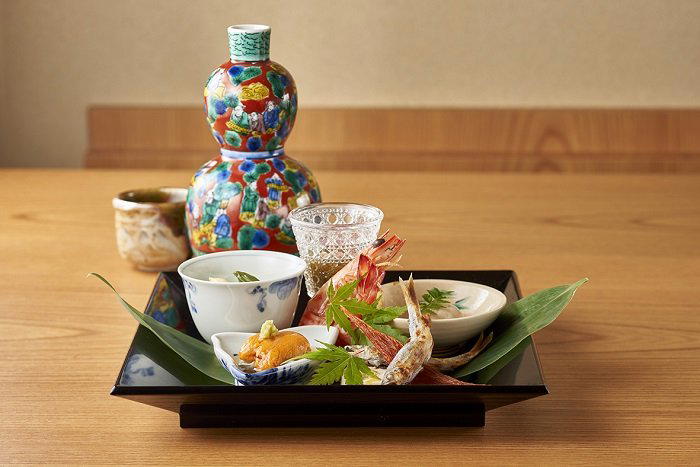

Bars in Kyoto
All bars in Kyoto →

Hotels in Kyoto
All hotels in Kyoto →

Wineries in Kyoto
Browse all →
Details
- Intimate
- Serene
- Elegant
- Sophisticated
- Date Night
- Special Occasion
- Chefs Counter
- Sake Program
- Local Sourcing
- Counter Dining
Current opening hours
- Monday
- 5–9 p.m.
- Tuesday
- 5–9 p.m.
- Wednesday
- 5–9 p.m.
- Thursday
- 5–9 p.m.
- Friday
- 5–9 p.m.
- Saturday
- 5–9 p.m.
- Sunday
- Closed
Hours can change for holidays and private events. Hours as of .
Serene and refined counter seating with calm atmosphere emphasizing precision craftsmanship and warm hospitality.