
Michelin Plate
Our verdict
A Michelin Plate-recognised counter in Kyoto's Nakagyo Ward where the kitchen and dining room share the same space. The chef prepares each dish solo, drawing the first dashi tableside and moving between char-grilled and delicate courses across a menu designed for genuine satisfaction. The format rewards guests who treat the meal as an occasion rather than a transaction.

Pearl is the En Primeur Club membership app, where members save venues, book tables and use the concierge.
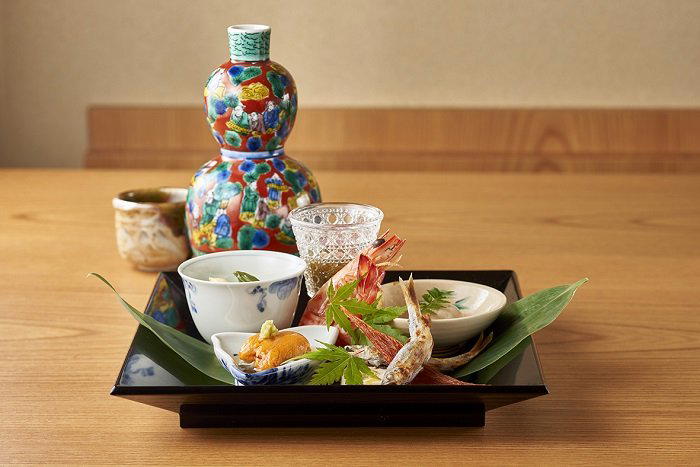
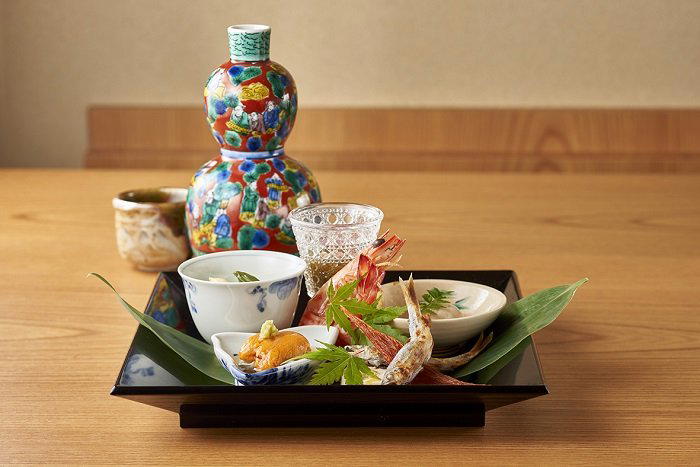
The menu
What to order
- Hand-drawn dashi soup
- Seasonal sashimi
When the Counter Becomes the Stage
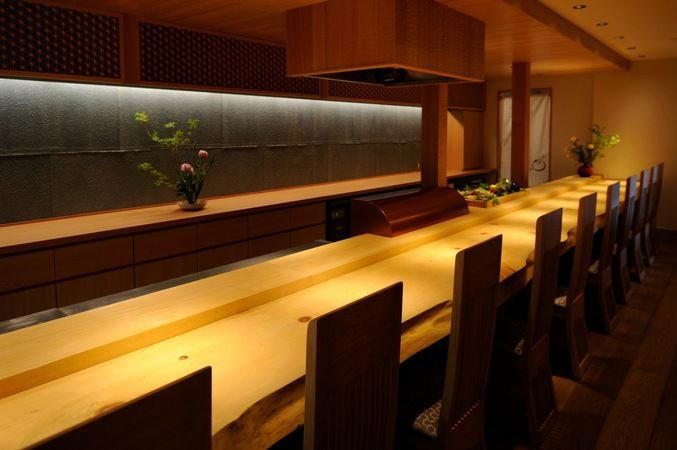
In Kyoto, the counter restaurant occupies a specific cultural position. It is not simply a format choice, it is a statement about transparency, discipline, and the relationship between cook and guest. At Ryo Kawashima in Nakagyo Ward, that relationship is structural: the boundary between kitchen and seating has been removed entirely, so that preparation and consumption occupy the same physical plane. This is not theatre in the showmanship sense. It is something quieter and more demanding, a meal in which you watch each dish assembled, smell the char before it arrives, and receive food from the hands that made it.
That configuration makes Ryo Kawashima a natural anchor for occasion dining. The format concentrates attention. There is nowhere for a birthday dinner or anniversary meal to drift into background noise, because the kitchen is always visible, always in motion. Kyoto has no shortage of formal kaiseki rooms for milestone meals, from the multi-room settings of Isshisoden Nakamura to the precise seasonal menus at Kikunoi Roan, but the counter format here offers something different: intimacy anchored in craft rather than ceremony.
The Cooking at the Centre of the Room
The menu structure at Ryo Kawashima follows the logic of Japanese counter cooking, where restraint in ingredients is matched by breadth in course count. Each dish is built from a small number of carefully selected components, but the sequence is long enough that a guest leaves with a clear sense of the season and the chef's priorities. The first dashi is drawn in front of the guest, a deliberate signal. Dashi is the foundation of Japanese cooking in a way that stock is not quite the foundation of Western cooking; it carries the meal's flavour logic from the start. Drawing it tableside extends the occasion before the wanmono course arrives, heightening the anticipation that the soup course is meant to resolve.
Char-grilled courses introduce smoke into a menu that is otherwise defined by clean, water-drawn flavour. The contrast is part of the design. A meal that moves between dashi-led dishes and the aroma of live-fire grilling asks a guest to pay attention across registers, which is precisely what a long counter meal requires. The chef's manner is described as amiable and conversational, qualities that matter more at a counter than in any other dining format, because the guest has no social buffer. The meal is a shared environment for its full duration.
Ryo Kawashima in Kyoto's Broader Dining Scene
The Michelin Guide has awarded Ryo Kawashima a Plate recognition in both 2024 and 2025, a signal of consistent, competent cooking rather than the starred tiers occupied by Gion Matayoshi or Kenninji Gion Maruyama. The Plate designation places a restaurant inside the Michelin ecosystem without the booking pressure and price escalation of the star tiers. For occasion dining, that positioning has a practical advantage: the meal still carries the weight of critical recognition, but the logistical friction is lower.
By price tier, Ryo Kawashima sits at ¥¥¥, one bracket below the ¥¥¥¥ restaurants that dominate Kyoto's formal kaiseki world, including Kodaiji Jugyuan and the kaiseki rooms at Ifuki and Gion Sasaki. That gap matters for how to frame the occasion. A ¥¥¥ counter in Nakagyo Ward positions a meal as serious without converting the evening into a financial event in its own right.
Kyoto's Japanese counter tradition has peers across Japan's major cities. Counter omakase formats in Tokyo, such as Harutaka or the Japanese tasting rooms like Myojaku and Azabu Kadowaki, operate at higher price points and with more pressurised booking windows. In Osaka, HAJIME represents a different pole, French-influenced, starred, and positioned for international visitors as much as locals. Ryo Kawashima sits closer to the local-practitioner model: a single chef, a fixed address in a residential ward, and a format that rewards repeat visits rather than one-off pilgrimage bookings.
Further afield, counter-led Japanese cooking appears in unexpected contexts, akordu in Nara applies a different cultural register to the single-counter format, while Goh in Fukuoka and 6 in Okinawa demonstrate how the format translates across regional Japanese cooking traditions. 1000 in Yokohama occupies a different price tier again. What these venues share is the understanding that the counter is not a concession to small space, it is a deliberate choice about how food and guest should relate.
Choosing the Right Occasion
The counter format at Ryo Kawashima suits occasions that benefit from focus rather than spectacle. An anniversary dinner, a small celebration, or a meal to mark a professional milestone all carry a different texture in a room where the food is prepared in front of you by a single person. The chef's preparation of the first dashi becomes a kind of opening ceremony. The progression from clean, water-led flavours to smoke and char maps onto the structure of a meal that has a narrative arc.
For Kyoto visitors planning an occasion meal across several days, the practical configuration of options matters. A ¥¥¥¥ kaiseki room like those found elsewhere in the city delivers formality and seasonal ritual but tends toward a more static experience. Ryo Kawashima's counter format offers the same seasonal seriousness with more dynamic engagement. Pairing it with a higher-end option on another night, one of the starred counters or a traditional kaiseki sequence, creates contrast that sharpens appreciation of both formats.
For broader orientation across Kyoto, EP Club covers the full range of dining, drinking, and accommodation options: see our full Kyoto restaurants guide, our full Kyoto hotels guide, our full Kyoto bars guide, our full Kyoto wineries guide, and our full Kyoto experiences guide.
Planning Your Visit
| Detail | Ryo Kawashima | Gion Sasaki (peer ref) | cenci (peer ref) |
|---|---|---|---|
| Cuisine | Japanese counter | Kaiseki | Italian |
| Price tier | ¥¥¥ | ¥¥¥¥ | ¥¥¥ |
| Michelin recognition | Plate (2024, 2025) | Starred | |
| Format | Open counter, solo chef | Traditional room service | European tasting menu |
| Booking pressure | Moderate (small venue) | High | Moderate |
Address: 333-2 Nushiyacho, Nakagyo Ward, Kyoto 604-0843.
What Should I Order at Ryo Kawashima?
What the venue's Michelin Plate citations confirm is that the cooking is built around a small number of carefully selected ingredients per course, a dashi drawn tableside early in the sequence, and char-grilled items later in the meal. The logical approach is to take the full counter menu as offered rather than ordering selectively, the meal is designed as a sequence, and the contrast between the clean dashi-led courses and the smoke of the grill is part of the structure. The wanmono soup course is worth particular attention: in Japanese counter cooking, it is the dish most directly informed by the quality and character of the dashi, and here it arrives with the deliberate anticipation built by watching the stock drawn in front of you.
Nearby-ish Comparables
| Venue | Cuisine | Price | Awards | Notes |
|---|---|---|---|---|
| Ryo KawashimaThis venue (the venue you are viewing) | Modern Kyoto Kaiseki Omakase | $100–150 | Michelin Plate | Not listed |
| Gion Sasaki | Modern Kaiseki | $300–500 | 3 Michelin Stars · La Liste Top Restaurants | Kaiseki, Japanese |
| cenci | Innovative Italian-Japanese Fusion | $100–150 | 1 Michelin Star · World's 50 Best #76 | Italian |
| Ifuki | Sumibi Kappo Kaiseki | $200–300 | 2 Michelin Stars · La Liste Top Restaurants | Kaiseki |
| Kyokaiseki Kichisen | Kyoto Kaiseki | $200–300 | 2 Michelin Stars · La Liste Top Restaurants | Japanese |
| Kyo Seika | Modern Chinese Fine Dining | $150–200 | 1 Michelin Star · Tabelog Bronze #216 | Chinese |
Recognition history
Dated appearances from independent guides and award organizations, with the underlying list record or original source where available.
Michelin Plate
Michelin
Full recognition history (3 entries)
Michelin Plate
Michelin
Michelin Plate
Michelin
Continue exploring
More in Kyoto
Restaurants in Kyoto
All restaurants in Kyoto →
Bars in Kyoto
All bars in Kyoto →
Hotels in Kyoto
All hotels in Kyoto →
Wineries in Kyoto
Browse all →
Details
- Intimate
- Elegant
- Minimalist
- Cozy
- Solo
- Special Occasion
- Chefs Counter
- Sake Program
- Local Sourcing
- Omakase
- Counter Dining
- Sake
Current opening hours
- Monday
- Closed
- Tuesday
- 6–9 PM
- Wednesday
- 6–9 PM
- Thursday
- 6–9 PM
- Friday
- 6–9 PM
- Saturday
- 6–9 PM
- Sunday
- Closed
Hours can change for holidays and private events. Hours as of .
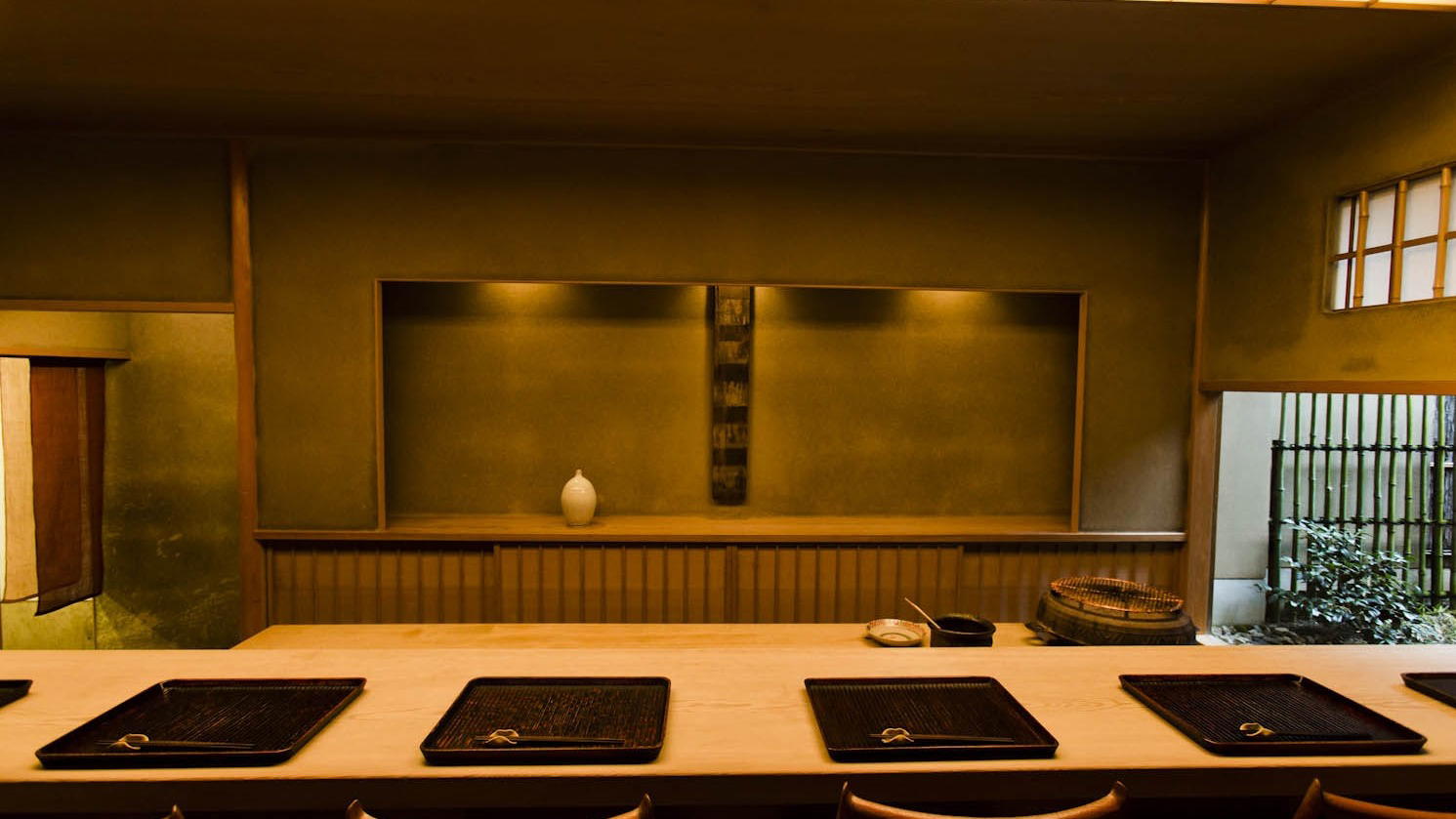
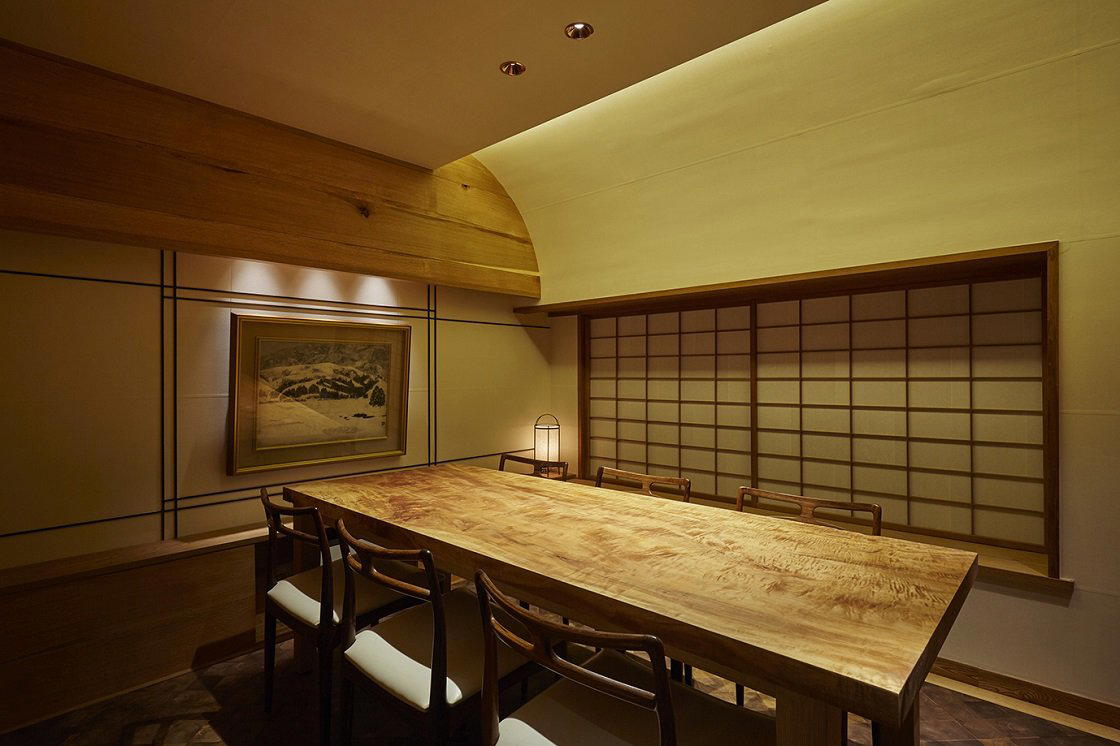
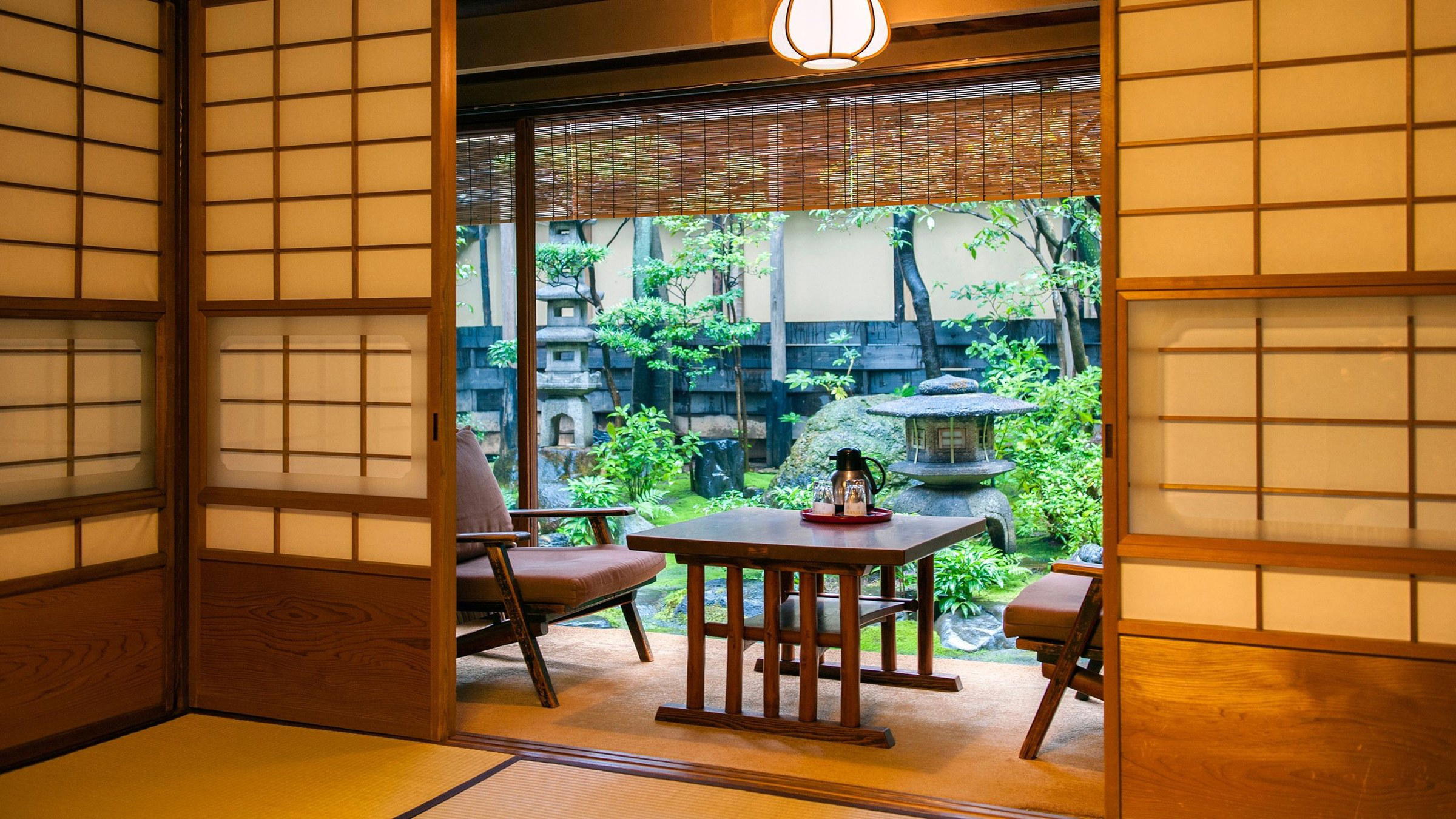
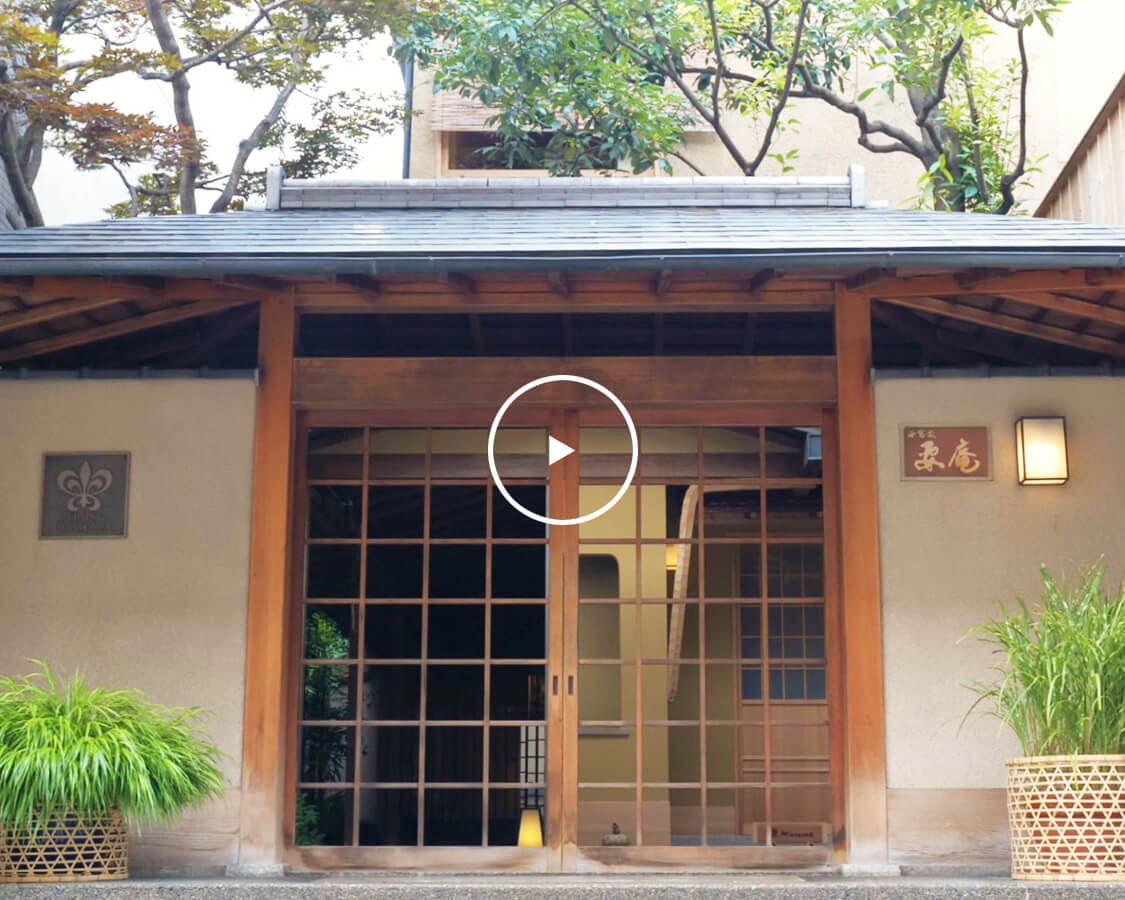
Minimalist refurbished machiya townhouse with low ceilings, natural wood counter, and open kitchen fostering warm, conversational intimacy.