
Michelin Bib Gourmand
Our verdict
A Michelin Bib Gourmand soba specialist in Kyoto's Jodoji district, Juu-go operates on an unusually austere premise: a menu built entirely around buckwheat, from grain to bowl. Chef Akiya Ishibashi mills his own flour and kneads dough only after guests are seated. The result is juwari soba, 100% buckwheat, thick-cut, that rewards attention and repeat visits.

Pearl is the En Primeur Club membership app, where members save venues, book tables and use the concierge.
Where the Menu Begins in the Field
Kyoto's restaurant culture tilts heavily toward kaiseki and its elaborate choreography of seasonal ingredients. Soba occupies a quieter register in the city, less photographed and less theorised, yet the tradition runs deep in Japan's culinary fabric. At the northern edge of the Higashiyama foothills, in the residential streets around Jodoji, a small counter called Juu-go has spent years building a loyal following by taking that quieter register to an unusual extreme.
What defines the experience here is not variety but compression. Chef Akiya Ishibashi tills his own fields, harvests his own buckwheat, and mills his own flour. The menu is structured entirely around soba: soba mash, soba in multiple preparations, soba as the sole focus of every dish. Restaurants with a single-ingredient philosophy are common enough in Tokyo's tasting-menu tier, but at the Bib Gourmand price point, the ¥ bracket, accessible by the standards of serious dining in Kyoto, this level of vertical integration is rare.
The Discipline Behind a Single-Ingredient Menu
Japan's soba tradition draws a clear line between sobaya, neighbourhood noodle shops where soba is one item among many, and specialists who treat buckwheat as a subject of sustained inquiry. Juu-go sits firmly in the latter category, and the operational decisions reinforce that position at every stage.
The juwari style, in which noodles are made from 100% buckwheat flour with no binding wheat, is technically demanding and produces a more fragile noodle with a shorter window between cutting and serving. Most soba restaurants use a ratio of 80% buckwheat to 20% wheat (ni-hachi soba) precisely because it is more forgiving. The choice to work exclusively in juwari signals both a technical commitment and an expectation that the diner will engage on buckwheat's own terms: the earthier flavour, the coarser texture, the specific chewing rhythm that the thick-cut format requires to release its character.
Dough is kneaded only after the guest is seated. That sequencing is not a performance detail; it is a structural constraint that compresses the time between preparation and serving, preserving the texture and aroma that degrade quickly once buckwheat is worked. Regulars at Juu-go understand this rhythm implicitly. There is no rushing the meal, and no reason to.
What Keeps the Regulars Returning
At a venue this focused and this far from Kyoto's tourist corridors, that volume of ratings suggests a core of repeat visitors rather than a one-time pilgrimage crowd. The Jodoji neighbourhood, known primarily for the approach to Ginkakuji and the hiking trails toward Daimonji, draws a mix of local residents and visitors who have moved beyond the standard Higashiyama circuit.
What the regulars return for is not novelty. A menu this deliberately constrained does not change to surprise. It changes because the grain changes, because the harvest differs year to year, because the buckwheat grown and milled on-site reflects the conditions of the season rather than a standardised supply chain. That variability, invisible in a sobaya that buys from a commercial miller, becomes the entire point here. A guest who has visited across multiple seasons is reading a text that a first-time visitor cannot yet access.
The Michelin Bib Gourmand recognition in both 2024 and 2025 functions as an external validation of what the regulars already knew: the value proposition at this price tier is not a compromise, it is the premise. Bib Gourmand specifically identifies restaurants where the quality-to-price ratio outperforms expectation, and in a city where a kaiseki dinner at a two-star house like Itsutsu or Honke Owariya demands a very different budget, Juu-go occupies a distinct and deliberate position in the price hierarchy.
Soba in the Broader Kyoto Context
Kyoto's dining conversation is dominated by washoku formalism, the kind of precision cooking represented at the high end by houses like Gion Sasaki (three Michelin stars) and the kaiseki tradition more broadly. Soba sits outside that hierarchy but is not beneath it. It answers different questions about Japanese food culture: questions about grain, about craft without luxury-ingredient framing, about the relationship between a cook and a specific agricultural material.
For visitors working through the city's dining register, Juu-go connects to a different lineage than the kaiseki houses or the soba neighbourhood institution Honke Owariya, whose history stretches back centuries and whose format is closer to the traditional sobaya model. Juu-go is not a historical institution; it is a contemporary specialist who has chosen depth over breadth and is extending that philosophy internationally, Ishibashi travels abroad to demonstrate soba technique and culture, which suggests an outward-facing ambition unusual in a restaurant operating at this scale and price point.
Kyoto's soba scene also connects usefully to what serious soba practitioners are doing elsewhere in Japan. Akasaka Sunaba in Tokyo represents the institution end of the spectrum; Ayamedo in Osaka offers a different regional angle. Understanding where Juu-go sits among these requires recognising that the farm-to-mill-to-bowl integration it practices is relatively rare across all three cities.
For visitors exploring Kyoto's full dining range, the EP Club guides to Kyoto restaurants, Kyoto bars, and Kyoto experiences provide the wider context. Those looking for strong comparisons across Kansai can cross-reference HAJIME in Osaka or akordu in Nara for a sense of how different culinary philosophies play out across the region. Additional soba-adjacent or noodle-focused houses worth noting in Kyoto include Chikuyuan Taro no Atsumori and Gombei, each operating with a different emphasis. The Saryo Tesshin experience rounds out the picture for those interested in how Kyoto handles the intersection of craft and simplicity in its food culture.
Further afield, the EP Club's coverage of Harutaka in Tokyo, Goh in Fukuoka, 1000 in Yokohama, and 6 in Okinawa maps the broader patterns in Japan's specialist dining culture, useful context for understanding how single-minded culinary focus operates across different cities and price tiers. The Kyoto hotels guide and Kyoto wineries guide complete the planning picture for longer stays.
Know Before You Go
- Address: 6-71 Jodoji Kamiminamidacho, Sakyo Ward, Kyoto, 606-8405, Japan
- Cuisine: Soba (juwari, 100% buckwheat)
- Price range: ¥ (accessible; Bib Gourmand tier)
- Awards: Michelin Bib Gourmand 2024, Michelin Bib Gourmand 2025
- Neighbourhood: Jodoji, Sakyo Ward, northern Higashiyama foothills, near Ginkakuji
- Booking: Contact details not publicly listed; in-person or third-party enquiry advised
Frequently asked questions
What does dinner at Juu-go typically cost?
Pricing at Juu-go is listed as ¥.
Has Juu-go won any awards?
Juu-go has received recognition including: When kneading soba, start with the raw ingredients: that is the credo here. The chef tills his own fields and harvests his own grains. Focusing all his efforts on soba, he populates his menu with soba mash and soba only. His disdain for com….
What should I order at Juu-go?
The menu resolves this question itself: Juu-go serves soba and nothing else. The juwari soba, 100% buckwheat, grown and harvested by chef Akiya Ishibashi, is cut thick to draw out flavour through chewing rather than softness. The dough is kneaded only after you are seated, so the window between preparation and bowl is as short as the kitchen can manage. There is no supplementary menu to weigh up; the decision is whether to come.
What's Juu-go's location?
Juu-go is located at 6-71 Jodoji Kamiminamidacho, Sakyo Ward, Kyoto, 606-8405, Japan, Kyoto.
Is Juu-go chef-led?
The chef associated with Juu-go is Akiya Ishibashi.
At a Glance
| Venue | Cuisine | Price | Awards | Notes |
|---|---|---|---|---|
| Juu-goThis venue (the venue you are viewing) | Handmade 100% Buckwheat Soba | $30–50 | Michelin Bib Gourmand | Not listed |
| Gion Sasaki | Modern Kaiseki | $300–500 | 3 Michelin Stars · La Liste Top Restaurants | Kaiseki, Japanese |
| cenci | Innovative Italian-Japanese Fusion | $100–150 | 1 Michelin Star · World's 50 Best #76 | Italian |
| Ifuki | Sumibi Kappo Kaiseki | $200–300 | 2 Michelin Stars · La Liste Top Restaurants | Kaiseki |
| Kyokaiseki Kichisen | Kyoto Kaiseki | $200–300 | 2 Michelin Stars · La Liste Top Restaurants | Japanese |
| Kyo Seika | Modern Chinese Fine Dining | $150–200 | 1 Michelin Star · Tabelog Bronze #216 | Chinese |
Recognition history
Dated appearances from independent guides and award organizations, with the underlying list record or original source where available.
Michelin Bib Gourmand
Michelin
Full recognition history (3 entries)
Michelin Bib Gourmand
Michelin
Michelin Bib Gourmand
Michelin
Continue exploring
More in Kyoto
Restaurants in Kyoto
All restaurants in Kyoto →
Bars in Kyoto
All bars in Kyoto →


Hotels in Kyoto
All hotels in Kyoto →

Wineries in Kyoto
Browse all →
Details
- Quiet
- Intimate
- Minimalist
- Cozy
- Solo
- Date Night
- Open Kitchen
- Chefs Counter
- Sake Program
- Farm To Table
- Local Sourcing
- A La Carte
- Counter Dining
- Vegetarian Friendly
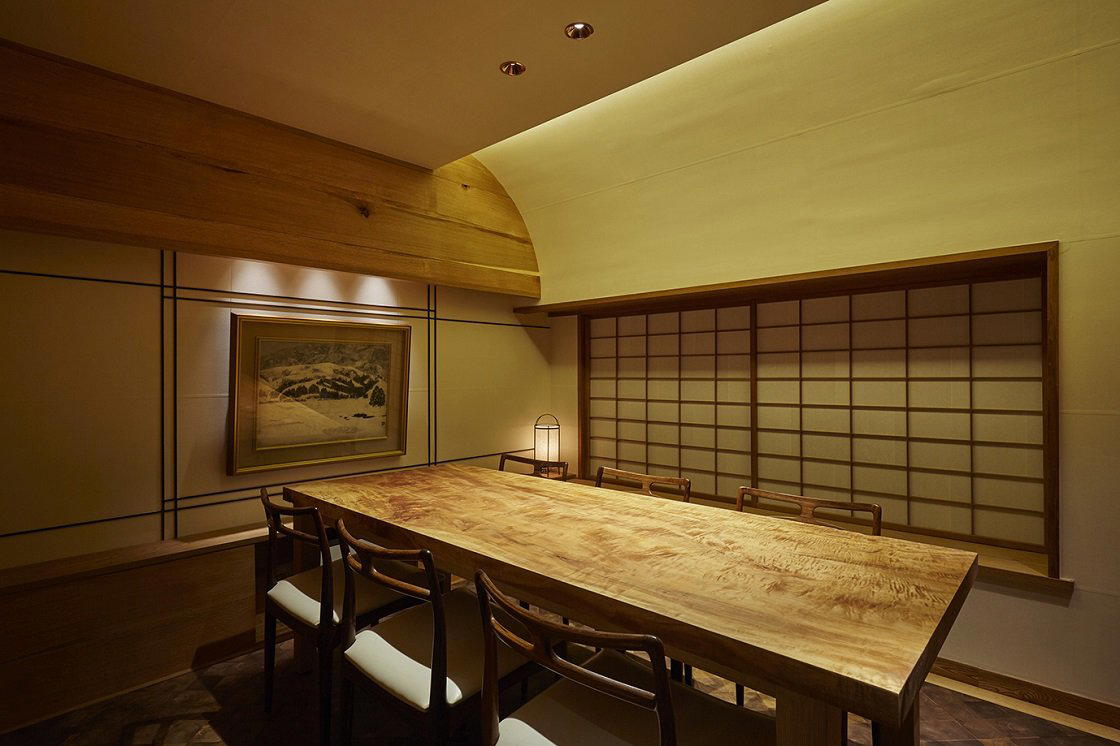
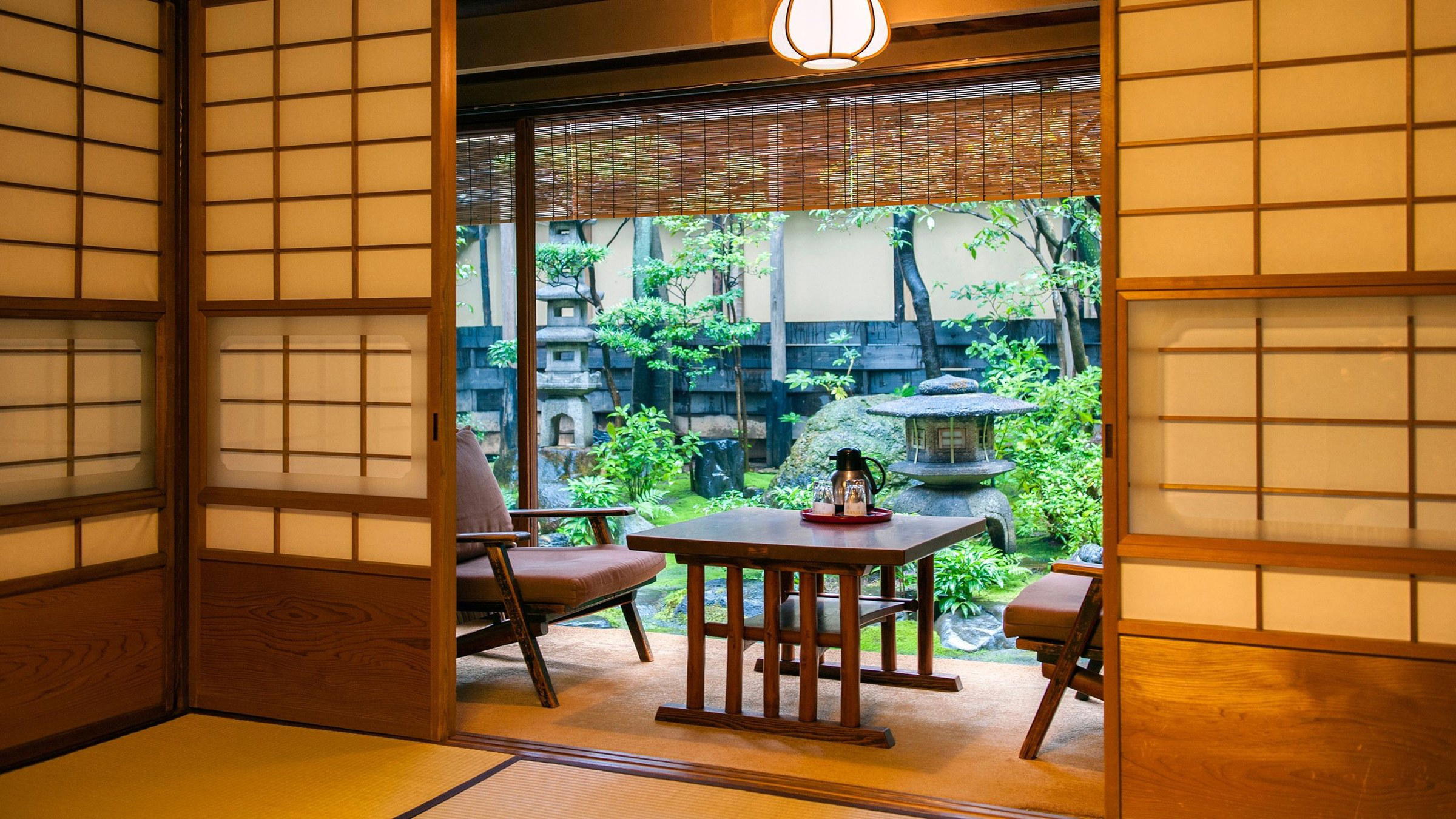
Peaceful and minimalist with simple, stylish design, no music, and a serene, relaxing atmosphere.