.png)
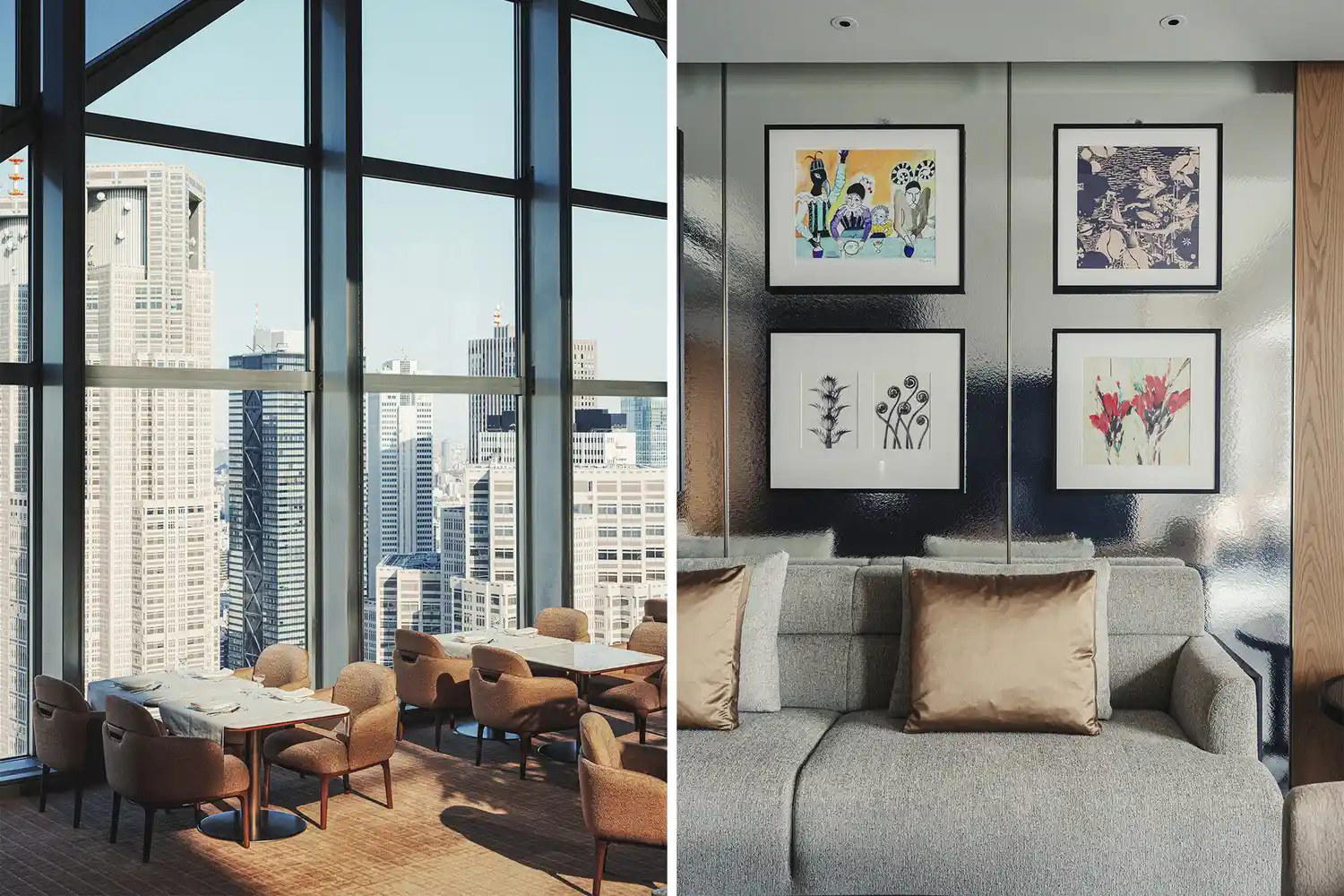
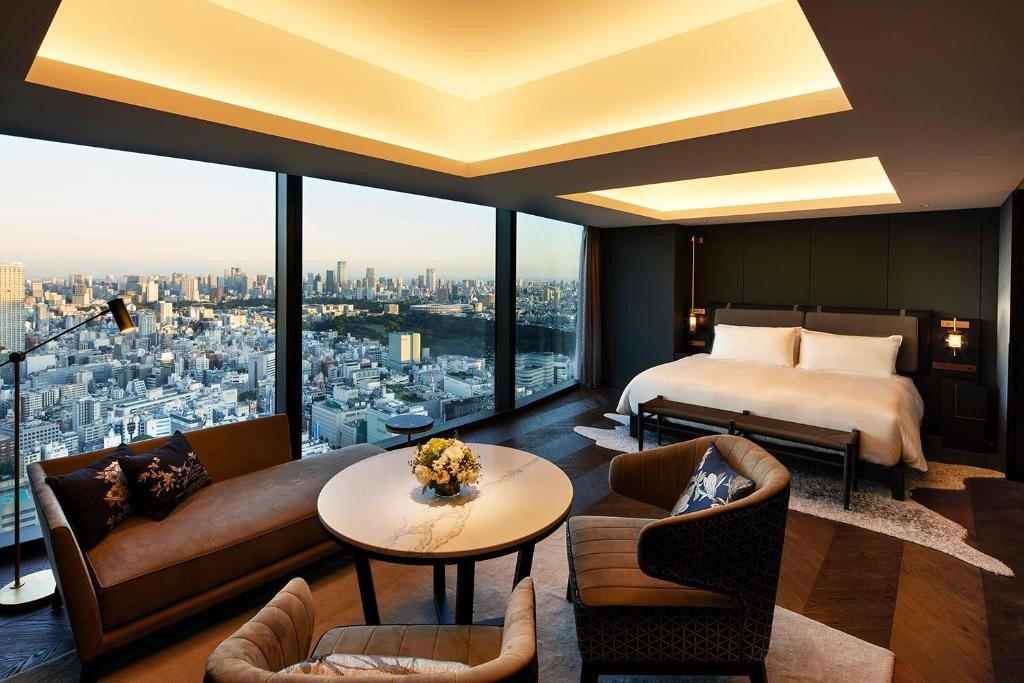
At Jeeten, refinement unfolds as a quiet revelation, an elegant sanctuary where seasonal artistry, meticulous technique, and gracious hospitality converge. The experience centers on a curated tasting journey, each course composed with a jeweler’s precision and presented with unhurried confidence, from pristine seafood and heirloom vegetables to rare, dry-aged selections. Candlelit textures and hushed acoustics frame the room, while a masterful wine program and considered non-alcoholic pairings heighten every nuance. Intimate, discreet, and unmistakably modern, Jeeten invites discerning travelers to savor time, terroir, and the rare pleasure of being exquisitely looked after.
 Discover on Pearl
Pearl is the En Primeur Club membership app — saves, bookings, and concierge access live there. Same editors, same standards.
- Address
- 3 Chome-2-3 Nishihara, Shibuya, Tokyo 151-0066, Japan
- Phone
- +81 3-3469-9333
- Website
- gekh800.gorp.jp
Classics on the Stereo, Medicinal Logic on the Menu
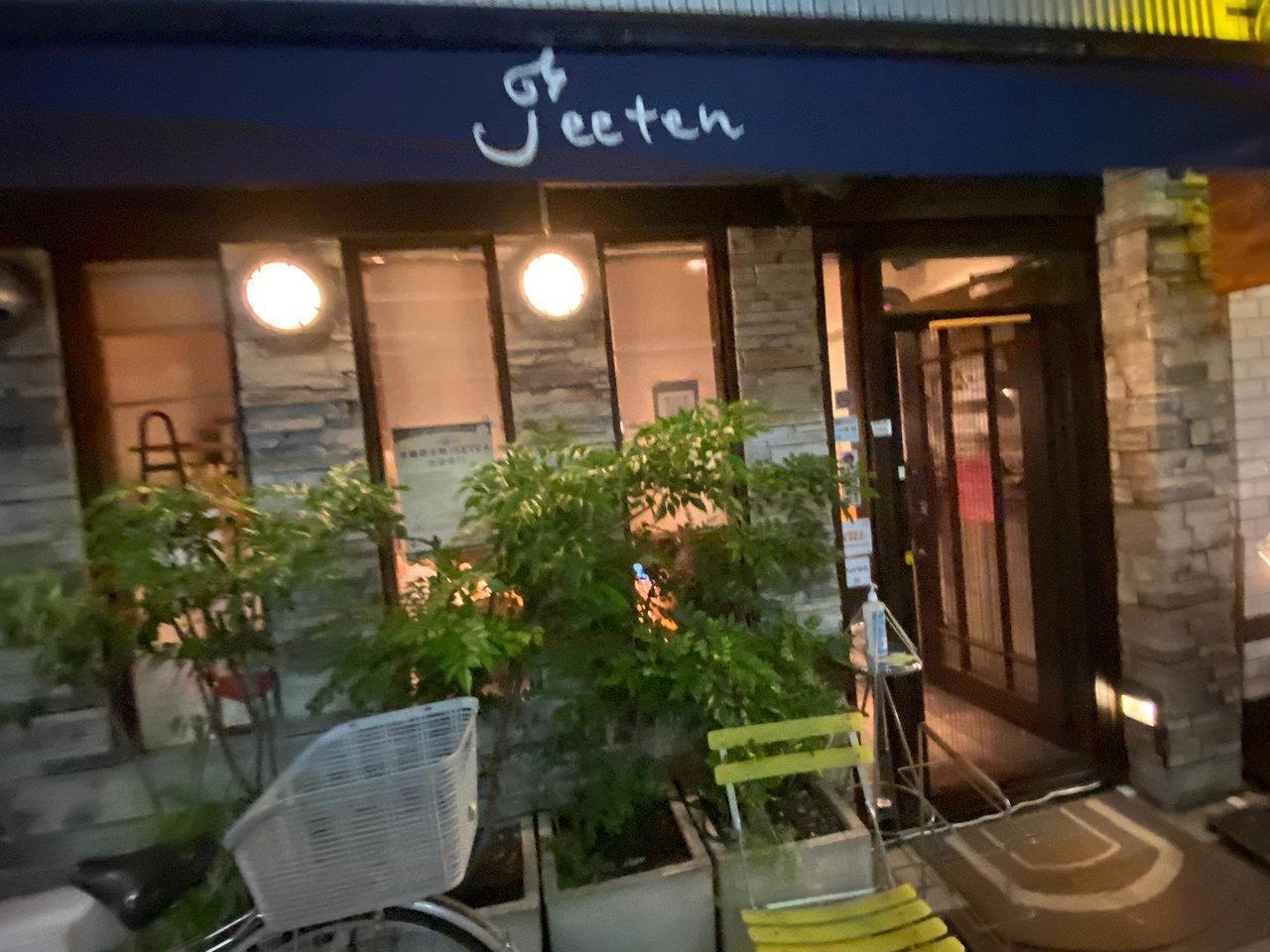
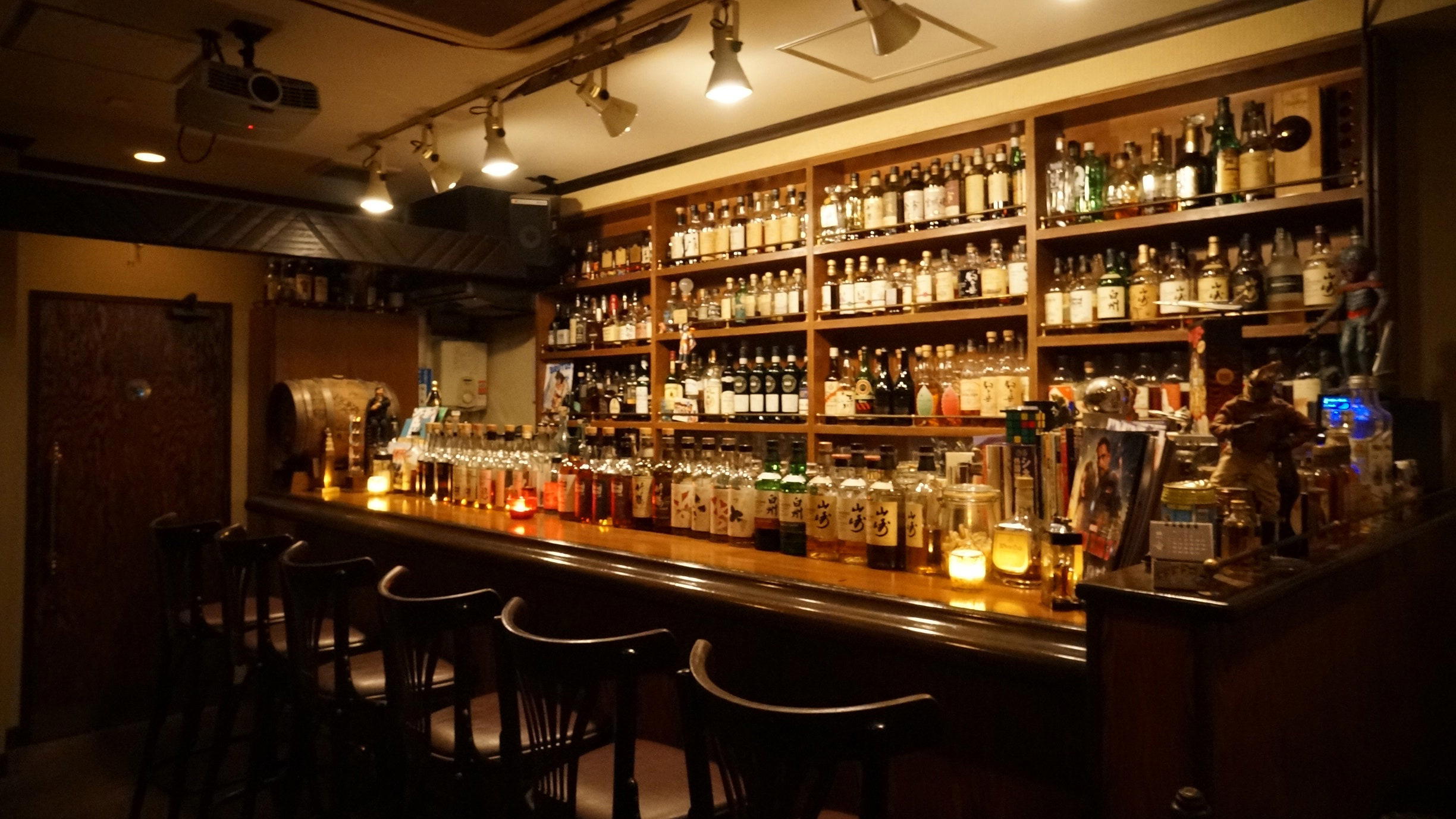
Walk into Jeeten on a quiet Nishihara side street in Shibuya and the first thing you register is sound: The Beatles, or something from the same era, playing at a volume that says neighbourhood restaurant rather than destination dining. The room does not announce itself. That lack of ceremony is deliberate, and it sets the terms of what follows. This is Chinese home cooking as a considered, restorative practice, not a performance.
The billboard outside reads "Chinese home cooking, Yoshida style", a declaration that positions the kitchen firmly within a specific domestic Chinese tradition rather than the Cantonese banquet or Sichuan bravado registers that dominate Tokyo's higher-end Chinese rooms. The framing matters: Yoshida-style here signals the yakuzen philosophy, the Japanese interpretation of medicinal Chinese food, in which ingredients are chosen and combined for their physiological effects as much as for flavour. At Jeeten, every dish on the menu carries a note explaining what it does to the body. Mapo tofu, the menu suggests, stimulates the appetite. Sweet and sour pork made with black vinegar is positioned as a remedy for fatigue. This is not decorative wellness language; it reflects a genuine culinary framework rooted in centuries of Chinese dietary medicine.
How the Meal Unfolds
The yakuzen approach gives a meal at Jeeten a narrative shape that differs from most Chinese restaurants at this price point. Rather than working through a series of independently ordered dishes in whatever sequence feels convenient, there is an implicit logic to the progression. You begin with preparations that open the palate and the digestive system, lighter, more aromatic compositions, and move toward the warming, tonifying dishes toward the end of the meal. The menu annotations make this logic legible even to first-time visitors. Reading them before ordering is worth the extra few minutes; they function as both a guide to sequencing and a primer on how yakuzen thinking translates into practical cookery.
Mapo tofu, flagged for its appetite-stimulating properties, performs accordingly: it arrives with enough heat and numbing spice to sharpen attention, the fermented bean paste base carrying depth that cheap versions of the dish rarely achieve. The black vinegar sweet and sour pork belongs later in the meal, its sourness cutting through richness and the vinegar's tonic quality landing cleanly after something more substantial. Whether you track the physiological logic as you eat or simply follow the flavour arc, the meal has a coherence that distinguishes it from standard à la carte Chinese dining.
Where Jeeten Sits in Tokyo's Chinese Scene
Tokyo's Chinese restaurant spectrum runs from the vast Cantonese institutions in Yokohama's Chinatown to the high-ticket formal rooms in central Tokyo, some of which push into the ¥¥¥¥ tier occupied by the city's three-Michelin-star Japanese houses. Jeeten operates at a different scale entirely. The Michelin Bib Gourmand awarded in 2024 places it in the category of restaurants delivering notable quality at a moderate price, the ¥¥ bracket confirming that the kitchen is not trading on rare imported ingredients or elaborate technique for its own sake.
For comparison, consider where this sits against Tokyo's higher-register Chinese rooms. Chugoku Hanten Fureika and Chugoku Hanten Kohakukyu (Amber Palace) represent the grander, more ceremonially Chinese end of the city's dining map. Ippei Hanten offers another reference point in the mid-range Chinese space. Jeeten's yakuzen orientation puts it outside those competitive sets entirely; it is not trying to win on luxury or spectacle, but on coherence of concept and the specific trust that comes from medicinal-food traditions with real philosophical grounding.
Outside Tokyo, the same question of what Chinese cuisine becomes when filtered through a local lens appears in very different forms. Restaurant Tim Raue in Berlin and Mister Jiu's in San Francisco both represent Chinese cooking reinterpreted through non-Chinese cultural contexts. Jeeten's version of that reinterpretation is the most internally consistent: yakuzen is a Japanese practice, but its roots are in Chinese dietary medicine, so the kitchen is working with a tradition that already crossed a cultural border centuries ago.
The Neighbourhood and Why It Matters
Nishihara sits at the quieter western edge of Shibuya, away from the pedestrian crossings and tower blocks that define the ward's public image. The residential character of the streets around 3 Chome-2-3 is part of what makes a neighbourhood restaurant like Jeeten possible: there is a local clientele that returns regularly, which in turn supports the kind of menu continuity that medicinal-food cooking requires. Yakuzen is not well served by trend-chasing or seasonal reinvention for its own sake; its authority comes from consistency and accumulated trust. The address locates the kitchen in exactly the kind of environment where that trust can develop.
If you are building a broader Tokyo itinerary around food that sits outside the conventional fine-dining circuit, itsuka and Koshikiryori Koki both operate in registers where conceptual clarity matters more than price. Our full Tokyo restaurants guide maps the city's full range, from Gion Sasaki in Kyoto-calibre kaiseki houses to accessible neighbourhood rooms like this one. For those extending the trip, HAJIME in Osaka, akordu in Nara, Goh in Fukuoka, 1000 in Yokohama, and 6 in Okinawa represent the breadth of what Japan's regional dining scene covers beyond the capital.
Nearby-ish Comparables
Comparable venues nearby, for context on price, style, and recognition.
| Venue | Cuisine | Price | Notes |
|---|---|---|---|
| jeetenThis venue — the venue you are viewing | Healthy Chinese Yakuzen | $$ | |
| Chugokusai Kan | Modern Chinese with Cantonese Roasted Specialties | $$ | Meguro |
| Meishan | Refined Sichuan | $$$ | Arakawa |
| O2 | Creative Modern Chinese | $$$ | Kōtō |
| grill GRAND | Traditional Yoshoku (Japanese-Western) | $$ | Taitō |
| Canton Meisai Akasaka Rikyu | Authentic Cantonese | $$$ | Minato |









At a Glance
- Cozy
- Modern
- Elegant
- Family
- Casual Hangout
- Corkage Allowed
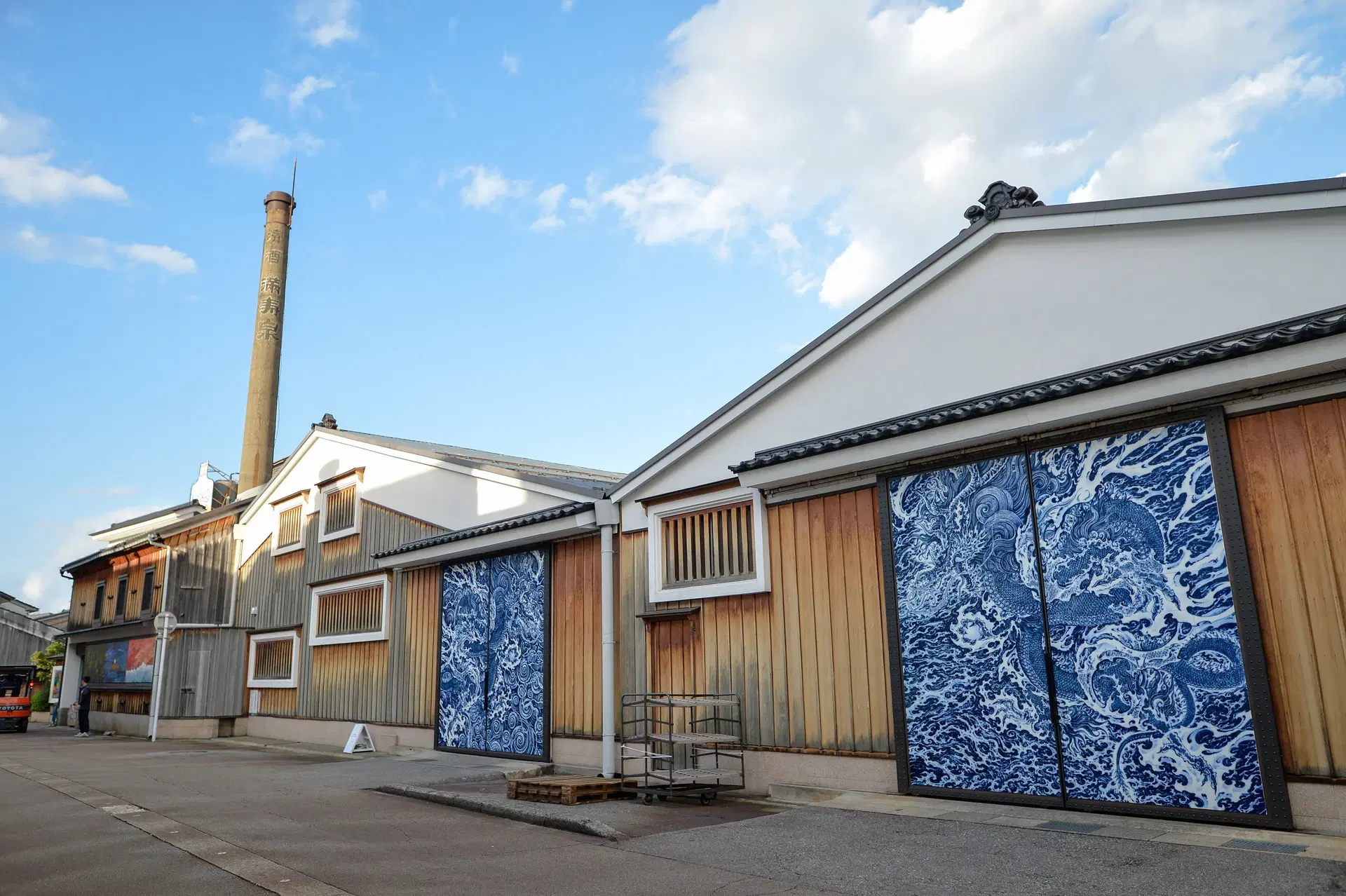
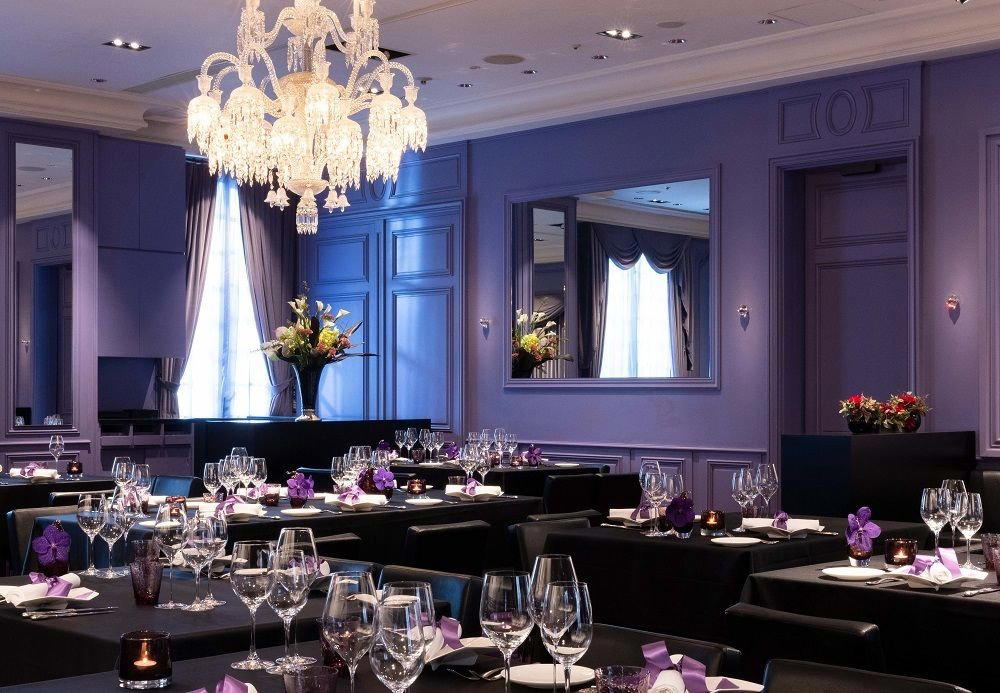
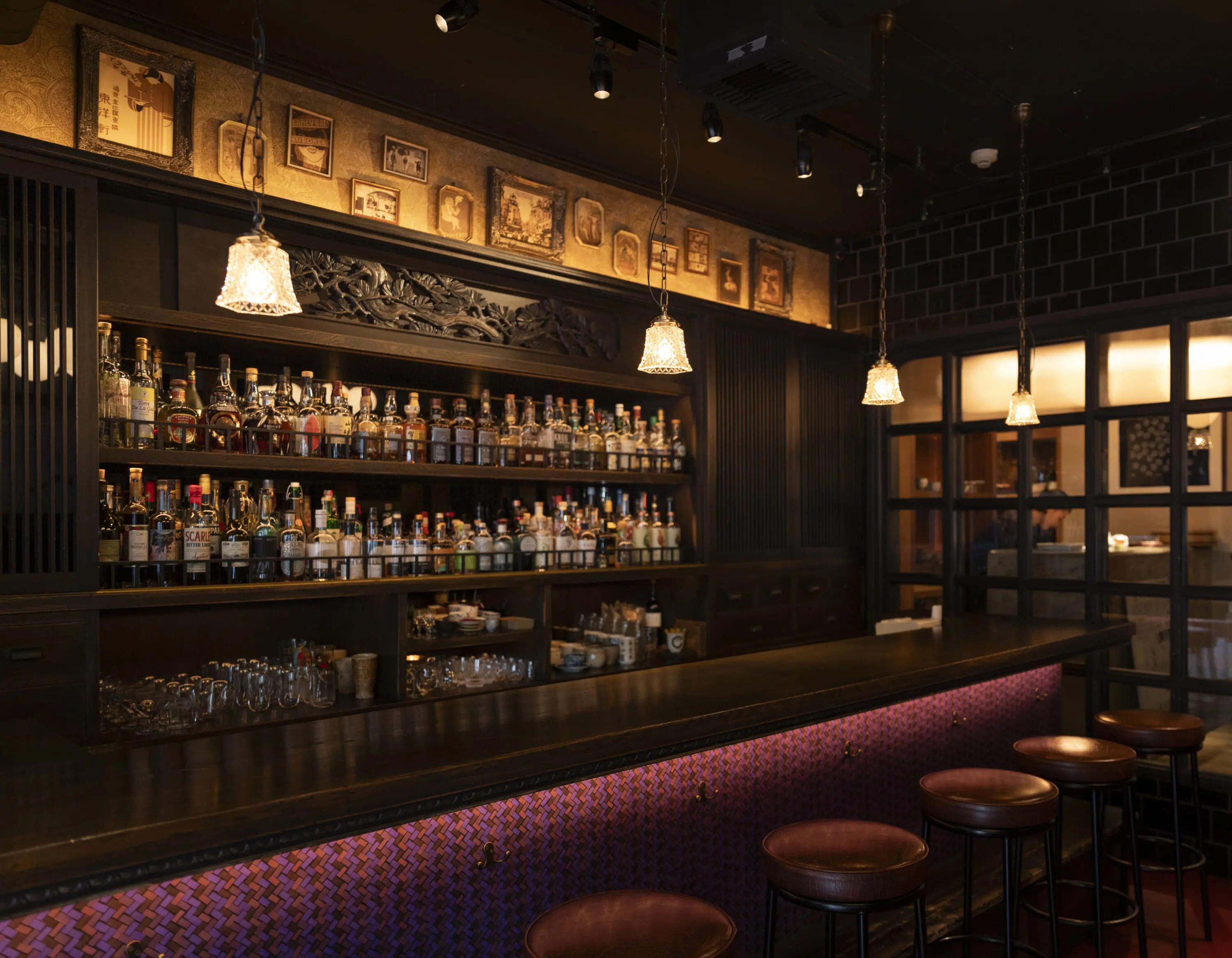
Warm, inviting atmosphere with stylish decor, counter seating, soft lighting, and classic music like The Beatles playing in the background.