

Michelin Plate · Tabelog 100 #40
Our verdict
Canton Meisai Akasaka Rikyu holds a Michelin Plate (2025) for orthodox Cantonese cooking in Tokyo's Akasaka business district. The kitchen centres on seafood, dim sum, and grilled items, whole-steamed grouper, siu mai, and steamed gyoza among the standout preparations. At ¥¥¥ pricing, it sits in a tier that demands consistency, and by critical measure it delivers.

Pearl is the En Primeur Club membership app, where members save venues, book tables and use the concierge.

The menu
What to order
- Whole-steamed grouper
- Siu mai
- Steamed gyoza
- Sharks fin
Cantonese Cooking in a Corporate Tower, and Why That Contrast Works
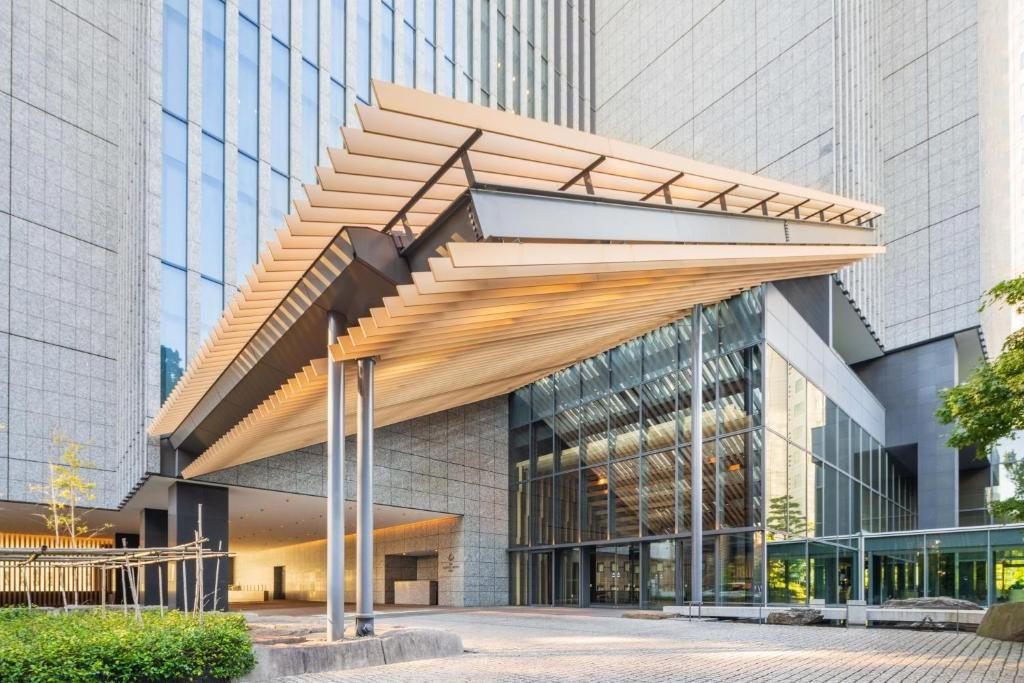
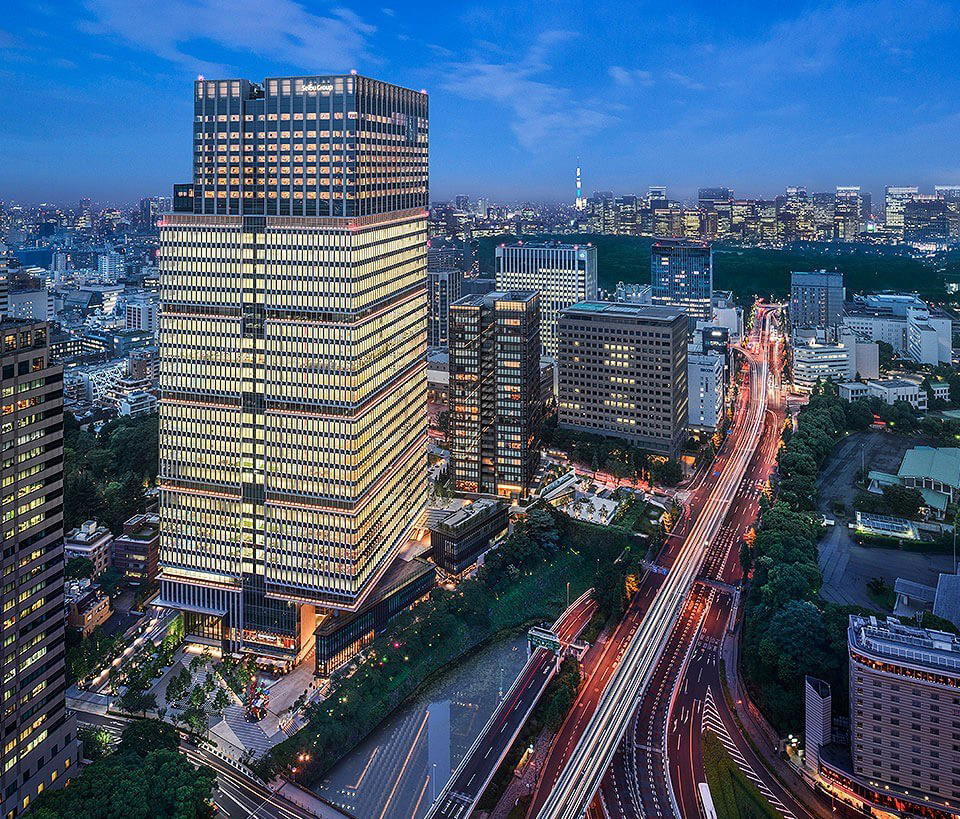
Akasaka's dining identity is built around the business meal: expense-account kaiseki, executive sushi counters, and the kind of formal French rooms that host ministerial lunches. Inside the atrium of Akasaka Biz Tower, Canton Meisai Akasaka Rikyu occupies a slightly different register. The tower surroundings signal convenience and polish; the cooking inside signals something more deliberate. Cantonese cuisine at this level of seriousness is not common in Tokyo, and the 2025 Michelin Plate recognition places it inside a narrow set of Chinese restaurants the Guide considers worth tracking.
Tokyo's Chinese restaurant scene has long been divided between casual neighbourhood ramen and gyoza houses on one end and a handful of formally recognised Cantonese or Shanghainese rooms on the other. The middle tier, credentialed, consistent, priced for the business dining circuit, is smaller than it should be given the city's appetite for the cuisine. Canton Meisai Akasaka Rikyu sits in that middle tier, with a price range of ¥¥¥ that puts it alongside respected Japanese restaurants rather than against entry-level Chinese spots. The comparison set is not casual; it is competing for the same evening as Den, where a two-Michelin-star innovative Japanese menu also runs at ¥¥¥. That is the context against which the kitchen is being measured.
What the Menu Communicates About Approach
Orthodox Cantonese cooking is defined by restraint in seasoning and precision in technique. The cuisine does not mask ingredient quality; it exposes it. Steaming, in particular, is an unforgiving preparation, there is nowhere to hide a mediocre fish when the primary cooking method is wet heat and nothing else. The decision to centre the menu on whole-steamed grouper, then, is a statement about sourcing confidence as much as culinary philosophy.
Dim sum appears alongside the seafood programme, which is consistent with how serious Cantonese kitchens operate: dim sum is not a brunch-only concession but a full expression of the kitchen's technical range. Steamed gyoza dumplings and siu mai are both listed as preparations worth attention. Siu mai, the open-topped pork and shrimp dumpling, is one of the more technically revealing items in any Cantonese kitchen, the ratio of filling to wrapper, the texture of the meat paste, and the freshness of the shrimp all register immediately. Salt stir-fry of seafood and vegetables, dried abalone, and stewed sea cucumber complete a menu that reads as a deliberate cross-section of the Cantonese canon rather than a curated-down tourist-facing selection.
Dried abalone and sea cucumber are both labour-intensive preparations that require extended soaking and slow-cooking before service. Their presence on the menu is a signal about kitchen discipline and the willingness to execute dishes that have little margin for shortcut. In Hong Kong, these preparations appear on the menus of the city's most serious Cantonese rooms, and their inclusion here situates the kitchen within that tradition rather than a simplified export version of it.
Critical Reception and What the Michelin Plate Signals
The Michelin Plate, introduced by the Guide to recognise restaurants serving food of good quality that fall just outside star consideration, carries a specific meaning in Tokyo's context. The city's Michelin guide covers more restaurants than any other city in the world, which means the Plate designation is awarded against an unusually competitive field. Receiving it in 2025 confirms that the kitchen is operating at a level the Guide's inspectors consider worth recommending, even if the full star criteria, which weigh consistency across multiple visits, product quality, and mastery of technique, have not yet been fully met.
For Cantonese cuisine specifically, the recognition matters because the genre is historically underrepresented in Tokyo's formal critical recognition relative to its presence in Hong Kong, Guangzhou, and London. Restaurants like Chugoku Hanten Fureika and Chugoku Hanten Kohakukyu (Amber Palace) have established that serious Chinese cooking can sustain formal recognition in Tokyo. Canton Meisai Akasaka Rikyu's Plate places it in that emerging critical conversation. The kitchen's stated goal, to serve cooking that can stand with what Hong Kong offers, is an ambitious benchmark, and the Michelin recognition suggests it is not an empty one.
Chef Hikoaki Tan is named in the venue's critical context, with the notation that the cooking testifies to the kitchen's passion for the form. At a ¥¥¥ price point, the expectation from any diner familiar with Tokyo's dining circuit is that execution is consistent across the menu, not merely on headline dishes.
Akasaka as a Dining Neighbourhood
Akasaka occupies a specific position in Tokyo's dining geography. It sits between the political weight of Nagatacho and the entertainment density of Roppongi, which means it draws a different crowd than either: politicians, executives, media professionals, and international business visitors who want serious cooking without the self-conscious atmosphere of some Ginza rooms. The neighbourhood's Chinese dining options have historically been thinner than its Japanese and French offerings, which makes the presence of a Michelin-recognised Cantonese kitchen more significant at the district level than it might be in Shinjuku or Yokohama, where Chinese restaurant density is higher.
For visitors building a broader Tokyo itinerary, the EP Club guides cover the full range: Our full Tokyo restaurants guide, Our full Tokyo hotels guide, Our full Tokyo bars guide, Our full Tokyo wineries guide, and Our full Tokyo experiences guide provide coverage across categories. For those travelling across Japan, comparable critical reception can be found at HAJIME in Osaka, Gion Sasaki in Kyoto, akordu in Nara, Goh in Fukuoka, 1000 in Yokohama, and 6 in Okinawa. For those comparing how Cantonese and Chinese-influenced cooking is handled in other major cities, Restaurant Tim Raue in Berlin and Mister Jiu's in San Francisco offer instructive points of reference, as do Tokyo peers Ippei Hanten, itsuka, and Koshikiryori Koki.
Know Before You Go
- Location: Akasaka Biz Tower Atrium 2F, 5-3-1 Akasaka, Minato City, Tokyo 107-6302
- Price range: ¥¥¥ (mid-to-upper tier; comparable to serious Japanese restaurants in the same neighbourhood)
- Recognition: Michelin Plate 2025
- Cuisine focus: Orthodox Cantonese, seafood, dim sum, grilled items, abalone, sea cucumber
Frequently asked questions
What's Canton Meisai Akasaka Rikyu known for in terms of accolades?
Canton Meisai Akasaka Rikyu has received recognition including: This Chinese restaurant has been preaching the gospel of Cantonese cuisine for years. The richly-varied bill of fare centres around seafood, grilled items and dim sum, with whole-steamed grouper being worthy of note. Don’t pass up the steam….
What part of town is Canton Meisai Akasaka Rikyu in?
Canton Meisai Akasaka Rikyu is located at Japan, 〒107-6302 Tokyo, Minato City, Akasaka, 5 Chome−3−1 赤坂Bizタワーatrium2F, Tokyo.
What do people recommend at Canton Meisai Akasaka Rikyu?
The whole-steamed grouper draws consistent attention as the centrepiece dish, alongside steamed gyoza dumplings and siu mai, the preparations Michelin's inspectors specifically flagged when awarding the restaurant its 2025 Plate distinction. Dried abalone, stewed sea cucumber, and the salt stir-fry of seafood and vegetables are also cited as representative of the kitchen's orthodox Cantonese approach.
What's the pricing like at Canton Meisai Akasaka Rikyu?
Pricing at Canton Meisai Akasaka Rikyu is listed as ¥¥¥.
How far ahead should I plan for Canton Meisai Akasaka Rikyu?
Akasaka runs on a corporate dining calendar, and weekday lunch and dinner windows fill quickly, particularly around month-end and during Tokyo's conference season. Given the restaurant's Michelin Plate recognition for 2025, demand at prime sittings has likely tightened; booking at least a week in advance for weekday evenings is a reasonable baseline, with more lead time advisable for weekend visits.
Cuisine and Awards Snapshot
| Venue | Cuisine | Price | Awards | Notes |
|---|---|---|---|---|
| Canton Meisai Akasaka RikyuThis venue (the venue you are viewing) | Authentic Cantonese | $50–100 | Michelin Plate · Tabelog 100 #40 | Not listed |
| Harutaka | Edo-Style Omakase Sushi | $200–300 | 3 Michelin Stars · World's 50 Best #76 | Sushi |
| RyuGin | Modern Kaiseki | $500+ | 3 Michelin Stars · World's 50 Best #41 | Kaiseki, Japanese |
| L'Effervescence | Modern French with Japanese Influences | $200–300 | 3 Michelin Stars · World's 50 Best #69 | French |
| HOMMAGE | Modern French with Japanese Influences | $150–200 | 2 Michelin Stars · World's 50 Best #78 | Innovtive French, French |
| MAZ | Innovative Peruvian-Japanese Fusion | $150–200 | 2 Michelin Stars · World's 50 Best #28 | Innovative |
Recognition history
Dated appearances from independent guides and award organizations, with the underlying list record or original source where available.
Michelin Plate
Michelin
Tabelog 100 #40 · No. 40
Tabelog · Tabelog 100 - Chinese cuisine - TOKYO - 2026
Full recognition history (3 entries)
Michelin Plate
Michelin
Continue exploring
More in Tokyo
Restaurants in Tokyo
All restaurants in Tokyo →

Bars in Tokyo
All bars in Tokyo →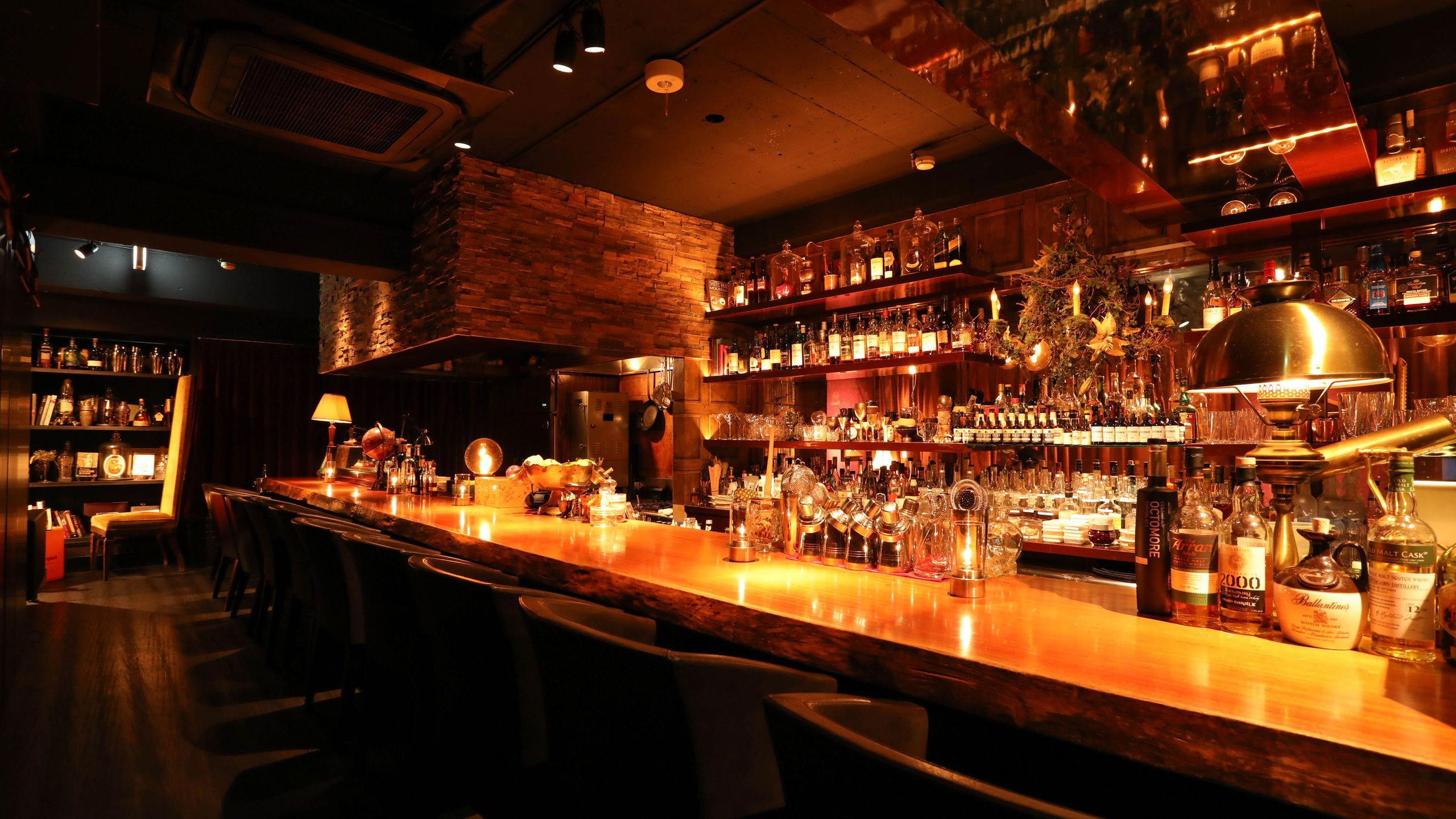

Details
- Elegant
- Sophisticated
- Modern
- Business Dinner
- Special Occasion
- Private Event
- Private Dining
- Sake Program
- Street Scene
- A La Carte
- Set Menu
- Vegetarian Friendly
Current opening hours
- Monday
- 11:30 AM–3 PM, 5:30–10 PM
- Tuesday
- 11:30 AM–3 PM, 5:30–10 PM
- Wednesday
- 11:30 AM–3 PM, 5:30–10 PM
- Thursday
- 11:30 AM–3 PM, 5:30–10 PM
- Friday
- 11:30 AM–3 PM, 5:30–10 PM
- Saturday
- 11:30 AM–3 PM, 5:30–10 PM
- Sunday
- 11:30 AM–3 PM, 5:30–10 PM
Hours can change for holidays and private events. Hours as of .
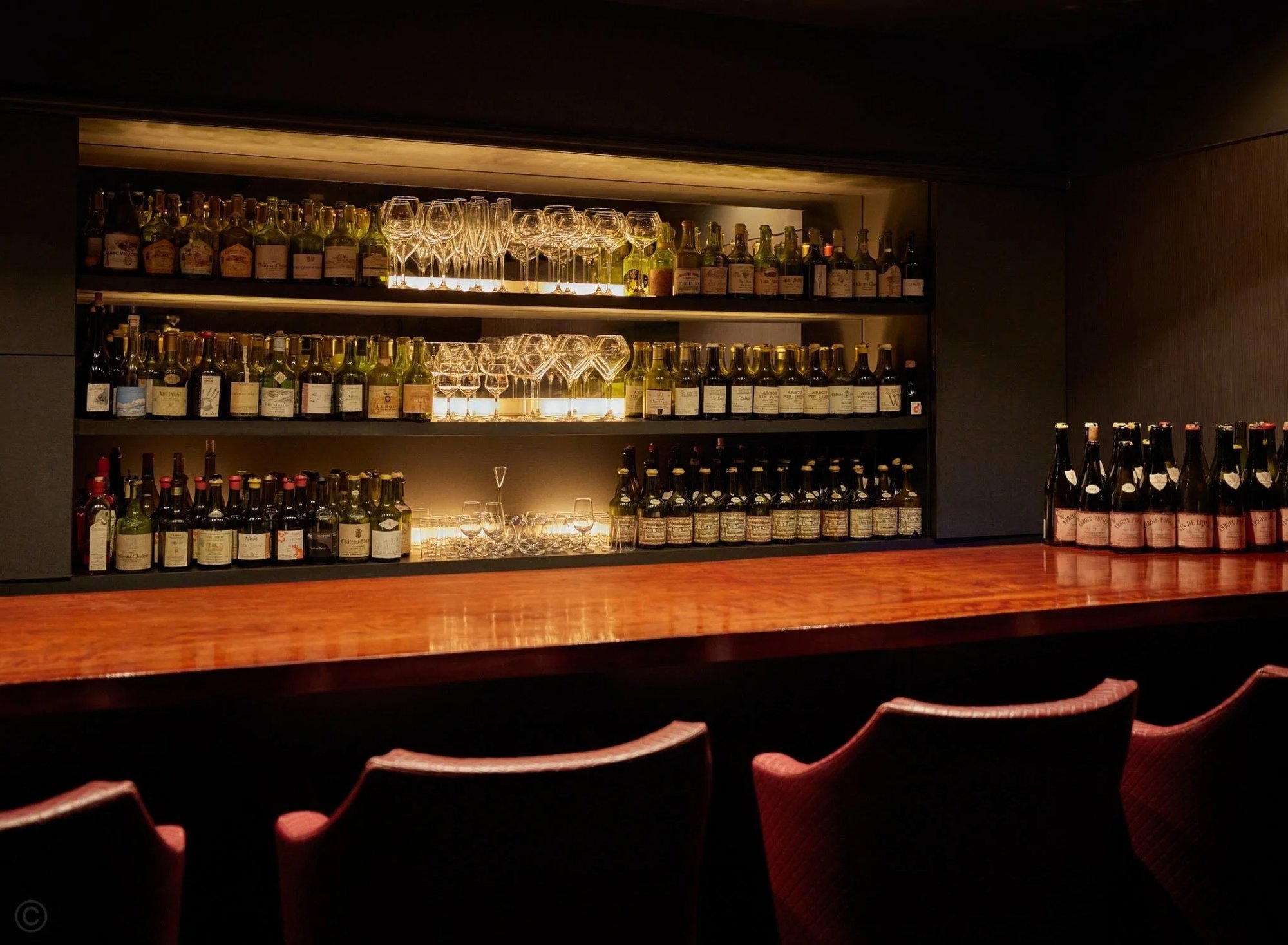
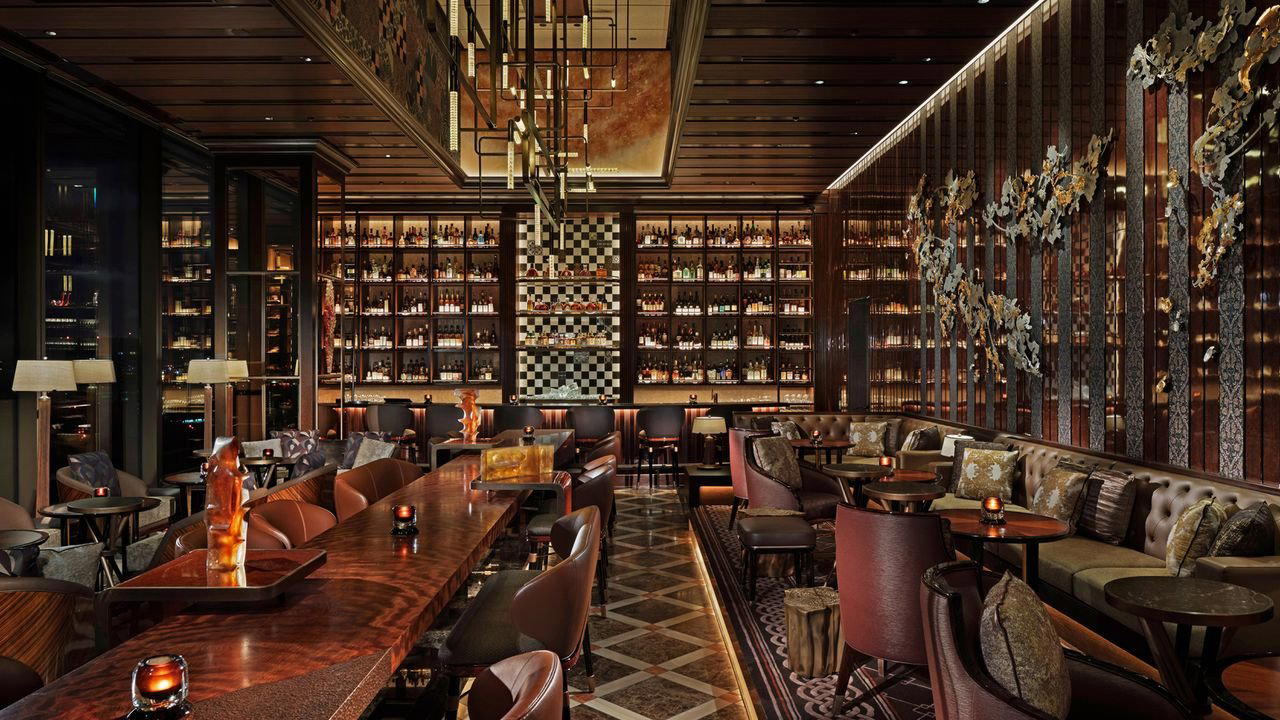
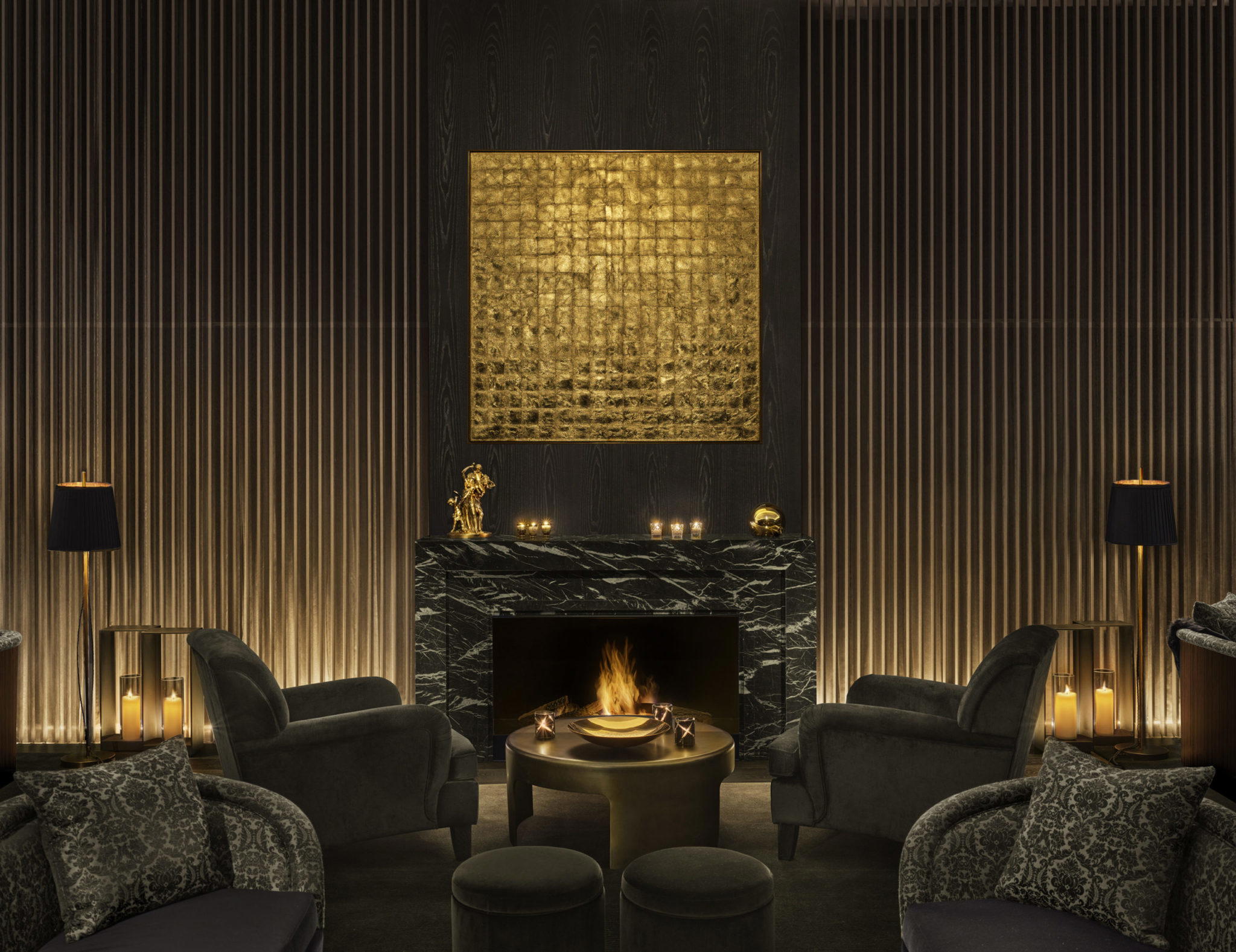
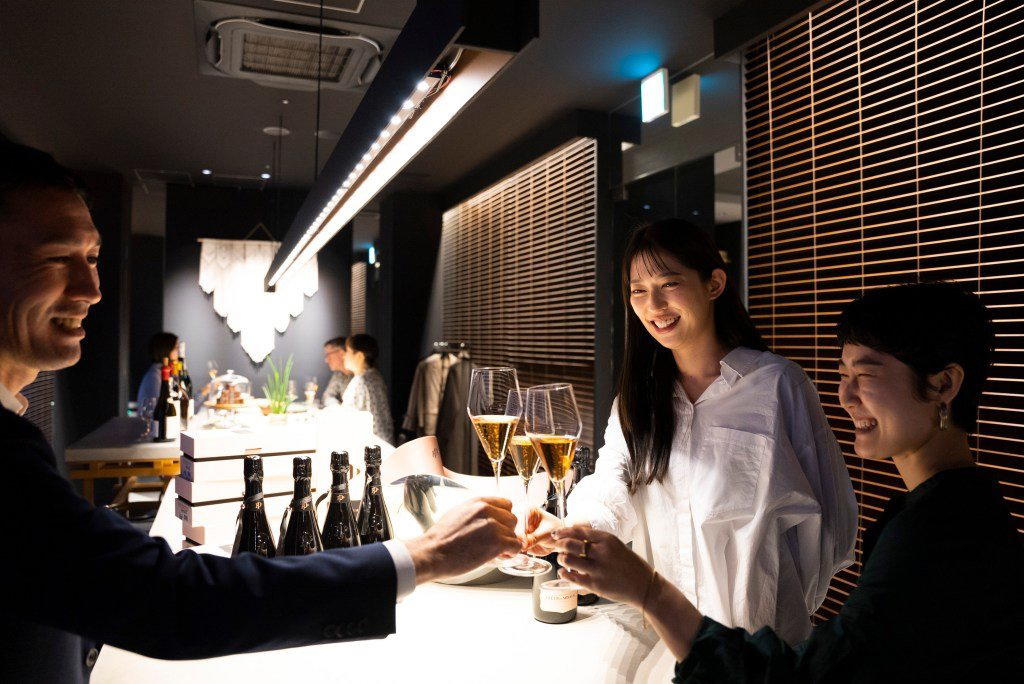
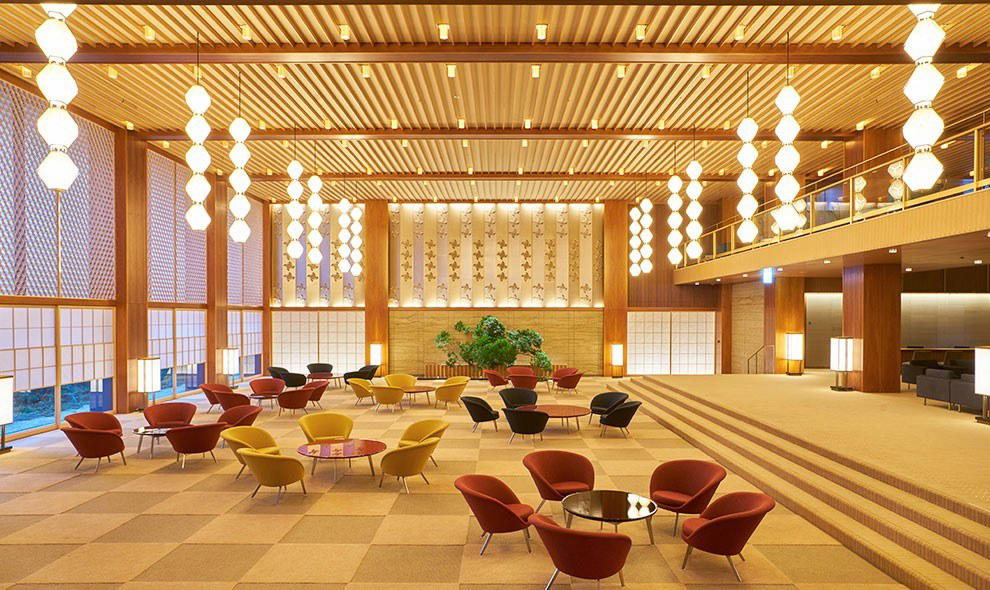
Elegant yet understated with soft lighting, meticulous table settings, and a calm, confident hush.