

グリル グランド sits in Asakusa's older dining corridor, where yoshoku tradition, Japan's Western-influenced cooking adapted over a century of urban restaurant culture, still holds ground against the city's newer tasting-menu wave. The room operates through close coordination between kitchen and floor, a format that suits the neighbourhood's unhurried pace. Readers exploring Tokyo's broader dining range will find it a useful counterpoint to Ginza's high-pressure omakase circuit.
Pearl is the En Primeur Club membership app — saves, bookings, and concierge access live there. Same editors, same standards.
- Address
- 3 Chome-24-6 Asakusa, Taito City, Tokyo 111-0032, Japan
- Phone
- +81338742351
- Website
- grill-grand.business.site
- Directions
- Get directions
 Saves & bookings on Pearl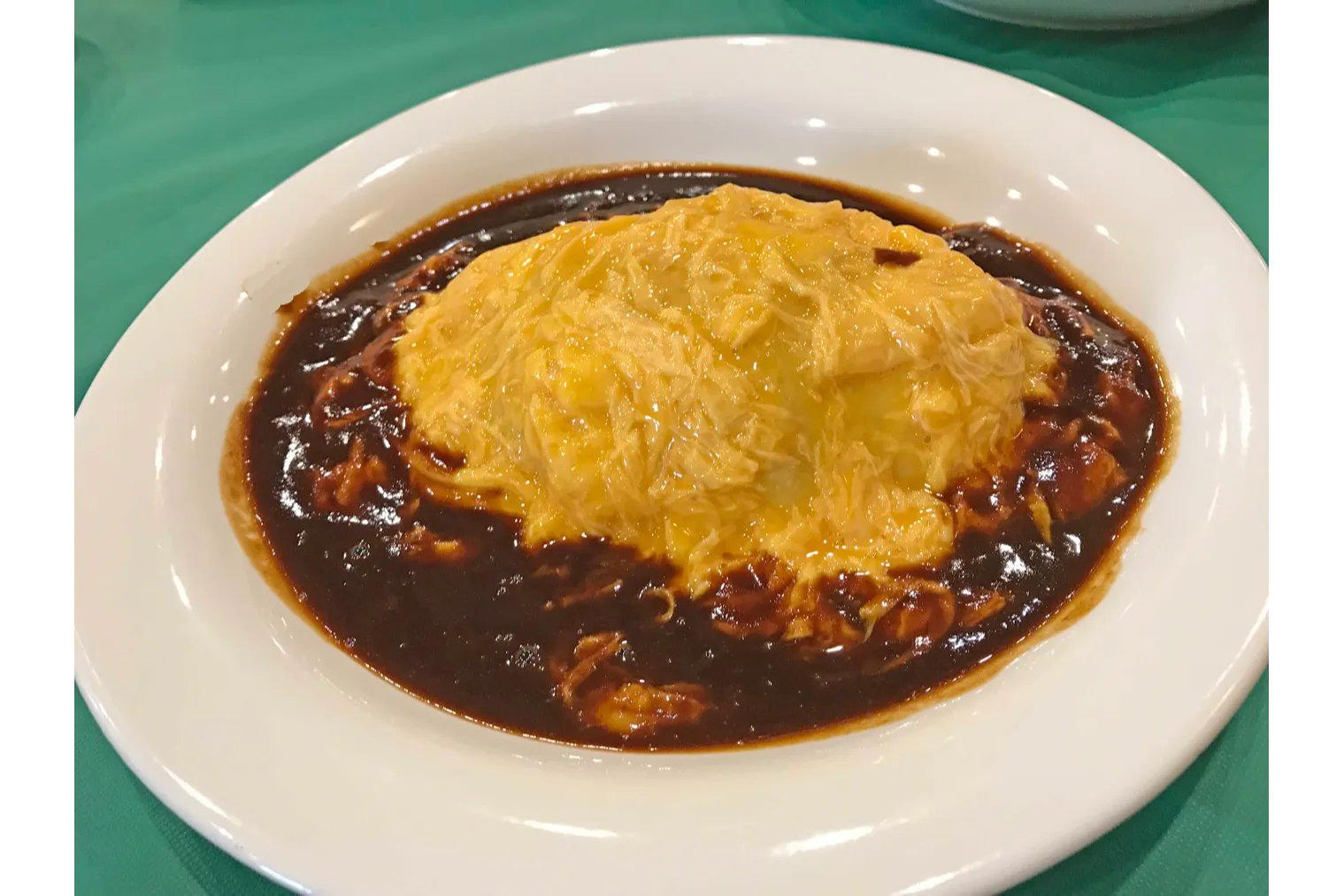
Asakusa and the Yoshoku Tradition
Tokyo's dining conversation tends to concentrate on Ginza, Minami-Aoyama, and Nishi-Azabu. Asakusa operates on a different register. The neighbourhood's restaurant culture is older, more neighbourhood-facing, and shaped as much by the tastes of the shitamachi, the old low-city districts, as by the ambitions of any single generation of chefs. Grill restaurants in Asakusa carry that inheritance directly: they belong to the yoshoku tradition, a cooking mode that absorbed European techniques during the Meiji and Taisho eras and adapted them so thoroughly over a century that the results now read as distinctly Japanese rather than European at all.
グリル グランド, at 3 Chome-24-6 Asakusa in Taito City, sits inside that tradition. The address places it in a part of eastern Tokyo where the dining pace is slower than the city's high-traffic restaurant districts, and where regulars still matter more than algorithm-driven foot traffic.
What Yoshoku Actually Means at the Table
The yoshoku format is not fusion in any contemporary sense. It is a settled culinary genre with its own canon: omurice, hayashi rice, beef stew, hamburger steak, tonkatsu prepared with Western-adjacent logic, demi-glace sauces that have been refined across kitchen generations. At the better grill rooms, these dishes are executed with the same seriousness that a kaiseki kitchen applies to dashi. The comparison is instructive: both formats prize technique over novelty, and both reward kitchens that resist the temptation to modernise for its own sake.
Across Tokyo, particularly respected yoshoku establishments have remained largely insulated from the renovation cycle that periodically resets the city's higher-profile restaurant districts. That insularity is partly geographical, Asakusa does not attract the same investor attention as Roppongi or Azabudai, and partly cultural. The clientele at a serious grill room tends to be loyal, local, and more interested in consistency than discovery. That dynamic shapes how kitchens staff and train, and it shapes what front-of-house teams prioritise when they read a room.
The Team Framework: Kitchen, Floor, and the Rhythm Between Them
In a restaurant category defined by repetition and refinement rather than seasonal reinvention, the collaboration between kitchen and floor takes on particular weight. At the yoshoku grill, the menu does not change dramatically from month to month. What changes, and what distinguishes the better rooms from the merely competent ones, is the quality of reading the table: knowing when to pace courses, when a regular wants the room to feel like a private dining room and when a first-time visitor needs the menu explained from first principles.
This kind of floor intelligence is not incidental. It is structural. The leading grill rooms in Tokyo train front-of-house teams to function as the primary point of differentiation precisely because the kitchen is executing a stable repertoire. The sommelier's role, where wine is on offer at all, is similarly calibrated: pairing a demi-glace-based dish or a rich tonkatsu with the right pour requires understanding the sauce architecture of each dish, not just the grape variety. These are kitchens where the team dynamic, rather than a single headline chef, carries the experience.
The yoshoku grill room achieves a different version of that coordination, built around depth of execution rather than breadth of curation.
Asakusa in the Wider Tokyo Dining Map
Understanding where Asakusa sits relative to Tokyo's other major dining corridors helps calibrate expectations and itinerary planning. The neighbourhood is most naturally paired with Yanaka and Ueno for readers spending time in eastern Tokyo. Those rooms operate at the summit of their respective categories; the Asakusa grill room operates in a different register entirely, one where category depth rather than category prestige is the relevant measure.
Readers building a Japan itinerary beyond Tokyo will find useful comparisons across the country's other dining cities. HAJIME in Osaka and Gion Sasaki in Kyoto each represent how regional dining cultures develop their own logic outside Tokyo's gravitational pull. Further afield, akordu in Nara and Goh in Fukuoka reflect how Japan's mid-sized cities are producing serious restaurant programmes with distinct regional identities. The yoshoku grill in Asakusa is part of a different conversation: one about what Tokyo's neighbourhood dining culture looks like when it is not performing for the international food press.
Readers who want international comparison points may find it useful to consider how team-driven room management operates at high-performing rooms elsewhere: Le Bernardin in New York City and Atomix both demonstrate how front-of-house coordination can carry as much weight as the kitchen in rooms with stable, deeply refined menus.
Japan's broader grill and regional dining scenes are also worth tracking through notable addresses across the country.
Know Before You Go
| Detail | Information |
|---|---|
| Address | 3 Chome-24-6 Asakusa, Taito City, Tokyo 111-0032, Japan |
| Neighbourhood | Asakusa, eastern Tokyo (shitamachi district) |
| Category | Yoshoku grill room |
At-a-Glance Comparison
Comparable venues nearby, for context on price, style, and recognition.
| Venue | Cuisine | Price | Notes |
|---|---|---|---|
| グリル グランドThis venue — the venue you are viewing | Yoshoku (Japanese-style Western Cuisine) | $$ | Not listed |
| 麺処くるり 市ヶ谷本店 | Miso Ramen Specialist | $$ | Ichigaya |
| Tonkatsu Maruichi (とんかつ丸一) | Tonkatsu Specialist | $$ | Fukagawa |
| Senju Takeyabu | Traditional Soba Noodle Shop | $$ | Adachi |
| Tachiataru | Standing Izakaya & Bar | $$ | Adachi |
| Agezuki | Tonkatsu (Japanese Pork Cutlet) | $$ | Shinjuku |
Recognition history
Dated appearances from independent guides and award organizations, with the underlying list record or original source where available.
Michelin Bib Gourmand
Michelin
Tabelog 100 #91 · No. 91
Tabelog · Tabelog 100 - Yoshoku - EAST - 2025
Michelin Bib Gourmand
Michelin






At a Glance
- Classic
- Cozy
- Well Known
- Family
- Casual Hangout
- Group Dining
- Standalone
- Historic Building
Current opening hours
- Monday
- Closed
- Tuesday
- 11:30 AM–2 PM, 5–9 PM
- Wednesday
- 11:30 AM–2 PM, 5–9 PM
- Thursday
- 11:30 AM–2 PM, 5–9 PM
- Friday
- 11:30 AM–2 PM, 5–9 PM
- Saturday
- 11:30 AM–2 PM, 5–9 PM
- Sunday
- Closed
Hours can change for holidays and private events. Last verified .
Warm, nostalgic Showa-era atmosphere with family-owned charm and attentive service; simple but inviting setting that reflects Tokyo's traditional neighborhoods.