

Michelin Plate · Tabelog 100 #31
Our verdict
A Michelin Plate-recognised address in Koto City, O2 operates in the space between Chinese tradition and Tokyo's ingredient culture. Chef Otsu's framework applies Chinese technique and seasoning to Japanese and Western produce, producing a menu that sits outside easy category definitions. The ¥¥ pricing places it well below the capital's top-tier tasting counters, making it one of the more accessible entries in Tokyo's serious Chinese dining conversation.

Pearl is the En Primeur Club membership app, where members save venues, book tables and use the concierge.
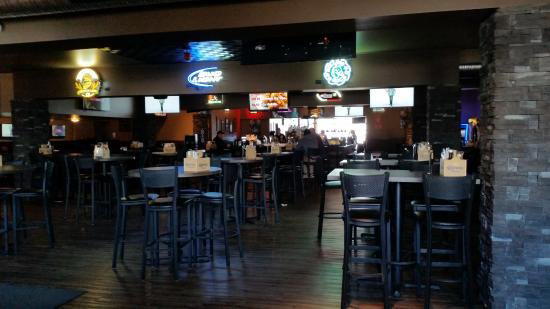
The menu
What to order
- Whole-braised shark fin
- Cherry shrimp toast
- Roast pork
Where Chinese Technique Meets Tokyo's Ingredient Culture
Tokyo's Chinese restaurant scene covers more ground than most visitors expect. At one end sit the Cantonese banquet houses and regional specialists that have served the city's Chinese community for generations. At the other, a smaller cohort of chef-driven addresses has spent the past decade reframing what Chinese cuisine means in a Japanese context, absorbing local produce, Western influences, and the precise technical discipline that Tokyo dining broadly demands. O2, in Koto City's Miyoshi district, belongs to that second group. It holds a Michelin Plate (2024) and operates at the ¥¥ price tier, placing it well below the rarefied counters of Ginza or Minami-Aoyama while engaging with a similar level of culinary seriousness.
A Framework Built on Chinese Elements, Not Chinese Borders
The editorial challenge with Tokyo's hybrid Chinese kitchens is that the cuisine label rarely captures what is actually happening on the plate. The meaningful distinction is not whether a dish is Sichuanese or Shanghainese but whether the chef is applying Chinese logic, which means specific approaches to heat, seasoning, and texture, to ingredients that arrive from outside that tradition. That is the operative principle at O2. Chef Otsu's stated framework prioritises Chinese technique and seasoning as the structural backbone while drawing freely on Japanese and Western produce. The result is a menu that defies the regional categorisations that Chinese restaurant guides typically rely on.
This approach is not without precedent internationally. At Restaurant Tim Raue in Berlin, the kitchen applies Chinese and Southeast Asian flavour logic to European ingredients. At Mister Jiu's in San Francisco, Cantonese tradition is reread through a Northern California lens. O2 occupies a comparable position in Tokyo, where the local ingredient culture is arguably the most demanding in the world, and where the gap between Chinese tradition and Japanese produce creates productive tension rather than confusion.
Noodle Tradition and the Chinese Kitchen's Structural Core
Chinese noodle craft, whether hand-pulled lamian, knife-cut daoxiao, or the thinner pulled forms associated with Lanzhou, represents one of the most technically demanding areas of the Chinese culinary tradition. The discipline of pulling or cutting noodles to order requires years of repetition to execute at a standard that Tokyo's dining public would accept, and the city has very few addresses where that craft is pursued at a serious level. Tokyo's broader ramen culture, which absorbs influences from across China's noodle regions while transforming them into something distinctly Japanese, demonstrates how productively Chinese noodle logic can travel when it passes through a kitchen operating at high technical standards.
For a kitchen like O2's, where Chinese technique is the explicit framework, noodle work sits at the conceptual centre of what makes the approach coherent. The seasoning philosophies that govern a well-built noodle broth, the balance of soy, the depth of a long-cooked stock, the sharp aromatic lift of ginger or scallion, are the same philosophies that organise a kitchen operating under Chinese logic more broadly. That coherence is what separates a kitchen genuinely working within a tradition from one simply borrowing its surface aesthetics.
Context Within Tokyo's Chinese Dining Tier
For comparative reference, the more formally positioned Chinese addresses in Tokyo, including Chugoku Hanten Fureika and Chugoku Hanten Kohakukyu (Amber Palace), operate at higher price tiers and in more conventional fine-dining formats. Ippei Hanten represents another point on the city's Chinese spectrum. O2's ¥¥ positioning is consequential: it signals that the kitchen's ambition is expressed through composition and technique rather than luxury ingredient accumulation.
The Miyoshi address in Koto City places O2 away from the obvious dining clusters. Koto is a working district east of the Sumida River, without the density of high-profile restaurants that Shinjuku, Ginza, or Minami-Aoyama carry. That geography matters. Kitchens operating in less trafficked neighbourhoods tend to earn their following through repetition and word-of-mouth rather than through location advantage, and a sustained Michelin Plate acknowledgment in that context carries a different weight than the same recognition in a high-visibility postcode.
The Interior as an Extension of the Kitchen's Logic
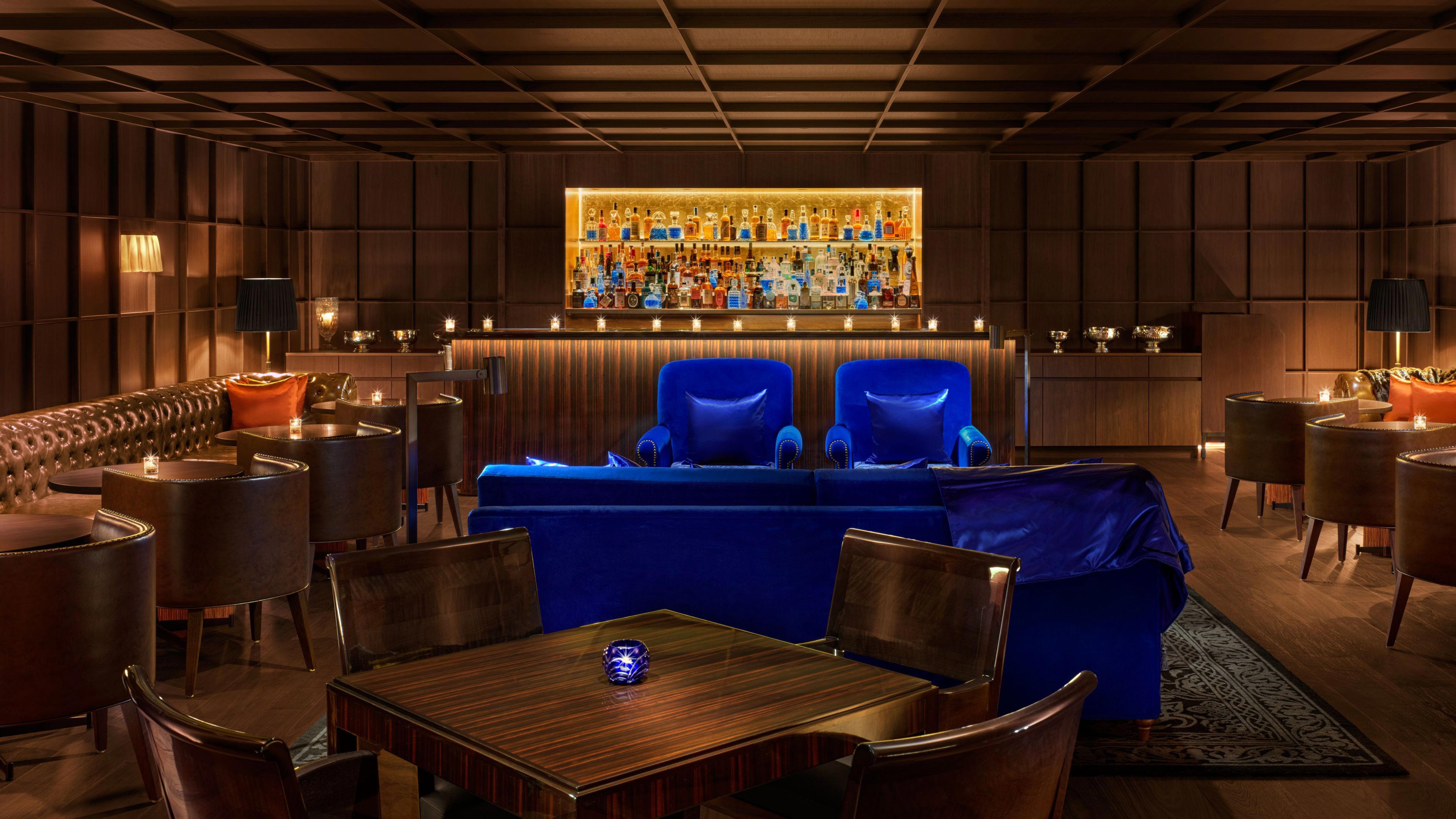
The playfulness that characterises O2's name, a phonetic pun on Chef Otsu's name rendered in Latin script, extends into the dining room, which is described as expressing a similarly playful vision. In Tokyo's more austere fine-dining rooms, where materials are typically muted and the focus is entirely on the plate, an interior with a distinct point of view is less common than the city's international reputation might suggest. The bow tie and denim apron that the chef is associated with point toward a kitchen that takes its craft seriously without performing solemnity. That distinction matters in a city where dining formality can become its own kind of convention.
For broader Tokyo context across categories, see itsuka and Koshikiryori Koki for Japanese-tradition addresses operating at a comparable level of seriousness. For the wider Japan dining picture, HAJIME in Osaka, Gion Sasaki in Kyoto, akordu in Nara, Goh in Fukuoka, 1000 in Yokohama, and 6 in Okinawa offer reference points across the country's regional dining spectrum. Our full Tokyo restaurants guide covers the broader capital picture, with additional resources for hotels, bars, wineries, and experiences in Tokyo.
Know Before You Go
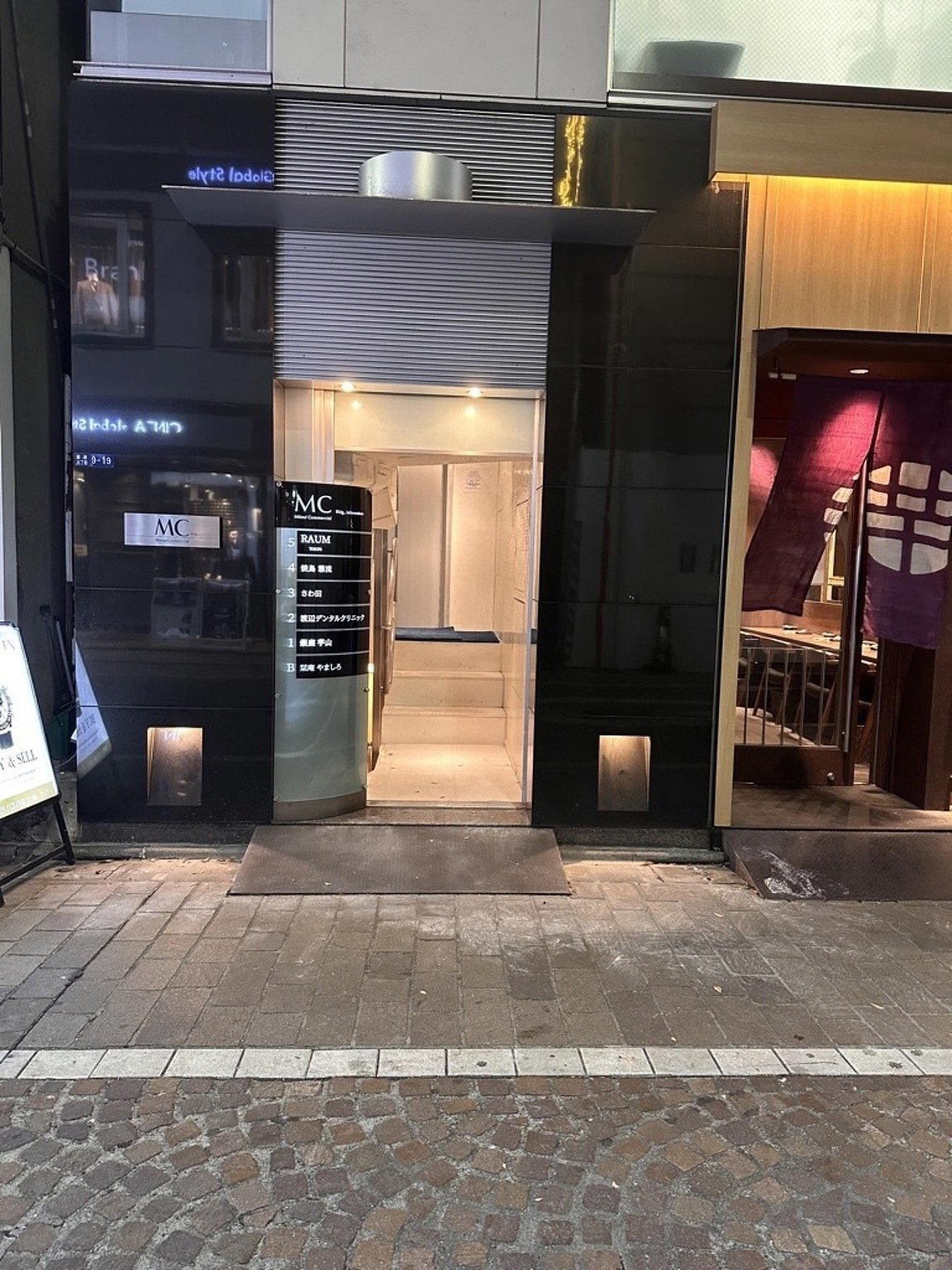
- Address: 峯岸ビル 1F, 2 Chome-15-12 Miyoshi, Koto City, Tokyo 135-0022
- Price range: ¥¥ (mid-range by Tokyo standards)
- Recognition: Michelin Plate (2024)
- Cuisine: Chinese-framework, with Japanese and Western ingredients
- District: Koto City, east of the Sumida River, away from central dining clusters; allow travel time from Shinjuku or Ginza
- Booking: Contact details not publicly listed at time of writing; check current aggregator platforms for reservation availability
- Phone / website: Not available in
Frequently asked questions
What is O2 known for?
O2 holds a Michelin Plate (2024) and is recognised for applying Chinese technique and seasoning to Japanese and Western ingredients. Chef Otsu's kitchen operates outside conventional regional Chinese categories, producing a menu that uses Chinese culinary logic as its framework while drawing on produce from beyond that tradition. The name itself, a pun on the chef's name, signals the kitchen's tone: technically grounded, not especially formal.
What dish is O2 famous for?
The venue data does not confirm specific signature dishes. The kitchen's stated approach centres on Chinese technique and seasoning applied to Japanese and Western ingredients, which in practice tends to produce menus where noodle work, broth construction, and wok technique are structural rather than incidental. Given the Chinese framework, dishes organised around those techniques are likely representative of what the kitchen does at its most characteristic, but specific menu items should be confirmed directly before visiting.
How hard is it to get a table at O2?
O2 operates at the ¥¥ tier with Michelin Plate recognition in a Koto City address that sits outside Tokyo's main dining circuits. That combination typically means demand is real but not at the level of the city's fully starred counters, where waits of several months are common.
Recognition, Side-by-Side
| Venue | Cuisine | Price | Awards | Notes |
|---|---|---|---|---|
| O2This venue (the venue you are viewing) | Creative Modern Chinese | $100–150 | Michelin Plate · Tabelog 100 #31 | Not listed |
| Harutaka | Edo-Style Omakase Sushi | $200–300 | 3 Michelin Stars · World's 50 Best #76 | Sushi |
| RyuGin | Modern Kaiseki | $500+ | 3 Michelin Stars · World's 50 Best #41 | Kaiseki, Japanese |
| L'Effervescence | Modern French with Japanese Influences | $200–300 | 3 Michelin Stars · World's 50 Best #69 | French |
| HOMMAGE | Modern French with Japanese Influences | $150–200 | 2 Michelin Stars · World's 50 Best #78 | Innovtive French, French |
| MAZ | Innovative Peruvian-Japanese Fusion | $150–200 | 2 Michelin Stars · World's 50 Best #28 | Innovative |
Recognition history
Dated appearances from independent guides and award organizations, with the underlying list record or original source where available.
Michelin Plate
Michelin
Tabelog 100 #31 · No. 31
Tabelog · Tabelog 100 - Chinese cuisine - TOKYO - 2026
Full recognition history (4 entries)
Michelin Plate
Michelin
Michelin Plate
Michelin
Continue exploring
More in Tokyo
Restaurants in Tokyo
All restaurants in Tokyo →






Details
- Elegant
- Modern
- Intimate
- Sophisticated
- Date Night
- Special Occasion
- A La Carte
- Wine
Current opening hours
- Monday
- Closed
- Tuesday
- 5–11 PM
- Wednesday
- 5–11 PM
- Thursday
- 5–11 PM
- Friday
- 5–11 PM
- Saturday
- 5–11 PM
- Sunday
- 5–11 PM
Hours can change for holidays and private events. Hours as of .
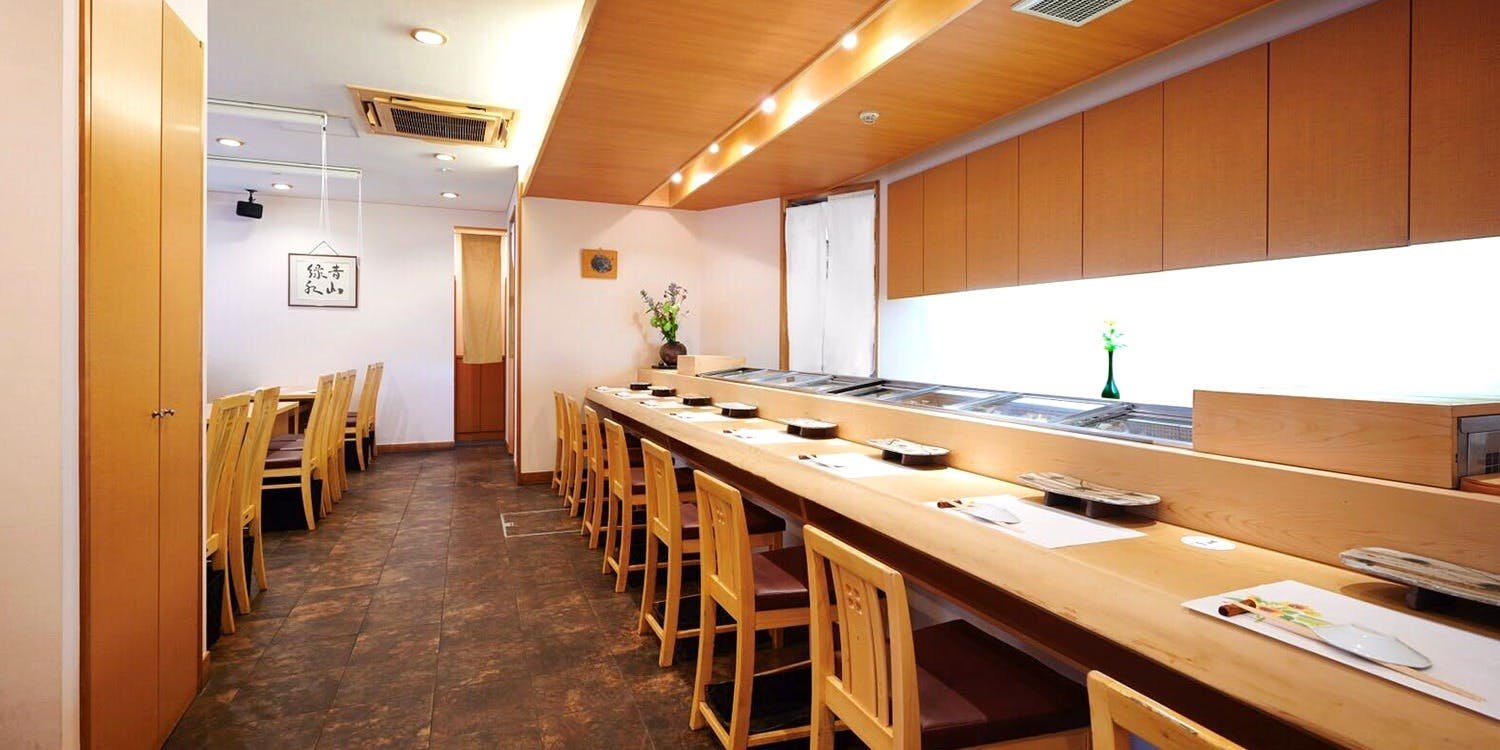
Stylish space with counter seating and an intimate atmosphere focused on fine dining.