
Tabelog 100 #31
Our verdict
Tempura Kyorakutei operates from a first-floor address in Shinjuku's Yochomachi district, placing it within a neighbourhood where Tokyo's older culinary traditions persist alongside the city's more visible fine-dining circuit. For a cuisine as technique-dependent as tempura, the counter format and the precision of the frying medium define the experience before the first piece arrives. An address worth knowing for those tracing Tokyo's tempura tradition seriously.

Pearl is the En Primeur Club membership app, where members save venues, book tables and use the concierge.
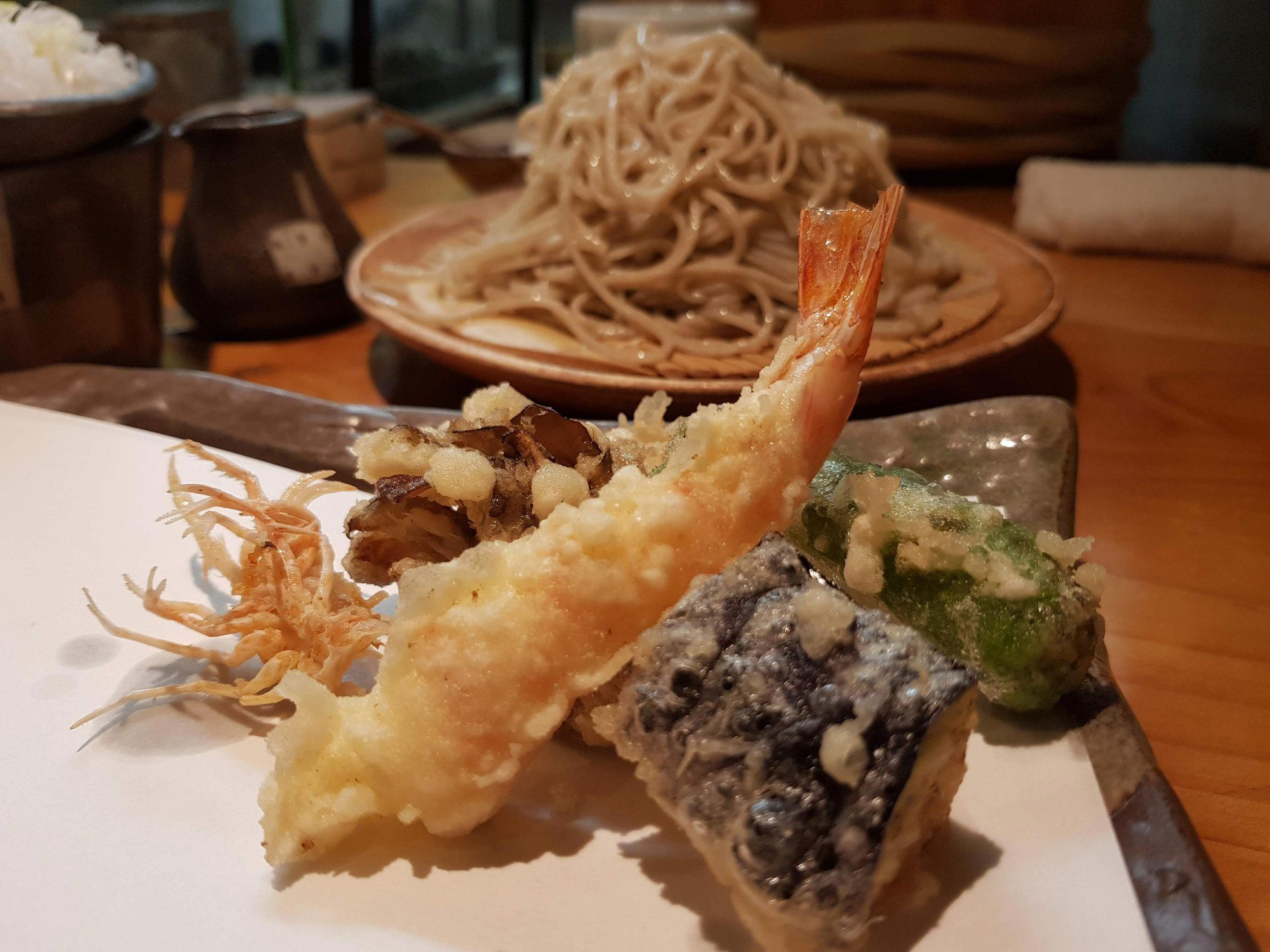
The menu
What to order
- Seasonal tempura
- Tomato soba
Shinjuku's Tempura Tradition and Where Kyorakutei Sits Within It
Shinjuku is not the neighbourhood most visitors associate with quiet, precision-driven Japanese dining. Its reputation runs toward density, the nightlife corridors of Kabukicho, the commuter sprawl of the east exit, the department store restaurants stacked above ground-floor retail. Yet pockets of the ward, particularly around Yochomachi, hold the kind of small, address-specific restaurants that Tokyo's serious diners have always sought out. Tempura Kyorakutei occupies a first-floor space in this quieter zone, sitting within a tradition that is older and more technically demanding than its relative modesty of setting might suggest.
Tempura as a culinary form has been present in Tokyo (then Edo) since at least the eighteenth century, arriving via Portuguese frying techniques and adapted over generations into something that bears little resemblance to its origins. The transition from street food to counter discipline happened across several centuries, and today the upper register of Tokyo tempura is as codified in its expectations as any kaiseki format. Temperature of the oil, humidity of the batter, sequencing of the ingredients from lighter vegetables to richer seafood: these are not variables left to improvise. The leading counters treat them as fixed grammar. Understanding that context is essential before arriving at any serious tempura address in the city.
The Cultural Weight Behind the Counter
What distinguishes high-level tempura from its casual versions is the relationship between heat and water. The batter must stay cold; the oil must stay hot; and the gap between those two temperatures is where the technique lives. This is why serious tempura restaurants almost always structure service around a counter facing the fryer, allowing the diner to receive each piece within seconds of it leaving the oil. Sitting in front of a skilled tempura chef is not theatre for its own sake, it is the only format in which the food can be served at the correct moment. A piece held for even two minutes begins losing the contrast between the crust and the interior that defines the form.
This logic places Kyorakutei in a dining category where the physical format of the restaurant is inseparable from the quality of what it serves. Counter tempura in Tokyo exists across a wide price range, from lunch sets priced accessibly to omakase sequences that sit in the same bracket as Tokyo's leading sushi counters. The Yochomachi address, combined with the restaurant's positioning within Shinjuku rather than Ginza or Minami-Aoyama, places it in a quieter competitive set, removed from the most internationally profiled tempura names, but operating within the same fundamental discipline. For visitors who have already covered ground at Harutaka (Sushi) or RyuGin (Kaiseki, Japanese) and are looking to extend their coverage of Tokyo's specialist counter formats, a neighbourhood address like this offers a different register of the same underlying rigour.
Shinjuku as a Dining District: What the Neighbourhood Tells You
The Yochomachi area of Shinjuku sits north of the main station district, in a part of the ward that retains a residential and small-business character less visible in the redeveloped zones. Tokyo's culinary geography often rewards distance from the most obvious clusters. The concentration of media attention on Ginza and Minami-Aoyama has not erased the fact that many of the city's most consistent, serious restaurants are in neighbourhoods that receive less international coverage. Shinjuku's food scene includes both the sprawling izakaya culture around the station and the quieter, more focused restaurants in its less trafficked corners.
This pattern is not unique to Tokyo. In Osaka, serious addresses like HAJIME in Osaka operate at a remove from the Dotonbori tourist corridor. In Kyoto, Gion Sasaki in Kyoto sits within a neighbourhood defined by its cultural density rather than its visibility. The principle applies across Japan's dining culture: the address you have to look for is often the address that has least to prove. Kyorakutei's Shinjuku location follows that logic.
Placing Kyorakutei in Tokyo's Wider Fine-Dining Picture
Tokyo's restaurant scene at the upper tier is dominated by formats that have attracted sustained international attention: French-influenced tasting menus at places like L'Effervescence (French) and Sézanne (French), innovative cross-cultural approaches at Crony (Innovative, French), and the counter omakase formats for sushi and kaiseki that have become the city's most internationally recognised export. Tempura sits somewhat apart from this attention economy, partly because it is harder to photograph dramatically and partly because the discipline is less legible to international visitors unfamiliar with its internal distinctions.
That relative quietness in the press has not changed the standards at the better counters. Japanese tempura specialists at the serious end of the market have been recognised by Michelin and the domestic food press for decades, and the techniques involved have not simplified. If anything, the sourcing of seasonal ingredients, the timing of shiso, the arrival of matsutake, the specific prawn varieties appropriate to summer versus autumn service, has become more precise as the form has matured. For those who want to extend their reading of Japan's broader dining picture beyond Tokyo, addresses like akordu in Nara and Goh in Fukuoka offer useful comparison points for how different regions interpret precision dining. The full Tokyo restaurants guide maps the wider city context.
Internationally, the technical discipline of high-end tempura has analogues in other precision-driven tasting formats. Le Bernardin in New York City operates on a similar principle: the difference between acceptable and excellent is measured in seconds and temperature. Atomix in New York City applies comparable rigour to Korean fine dining. The counter format, the sequencing logic, and the sourcing discipline connect across cuisines even when the specific techniques differ entirely.
Seasonal Timing and Practical Considerations
Autumn (October through November) is worth noting as a particularly considered window for tempura dining in Tokyo. The transition from summer's heat brings ingredients such as root vegetables, mushrooms, and early-season fish that suit frying better than the lighter, moisture-heavy produce of summer. Spring, when mountain vegetables such as taranome and kogomi appear briefly, represents a second strong seasonal moment. Both periods reward visitors who have planned their Tokyo dining around specific ingredients rather than simply available bookings.
Shinjuku's transport access is direct: the ward is served by multiple major lines including the JR Yamanote, Chuo, and Sobu lines as well as the Toei Shinjuku and Marunouchi metro lines. Yochomachi sits close enough to the station to be accessible without significant navigation, though the specific first-floor address requires attention to the street layout rather than reliance on major landmarks.
For other specialist addresses in Japan that reward the same kind of deliberate planning, the EP Club editorial covers 一本木 石川製 in Nanao, 大仙坊山乃 in Sapporo, 湖邸東羽 in Takashima, 庭羽屋 in Nishikawa Machi, Birdland in Sakai, and Bistro Ange in Toyohashi.
Quick reference: Tempura Kyorakutei, 1F, 1-14 Yochomachi, Shinjuku City, Tokyo 162-0055. Booking and hours: contact directly or check current availability through local reservation platforms.
Frequently asked questions
What is the overall feel of Tempura Kyorakutei?
Kyorakutei sits in the quieter Yochomachi pocket of Shinjuku, removed from the ward's more commercial dining corridors. Like most serious Tokyo tempura addresses, the experience is counter-focused and deliberate rather than social in the izakaya sense. The format and neighbourhood position it closer to the specialist end of the city's dining register than to the internationally profiled Ginza or Minami-Aoyama set, though the underlying discipline of counter tempura connects it to the same rigorous tradition.
Is Tempura Kyorakutei reservation-only?
Counter tempura at the serious end of Tokyo's dining market typically operates on a reservation basis, particularly during peak seasonal windows in autumn and spring when demand for ingredient-driven menus rises. Given Kyorakutei's Shinjuku address and counter format, advance booking is the prudent approach regardless of price tier.
Is Tempura Kyorakutei appropriate for children?
This depends less on the venue's stated policy and more on the counter dining format itself. Small counter restaurants in Tokyo, particularly those focused on a sequenced tasting experience, tend to suit adults or older children comfortable with a quiet, seated, prolonged service rhythm. The price point and format signal that Kyorakutei is not structured around family casual dining. If travelling with younger children in Tokyo, it is worth confirming the format and any age considerations directly with the restaurant before booking.
How does Tempura Kyorakutei compare to other Tokyo tempura counters focused on seasonal ingredients?
Tokyo's specialist tempura counters are distinguished primarily by sourcing discipline and sequencing rigour rather than dramatic differentiation in the form itself. Kyorakutei's Shinjuku location places it outside the Ginza cluster that attracts most international press, which can mean shorter lead times for bookings and a more local clientele. For those building a systematic picture of Tokyo's counter dining traditions across sushi, kaiseki, and tempura, it represents a neighbourhood-register address within the same underlying culinary discipline that governs the city's most decorated counters.
How Tempura Kyorakutei Tokyo compares with similar nearby venues.
| Venue | Cuisine | Price | Awards |
|---|---|---|---|
| Tempura KyorakuteiThis venue (the venue you are viewing) | Tempura and Soba | Not listed | Tabelog 100 #31 |
| 小笠原伯爵邸 | Seasonal Kaiseki | $300–500 | Tabelog 100 #47 |
| Vincero | Regional Italian with Japanese Influences | $150–200 | Tabelog 100 #39 |
| Yakiniku Hiromiya Shin honten | Yakiniku (Japanese BBQ) Omakase | $50–100 | Tabelog 100 #62 |
| Iizaka | French with Seasonal Japanese Ingredients | Not listed | Not listed |
| Hiromiya No.3 | Yakiniku (Japanese BBQ) set-course | $50–100 | Tabelog 100 #5 |
Recognition history
Dated appearances from independent guides and award organizations, with the underlying list record or original source where available.
Tabelog 100 #31 · No. 31
Tabelog · Tabelog 100 - Tempura - 2025
Continue exploring
More in Tokyo
Restaurants in Tokyo
All restaurants in Tokyo →



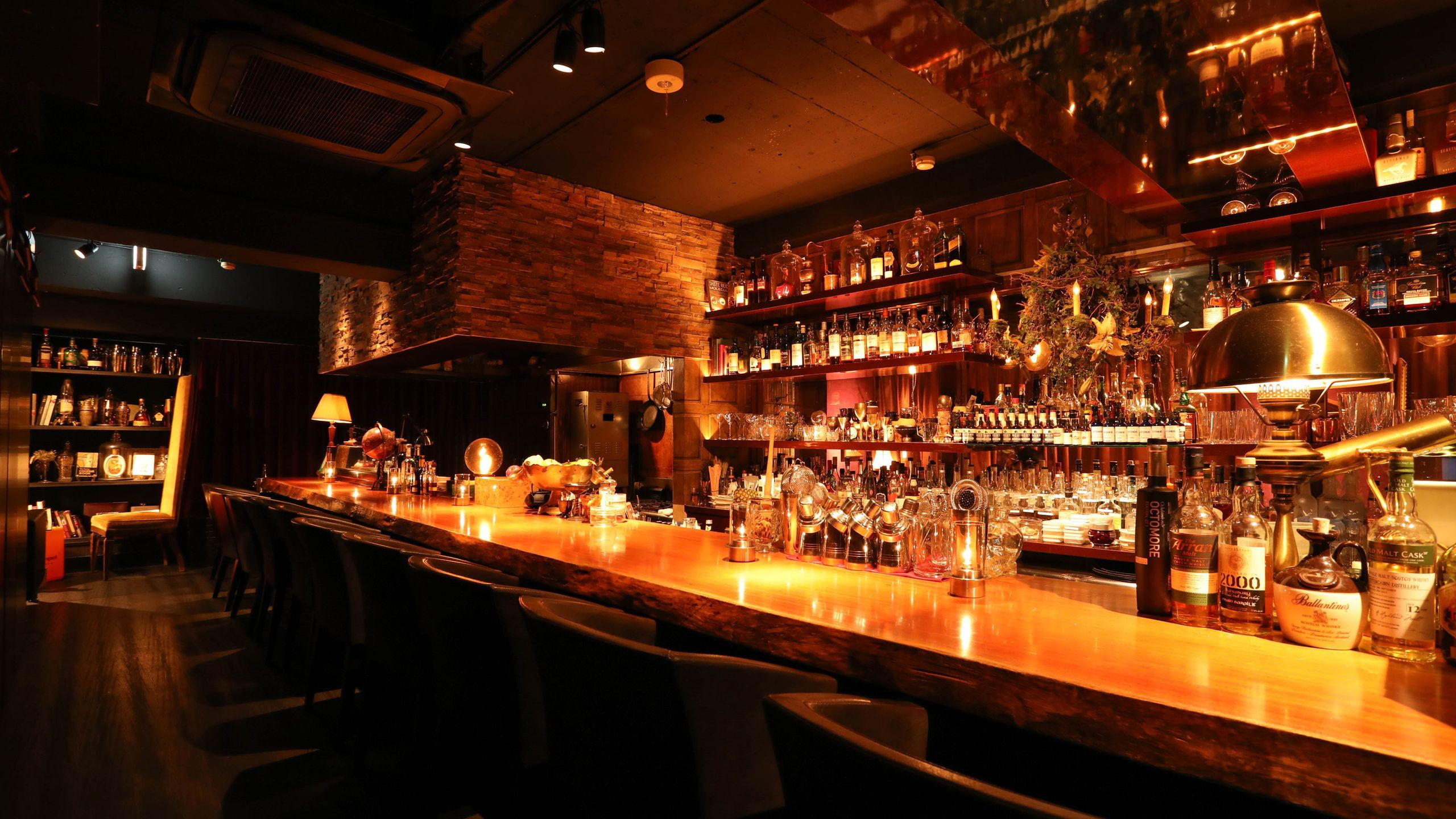
Bars in Tokyo
All bars in Tokyo →




Details
- Elegant
- Intimate
- Cozy
- Solo
- Special Occasion
- Sake Program
- A La Carte
- Counter Dining
- Sake
- Vegetarian Friendly
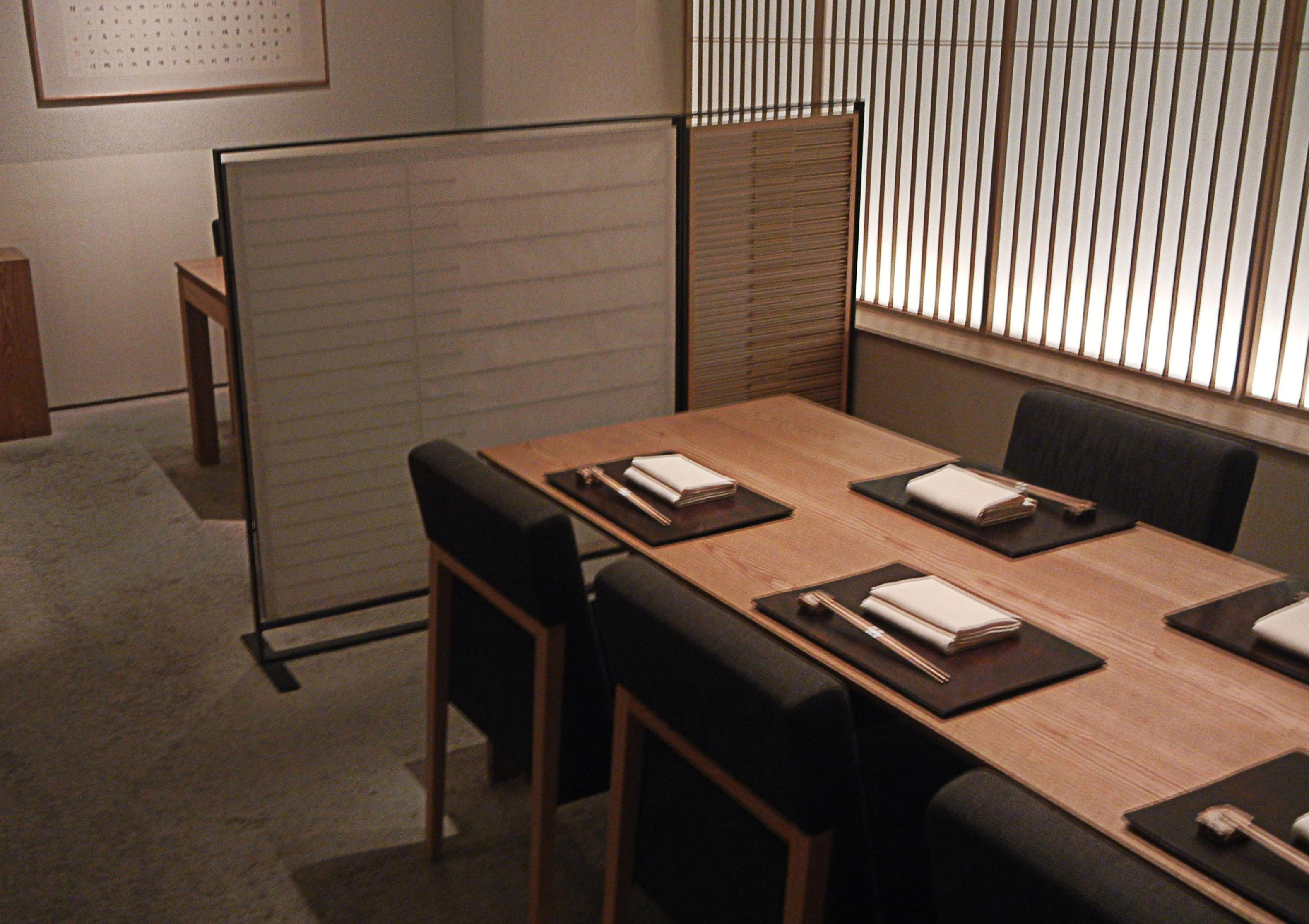
Relaxing and stylish space with counter seating, offering an intimate and traditional atmosphere.